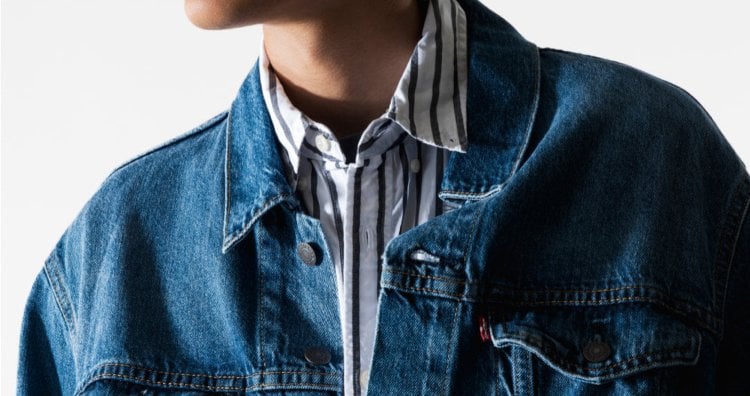
When choosing a denim jacket, the first thing to understand is the structural characteristics of each type, from Levi’s definition of “1st” to “4th,” as well as the original design established by Lee, etc. It is essential to understand the original models that form the foundation of the modern denim jacket. This article will explain the historical background and design necessities of each type.
CONTENTS
- Denim Jacket Roots | Transformation from Worker's Clothing to Fashion Item
- The original
- HYSTERIC GLAMOUR
- 1st Type Denim Jacket Recommendation 2 | WOOLRICH 'Selvedge Denim Shirt Jacket'
- 2nd type
- Carhartt WIP
- sacai
- The most major
- Magliano
- Recommendation 2 for 3rd and 4th type denim jackets | MM6 Maison Margiela 'Button Up Denim Jacket'
- Basic Denim Jacket Design 4 | The 'Lee Type' Establishing a Unique Position
- A.P.C.
- Lee 101J Type Denim Jacket Recommendation 2 | TOM FORD 'Denim Jacket'
Sponsored by
Denim Jacket RootsTransformation from Worker's Clothing to Fashion Item
In the 1930s, Levi’s began manufacturing the ” denim jacket ” as a work jacket to be worn with jeans. Today, denim jackets are widely established as a fashion item, and many brands offer them, but the silhouette and details of the jacket have changed over time. Levi’s denim jackets have been divided into four types, “1st,” “2nd,” “3rd,” and “4th,” in chronological order from the initial model, and each design strongly reflects the social situation and working environment of the time.
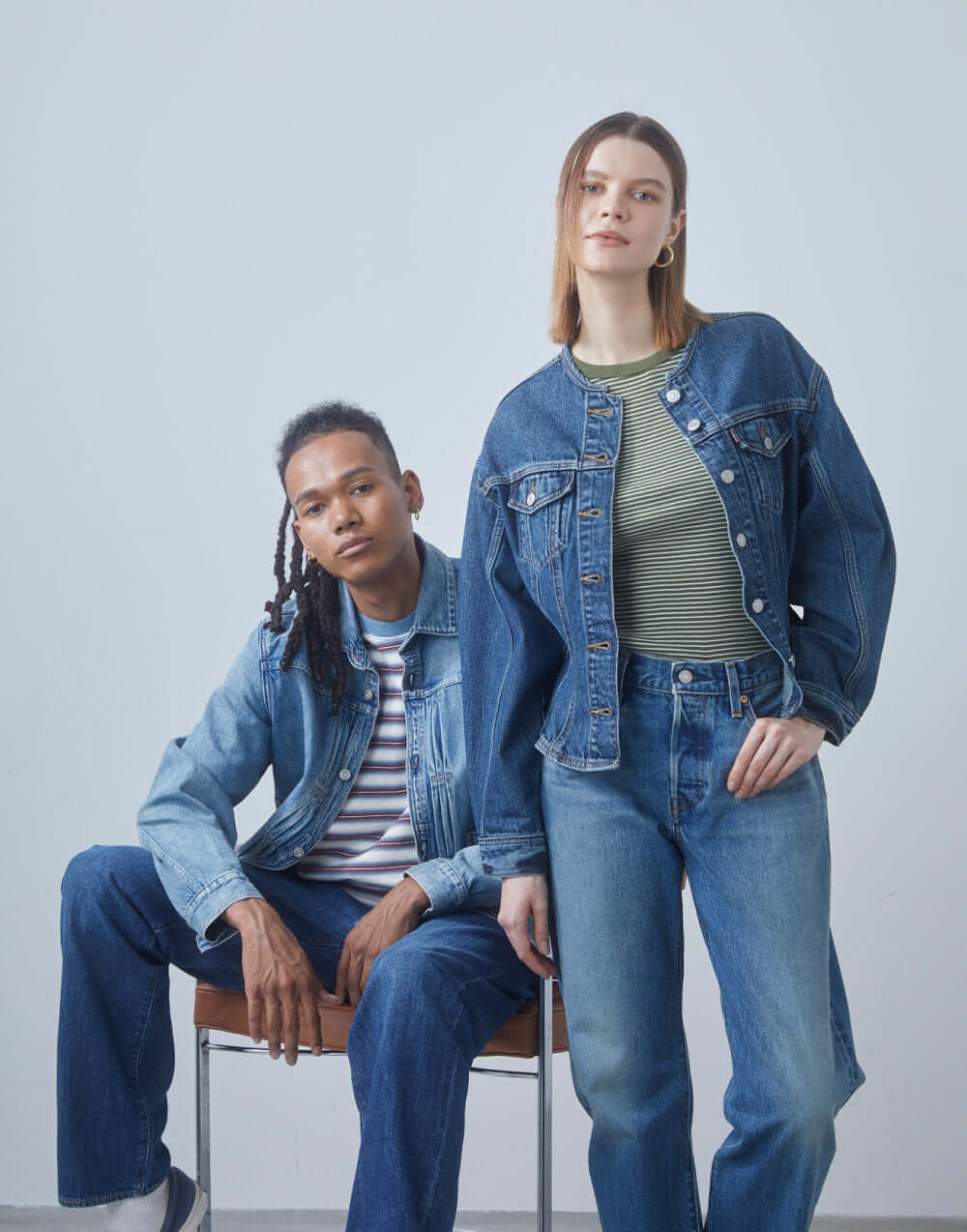
In addition to those four types of Levi’s, Lee’s denim jacket “101J” also established its own position. The unchanging style that has maintained the basic design from its birth to the present is one of the origins that many brands refer to. From here, we pick up recommended denim jackets by type, touching on the historical episodes of the five basic models and their functional beauty!
Basic denim jacket design 1
As the name suggests, the original “1st type” began spinning its history as the first denim jacket. Since it was born not as a fashion item but as a complete work wear, details that clearly show that it was made with emphasis on ease of movement can be seen everywhere. For example, the pleats on the front placket and action pleats on the back give a three-dimensional effect, and the buckle-belt type back cinch (tailstock) is placed on the back waist. The breast pocket is positioned low on the left chest, a detail designed to allow workers to easily access tools and cigarettes. This rough-hewn functional beauty is the charm of the 1st type.
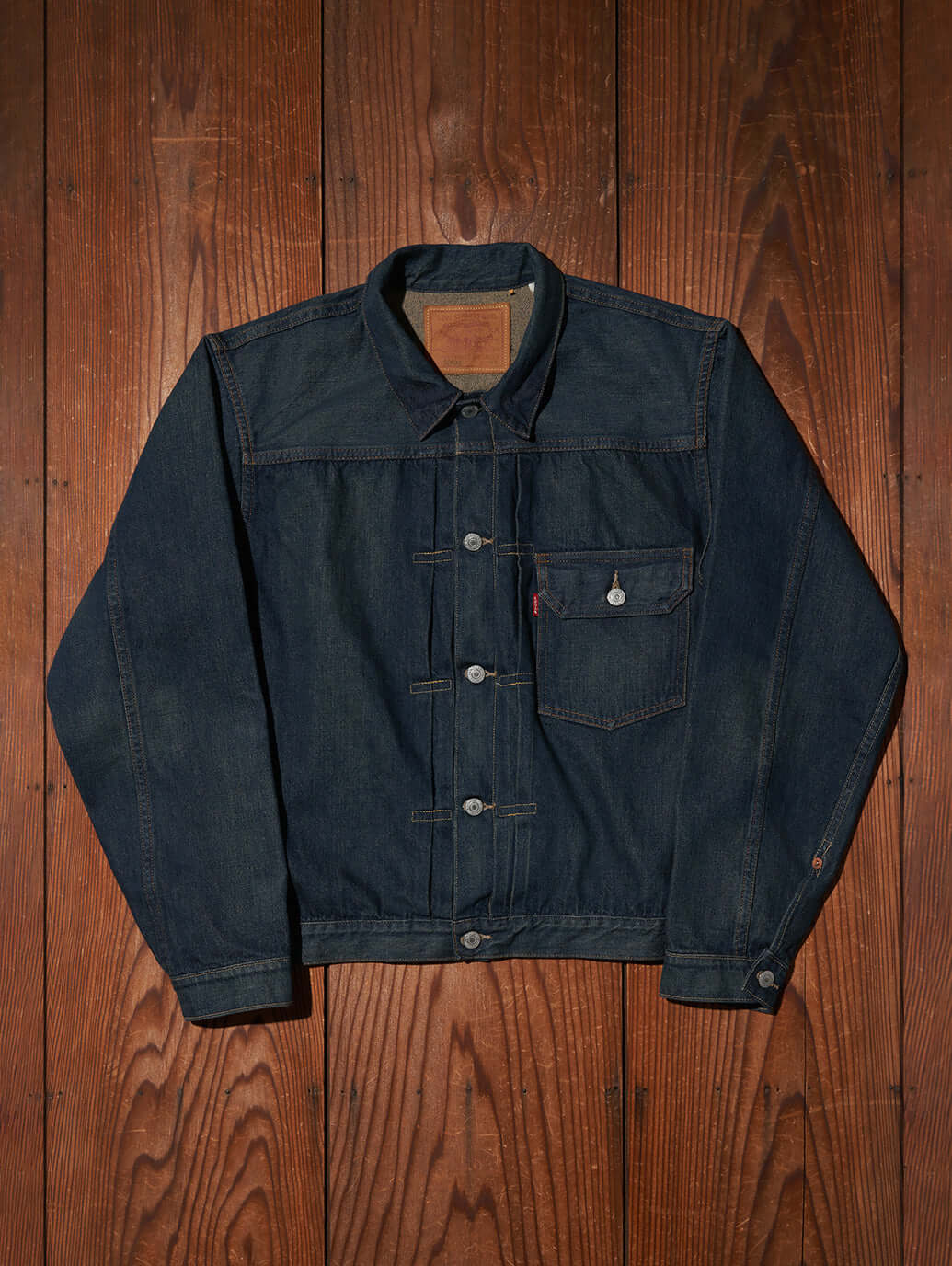
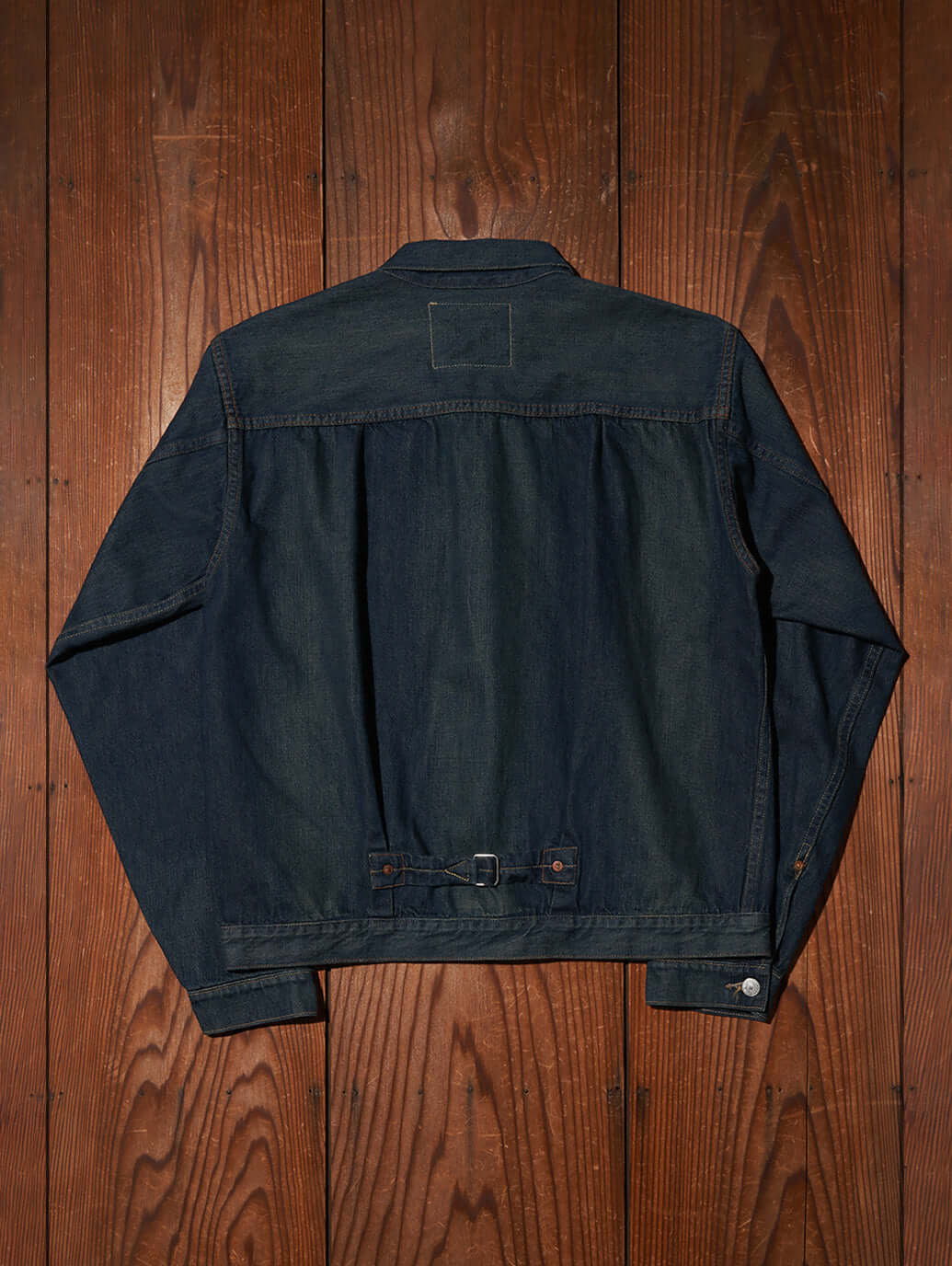
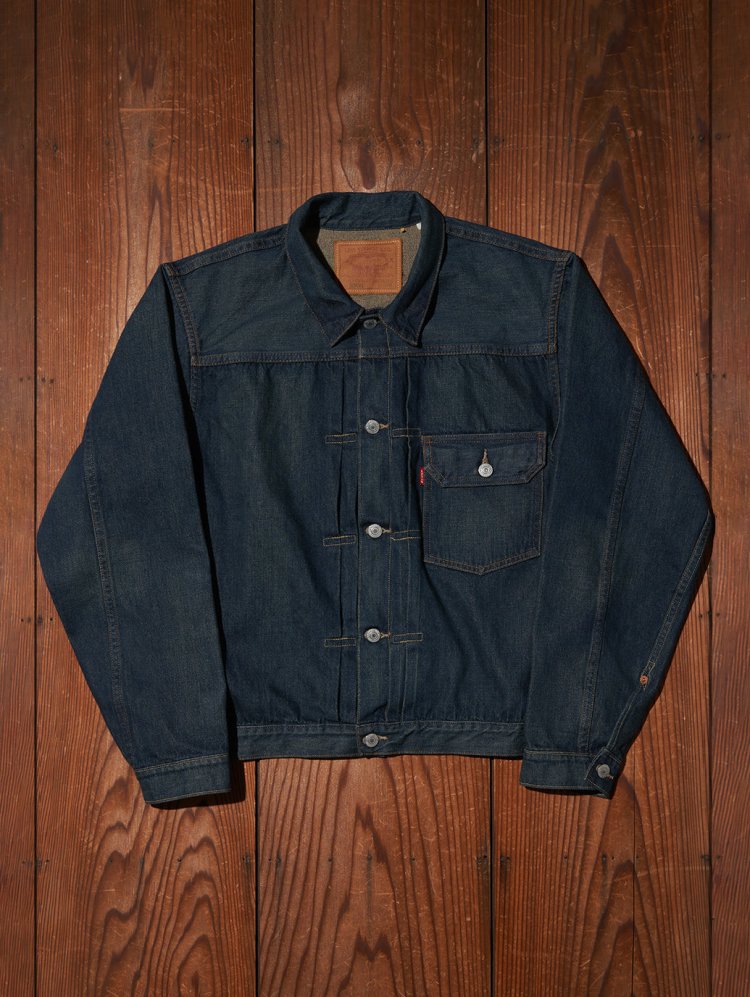

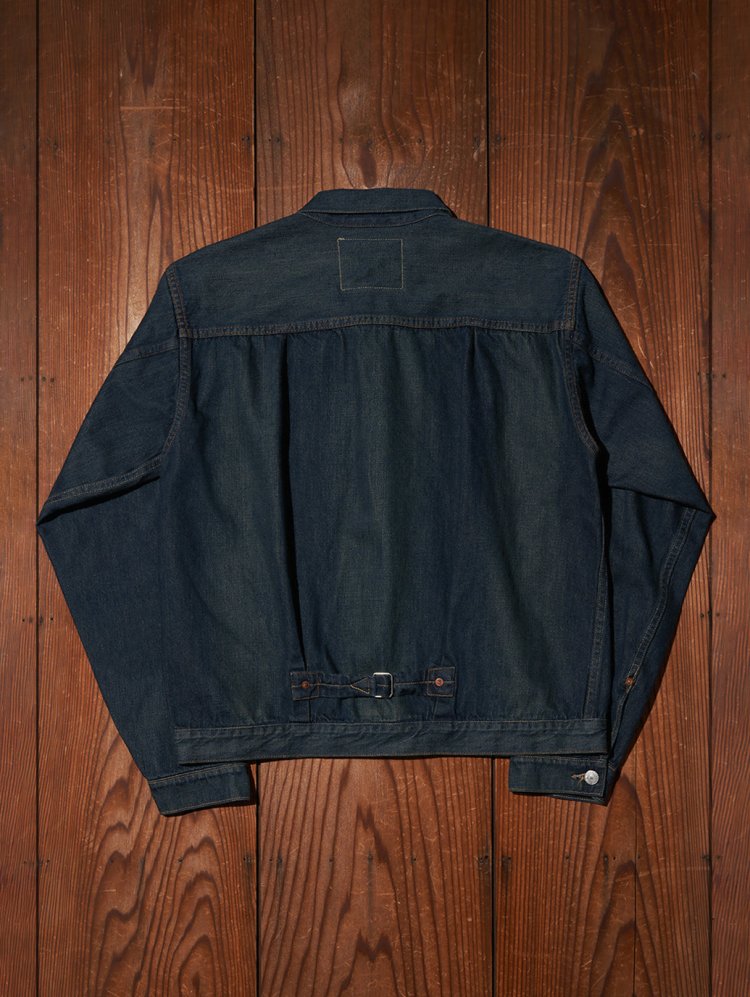
During World War II, details were simplified due to restrictions on supplies. Chest pockets lost their flaps to save cloth, and front buttons were reduced from five to four. The materials of rivets and buttons were also changed, and the quality of the garments was definitely degraded. The designs from this period are known as “World War II models,” and reprinted models that faithfully reproduce the details of the period are still being released on a regular basis.
(Reference: https://www.levistrauss.com/2020/09/30/world-war-ii-levis/)
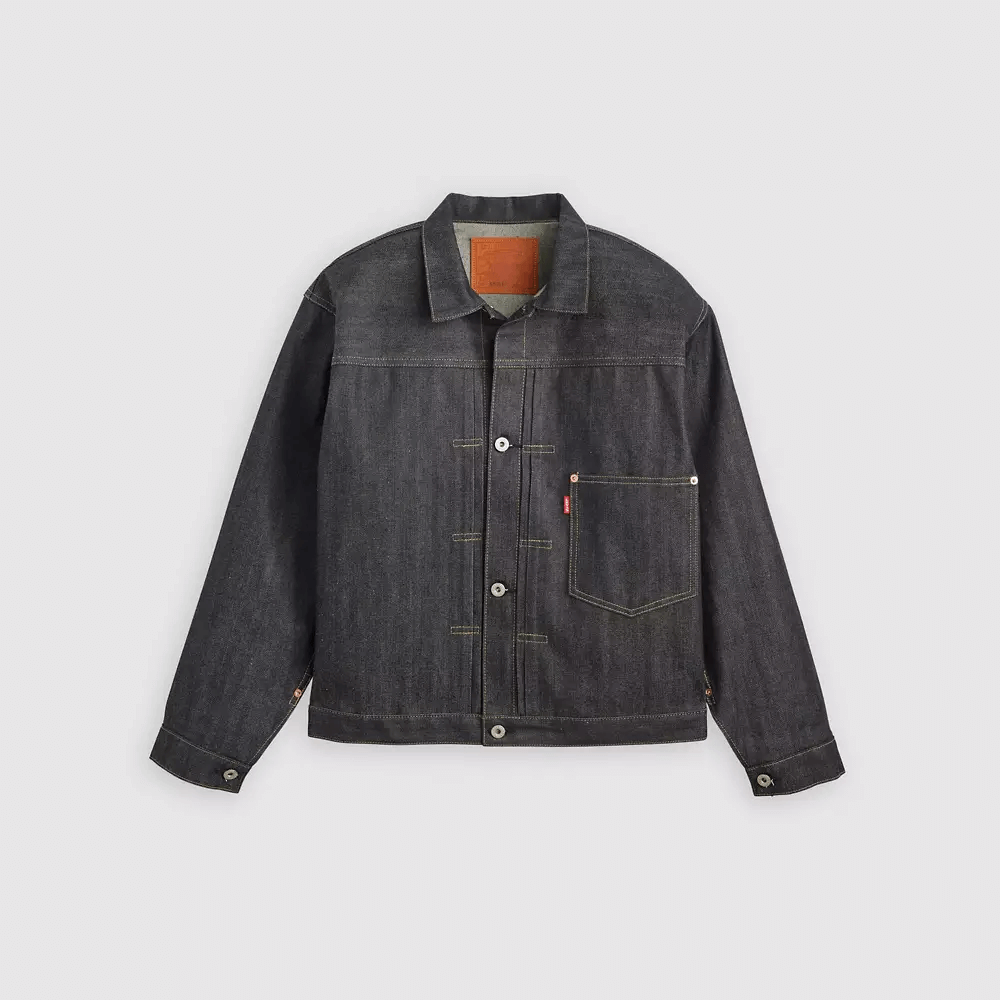
1st Type Denim Jacket Recommendation 1
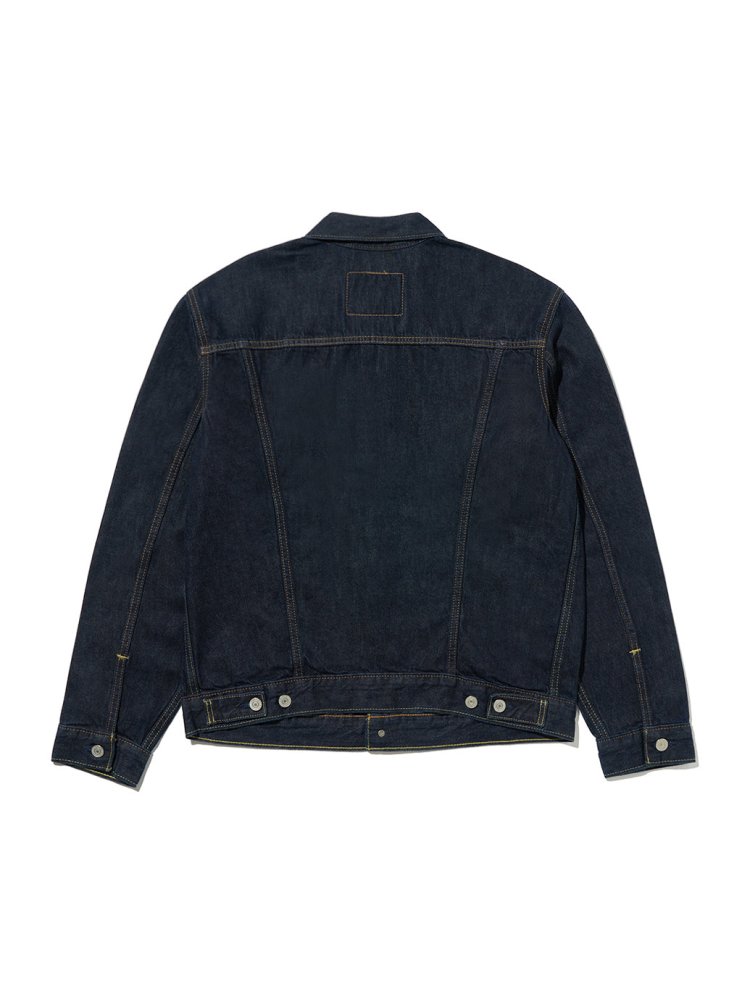
While using the 1st model of the 1930s as a blueprint, the 13oz. The design finished in black selvedge denim is eye-catching. Of particular note is the bold repair work, with navy, pink, and turquoise threads dancing. The relentless study of vintage clothing from the 1950s extends to the sewing process as well, with the use of rare sewing machines still in existence in Japan, and the precision with which the thread counts and needles are used in different parts of the garment. The back of the garment features a “tee-back” design, which was only allowed on the larger sizes of the time.
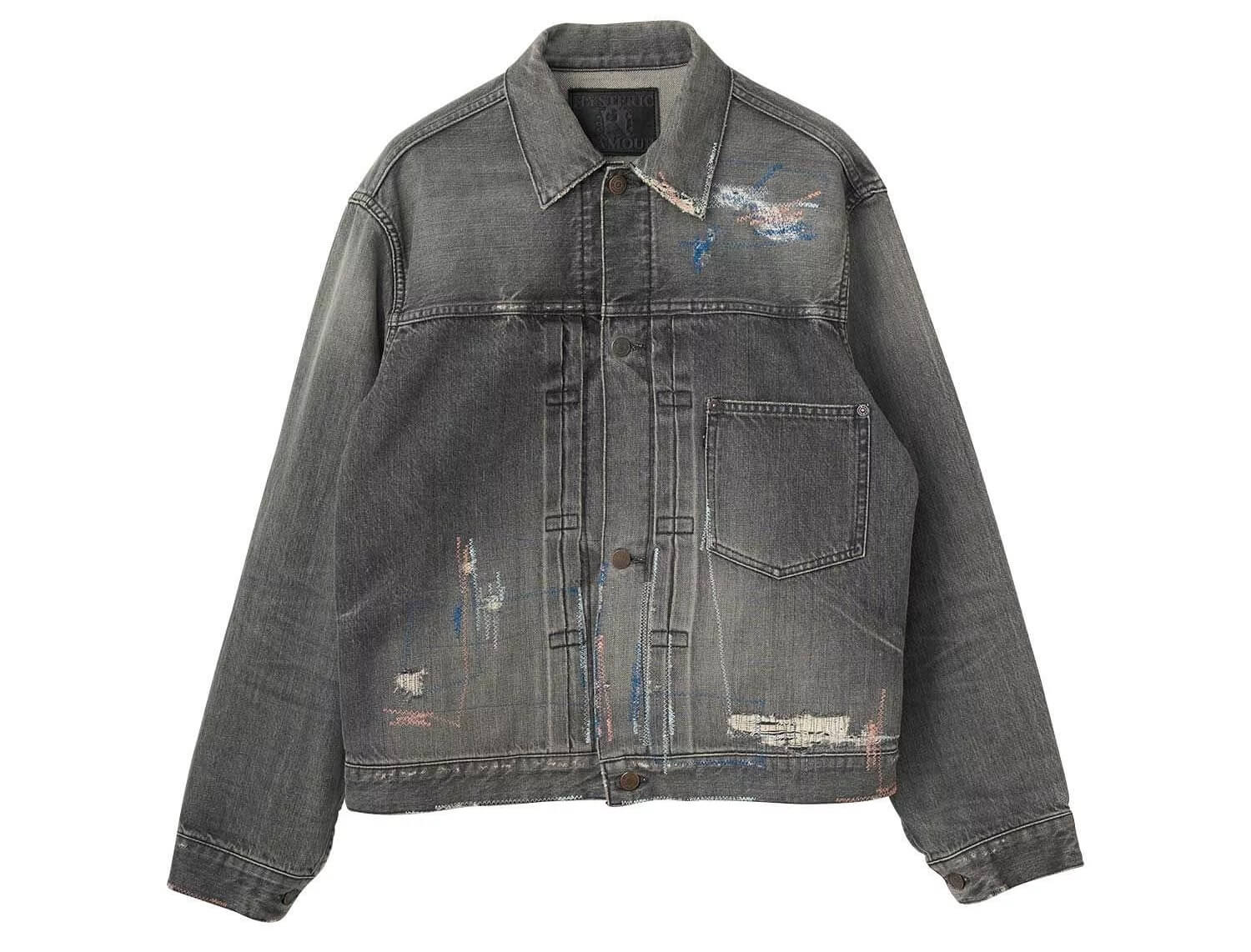
Click here for details and purchase
1st Type Denim Jacket Recommendation 2WOOLRICH 'Selvedge Denim Shirt Jacket'
This richly textured 14 oz. piece is made of pure indigo uneven yarn woven with low tension. The unique grain and rough texture evoke the vitality of vintage in today’s world. The strong stitching and loose-fitting design are made in Japan, and the sheep-shaped studs and leather tabs add a quiet character to the garment. The more you wear it, the more it expands and develops its flavor. This is a legitimate evolution of heritage that combines reliability as a tool with the pleasure of aging.
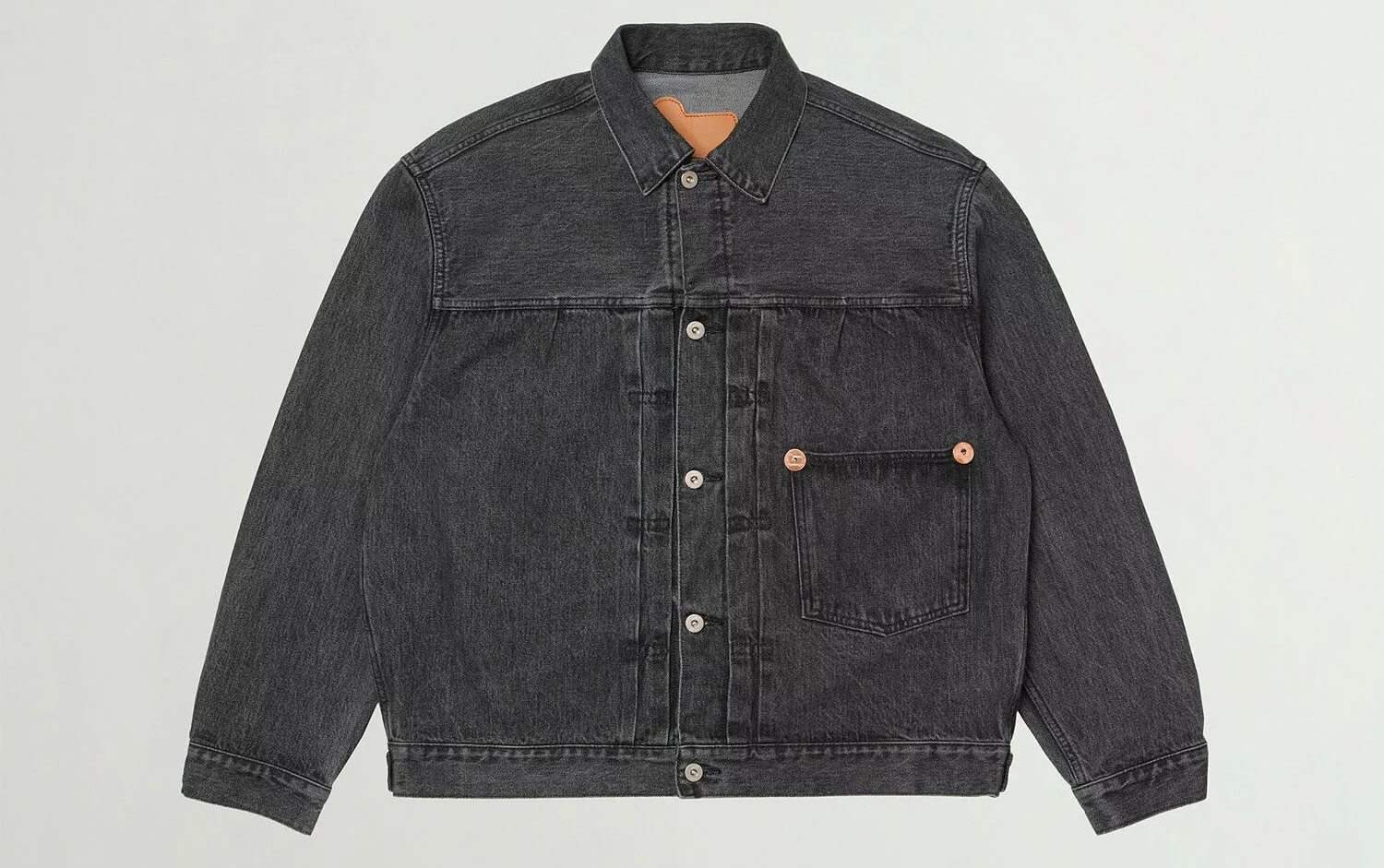
Click here for details and purchase
Basic Denim Jacket Design 22nd type
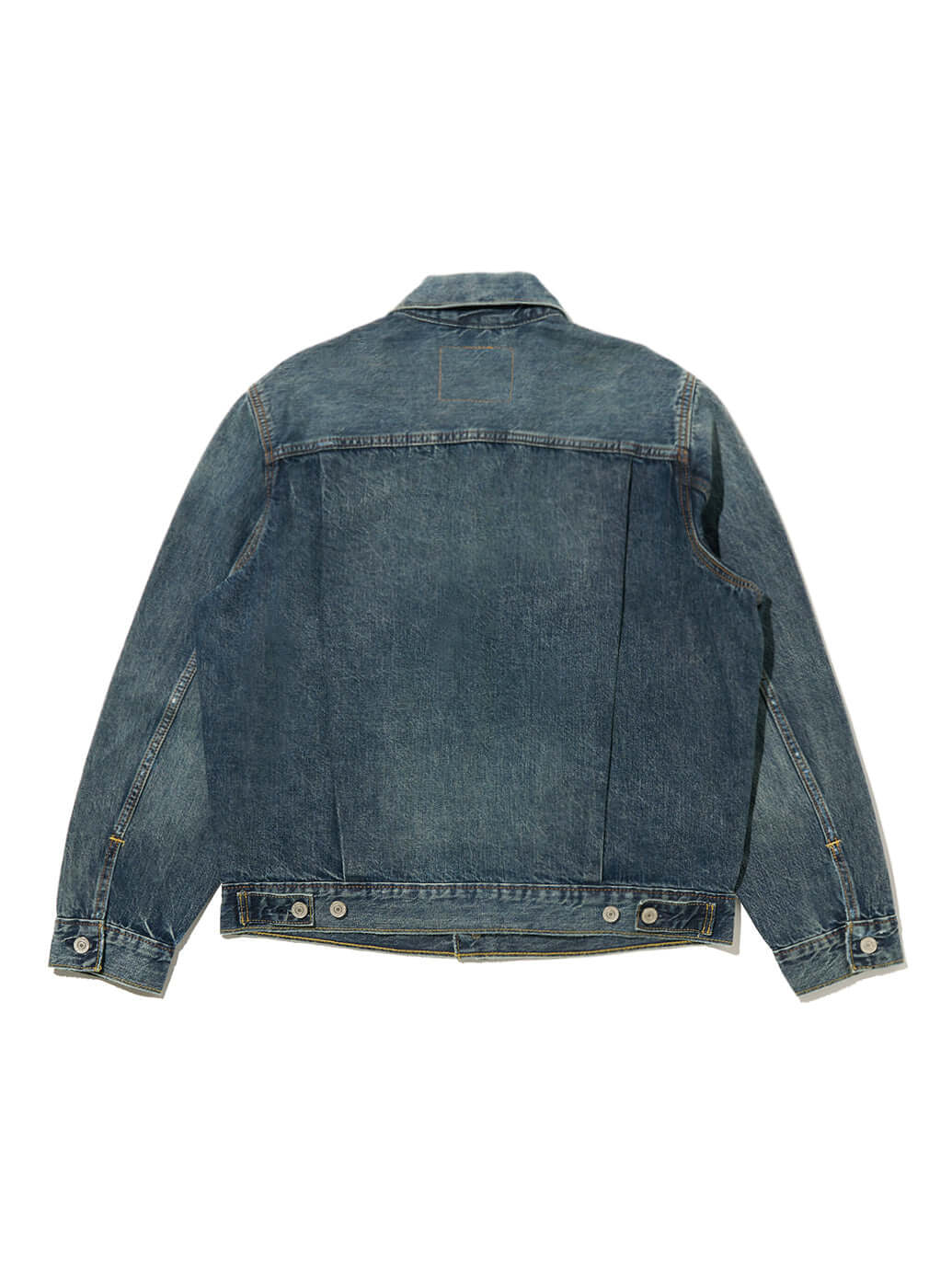
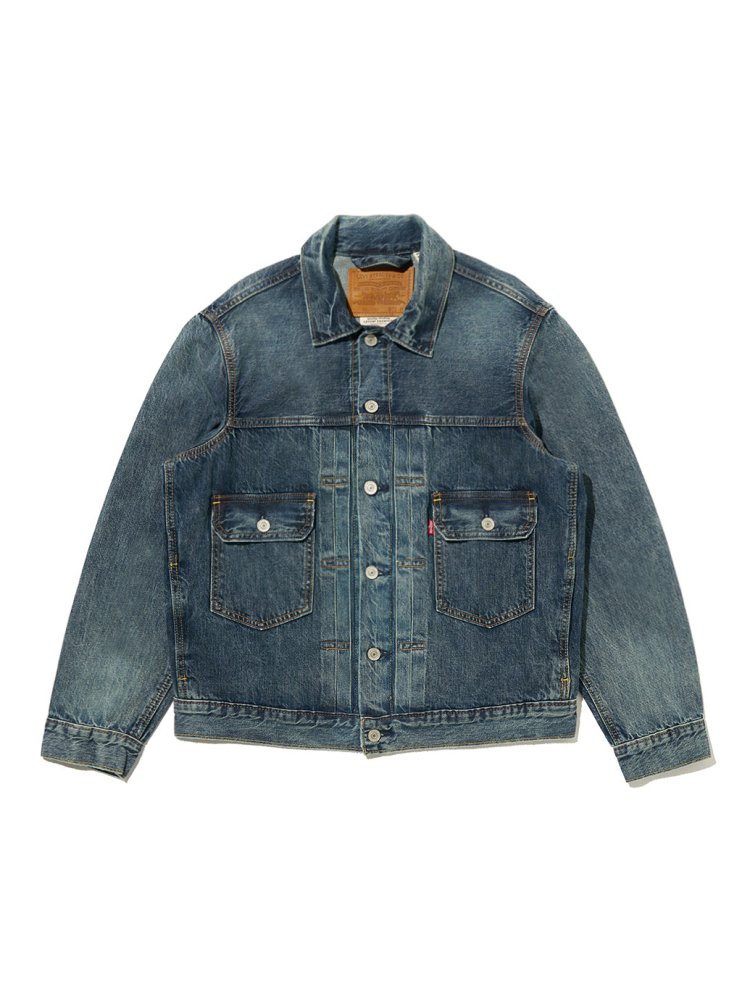
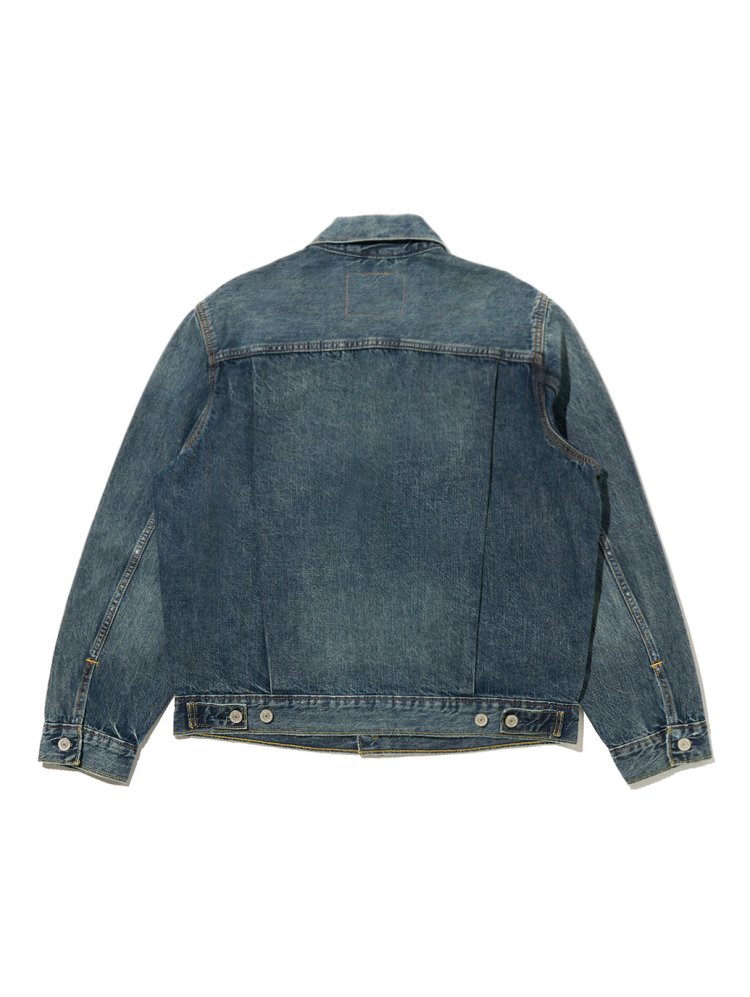
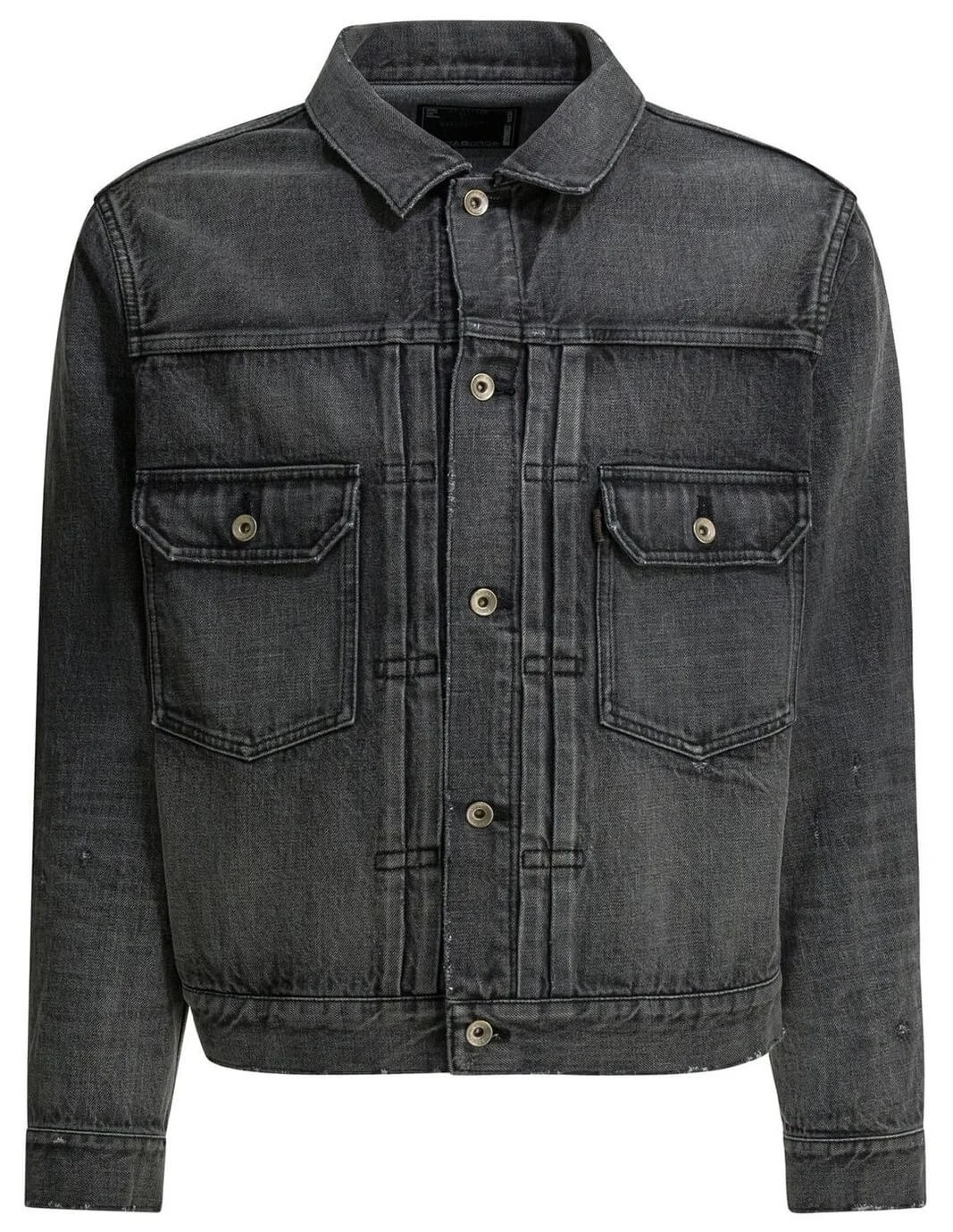
After World War II, the “2nd model” was created as an update of the earlier 1st model. While maintaining the short length, wide silhouette, and front pleats of the 1st model, the back cinches were changed to side adjusters, and pockets were placed on both the left and right sides to further enhance functionality. Incidentally, the back cinches were changed for safety reasons. The back cinches were eliminated due to the risk of catching on factory machinery, which could lead to accidents. The pockets were also improved to meet the demand of postwar factory workers and urban workers, and to make it more convenient to store small items separately on the left and right sides. The 1st and 2nd types are older but still very current, as the trend is toward short-length outerwear with a slightly loose silhouette.
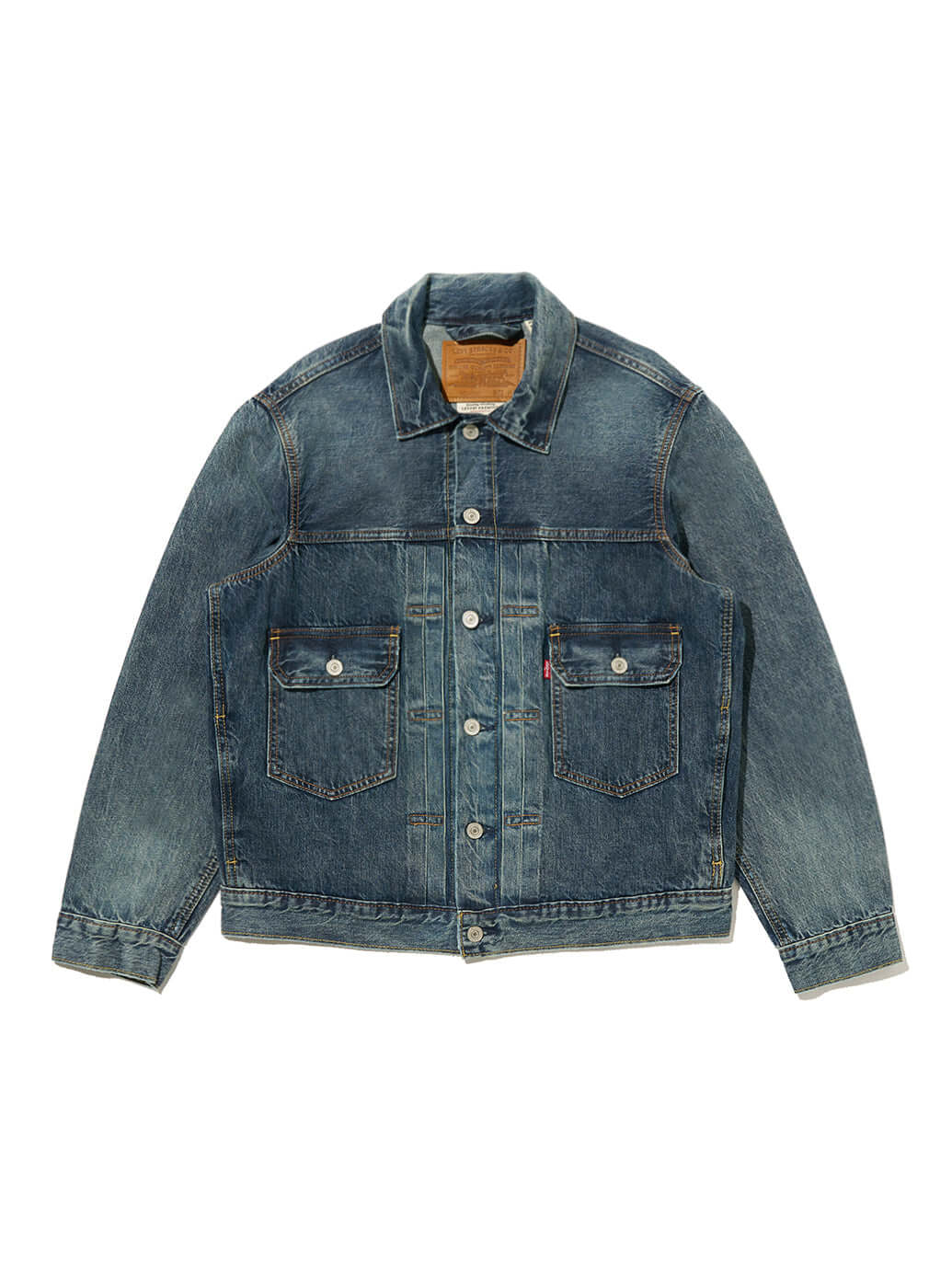
2nd Type Denim Jacket recommendation
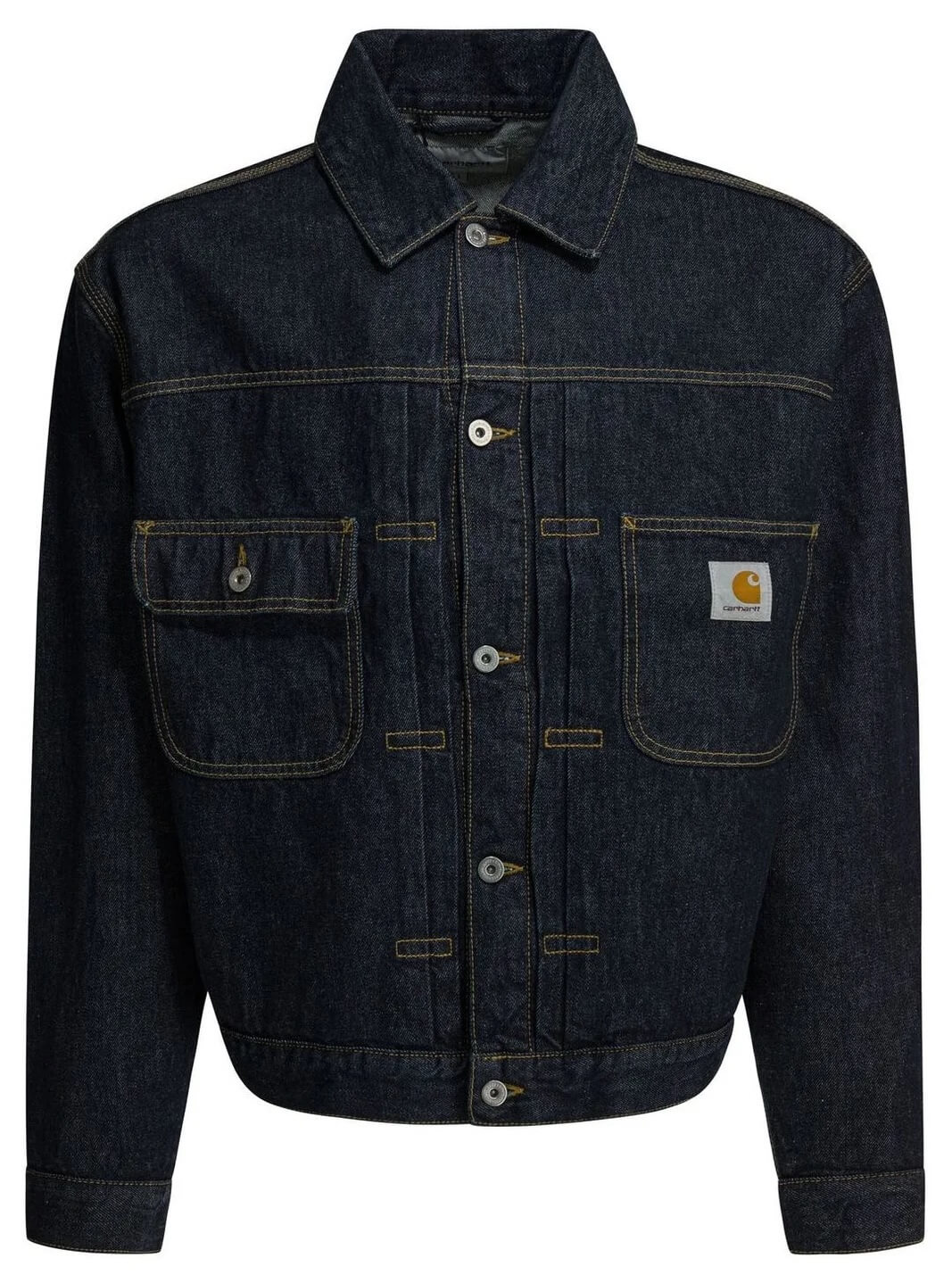
The “Belmar” by Carhartt Work in Progress features a design that sublimates the 2nd’s iconic symmetrical construction into a modern boxy fit. Noteworthy is the use of a heavy 13.5 oz. denim fabric, yet the precise pattern work eliminates the doughiness of the material. This can be said to be the result of a logical shift from the postwar rationality of the 2nd design concept to the urban lifestyle style. The robust triple stitching is a continuation of the philosophy that has been in place since 1889. On the other hand, the equilibrium between the short length and the wide width of the body creates a visual golden ratio. Carhartt’s redefinition of historical designs in a modern grammar is a legitimate evolutionary line in phylogenetics.
Click here for details and purchase.
2nd Type Denim Jacket Recommendation 2
Based on the traditional 2nd type denim jacket, Sacai designer Chitose Abe has added his own interpretation to this piece. While inheriting the style of symmetrical breast pockets, the hybrid design shines by eliminating the checkered lining at the cuffs. This is not mere decoration, but rather an expression of Sakai’s design philosophy of deconstructing the practicality of workwear and transforming it into modern elegance. The boxy silhouette created by the three-dimensional pattern work further amplifies the 2nd’s inherently rugged aesthetic. While respecting historical norms, this denim jacket creates new values by contrasting different materials, and can be called an innovative mutant in phylogenetics.
Click here for details and purchase.
Basic denim jacket design 3 & 4
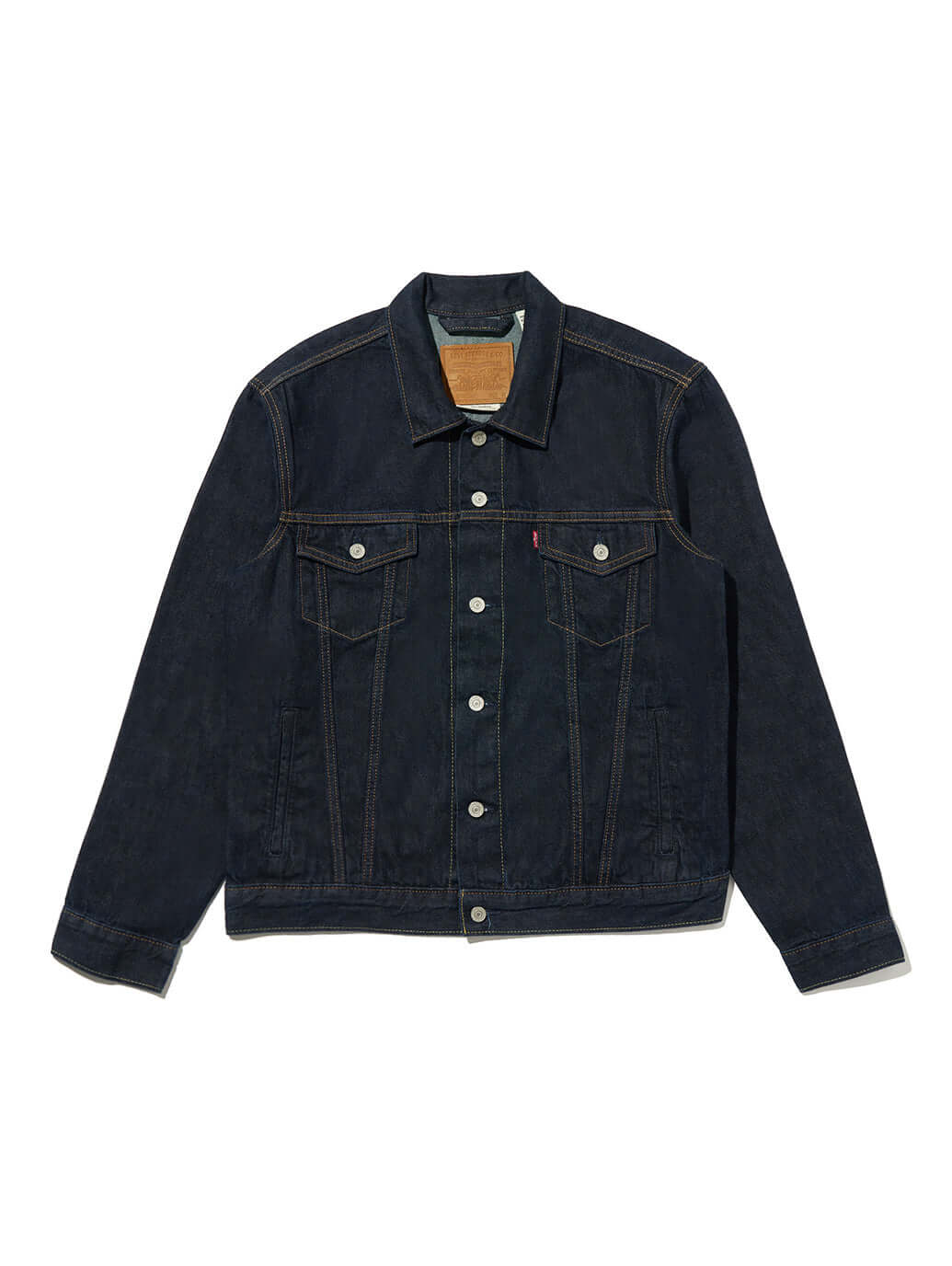
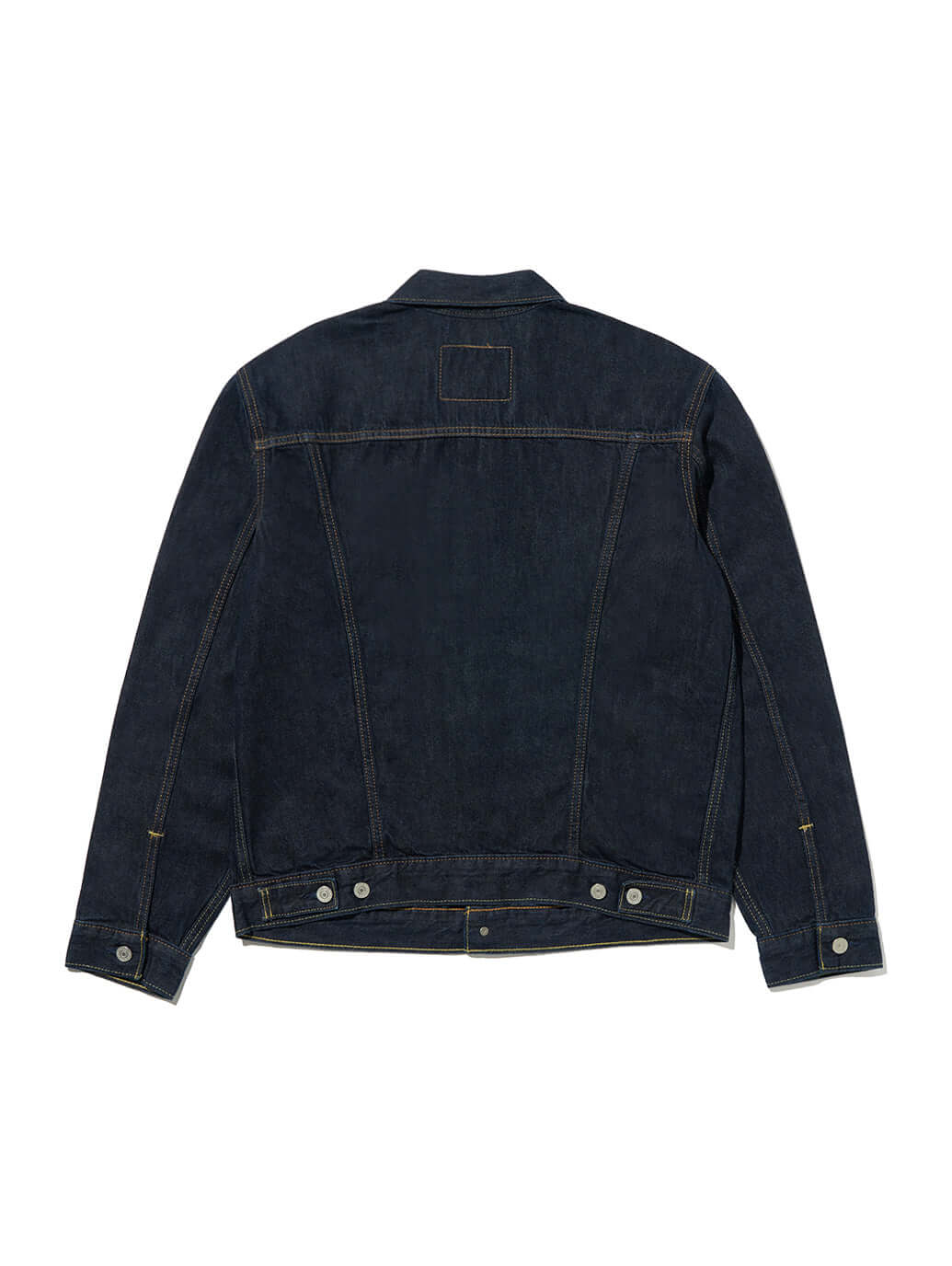
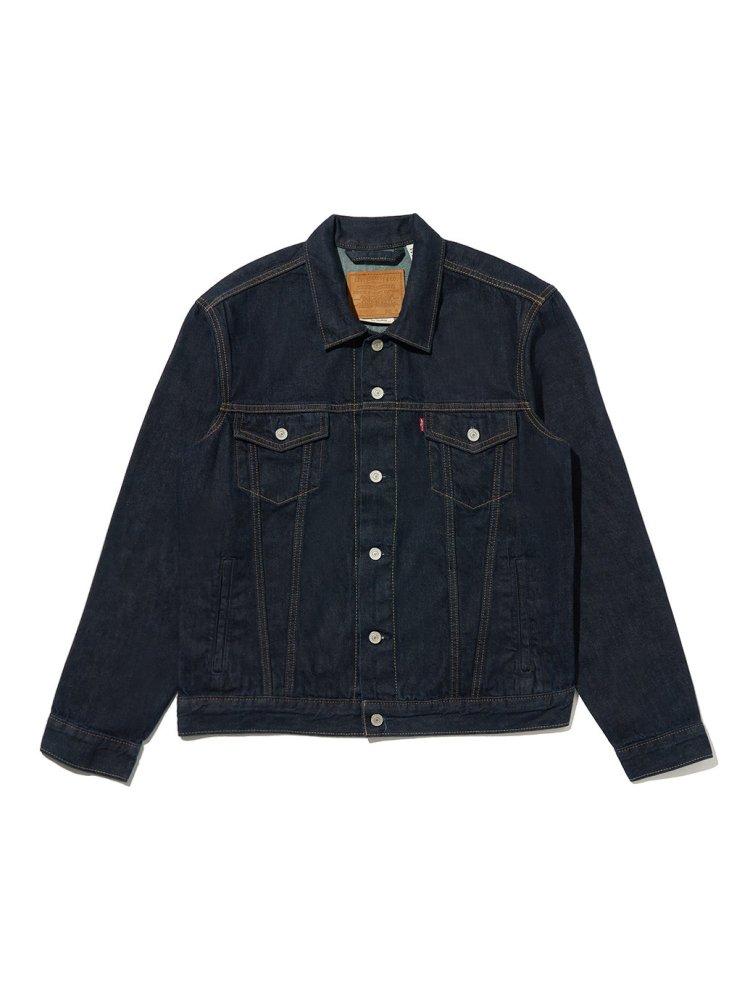
The most major and most complete denim jacket ” The “3rd type&4th type” is the most major type of denim jacket and is also known as the finished type of denim jacket. Many people may think of this design when they think of denim jackets. compared to the changes from 1st to 2nd, the 2nd to 3rd is significantly updated and has a very different look. The most distinctive feature is the V-shaped transition linked to the base flap pockets. The 4th type looks almost the same as the 3rd type, so they are listed in the same category here, but the silhouette when worn is slightly different because the 4th type has a slightly slimmer body width and a slightly longer length. Incidentally, Levi’s now sets the product name of denim jackets as trucker jackets. This is because the 3rd type denim jacket introduced in 1962 was loved by truck drivers.
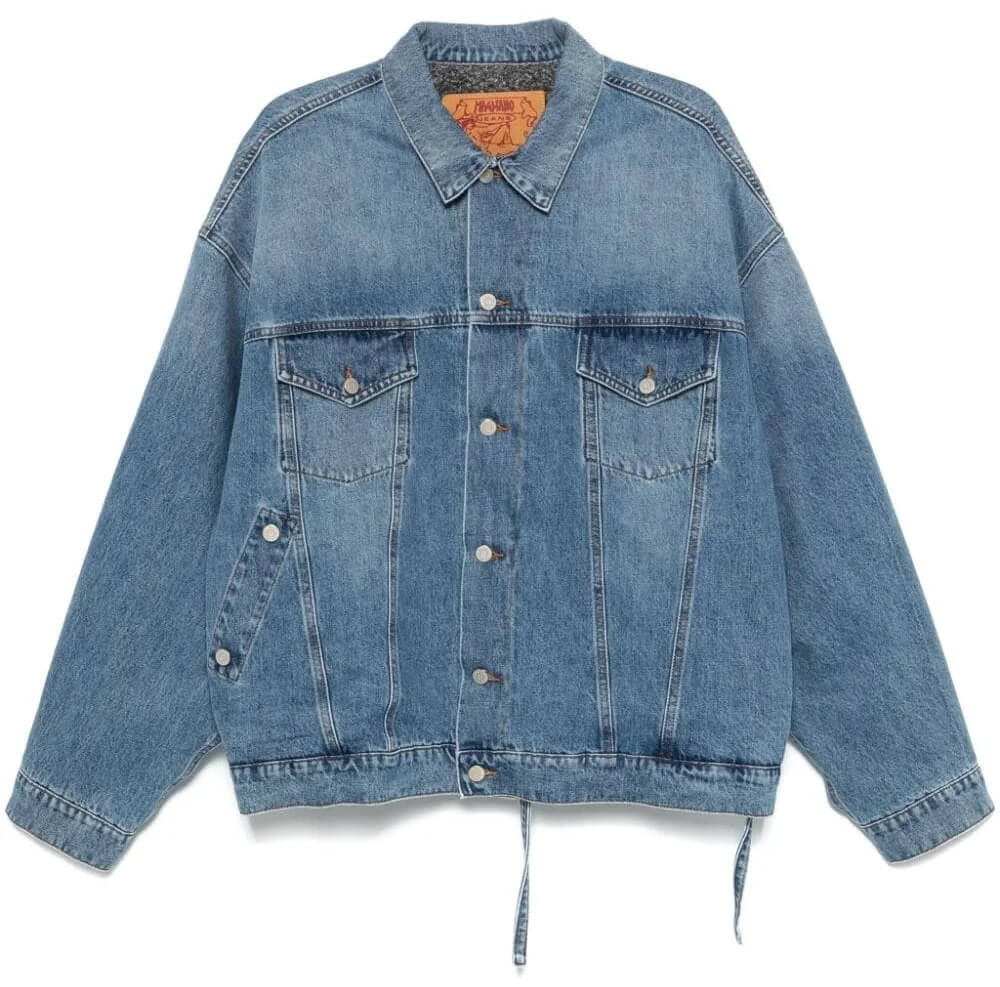
3rd and 4th type denim Recommended Jacket 1
This is a piece in which the Italian genius Luca Magliano dares to break down the style of the 3rd, which is considered to be the perfected type, and incorporates his own unique poison. The design, which redefines the original refinement of the 3rd with excessive volume, is an avant-garde deviation in phylogenetics and symbolizes the forefront of contemporary fashion.
Click here for details and purchase.
Recommendation 2 for 3rd and 4th type denim jacketsMM6 Maison Margiela 'Button Up Denim Jacket'
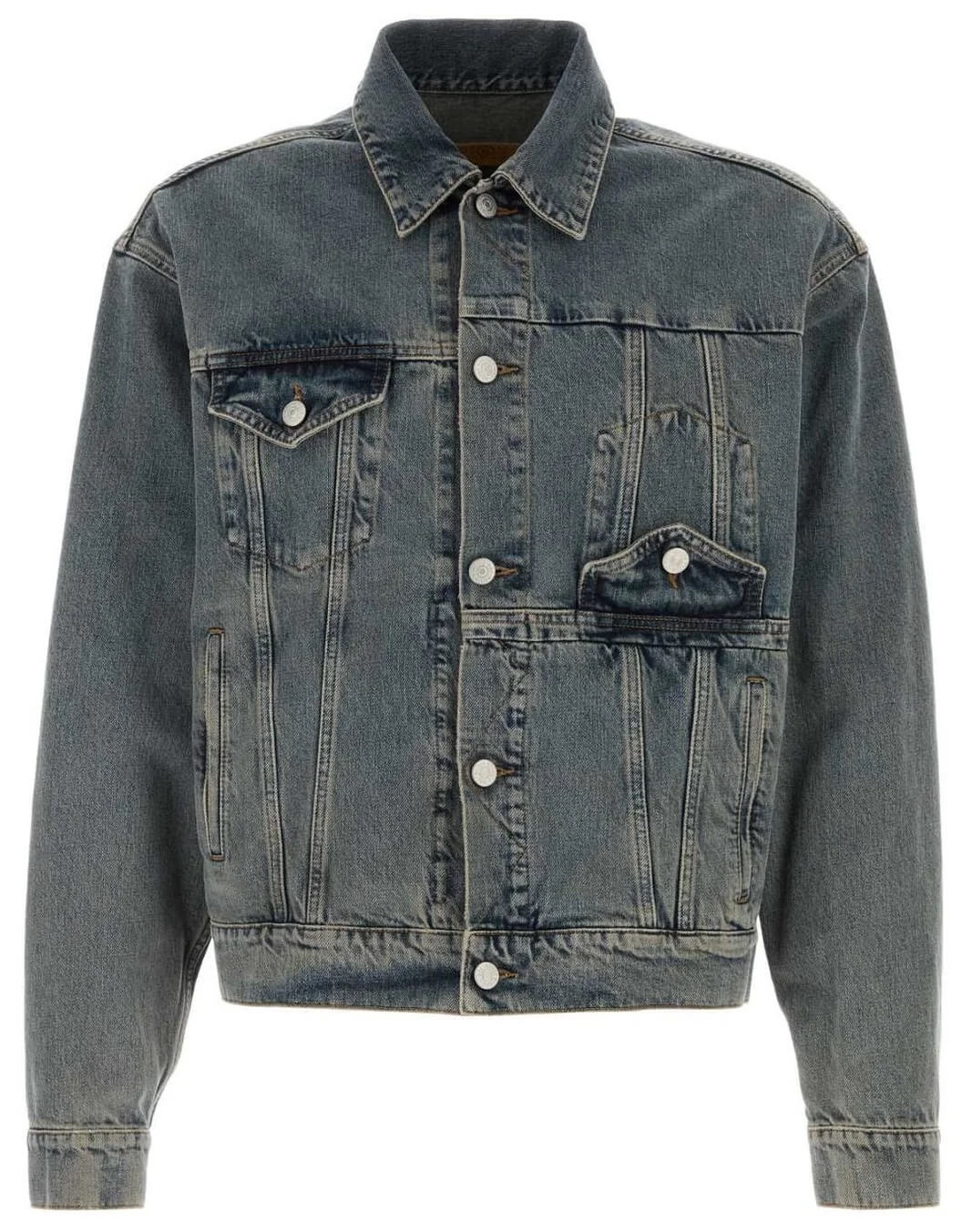
This piece dares to distort the 3rd style and injects Margiela’s unique perspective. While retaining the traditional symbols such as the V-shape transition and flap pockets, the chest pockets have been turned upside down to create an asymmetrical design, intentionally destroying the uniformity of workwear. It is a perfect piece of clothing to distinguish yourself from your peers.
Click here for details and purchase.
Basic Denim Jacket Design 4The 'Lee Type' Establishing a Unique Position
The denim jacket of Lee, one of the three major denim brands, has not undergone major design changes from its birth to the present and is characterized by its unchanging style. The denim jacket is characterized by its unchanging style, with no major design changes from its birth to the present. Because of the similarity in detail, it is often compared to Levi’s 3rd type ” 557. However, while Levi’s has been making workwear worn by miners, Lee developed this jacket with the expectation that it would be worn by cowboys. Therefore, one of the features of this jacket is that it is made with fewer metal parts to prevent injury in case of falling off a horse or being subjected to a strong impact. It is interesting to learn about the background, which reveals the details and reasons for the design.
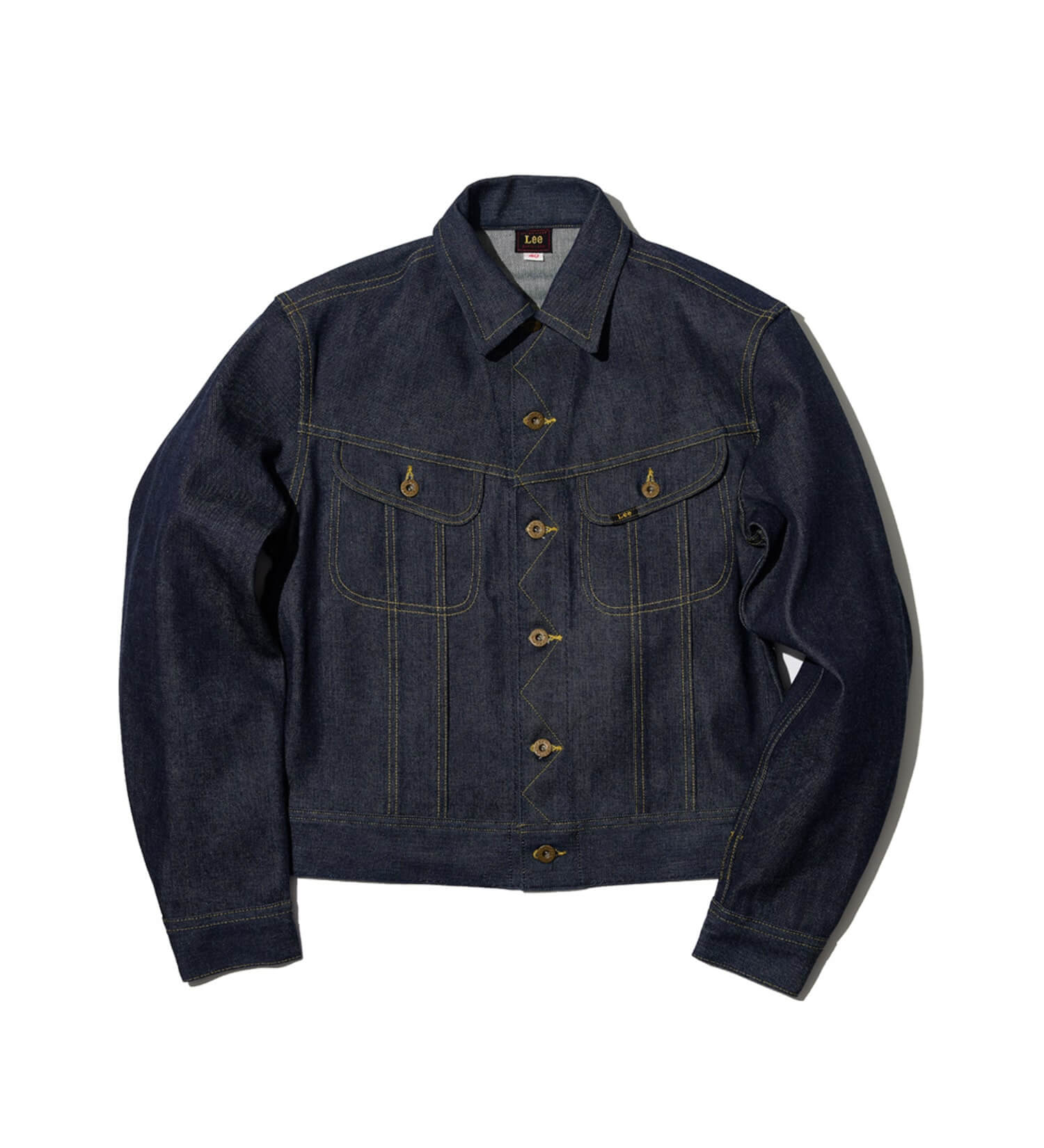
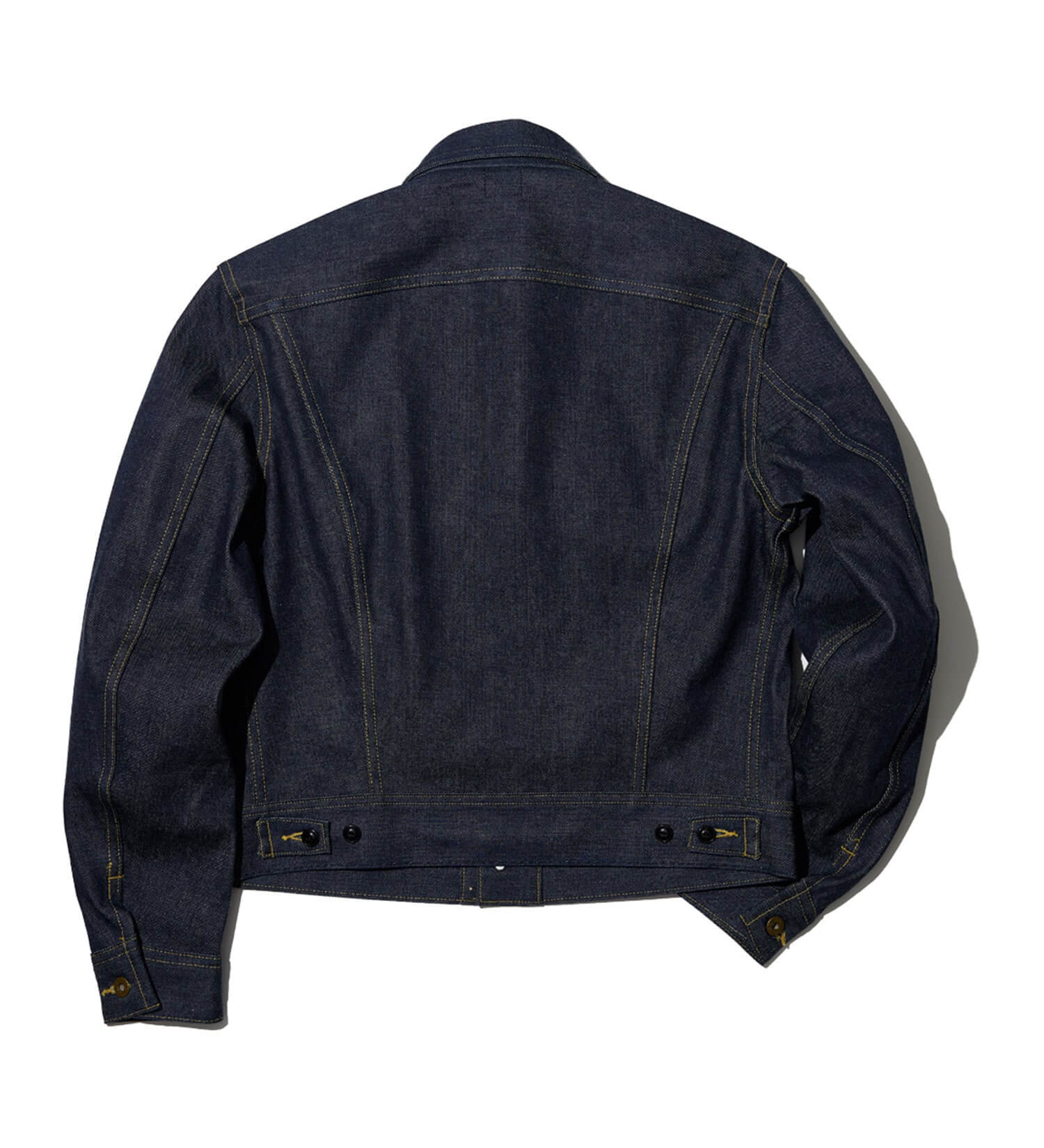
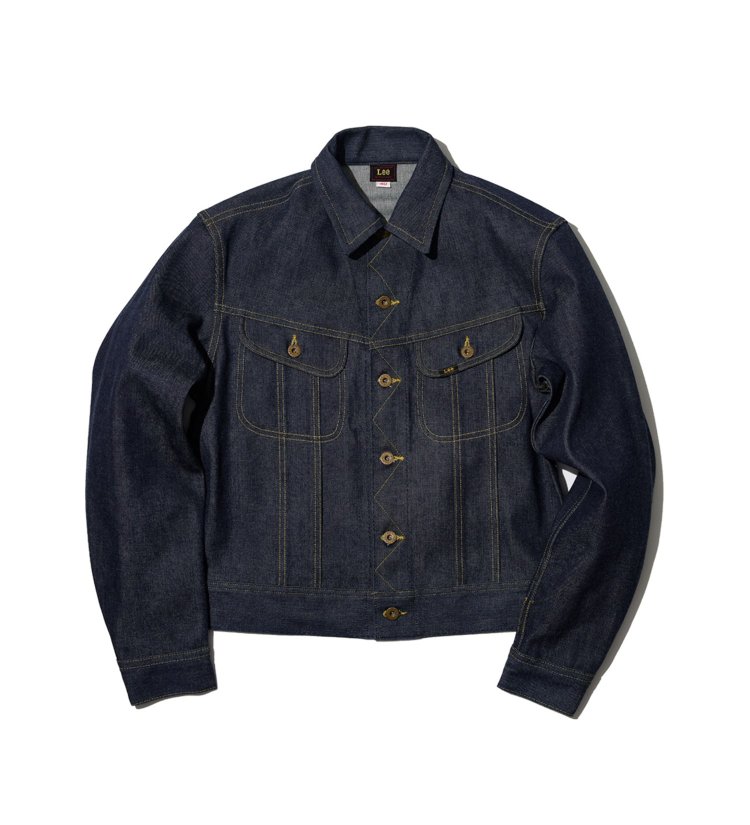
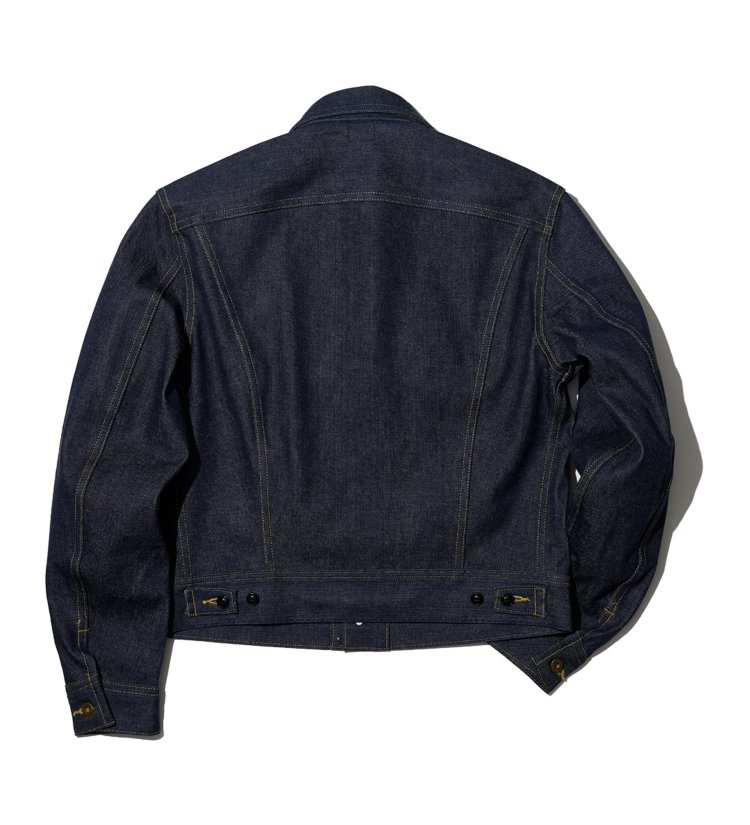
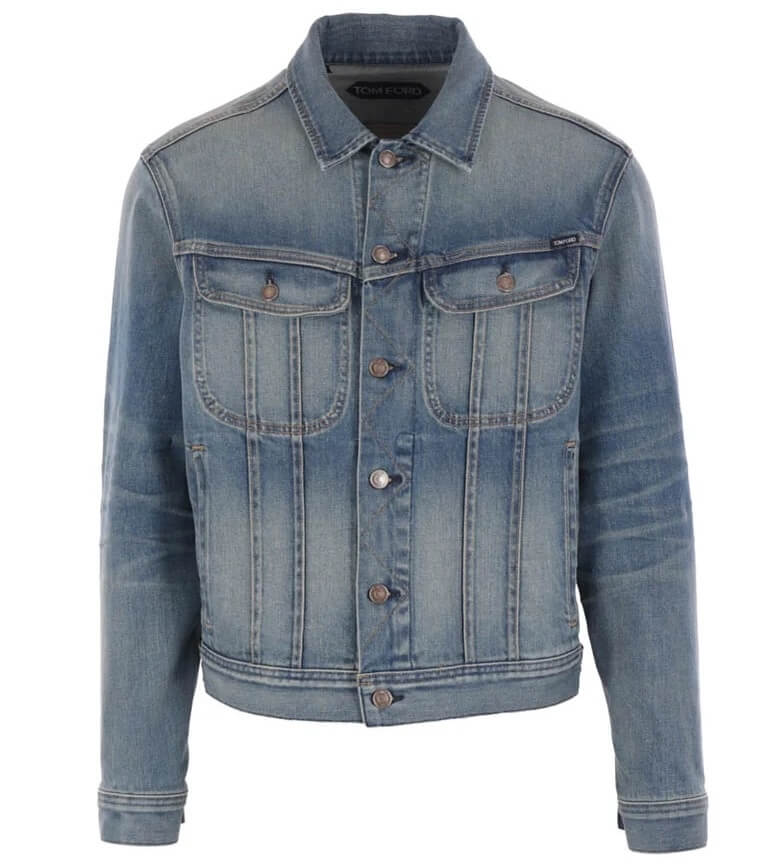
The Lee “101J” denim jacket was created in the 1930s, before Levi’s 3rd model was born. The zigzag stitching, diagonally cut rounded breast pockets, cat-eye buttons on the side adjusters, and the parallel transition from the pockets to the hem are traditional design elements. Although the design has not been changed drastically, there are many points that will make vintage lovers groan, such as the absence of the ” ® ” on the pith label and the different letters on the buttons, depending on the age of the garment. Another characteristic of Lee’s is the strong vertical fading that occurs with aging.
Lee 101J Type Denim Jacket Recommendation 1
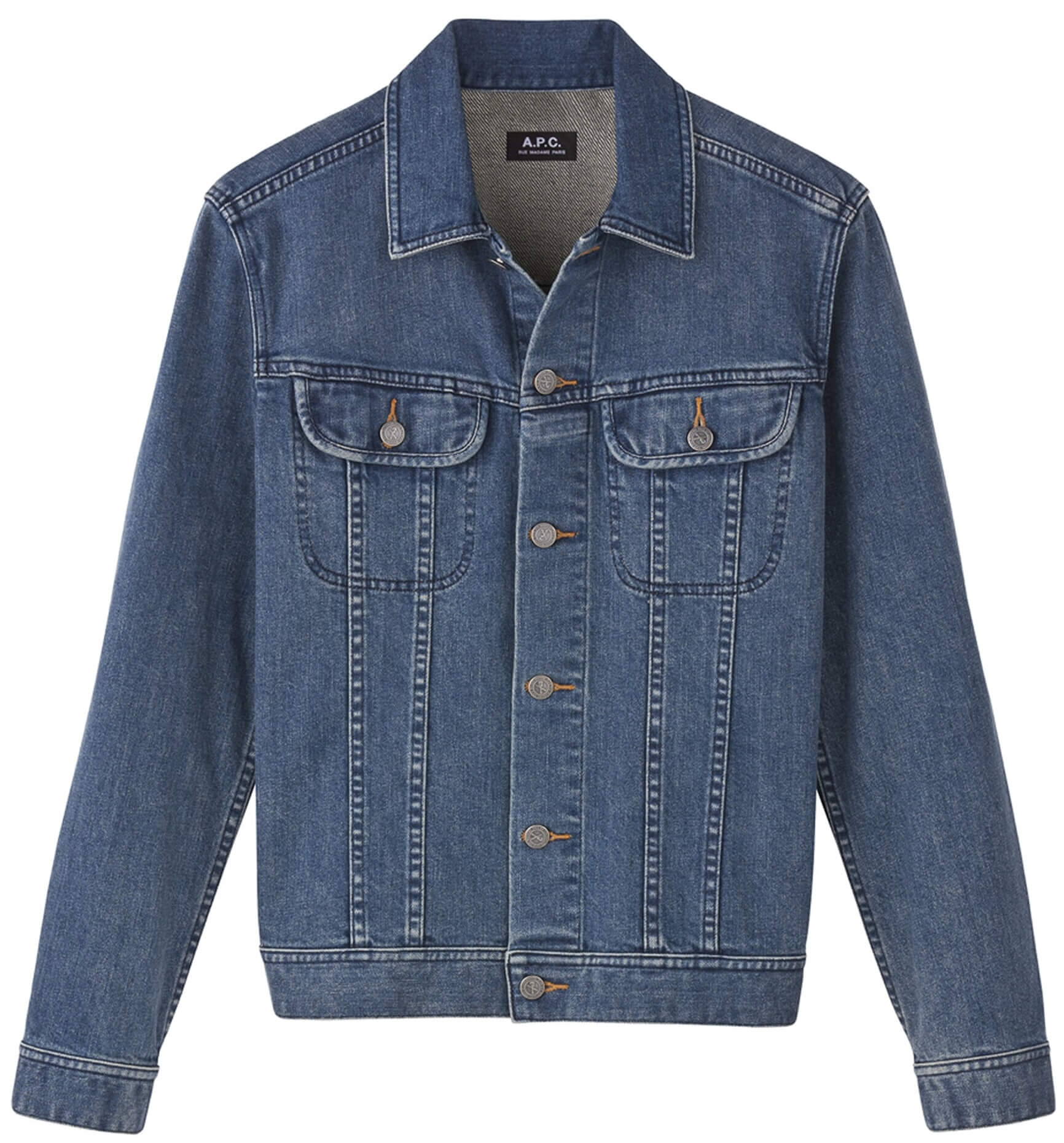
The 101J design is filtered through a French minimalist filter. While inheriting the Lee style of rounded chest pockets and side adjusters, the color scheme of the stitching is suppressed to derive an extremely clean look. A.P.S.’s aesthetic deconstructs cowboy gear and transforms it into pure garments that fit in with urban life. The straight lines of the hard, unwashed Japanese denim connect the mobility of the origin to the intelligence of today. The pure structure, devoid of superfluous embellishment, can be appropriately called a denim jacket that embodies intellectual minimalism.
Click here for details and purchase.
Lee 101J Type Denim Jacket Recommendation 2TOM FORD 'Denim Jacket'
It is Tom Ford who has put the magic of supreme tailoring into the cowboy’s protective clothing called 101J. While adhering to the Lee-specific grammar of diagonal breast pockets and zigzag stitching, Tom Ford has sublimated it into an intelligent uniform with carefully selected materials and a lean silhouette. The overwhelming beauty of the construction imparts the dignity of the highest peak without compromising the wild charm of the origin. Breathing new life into historical norms using only materials and tailoring, this work imparts the highest level of elegance without compromising the wild charm of Lee’s products.

![Denim Jacket Codes 2025 [ Characteristics by Type, Latest Men’s Snapshots and Recommended Items ].](https://otokomaeken.com/wp-content/uploads/2025/09/57193e56e12bdbcdc4c8d2c06c9ff4fed87e176d7abea6d841951392a3f1e0b6-630x331.jpg)
![Military Jacket Codes 2025 [ Characteristics and examples of 5 models for adults to wear in the city ].](https://otokomaeken.com/wp-content/uploads/2025/09/4c85c234076325c638e2c305400f29d6-1-630x331.jpg)

![The Complete Guide to Chinos [ History, tips on how to wear chinos, international snapshots, and recommended models all in one place ].](https://otokomaeken.com/wp-content/uploads/2025/08/fc6927a4cd7fc6f068de9eb5d3ae4aff-4-630x331.jpg)

![4 Double-Breasted Jackets to Add a Touch of Elegance to Your Outfit [Featuring Styles Perfect for Casual Wear]](https://otokomaeken.com/wp-content/uploads/2026/10/a4a5d61cb1a2123f1a289f5af5e9a9b1-750x396.png)
![20 luxury down jackets [ from high brands to outdoor brands ] 2025-26 Latest](https://otokomaeken.com/wp-content/uploads/2025/11/cc5d606272a09a29b0f0289a9fb08d6b-750x397.jpg)