Sponsored by
There are three key factors in choosing glutamine!
Glutamine is generally sold in units of 500 g to 1 kg, and even if you continue to take it every day, it will take one to three months to use it up, so the relationship with one product is inevitably long. Because glutamine is something that will be used for a long period of time, it is important to purchase glutamine that you are satisfied with. Here are three points to consider when selecting glutamine.
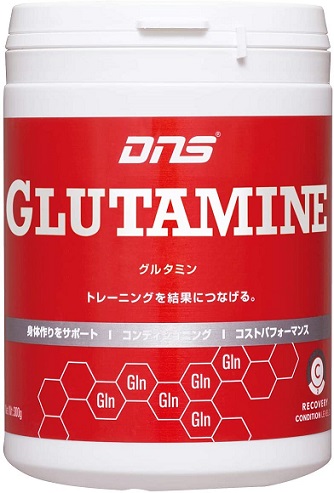
The key to choosing glutamine ➀ ” Powder or capsule type
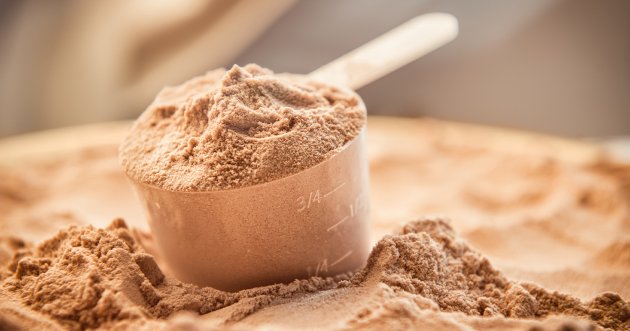
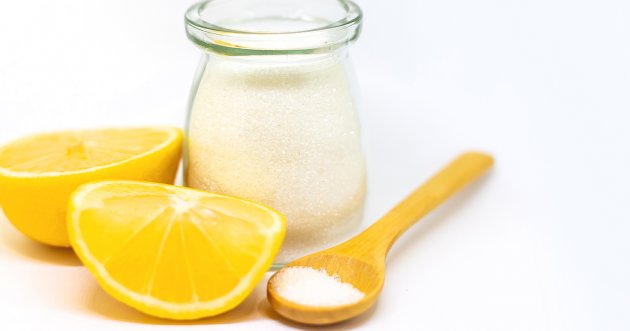
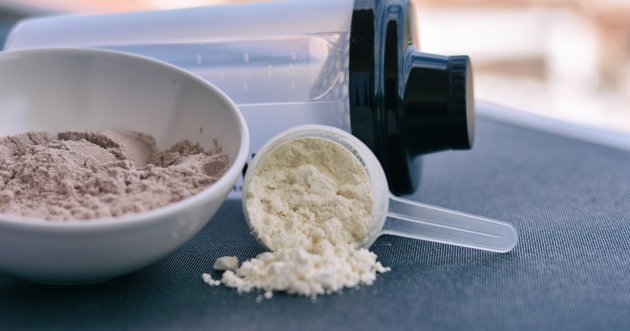
Powder type is the most common type of glutamine supplements. The powder type can be dissolved in water, protein, juice, etc., and can be taken without disturbing the taste of each drink, since many of them are non-flavored, odorless, and have no peculiar taste. Another type is the capsule type. Although few manufacturers produce the capsule type, it provides the same amount of glutamine as the powder type and is easily portable, so it is recommended for those who want to take glutamine on the way home from work or on a trip.
Point (2) for choosing glutamine: ” Check the amount of glutamine you can take “.
The general guideline for glutamine is to take 5 g of glutamine per dose, but the glutamine content in that 5 g is what you should pay attention to. If you want to consume pure glutamine only, you should choose 100% pure glutamine powder. Some glutamine powders are flavored to make them easier to drink, but additives such as sweeteners and preservatives decrease the glutamine content as they are added, so if you want to fully enjoy the effects of glutamine, choose a powder with at least 90% glutamine content.
Point (3) for choosing glutamine: ” Pay attention to the other ingredients in the formula!
Some supplements may contain nutrients other than glutamine. Those with added artificial additives such as sweeteners, preservatives, or colorings should be avoided as much as possible, but those containing amino acids and other nutrients should be welcomed. While it is a rule that foreign-made products must list their ingredients, those made in Japan are not as strictly regulated, so it is also worth checking reviews and word-of-mouth.
4/6GO TO NEXT PAGE