CONTENTS
- Creatine is one of the ingredients that have been scientifically proven to be effective!
- Make the best use of creatine! How to take it effectively?
- It is also recommended to aim for a synergistic effect by combining creatine with a supplement that goes well with creatine!
- Are there different types of creatine? We recommend checking carefully when choosing!
- High expectations for bulk up! Check out our 11 creatine recommendations.
Page 4 and beyond are shown.
Back to Page 1Sponsored by
Are there different types of creatine? We recommend checking carefully when choosing!
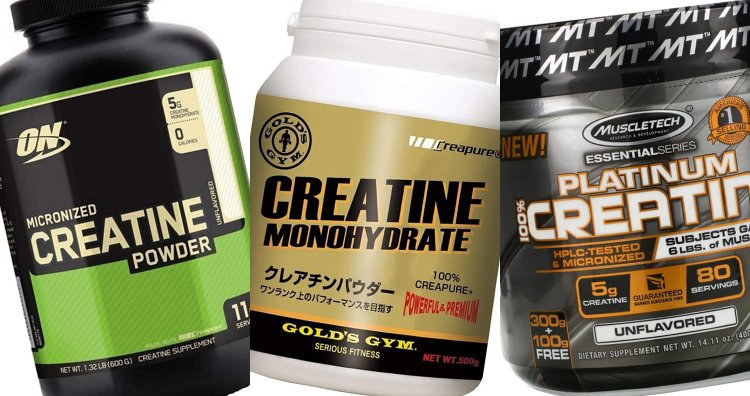
There are actually several types of creatine, each with different characteristics, so it is recommended to check them carefully when you purchase. Here we introduce three types of creatine, so please refer to them when making your choice.
Types of Creatine (1) ” Monohydrate Type
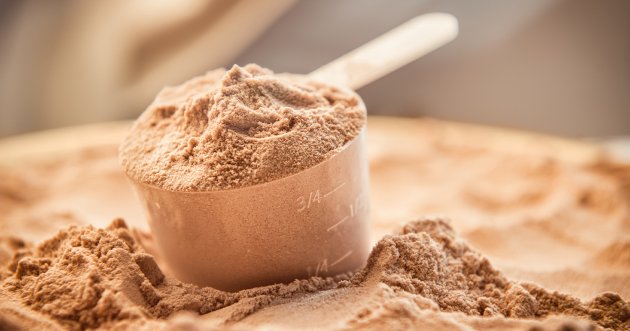
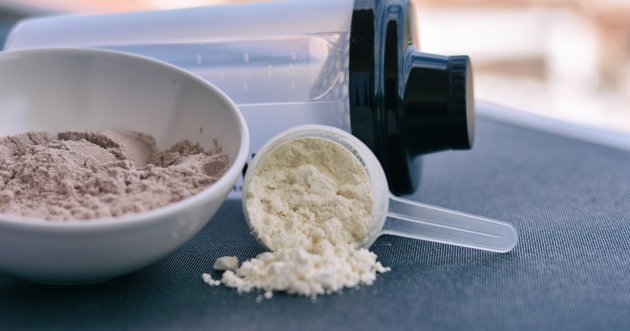
The most standard type of creatine is the ” monohydrate type. This type is often dissolved in water and drunk as a powder, and is the most commonly used type for creatine loading. It is the most studied type of creatine and is recommended for those who are going to start taking creatine, as all studies have shown that it is safe and stable. In terms of absorption rate, it is a type where the effects can be felt after a certain period of time, so it needs to be taken continuously, but it also has the advantage of being affordable and easy to continue.
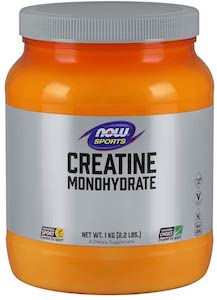
Search for Creatine Monohydrate
Creatine Type (2) “Hydrochloride (HCL) Type”
Creatine is combined with ethyl ester hydrochloride, which has a high absorption rate and does not require creatine loading. It is also more soluble in water than the monohydrate type. Although it has the disadvantages of being more expensive and having fewer types than the monohydrate type, it is the most recommended type for those who seek convenience and efficiency.
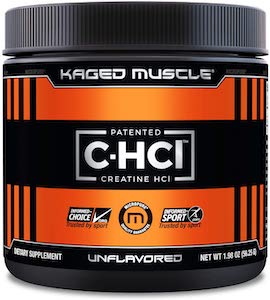
Types of Creatine (3) ” Buffered Type
The buffered type protects creatine from stomach acid by encapsulating creatine in special capsules that are resistant to acid. The capsule form is less likely to have the bitterness and powdery taste characteristic of creatine, and it is also easier to carry. However, buffered-type creatine is generally made by overseas manufacturers, and the capsules may be large and difficult to swallow. In addition, they are not cosmetically superior, and creatine loading takes a number of days, so it is necessary to consider the cost as well.
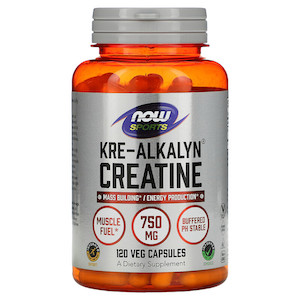
Search for buffered type creatine
5/9GO TO NEXT PAGE