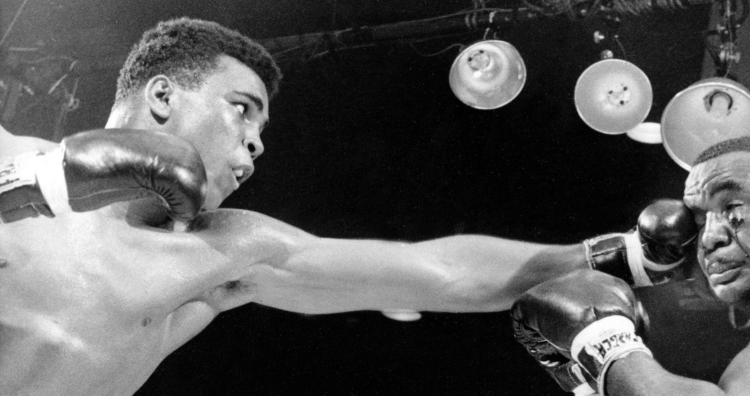
There was a legendary boxer who declared, “I am the best in the world,” before he actually became the best, and even recorded those words.It was Cassius Clay in 1963, at the age of 21. He boasted of his strength in rhyming verses and taunted the world champion—even though he hadn’t even fought him yet. This behavior is similar to what we call “flexing” in modern hip-hop—proudly showing off one’s skills and success.What’s more, the very next year, he actually became the world heavyweight champion. How did this man—who later changed his name to Muhammad Ali—turn even his big talk into a weapon and captivate the world? [1][2]
Sponsored by
1963: A 21-Year-Old’s Bold ClaimsHe Released a Record Saying ‘I’m the Best in the World’ Before Becoming World Champion
In August 1963, a young boxer dressed in a tuxedo stood in a New York recording studio.Cassius Clay. Although he was a rising star who had won a gold medal at the 1960 Rome Olympics, he was not yet a world champion. Yet the title of the album Columbia Records prepared for him was ‘I Am the Greatest! ’—meaning “I am the best in the world!” [1][2] The content was just as striking. It wasn’t a traditional music album; instead, it was an audio album featuring rhyming poetry, comedy, and taunts directed at his opponents.
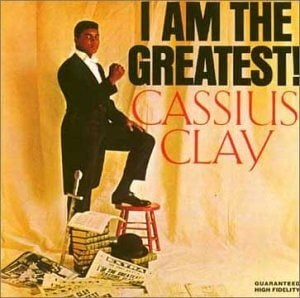

The standard “tracks” were named “rounds,” drawing a parallel to boxing. His target was the reigning world champion at the time, Sonny Liston.Even before the fight was officially scheduled, Clay was already thoroughly tearing the champion apart on record, laying out the script for his own victory. [1] Moreover, this wasn’t just a casual recording among friends. It was released by a major record label and nominated for a Grammy Award in the Comedy category the following year, in 1964.Even as he was on his way to becoming the world’s best boxer, he had already earned acclaim as a verbal entertainer. [2] That said, comedy writer Gary Belkin also participated in the album’s production, and accounts differ as to how much of the lyrics Clay actually wrote himself. [2] Nevertheless, the fact remains that he put his face and name on the cover and marketed himself—someone who was not yet the world’s best—as “the world’s best.” If he lost in the ring, that record would serve as proof that his big talk had backfired. Under normal circumstances, one would hesitate to do such a thing.Clay boldly carried out a publicity campaign that effectively narrowed his own escape routes.
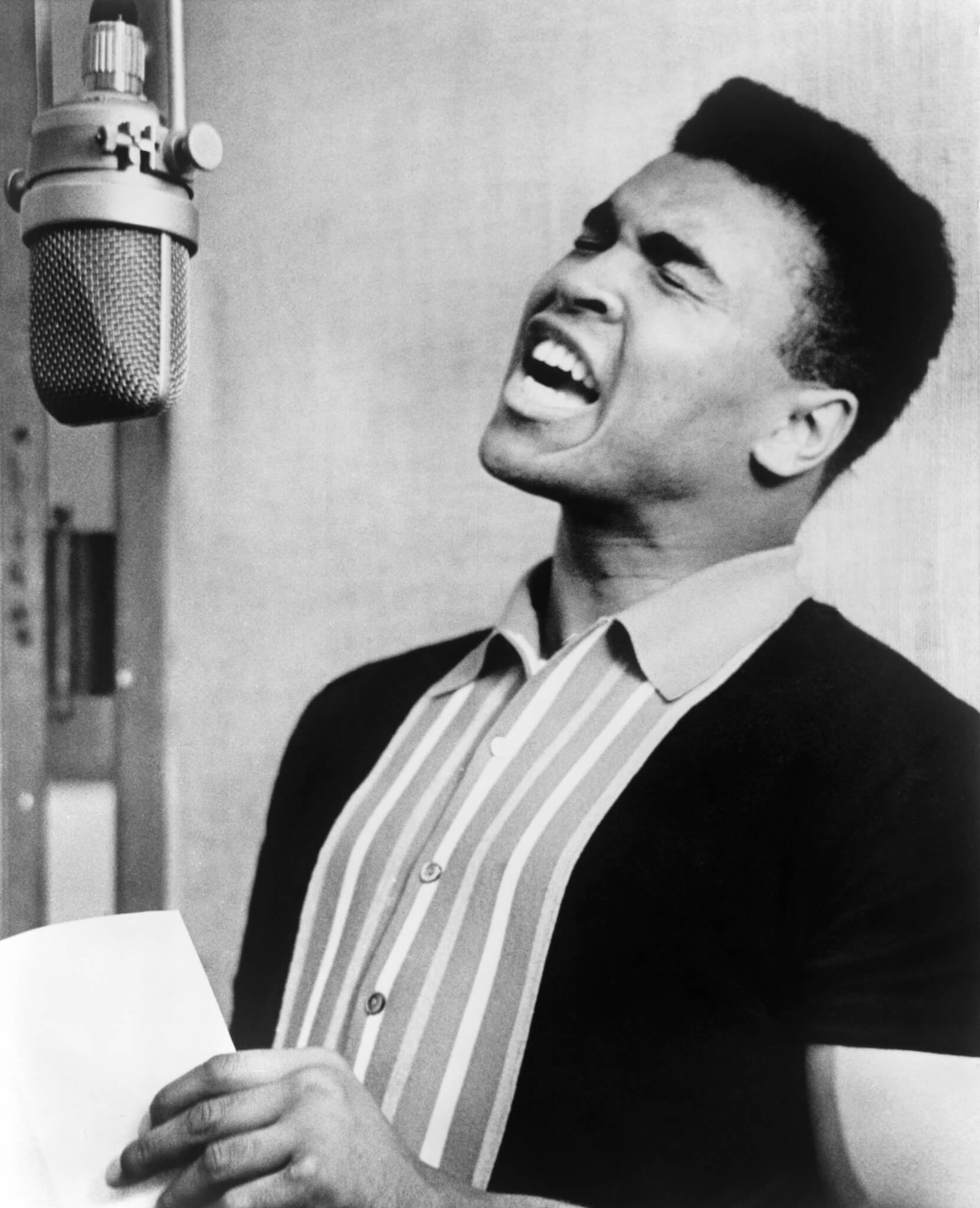
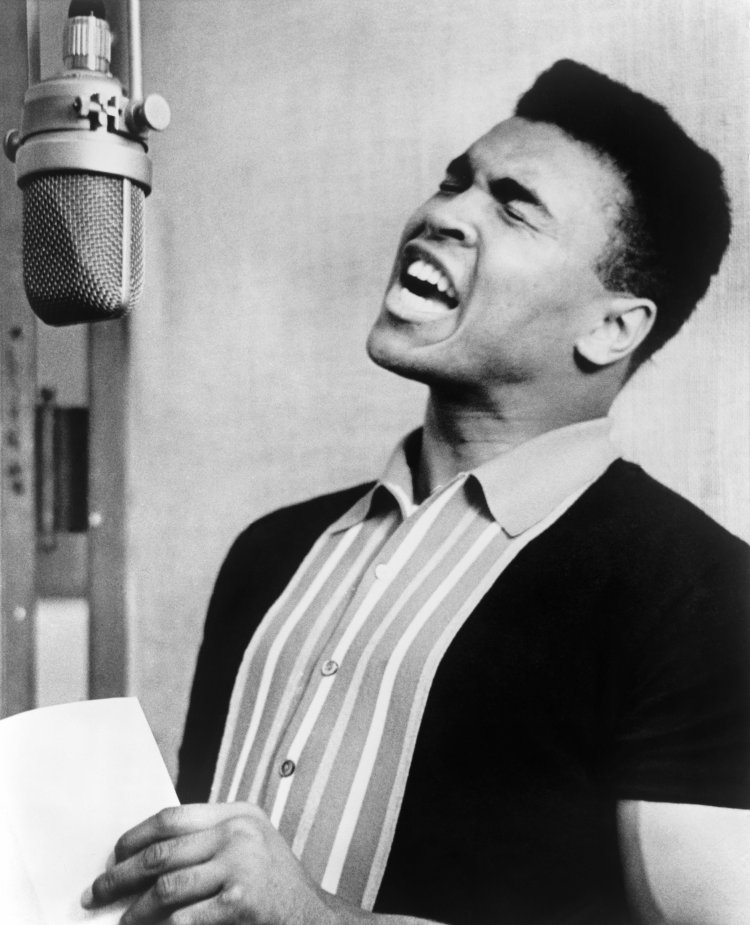
(formerly Cassius Clay). American heavyweight boxer. Photographed in the studio while recording his album *I Am The Greatest*, 1963.
Gorgeous George and the Underwater Photo TrickThe More People Hate You, the More Fans You Get: How to Become a Star by Stealing from the Villain
Why did Clay start making such bold claims? It can’t be explained simply by saying he was a natural-born confident person.In June 1961, 19-year-old Clay met professional wrestler Gorgeous George in Las Vegas. George was a popular wrestler who wore flashy robes, insulted his opponents, and drew boos from the crowd. [3] According to Ali’s recollection in a 1969 interview with the Associated Press, George’s matches drew crowds of as many as 13,000 people.After the match, Clay spoke with him for about five minutes. During that conversation, he learned the concept that, ultimately, both fans who want to see a wrestler win and those who want to see him lose are the ones paying to come to the arena. [3] It’s more important to make people want to watch than to be liked or disliked. The young Clay brought the showmanship techniques used by professional wrestling villains into boxing. However, after his taunts, a genuine, unscripted fight awaited him. The more he provoked his opponent, the more embarrassing his defeat would be.It was an art form that required embracing even that precariousness.
Furthermore, in 1961, he pulled off an outrageous stunt involving photographer Flip Schulke.He explained that he was doing secret training that utilized water resistance and had Schulke photograph him striking a fighting pose at the bottom of the pool. [4] Years later, Schulke was told the truth by Ali himself. The underwater training was a fabrication. In fact, Clay couldn’t even swim at the time. Knowing that the photographer specialized in underwater photography, Ali had come up with an intriguing story to pique his interest. [4]
While making a fictional training method look real cannot be unreservedly praised, this anecdote does reveal the 19-year-old’s remarkable media savvy. He wasn’t just waiting to be photographed; he had set up a “scene that couldn’t help but be photographed” all by himself.
View this post on Instagram
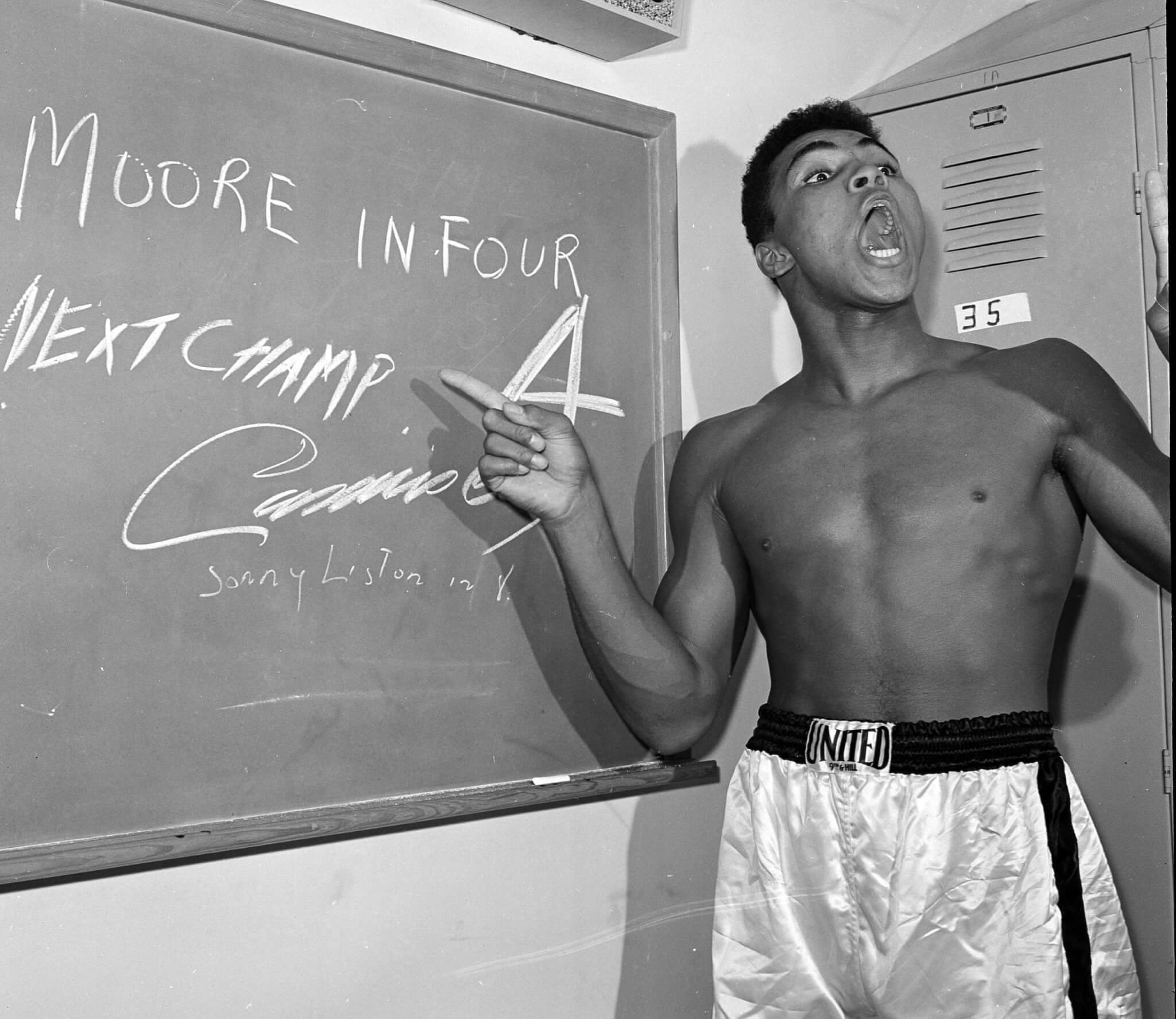
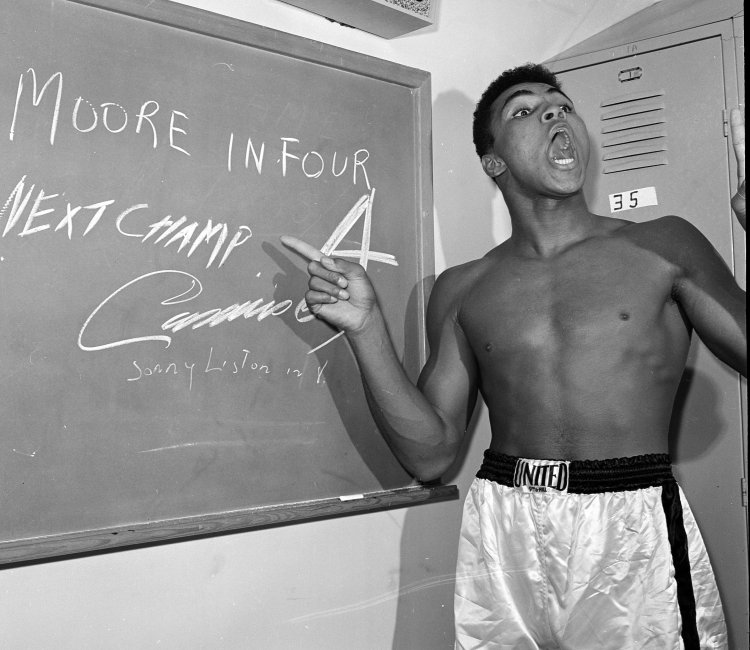
Clay also used words skillfully in actual fights. In November 1962, he rhymed his prediction against former world champion Archie Moore, saying, “I’ll knock him out in the fourth,” and went on to win by TKO in the fourth round. [14]
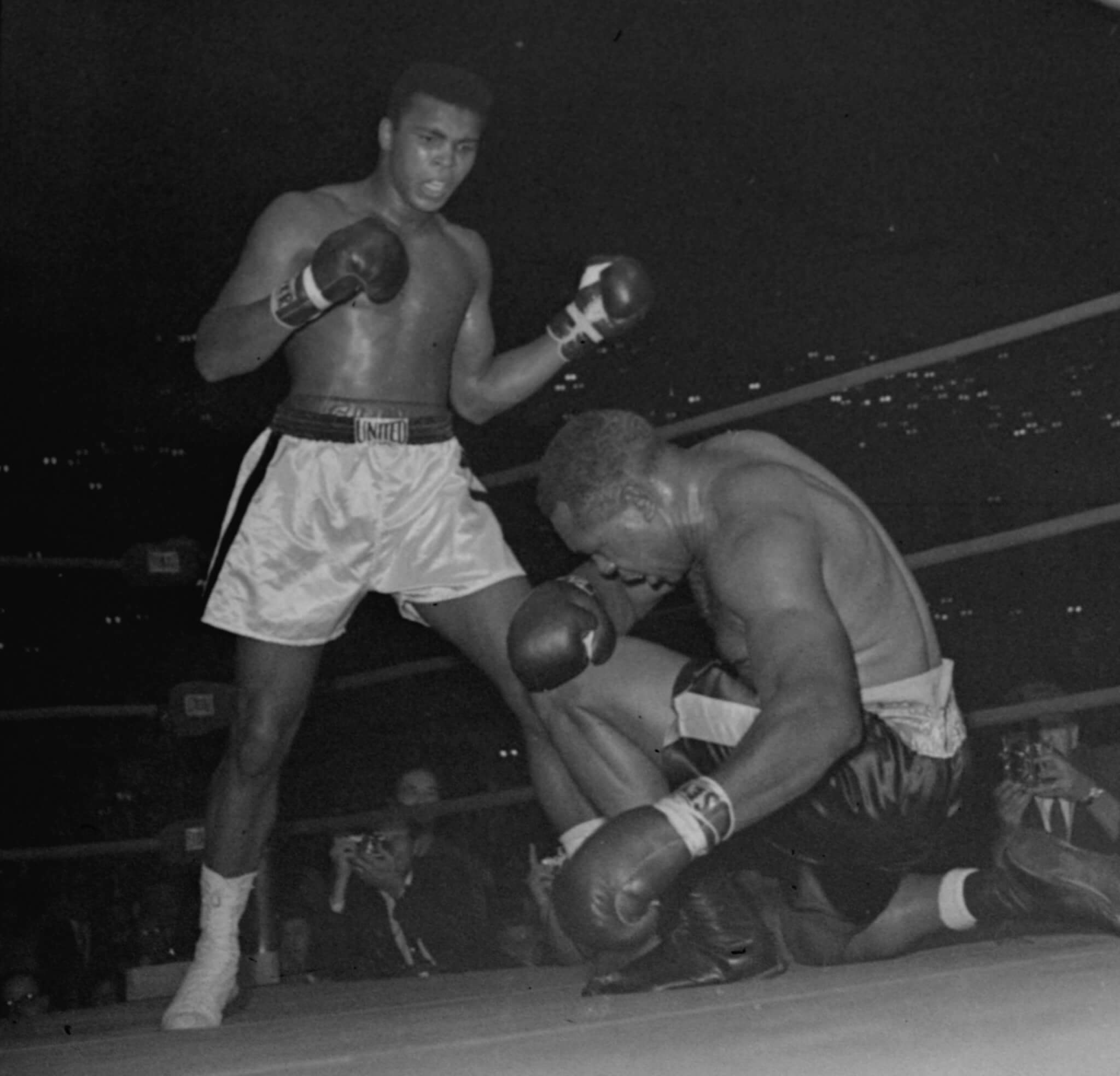
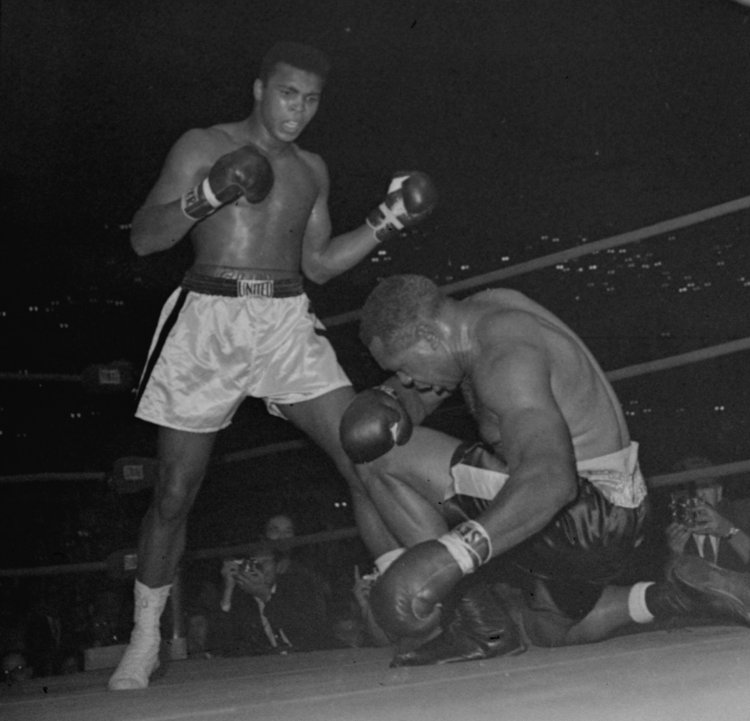
In his next fight against Doug Jones in March 1963, he revised his KO prediction from the 6th round to the 4th. [15] However, he was unable to knock out his opponent and won by decision in the 10th round, drawing fierce boos from the crowd. [20]
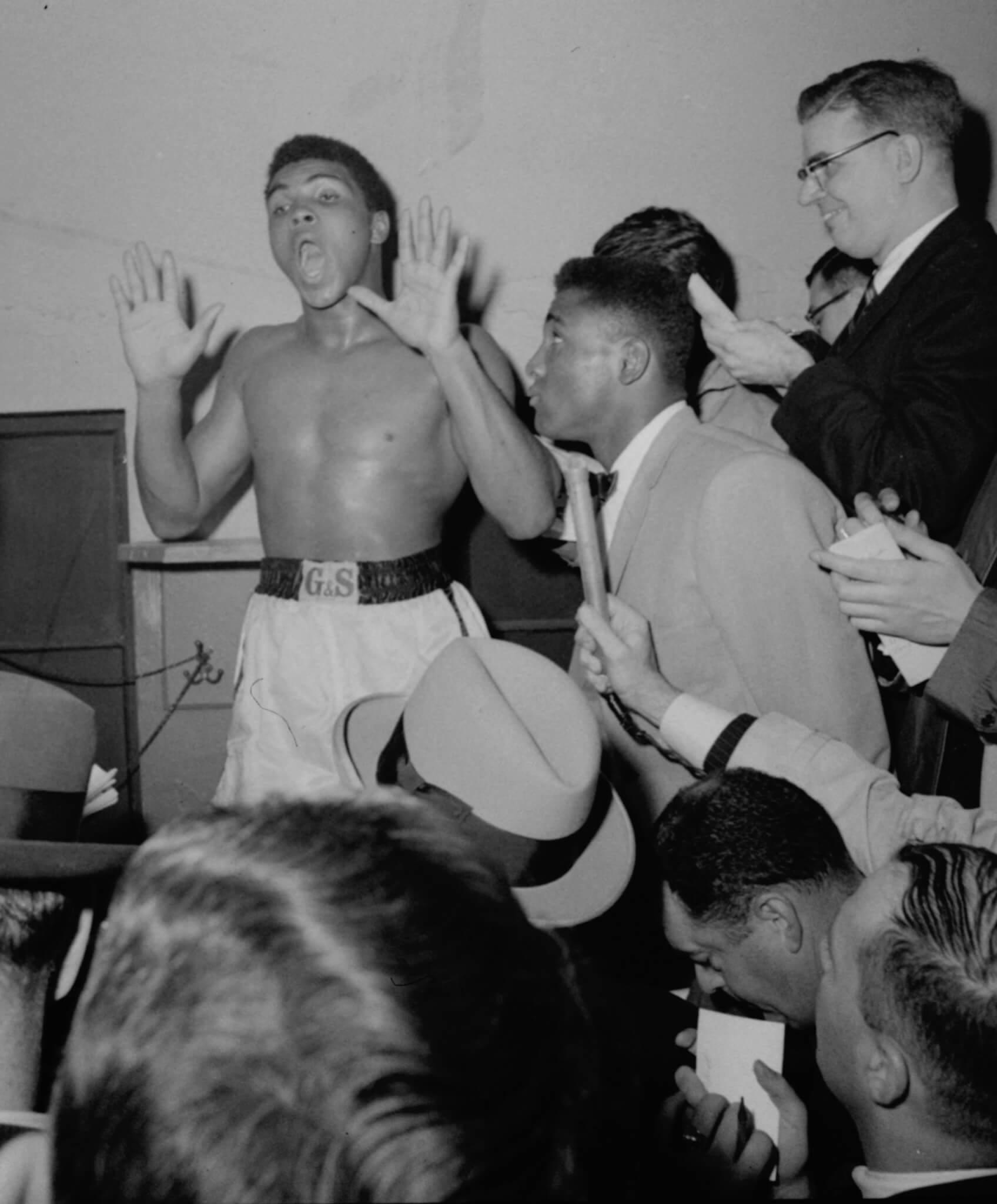
Cassius Clay speaks to reporters in the dressing room after winning a unanimous—but lackluster—10-round decision over Doug Jones at Madison Square Garden in New York on March 13, 1963. The 21-year-old heavyweight from Louisville, who has now won 18 consecutive bouts, said, “From now on, no more predictions on what round I’m going to finish my opponents.” He had predicted he would finish Jones in four rounds. (AP Photo/stf)
However, Clay later reflected on this incident and revealed that he believed he had made even more enemies than Gorgeous George had.He believed that even those spectators would pay to see him in his next match. [16] If his prediction came true, he’d be met with cheers; if it didn’t, he’d still draw attention. The young Clay had fully mastered the showmanship he’d learned from George.
The 1964 Fight Against Sonny ListonPracticing 'FLEX' Before Hip-Hop and Literally Becoming the World’s Best
What makes this behavior interesting is its connection to hip-hop.An event widely recognized as symbolizing the birth of hip-hop culture is the party held on August 11, 1973, in the Bronx, New York, by DJ Kool Herc and others. Clay’s record was released about 10 years earlier than that. [5] “FLEX,” which boasts of one’s own skills and charm, and “DISS,” which attacks an opponent with words. Ali’s trash talk, laced with rhymes, contains elements that resonate with modern rap battles. Of course, Ali did not invent these forms of expression.African American oral culture has a long history of rhyming bragging and verbal exchanges. Ali was one of the figures who brought this form of self-expression—rooted in that tradition—to a wide audience through boxing in the television age.In fact, when Ali passed away in 2016, Nas told the Associated Press that although Ali wasn’t a rapper, he was the first rap superstar. Slick Rick has also spoken of Ali’s rhymes as a source of rap music. [6] Chuck D of Public Enemy reflects that he was influenced not only by Ali’s rhymes but also by his presence at the microphone, the rhythm of his voice, and his stage presence. [7]
His bravado wasn’t just a ploy to draw crowds. In an article published under his own name in the February 24, 1964, issue of *Sports Illustrated*, Clay revealed something astonishing: the more he talked big, the more he came to believe his own words. [16] He didn’t just talk big because he was confident; talking big actually deepened his confidence. Then, on the following day, the 25th, the 22-year-old Clay faced world champion Liston, who was considered invincible.
According to an Associated Press report at the time, betting on a Clay victory paid 7-to-1—a massive long shot.Nearly all reporters predicted the champion would win. [8] Liston had previously knocked out former champion Floyd Patterson in the first round on both occasions. Clay had been making a huge fuss leading up to the fight, but he was the one who would have to take those punches. For a man who made his living with his words, there was no stage with less room to maneuver.Once the fight began, Clay used his trademark speed to outmaneuver the champion.
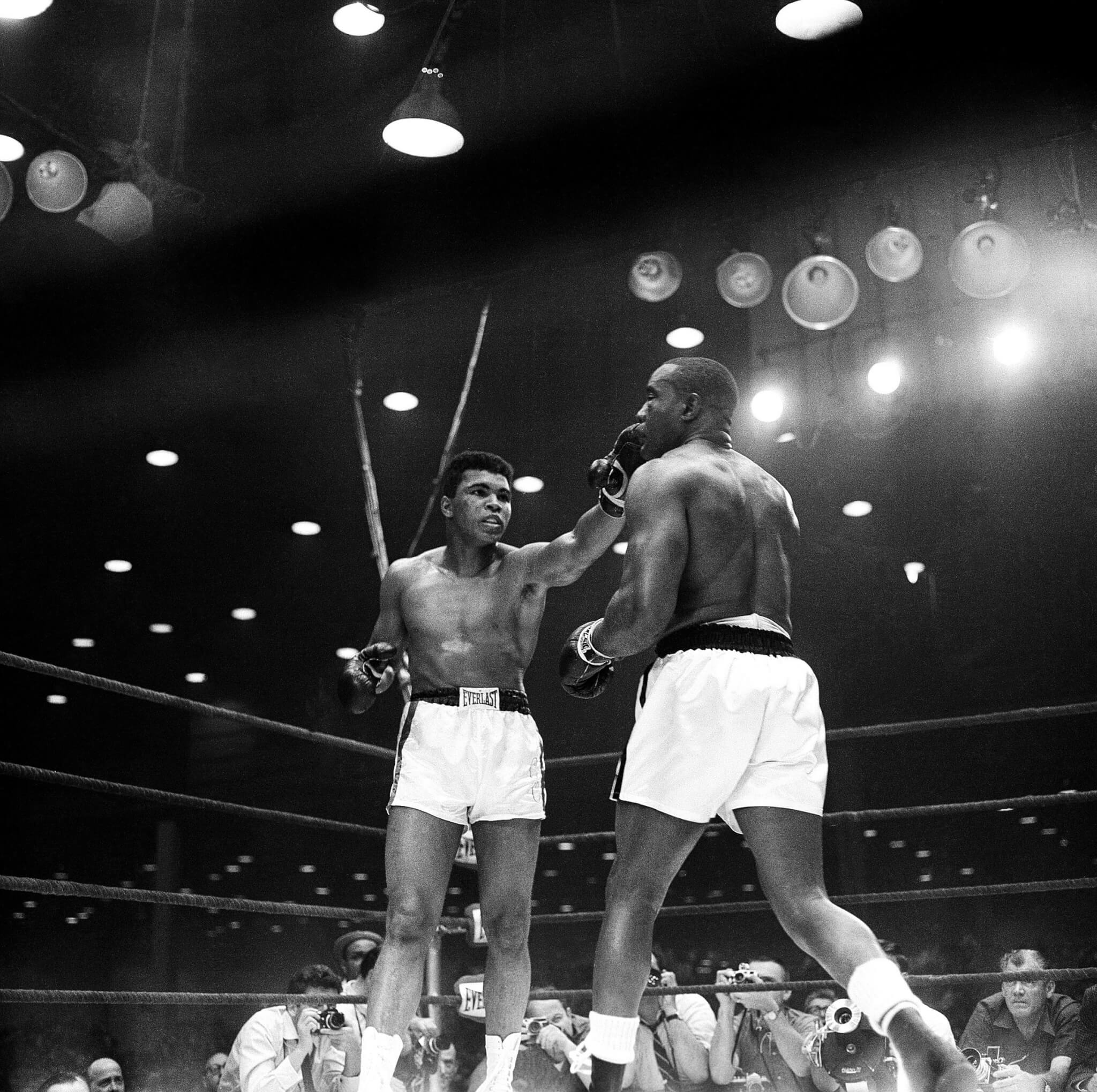
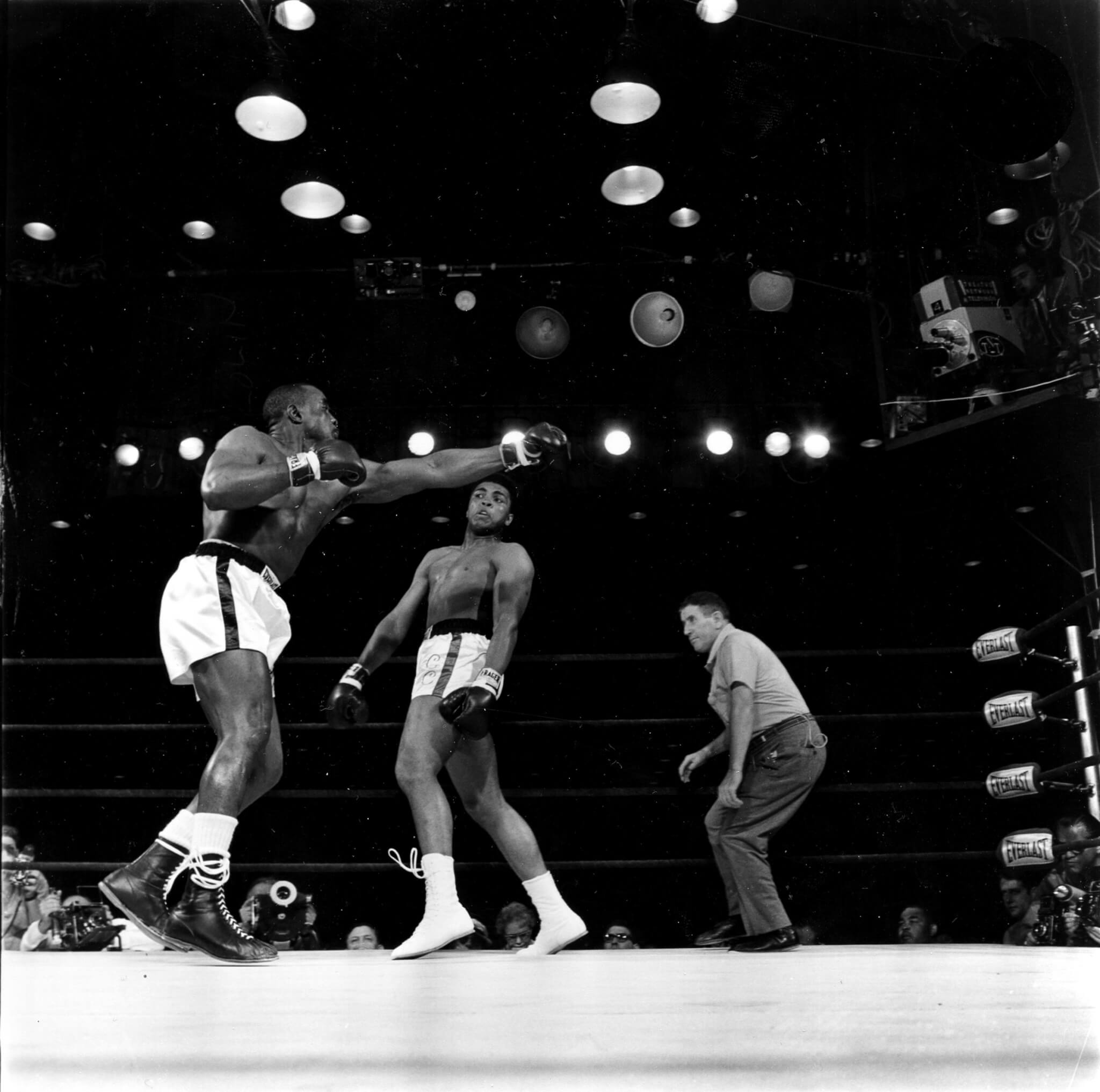
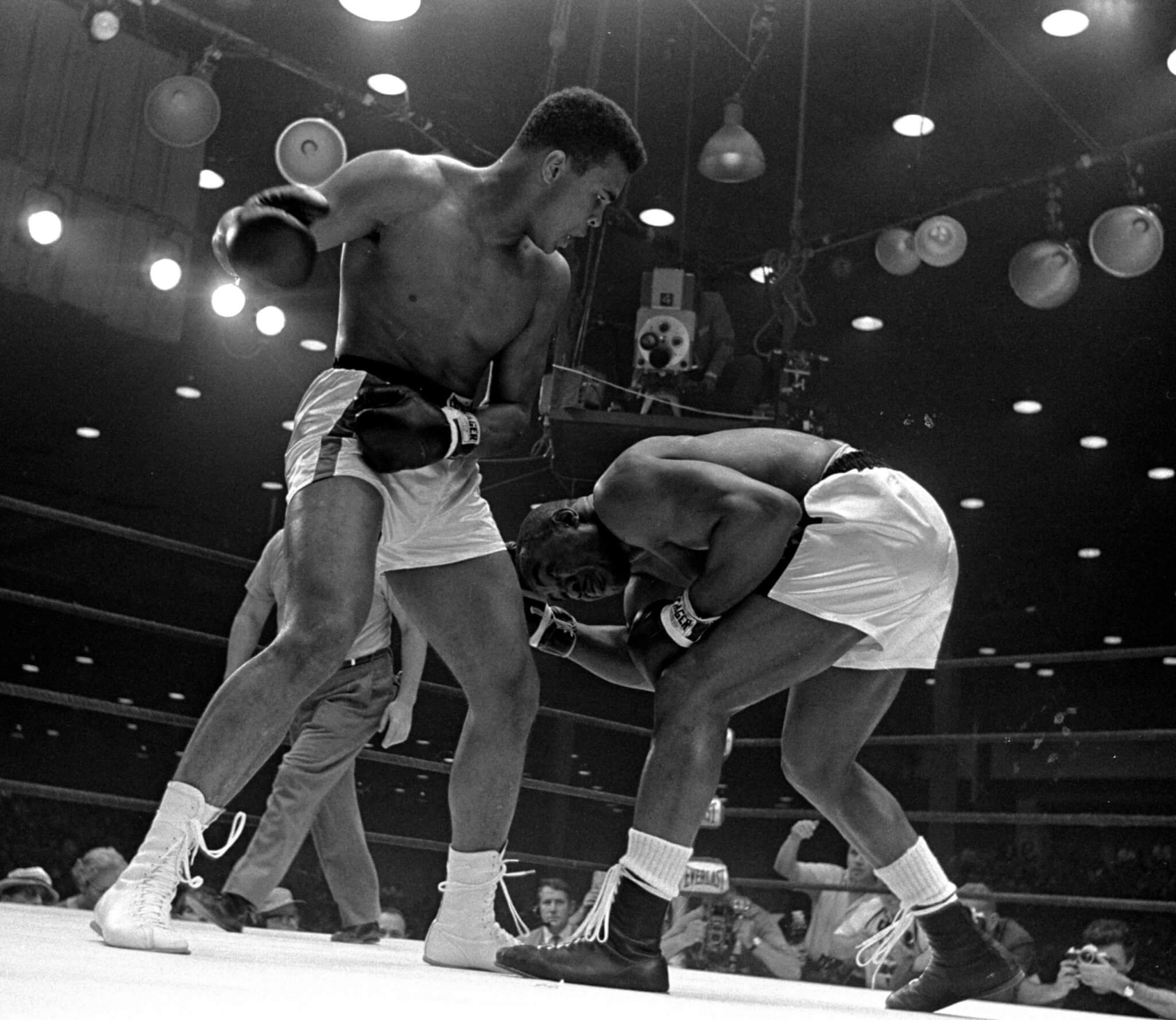
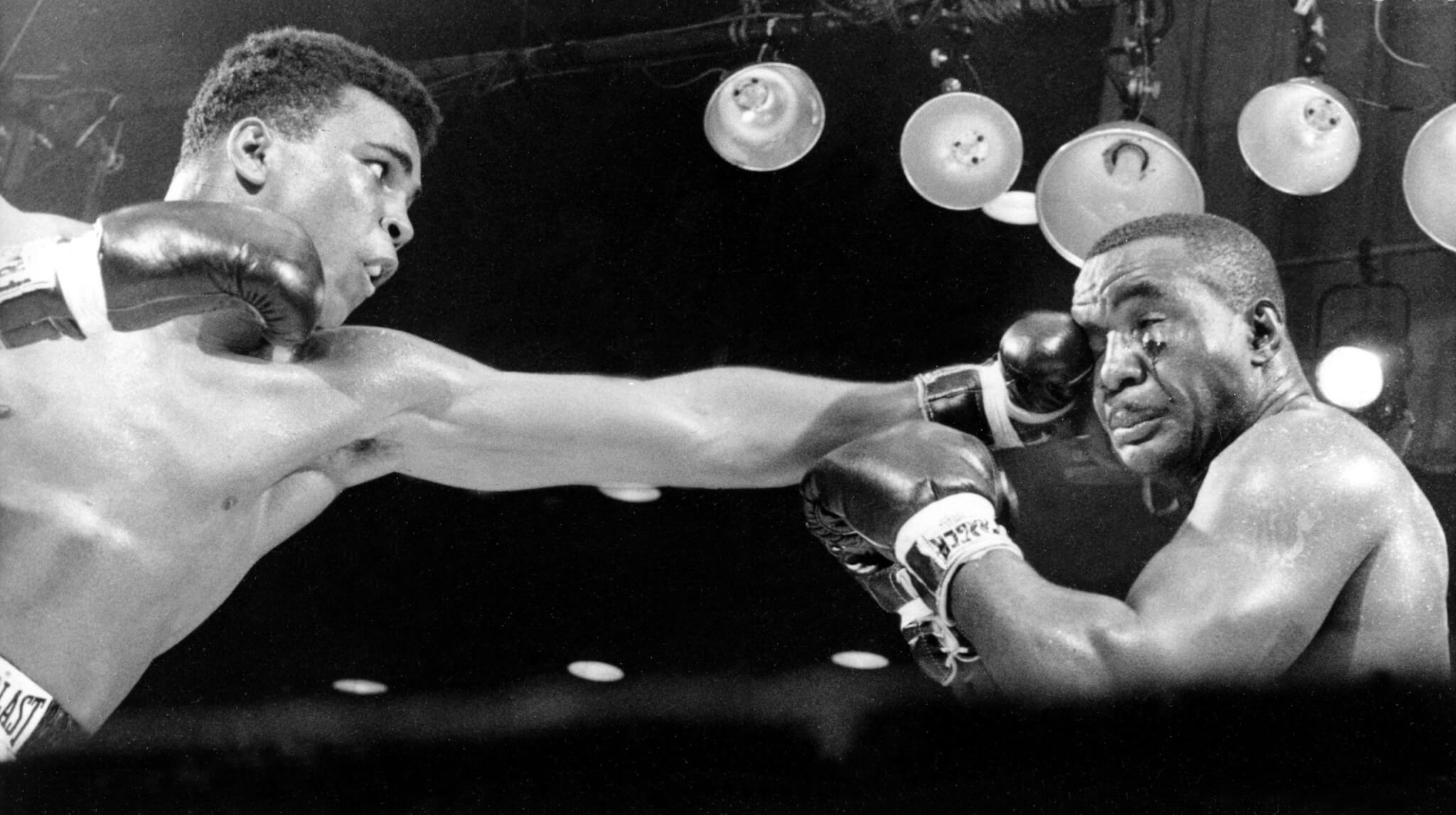
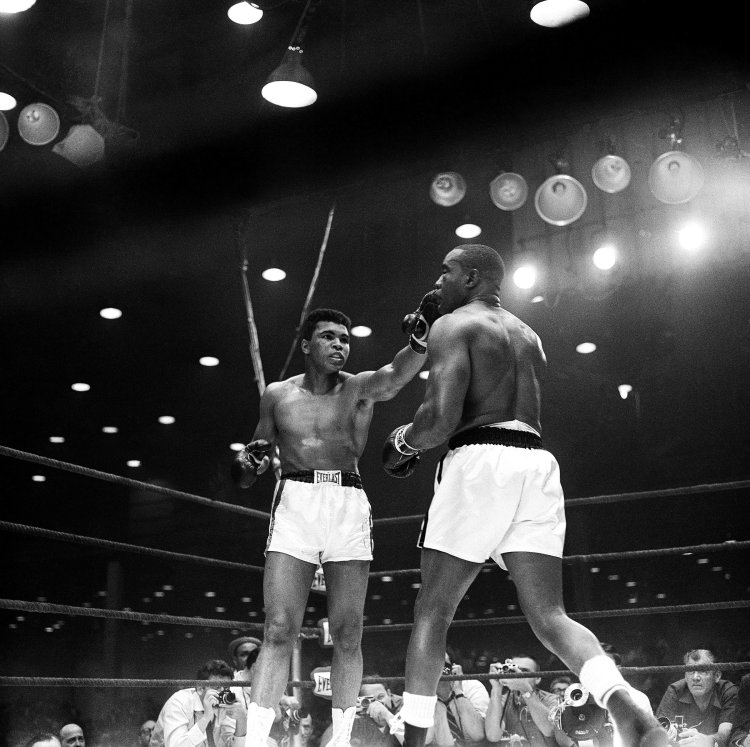
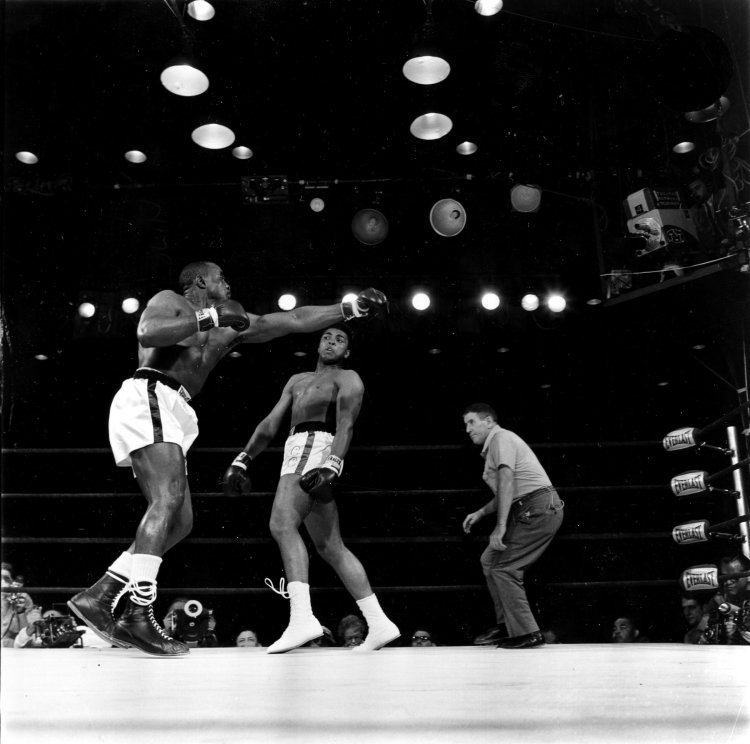
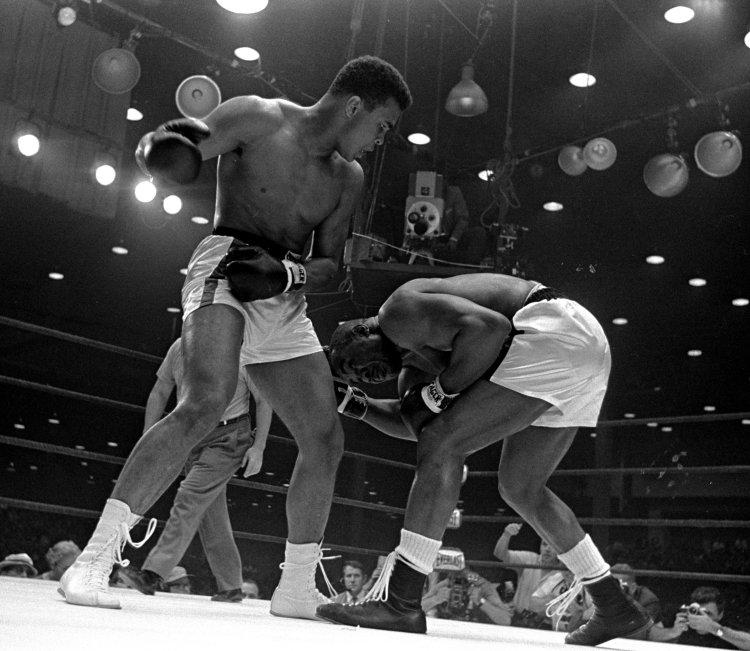
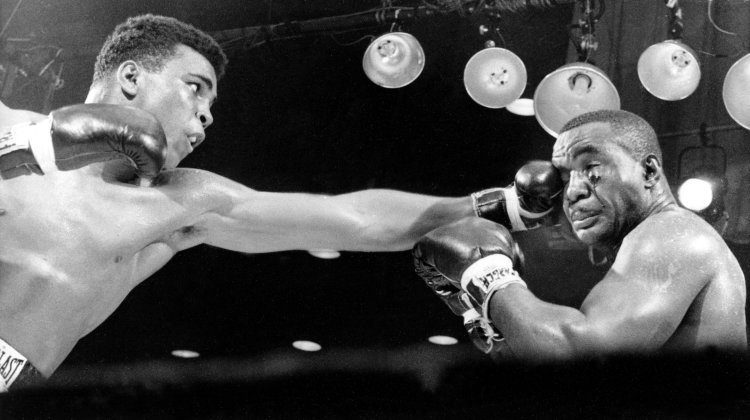
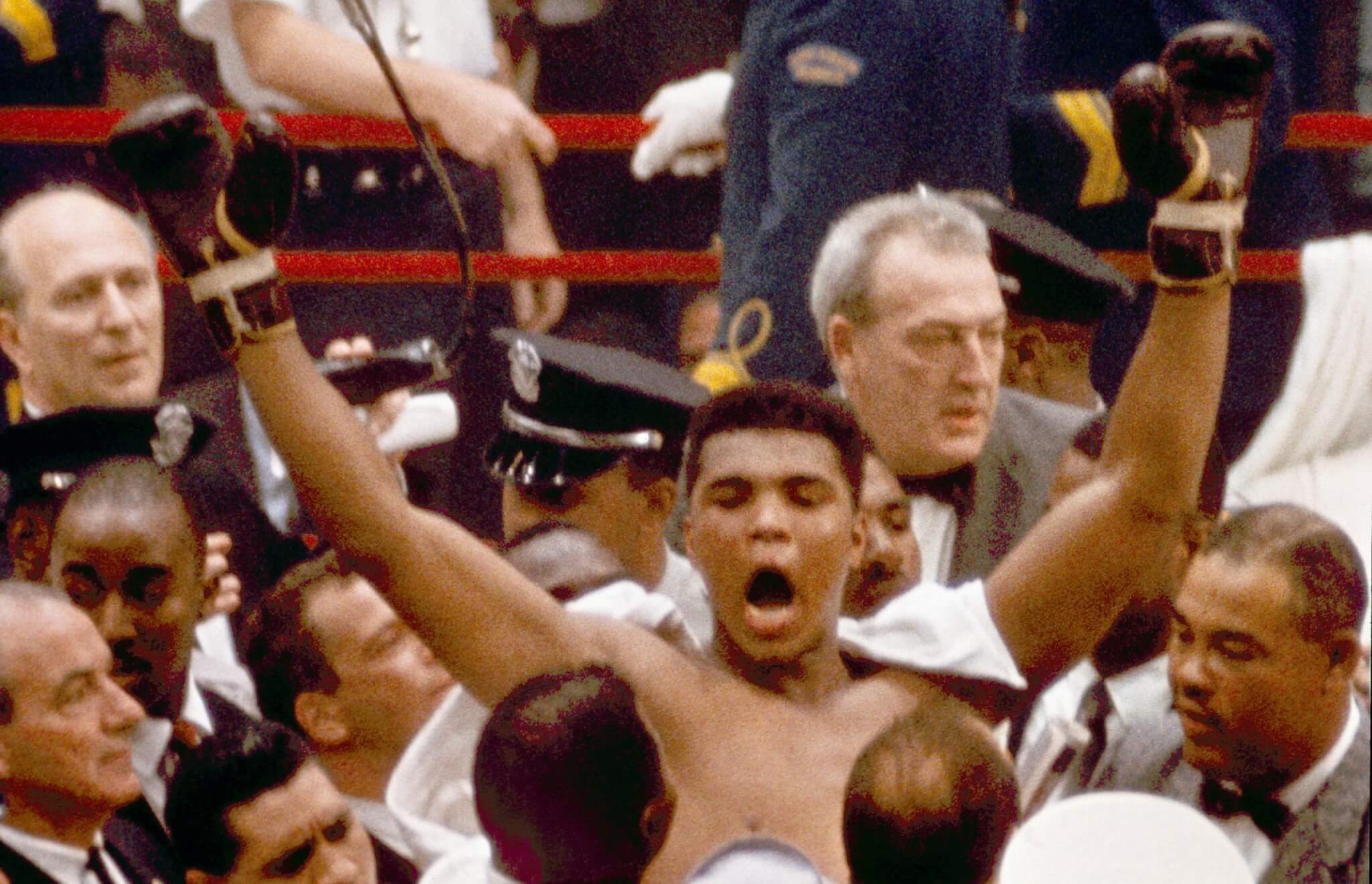
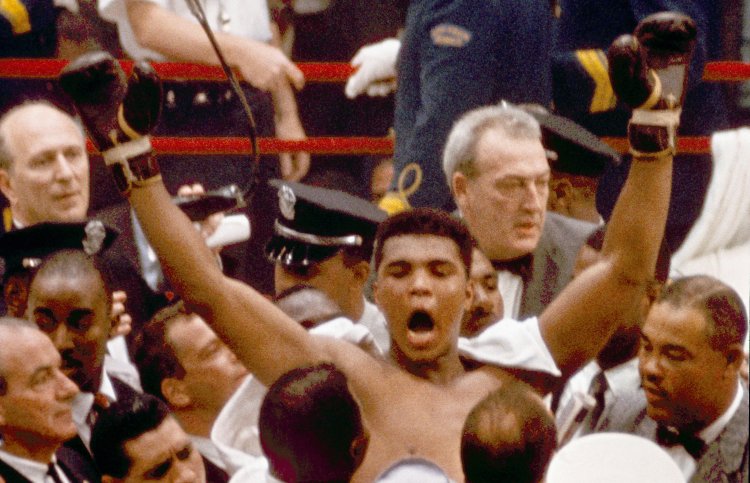
After the sixth round, Liston cited an injury to his left shoulder and refused to continue. Clay, now the new champion, repeatedly shouted “I’m the best in the world!” to the reporters, forcing them to admit they had been wrong in their predictions. [8] On a record released the previous year, he had declared, “I’m the greatest in the world.” The following year, he became the greatest in the world in the actual ring as well. His own promotional slogan became a fact that would go down in sports history.Immediately after winning the world title, Clay announced his affiliation with the Nation of Islam, a Muslim religious organization. Then, in March 1964, he was given the new name “Muhammad Ali” by the organization’s leader, Elijah Muhammad.Ali himself regarded his previous name as a “slave name,” and when reporters continued to call him by his old name, he emphatically declared, “My name is Muhammad Ali.” [17][19] The man who had earned the title of “world’s best” through his own skill now sought to have the world recognize his new name.

The Miracle of Kinshasa, 1974He Reclaimed the World Title with His Words and Mind, Not Just Speed
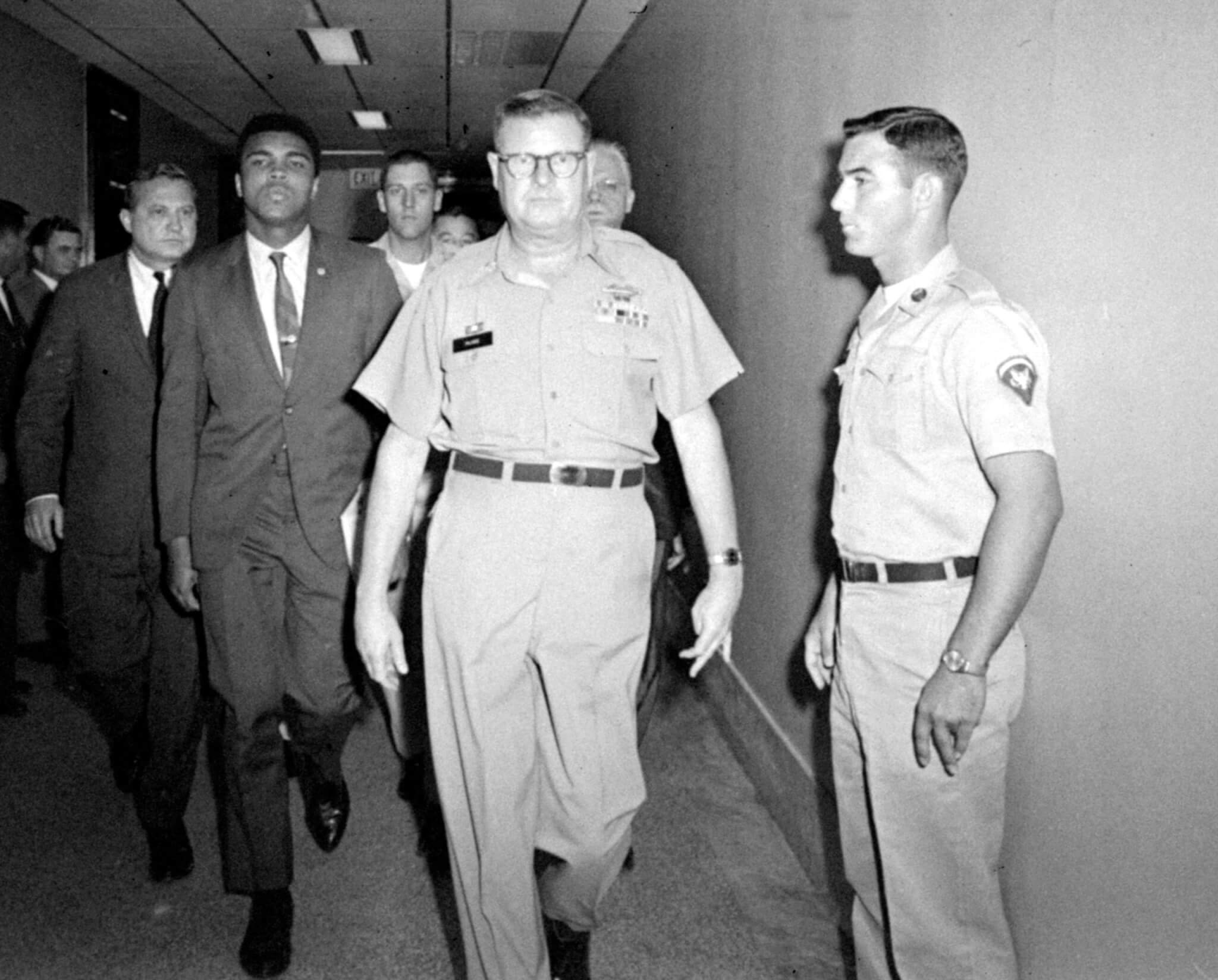
Ali’s life after that wasn’t simply a story of continuing to win, as he had declared.In 1967, at the age of 25, Ali refused to comply with his draft notice for the Vietnam War on the grounds of his religious beliefs. He lost his world title and boxing license and was sentenced to five years in prison. He was not incarcerated, however, and continued to appeal; in 1971, the U.S. Supreme Court overturned his conviction.It wasn’t until 1970 that he was able to return to the ring. [9] How one evaluates his refusal to be drafted is tied to one’s views on war and religion. What cannot be overlooked here is the fact that, by his own choice, Ali faced a long hiatus during his late 20s—a time that should have been the peak of his career as a boxer.
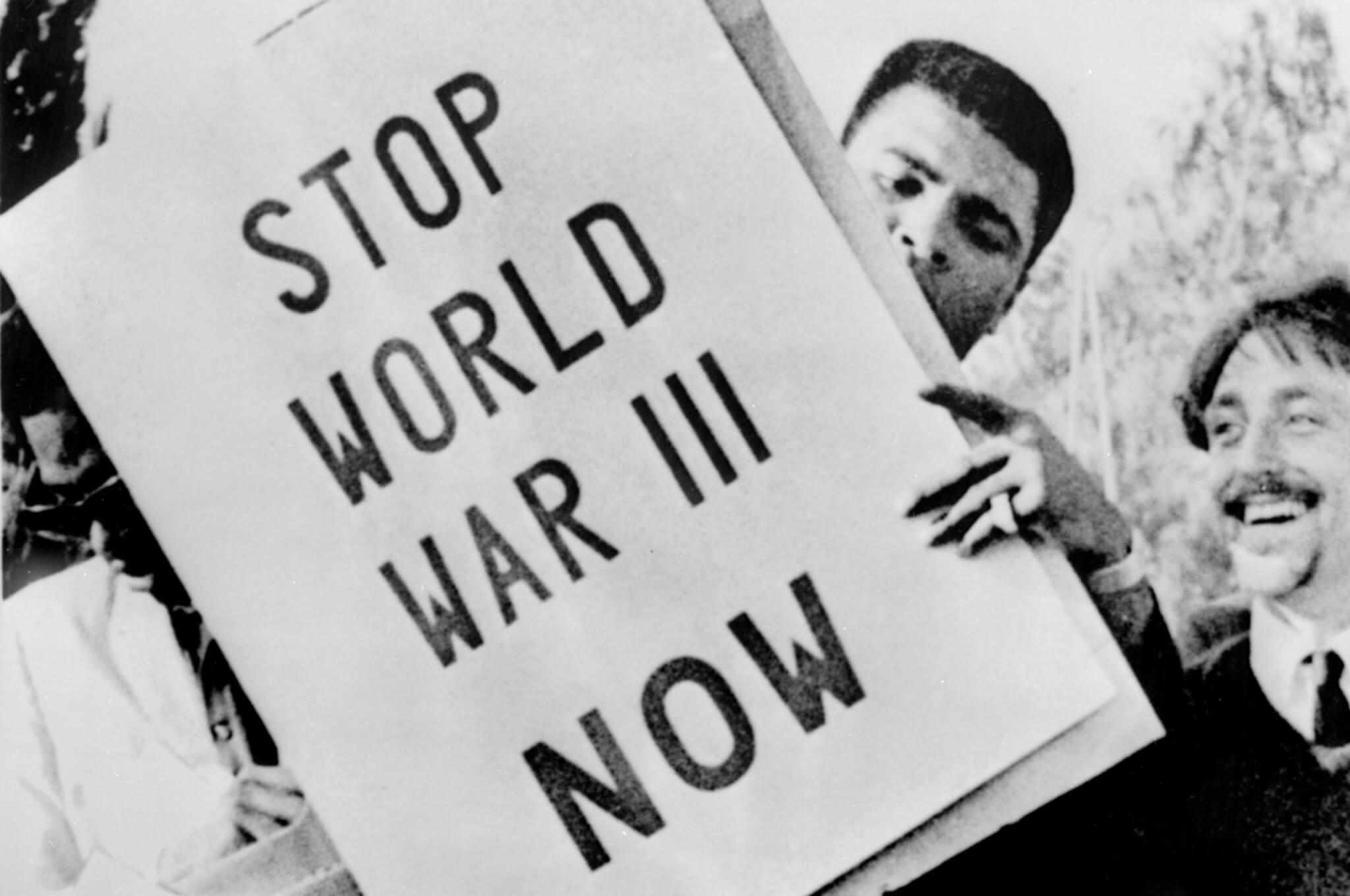
June 23, 1967.
After his return, he suffered his first professional loss to Joe Frazier in March 1971 and was also defeated by Ken Norton in March 1973. However, in a rematch in September of that same year, he defeated Norton by a 12-round decision.In January 1974, he also won a rematch against Frazier by a 12-round decision, avenging his losses to both men.
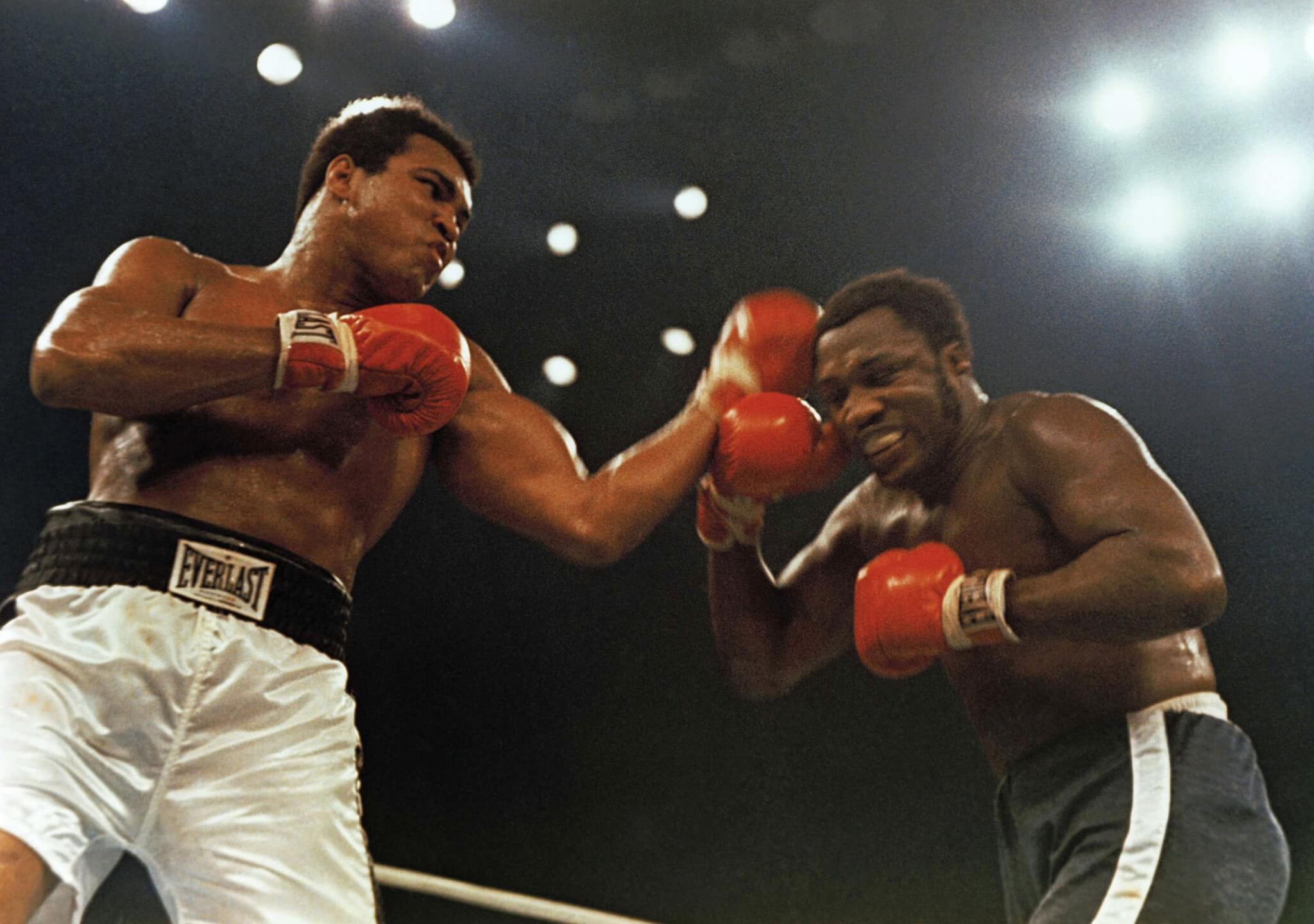
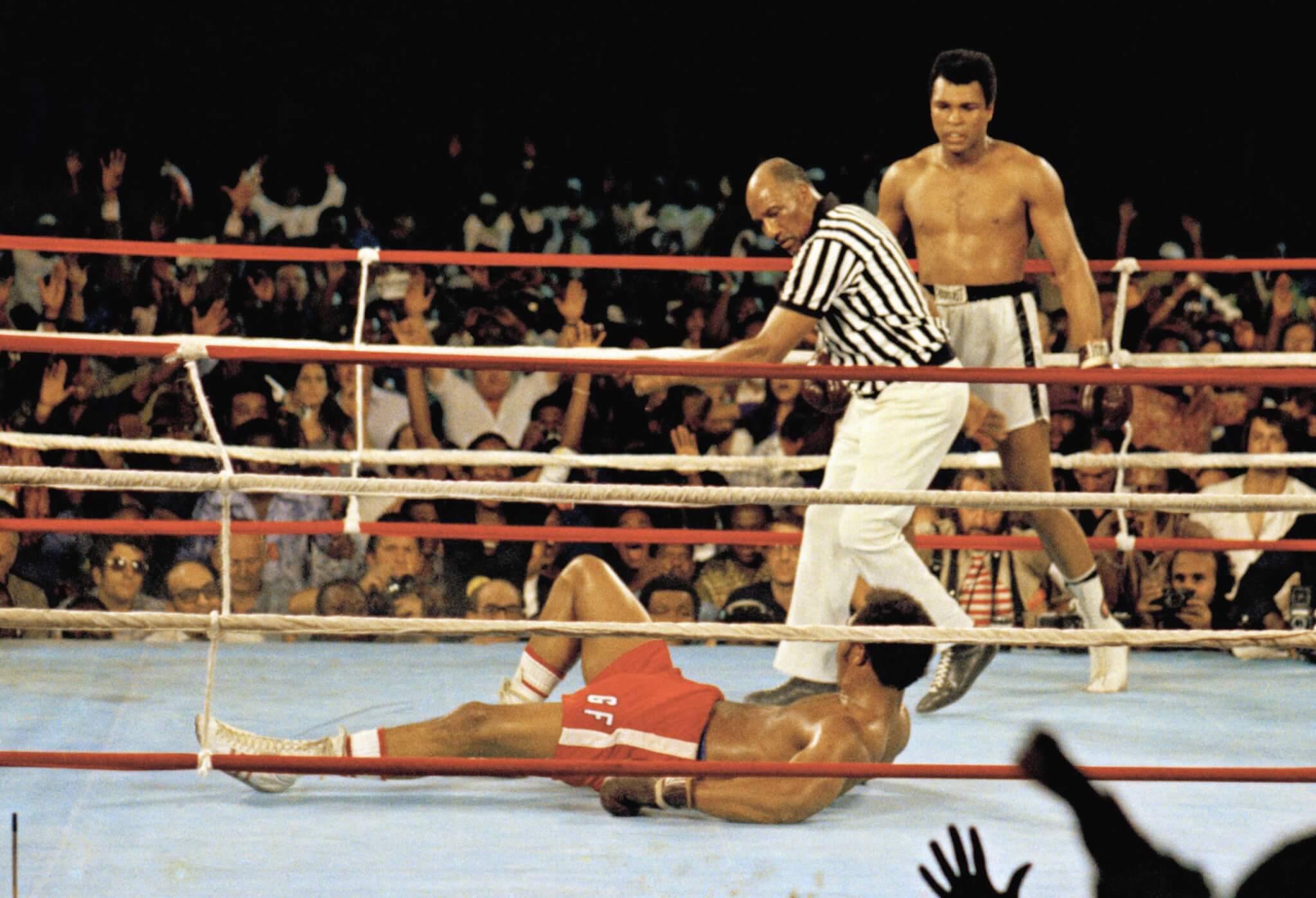
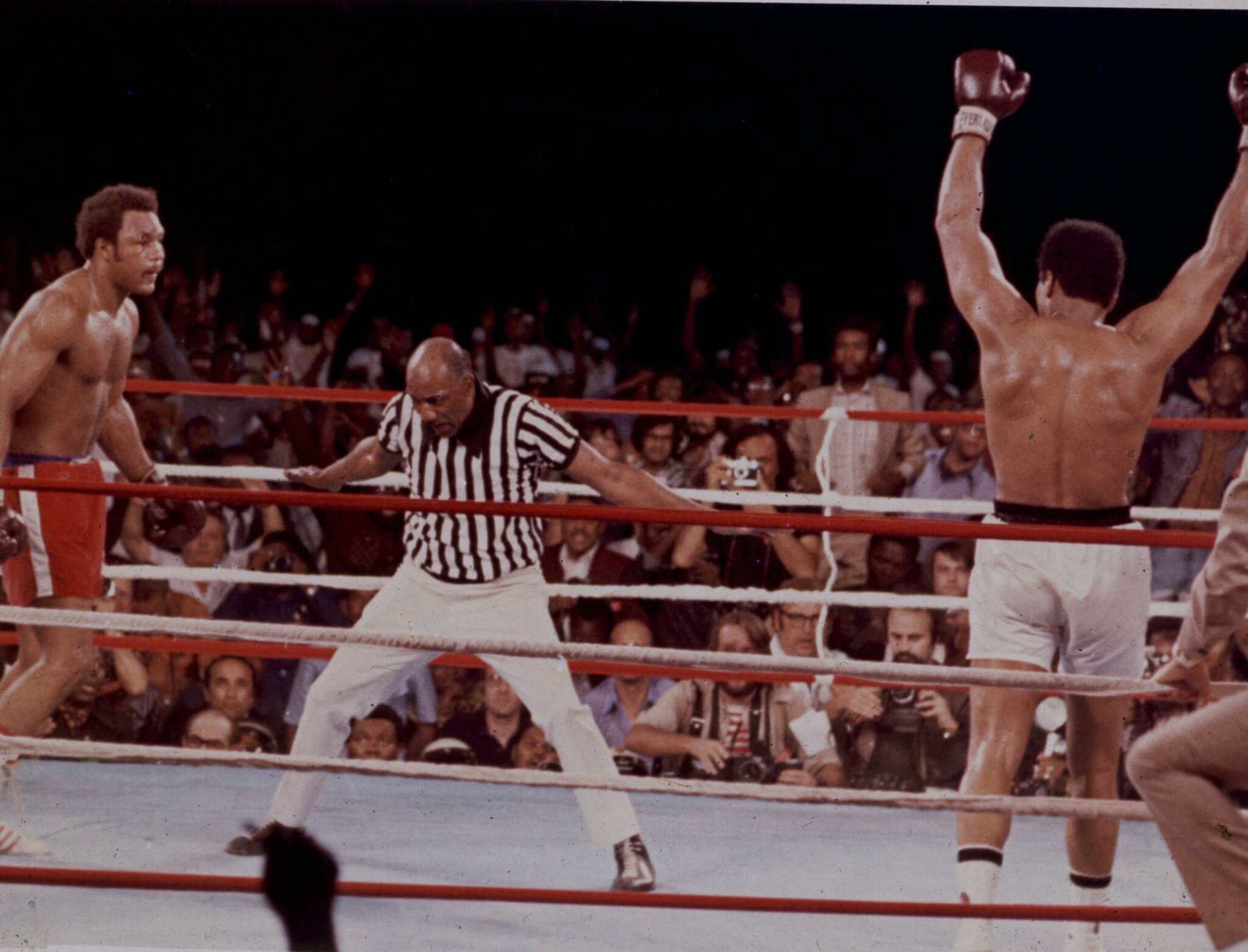
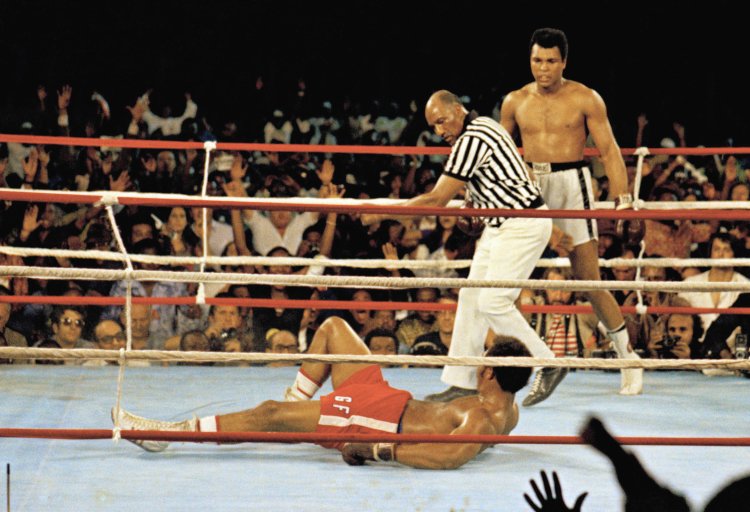
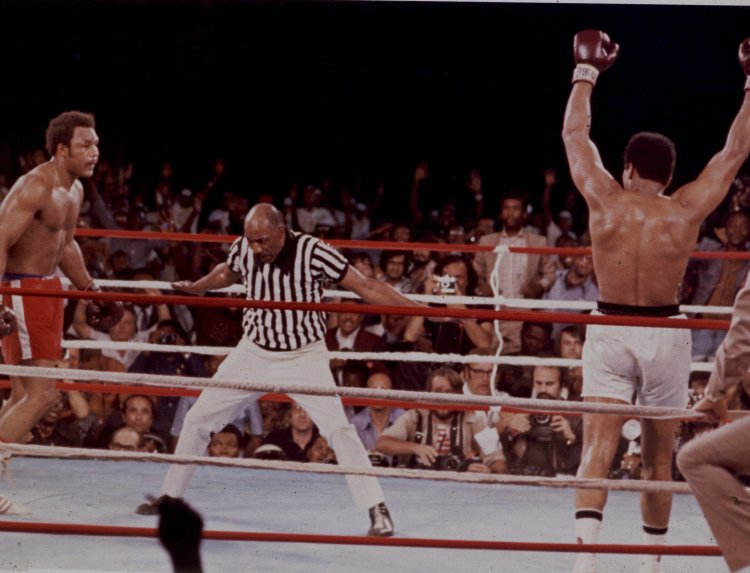
This paved the way for him to challenge for the world title once again. [18] However, on October 30, 1974, the 32-year-old Ali faced world champion George Foreman, who was undefeated in 40 fights with 37 knockouts. Moreover, Foreman was a monster who had knocked out both Frazier and Norton within two rounds.Few believed Ali could win. The stage was Kinshasa, Zaire, in Africa. [10] In his younger days, Ali would have moved around the ring to evade his opponent. However, the fight took a completely different turn partway through. Ali backed up against the ropes and let Foreman keep throwing punches.This tactic would later be known as the “Rope-a-Dope.”
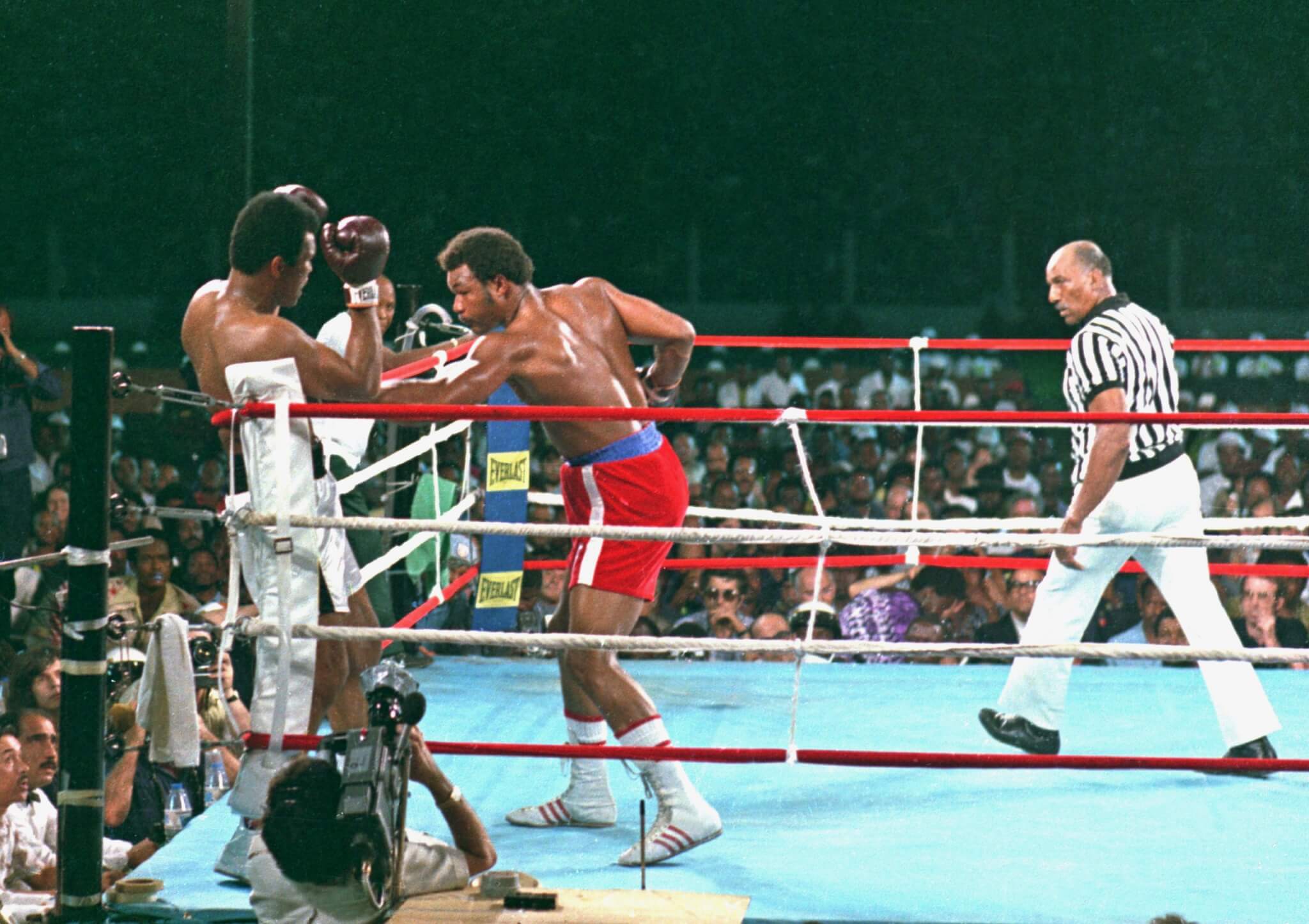
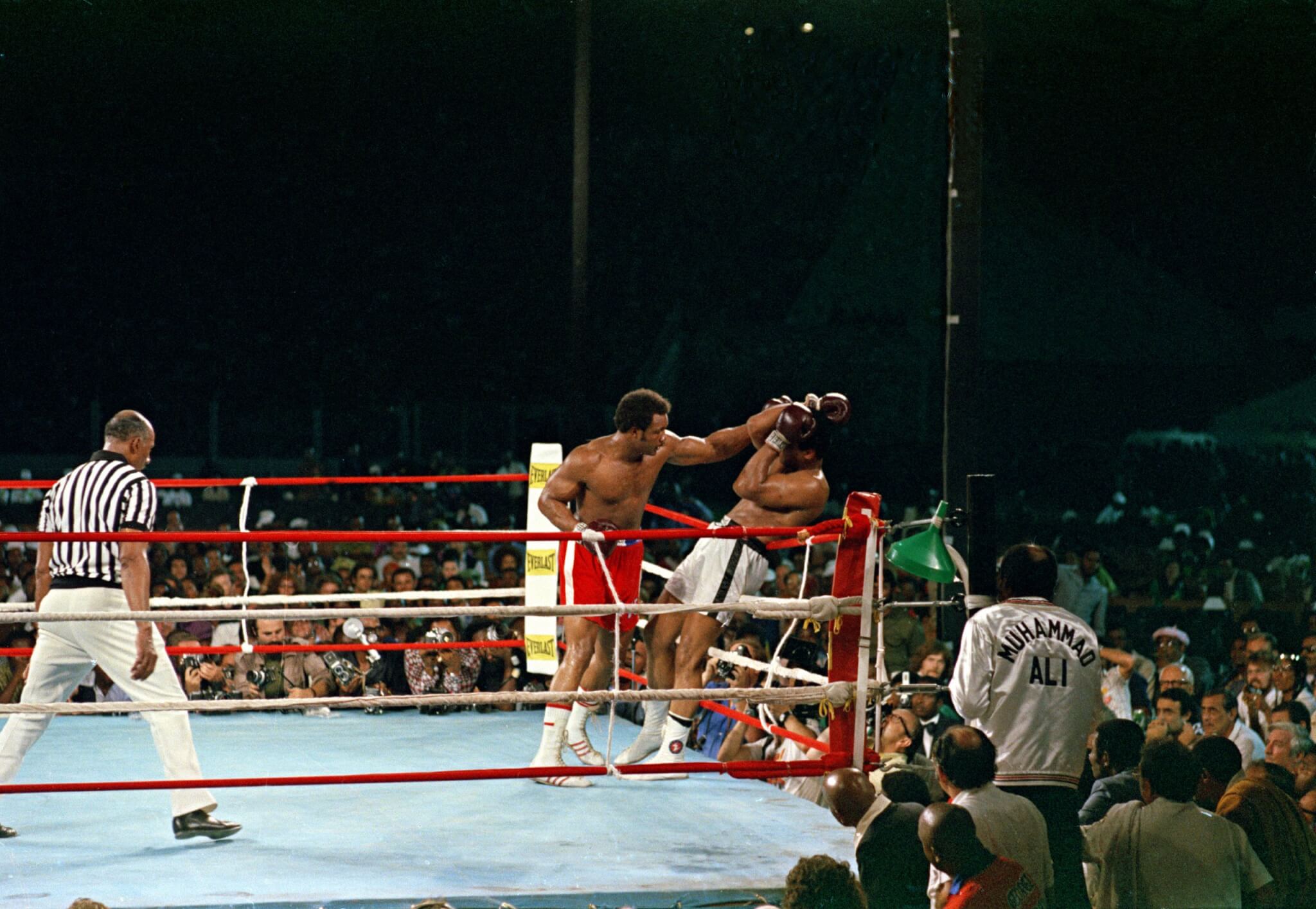
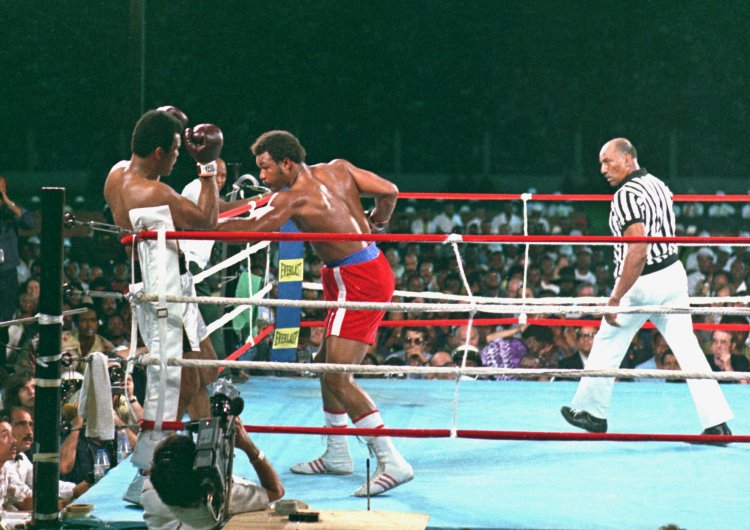
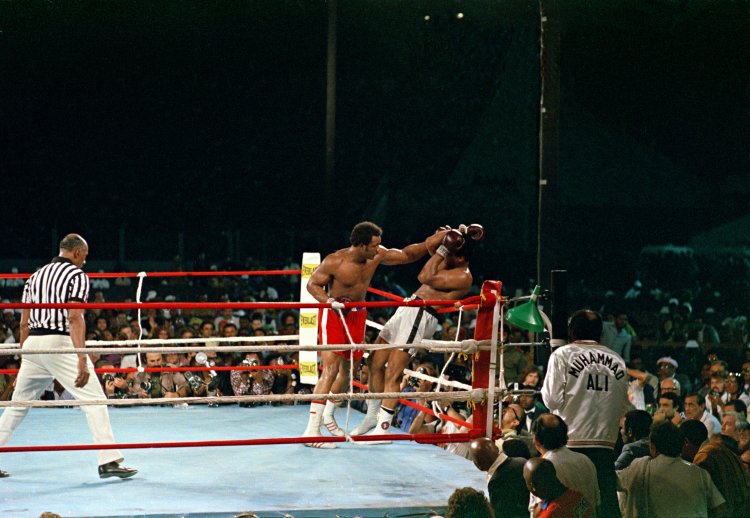
Surprisingly, it wasn’t part of his plan from the start.In 1989, biographer Thomas Hauser watched footage of this fight with Ali himself. According to Ali, he realized he was expending more energy by moving around in the first round, so he switched to a strategy of using the ropes starting in the second round. [10] The strategy he drew upon was that of Archie Moore, whom he had previously defeated by TKO four times. It involved skillfully parrying the attacks of a younger opponent and counterattacking once the opponent grew tired. The technique of the man whose “KO prediction” he had made come true 12 years earlier was put to use on the grand stage of reclaiming the world title.Moreover, he didn’t rely solely on defense. While parrying his opponent’s punches, he taunted him with words, goading him to hit harder. As Foreman began to tire, Ali’s counterattacks increased. In the eighth round, he finally knocked Foreman out. At age 32, Ali reclaimed the world title. [10] If he had clung to speed—his greatest weapon in his youth—this victory might never have happened. He talked a big game, but he knew how to adapt his fighting style. Moreover, he wasn’t just spouting empty boasts. He even used his words in the ring to wear down his opponent. Behind the “big mouth” was a shrewd competitor.
The Feud with Frazier, the 1996 Olympic TorchThe Night the World’s Greatest Big Mouth Set the World Ablaze Without Saying a Word
That said, Ali’s trash talk wasn’t always met with cheers. One of the people he hurt the most was his archrival, Frazier.During the period when Ali was banned from boxing, Frazier supported him financially and publicly backed his return to the ring. Yet as their rematch approached, Ali insulted him by calling him “Uncle Tom.” Before their third bout in 1975, he provoked him by comparing him to a gorilla.Frazier’s son later recounted that he was bullied at school because of the words hurled at his father. [11] Even when it comes to grandstanding, there is a difference between making oneself look great and trampling on others. Ali, who fought against racism and was so particular about his name and dignity, was hurting the dignity of another Black boxer. That contradiction cannot be dismissed as mere showmanship.In 2001, Ali apologized for his insults toward Frazier. He admitted that he had spoken words he shouldn’t have, intending to hype up the fight. Newspapers at the time also recorded that Frazier indicated his willingness to accept the apology. [12]
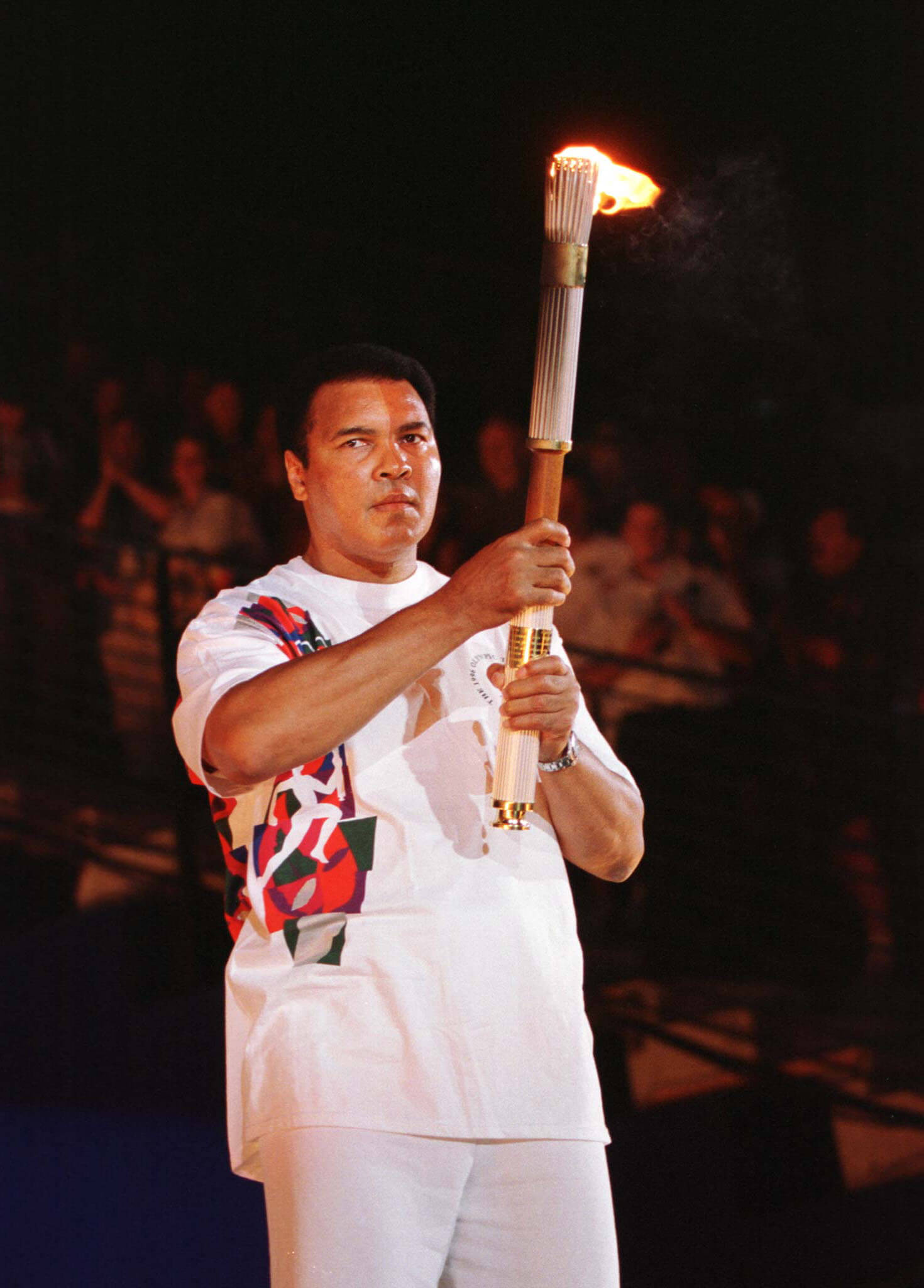
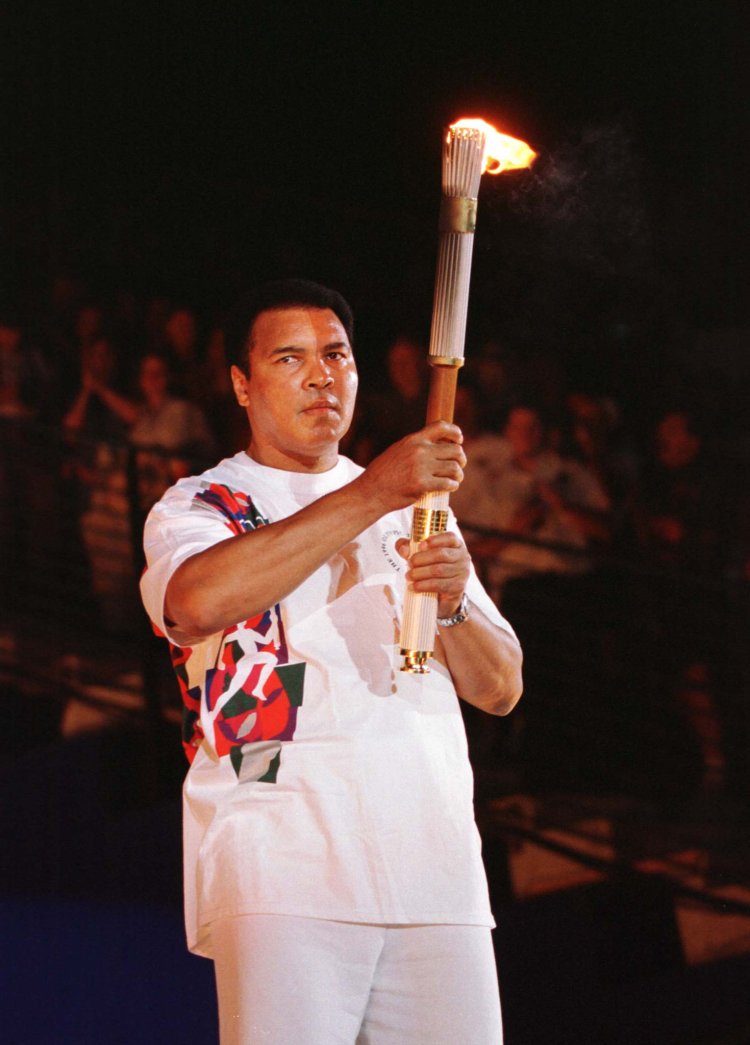
There was a night when that same Ali set the world abuzz without saying a word.On July 19, 1996, the 54-year-old Ali appeared as the final torchbearer at the opening ceremony of the Atlanta Olympics. Despite the tremors in his hands caused by Parkinson’s disease, he held aloft the torch and carried the flame. Witnessing this scene, some people in the stands were moved to tears. [13] However, Ali himself apparently couldn’t quite accept the cheers at face value. According to a statement made by his wife, Lonnie Ali, in 2026, Ali believed that the audience was crying because they felt sorry for him due to his illness.Lonnie told him that wasn’t the case—people were simply happy to see him. [13] This is a strangely human story. A man who, in his youth, repeatedly declared himself the greatest in the world, found himself, as he grew older, unable to fully grasp the magnitude of the cheers directed at him. In 1964, Clay shouted to reporters that he was the greatest.Thirty-two years later in Atlanta, he no longer needed to shout. The man who had wielded words as weapons for so long silently raised the torch and received a standing ovation from people all over the world.
A Book to Learn More About This Man (1)‘Mohammed Ali: The Most Hated Champion in America’
Written by Jonathan Eig, translated by Motoko Oshino, published by Iwanami Shoten.Based on interviews with over 200 people involved in his life and newly discovered materials, this biography delves not only into his glory days but also into his name change, draft refusal, decline, and personal contradictions. It’s a book that helps readers better understand the complex man behind the big talk.
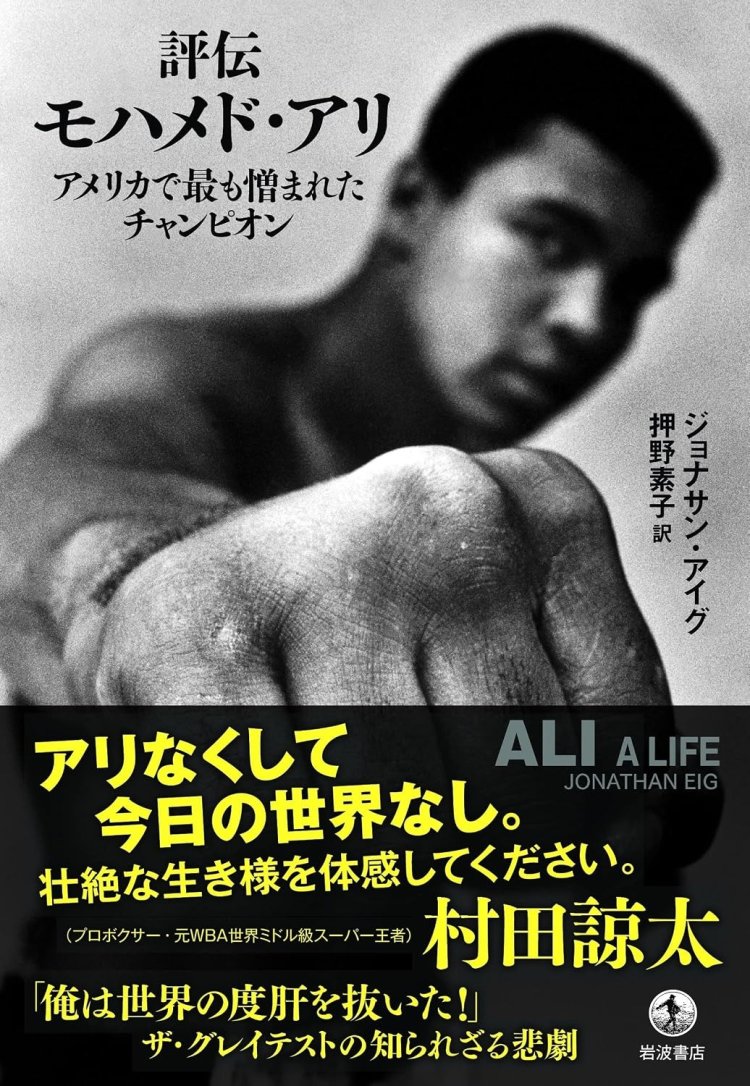
Click here for details and purchase
A Book to Learn More About This Man (2)’Muhammad Ali: His Life and Times’”
Written by Thomas Hauser, translated by Yuji Kobayashi, published by Tokyo Shoseki (1993).A hardcover book totaling 742 pages. This is the masterpiece by a biographer who conducted numerous interviews with Ali, tracing his journey from his path to the world title to his deadly battles with archrivals and into his later years. Since the author actually watched the 1974 Foreman fight alongside Ali himself, his descriptions that delve deep into the inner workings of the ring are particularly noteworthy.
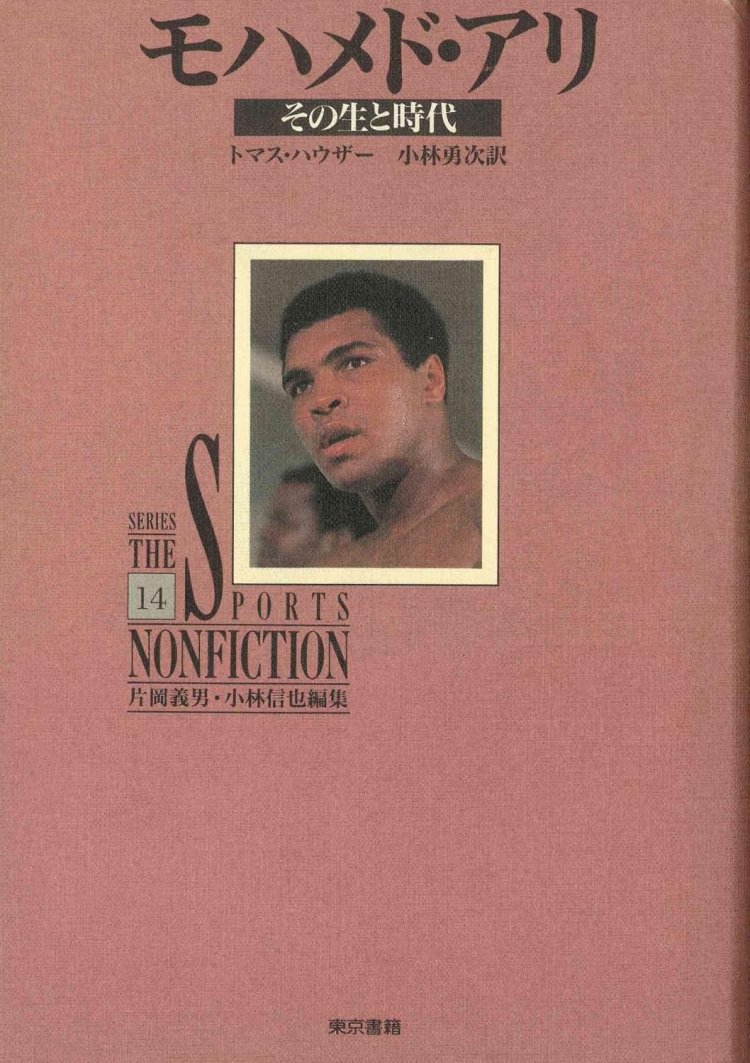
Click here for details and purchase
References
[1] Andscape, “The Grammy-nominated Cassius Clay, ” June 8, 2016,
[2] HISTORY, “Muhammad Ali: Boxing Legend … and 2-Time Grammy Nominee” Published September 20, 2021; Updated May 27, 2025
[3] CBS Sports “How Muhammad Ali’s fascination with pro wrestling fueled his career, inspired MMA” June 6, 2016
[4] The Washington Post“His Eyes Saw the Prize Early” May 16, 2008
[5] Smithsonian Magazine “How Hip-Hop Was Born 50 Years Ago at a Block Party in the Bronx” Published May 10, 2022, Updated August 11, 2023
[6] Associated Press, “Jay Z, Eminem, Slick Rick, and More Remember Muhammad Ali,” June 9, 2016,
[7] Andscape, “Muhammad Ali: The Original Rapper,” June 9, 2016,
[8] Associated Press, “AP Was There: First heavyweight crown for ‘The Greatest’”— on-the-scene report from 1964, republished June 4, 2016
[9] HISTORY, “Muhammad Ali refuses Army induction” Published November 16, 2009; updated January 31, 2025
[10] The Guardian, “‘I didn’t really plan it’: what Ali told me when we rewatched The Rumble in the Jungle,” October 28, 2024
[11] The Guardian, “Still smokin’ over Ali but there’s no time for hatred now,” November 11, 2008
[12] The Washington Post, “Never Too Late: Ali Apologizes to Frazier,” March 15, 2001
[13] The Atlanta Journal-Constitution, “Looking back: How the 1996 torch relay launched Atlanta’s Olympics,” September 29, 2026,
[14] TIME, “Sport: Louisville Lip,” November 23, 1962,
[15] The Harvard Crimson, “Clay Vows to Canvas Jones in Fourth Round, ” March 13, 1963,
[16] Sports Illustrated, “I’m a little special,” published February 24, 1964; republished online September 24, 2015,
[17] Chicago Sun-Times, “This week in history: ‘Don’t call me Cassius Clay,’” January 21, 2021
[18] The Guardian, “Muhammad Ali: all of his 61 fights as a professional,” June 5, 2016
[19] PBS, “Muhammad Ali: Round Two: What’s My Name? (1964–1970),” September 20, 2021,
[20] UPI/Medford Mail Tribune, “Cassius Clay Gains Unpopular Decision,” March 14, 1963