
![George Foreman: From World Champion to Pastor—The Boxer Who, After a 10-Year Hiatus, Knocked Out an Undefeated Champion at Age 45 [Men's Biographies]](https://otokomaeken.com/wp-content/uploads/2026/09/7966bae78213db11914ad7af893f8431-2-750x396.png)
A man who became world champion at age 24 retired from boxing at age 28. For the next 10 years, he didn’t fight a single match. He lived as a pastor, and his weight exceeded 300 pounds (about 136 kg). Yet, at age 38, he returned to the ring.At age 45, he knocked out an undefeated 26-year-old champion to reclaim the world title. That man is George Foreman. And his story doesn’t end with regaining the world title.Outside the ring, kitchen appliances bearing his name became a global hit, earning him more money than boxing ever did. Rather than trying to return to his younger self, he strategizes his next victory from where he stands now—with his age, physique, and circumstances having all changed. This is the story of a man who has made his life shine time and time again.
Sponsored by
The Monster Foreman: His First CrownAt 24, He Knocked Out the World Champion Six Times in Two Rounds
Foreman rose to become world champion in just four years after turning pro.In 1968, at age 19, he won the gold medal in the heavyweight division at the Mexico City Olympics. When he turned pro the following year, in 1969, he went undefeated in his first 37 fights, 34 of which were by knockout. [1] Then, on January 22, 1973.The 24-year-old Foreman challenged world heavyweight champion Joe Frazier. Frazier had been undefeated until the previous year and was the champion who had handed Ali his first loss. Even so, once the fight began, the balance of power was one-sided.Three times in the first round, and three times in the second. Foreman sent Frazier to the canvas a total of six times, capturing the world title in just two rounds. Every time a powerful punch landed, the champion’s body swayed violently. Foreman’s superhuman strength—which would be talked about time and again—became known to the world that night. [1] An Olympic gold medalist, 37 consecutive professional wins, and world champion at age 24. Moreover, the way he claimed the title was by knocking the former champion down six times in just two rounds. It’s hard to imagine Foreman from that era as a “man who loses.”
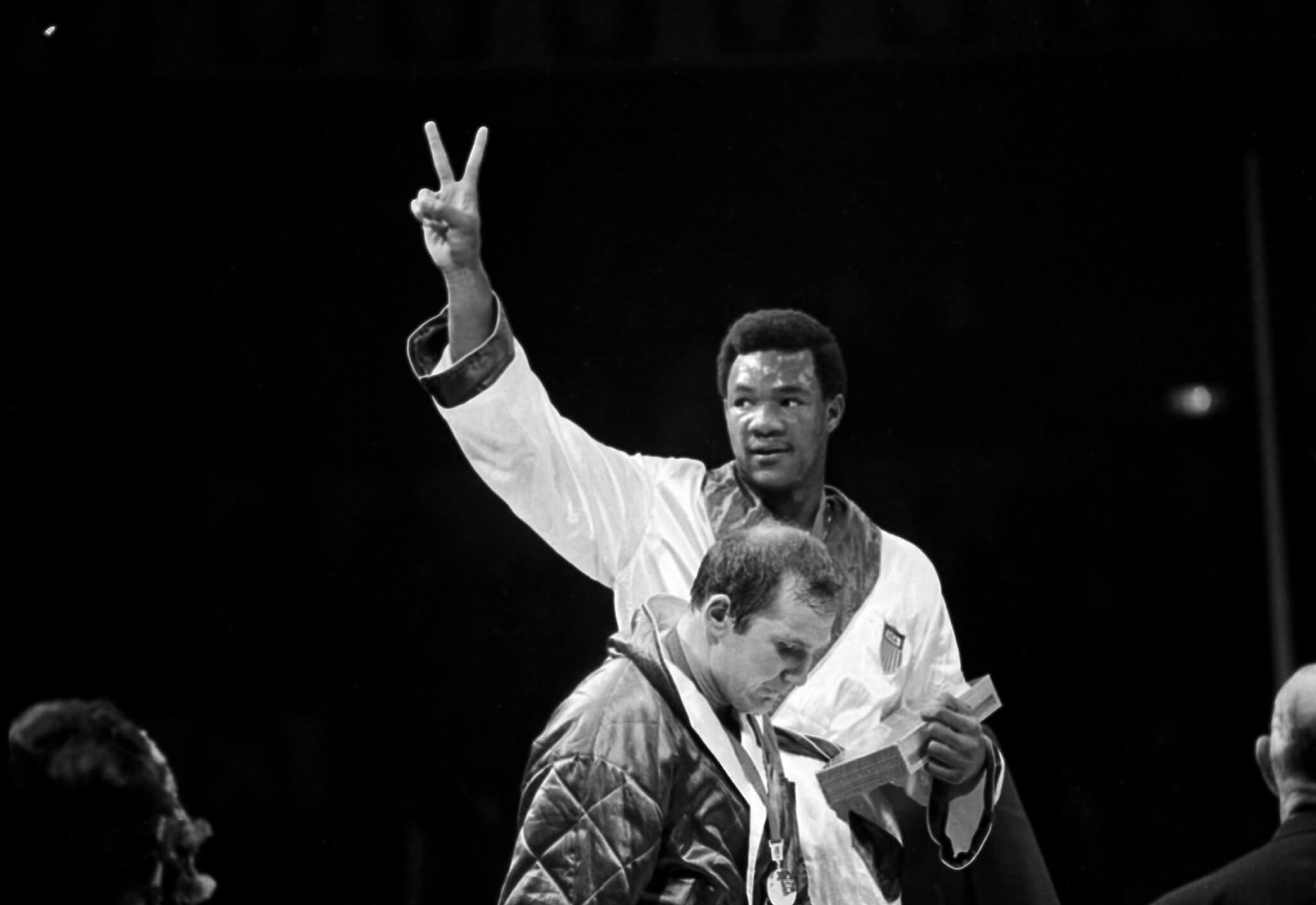
Three Years After the ‘Rumble in the Jungle’”He Lost the Title to Ali and Truly Retired from the Ring at Age 28
October 30, 1974, in Kinshasa, the capital of the former Zaire. Awaiting champion Foreman—who was 40-0 with 37 KOs—was the 32-year-old Ali. [1] While the young Foreman unleashed a barrage of fierce punches, Ali continued to absorb them while backed against the ropes.This was the tactic later known as the “Rope-a-Dope.” In the eighth round, after Foreman had worn himself out, Ali counterattacked. Foreman took a right hand and fell to the canvas, suffering his first professional loss in his 41st fight. He also lost his world title. [1] However, he did not retire immediately after this.Foreman continued to fight, even winning a rematch against Frazier in 1976. However, he later reflected that after the Ali fight, he had been bound by the fear of being perceived as “someone who lost to Ali and became afraid.” [2] The turning point came on March 17, 1977.It was immediately after his 12-round decision loss to Jimmy Young. After falling ill in his dressing room, Foreman described having a religious experience so profound that he felt he was facing death. While some around him attributed it to dehydration, Foreman himself viewed this event as a turning point in his life. [2] At 28 years old—still physically capable of competing—Foreman walked away from the ring.
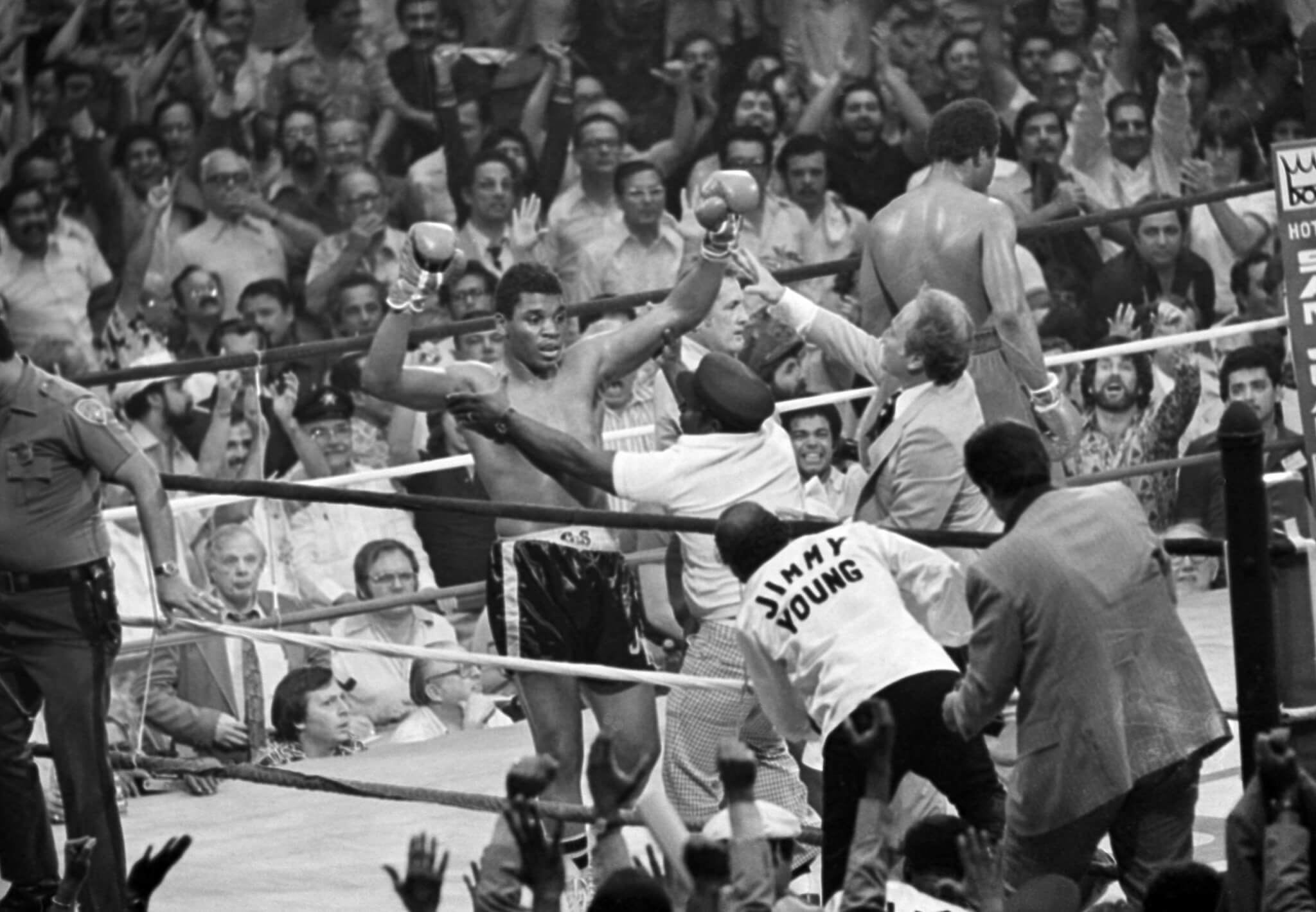
Days Spent on the Pulpit Rather Than in the RingFrom World Champion to Pastor: Zero Official Fights for 10 Years
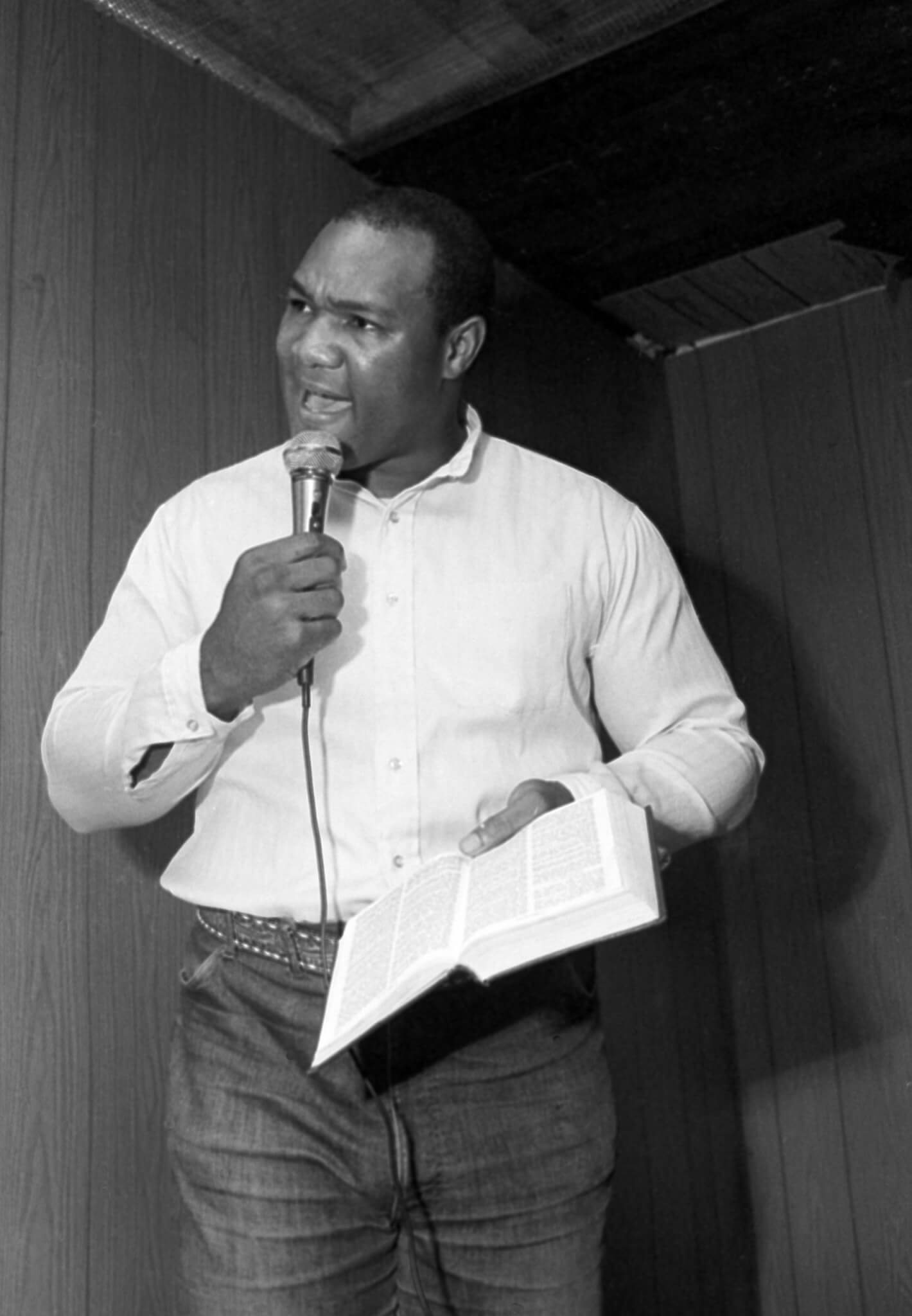
After retiring, Foreman did not use his former champion status to remain in the boxing world. He began preaching on the streets of Houston and eventually became a pastor.In the early 1980s, he opened the George Foreman Youth and Community Center as a place for young people to belong. Equipped with a gym and a boxing ring, it welcomed young people who, like him once had, were on the verge of losing their way. [3] Moreover, these past ten years were not a period of recharging with the intention of “returning someday.” Foreman never competed in an official match and lived a life separate from that of a boxer. As he preached, met with people, and dined with those who invited him, his weight gradually increased. [4] However, it wasn’t just his body that changed over those ten years. In his youth, Foreman was known as a surly and unapproachable champion. Once out of the ring, he spent his days standing before audiences and captivating them with his words. Eventually, his smiling demeanor and playful banter became the defining image of the new Foreman.The more people knew the young Foreman, the more surprised they must have been by his affability.
Act II Began at 305 PoundsReturned to the Ring at Age 38, Weighing 267 Pounds (Approx. 121 kg)
By the mid-1980s, Foreman was running out of financial resources.He had invested a large sum of money in a youth center, and he needed funds to continue his activities while supporting his family. He repeatedly cited the need for funds to maintain the center as the reason he decided to make a comeback. [3] The problem was his weight. Around the time he began considering a comeback, he weighed 305 pounds (approx. 138 kg) at home.This was a far cry from the physique he had during his active career. He began intensive running training and had dropped to 267 pounds (approx. 121 kg) by the time of his March 9, 1987, bout against Steve Zouski—his first fight in 10 years.Even so, he was still about 50 pounds (about 23 kg) heavier than when he defeated Frazier in 1973. News reports at the time described him as looking overweight and slow. Nevertheless, he stopped his opponent in the fourth round. [4][5] There was no need to recreate the Foreman of his twenties. If his feet had slowed down, he would apply pressure with his large frame.If his stamina had declined, he would close the distance while absorbing his opponent’s attacks. And then, he would land the powerful punches he still possessed right until the end. After his comeback, Foreman did not cling to the same fighting style he had in his youth. To win with a 38-year-old body, he completely reinvented his fighting style.

How the Defeat Changed Public PerceptionAfter a 24-Fight Winning Streak, a 42-Year-Old Battled a 28-Year-Old Champion for 12 Rounds
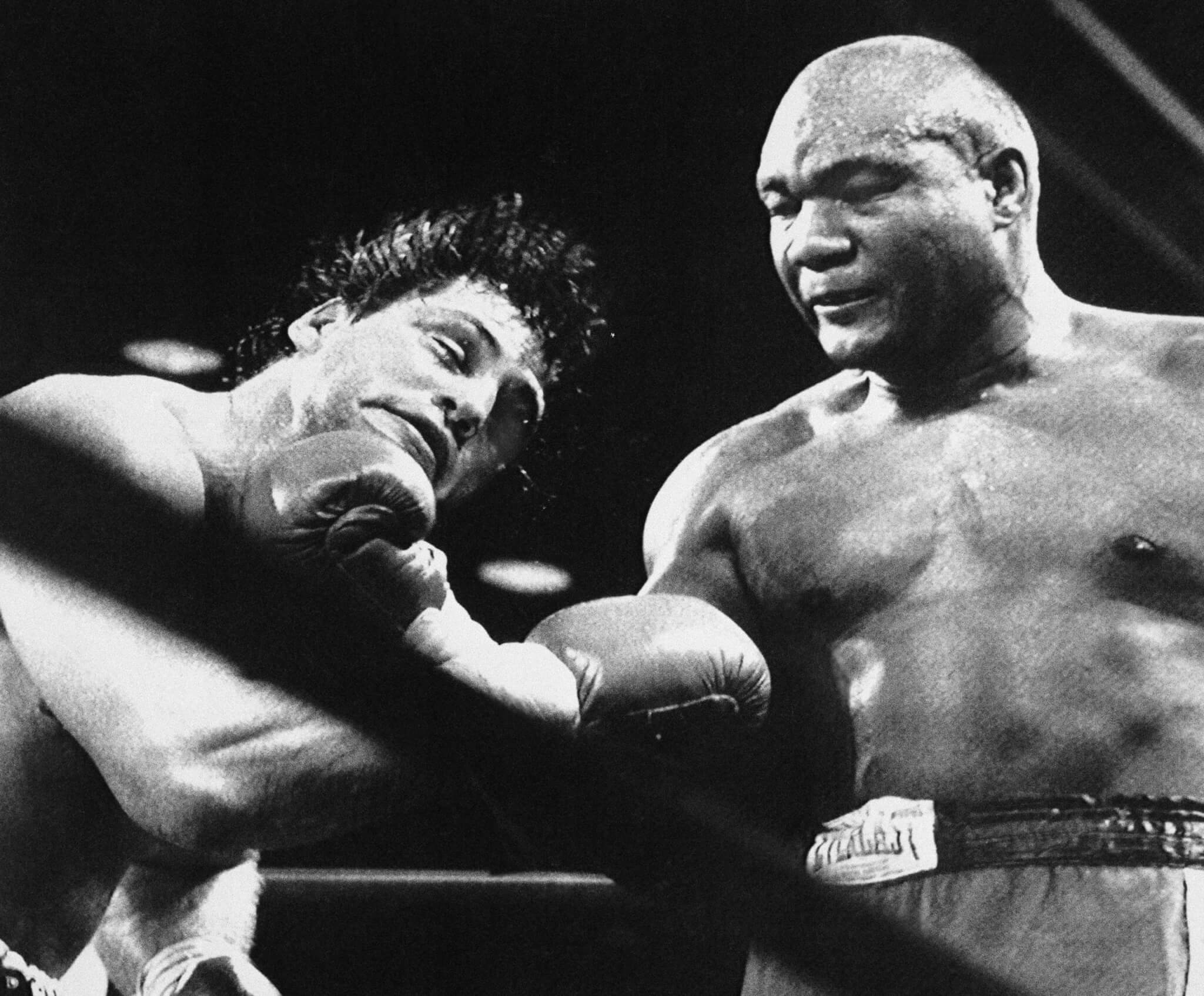
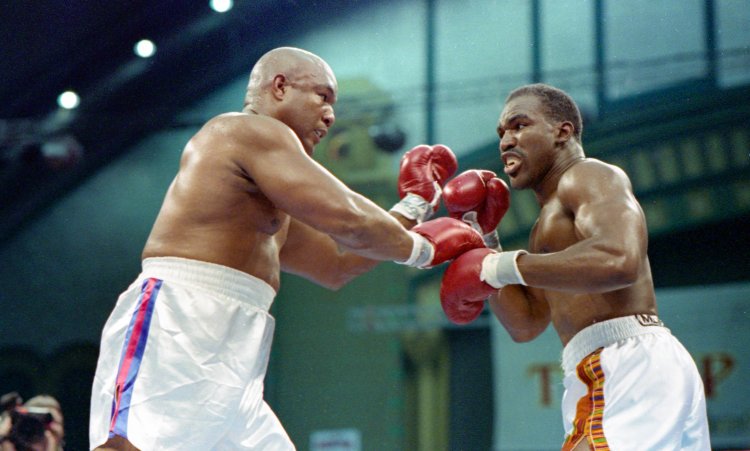
Foreman continued to win even after his comeback. He had a 24-fight winning streak starting in 1987.However, looking at these numbers alone paints too rosy a picture. Even back then, there were voices questioning the caliber of his opponents, and the view that his comeback was merely a publicity stunt remained deeply entrenched. [6] What changed that perception was his fight against Evander Holyfield on April 19, 1991.Holyfield was a 28-year-old reigning world heavyweight champion. Foreman was 42. Before the fight, many predicted that the young, fast champion would finish off the aging challenger in the early rounds. However, Foreman refused to go down.Even as Holyfield unleashed a barrage of rapid combinations, Foreman kept pressing forward and returned the fire with powerful punches of his own. Although he ultimately lost by decision after staying on his feet through all 12 rounds, Holyfield himself expressed surprise after the fight that Foreman hadn’t gone down despite taking such a heavy volume of punches. [7] He fell short of the world title. Still, over the course of those 12 rounds, Foreman transformed from a “former champion fighting on his past reputation” into an active heavyweight once again capable of challenging for the world title. Although the decision was a loss, by fighting the full 12 rounds, it became difficult to dismiss Foreman’s comeback as merely a publicity stunt.
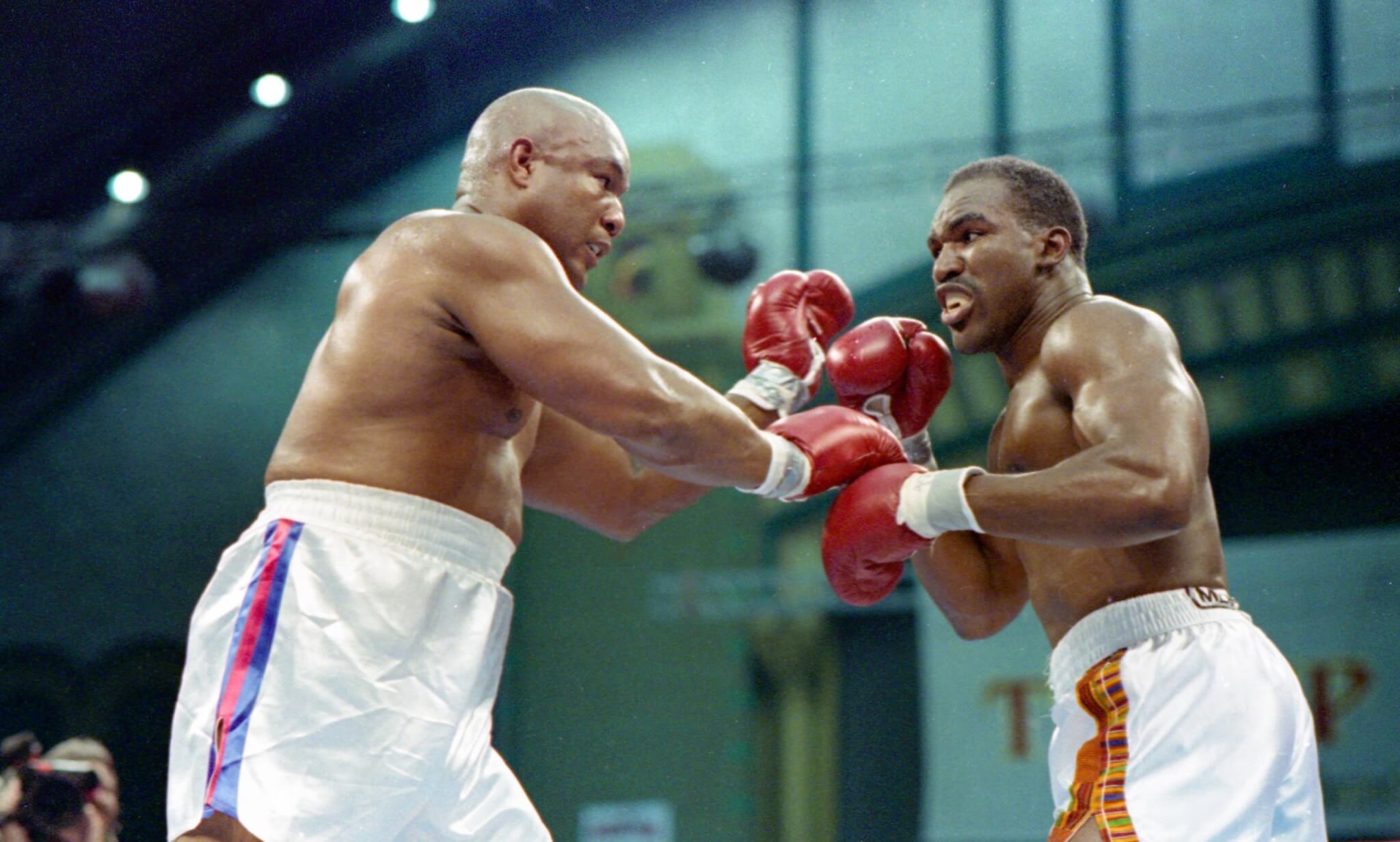
APRIL 19, 1991 – Boxing:
A photo from the fight between 28-year-old world heavyweight champion Evander Holyfield and 42-year-old George Foreman, a bout billed as the “Battle of the Ages”E Although the April 19, 1991, fight at the Trump Plaza Casino in Atlantic City, New Jersey, was a win for Holyfield, Foreman was the sentimental favorite. It was Holyfield’s fight, but it was the “Punching Preacher’s” night, and the older man—who weighed 49 lbs more—came away with nothing but respect. (Photo by AFLO)
A Comeback Victory at 2:03 of the 10th RoundAt 45, He Knocked Out an Undefeated Champion 19 Years His Junior with a Single Right Hand
Three and a half years had passed since the Holyfield fight. Foreman’s path to the title was not a straight one.In 1993, he lost a decision to Tommy Morrison. Turning 45, it certainly seemed as though his path to the world title was over. Nevertheless, on November 5, 1994, a title shot against WBA and IBF World Heavyweight Champion Michael Moeller was set.Moller was 26 years old, with a perfect 35-0 record. He was 19 years younger than Foreman. [8] That night, Foreman once again donned the red velvet trunks he had worn in his fight against Ali 20 years earlier. [10] From the opening rounds, it was the younger champion who racked up the points. Moller’s jabs and right hands kept finding their mark on Foreman’s face, causing his left eye to swell significantly. By the end of the ninth round, two judges had Moller leading by five points, while the third favored Moller by a single point. [9] But in the 10th round, Foreman began landing his right. With less than a minute remaining, he threw a left jab followed by a right straight. It caught Moeller squarely on the jaw. The champion fell backward and couldn’t get back up. At 2 minutes and 3 seconds, it was a KO.
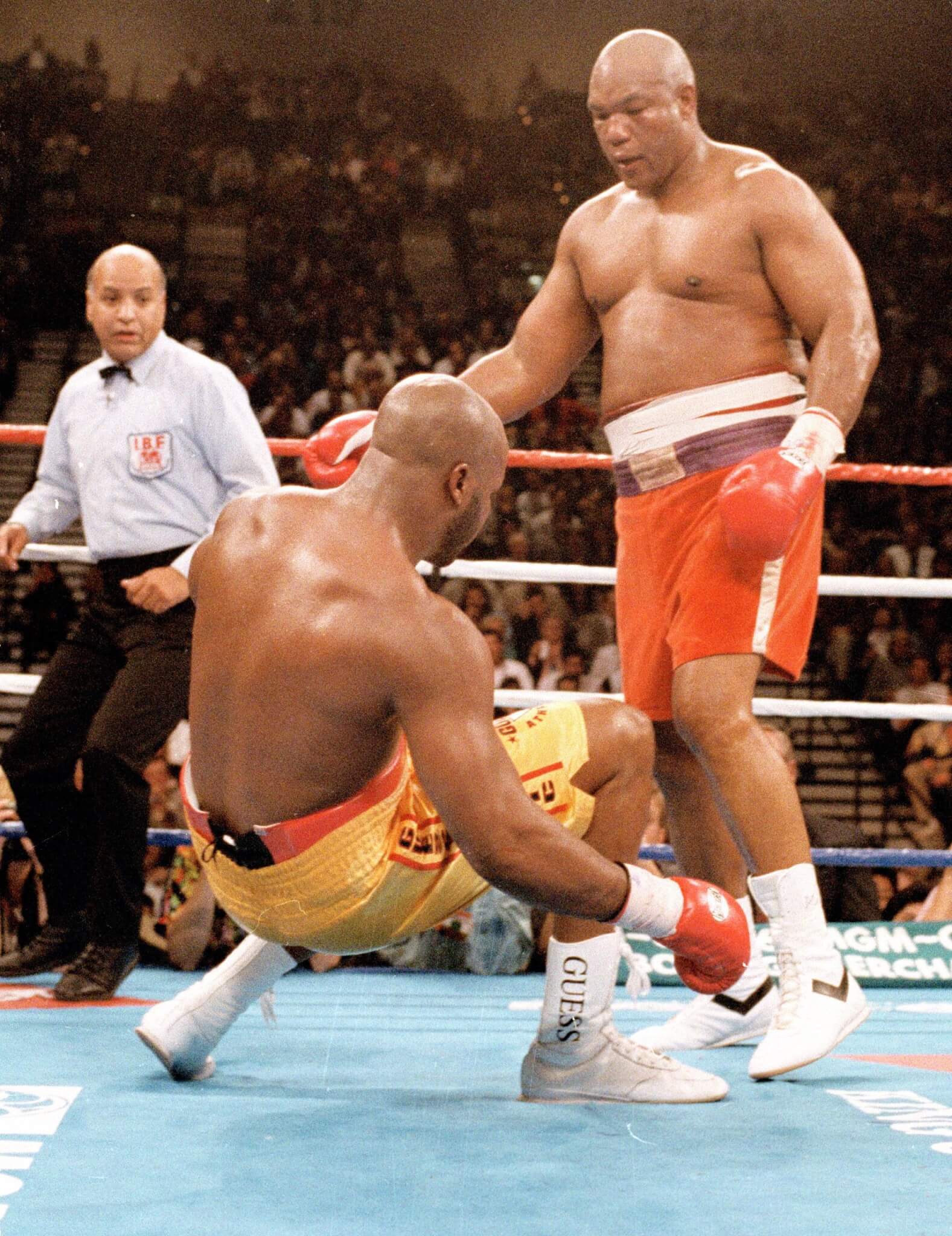
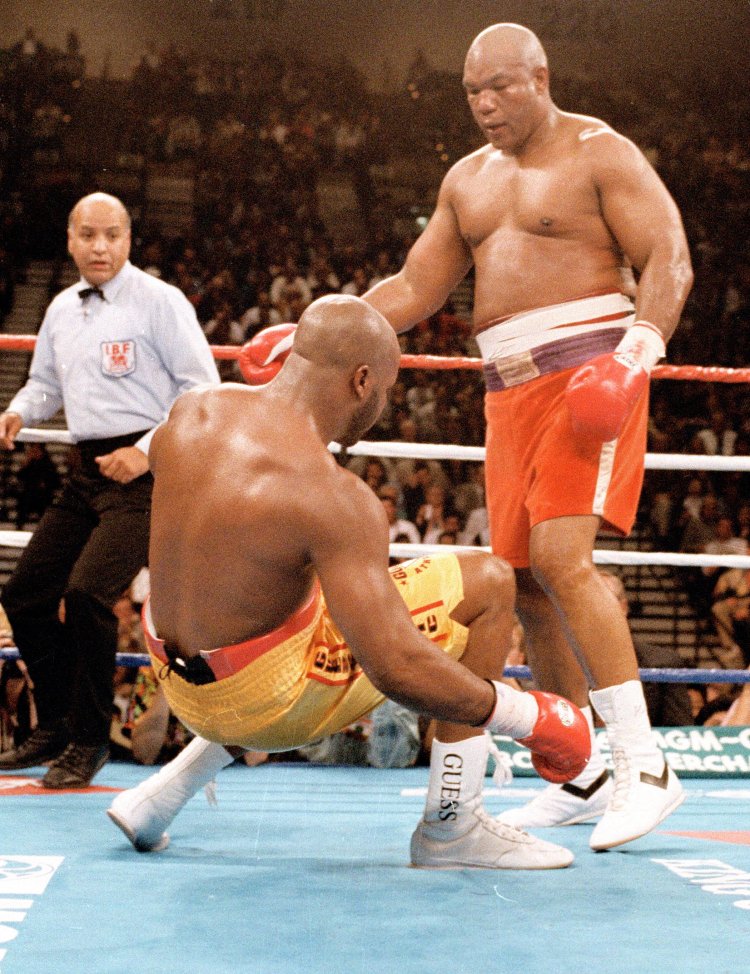
At 45 years and 10 months, Foreman reclaimed the world heavyweight title for the first time in 20 years. [8] If Foreman were in his 20s, he would have overpowered his opponent from the very start. The 45-year-old Foreman lacks both the speed and the stamina for that. Yet his punching power remains. So he held out until the 10th round, waiting for the moment his opponent came within his striking range.He didn’t regain his youth. He found a way to defeat the world champion with a 45-year-old body.
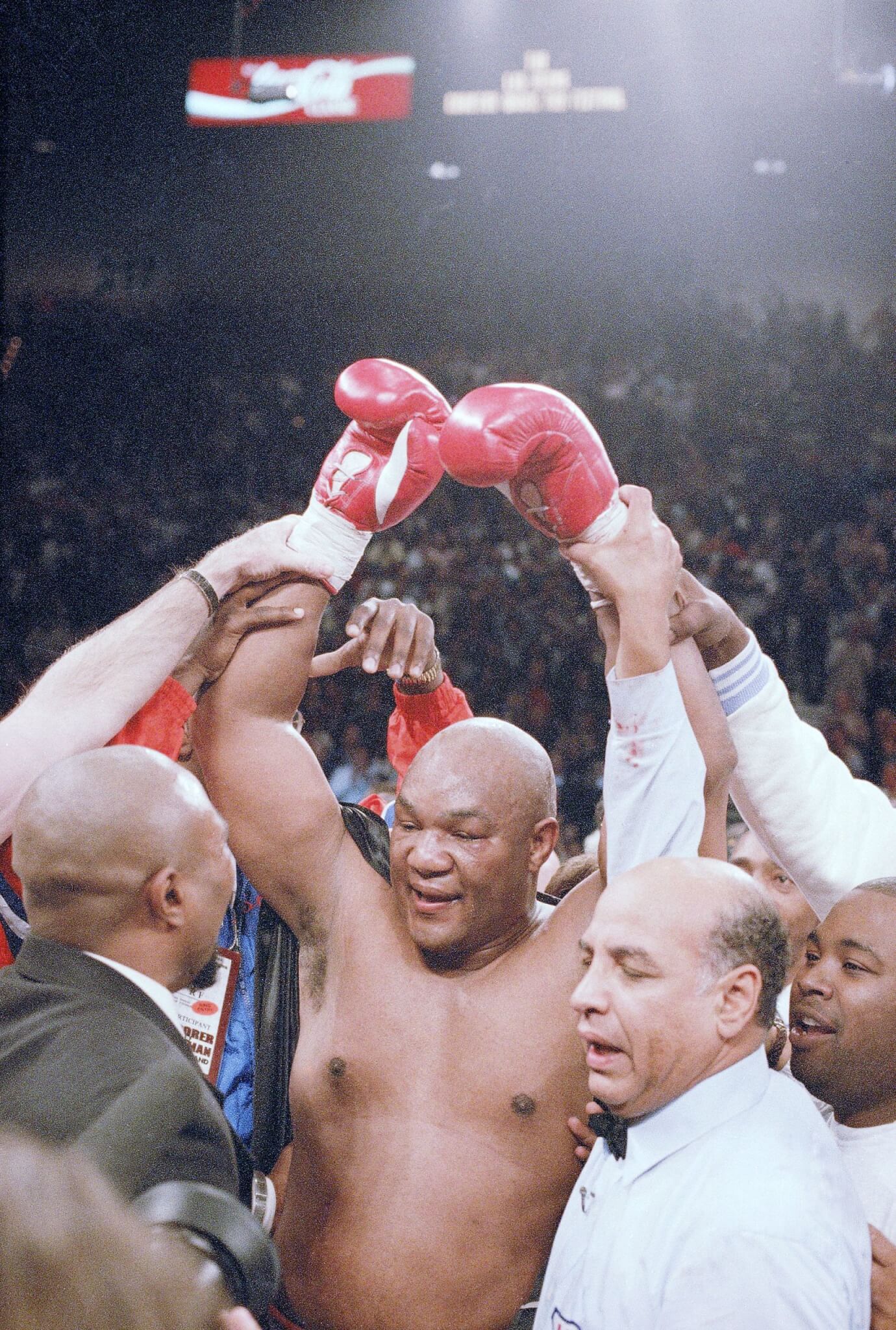
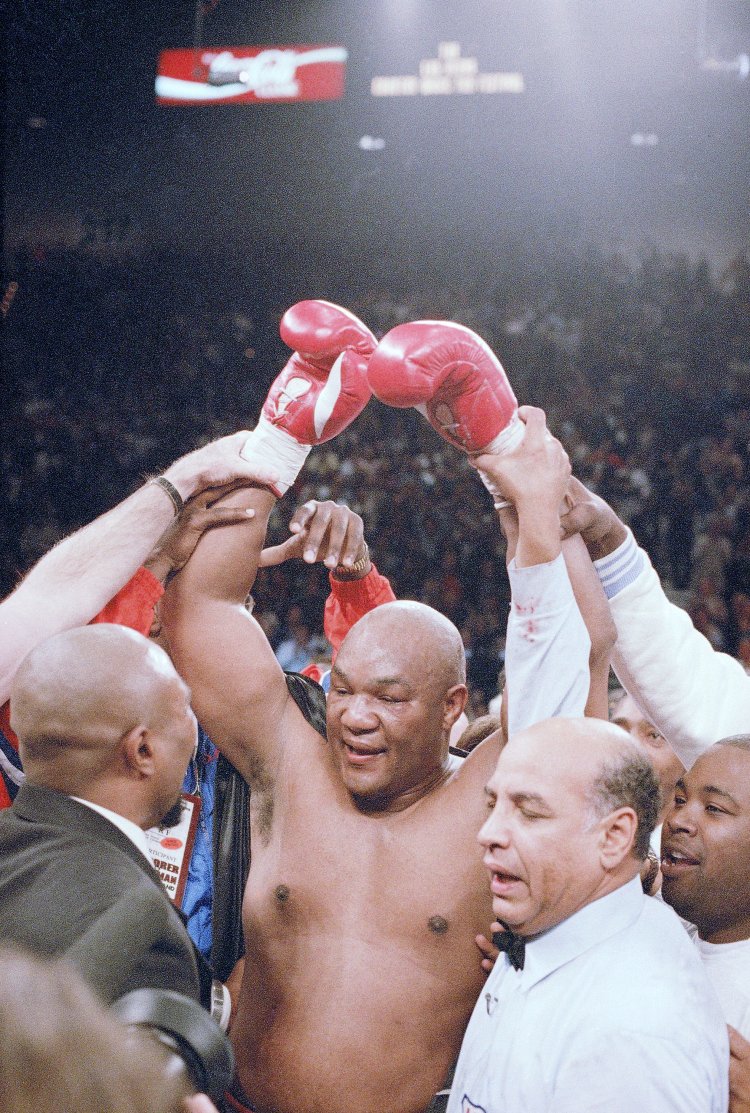
NOVEMBER 5, 1994 – Boxing:
Heavyweight champion George Foreman, center, celebrates as referee Joe Cortez, right, declares him the winner after he knocked out Michael Moorer in the 10th round to capture the WBA and IBF heavyweight championships at the MGM Grand in Las Vegas on Saturday, November 5, 1994. (AP Photo/Lennox McLendon)
From Monster Champion to the Face of a Global Hit Product
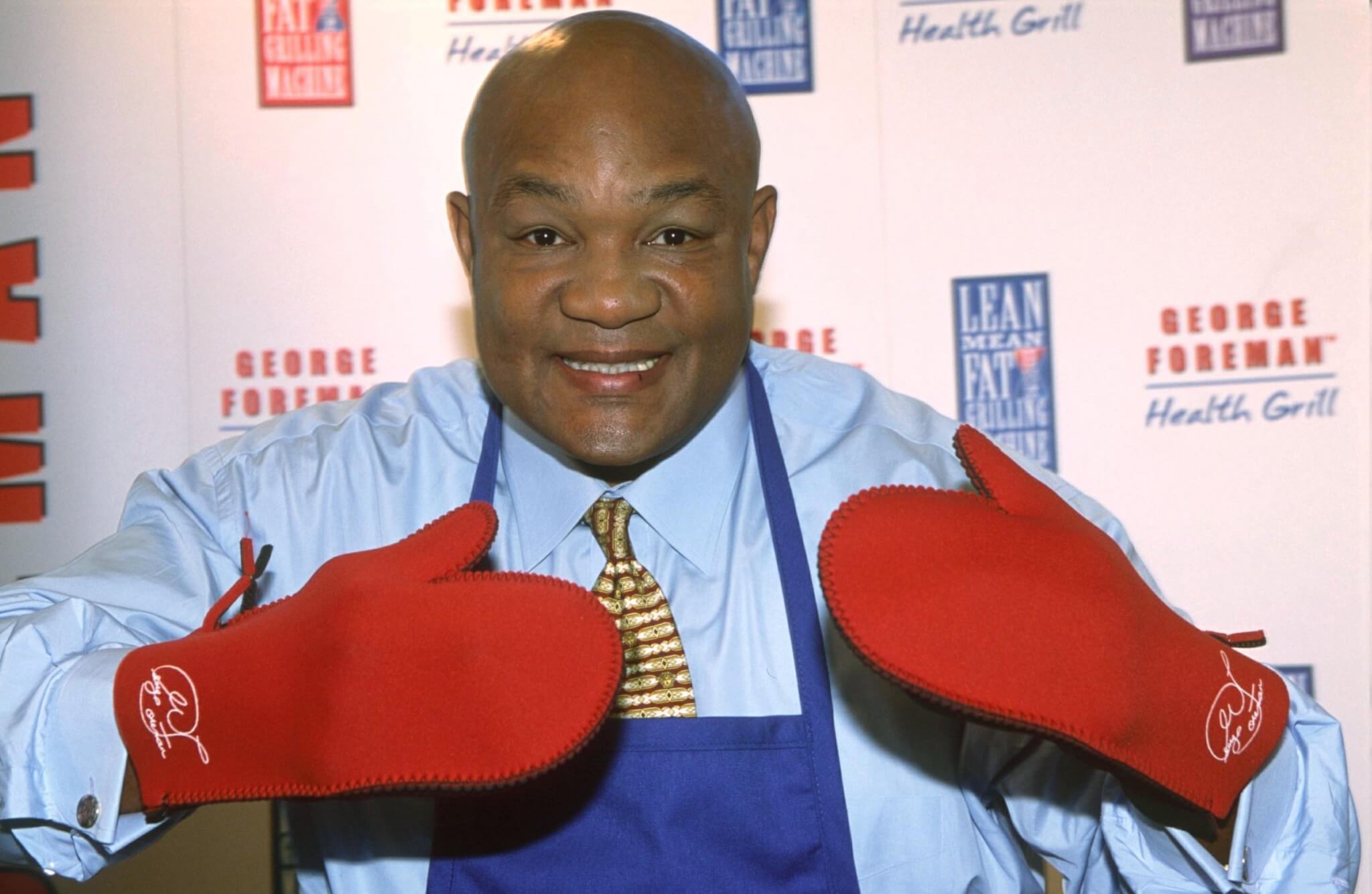
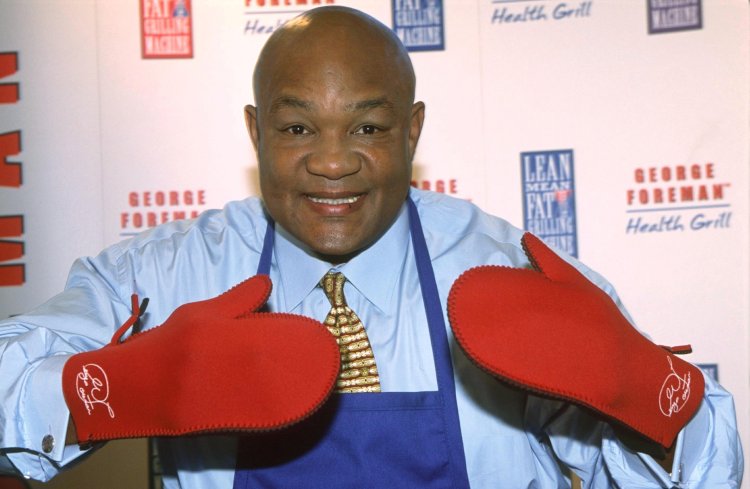
After regaining the world title at age 45, Foreman achieved extraordinary success outside the ring as well: the George Foreman Grill.Foreman himself did not develop the product. An electric grill featuring a slanted plate to drain fat from meat was devised, and Foreman was approached to serve as the face of the product. Initially, he reportedly wasn’t enthusiastic about such a small kitchen appliance. Nevertheless, he tested the improved product and agreed to lend his name to it. It was launched on the market in 1995. [11] The contract was equally bold. He did not receive a massive appearance fee up front. Instead, Foreman’s side was to receive 45% of the product’s profits. It was a contract that would not yield significant money if the product failed to sell. However, the product became a massive hit. By 2000, over 10 million units had been sold. [11] In 1999, the manufacturer, Salton, bought out Forman’s contract.The cash and stock paid to Foreman totaled approximately $137.5 million. This was in addition to the profit shares he had already received up to that point. ‘Sports Illustrated’ reported that the money Foreman earned from the grill business exceeded what he had earned from boxing. [12] The man who was once a “fearsome monster” in the ring became the smiling face of a kitchen appliance that grills meat, finding his way into homes around the world. Foreman passed away on March 21, 2025, at the age of 76. His professional record stood at 81 fights, 76 wins, 5 losses, and 68 knockouts.He packed an Olympic gold medalist, two-time world heavyweight champion, pastor, youth center operator, and even the face of a massive hit product—all into a single lifetime. [13] In his 20s, he became the best in the world by defeating his opponents.In his 40s, he became the world’s best once again by defeating a younger champion. And after stepping out of the ring, he brought his name into households around the world with his smile and eloquence. Every time his age, physical condition, or status changed, he rediscovered a place where he could compete as his current self. He was a man who achieved this both inside and outside the ring.
A Book to Get to Know This Man Better, (1)*By George: The Autobiography of George Foreman*
An autobiography in which Foreman himself looks back on his childhood, the 1968 Mexico City Olympics, his fight against Frazier, the “Rumble in the Jungle” against Ali, his religious experience in 1977, the 10 years he spent as a pastor, and his return to the world title at age 45.Readers can trace the connection between “his first career as a ‘monster’” and “his second career as a ‘man who laughs’”—as described in this article—through Foreman’s own perspective. English edition.
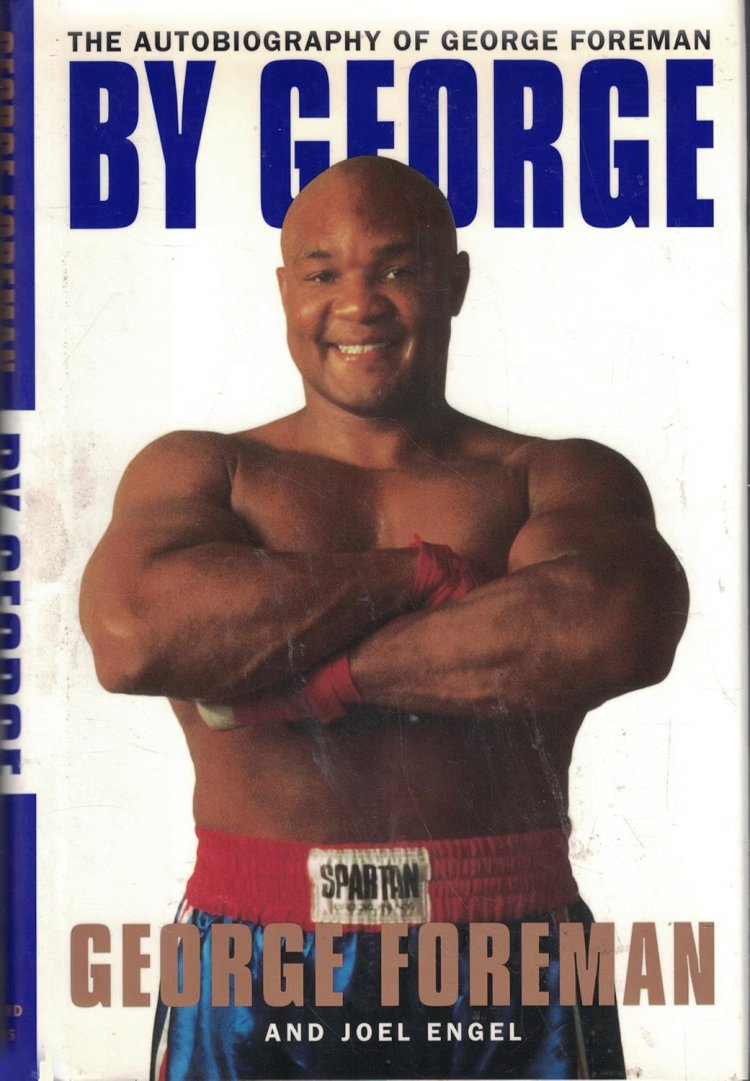

Click here for details and purchase
A Book to Get to Know This Man Better, (2)’Knockout Entrepreneur’
A book that delves into Foreman’s business life rather than his boxing career. It summarizes his experiences—including his contract with George Foreman Grill, how he sold products, and how he turned his fame into a business—based on his own experiences.I recommend this English-language edition to readers who don’t want the story to end with his championship victory at age 45, but want to know why he went on to succeed as a brand ambassador.
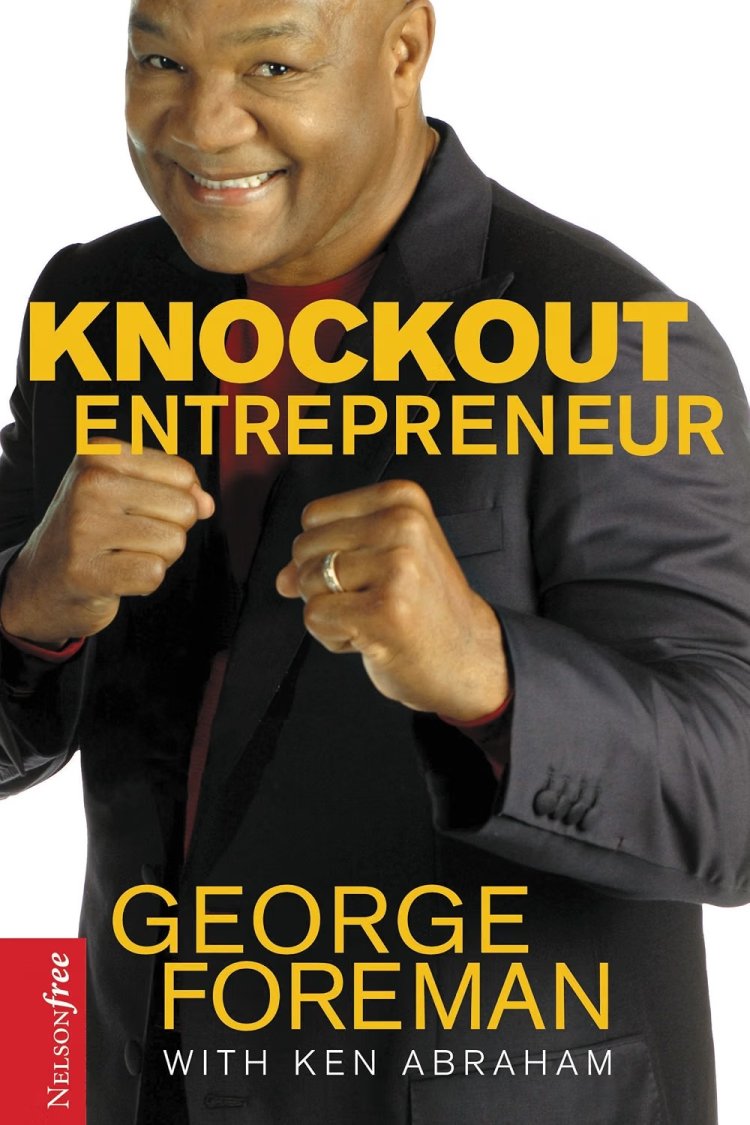
Click here for details and purchase
References
[1] The Washington Post, “A Lean, Mean Boxing Machine,” June 8, 2003
[2] The Washington Post, “The Coming of Age of George Foreman,” July 16, 1989
[3] The Washington Post, “George Foreman, in the Lord’s Corner Now,” May 30, 1995
[4] The Washington Post, “Fighter, Preacher, Big George,” January 12, 1990
[5] The Washington Post“Boxing,” March 10, 1987
[6] The Washington Post, “Boxing Is Foreman’s Meal Ticket and He’s Just Eating It Up,” February 9, 1991
[7] Los Angeles Times, “Holyfield Acts His Age, Wins,” April 20, 1991
[8] The Washington Post “Foreman Recaptures Past, Heavyweight Title” November 6, 1994
[9] Los Angeles Times “It’s Not Good as Gold, It’s Better” November 6, 1994
[10] Los Angeles Times, “Foreman the Man of the Big Moment,” November 7, 1994,
[11] The Washington Post, “The Foreman Phenomenon,” June 14, 2000,
[12] Sports Illustrated, “George Foreman is fueled by a desire to never stop working—and earning,” March 10, 2015,
[13] The Washington Post, “George Foreman, champion boxer and ubiquitous entrepreneur, dies at 76,” March 21, 2025

![Jackie Chan: The Man Who Turned His Back on the Path to Becoming Bruce Lee’s Successor and Changed the World with Comedy and Action [Men’s Biographies]](https://otokomaeken.com/wp-content/uploads/2026/10/7966bae78213db11914ad7af893f8431-630x331.png)
![Steve McQueen: A Man Who Lived Freely and Never Compromised on Duty or Principle [Men’s Biographies]](https://otokomaeken.com/wp-content/uploads/2026/09/7966bae78213db11914ad7af893f8431-4-630x331.png)
![Jon Bon Jovi: The Man Behind “Livin’ on a Prayer” Runs a “Priceless Restaurant” That’s Been Going Strong for 15 Years [Men in the Spotlight]](https://otokomaeken.com/wp-content/uploads/2026/09/7966bae78213db11914ad7af893f8431-1-630x331.png)
![Michael J. Fox: The “Back to the Future” Star and the Future He Truly Sought to Change [Men’s Profiles]](https://otokomaeken.com/wp-content/uploads/2026/09/7966bae78213db11914ad7af893f8431-630x331.png)
![Keanu Reeves: The Man Who Turned Down a $12 Million Sequel and Didn’t Cling to His Star Privileges [Men’s Profiles]](https://otokomaeken.com/wp-content/uploads/2026/08/aflo_177021114-630x331.jpg)
![Ernest Shackleton. He failed to cross Antarctica and lost his ship. Yet he brought 27 men home alive. [Men’s Biographies]](https://otokomaeken.com/wp-content/uploads/2026/08/7966bae78213db11914ad7af893f8431-2-630x331.png)
![Paul Newman: The Man Who Turned Fame into Money and Donated All His Profits to Charity [Men’s Biographies]](https://otokomaeken.com/wp-content/uploads/2026/08/2071d8b3d6b46d67221ad9d050c85da8-630x331.png)





![Jackie Chan: The Man Who Turned His Back on the Path to Becoming Bruce Lee’s Successor and Changed the World with Comedy and Action [Men’s Biographies]](https://otokomaeken.com/wp-content/uploads/2026/10/7966bae78213db11914ad7af893f8431-750x396.png)
![Steve McQueen: A Man Who Lived Freely and Never Compromised on Duty or Principle [Men's Biographies]](https://otokomaeken.com/wp-content/uploads/2026/09/7966bae78213db11914ad7af893f8431-4-750x396.png)





![Paul Newman: The Man Who Turned Fame into Money and Donated All His Profits to Charity [Men's Biographies]](https://otokomaeken.com/wp-content/uploads/2026/08/2071d8b3d6b46d67221ad9d050c85da8-750x396.png)
