![Michael J. Fox: The "Back to the Future" Star and the Future He Truly Sought to Change [Men's Profiles]](https://otokomaeken.com/wp-content/uploads/2026/09/7966bae78213db11914ad7af893f8431-750x396.png)
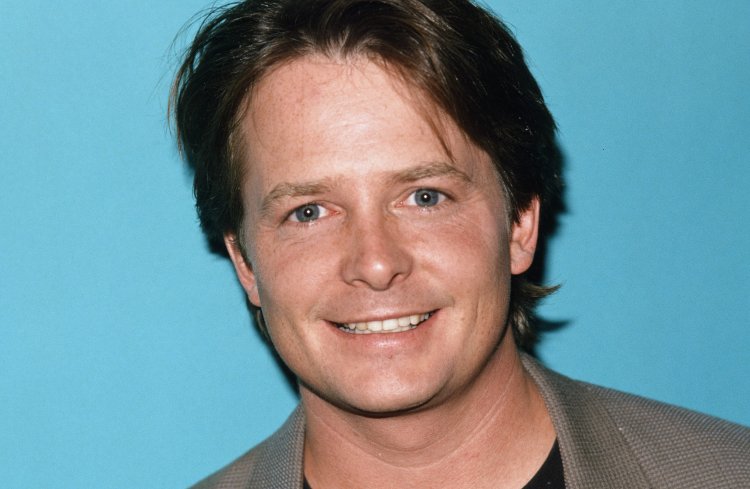
In 1985, Michael J. Fox played Marty McFly, a high school student who travels through time, in the movie ‘Back to the Future’. Six years later, at the age of 29, he was diagnosed with early-onset Parkinson’s disease. [1] His doctor told him he might only be able to work as an actor for about another 10 years. [2]

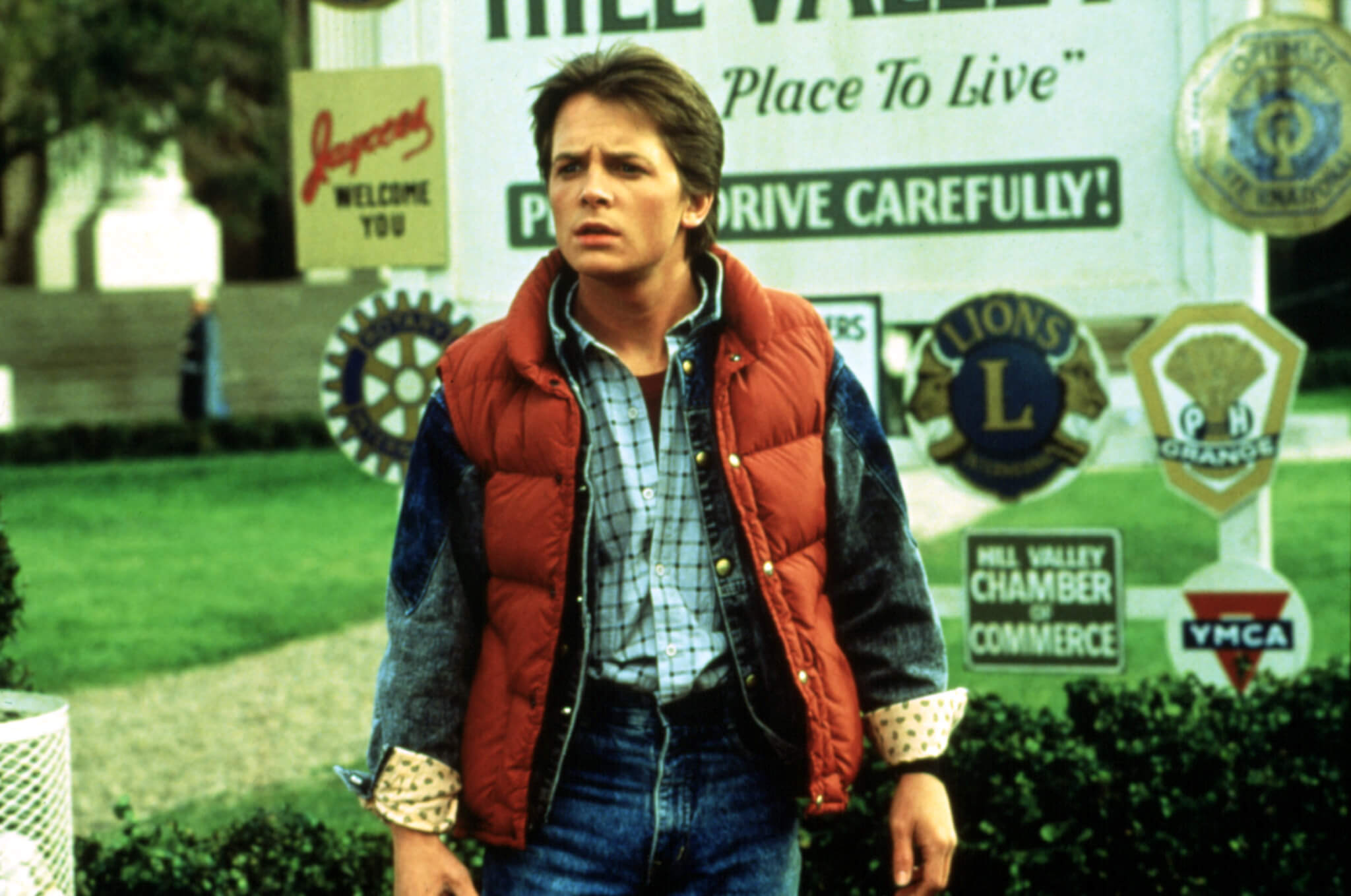
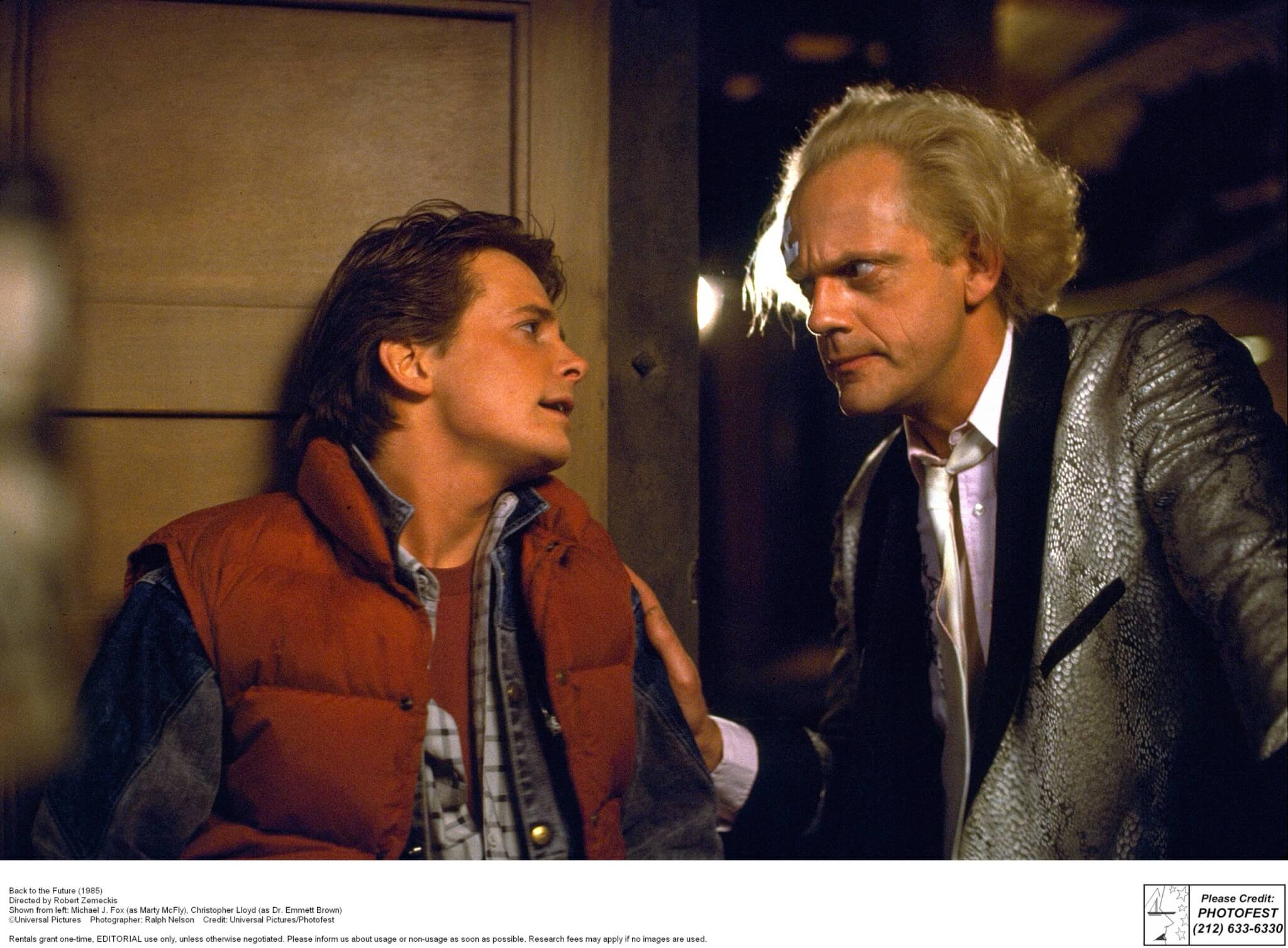
Directed by Robert Zemeckis
Shown from left: Michael J. Fox (as Marty McFly), Christopher Lloyd (as Dr. Emmett Brown)

After his diagnosis, Fox kept his illness hidden for about seven years. He also began drinking more. [1][2] He later went public with his illness and began advocating for others living with the same condition. Furthermore, he has even expressed the view that a cure might not come in time for him by 2024. [3] Why does he continue to work for the future, knowing there may be no hope for himself?That is what makes Michael J. Fox such a fascinating man.
Sponsored by
Six Years After ‘Back to the Future’Diagnosed with Parkinson’s Disease at Age 29, at the Height of His Popularity
In the summer of 1985, Fox was at the peak of his popularity. His TV series *Family Ties* was a hit, and the movie *Back to the Future*, in which he starred, became one of the biggest hits of the year. [1] Marty McFly—who, despite his small stature, hopped onto a skateboard and traveled through time in a DeLorean—became one of the defining film characters of the 1980s.Six years later, while filming *Doc Hollywood*, he began experiencing tremors in his left little finger, and in 1991, he was diagnosed with early-onset Parkinson’s disease. He was 29 years old. [1] At the time, doctors reportedly told him he might only be able to work as an actor for about another 10 years. [2] The star who traveled through time in ‘Back to the Future’ found himself, in reality, unsure of how much longer he could continue acting. However, he did not come to terms with his illness immediately after receiving the diagnosis. For some time afterward, he continued to hide his condition.
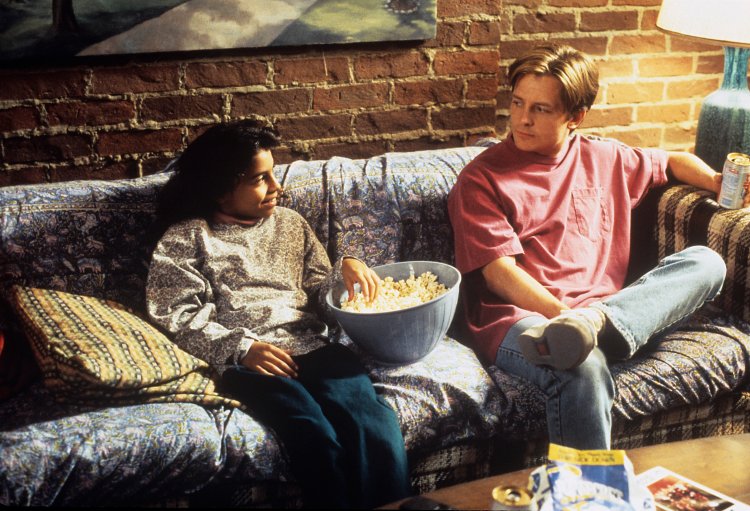
Christina Vidal, Michael J. Fox
1993 Touchstone Pictures
Photo by Melinda Sue Gordon
File reference # 34824-534THA
Days of Hiding His Diagnosis and Drinking MoreIt Took Seven Years to Accept His Illness
After his diagnosis, Fox began drinking more.He reflects that, not knowing how to come to terms with his illness, he began drinking even more than before. [2] At work, he concealed his illness and acted in a way that prevented others from realizing his symptoms were showing. It took him about seven years before he publicly disclosed his diagnosis in 1998. [1] The catalyst for him to quit drinking was his wife, Tracy Pollan. One morning, he collapsed on the sofa with a hangover, with spilled beer beside him and his young son lying on top of him. Seeing her husband in that state, Pollan asked him if this was really what he wanted.Fox later reflected that he was more afraid of being looked at with such cold detachment than of being scolded. From that day on, he quit drinking. [2]
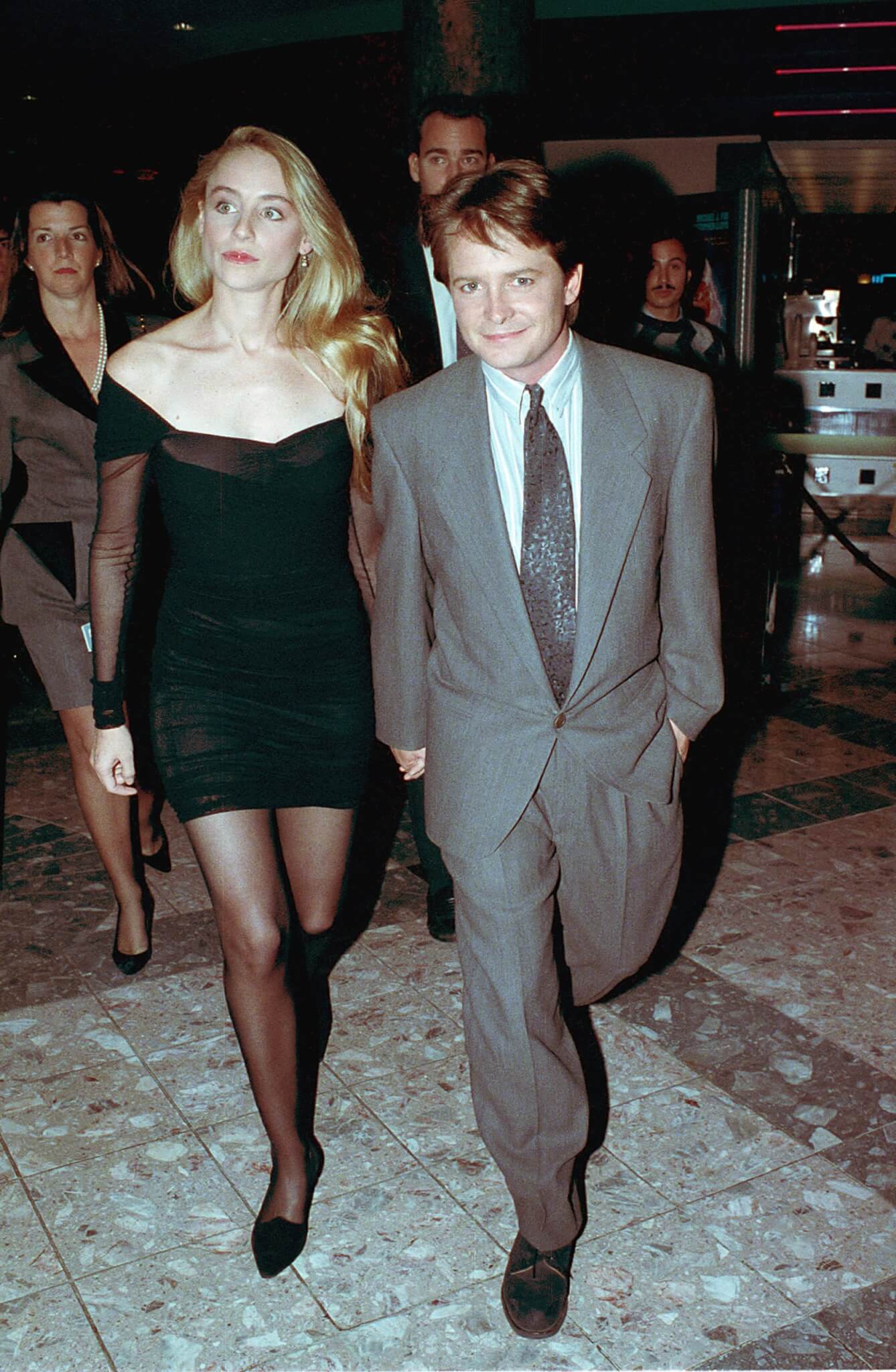

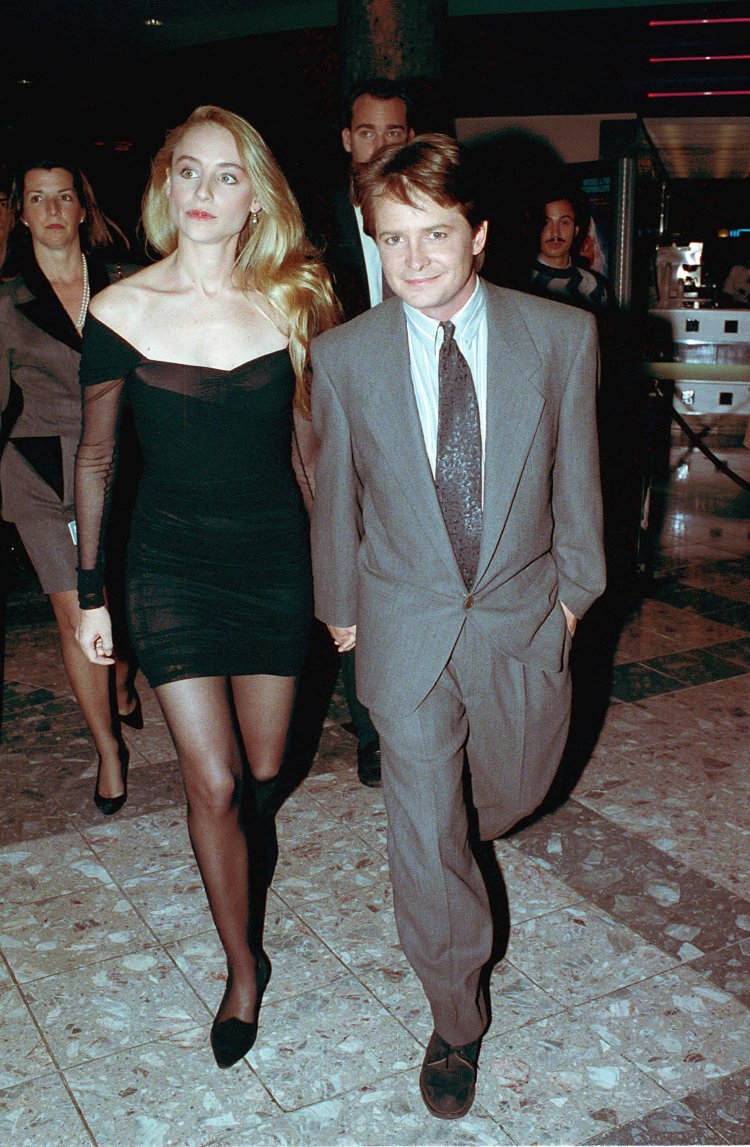

Using a Star’s Fame to Support ResearchAfter Hiding His Illness for 7 Years, He Now Revealed It to the Public
After going public with his illness in 1998, he testified at a U.S. Senate hearing in September 1999. [1] He explained how he had concealed his symptoms for about seven years through medication, surgery, and daily adjustments, and called for increased public funding for Parkinson’s disease research. He spoke openly about the illness he had previously kept hidden before Congress. He began using the fame he had gained as an actor to advocate for research funding.
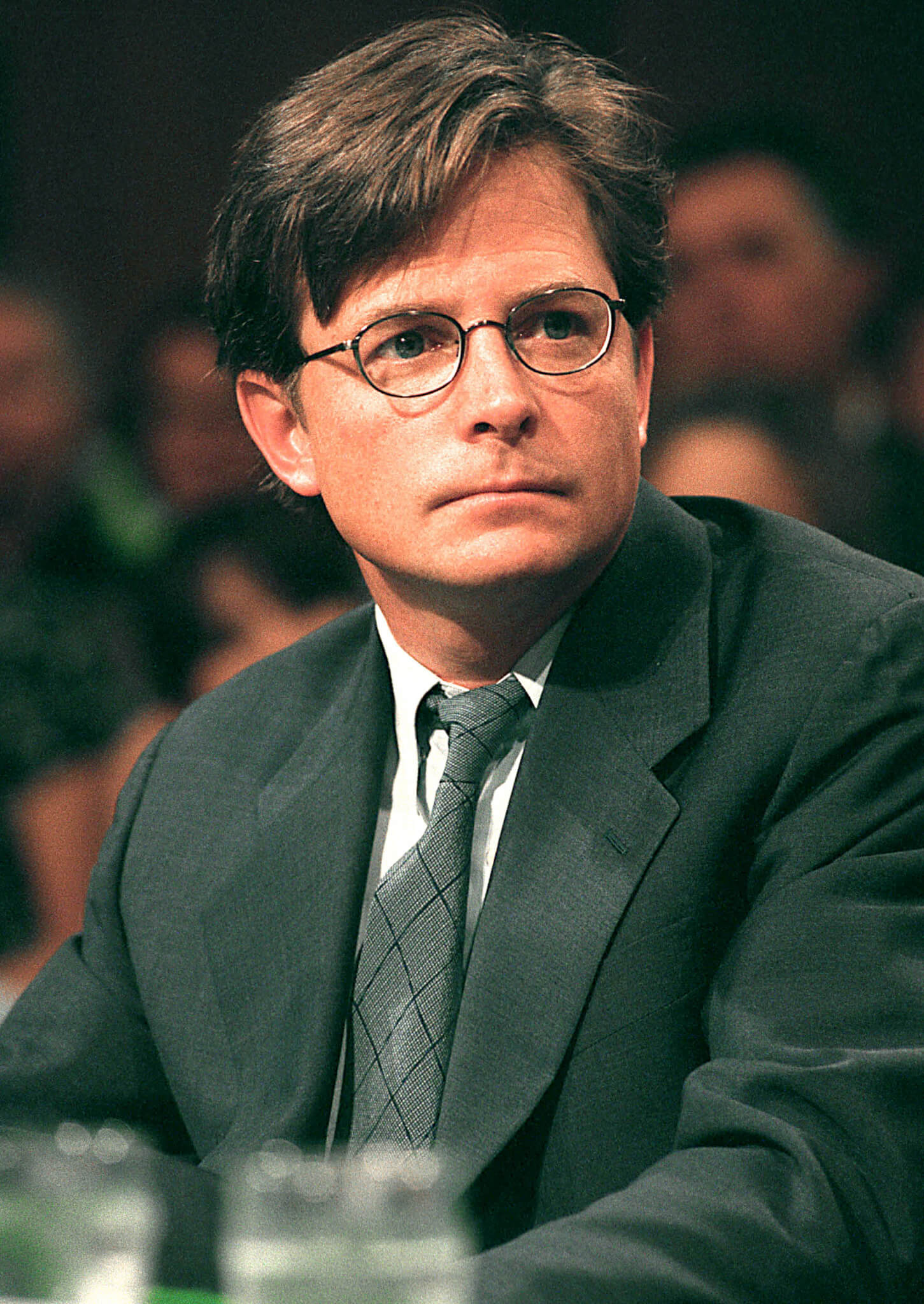
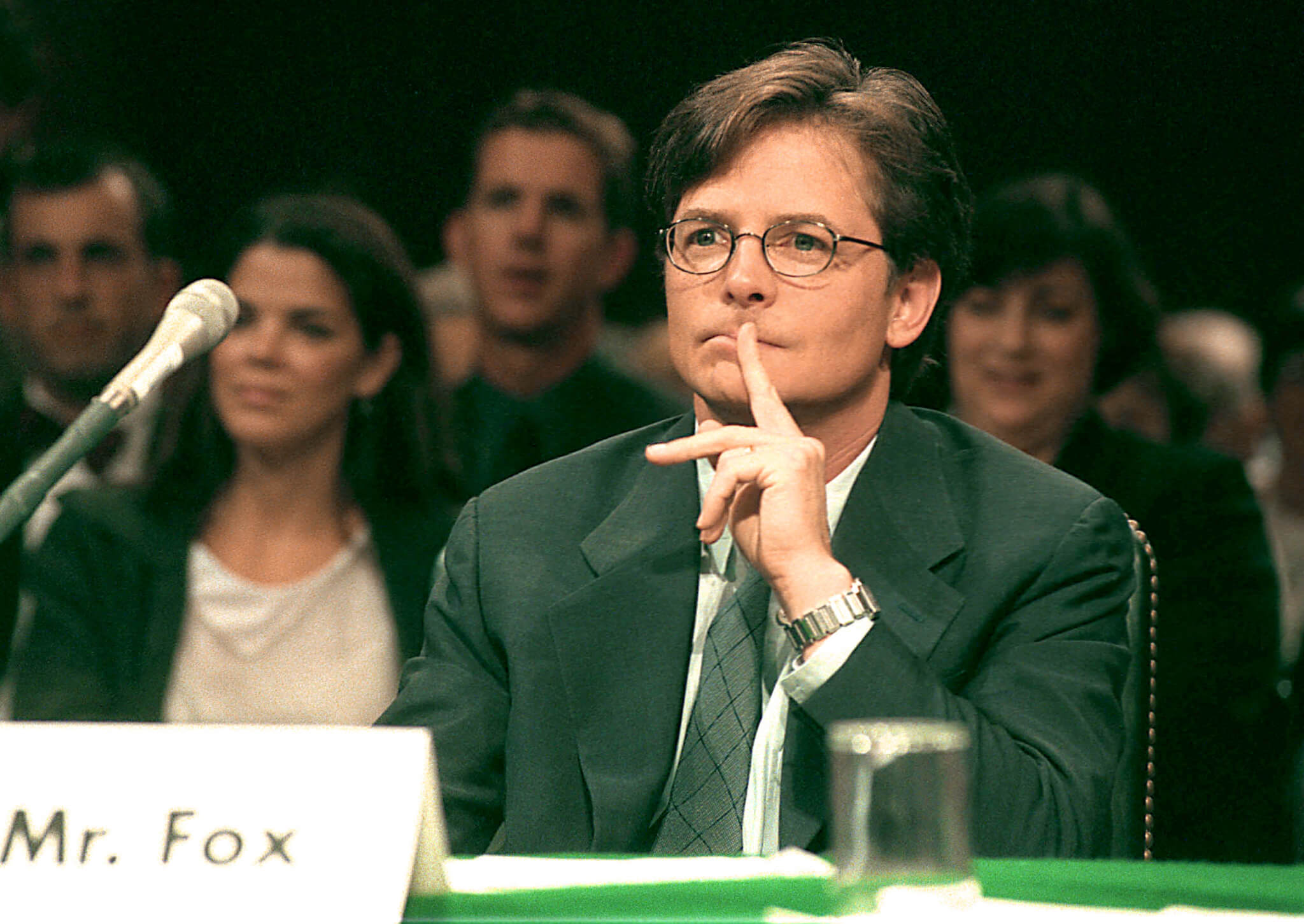
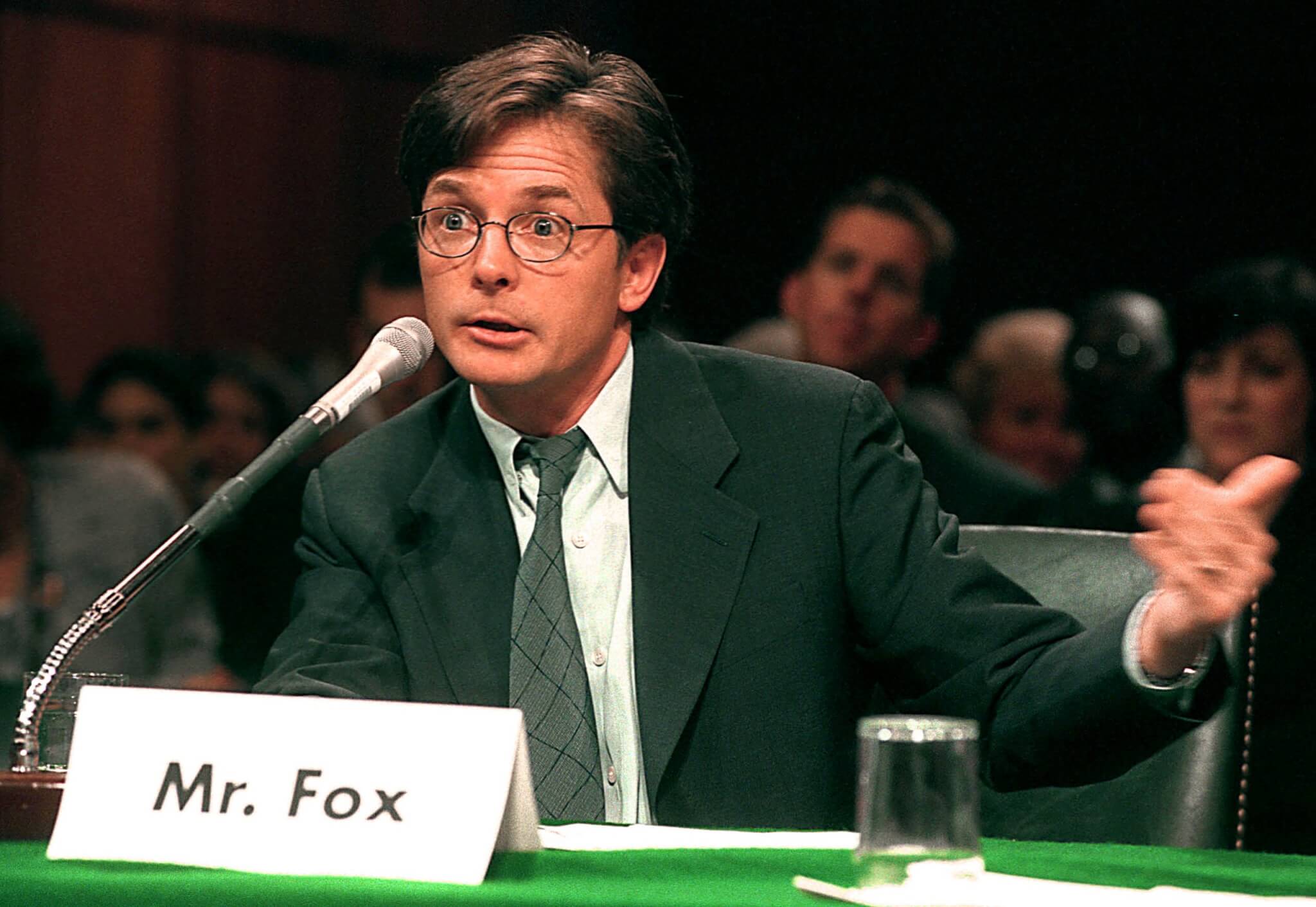
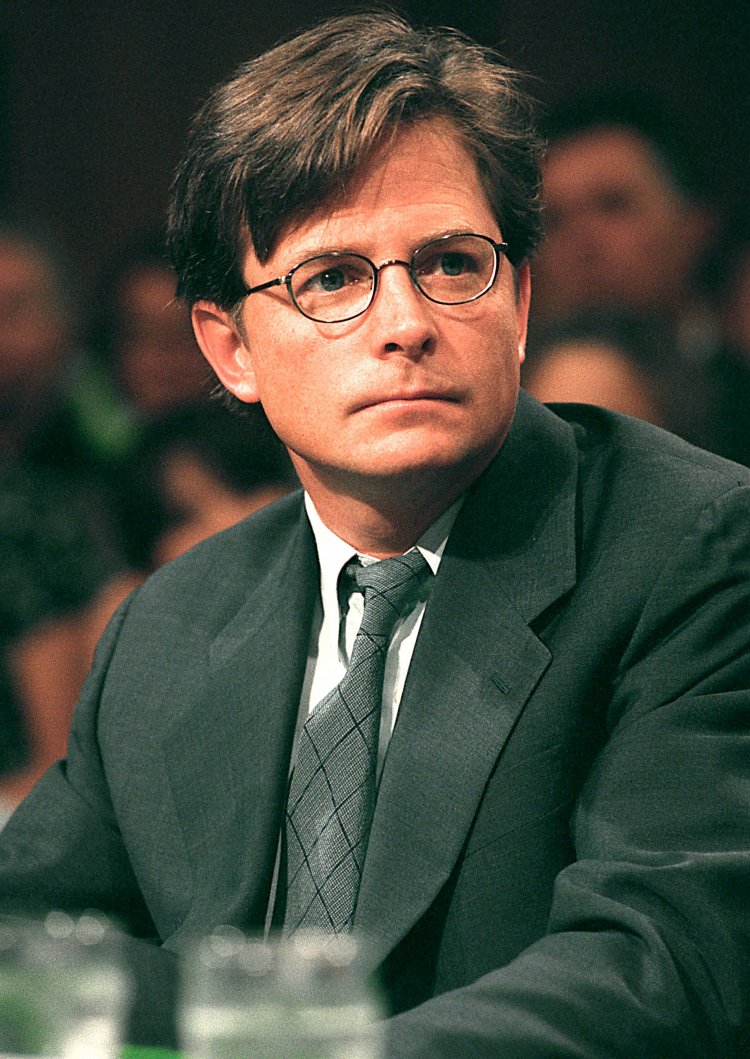
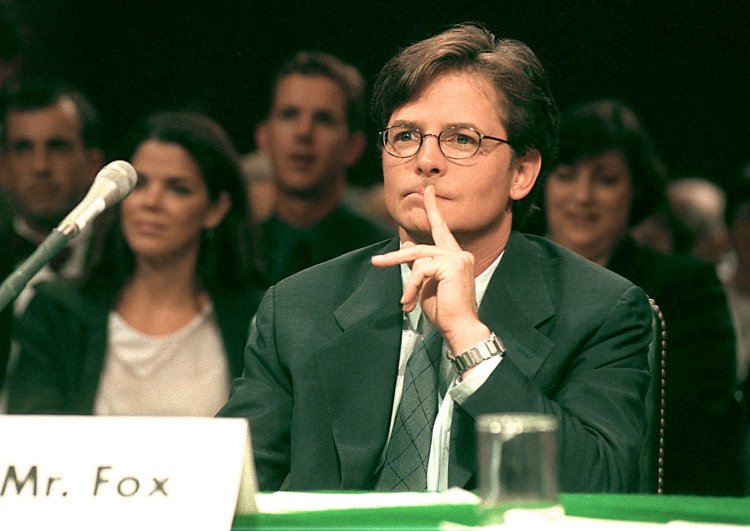
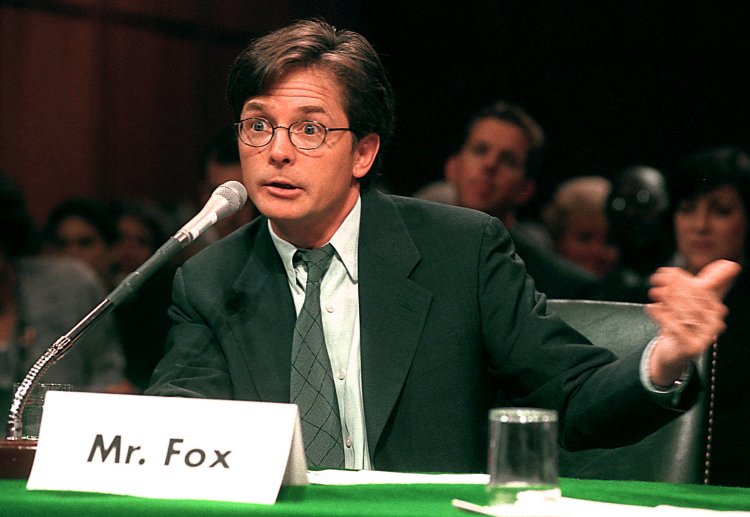
In 2006, he also appeared in a political advertisement supporting stem cell research.He faced criticism that he was exaggerating his symptoms based on the physical movements he displayed in the ad. [4] Fox wasn’t seeking sympathy. He used his fame to appear in public without hiding his symptoms and to advocate for support for Parkinson’s disease research.
Not Just Settling for Celebrity DonationsTackling the Very Reasons Why Research Isn’t Progressing
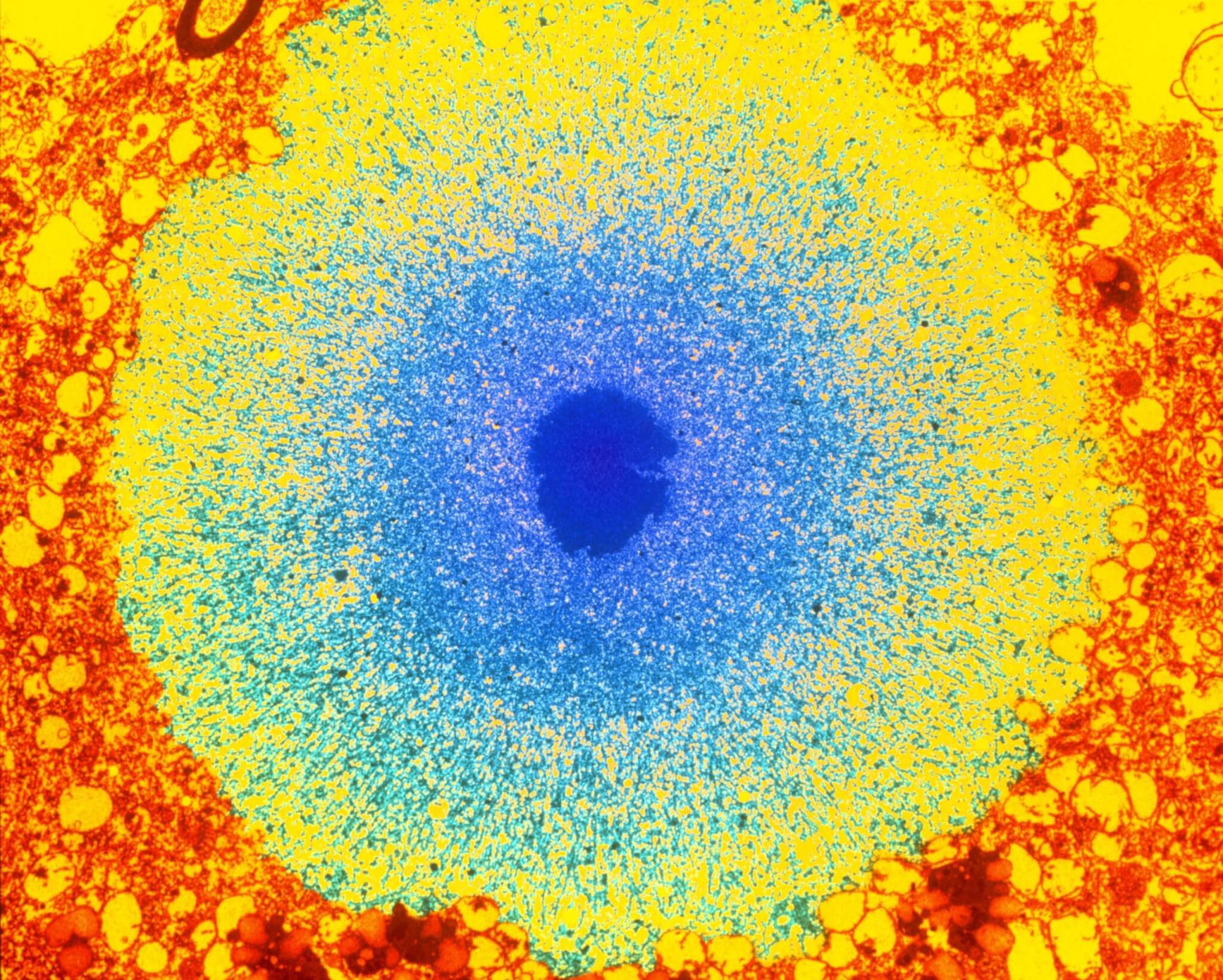
In 2000, Fox established the Michael J. Fox Foundation. [1] There are other examples of celebrities living with rare diseases who have established foundations bearing their own names. What set Fox’s foundation apart was that it supported patient recruitment and data sharing—areas that are difficult to address with research funding alone. [5] A prime example of this is the Parkinson’s Progression Markers Initiative (PPMI), which began in 2010. The initiative has conducted long-term follow-up studies of people with Parkinson’s disease and those at risk of developing it, collecting biological samples and various types of data, and sharing them in a format accessible to researchers worldwide.In 2023, a study using data from 1,123 PPMI participants was published in *The Lancet Neurology*. It demonstrated that a test detecting abnormal alpha-synuclein had a sensitivity of 87.7% for identifying patients with Parkinson’s disease,and a specificity of 96.3% for correctly classifying healthy controls as negative. [6] This demonstrated the potential to understand Parkinson’s disease not only through symptoms but also through changes within the body. Fox did not make this discovery himself. What Fox and the foundation established was an environment where researchers could access long-term data and biological samples.

From Waiting for a Cure to Seeking OneEven if it wouldn’t be in time for me, that wasn’t a reason to give up
When he first established the foundation, Fox himself had high hopes for a cure.In 2024, more than 20 years later, while he spoke of the possibility that promising solutions might emerge within the next 10 to 15 years, he expressed skepticism about whether he would live long enough to see them. [3] As long as there’s a chance a cure might come in time for him, supporting research is also in his own best interest.Fox has continued to support research even after coming to the realization that a cure might not come in time for him. His Parkinson’s symptoms persist to this day. Leveraging the fame he gained as an actor, he has raised funds and mobilized people for research. Those on the other side of this effort are the people who will face the same disease in the future.In ‘Back to the Future’, it was Marty McFly who traveled to the future. The real-life Michael J. Fox is trying to change a future he may not live to see.
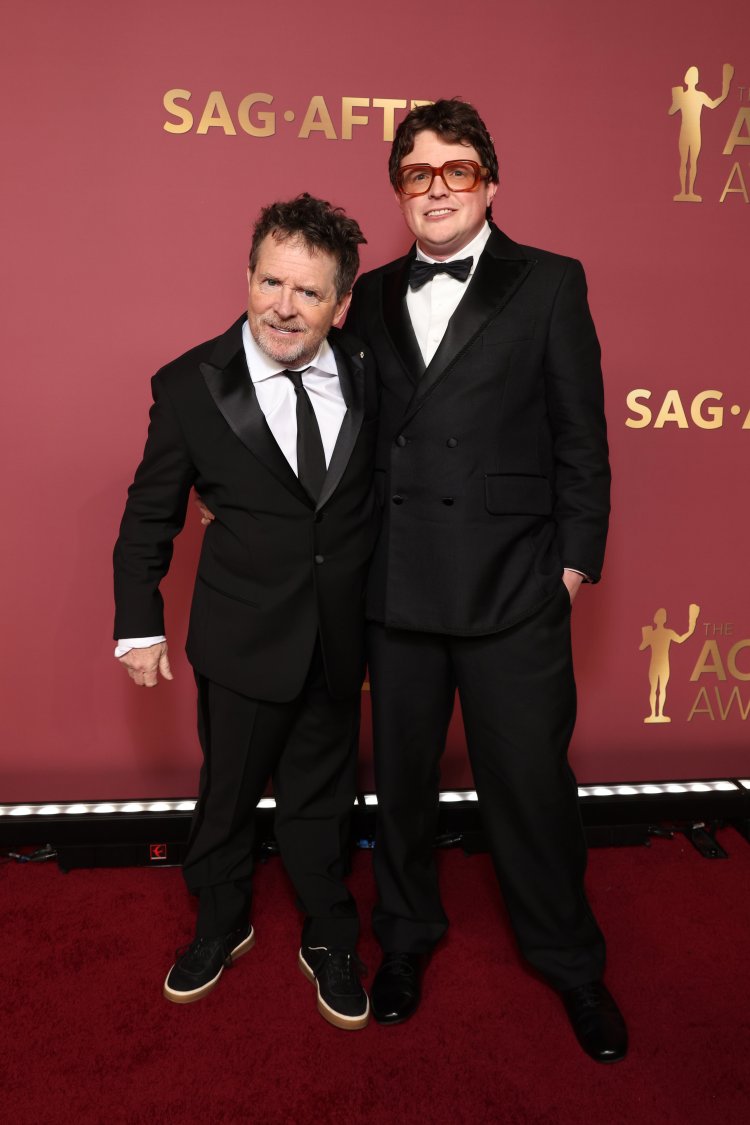
Michael J. Fox and his son Sam Fox
32nd Annual Actor Awards, Media Center, Shine Auditorium, Los Angeles, California, USA – March 1, 2026

A Book to Get to Know This Man Better, (1)’Lucky Man’
A memoir in which Fox, in his own words, reveals what he feared and why he continued to hide his illness after being diagnosed with Parkinson’s disease at age 29.He candidly recounts the period when his drinking increased, his relationship with Tracy, and his state of mind leading up to his public announcement. I recommend this book to anyone who wants to know how Fox himself perceived the events mentioned in this article at the time.


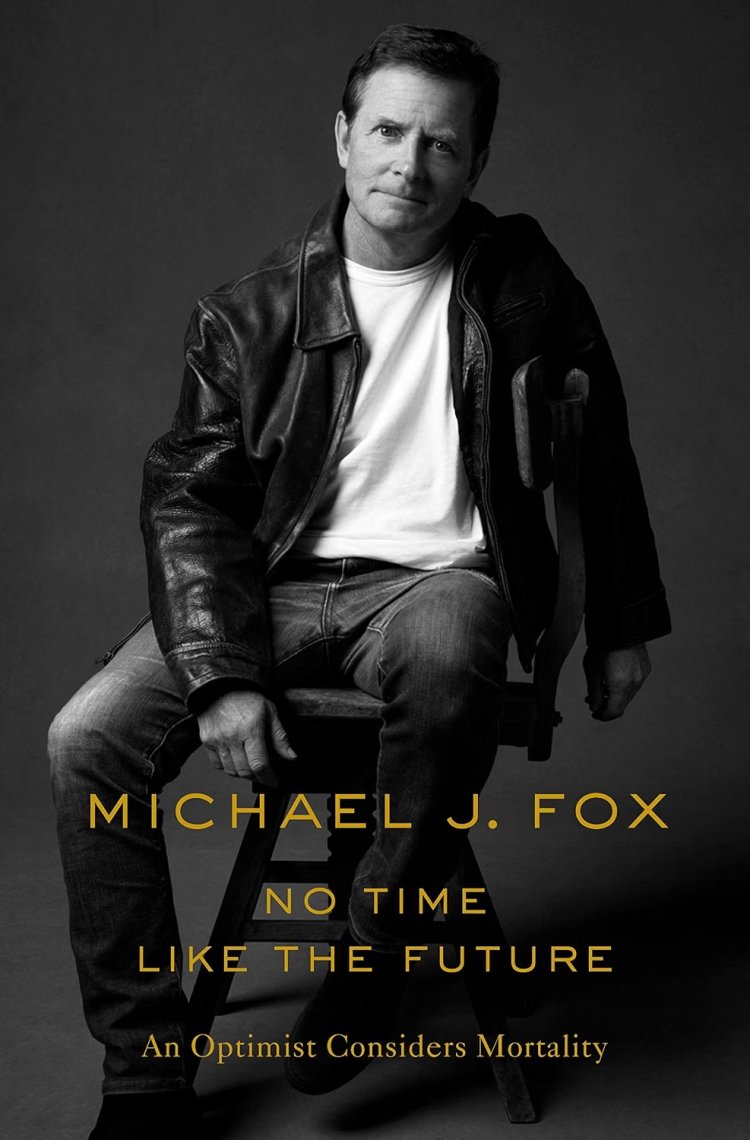
A Book to Get to Know This Man Better, (2)No Time Like the Future: An Optimist Considers Mortality
A 2020 memoir by Fox, who has lived with illness for about 30 years, in which he writes about his surgery for a spinal tumor, a fall, aging, family, and death.In contrast to ‘Lucky Man’, which chronicles his diagnosis in his youth and the public disclosure of his illness, this book features Fox—now older and more acutely aware of his body’s changes and the reality of death—as he contemplates how to live the rest of his life.The edition featured here is the English original, not the Japanese translation. It is ideal for readers who wish to delve into Fox’s current views on life and death—as touched upon toward the end of this article—while reading his own words in the original text.
References
- The Michael J. Fox Foundation for Parkinson’s Research, “Michael J. Fox and Parkinson’s Disease: His Story,” https://www.michaeljfox.org/michaels-story
- Fresh Air, “Michael J. Fox Reflects on Life with Parkinson’s in ‘No Time Like the Future,’” December 21, 2020
- The Guardian, “’I hate it. It sucks. But it didn’t defeat me’: Michael J. Fox on pity, Parkinson’s—and a potential cure,” February 2, 2024
- The Irish Times, “Apology to actor over illness ‘act,’” October 26, 2006
- The Michael J. Fox Foundation for Parkinson’s Research, “Our Mission,” “Our Research Strategy”
- Andrew Siderowf et al., “Assessment of heterogeneity among participants in the Parkinson’s Progression Markers Initiative cohort using α-synuclein seed amplification: a cross-sectional study,” The Lancet Neurology, 2023

![Jackie Chan: The Man Who Turned His Back on the Path to Becoming Bruce Lee’s Successor and Changed the World with Comedy and Action [Men’s Biographies]](https://otokomaeken.com/wp-content/uploads/2026/10/7966bae78213db11914ad7af893f8431-630x331.png)
![Steve McQueen: A Man Who Lived Freely and Never Compromised on Duty or Principle [Men’s Biographies]](https://otokomaeken.com/wp-content/uploads/2026/09/7966bae78213db11914ad7af893f8431-4-630x331.png)
![George Foreman: From World Champion to Pastor—The Boxer Who, After a 10-Year Hiatus, Knocked Out an Undefeated Champion at Age 45 [Men’s Biographies]](https://otokomaeken.com/wp-content/uploads/2026/09/7966bae78213db11914ad7af893f8431-2-630x331.png)
![Jon Bon Jovi: The Man Behind “Livin’ on a Prayer” Runs a “Priceless Restaurant” That’s Been Going Strong for 15 Years [Men in the Spotlight]](https://otokomaeken.com/wp-content/uploads/2026/09/7966bae78213db11914ad7af893f8431-1-630x331.png)
![Keanu Reeves: The Man Who Turned Down a $12 Million Sequel and Didn’t Cling to His Star Privileges [Men’s Profiles]](https://otokomaeken.com/wp-content/uploads/2026/08/aflo_177021114-630x331.jpg)
![Ernest Shackleton. He failed to cross Antarctica and lost his ship. Yet he brought 27 men home alive. [Men’s Biographies]](https://otokomaeken.com/wp-content/uploads/2026/08/7966bae78213db11914ad7af893f8431-2-630x331.png)
![Paul Newman: The Man Who Turned Fame into Money and Donated All His Profits to Charity [Men’s Biographies]](https://otokomaeken.com/wp-content/uploads/2026/08/2071d8b3d6b46d67221ad9d050c85da8-630x331.png)










![Steve McQueen: A Man Who Lived Freely and Never Compromised on Duty or Principle [Men's Biographies]](https://otokomaeken.com/wp-content/uploads/2026/09/7966bae78213db11914ad7af893f8431-4-750x396.png)



![Jackie Chan: The Man Who Turned His Back on the Path to Becoming Bruce Lee’s Successor and Changed the World with Comedy and Action [Men’s Biographies]](https://otokomaeken.com/wp-content/uploads/2026/10/7966bae78213db11914ad7af893f8431-750x396.png)

![George Foreman: From World Champion to Pastor—The Boxer Who, After a 10-Year Hiatus, Knocked Out an Undefeated Champion at Age 45 [Men's Biographies]](https://otokomaeken.com/wp-content/uploads/2026/09/7966bae78213db11914ad7af893f8431-2-750x396.png)
![Paul Newman: The Man Who Turned Fame into Money and Donated All His Profits to Charity [Men's Biographies]](https://otokomaeken.com/wp-content/uploads/2026/08/2071d8b3d6b46d67221ad9d050c85da8-750x396.png)