![Jackie Chan: The Man Who Turned His Back on the Path to Becoming Bruce Lee’s Successor and Changed the World with Comedy and Action [Men’s Biographies]](https://otokomaeken.com/wp-content/uploads/2026/10/7966bae78213db11914ad7af893f8431-750x396.png)
In the 1970s, following the death of Bruce Lee, the Hong Kong film industry was searching for “the next Bruce Lee.” One of the young men who bore the weight of those expectations was Jackie Chan.But the path he chose was not one of simply following in the footsteps of a great star. He was beaten, fell down, ran around, and was sometimes laughed at. He created his own unique style of action—completely different from the hero archetypes of the past—and eventually captivated the world. This is the story of a man who stopped trying to be someone’s successor and became the one-and-only “Jackie Chan.”
Sponsored by
Jackie Chan’s BeginningsTen Years Starting at Age 7: Training His Body and Learning the Film Trade on Set
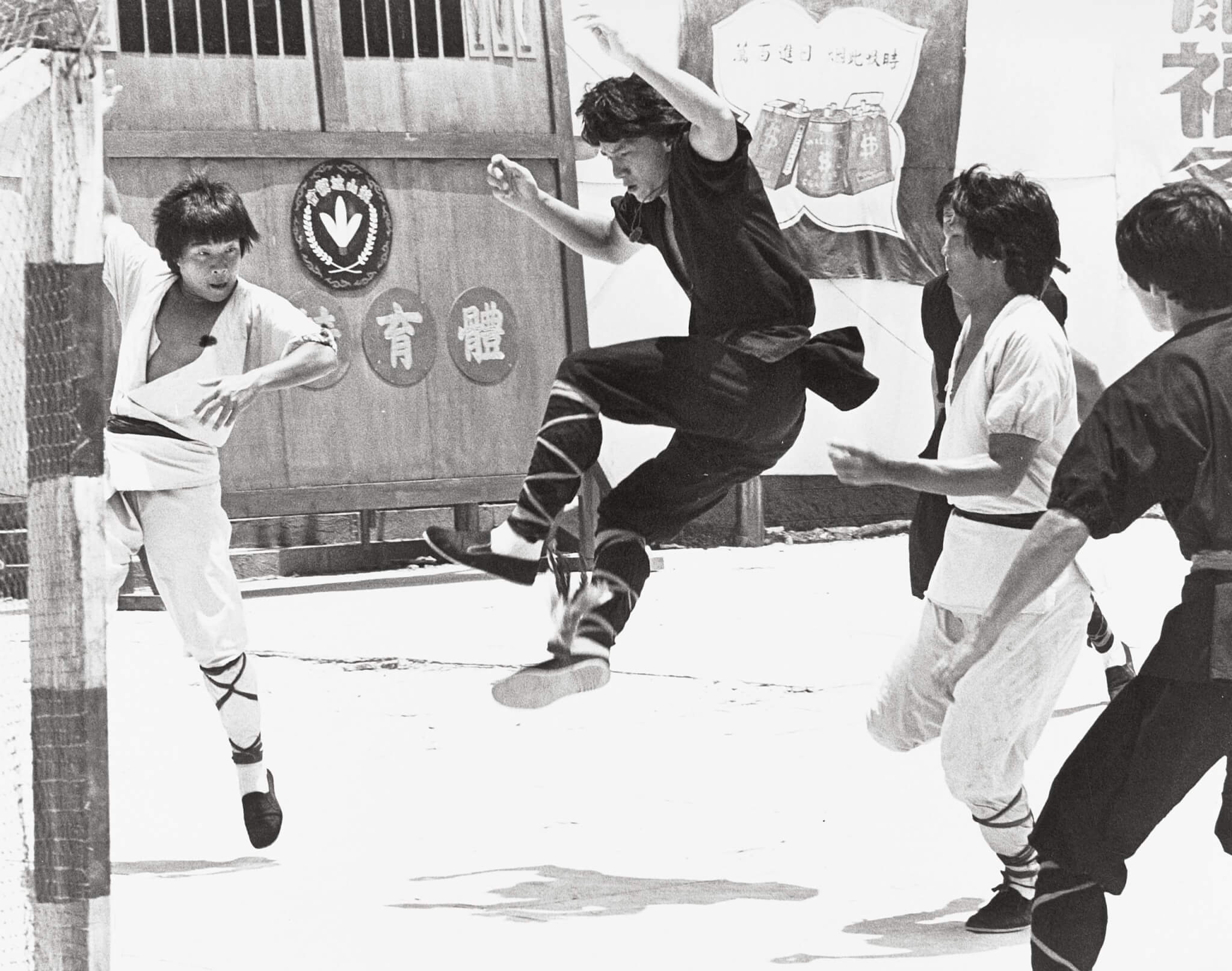
Born in Hong Kong in 1954, Jackie entered the Chinese Academy of Dramatic Arts at the age of 7.There, for about 10 years, he was rigorously trained in acrobatics, martial arts, acting, and singing to perform on the Peking Opera stage. [1] The grueling training lasted from early morning until night, and every day was spent instilling not only how to use his body but also how to present his movements to the audience.At the academy, he was given the stage name Yuen Lau and performed on stage as a member of the “Seven Little Fortunes” alongside Sammo Hung and Yuen Biao. [2]
By the time he left the academy at age 17, the popularity of Peking Opera had already begun to wane.The Hong Kong film industry, which was continuing to grow, became the new workplace for these graduates. Jackie also entered the industry as a stuntman, taking on role after role where he was knocked down, blown away, or tasked with performing dangerous moves. From there, he expanded the scope of his work to include acting, martial arts choreography, and action direction. [1]
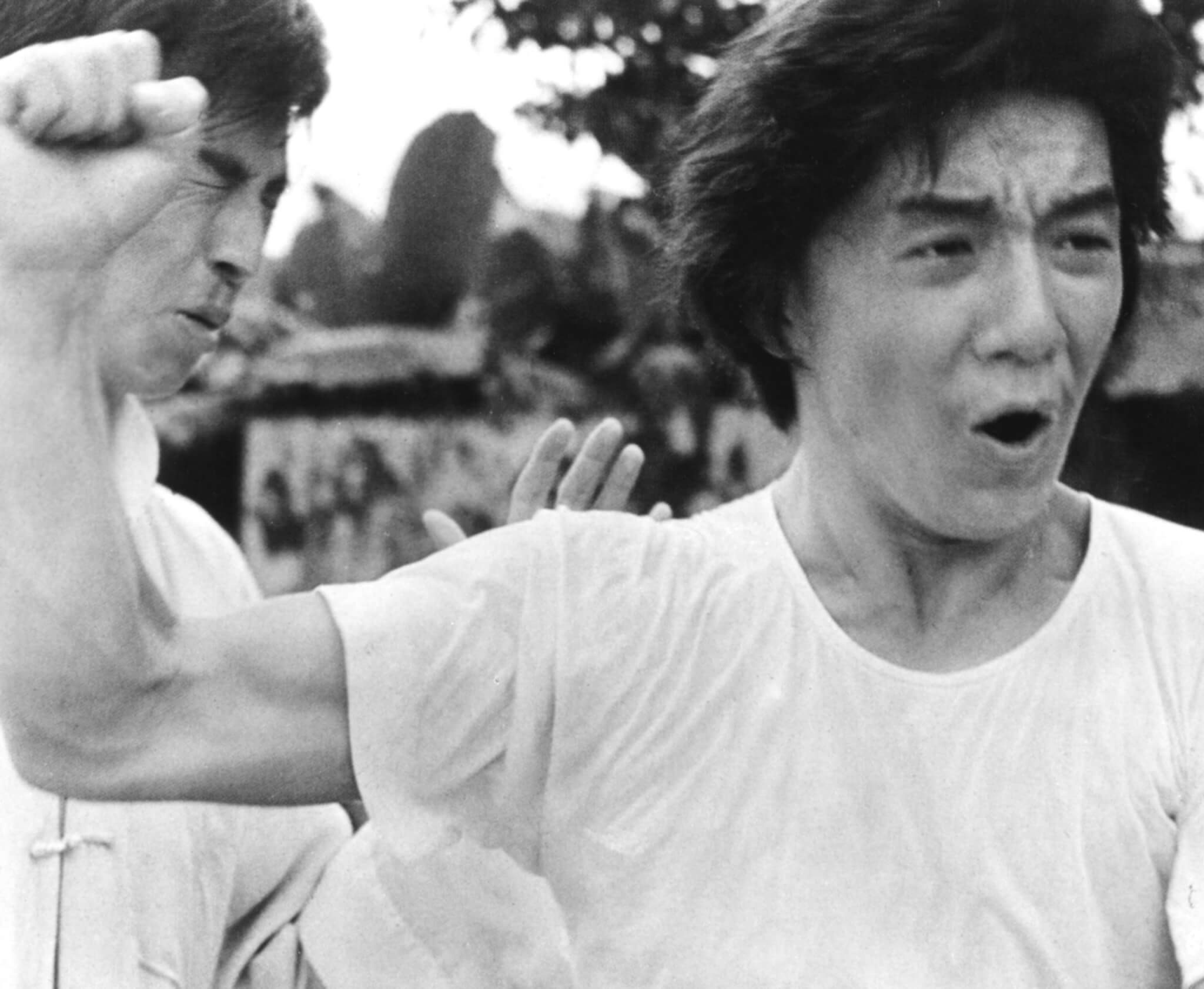
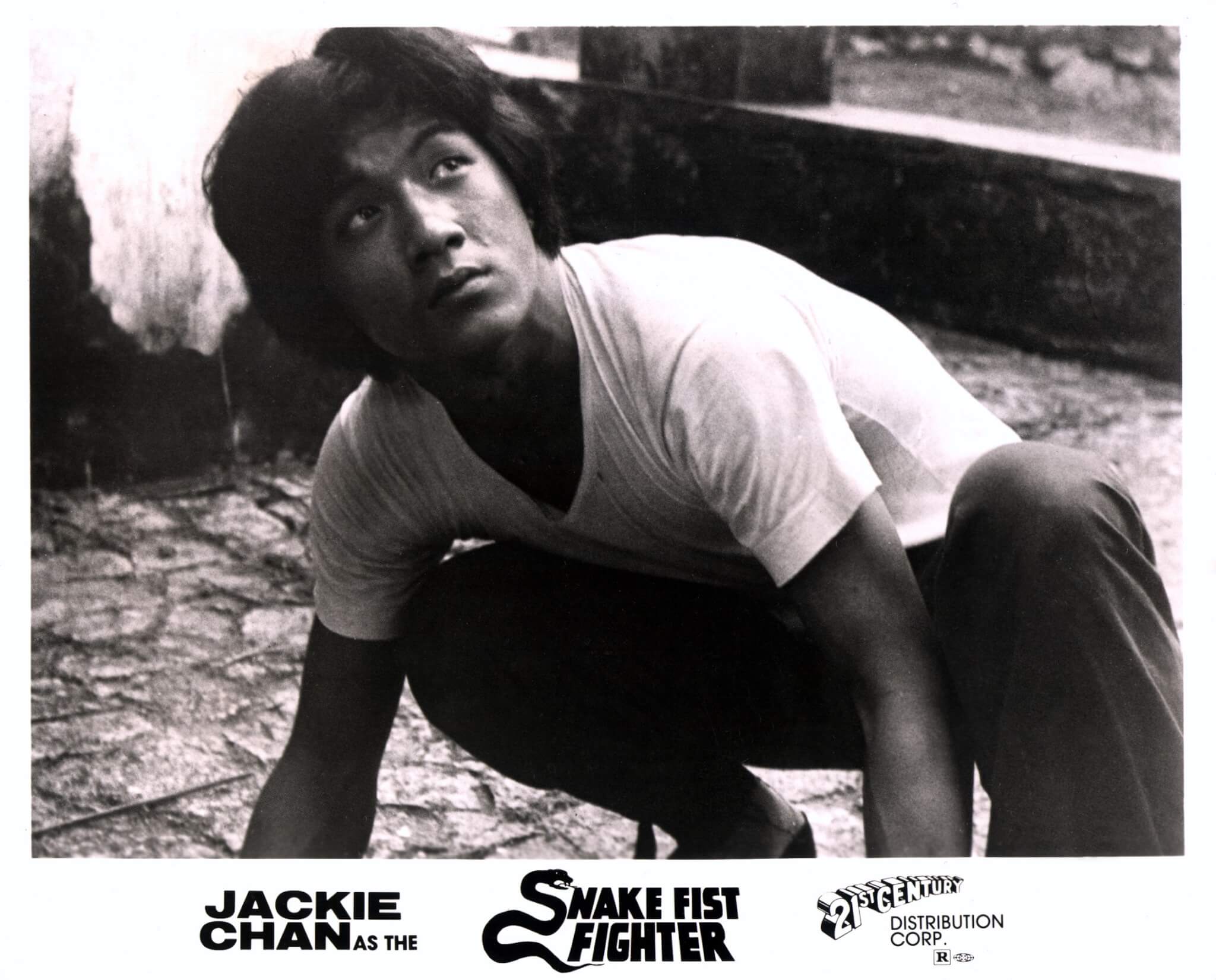
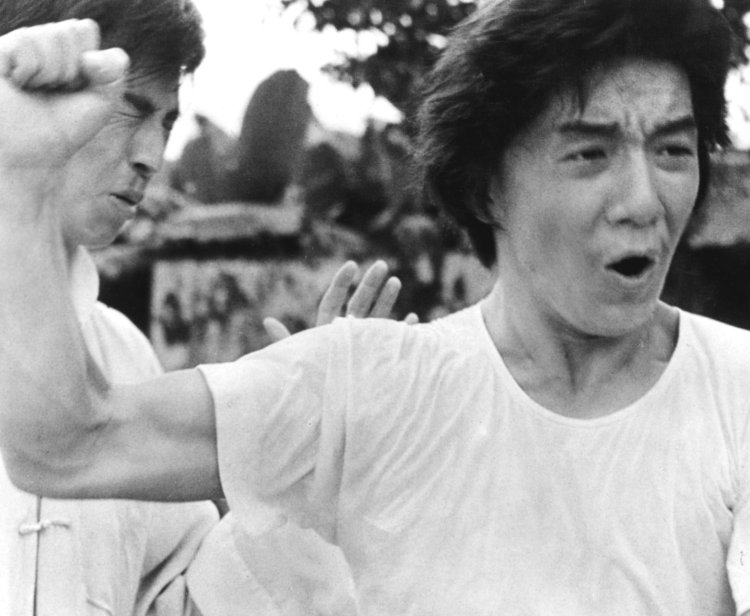
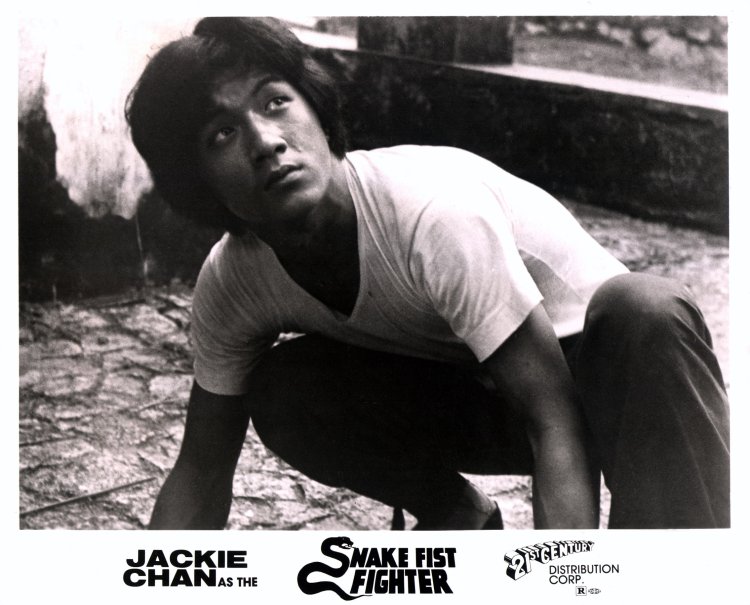
In the 1973 film *Enter the Dragon*, he appeared in a minor role as a character who was defeated by Bruce Lee.At a later event, Jackie recalled with a laugh an anecdote from the shoot: Lee accidentally struck him hard on the head with a stick he was swinging, and Jackie immediately rushed over to him. [3] At the time, Lee was the center of attention on screen, while Jackie was merely a young stuntman putting his body on the line in the background. Nevertheless, the time he spent learning his moves in front of the camera—even while being knocked down time and time again—would become the foundation for his later films.
From an Invincible Hero to One Who Makes People Laugh by Getting Beaten Up
When Bruce Lee died in 1973, the search for the next martial arts star in the Hong Kong film industry accelerated. Jackie was one of the young actors being promoted as a candidate. [3] In 1976, he played the lead role in *New Fist of Fury*, the sequel to *Fist of Fury*, which starred Bruce Lee. Although this was the first film in which he was credited as “Jackie Chan”—a name now widely recognized—this strategy of trying to inherit Bruce Lee’s popularity did not immediately result in the emergence of a new star. [4]
The turning point came in 1978. Director Yuen Woo-ping’s *Snake in the Eagle’s Shadow* was a success, and the follow-up *Drunken Master* was also a hit.Both films boldly combined martial arts and acrobatics with comedy. In *Drunken Master*, the explosive physicality and comedic timing that would later come to symbolize Jackie were front and center. [5]
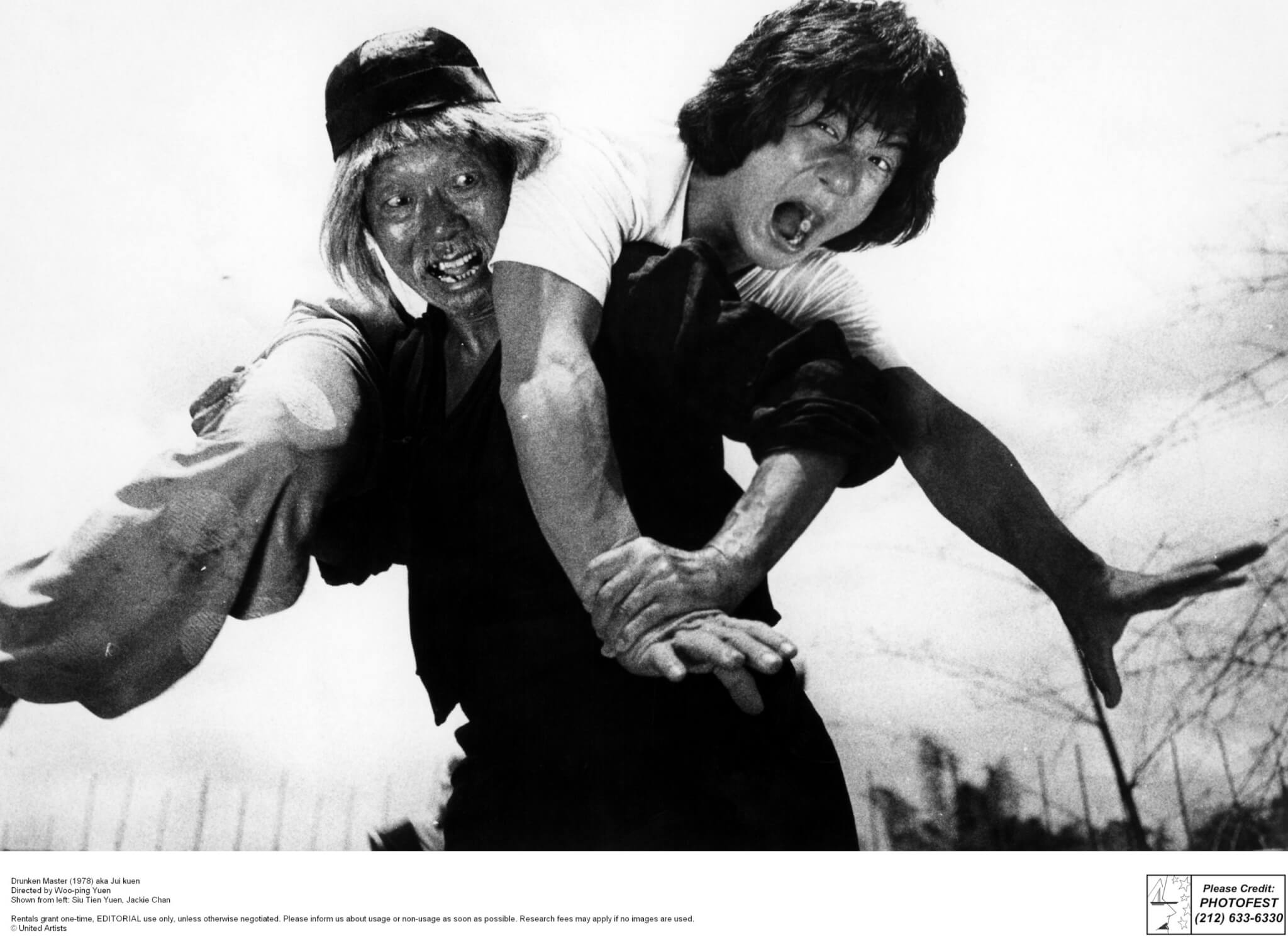
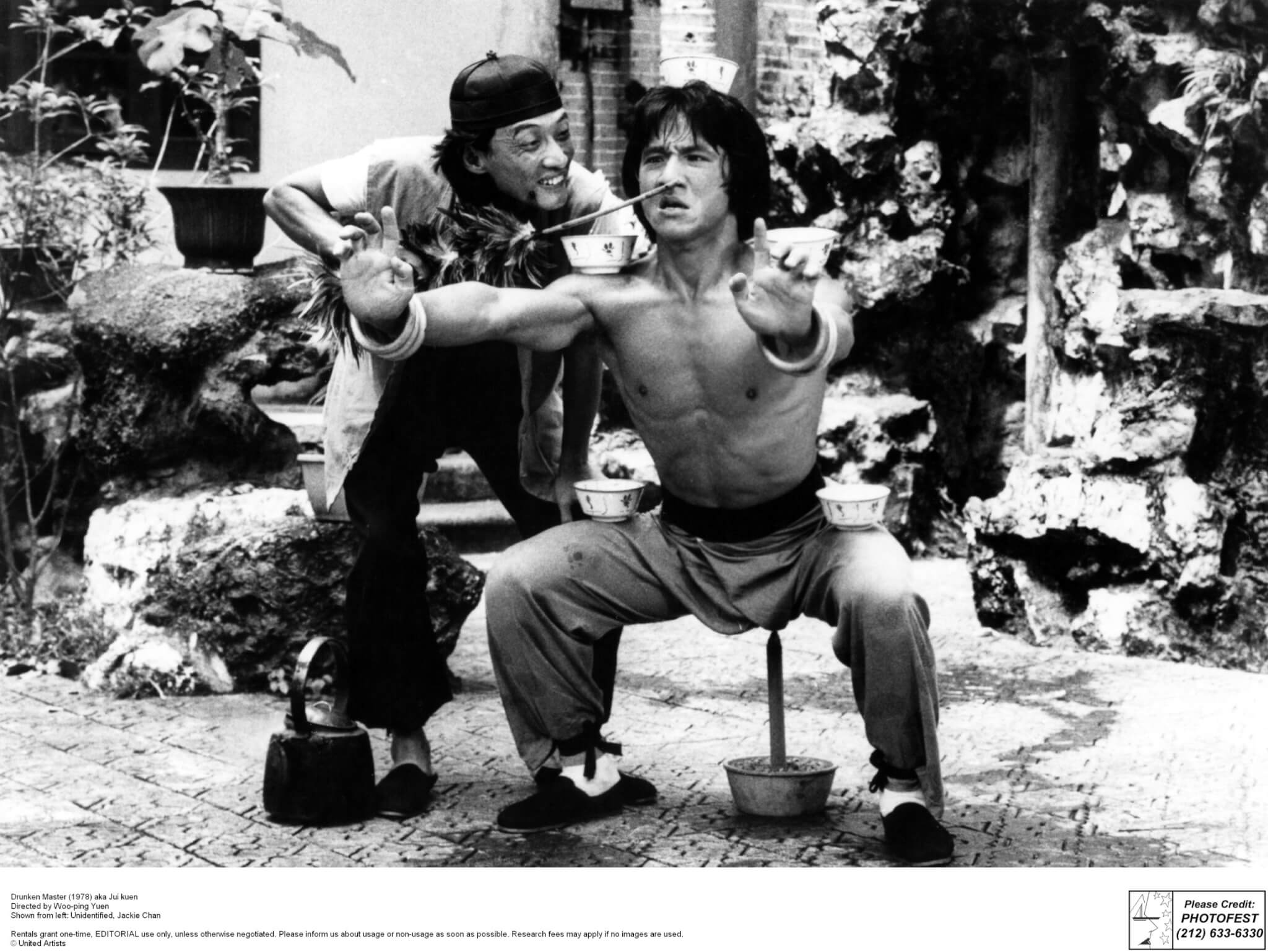
Shown from left: Unidentified, Jackie Chan
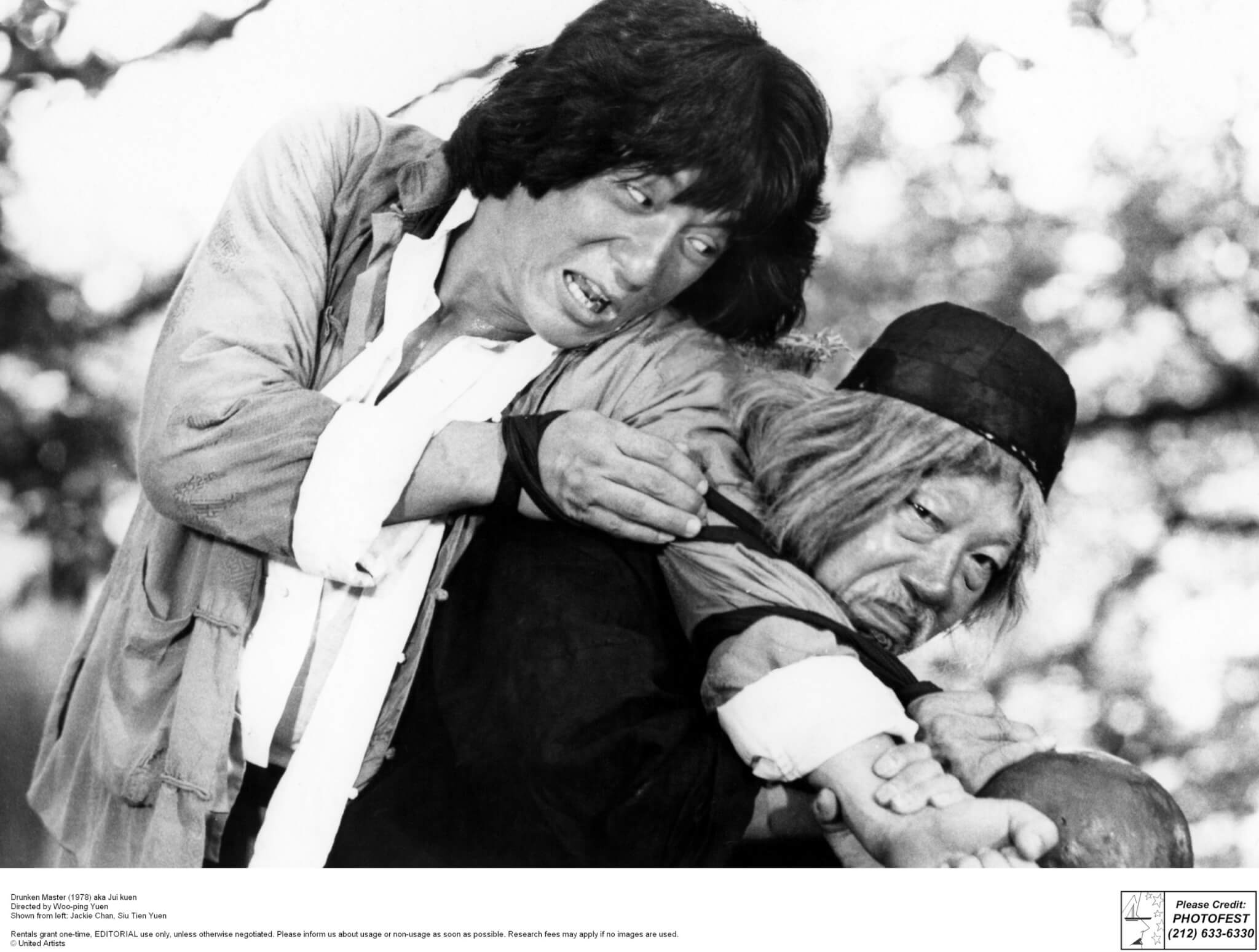
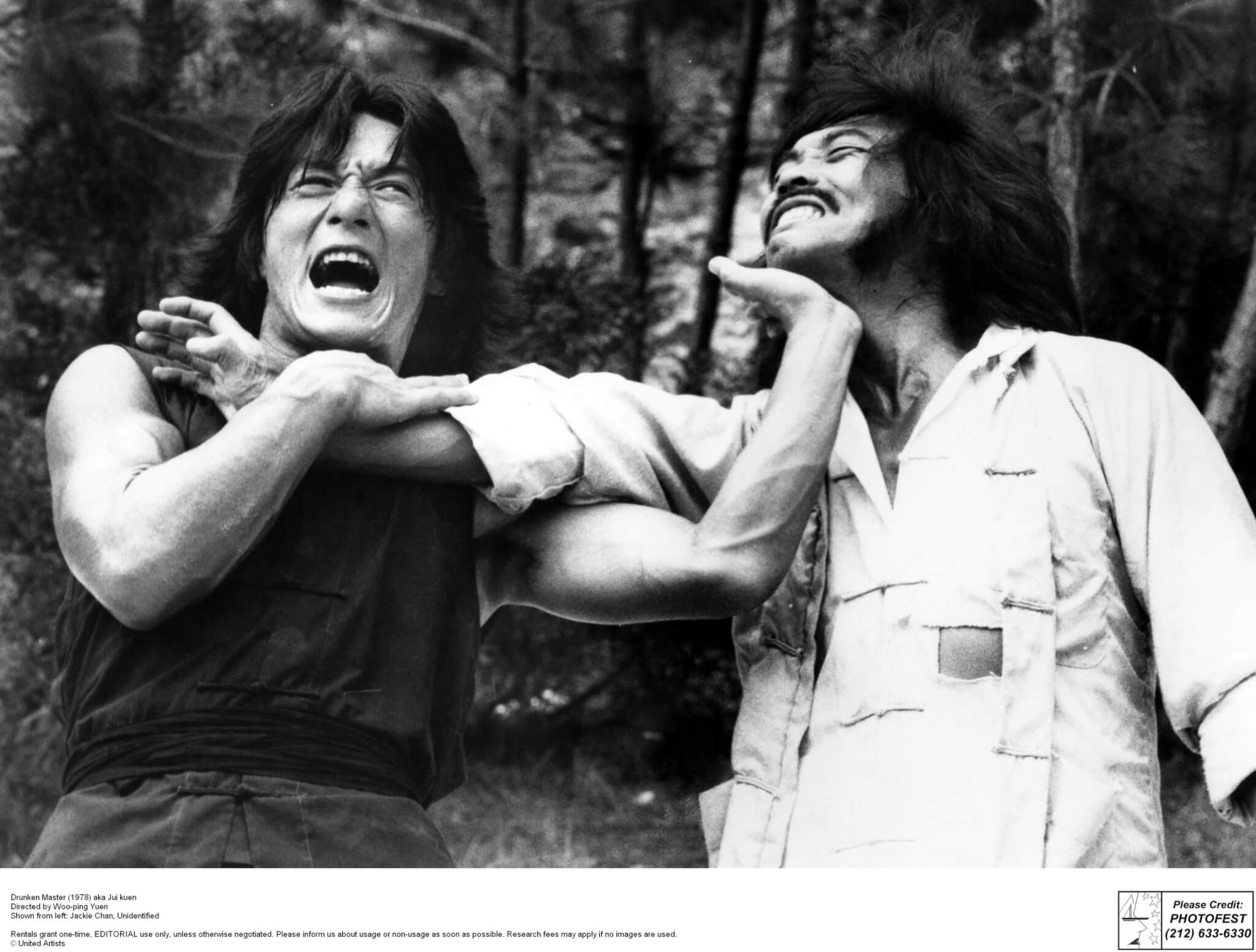
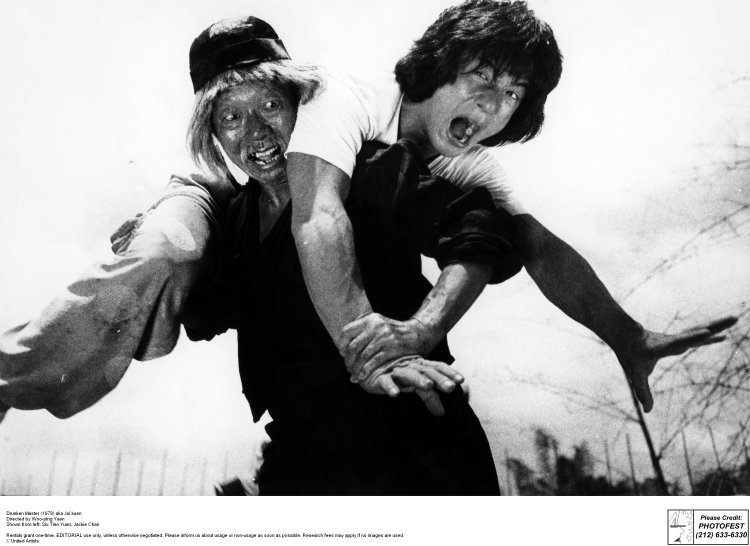
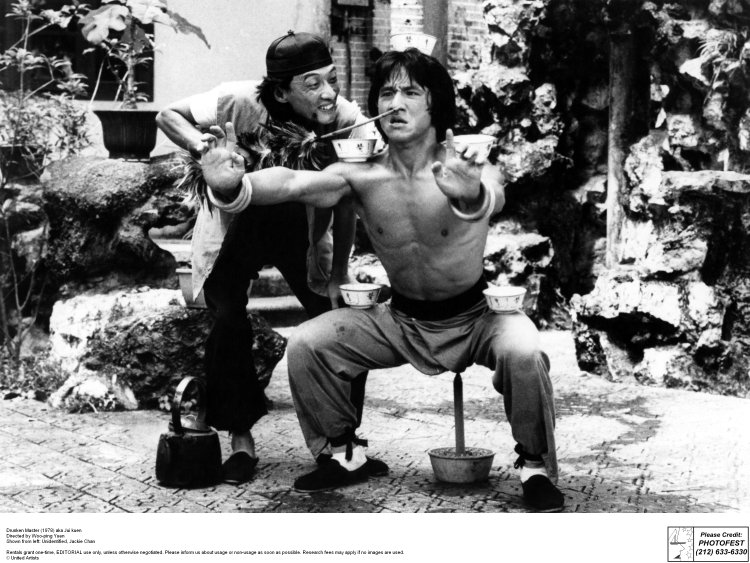
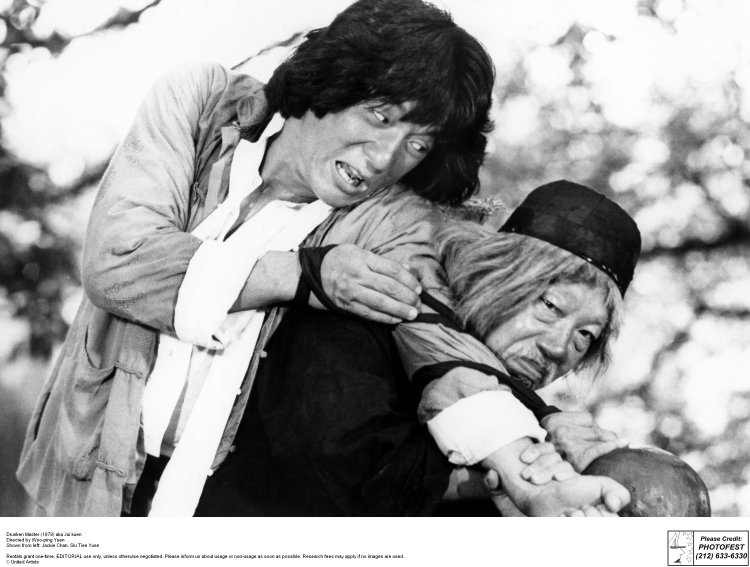
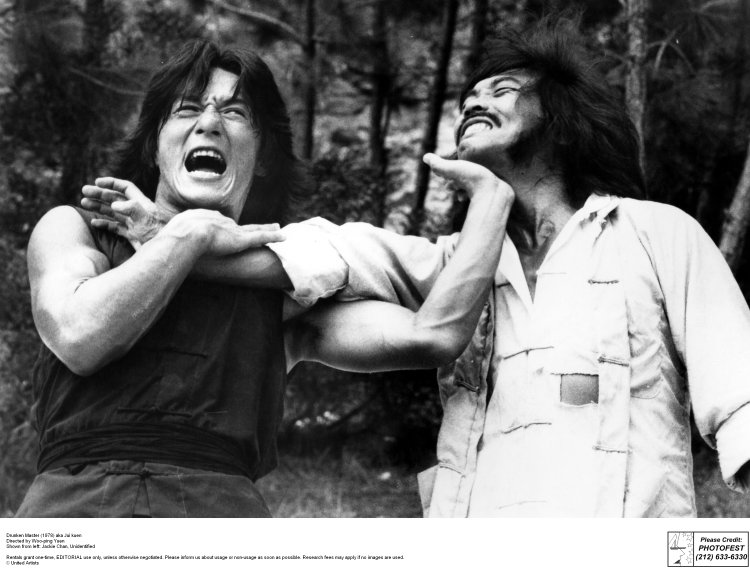
Whereas Bruce Lee overpowered his opponents with overwhelming strength, Jackie found himself cornered.He winces when hit, fights back while running for cover, and even turns chairs and desks into weapons. He wasn’t a perfect hero; it was his very struggle to survive that made him entertaining. [6] Rather than continuing to chase after a figure larger than himself, he shifted to a style that best showcased his physical abilities and comedic flair.
For a young actor, being expected to be someone’s successor might seem like a shortcut. But when he realized he couldn’t succeed on that path, Jackie didn’t try to emulate Bruce Lee’s precision any further. Instead, he distanced himself. He turned not only strength but also pain, failure, and even laughter into his own weapons. It was only then that Jackie Chan—not “the next someone”—was born.
The Jackie-Style Approach He Completed After Returning to Hong KongHis First Foray into Hollywood Failed. Still, He Didn’t Give Up on His Own Films
Having become a star in Hong Kong, Jackie set his sights on America.Although he appeared in films such as *Battle Creek Blow* (1980) and *Cannonball* (1981), they did not provide the breakthrough he had envisioned. He also lacked the freedom he had grown accustomed to on Hong Kong sets—the ability to improvise movements and gags on the fly during filming. [6]
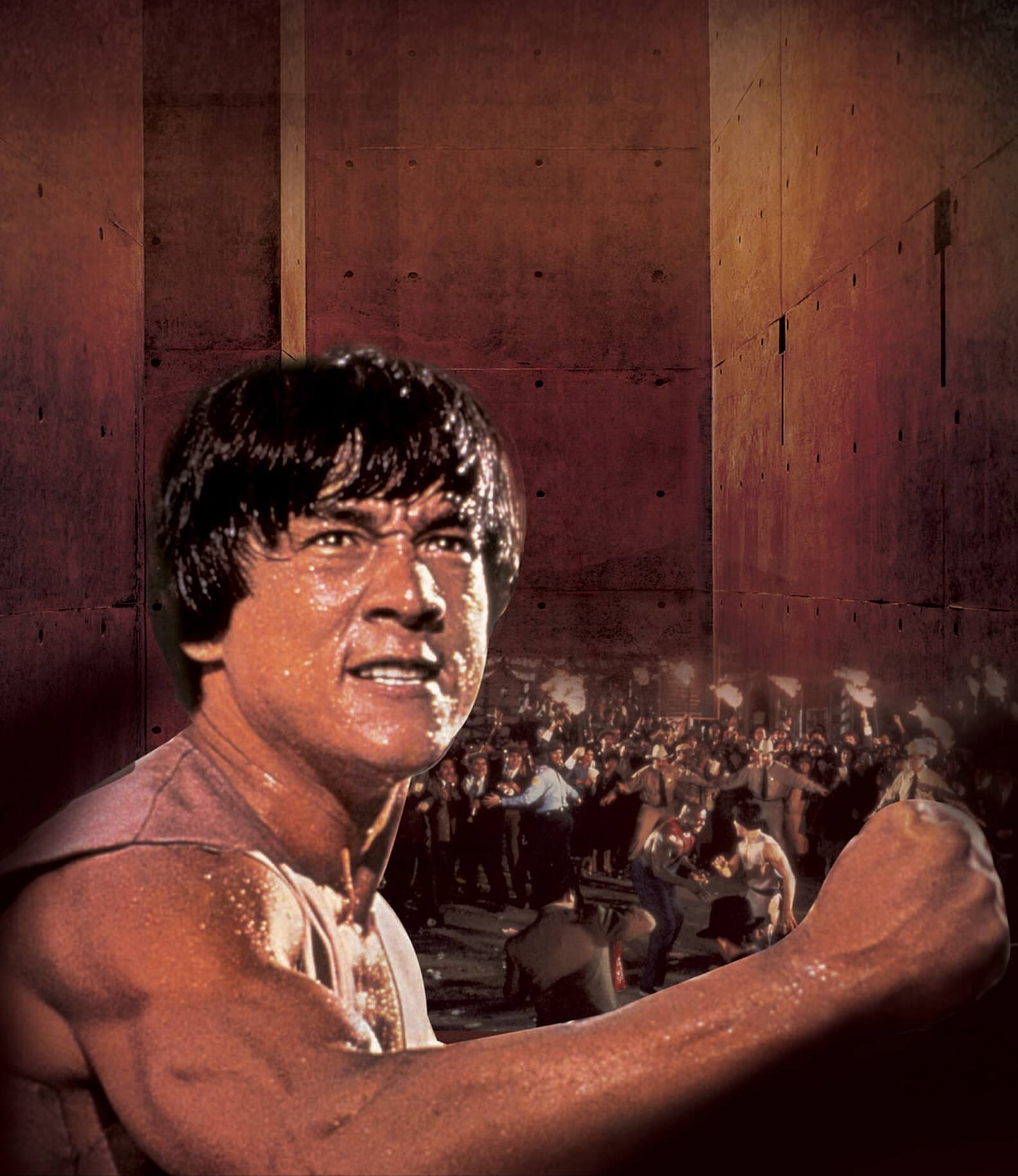
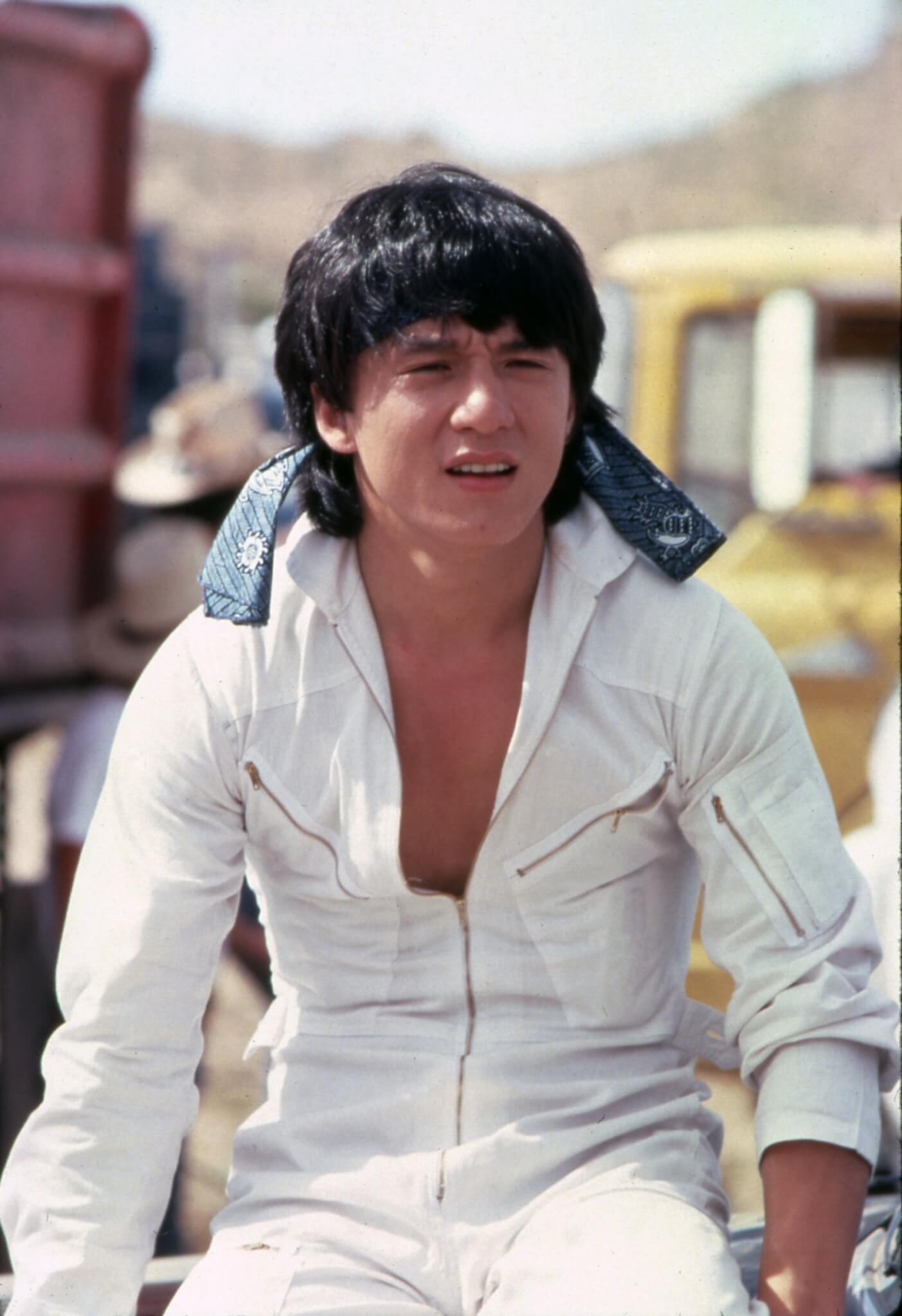
Jackie Chan
© 1981 20th Century Fox
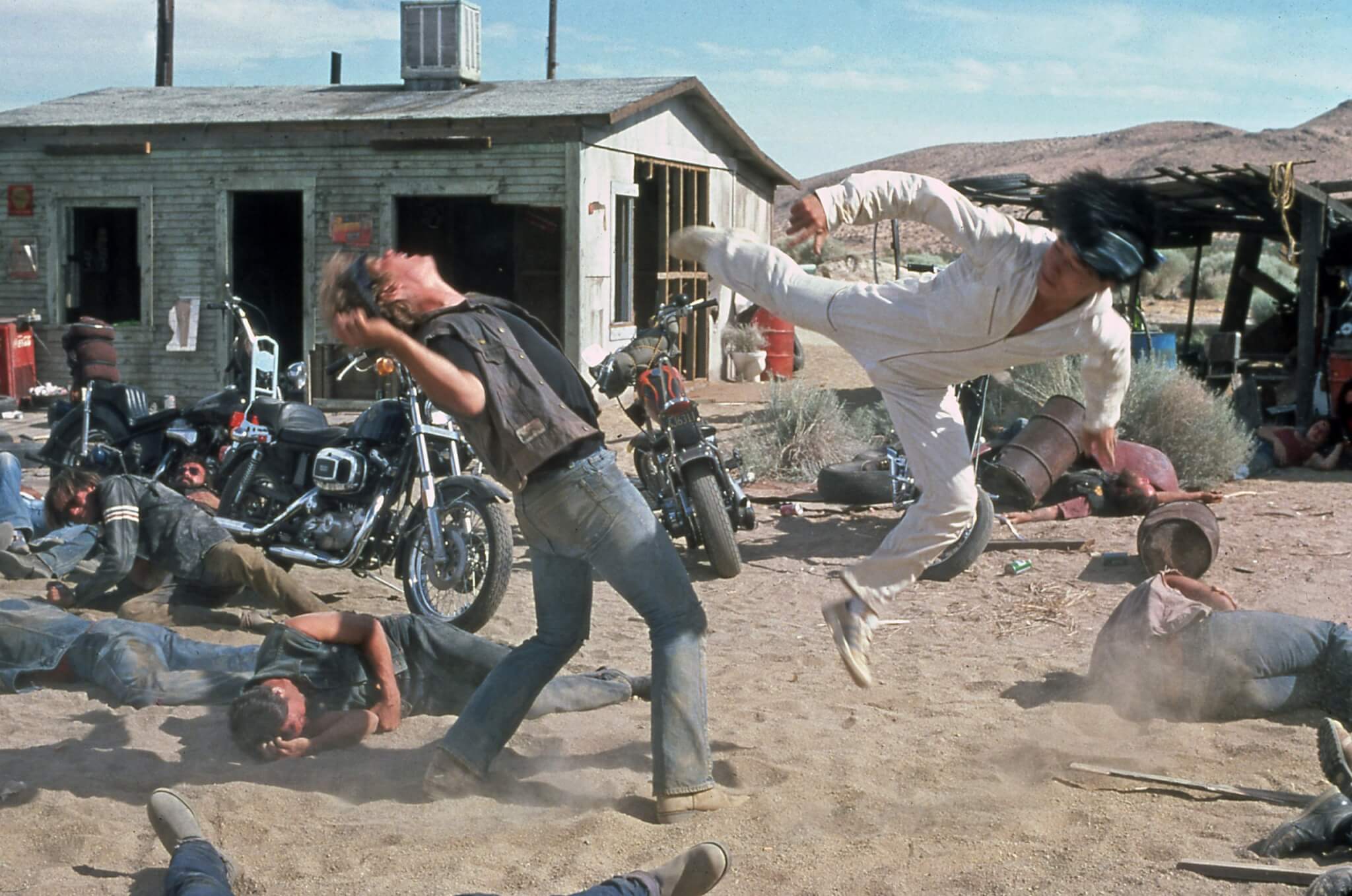
Studio Publicity Still from “Cannonball Run”
Jackie Chan
© 1981 20th Century Fox
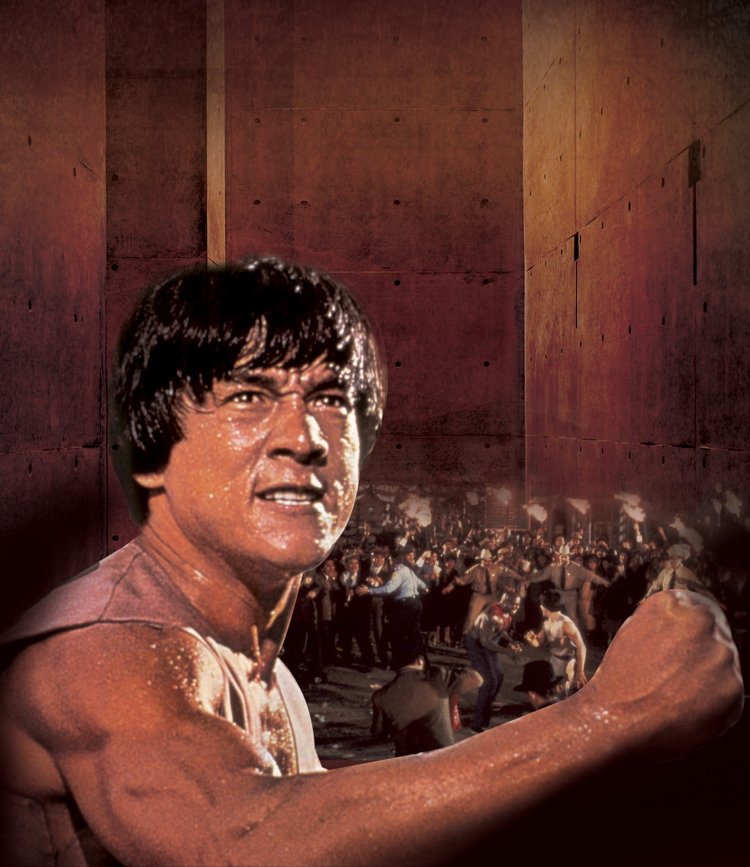
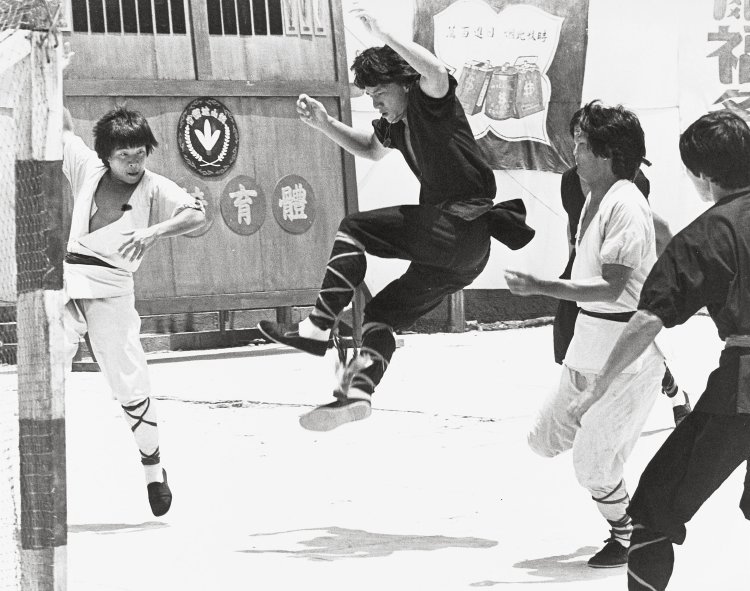
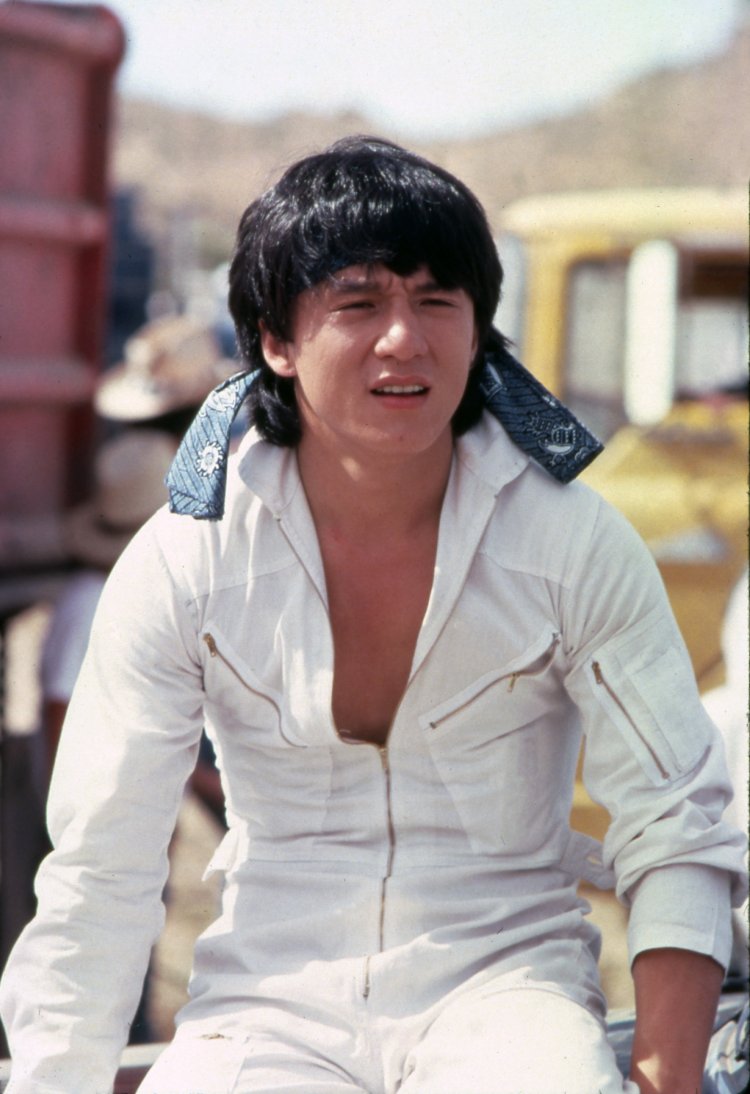
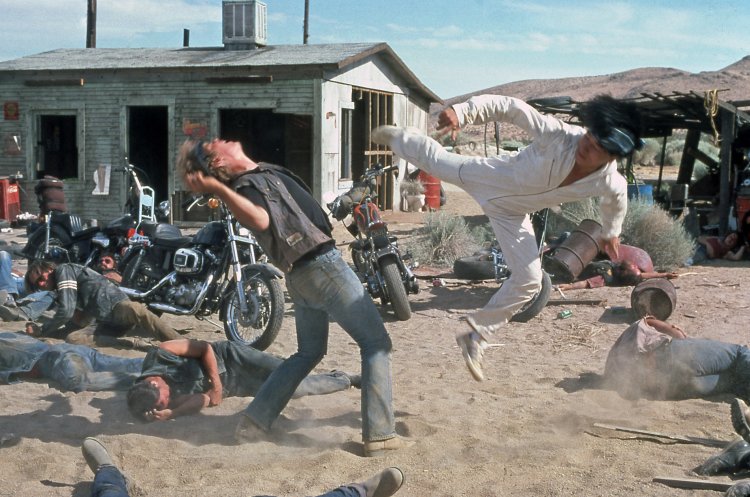
Rather than forcing himself to conform to Hollywood standards, he returned to Hong Kong to focus on filmmaking. [1] In the 1983 film ‘Project A’, he fused hand-to-hand combat, chase scenes, acrobatics, and physical comedy, centered around large-scale stunts. The most iconic of these was the fall from the clock tower.Reminiscent of Harold Lloyd’s ‘The Fall of a Man’, he dangled from the clock’s hands and fell about 50 feet. It reportedly took three days to pull off the stunt. [7] It’s not that he wasn’t afraid. Still, he took the leap to capture the shot the film needed.
In 1985, he completed ‘Police Story’, in which he served as both director and lead actor. From the very beginning—with a car chase cutting through a village spread across a hillside and a stunt where he clings to a double-decker bus with nothing but an umbrella—he transformed the streets of Hong Kong itself into an action stage. [6]
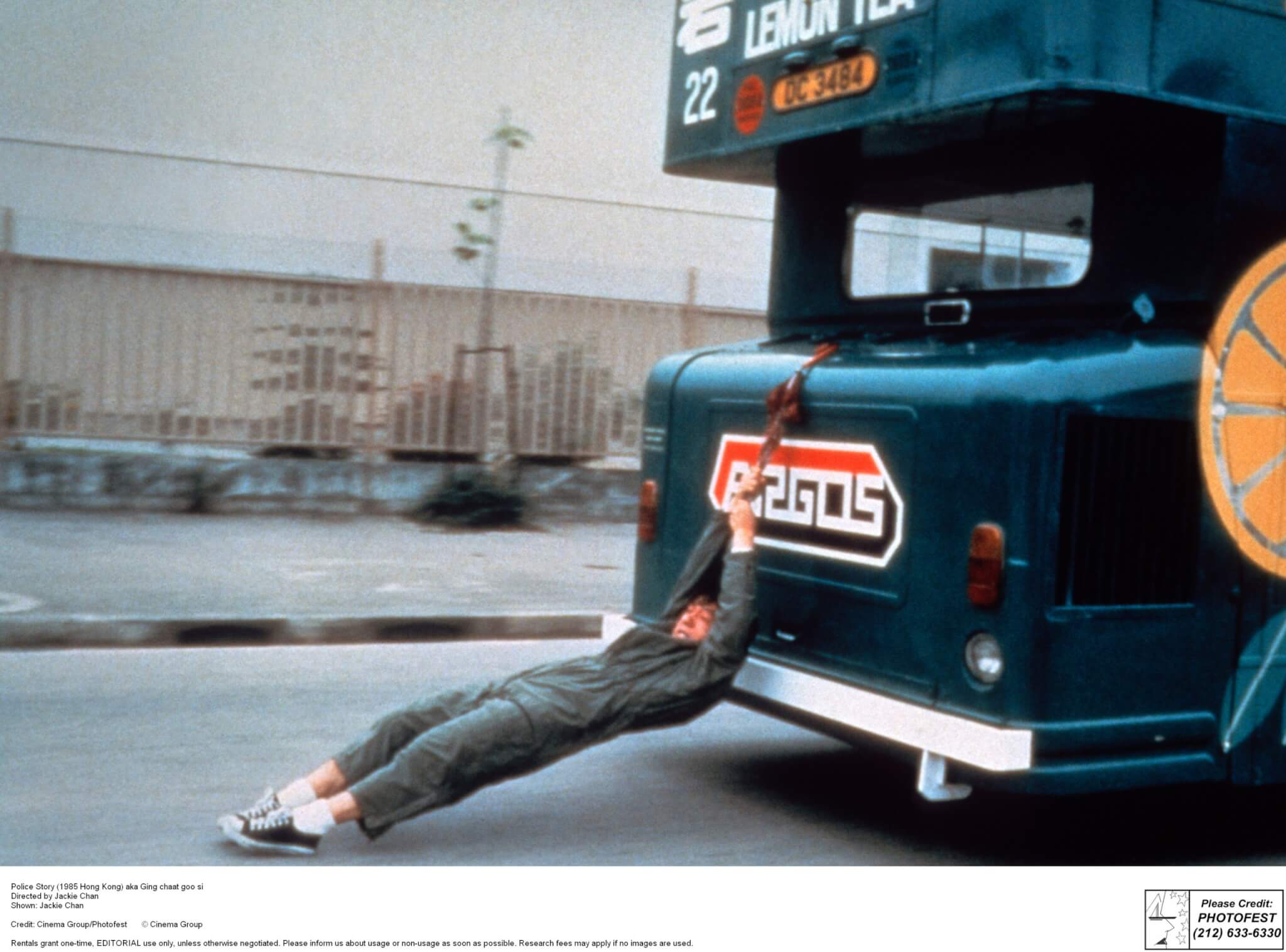
Directed by Jackie Chan
Shown: Jackie Chan
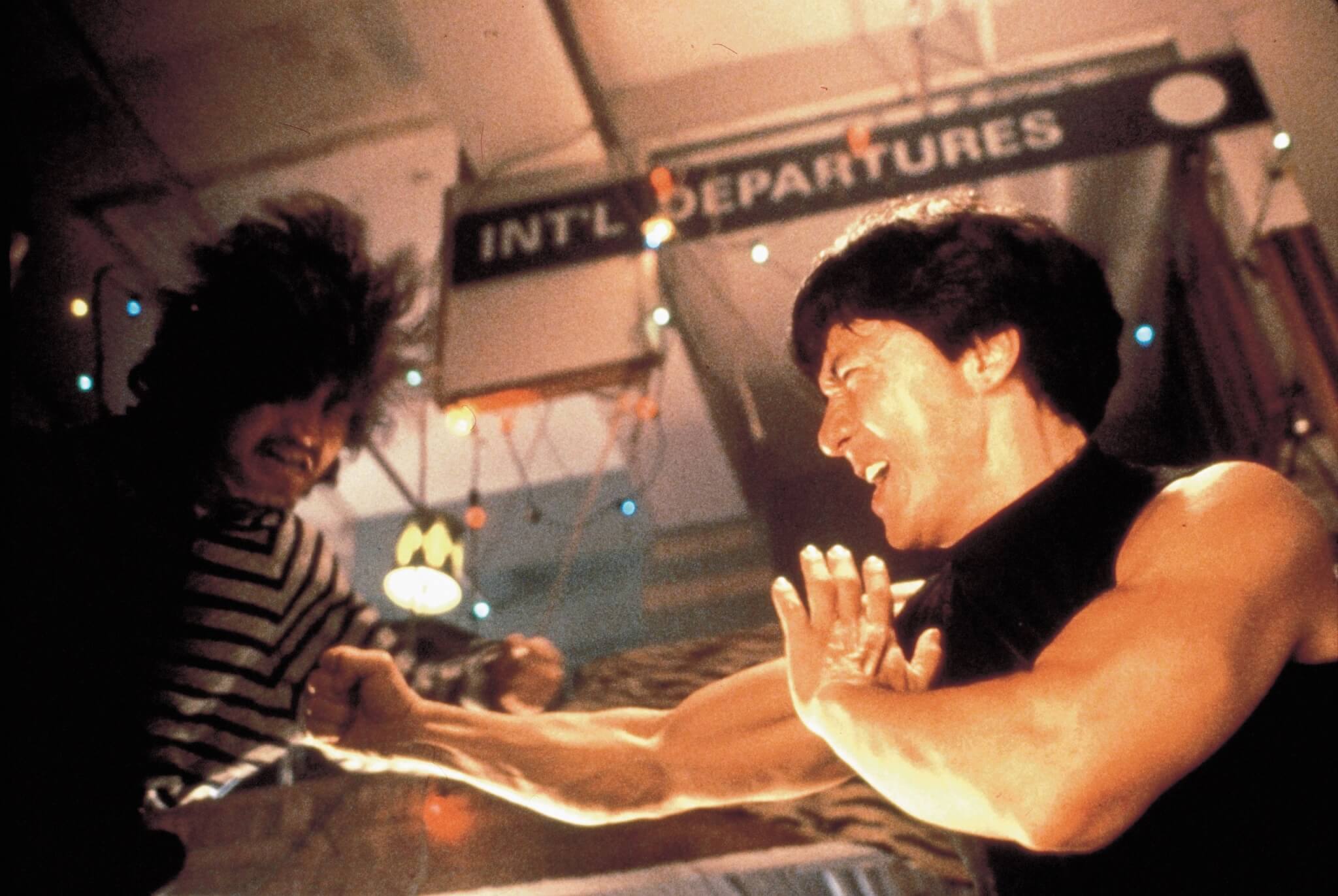
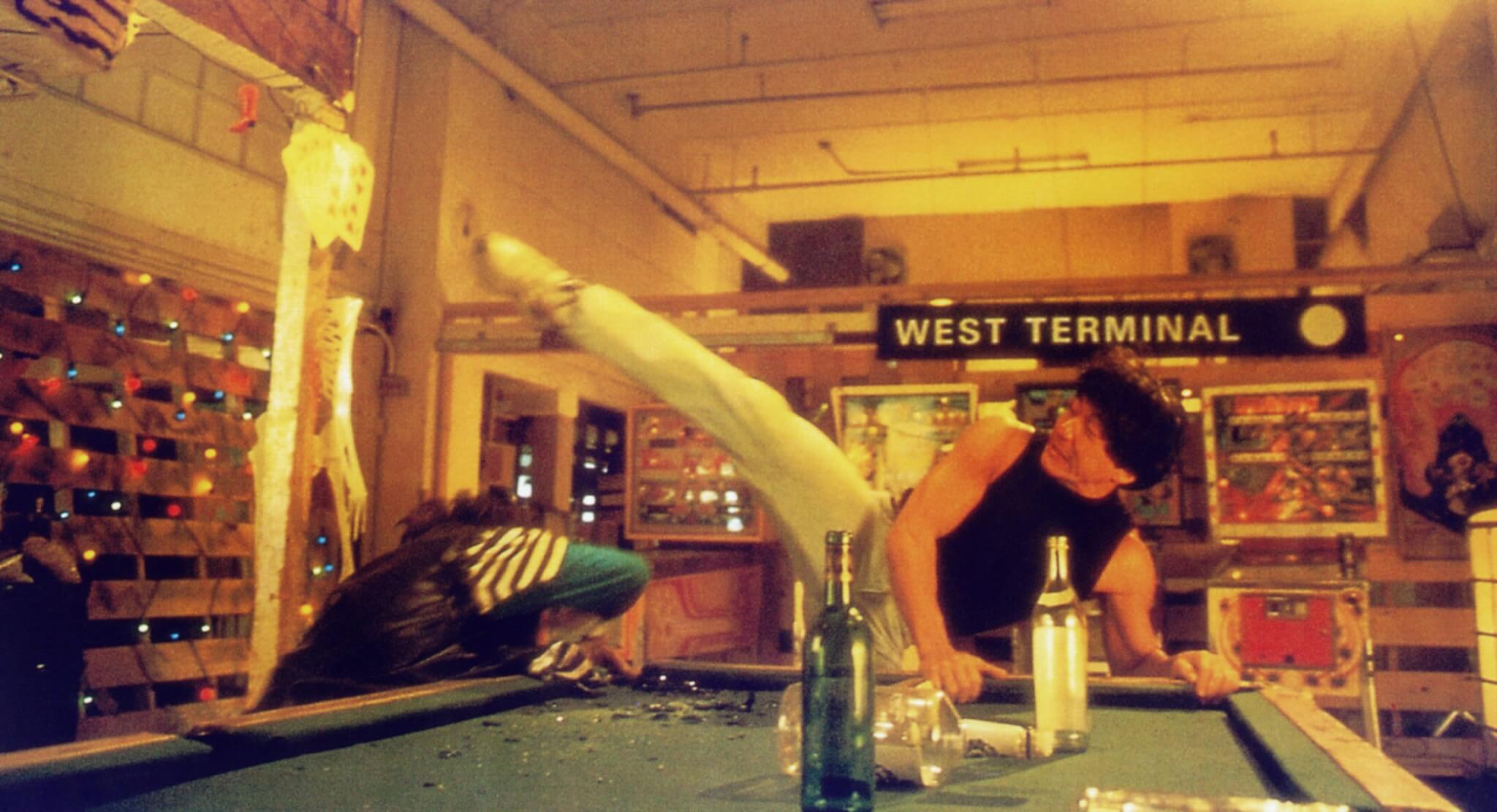
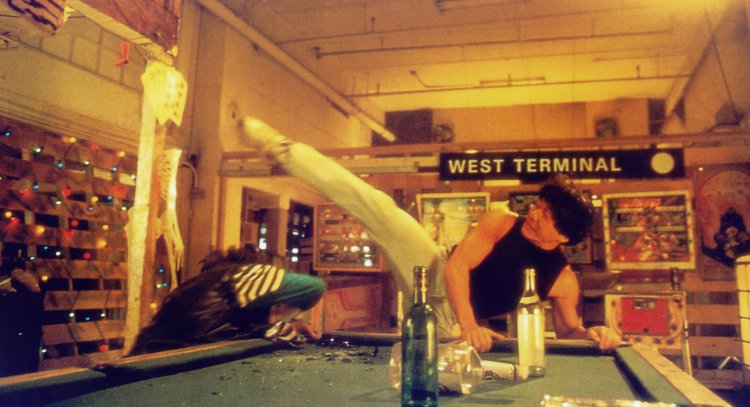
In the climactic scene at the shopping mall, he fought while shattering large amounts of glass and, in the end, slid down a pole wrapped in Christmas lights from a great height in one go.During this shoot, the palms of his hands were severely injured, and the impact of landing nearly fractured two of his vertebrae. [6]
However, if we reduce Jackie’s greatness to simply “he performed dangerous stunts himself,” we miss the essence of his artistry.Neither double-decker buses nor shopping malls were originally intended as stages for action scenes. He transformed vehicles driving through the city, buildings, and even everyday objects into props for action, making dangerous physical performances work as cinema. The man who had stumbled once in America did not conform to the world’s expectations; instead, he further refined the kind of films that only he could create.
The Image of a Leader on Set as Seen in the JC Stunt TeamNot Reducing Life-Threatening Feats to a Solo Act: Taking Responsibility for His Teammates’ Bodies
Naturally, people other than Jackie are involved in these flashy stunts.Such complex action sequences would be impossible without his co-stars, stuntmen, and the film crew all moving in perfect sync. Jackie founded the JC Stunt Team in 1976. According to the official website, the team has continued its activities for over 40 years, passing the torch from one generation to the next. [8]
View this post on Instagram
In 2012, he was recognized by Guinness World Records for the “Most stunts by a living actor.” But there’s a story that deserves more attention than the number of times he’s broken bones himself.After several stuntmen were injured during the filming of ‘Police Story’, he personally trained the stuntmen and covered the medical expenses for the injured members out of his own pocket. [9]
If you’re only putting your own body at risk, your resolve is a matter for you alone. But when you’re in the position of a director or action choreographer, it’s not that simple.As long as you involve your colleagues in the moves you’ve devised, you bear responsibility for their well-being as well. From a daredevil star to a leader who shoulders the weight of the set—the enduring presence of his stunt team clearly reflects this transformation.
The outtakes shown during the end credits of Jackie Chan’s films are also symbolic. Adopting the outtake technique seen in *Cannonball*, he began showing audiences failed takes and even the moments immediately following stunts in many of his films starting with *Dragon Lord*. [6] When he was awarded an Honorary Academy Award in 2016, Tom Hanks also touched on this style, praising Jackie for showing the reality of his physical sacrifices in the end credits. [10] Rather than preserving only the cool moments, he incorporates even the scenes of him falling behind the scenes into his films. This attitude of embracing both success and failure is what makes Jackie Chan’s films so relatable.
*Red Bronx*, *Rush Hour*, and the Academy Honorary AwardReturning to America—Where He Had Once Failed—Staying True to His Own Style
In the 1980s, Jackie’s attempts to break into the American market did not yield major success. Yet he never gave up.The difference was that when he returned the next time, he no longer needed others to decide “what kind of star he should be.” ‘Red Bronx’, produced in 1995, was released nationwide in the U.S. the following year, 1996, and grossed over $30 million at the box office. [2]
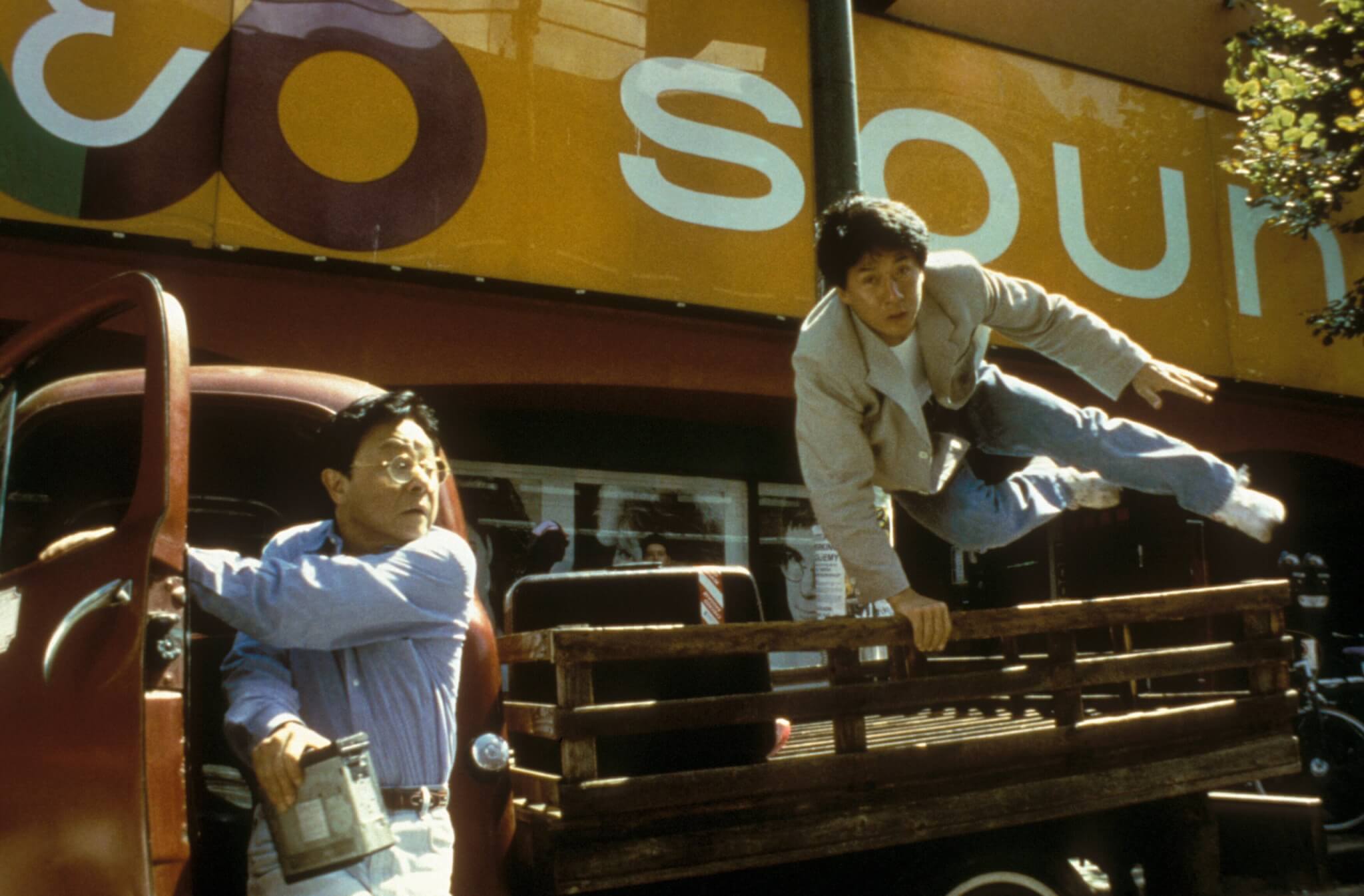
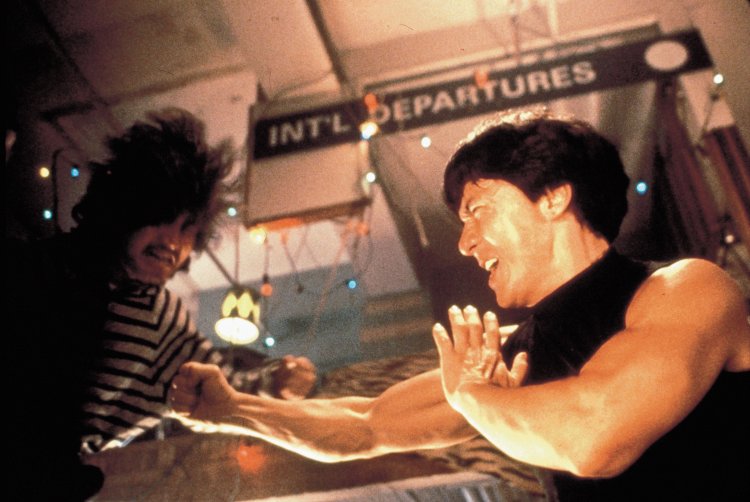
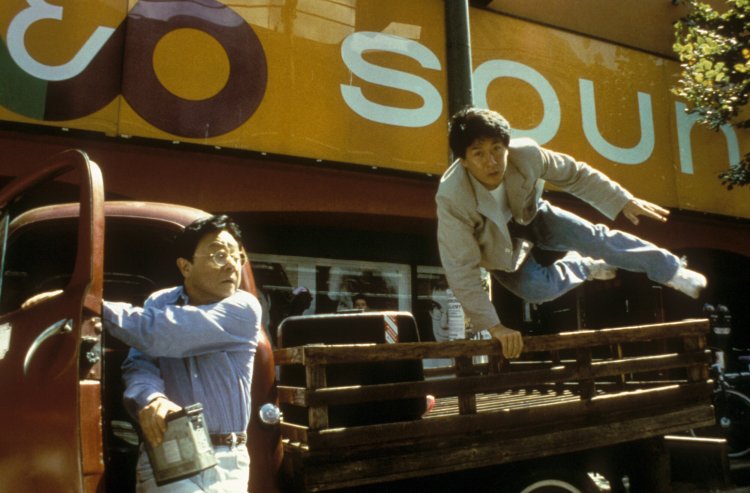
In the 1998 film ‘Rush Hour’, he teamed up with Chris Tucker, and Jackie’s blend of action and comedy became a mainstay of American mainstream cinema. The series continued for three films, allowing him to establish his own style in a market he had been unable to reach in his younger days. [1]
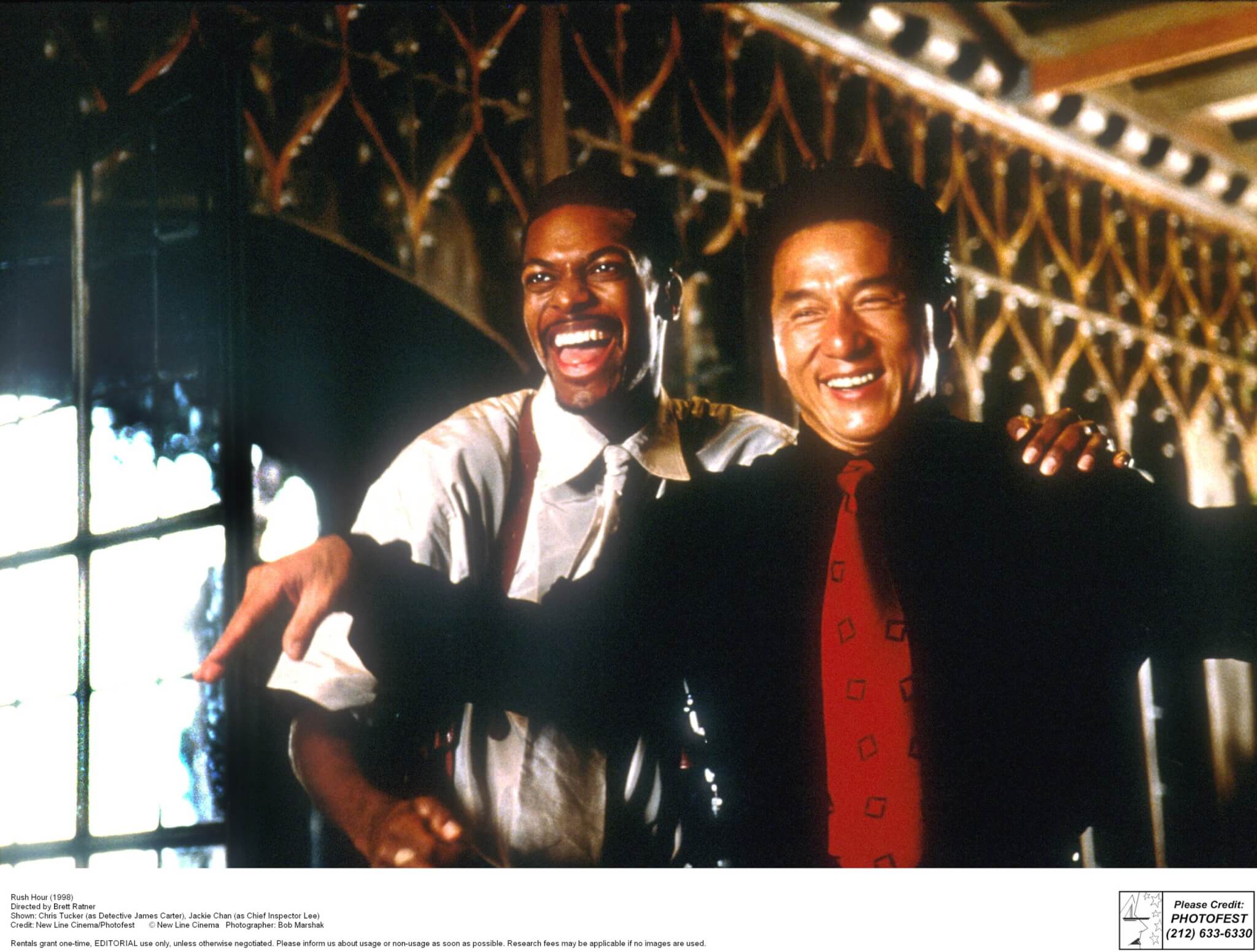
Directed by Brett Ratner
Shown: Chris Tucker (as Detective James Carter), Jackie Chan (as Chief Inspector Lee)
– Rentals grant one-time, EDITORIAL use only, unless otherwise negotiated. Please inform us of your usage or non-usage as soon as possible. Research fees may apply if no images are used. (Photo by Photofest/AFLO) [2343]
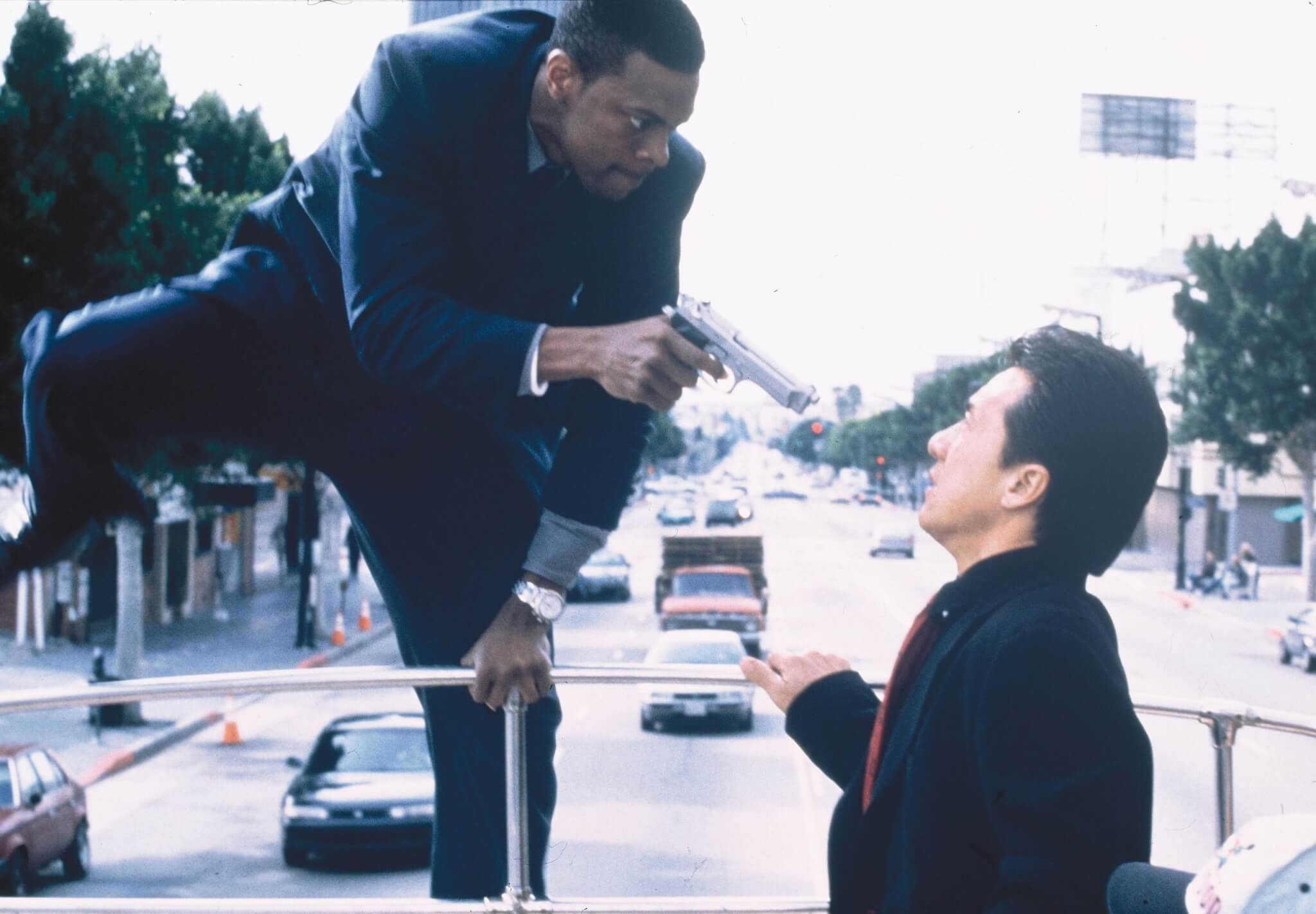
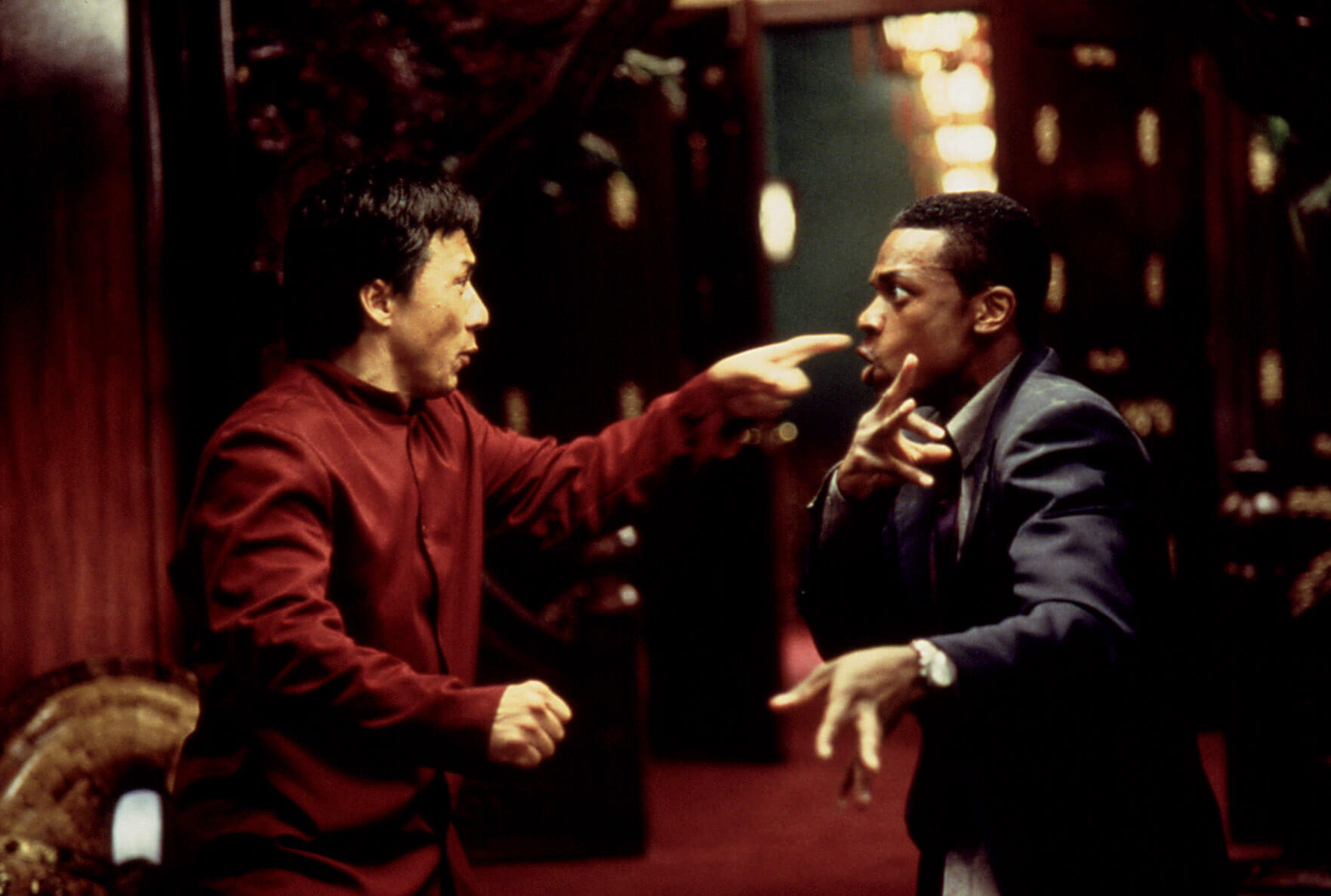
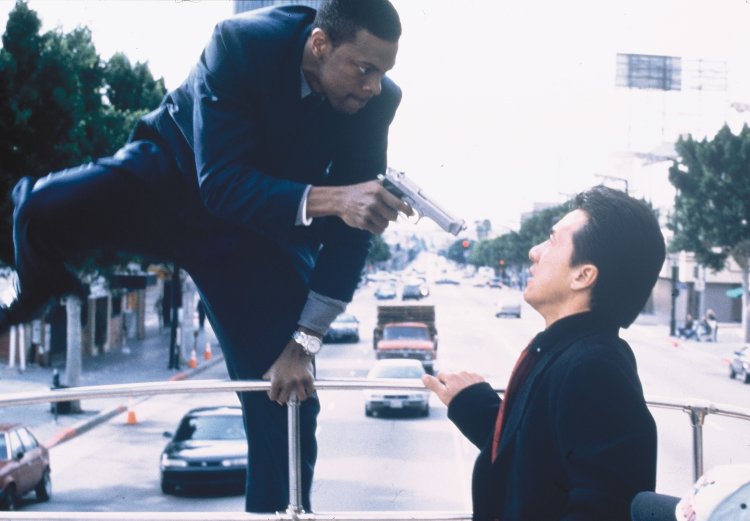
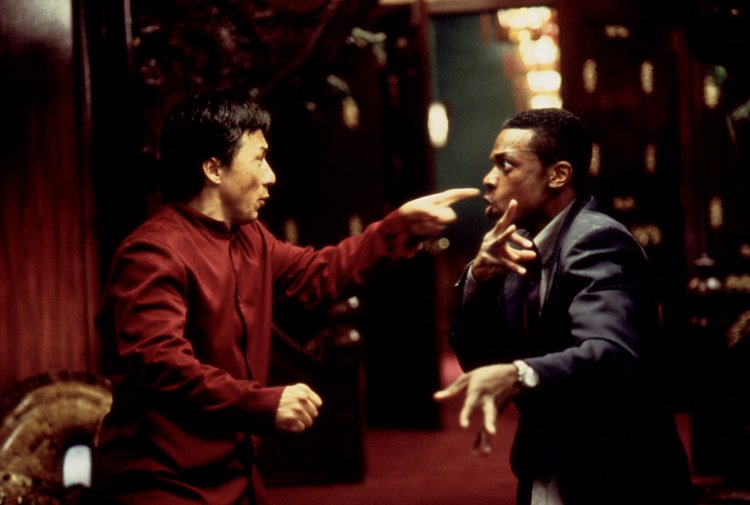
On November 12, 2016, the Academy of Motion Picture Arts and Sciences presented Jackie with an Honorary Award.At the ceremony, Tom Hanks praised his creativity and physicality, describing him as a rare figure who is an actor, action star, stuntman, and filmmaker all in one. [10] The role initially intended for him was that of Bruce Lee’s successor. But after more than half a century in the film industry, there is no longer any need to borrow someone else’s name to describe Jackie Chan. He gets beaten up, falls down, fails—and yet he always gets back up.He adds humor to the mix and turns even dangerous stunts into storytelling. That approach itself has become one of the new standards for international action films. [6][10] It can sometimes seem like a shortcut to follow in someone else’s footsteps.But when that path didn’t yield results, Jackie didn’t compromise his unique strengths. Rather, he honed them to a level that others could not imitate. For the man who abandoned the path of being Bruce Lee’s successor, what remained in the end was not the title of “someone’s successor,” but the one and only “Jackie Chan.”
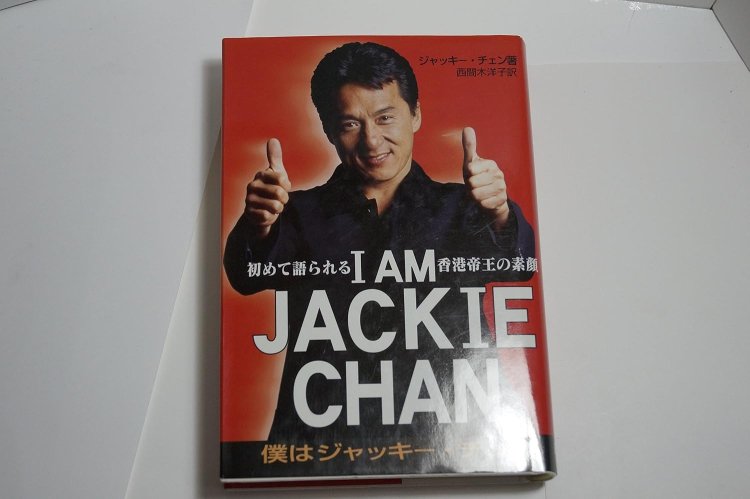
A Book to Get to Know This Man Better, (1) ‘Tracing His Journey from Stuntman to Global Star in His Own Words’‘I AM JACKIE CHAN: The Untold Story of the Hong Kong Emperor’
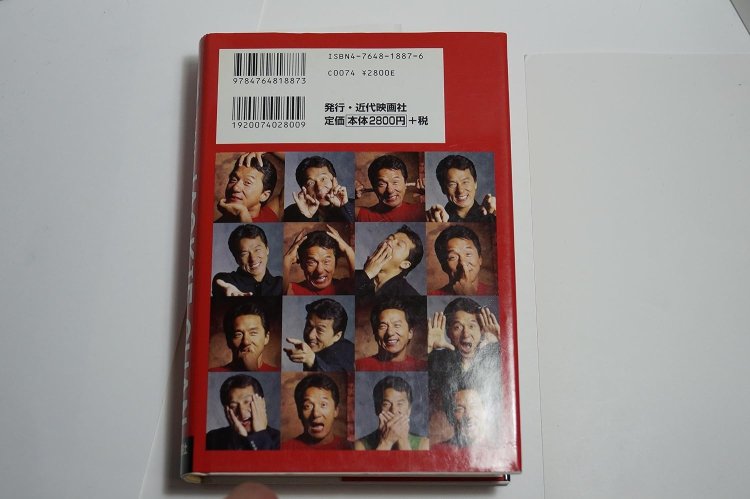
An autobiography by Jackie Chan and Jeff Yang. It traces his journey from his training at the Chinese Academy of Dramatic Arts, through his days as a stuntman, to filming with Bruce Lee and establishing his own style in Hong Kong—all from his own perspective.If you want to gain a deeper understanding of the process he went through to break free from the label of “the next Bruce Lee”—as discussed in this article—this is the first book you’ll want to pick up.

Click here for details and purchase
A Book to Get to Know This Man Better, (2) ‘A Memoir from His Later Years That Covers Not Only Success but Also Failures and Regrets’”*The Eternal Boy: Jackie Chan’s Autobiography*
An autobiography by Jackie Chan and Zhu Mo. It delves not only into setbacks and successes, as well as life-threatening filming experiences, but also into failures and regrets in both his professional and personal life.If you want to get to know Jackie not as a perfect hero, but as a human being who built a long career while grappling with his flaws, this is the book for you. Comparing it to *I AM JACKIE CHAN*—which focuses primarily on his younger years—reveals how his self-perception has evolved over time. Published in English under the title *Never Grow Up*, this is another option for those who wish to read the original content in English.
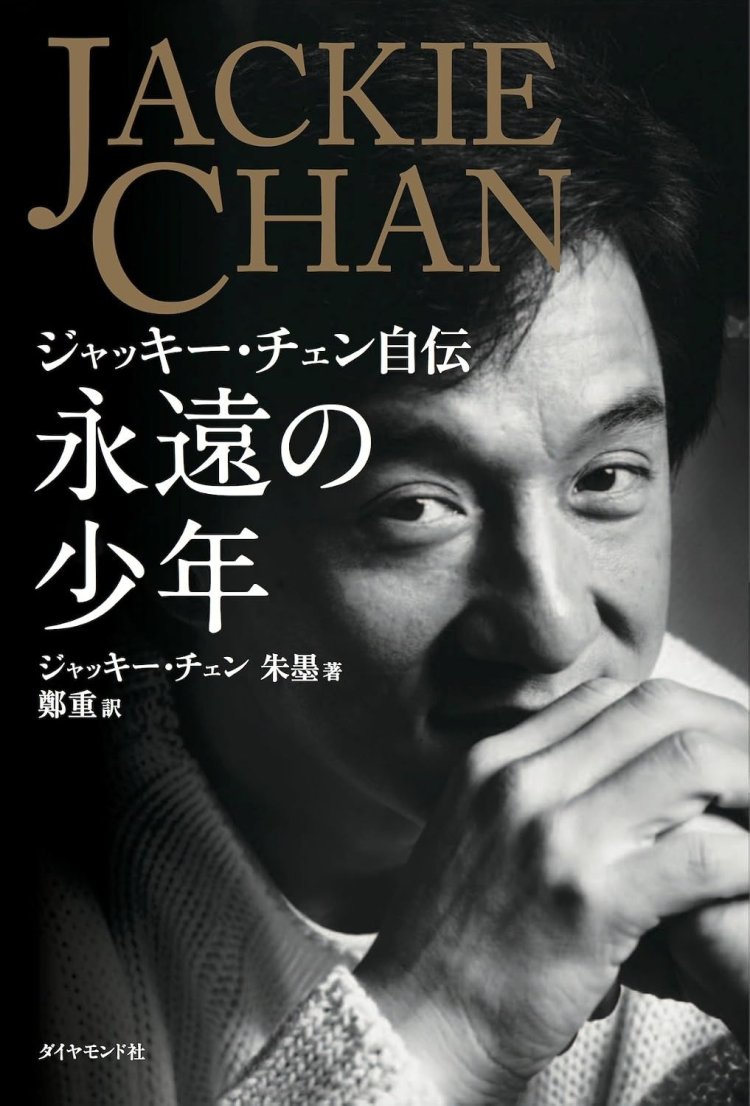
Click here for details and purchase
References
[1] Academy of Motion Picture Arts and Sciences, “Jackie Chan”
[2] Hong Kong Film Archive, “Hong Kong Filmmakers Search: Jackie Chan”
[3] Academy of Motion Picture Arts and Sciences, “An Academy Salute to Jackie Chan,” June 3, 2013
[4] Hong Kong Film Archive “New Fist of Fury”
[5] Hong Kong Film Archive “Drunken Master” April 20, 2024
[6] The Criterion Collection “Police Story and Police Story 2: Law and Disorder” April 30, 2019
[7] Film at Lincoln Center “Project A”
[8] Jackie Chan Official Website “JC Stunt Team Information” May 1, 2017
[9] Guinness World Records “Jackie Chan Awarded Two New Guinness World Records Titles” December 5, 2012
[10] Academy of Motion Picture Arts and Sciences “2016 Governors Awards” November 12, 2016

![Muhammad Ali: The World’s Biggest Braggart Who Embodied “FLEX” Even Before Hip-Hop Was Born [Legends of the Men]](https://otokomaeken.com/wp-content/uploads/2026/10/0552e0abe547b11ed681a80406c761e9-630x331.png)
![Steve McQueen: A Man Who Lived Freely and Never Compromised on Duty or Principle [Men’s Biographies]](https://otokomaeken.com/wp-content/uploads/2026/09/7966bae78213db11914ad7af893f8431-4-630x331.png)
![George Foreman: From World Champion to Pastor—The Boxer Who, After a 10-Year Hiatus, Knocked Out an Undefeated Champion at Age 45 [Men’s Biographies]](https://otokomaeken.com/wp-content/uploads/2026/09/7966bae78213db11914ad7af893f8431-2-630x331.png)
![Jon Bon Jovi: The Man Behind “Livin’ on a Prayer” Runs a “Priceless Restaurant” That’s Been Going Strong for 15 Years [Men in the Spotlight]](https://otokomaeken.com/wp-content/uploads/2026/09/7966bae78213db11914ad7af893f8431-1-630x331.png)
![Michael J. Fox: The “Back to the Future” Star and the Future He Truly Sought to Change [Men’s Profiles]](https://otokomaeken.com/wp-content/uploads/2026/09/7966bae78213db11914ad7af893f8431-630x331.png)
![Keanu Reeves: The Man Who Turned Down a $12 Million Sequel and Didn’t Cling to His Star Privileges [Men’s Profiles]](https://otokomaeken.com/wp-content/uploads/2026/08/aflo_177021114-630x331.jpg)
![Ernest Shackleton. He failed to cross Antarctica and lost his ship. Yet he brought 27 men home alive. [Men’s Biographies]](https://otokomaeken.com/wp-content/uploads/2026/08/7966bae78213db11914ad7af893f8431-2-630x331.png)
![Paul Newman: The Man Who Turned Fame into Money and Donated All His Profits to Charity [Men’s Biographies]](https://otokomaeken.com/wp-content/uploads/2026/08/2071d8b3d6b46d67221ad9d050c85da8-630x331.png)



![Steve McQueen: A Man Who Lived Freely and Never Compromised on Duty or Principle [Men's Biographies]](https://otokomaeken.com/wp-content/uploads/2026/09/7966bae78213db11914ad7af893f8431-4-750x396.png)


![Muhammad Ali: The World’s Biggest Braggart Who Embodied “FLEX” Even Before Hip-Hop Was Born [Legends of the Men]](https://otokomaeken.com/wp-content/uploads/2026/10/0552e0abe547b11ed681a80406c761e9-750x396.png)

![What are the specific 5 changes that muscle training can bring to a man? ["The truth as experienced by practitioners."]](https://otokomaeken.com/wp-content/uploads/2023/12/3ecb709c1f1613850249ba743b4b1457-750x396.jpg)