![Steve McQueen: A Man Who Lived Freely and Never Compromised on Duty or Principle [Men's Biographies]](https://otokomaeken.com/wp-content/uploads/2026/09/7966bae78213db11914ad7af893f8431-4-750x396.png)
A white T-shirt, jeans, and sunglasses. From his image behind the wheel of a Triumph or a Porsche, there’s really no need to explain now that Steve McQueen was “a cool guy.”Even now, nearly half a century after his death in 1980 at the age of 50, his presence continues to captivate men. But when you look into his life, you see a kind of coolness that goes beyond just his looks and fashion.He was sent to a reform school at age 14 and even spent time in the brig while in the Marine Corps. Though he lived a very free-spirited life, he never forgot the favors he had received and was astonishingly faithful to the promises he made. He never compromised on his sense of duty or honor. In this article, we trace the life of the man known as the “King of Cool.”
Sponsored by
The Origins of a Man Who Stood by His WordBoys Republic: Sent There at 14. This Is Where His Life Began to Change
Steve McQueen’s childhood was a far cry from the glamorous image he projected in later years. His father left the family when he was very young, and life with his mother was far from stable.After a string of delinquent acts, in 1944—at the age of 14—he was deemed “incorrigible” by the court and sent to Boys Republic in Chino Hills, California. He spent approximately 18 months there. [1] It is not accurate to simply translate “Boys Republic” into Japanese as “juvenile detention center.” While Japanese readers may find it easier to understand if they imagine a role similar to that of a juvenile detention center, it is not a public correctional facility but rather a private, nonprofit school and rehabilitation support facility established in 1907.It continues to provide education, vocational training, and life skills support to troubled youth. [2] From its inception, the institution has centered its educational philosophy on work and self-governance, implementing a system where the boys themselves participate in running the community. Its motto is “Nothing Without Labor”—the belief that nothing can be achieved without work. [3] McQueen himself later reflected that this facility changed the course of his life and “made him a man.” [1] However, this did not mean he was transformed into a model young man. After leaving the facility, he drifted from one job to another—working as a sailor and an oil field worker, among other things—and at age 17, he enlisted in the U.S. Marine Corps. Even there, he did not easily conform to the organization’s mold.
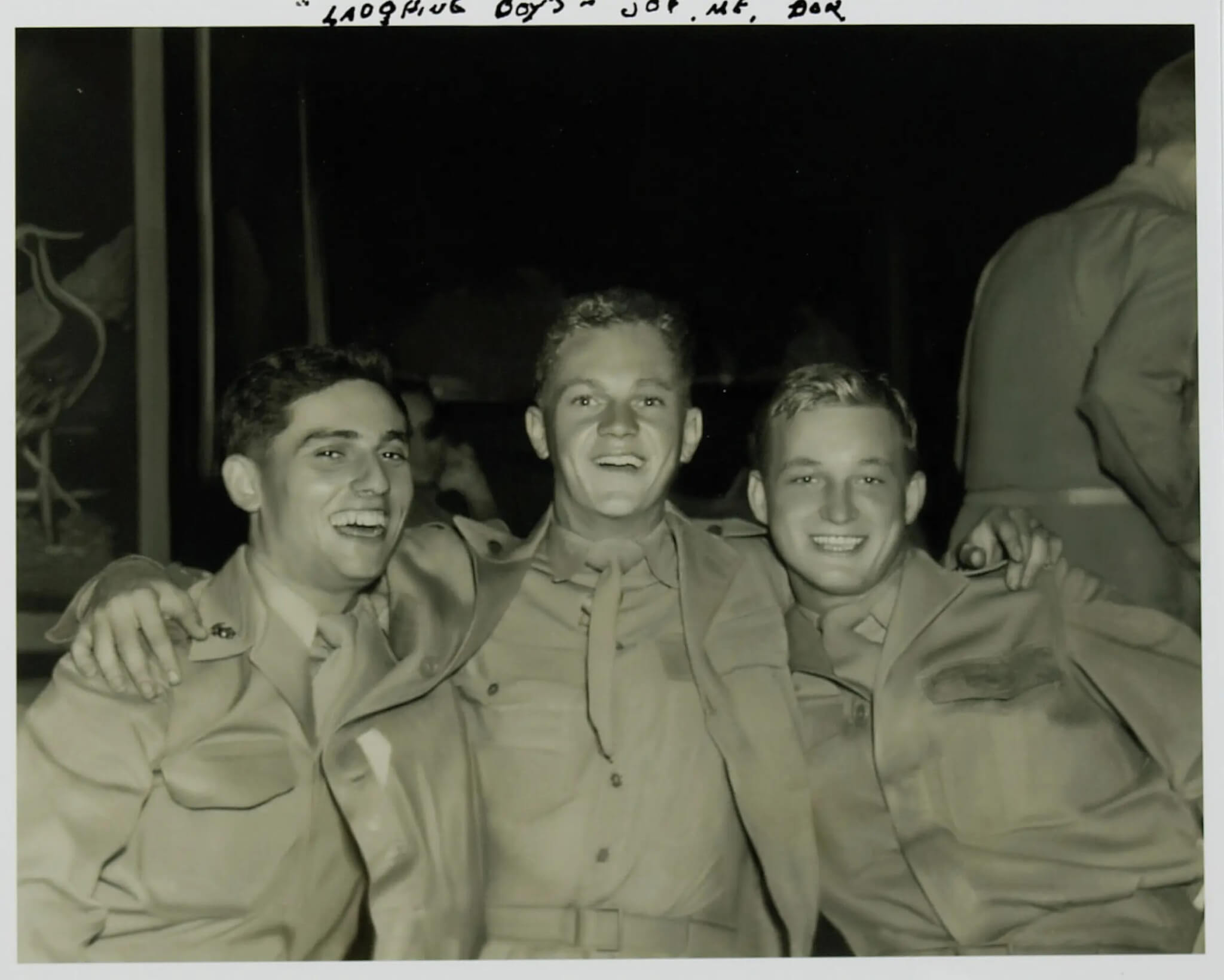
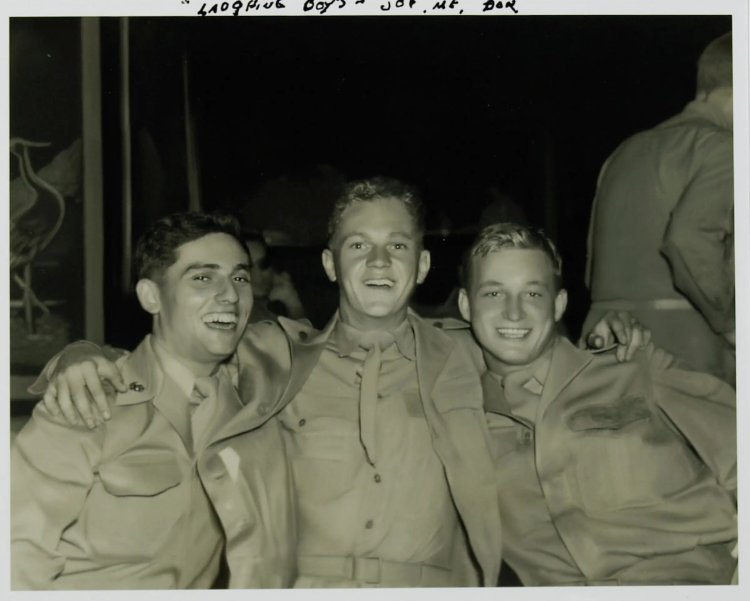
The Character He Displayed in the MarinesHe defied military discipline.Yet he never abandoned his comrades’ lives
In April 1947, at the age of 17, he enlisted in the U.S. Marine Corps. In a movie, this would likely be the point where he learns discipline and transforms into an exemplary young man, but the real-life McQueen wasn’t that simple.In 1949, he was disciplined twice for being AOL (Absent Over Leave)—failing to return from leave—and on the second occasion, he was sentenced to 30 days in the brig and fined $90. [4] His free-spirited nature did not disappear simply because he had joined the military. However, his military record also reveals a completely different side of him.During training in the Arctic Circle, when a tank broke through the ice and fell into the sea, he rescued five Marines. He later served on a mission to guard President Harry S. Truman’s presidential yacht and was honorably discharged in 1950. [5] This is not a feel-good story about a soldier who was strictly obedient to orders. In fact, he broke discipline and was even sent to the brig. Yet, when his comrades’ lives were in danger, he acted instinctively. While he rebelled against rules imposed by others, he adhered to his own internal line—a principle he would never cross.This side of McQueen’s character was already beginning to show. After his discharge, he used the GI Bill to study acting in New York; after attending Uta Hagen’s acting school, he was accepted into the Actors Studio—an organization that selected only five people out of approximately 2,000 applicants. [6]
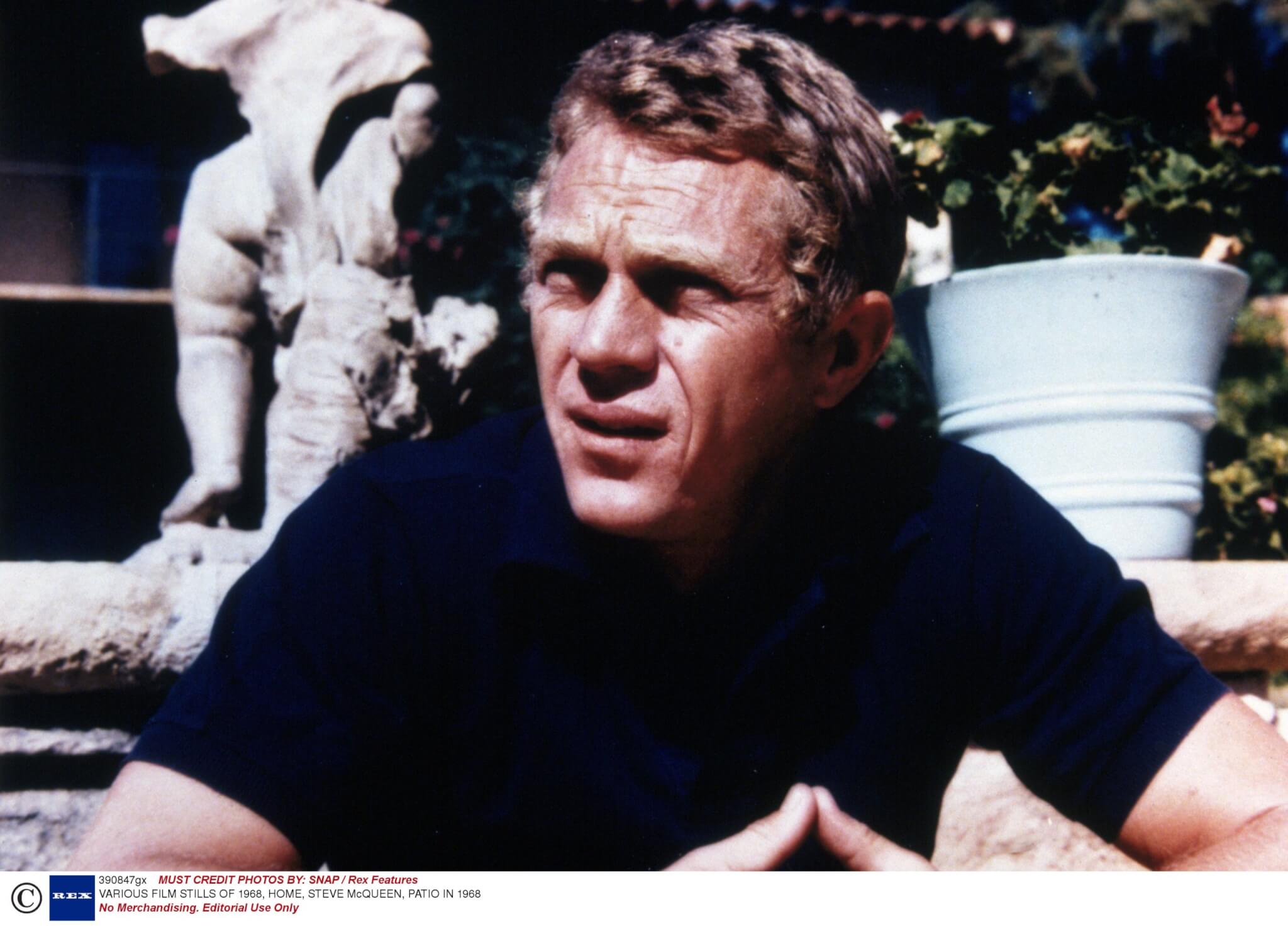
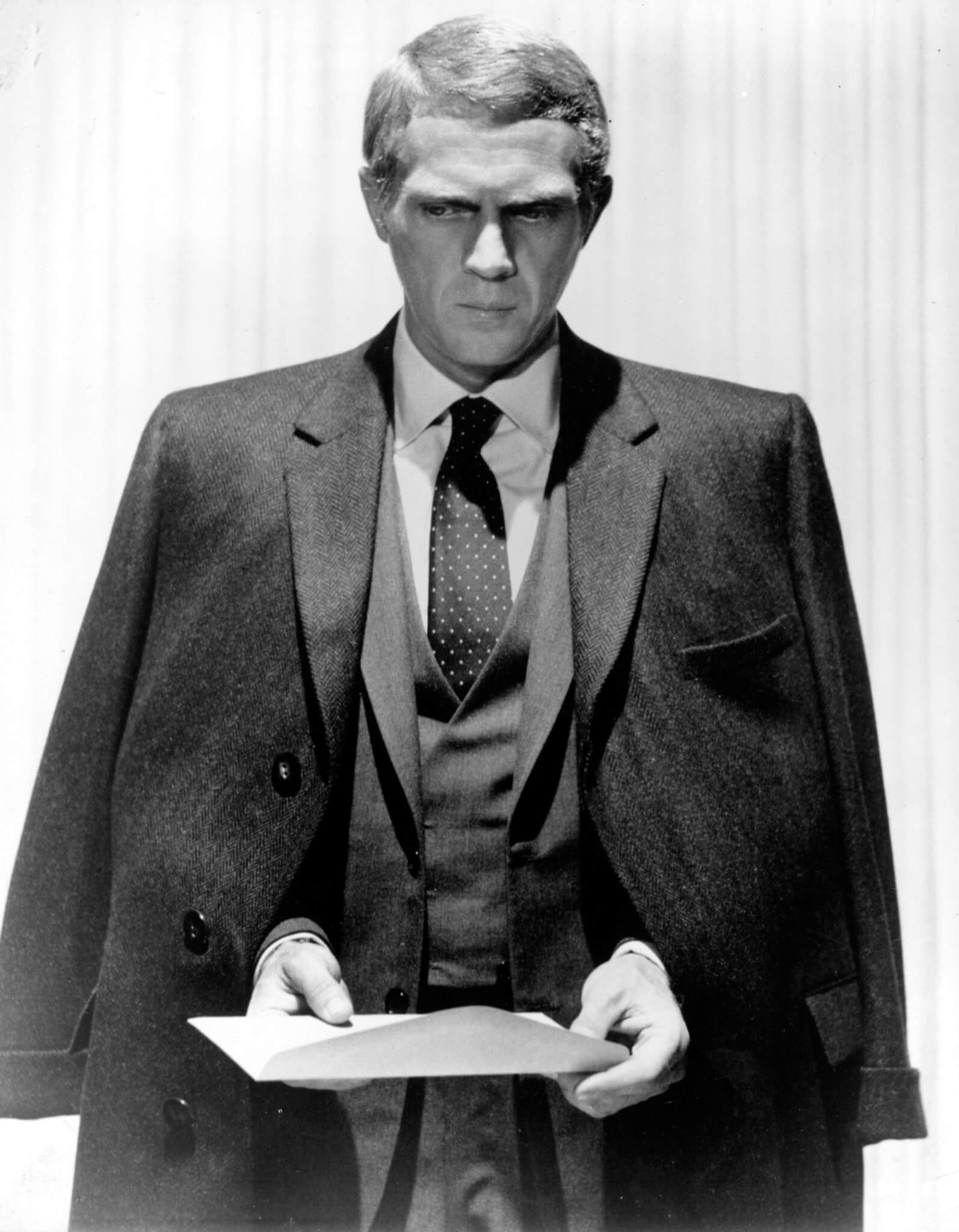
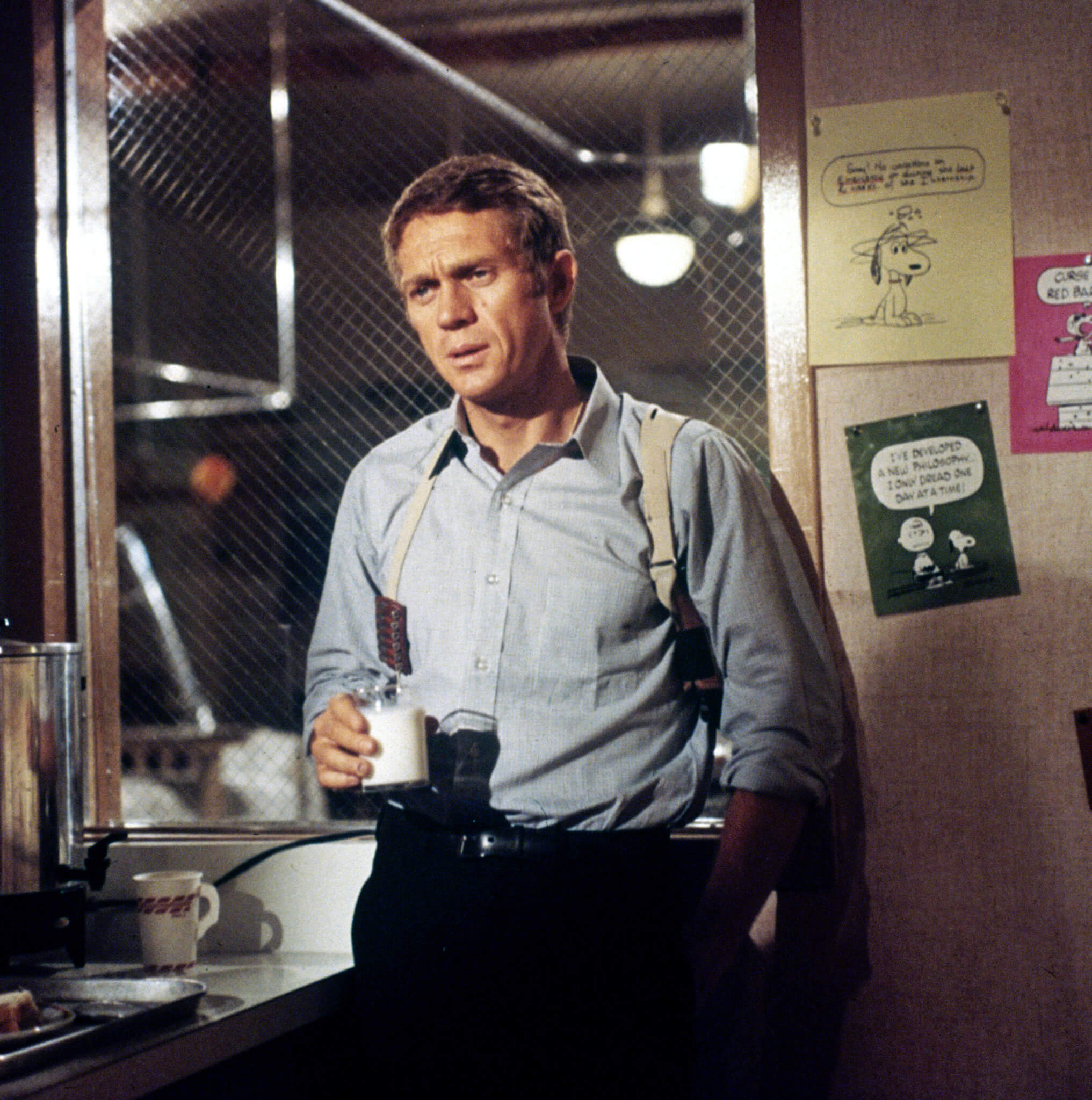
Photo: Shutterstock/Aflo Steve McQueen, 1968: FILM STILLS FROM 1968, HOME, STEVE McQUEEN, PATIO IN 1968
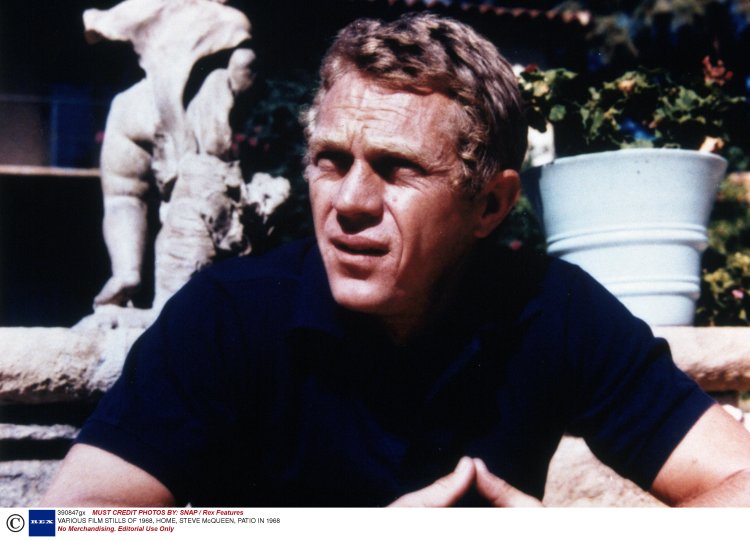
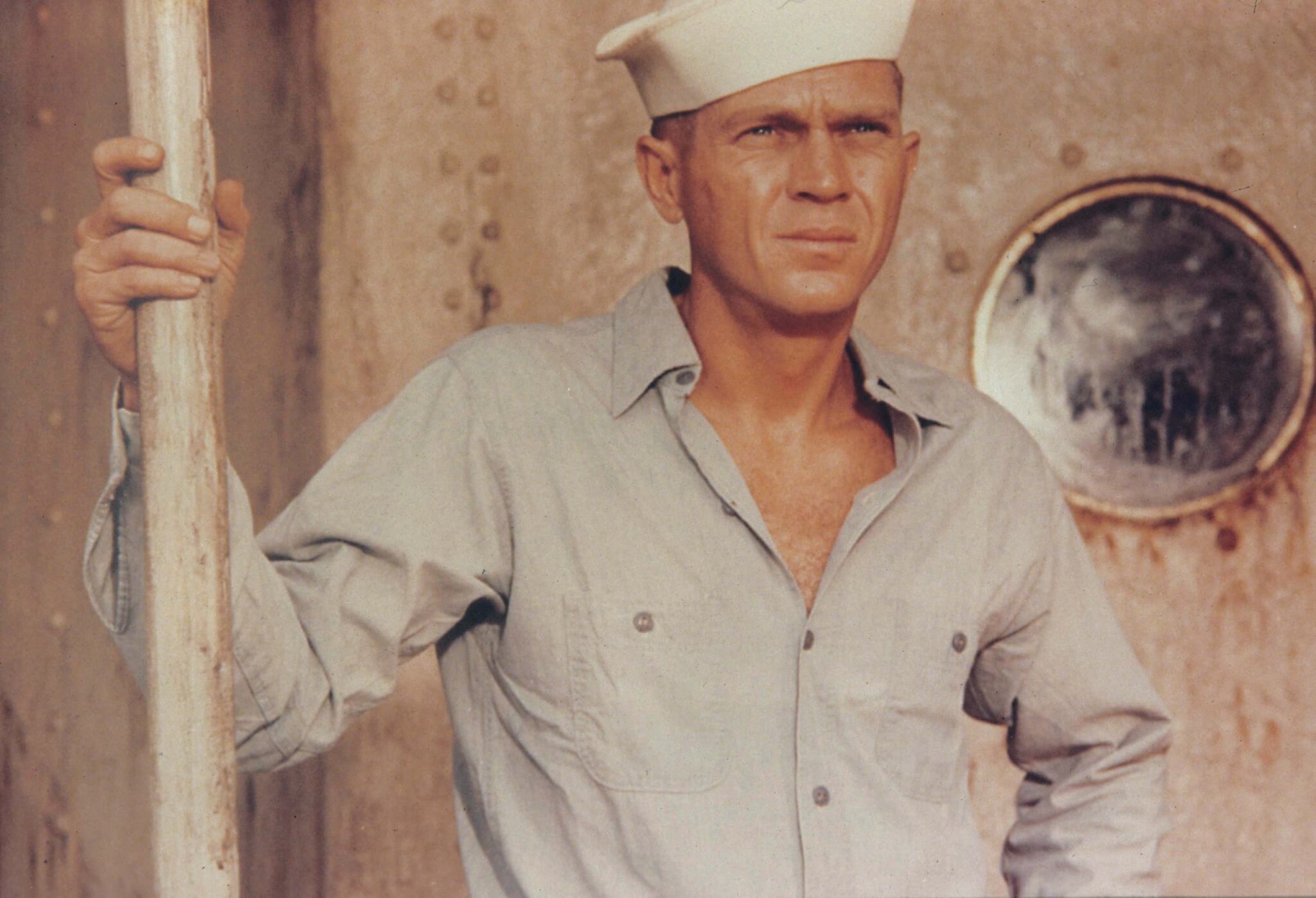
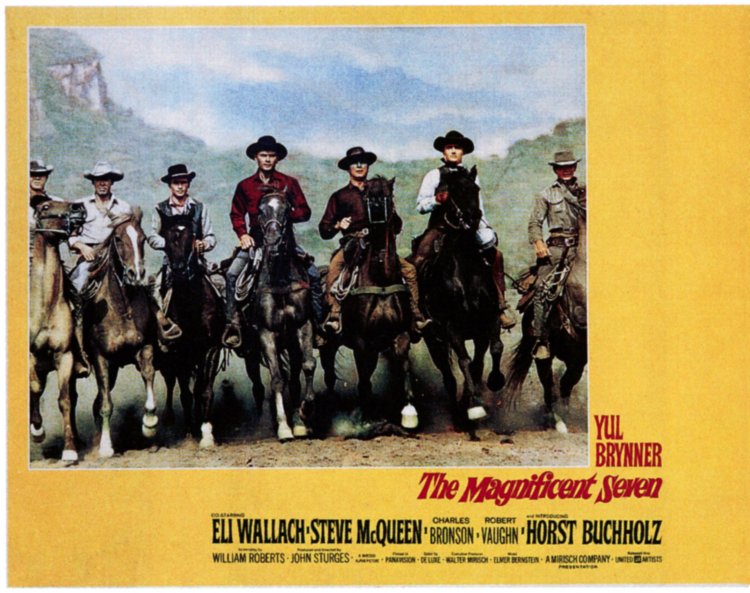
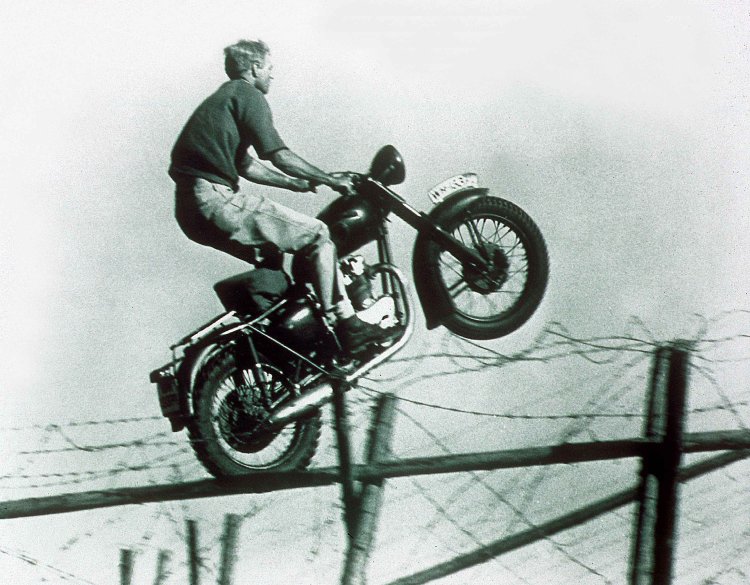
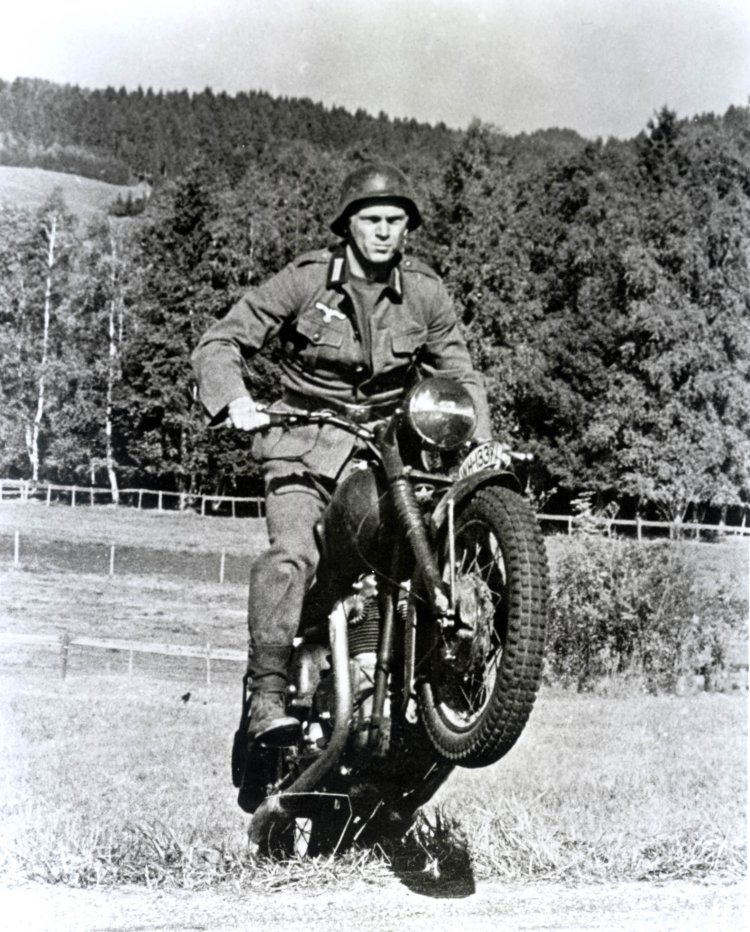
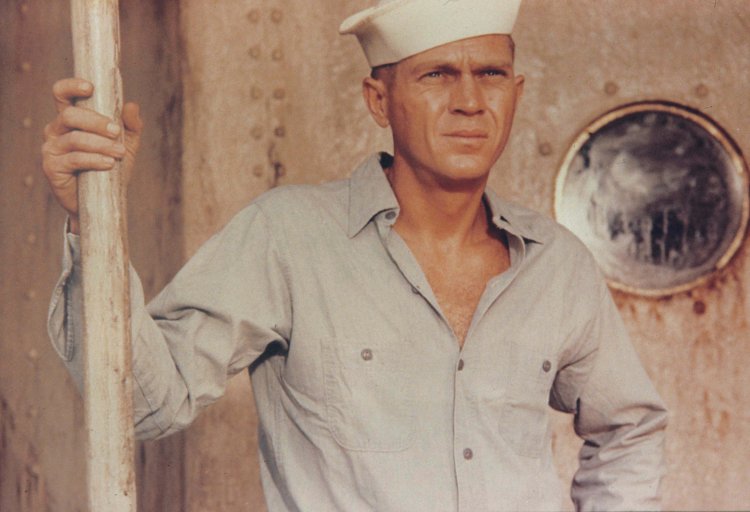
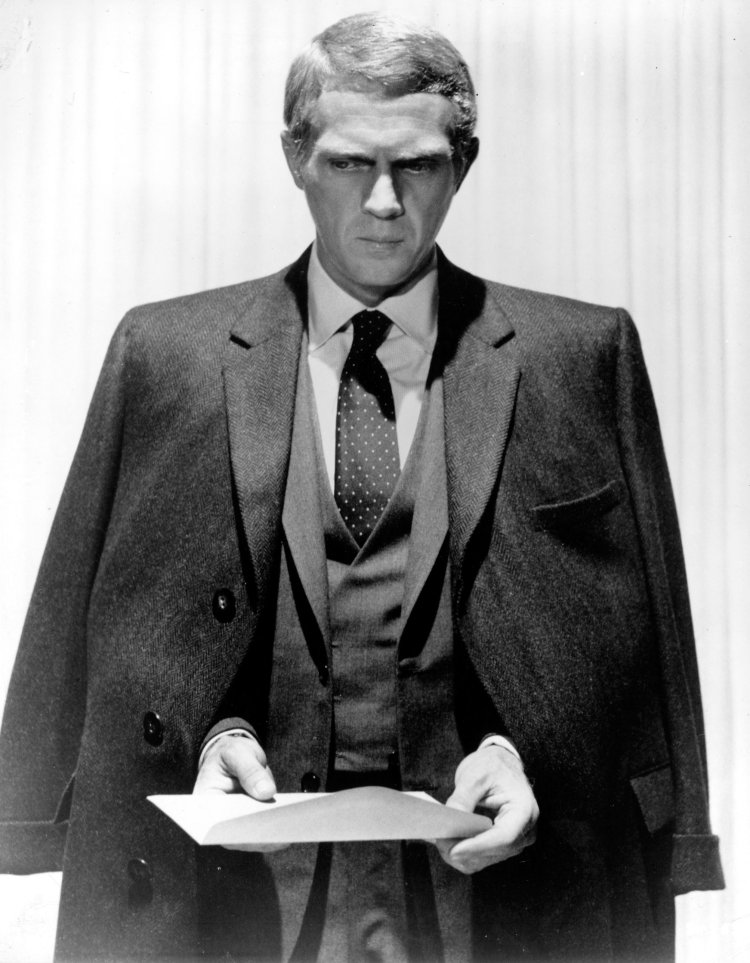
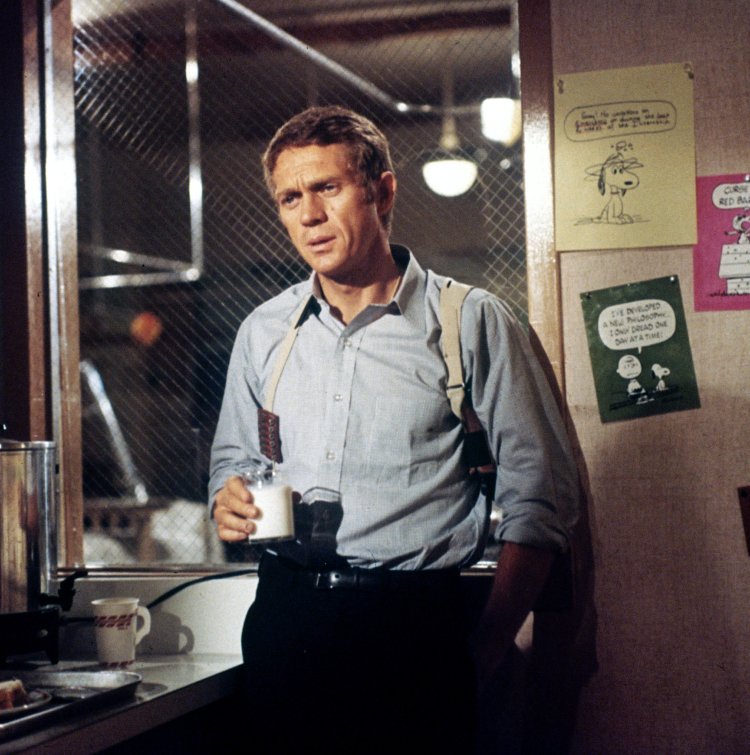
He began to make a name for himself in the late 1950s, starring in *The Magnificent Seven* (1960), *The Great Escape* (1963), *The Gunboat San Pablo* (1966), *The Gambler* (1968), and *Britt* (1968).He was nominated for an Academy Award for Best Actor for ‘The Gunboat San Pablo’ and rose to become a global movie star. [7]
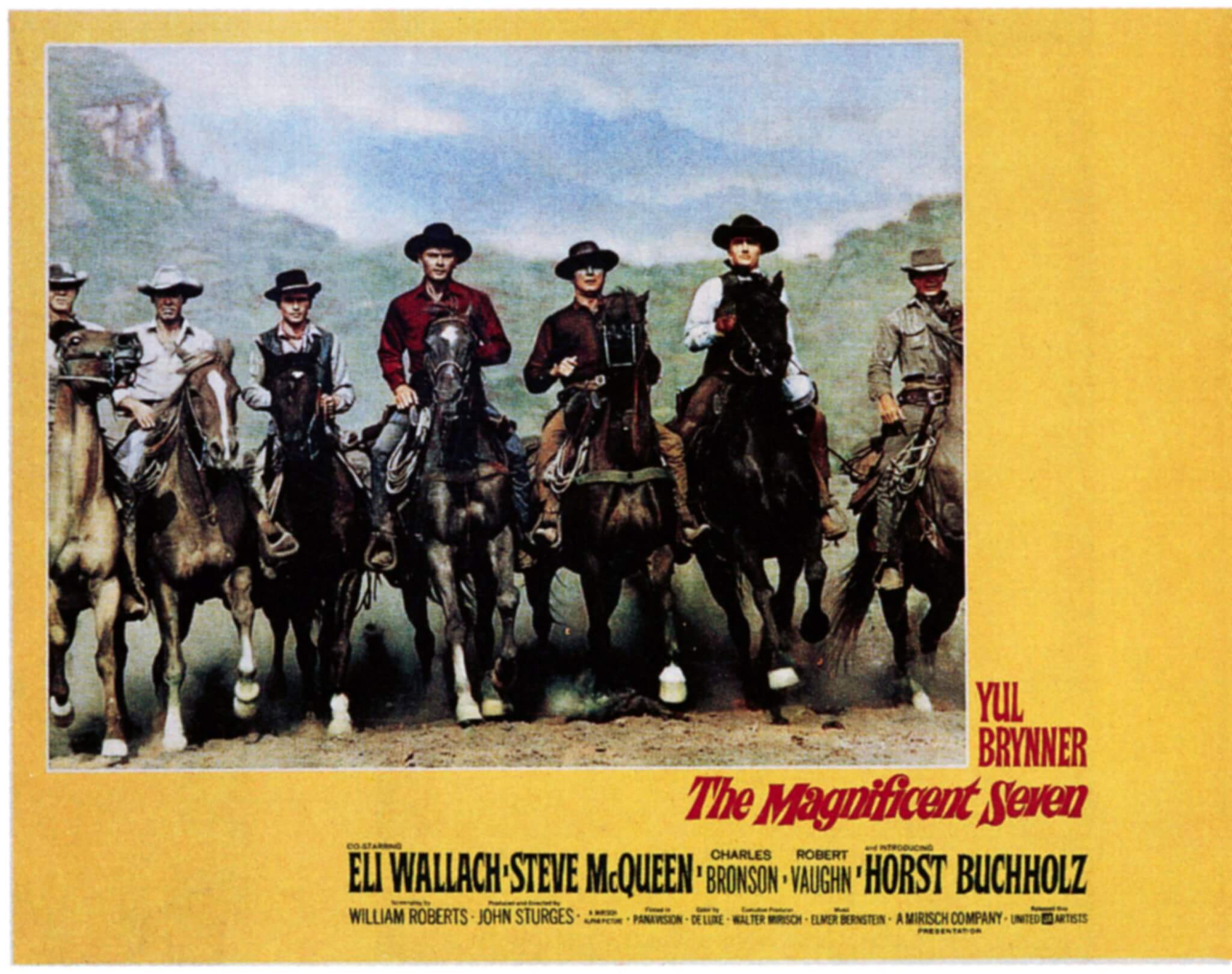
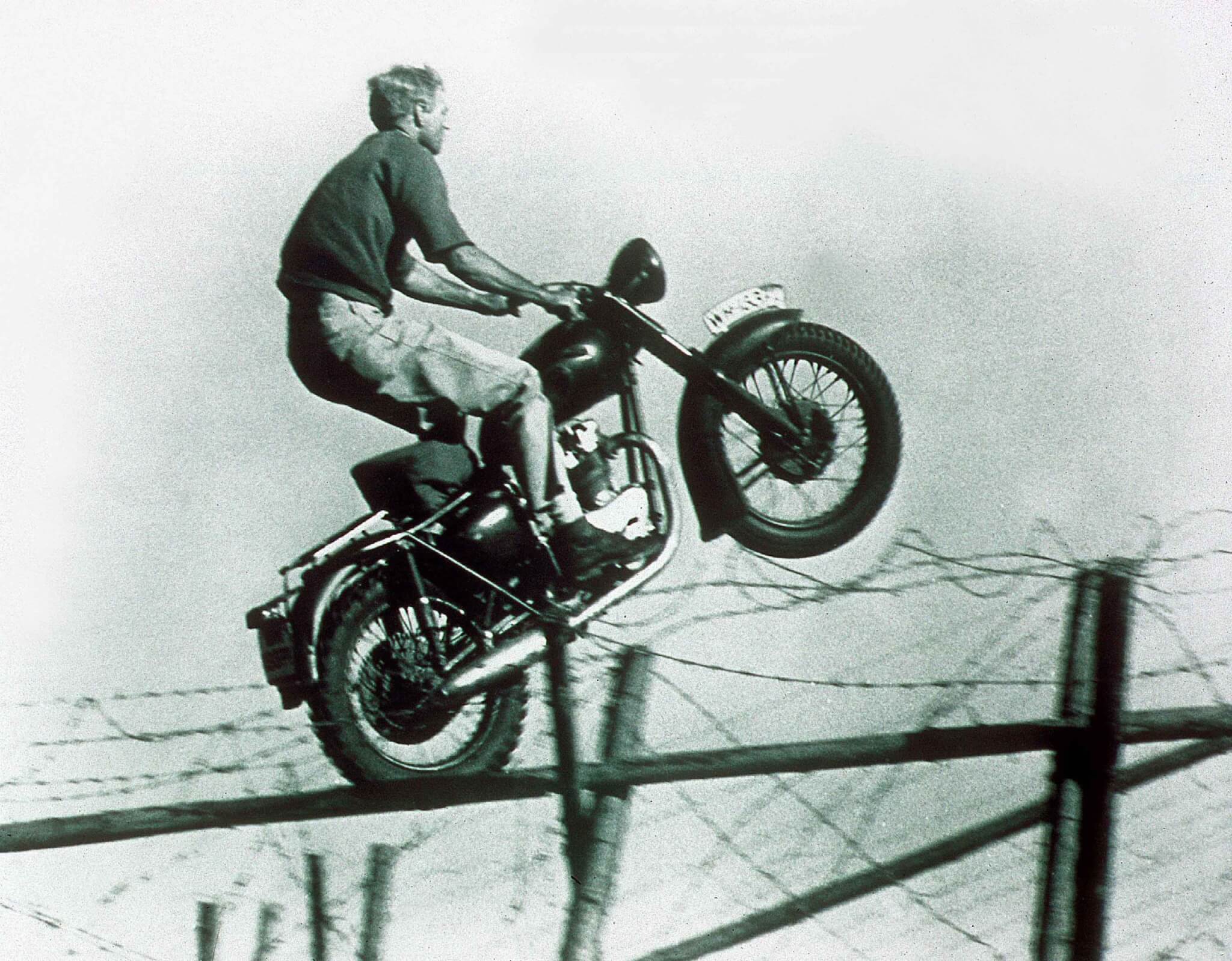
1963 THE GREAT ESCAPE (1963) STEVE MCQUEEN
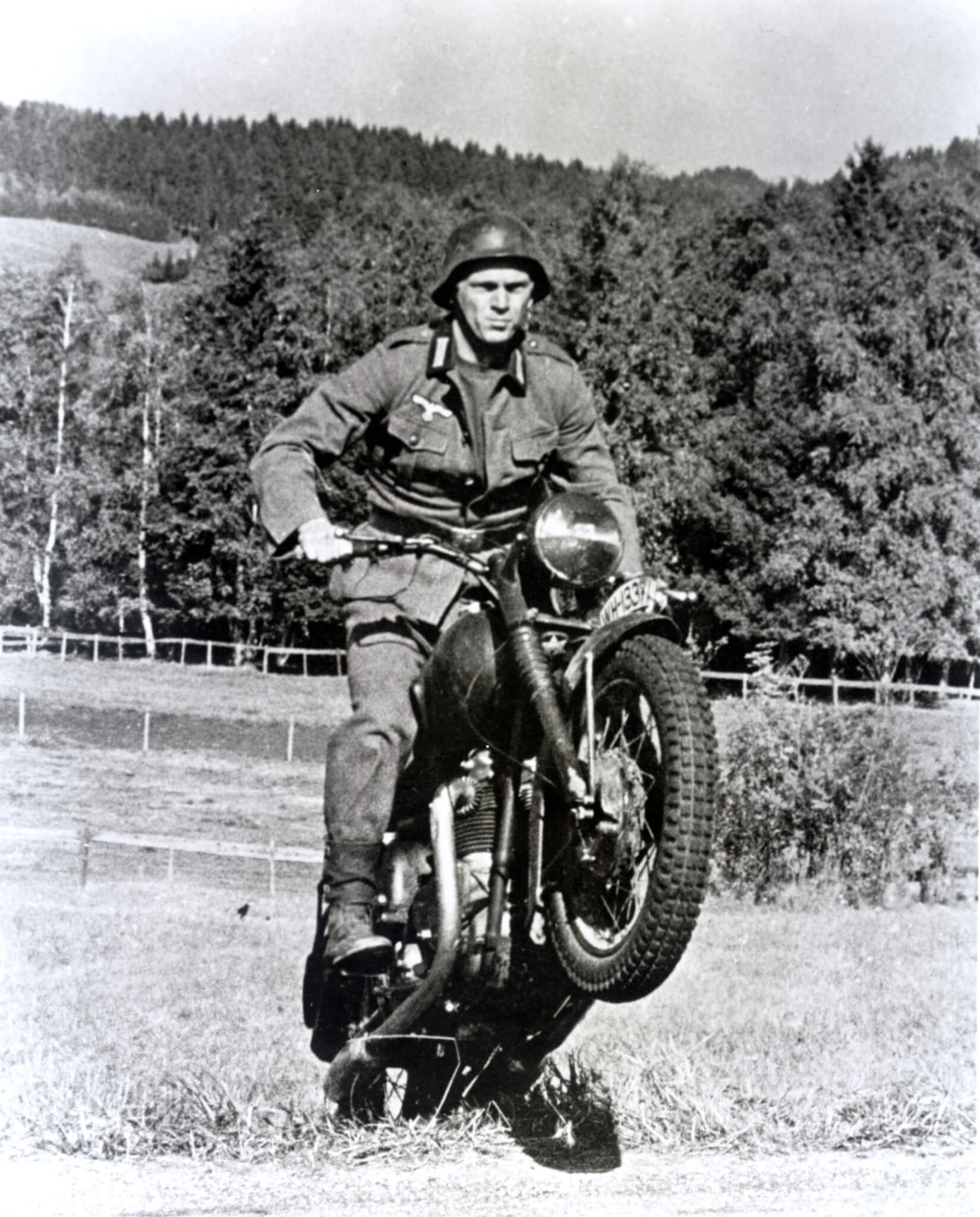
1963 THE GREAT ESCAPE (1963) STEVE MCQUEEN
Sticking to His Principles, Even in His HobbiesInto a World Where the Title of 'Big Star' Means Nothing: A Serious Challenge in Motorsports
In Hollywood, the name “Steve McQueen” had come to hold value in and of itself.However, in the world of motorsports—which he loved—a name alone wasn’t enough to make him fast. Rather than simply collecting cars and motorcycles for his own satisfaction, he competed himself, entering the fray under the same rules as professional riders and racers. The 1964 International Six Days Trial is a prime example of just how serious he was.McQueen formed the American “Silver Vase” team with Bud Ekins, Dave Ekins, Cliff Coleman, and others, and competed in the East German event on a Triumph.Once filming wrapped up, he began training for the competition; he participated in amateur races on the weekends and even practiced tire changes—a necessity during the event—at Ekins’ shop on weekdays. [8] During the actual event, he repaired a broken chain himself on the third day and continued racing, but crashed while trying to avoid a civilian motorcycle that had strayed onto the course.The Triumph’s front fork was severely damaged, and his race ended there. [9] Judging by the results alone, it wasn’t a resounding success. That’s precisely why this story is so fascinating. Being a movie star didn’t even guarantee he’d finish the race. Yet he prepared diligently and stood on the same starting line as everyone else.He didn’t let his passion remain merely a “star’s hobby”; he ventured into a realm where his title held no weight. That was McQueen’s approach.
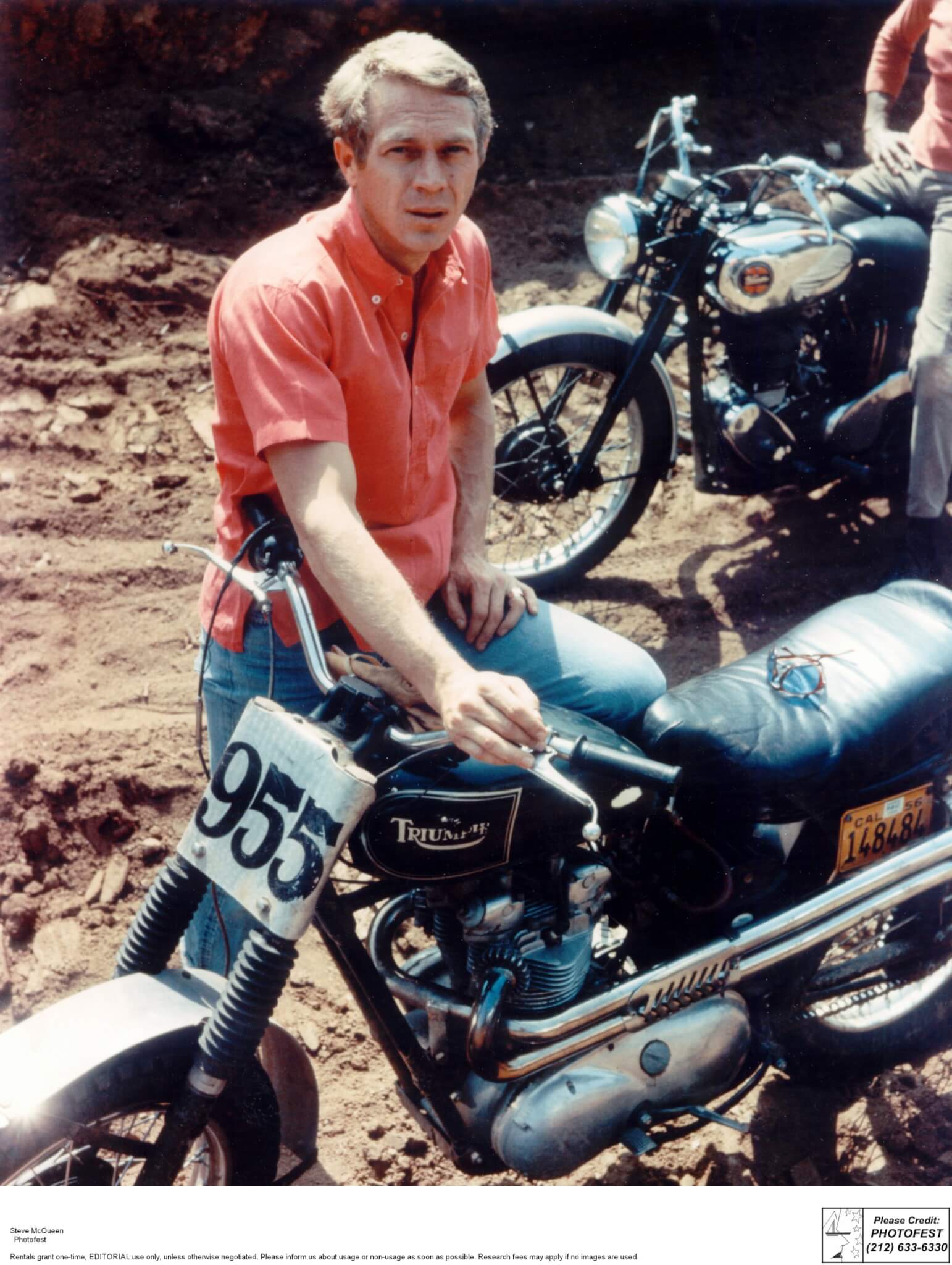
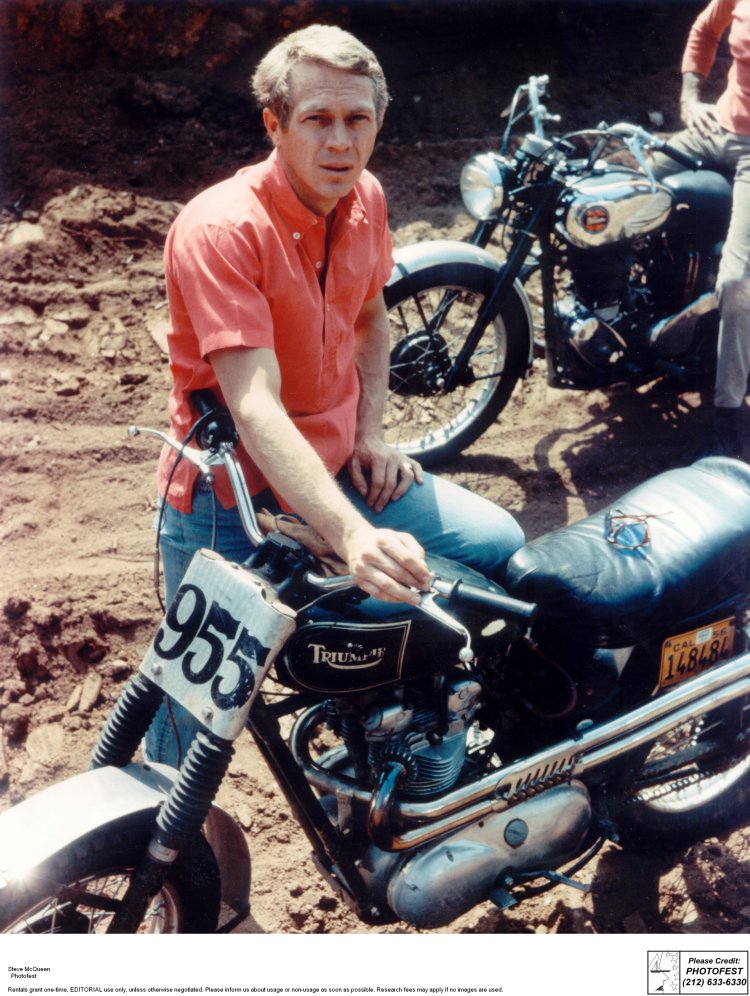
23 Seconds at the Sebring 12 HoursSix Broken Bones. The Reason He Still Raced: ‘Because I Promised’
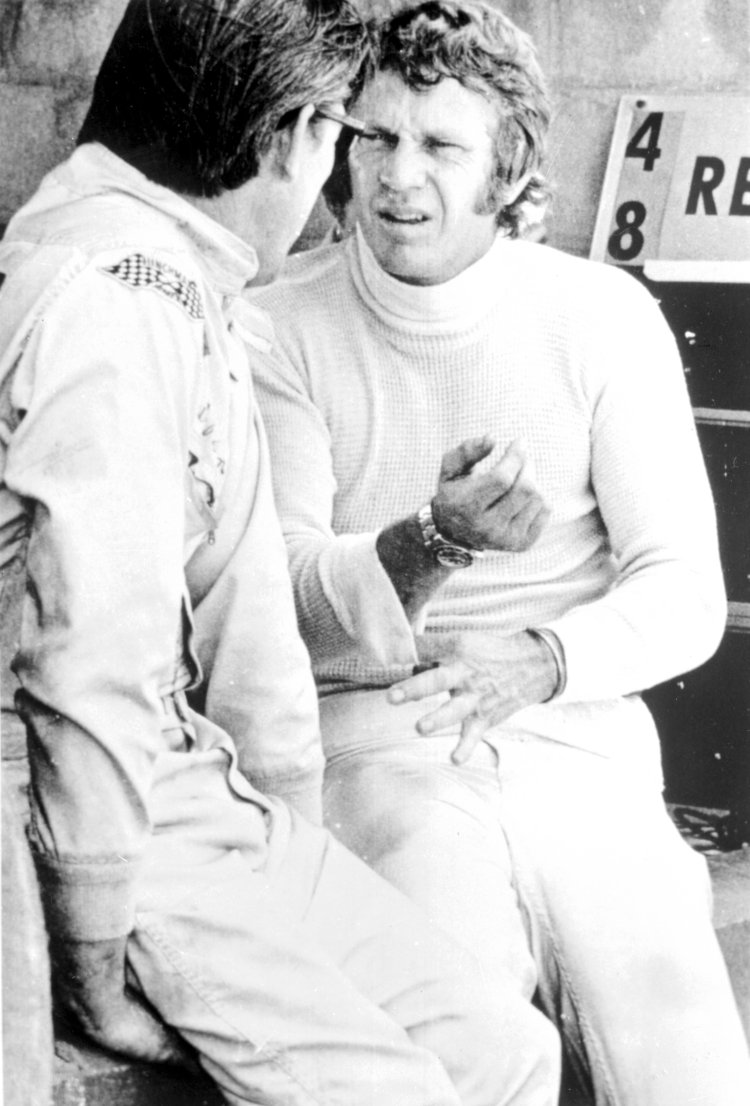
The race that epitomized that attitude was the Sebring 12 Hours in March 1970.Just two weeks before the race, the 40-year-old McQueen injured his left leg during a motocross event at Lake Elsinore.
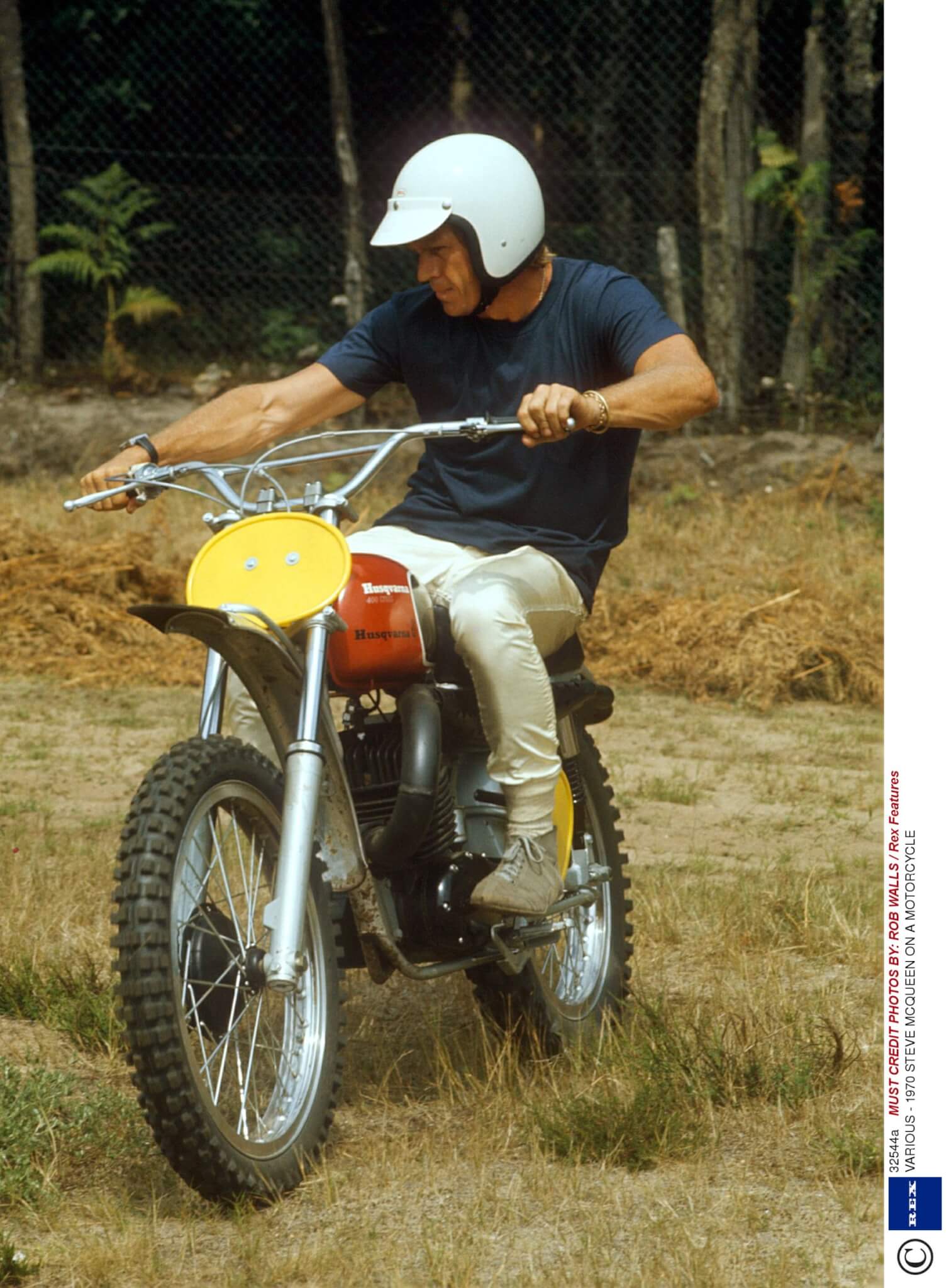
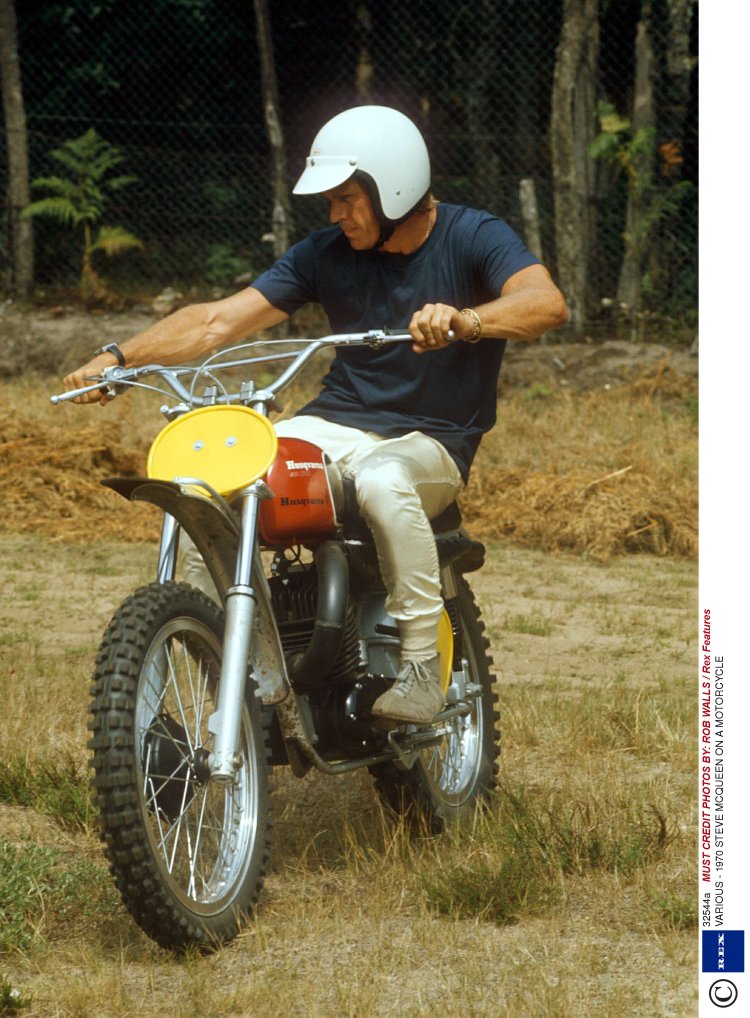
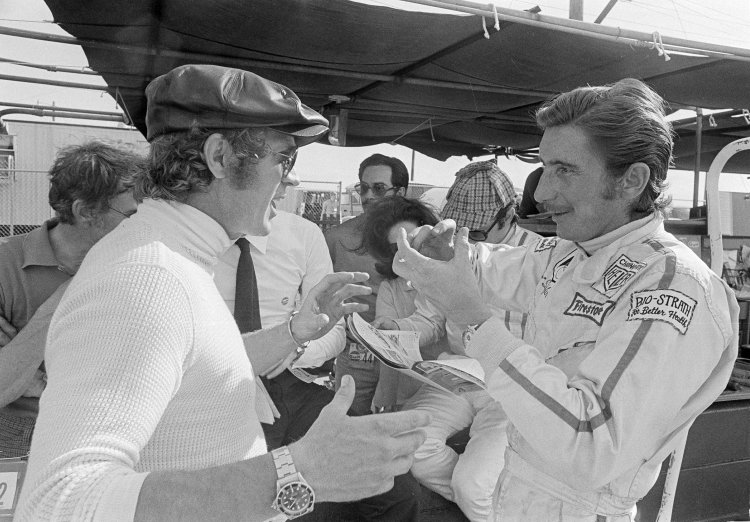
When he arrived at Sebring, he was on crutches and had his left leg in a cast. He told a TV reporter, “My leg is broken in six places.”Nevertheless, in order to compete, he had the left pedal on his Porsche 908/02 shortened so he could operate the clutch, and he attached sandpaper to the soles of his shoes to prevent slipping. Did he have no intention of withdrawing? The answer McQueen left behind was, “I had given my word.” It was because he had made a promise. [10] The two drivers, taking turns with Peter Revson, battled through the 12-hour race and rose to the overall lead in the final stages, competing against higher-powered cars in the top class.Although they were overtaken by Mario Andretti’s Ferrari on the final lap, the margin after completing the 12-hour race was a mere 23 seconds. They finished second overall. [10] If it were merely a matter of racing with a broken leg, it could be dismissed as just another daring feat from a star who loved taking risks. However, what really stands out about this story is the reason he chose to take that risk: “Because I had promised.” A man who loved freedom never broke a promise he had once made.
View this post on Instagram
’Le Mans’”He Brought the 'Authenticity' He Knew as a Racer to the Movies
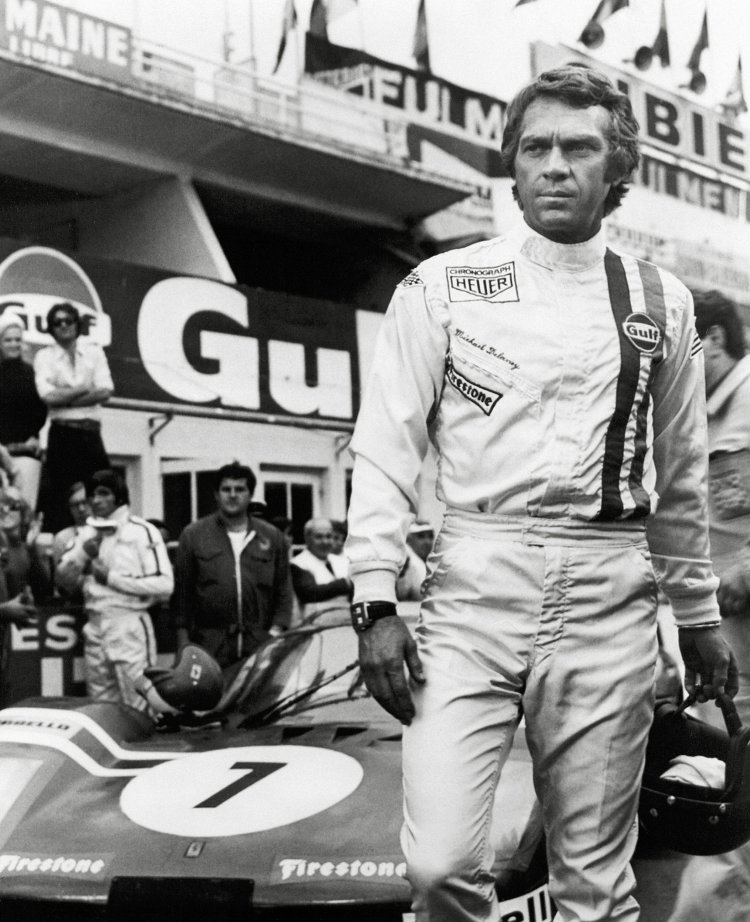
McQueen’s passion for motorsports wasn’t confined to the racetrack.In 1970, after finishing second overall at Sebring, McQueen was preparing to compete in the 24 Hours of Le Mans and was also working on a film set against the backdrop of that race.He had planned to compete in the main event alongside the previous year’s F1 World Champion, Jackie Stewart, driving a Porsche 917, and to incorporate that experience into his film. However, due to a decision by his insurance company, he was forced to abandon his plans to race. [13] Even so, McQueen did not give up on filming the actual race.His film company, Solar Productions, mounted a camera on a Porsche 908 owned by McQueen and hired Herbert Linge and Jonathan Williams as drivers.They captured race footage while actually competing in the 1970 24 Hours of Le Mans. Even during the filming of the main movie, they used real cars rather than replicas and assembled a team of professional racing drivers to shoot the driving scenes at racing speeds. [14] The film ‘Le Mans’, released the following year in 1971, interwove footage shot during the actual race with driving scenes filmed afterward. [15] McQueen’s goal was not to create a Hollywood-style recreation of motorsports.Rather, he sought to bring the speed, tension, sounds, and movement of the cars—as he knew them from his own experience as a racer—to the screen as faithfully as possible. His passion for racing went far beyond simply featuring his favorite cars in the film; it extended all the way to the very way the movie was made.
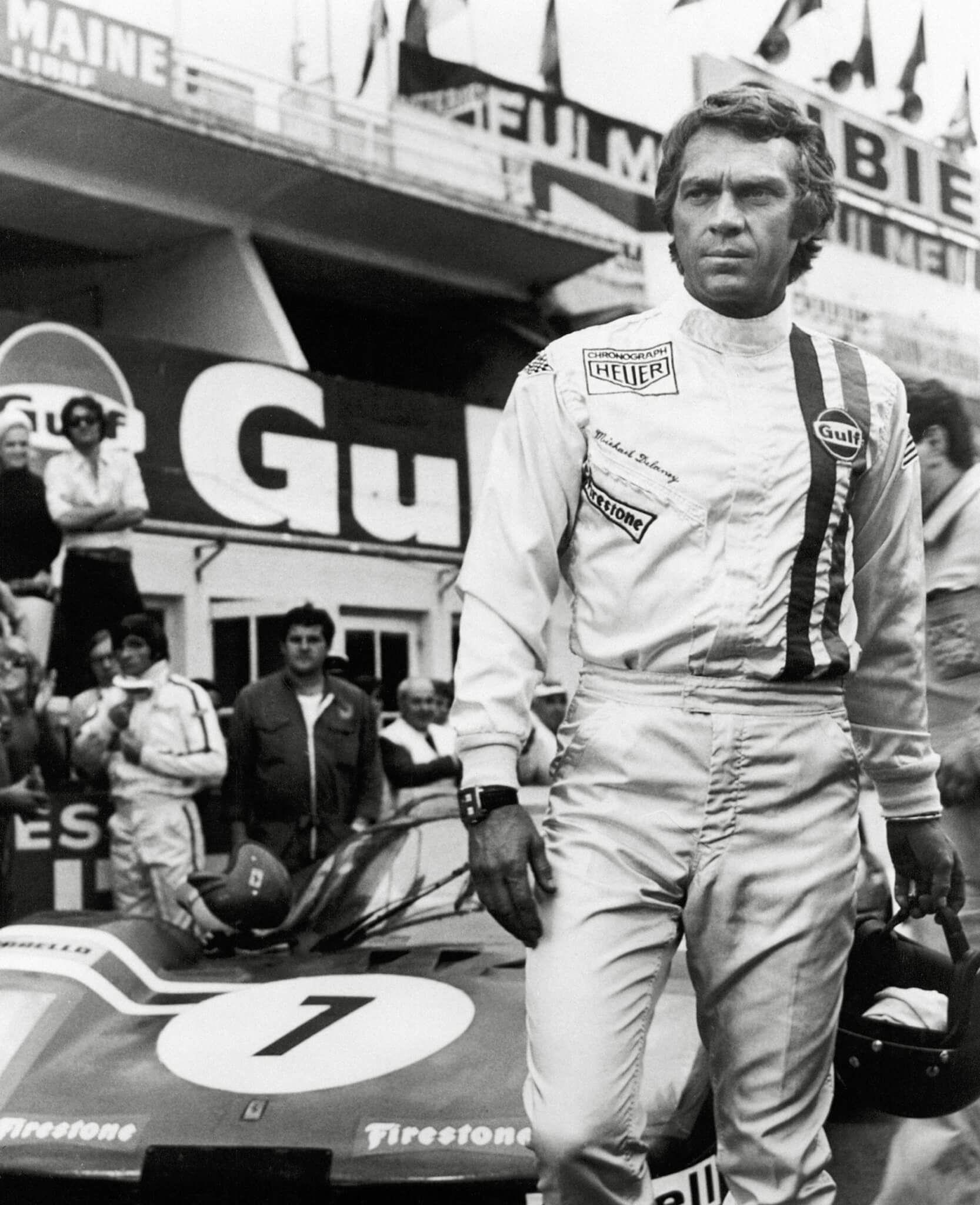
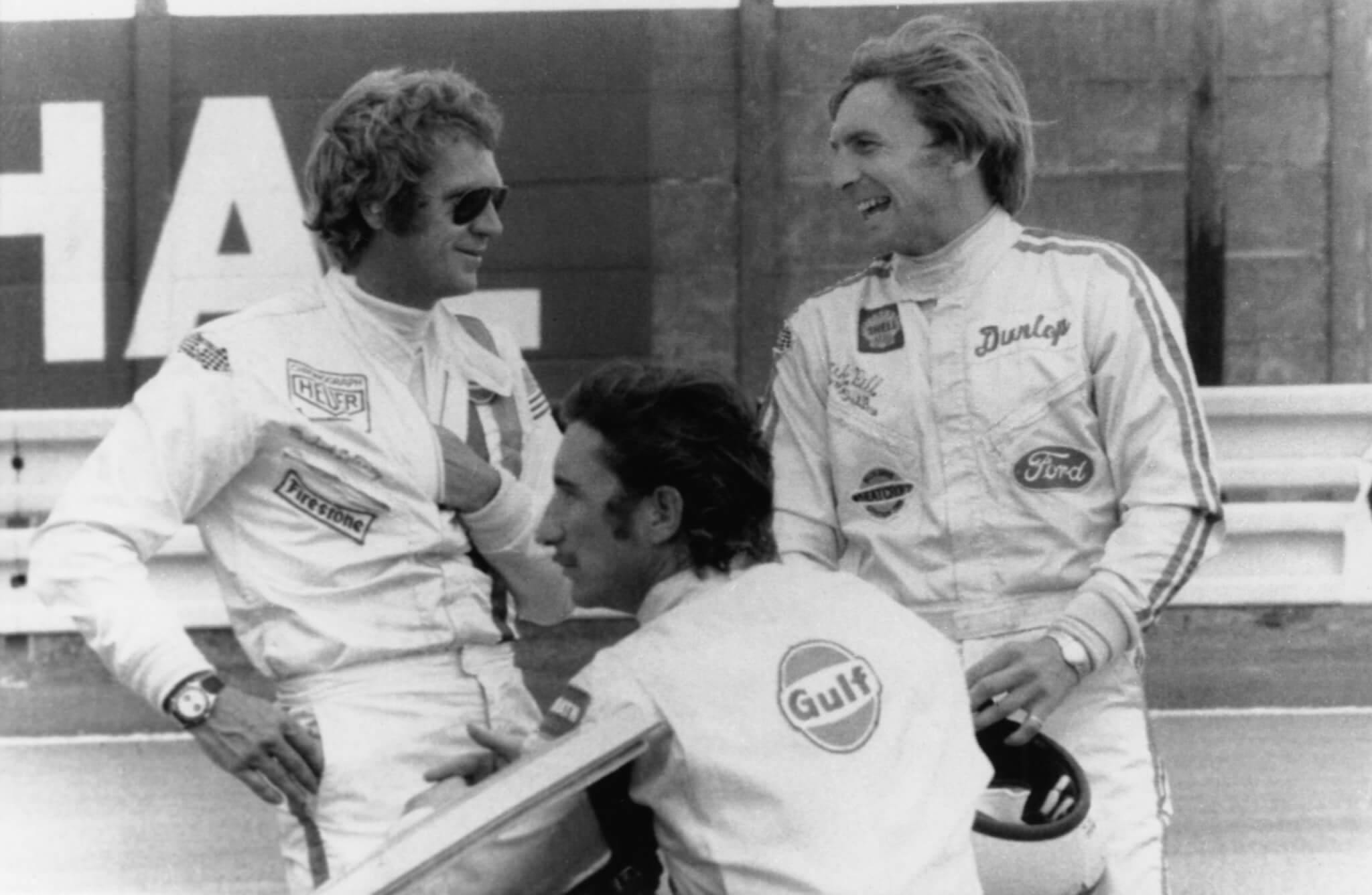
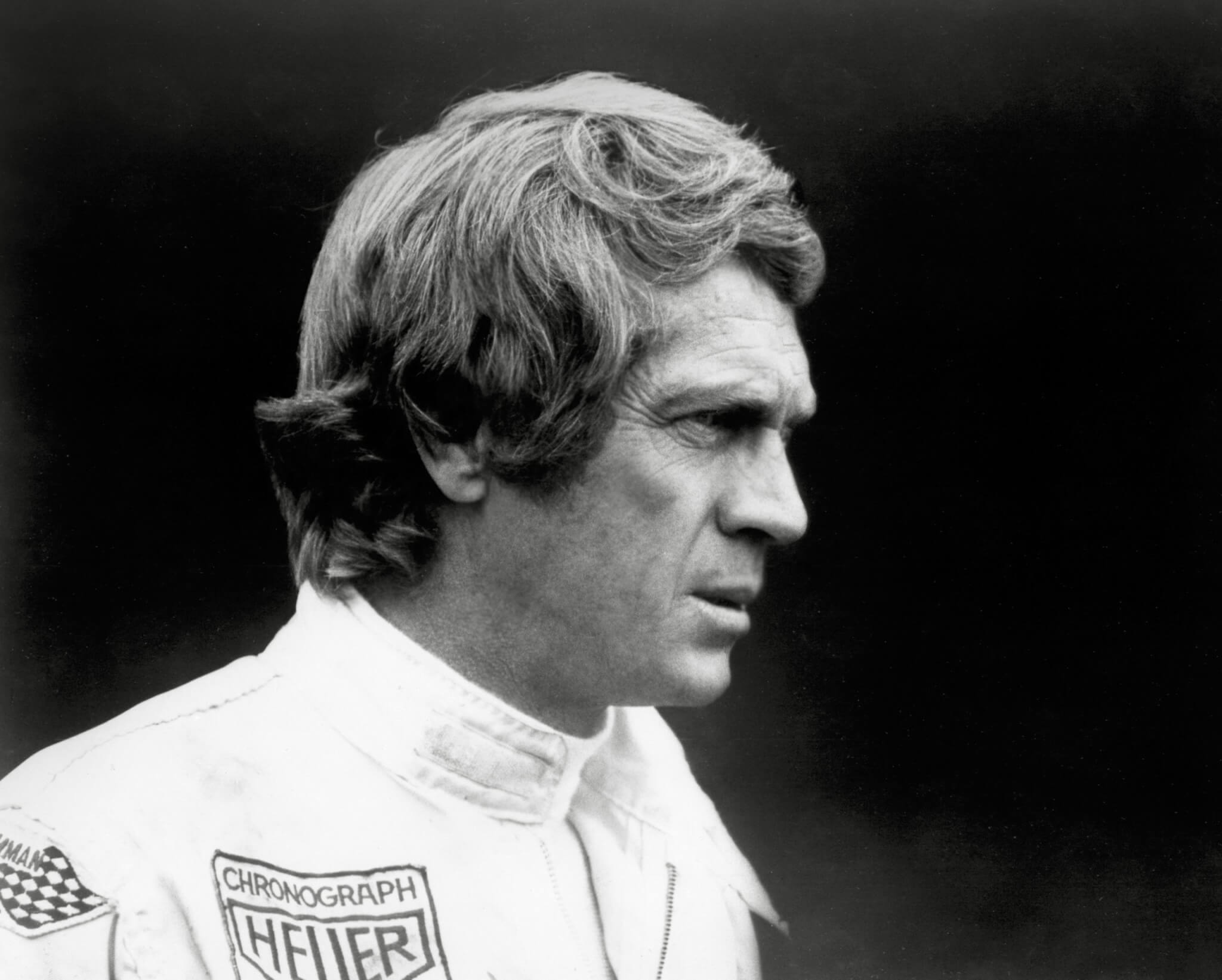
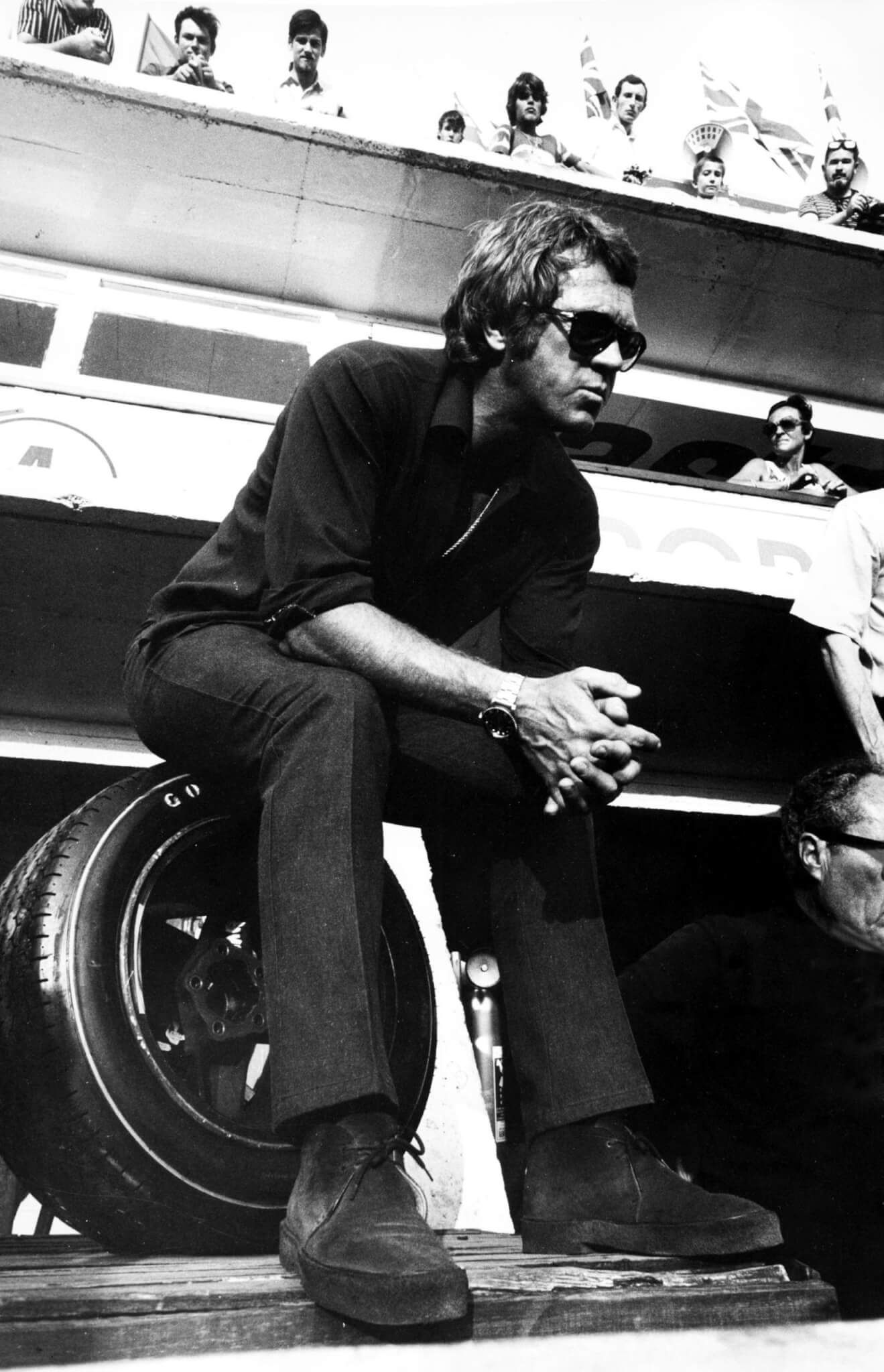
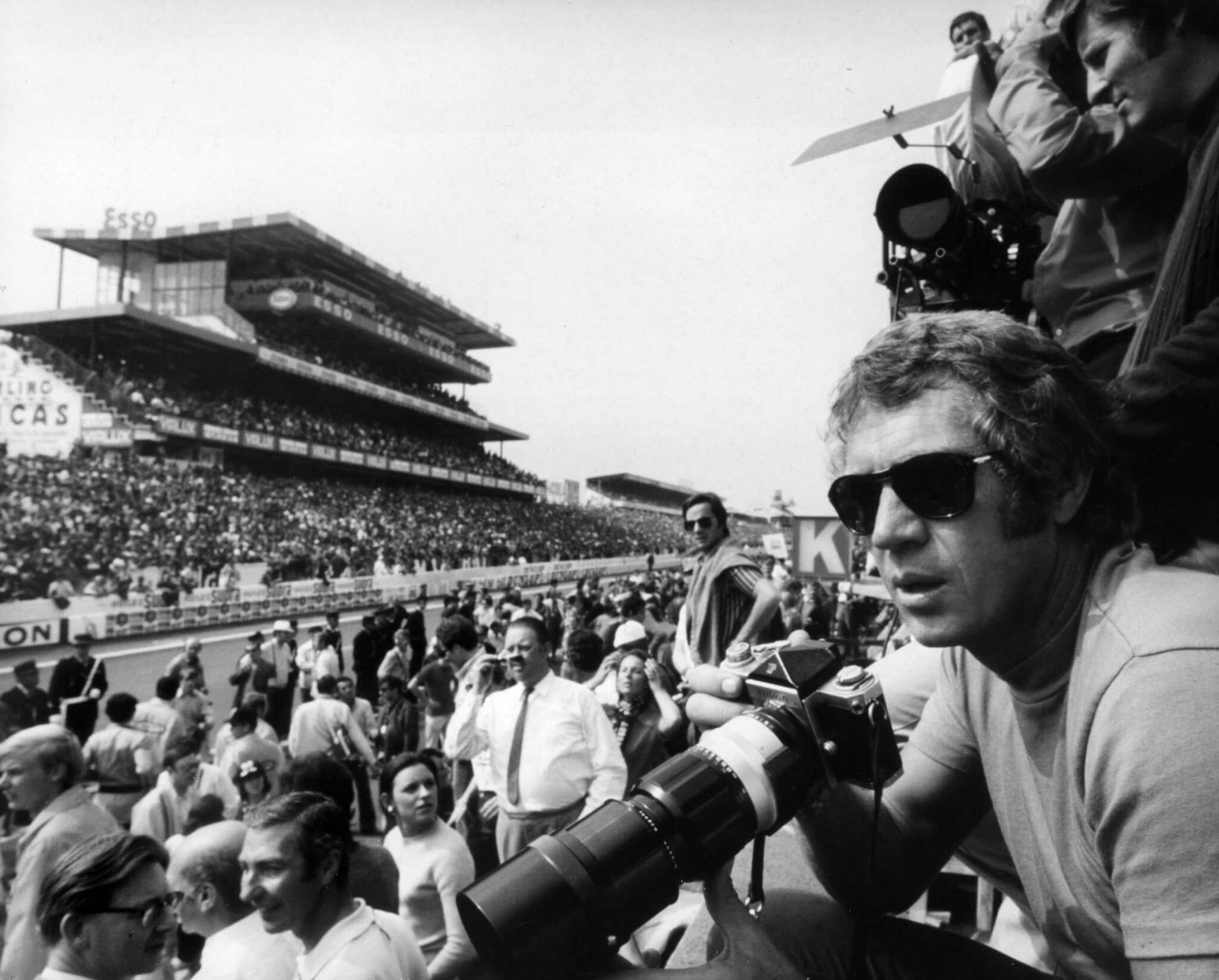
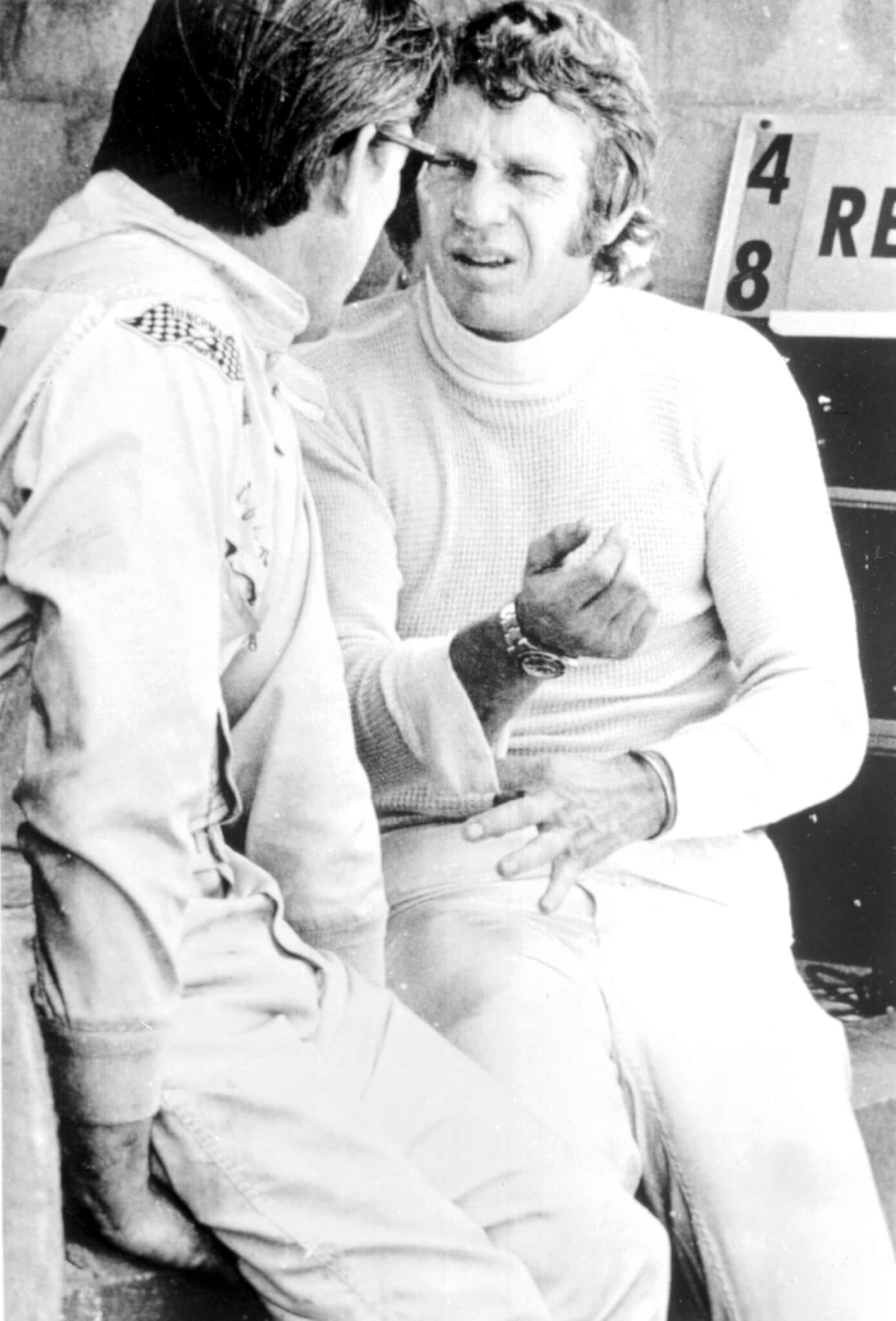
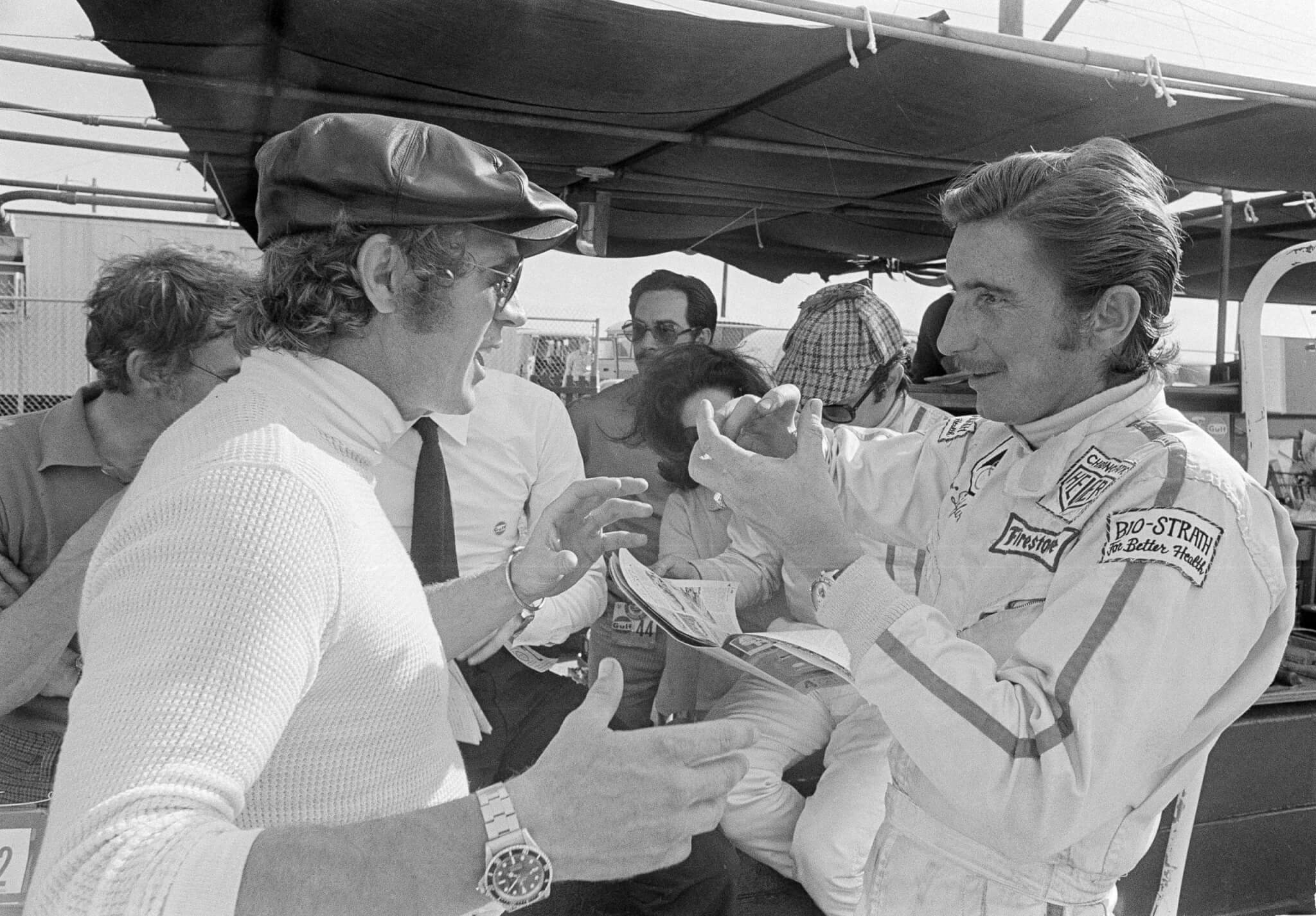
The McQueen–Revson team finished second in the race, just 24 seconds behind winner Marie Andretti. McQueen drove a Porsche Spyder 908, the same car he will drive in the Le Mans race in June.
April 10, 1970
Ref: B196_095082_4870
Date: July 25, 2005
Compulsory Credit: STARSTOCK/Photoshot
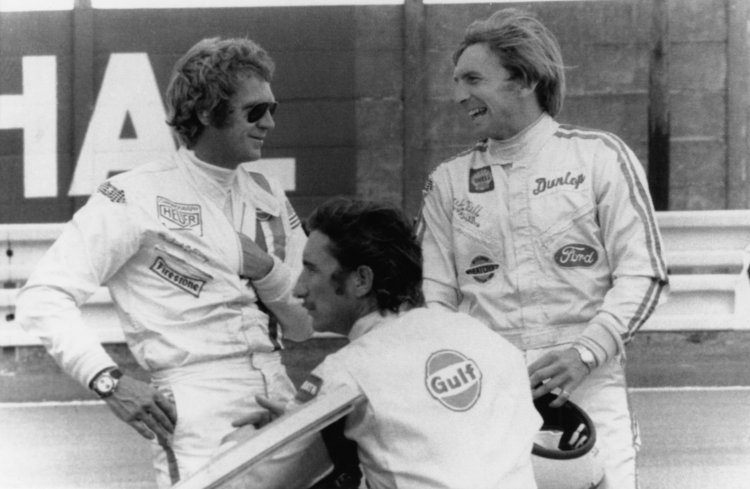
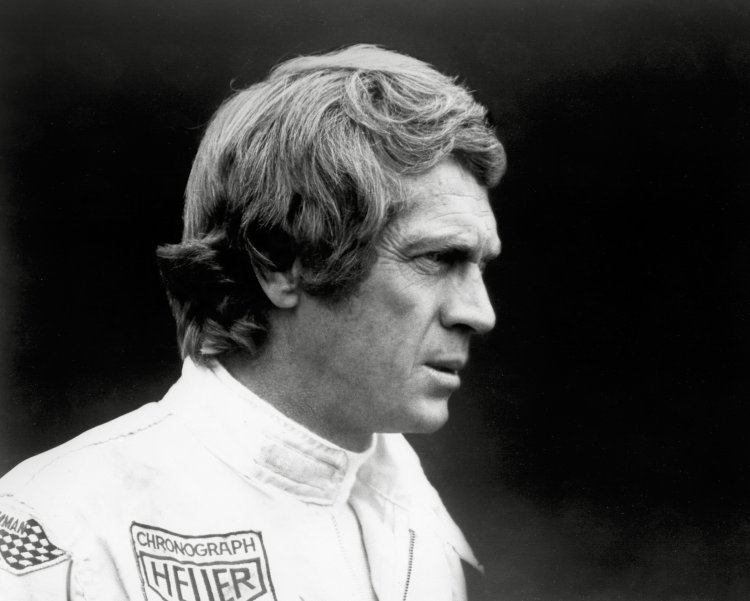
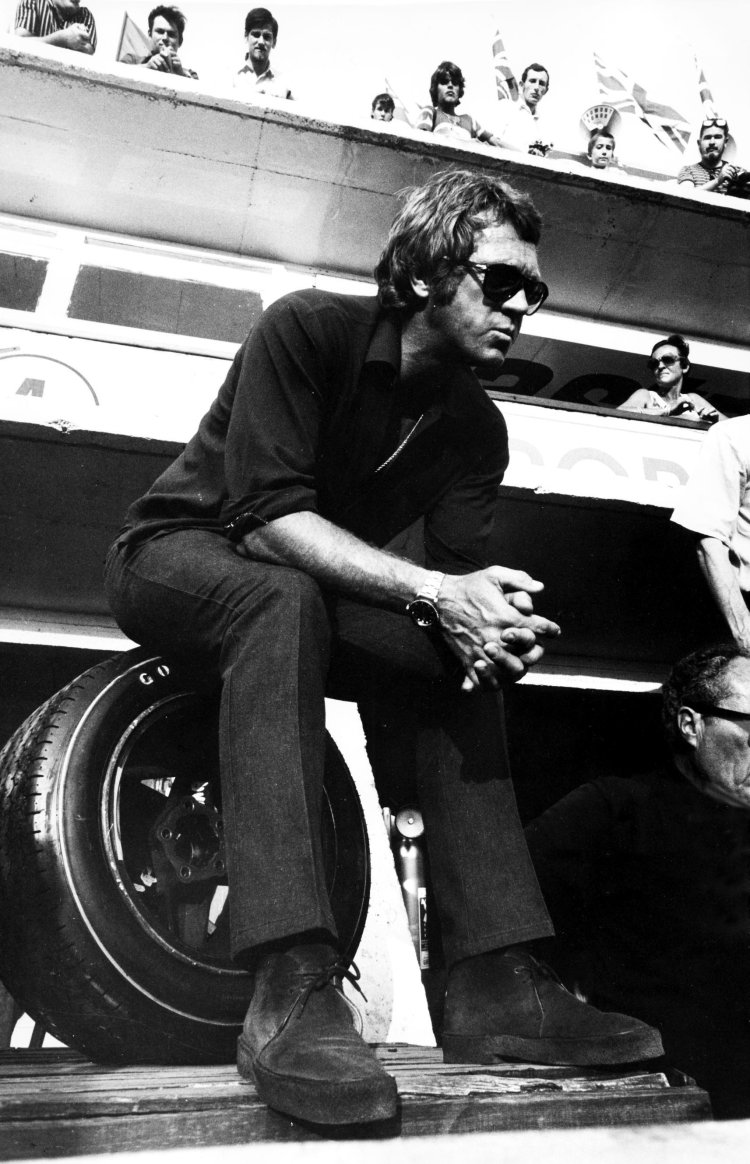
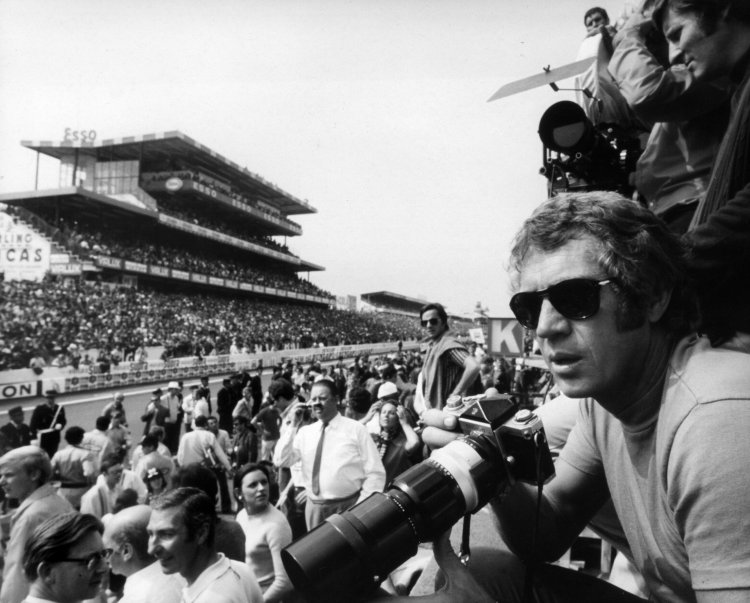
A Debt He Never ForgotEven After Becoming a Superstar, He Kept Returning to the Place Where He Had Been at Age 14
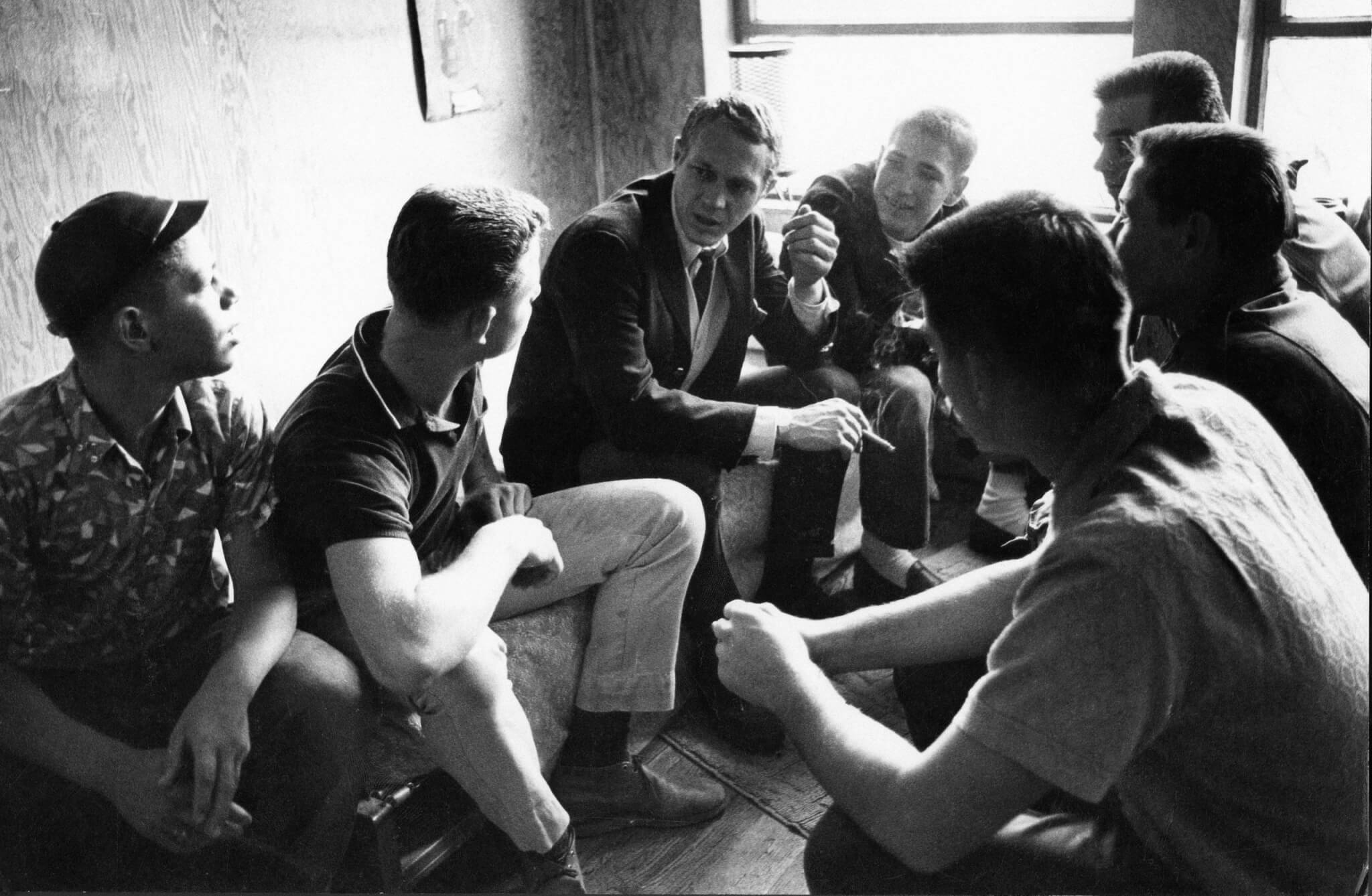
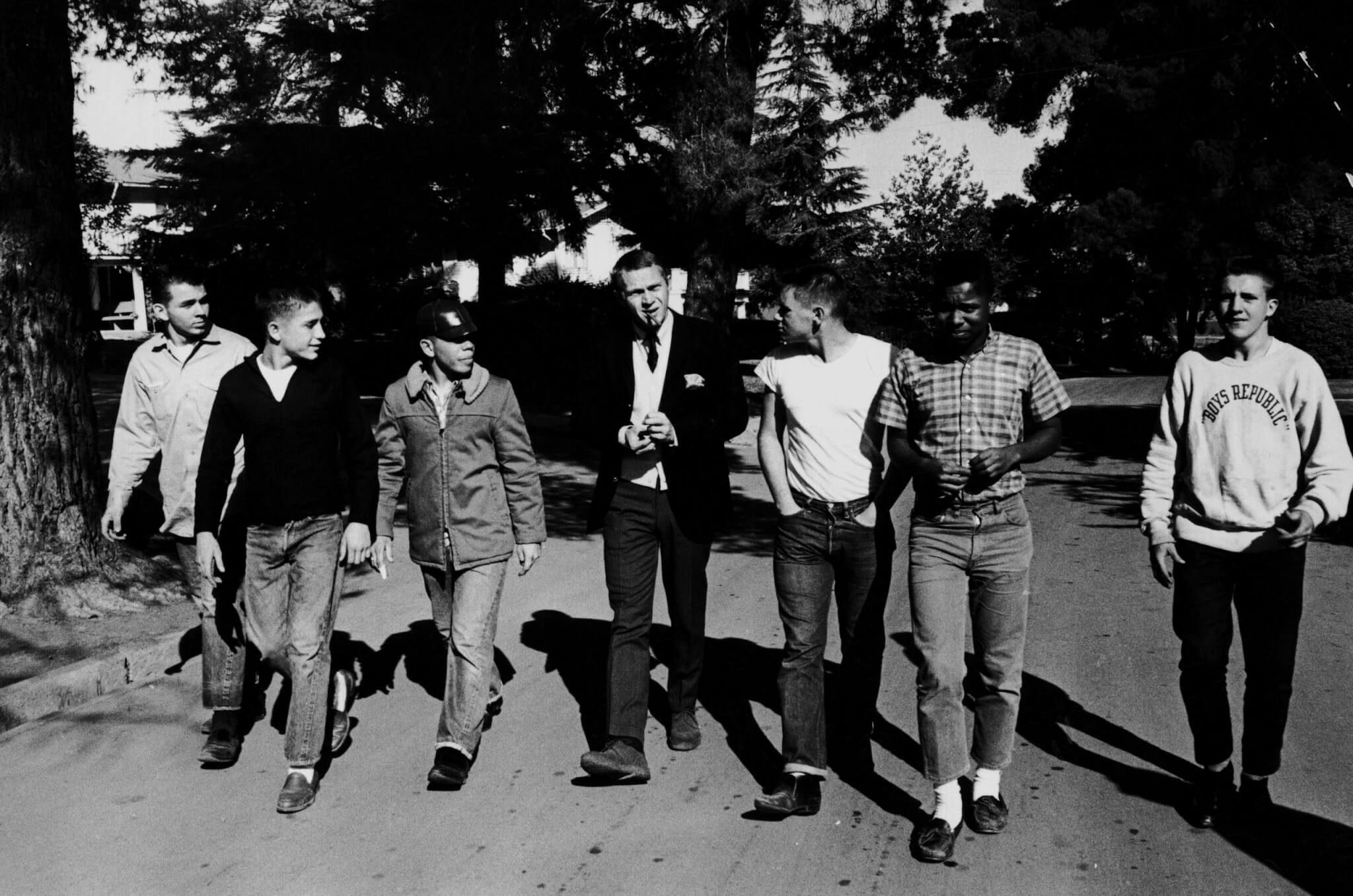
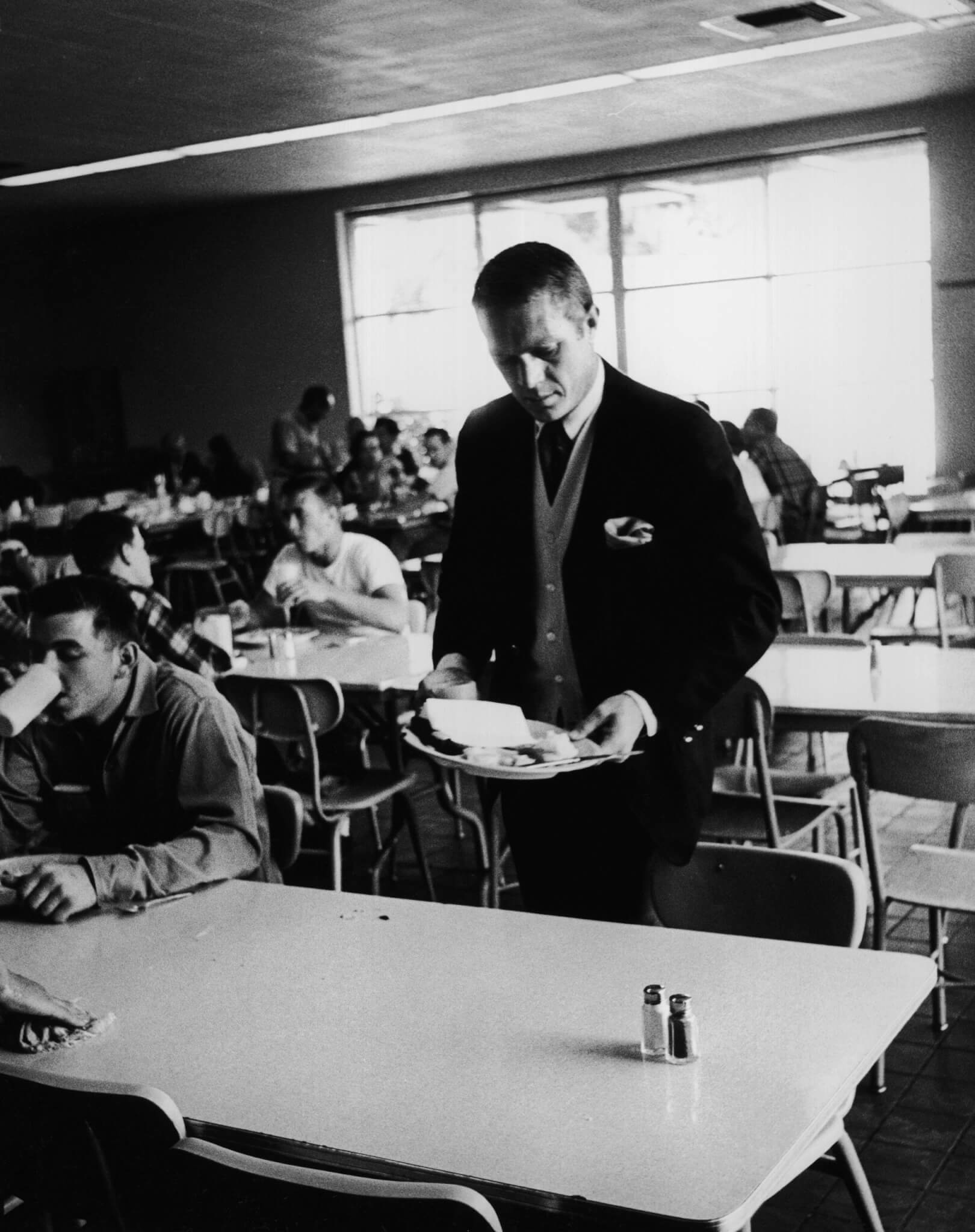
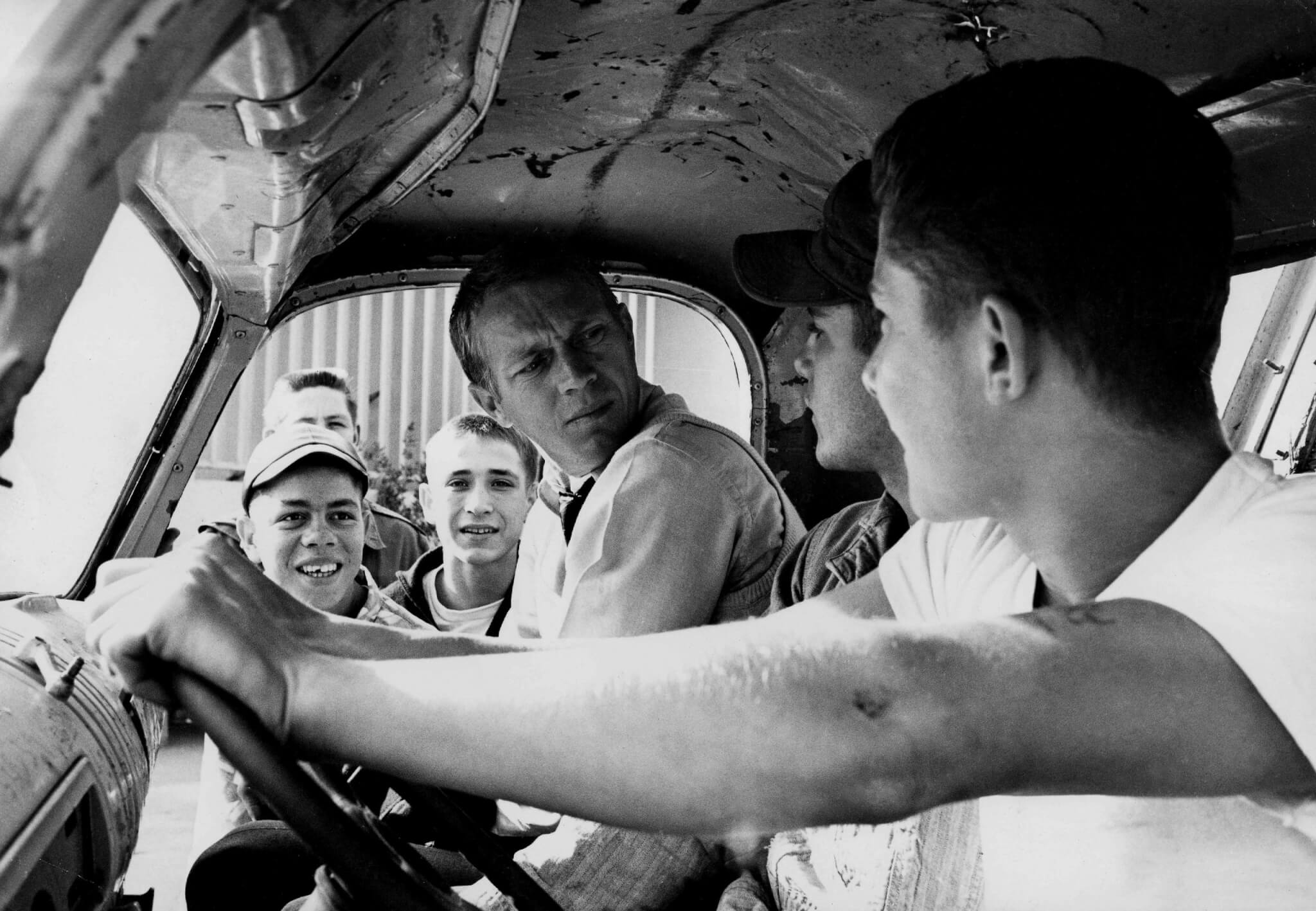
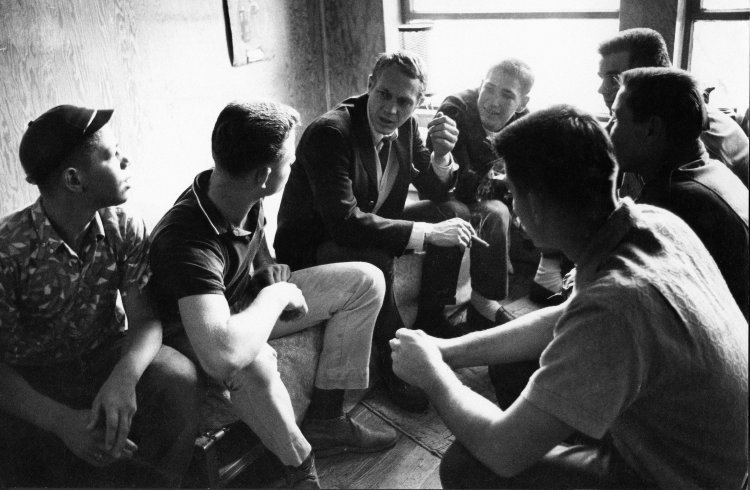
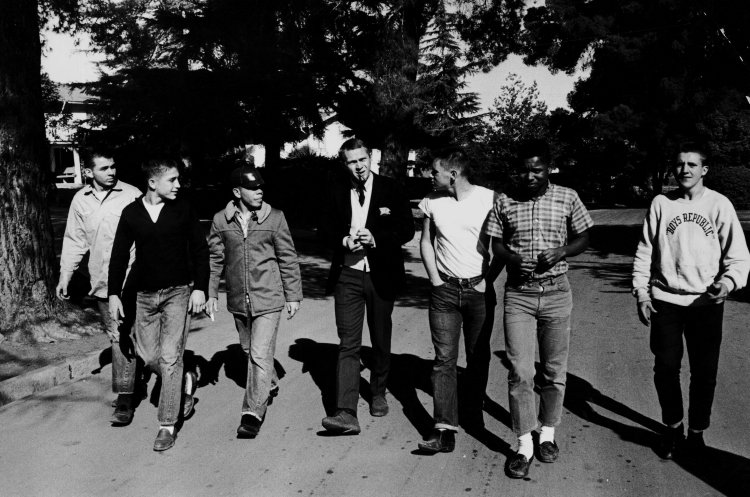
He rose to the pinnacle of the film industry and even competed against professionals in racing.For McQueen at that time, he could have easily gone on living without ever mentioning the reform school he was sent to at age 14. But his connection with Boys’ Republic didn’t end there.Even after achieving success, he visited the facility many times, sitting on the floor of the cottage where he had once lived, talking with the boys for hours and playing pool. He also established a scholarship for young people who wanted to attend college. [1] He continued his visits even during the busiest periods of his film career, leveraging his connections with friends and film studios to support the facility. [11] He served as Honorary National Chairman for the Boys’ Republic’s annual Della Robbia Wreath campaign in 1966 and 1975. [12] His involvement was not limited to a single donation.At age 14, McQueen was “sent” to this place. After achieving success, he “returned” of his own accord many times. And when he passed away on November 7, 1980, at the age of 50, it was his wish that there be no funeral; instead of flowers, he asked that donations be made to Boys’ Republic. [6] Until the very end, he never severed his ties to this place. He didn’t follow the rules. He threw himself into dangerous adventures. He went wherever he wanted to go. Yet he never forgot the debt of gratitude he owed to those who had helped him; he put his life on the line for his friends when they were in danger; and he took responsibility for every promise he made.Steve McQueen was a man who lived very freely. Yet he never compromised on duty or honor. He remains cool to this day—not just because of his face, clothes, or cars, but because of the way he lived his life.
9577-04
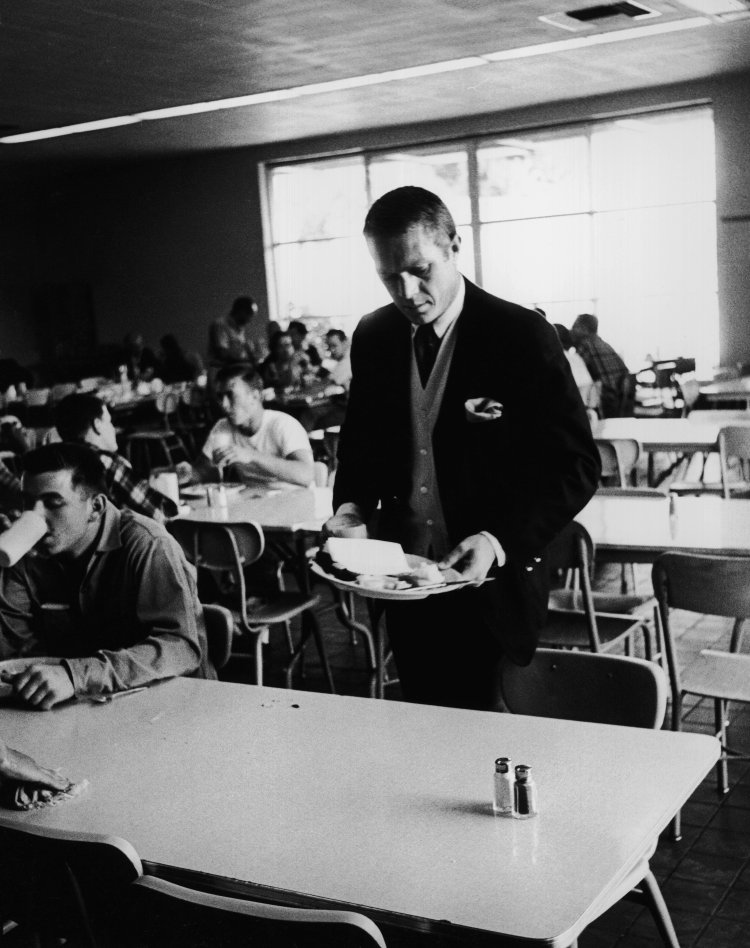
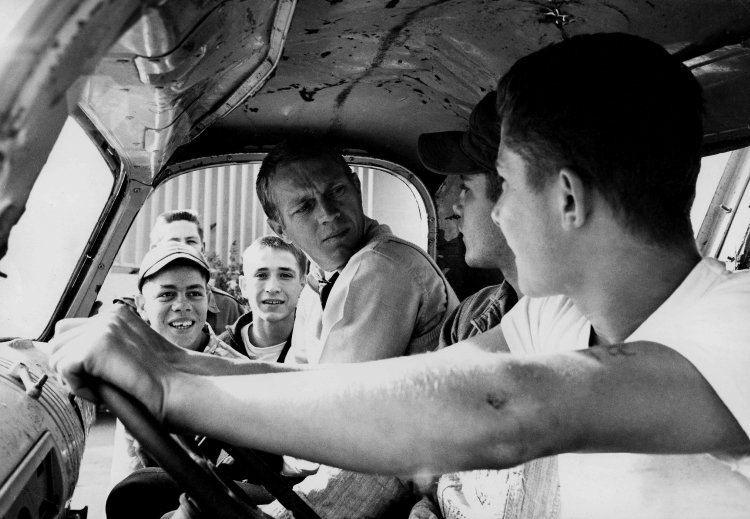
A Book to Learn More About Steve McQueen (1)‘McQueen: The Last Hero’
A biography by William F. Nolan.This book traces his life from his boyhood through his success as an actor, his passion for motorsports, his complicated personal life, and into his later years. If you want to gain a well-rounded understanding of McQueen as a person—including not only the “dashing” anecdotes featured here but also his flaws and vulnerabilities—this is the book to pick up first.
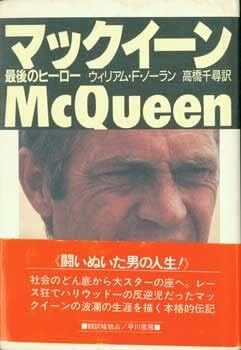

Click here for details and purchase
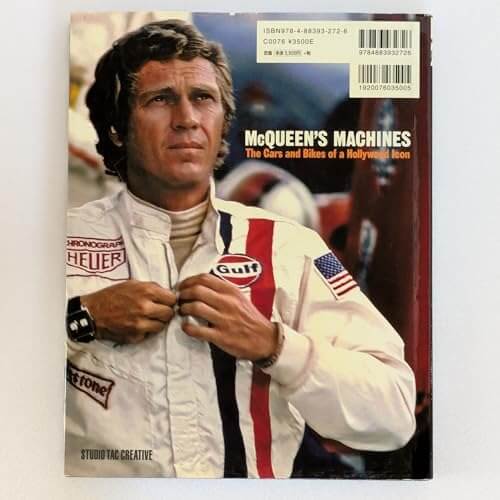
A Book to Learn More About Steve McQueen (2)‘McQueen’s Machines’
A book by automotive journalist Matt Stone that delves into McQueen’s relationship with cars and motorcycles.It covers not only the cars featured in his movies but also the vehicles he personally owned and his racing history, allowing readers to explore his passion for motorsports—a passion that cannot be simply dismissed as that of a “car-loving star.” Recommended for readers who want to delve deeper into Chapters 3 and 4 of this article.
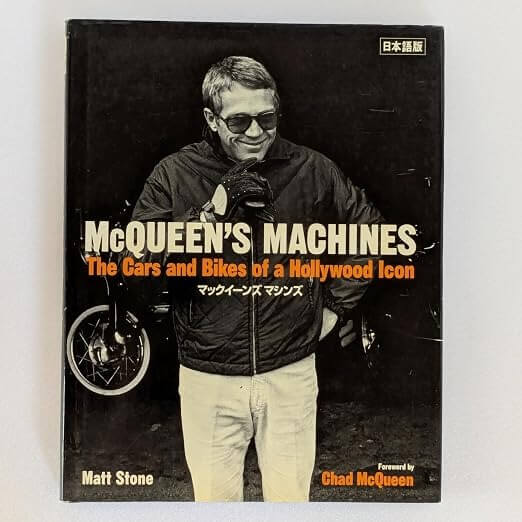
Click here for details and purchase
References
[1] Los Angeles Times , “ Circle of Hope for Troubled Youths,” December 5, 2004
[2] Boys Republic, “About Boys Republic,”
[3] Boys Republic, “The Formation of a New Republic,”
[4] U.S. National Archives, “Steve McQueen’s Real-Life ‘Escape,’” 2013,
[5] U.S. Department of Veterans Affairs, “#VeteranOfTheDay Marine Corps Veteran Steve McQueen,” January 10, 2023,
[6] Los Angeles Times, “From the Archives: Actor Steve McQueen Dies in Juarez Hospital,” November 8, 1980,
[7] Academy of Motion Picture Arts and Sciences “The 39th Academy Awards | 1967”
[8] Cycle World “Great Escapes” November 1, 2005
[9] Cycle World “International Six Days Trial” November 1, 1964
[10] Porsche Newsroom “McQ: The Man Who Called Himself Harvey Mushman” September 14, 2020
[11] Boys Republic “Steve McQueen Car Show”
[12] Boys Republic “Wreath Chairpersons”
[13] Motor Sport Magazine, “Continental Notes, May 1970,” May 1970
[14] Motor Sport Magazine, “Le Mans! Camera! Action!” June 1999
[15] Motor Sport Magazine, “McQueen: One Man and His Movie,” December 2015

![Jackie Chan: The Man Who Turned His Back on the Path to Becoming Bruce Lee’s Successor and Changed the World with Comedy and Action [Men’s Biographies]](https://otokomaeken.com/wp-content/uploads/2026/10/7966bae78213db11914ad7af893f8431-630x331.png)
![George Foreman: From World Champion to Pastor—The Boxer Who, After a 10-Year Hiatus, Knocked Out an Undefeated Champion at Age 45 [Men’s Biographies]](https://otokomaeken.com/wp-content/uploads/2026/09/7966bae78213db11914ad7af893f8431-2-630x331.png)
![Jon Bon Jovi: The Man Behind “Livin’ on a Prayer” Runs a “Priceless Restaurant” That’s Been Going Strong for 15 Years [Men in the Spotlight]](https://otokomaeken.com/wp-content/uploads/2026/09/7966bae78213db11914ad7af893f8431-1-630x331.png)
![Michael J. Fox: The “Back to the Future” Star and the Future He Truly Sought to Change [Men’s Profiles]](https://otokomaeken.com/wp-content/uploads/2026/09/7966bae78213db11914ad7af893f8431-630x331.png)
![Keanu Reeves: The Man Who Turned Down a $12 Million Sequel and Didn’t Cling to His Star Privileges [Men’s Profiles]](https://otokomaeken.com/wp-content/uploads/2026/08/aflo_177021114-630x331.jpg)
![Ernest Shackleton. He failed to cross Antarctica and lost his ship. Yet he brought 27 men home alive. [Men’s Biographies]](https://otokomaeken.com/wp-content/uploads/2026/08/7966bae78213db11914ad7af893f8431-2-630x331.png)
![Paul Newman: The Man Who Turned Fame into Money and Donated All His Profits to Charity [Men’s Biographies]](https://otokomaeken.com/wp-content/uploads/2026/08/2071d8b3d6b46d67221ad9d050c85da8-630x331.png)








![Jackie Chan: The Man Who Turned His Back on the Path to Becoming Bruce Lee’s Successor and Changed the World with Comedy and Action [Men’s Biographies]](https://otokomaeken.com/wp-content/uploads/2026/10/7966bae78213db11914ad7af893f8431-750x396.png)
![George Foreman: From World Champion to Pastor—The Boxer Who, After a 10-Year Hiatus, Knocked Out an Undefeated Champion at Age 45 [Men's Biographies]](https://otokomaeken.com/wp-content/uploads/2026/09/7966bae78213db11914ad7af893f8431-2-750x396.png)
![Paul Newman: The Man Who Turned Fame into Money and Donated All His Profits to Charity [Men's Biographies]](https://otokomaeken.com/wp-content/uploads/2026/08/2071d8b3d6b46d67221ad9d050c85da8-750x396.png)