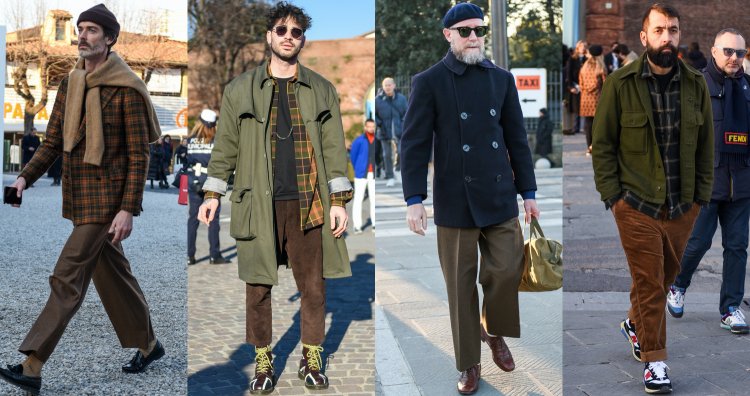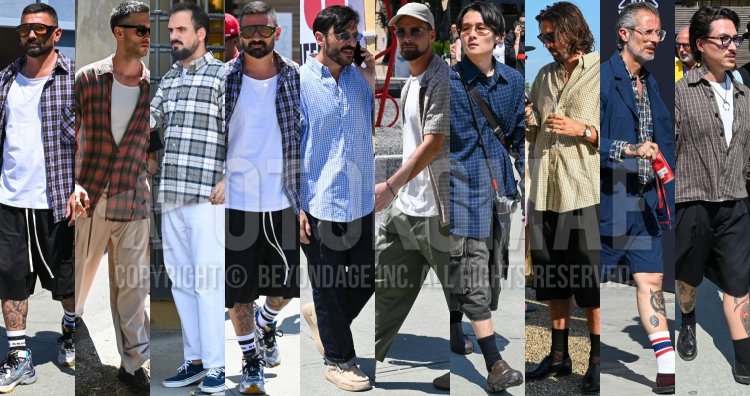
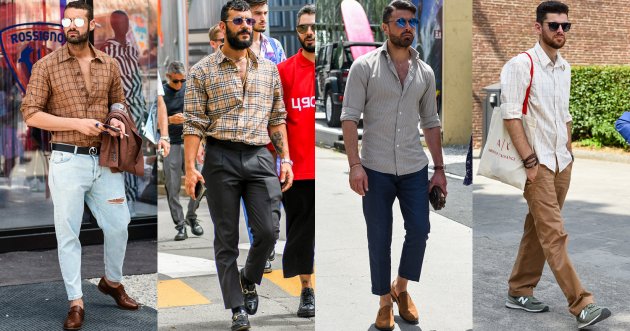
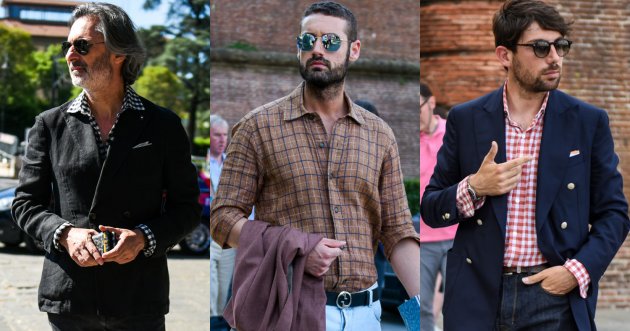
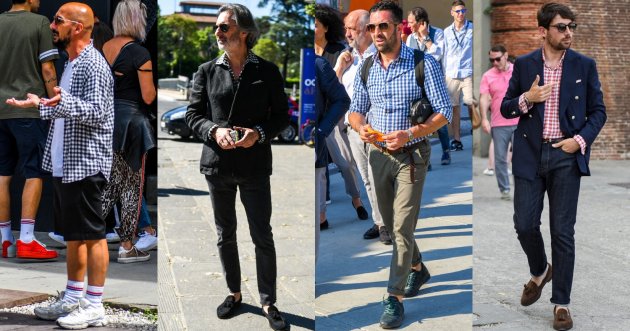
The “checkered shirt” continues to be loved as a steadfast staple among patterned shirts. It is an item that has the mysterious power to accentuate the character of the wearer, while being at home in different styles such as American casual, traditional, and street. It is also attractive for its versatility, as it can be used in any season, with its lightweight weave in spring and summer, and its flannel fabric in fall and winter, adding warmth. However, there are so many different types that one may wonder, “Which pattern should I choose? “How do I make it look mature? How do I make it look mature? In this article, we will explain the typical types of plaid patterns and the characteristics of each in an easy-to-understand manner. In addition, we will introduce the key points for adult men to avoid mistakes in dressing, realistic coordination learned from overseas snapshots, and recommended brands carefully selected by the editorial department.
Sponsored by
A Complete Guide to Checked Shirts from Standard to TrendyTypes and Characteristics of Checked Shirts
However, there is a surprising variety of types of checked shirts. Here we take a look at eight representative plaid patterns and explain their origins, cultural backgrounds, and how they can be used in modern coordination.
Simple and versatile standard pattern1. gingham check
The simplest plaid pattern (black, blue, red, etc. are major colors) consisting of white and another two colors. It is a very popular check pattern used on shirts, and became popular in the 19th century as workwear and daily wear in Europe. Gingham check shirts with a fine pattern go well with dress as well as casual wear, and can be worn as innerwear for suits and jackets.
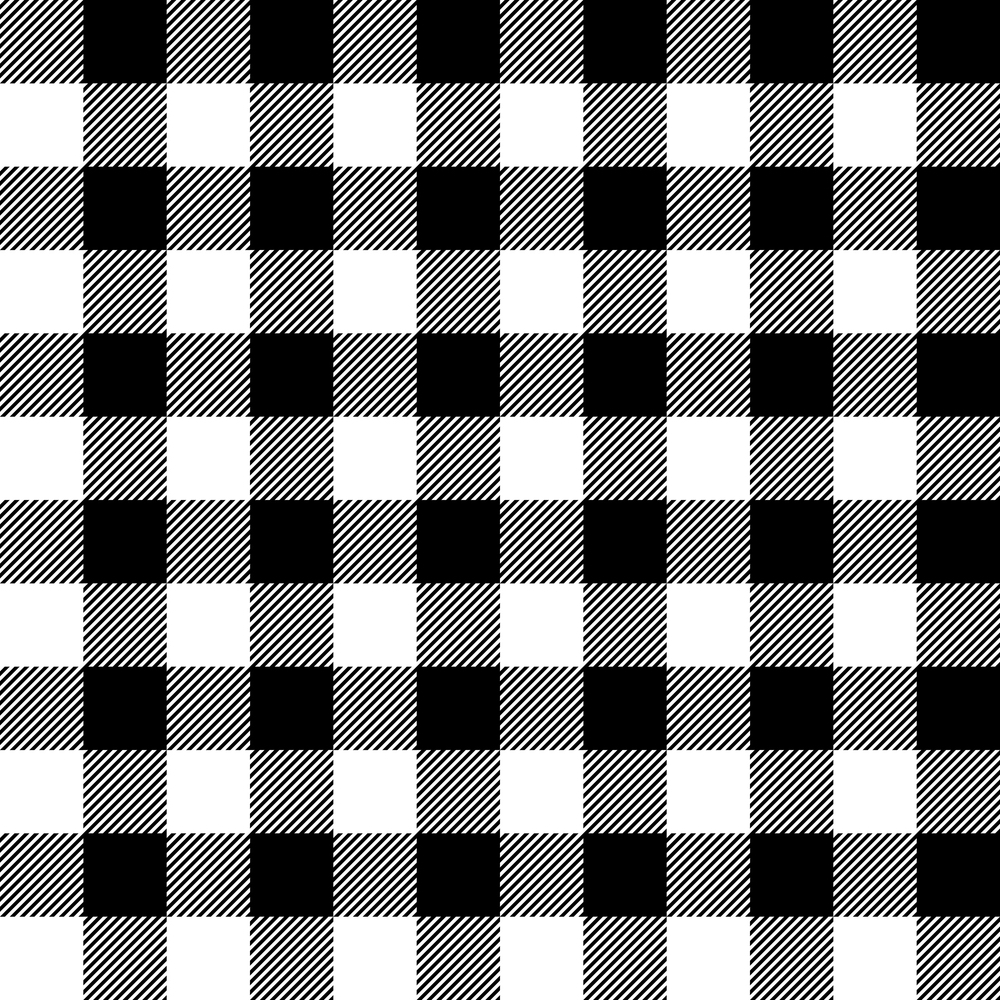
The simple white-based two-color configuration is easy to use and is representative of check shirts that can be styled in a spectacular way.

Traditional pattern rooted in Scottish clan culture2. Tartan check
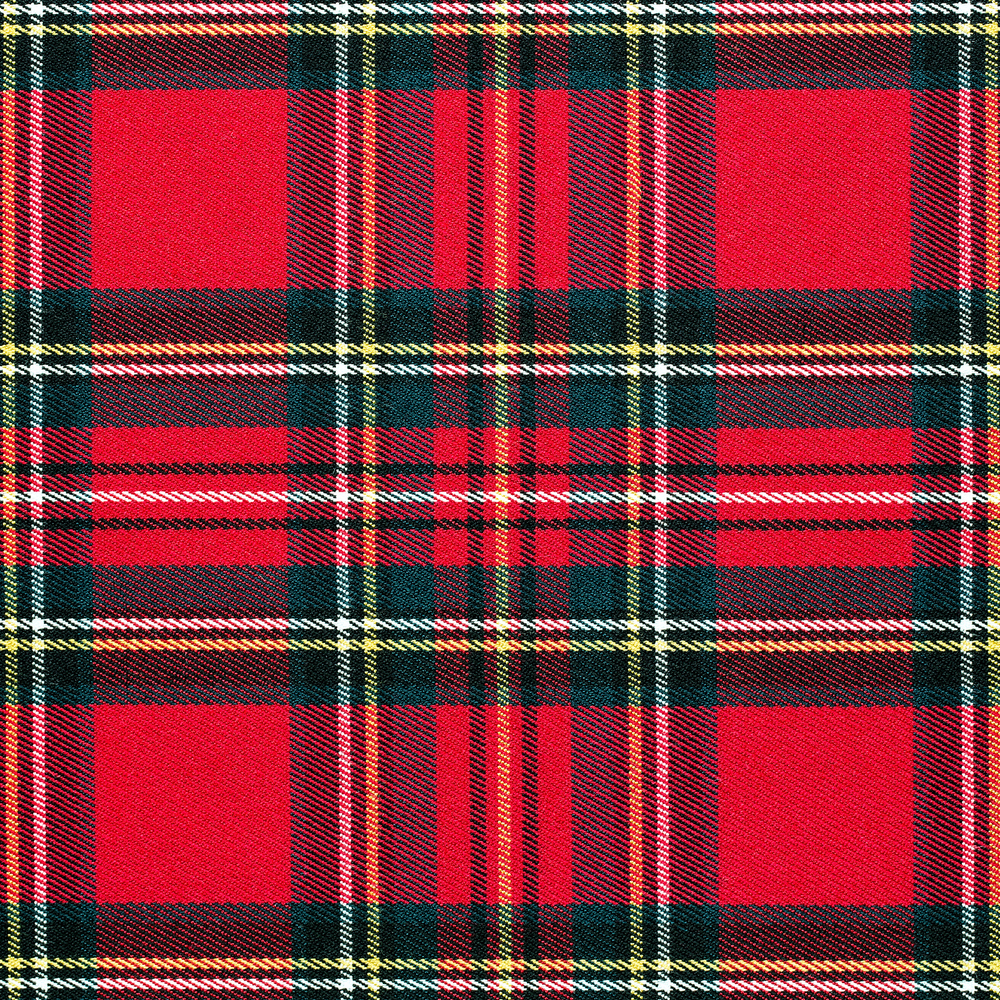
Tartan is a plaid fabric woven with multi-colored threads in a twill pattern. In Japan, it is called “tartan check,” but in Scotland, the pattern itself is called ” tartan. Kilts, the national costume of Scotland, are usually made of this tartan fabric. Originally, each tartan tribe had its own color and pattern, and this was a symbol of lineage and identity.

Today, brands all over the world use the “tartan” check pattern, but only those that are legally preserved, protected, and registered by The Scottish Register of Tartans can strictly be called tartan. Patterns based on classic red and green tones look great in fall and winter, while those with modern coloring fit in well with street style.
A classic pattern loved by the British aristocracy3. Glen check
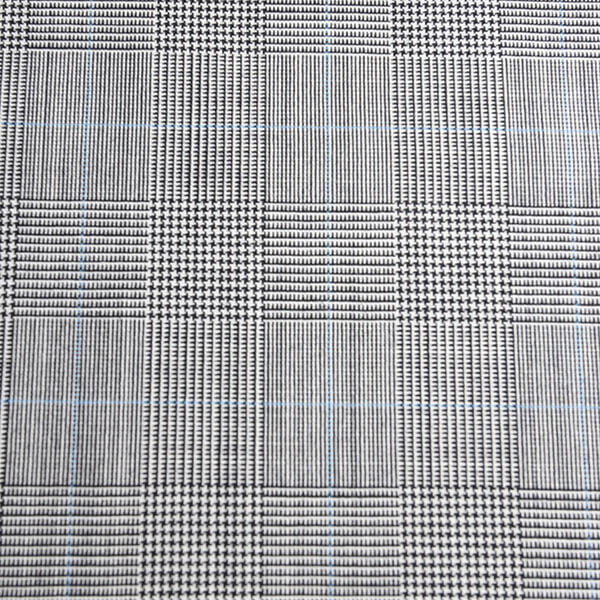
Glen check is a combination of staggered plaid and hairline stripes. It is mainly used for wool fabrics and has been employed for classic items such as suits, coats, and pants. The word “glen” means “valley” or “ravine,” and the name derives from the fact that it originated in the valley regions of Scotland. Glen check is an abbreviation of “grenadier check,” and has a history of spreading rapidly since it was favored by the British aristocracy. It can be used on shirts to create a classical, intelligent, and fashionable look, and the monotone color scheme in particular gives an urban, mature impression.
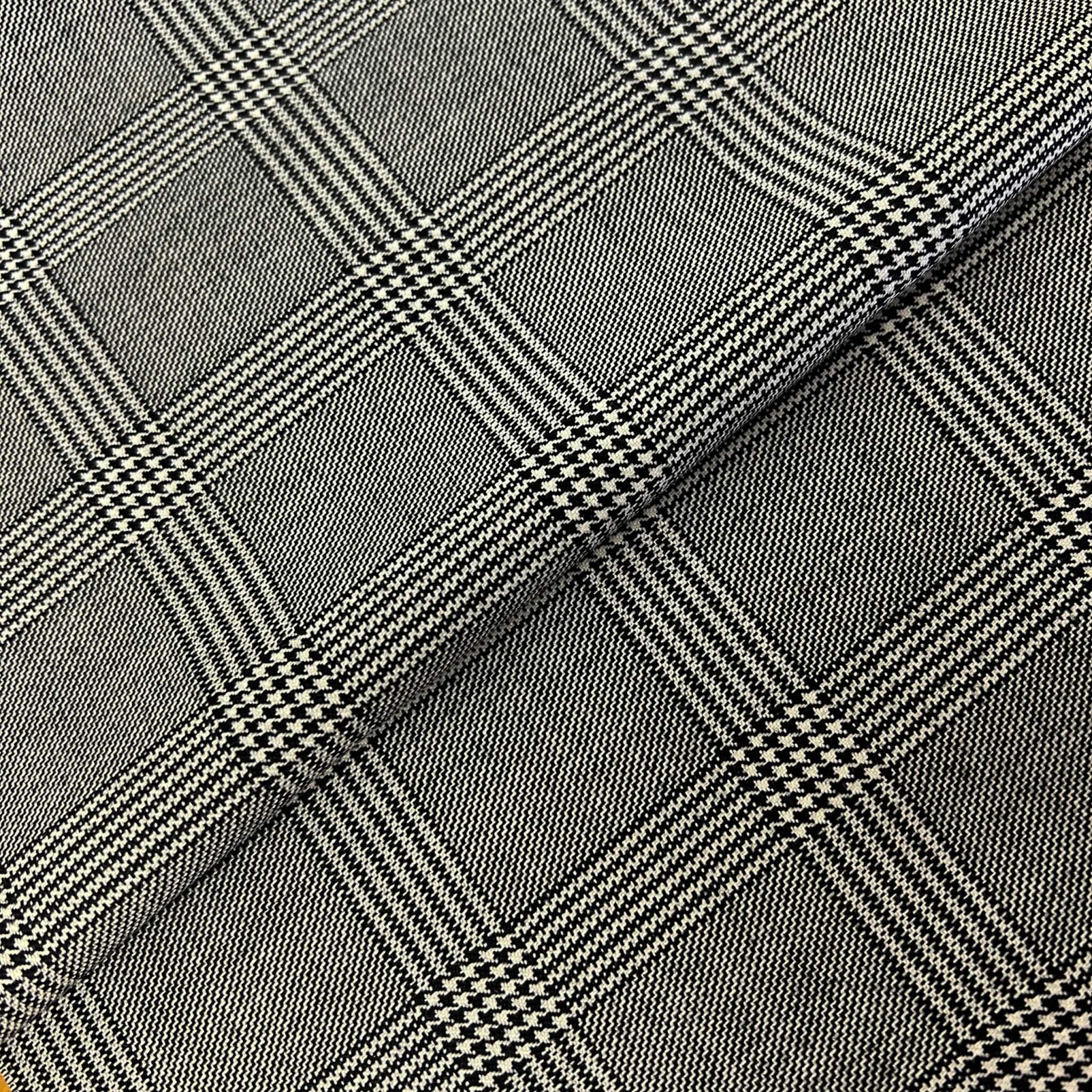
The “Prince of Wales check” is a derivative of the glen check. It was loved by the British royal family and became popular worldwide after being worn by the Prince of Windsor in particular. The pattern is more complex and flamboyant than the glen check, and is useful when you want to add a touch of flair to a classic look.
A powerful pattern that extends from checkerboard to American casual4. block check
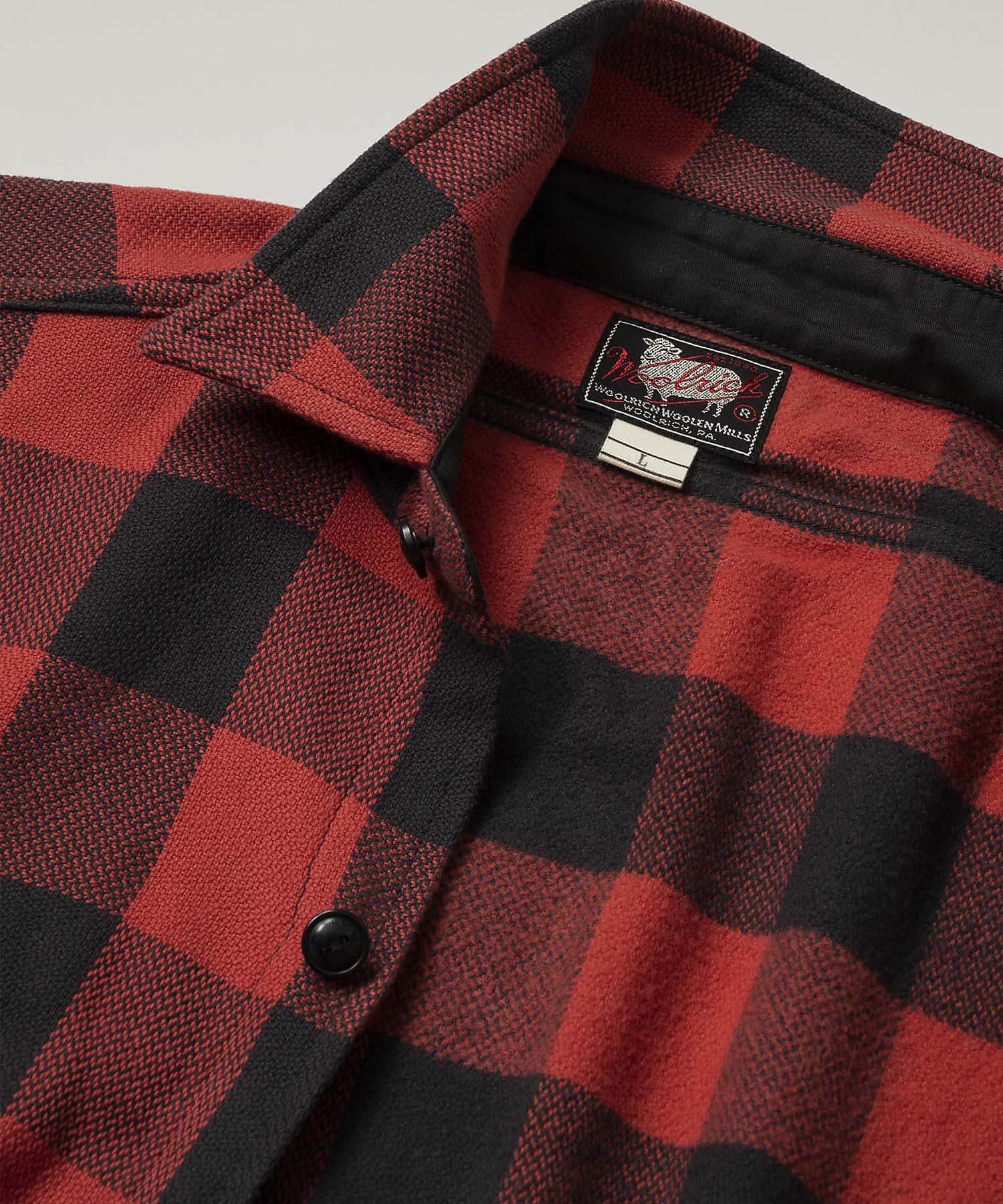
A plaid pattern consisting of large alternating squares of two colors. In the Japanese apparel industry, it is often called “block check,” but overseas it is more commonly known as “checkerboard” or, as a traditional Japanese pattern, “checkered pattern. The name “checkered pattern” comes from the fact that Ichimatsu Sanogawa I, a kabuki actor of the Edo period, wore hakama with alternating white and navy blue squares, which became very popular. In the U.S., WOOLRICH developed the red and black “buffalo check. It spread from a practical standpoint as a hunting shirt, and combined with the flannel material, it became a symbol of American casual wear.
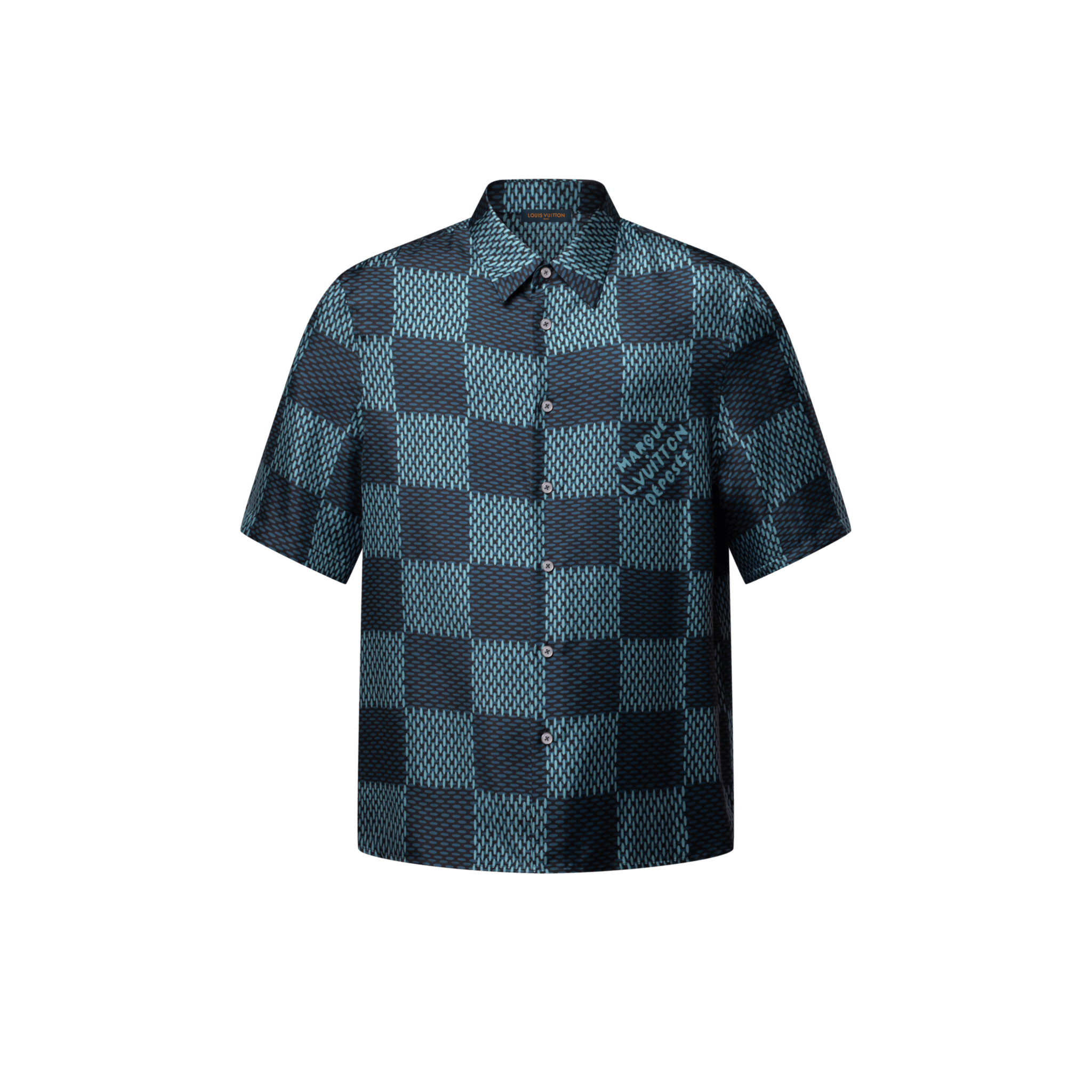
It is also known as the checkerboard pattern on Vans slip-ons and as the haori pattern on Sumijiro Kamon’s coat in the manga/anime ‘ Oni-no-Burai: The Blade of Demons. In the luxury goods field, Louis Vuitton registered the “Damier” trademark based on the checkerboard pattern in 1888. It is still used as an icon of the brand along with Monogram.
Multi-colored checks add a resort atmosphere5. Madras Check
An irregular plaid pattern using many colors, combining bright yellow, orange, green and other vivid colors. Originating in the Madras region of southeastern India, it was exported from Europe to the U.S. from the 18th century onward and became a pattern that symbolized American traditional summer style. It is often used on summer jackets, shirts, and shorts, and is an essential part of resort and preppy outfits. The appeal of this pattern is that it can create a sense of summer openness with a single piece.

Symbol of the brand born in 19246. Burberry check
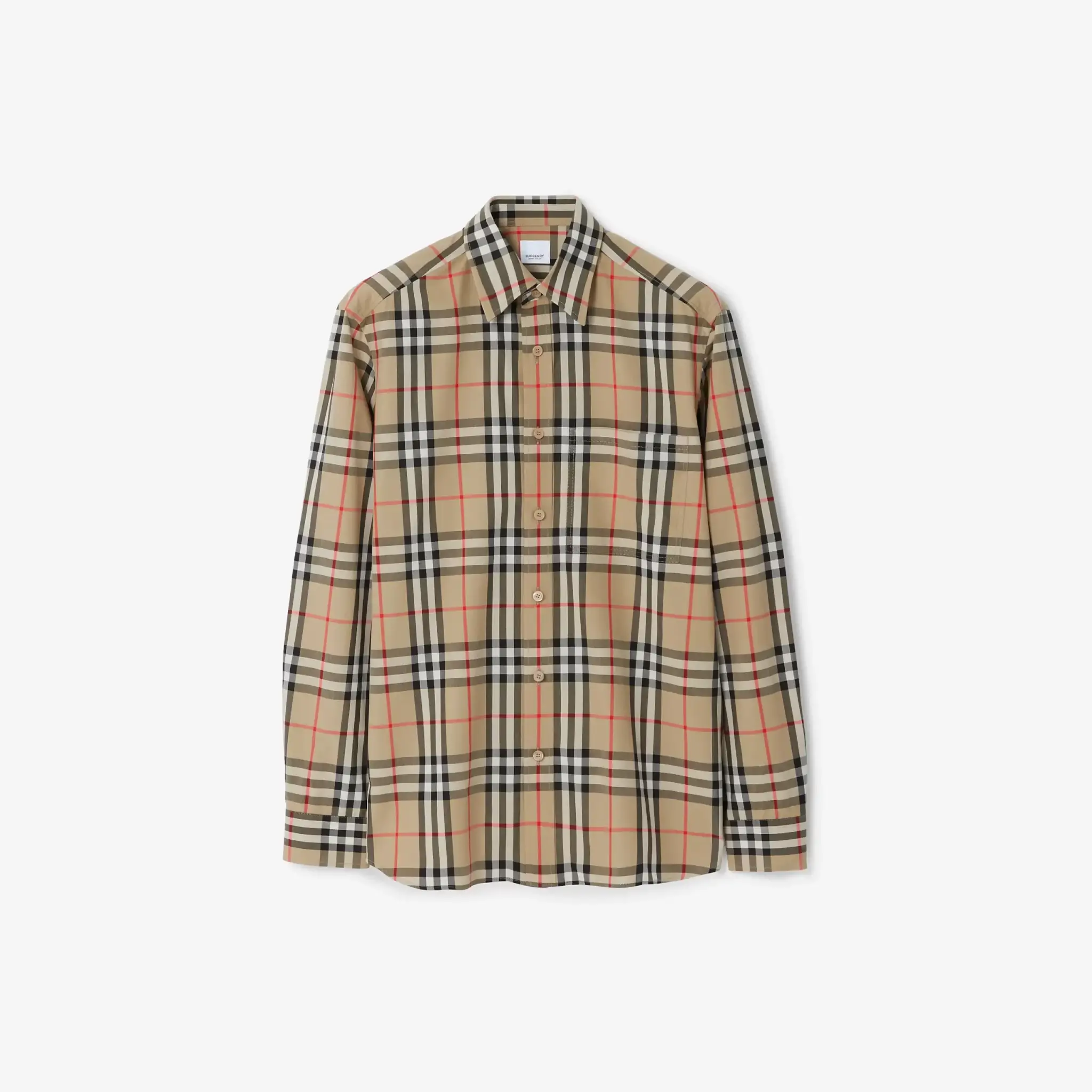
The check pattern consists of thick black and white stripes and thin red lines on a camel base. As the name suggests, it is known as the iconic pattern of ” Burberry,” a long-established brand representing the United Kingdom. The pattern is based on the “country tartan,” the name of which was chosen by a public contest, and has been a symbol of Burberry since it was first used for the lining of a trench coat in 1924. This traditional pattern, which has long been called “Haymarket check” or “classic check,” has since developed into the brand’s own variations. It is a check pattern that can strongly assert the brand’s identity with a single piece, and it is a rare example of a pattern that combines luxury and popularity. It has been engraved in the history of fashion as a rare combination of luxury and popularity.
Derived from American rocker culture of the 1950s7. ombré check
A check pattern characterized by a gradation of shades. In the 1950s in the U.S., it was loved by bikers, rockers, and other youths who symbolized the delinquent culture. The pattern became established as a pattern that could produce a rugged and mischievous atmosphere, and in combination with the flannel shirt, it became a part of the American casual style. In recent years, the revival of street fashion has brought it back into the spotlight, and it is ideal for creating a rough, urban atmosphere. It is also a strong point that it can be worn with simple bottoms to create a fashionable look.

Intelligent and modern large check8. windowpane
A plaid pattern consisting of large squares separated by thin monochromatic lines. It is called “windowpane” because it looks like a window frame. It is known as a standard pattern for suits and jackets, and is characterized by its elegant and intellectual impression. Since the assertiveness of the pattern is modest, it can be easily adopted by adult men who are not comfortable with checkered patterns. While it can be used as if it were a solid color, it can also be used in a wide range of situations, from on to off duty, as it can produce a subtly stylish look.






![Casual Shirt Codes 2025 [ tips on how to wear, latest snaps, recommended brands & models ].](https://otokomaeken.com/wp-content/uploads/2025/09/1a17fd3a769ee271608cc4a6e45d143d-630x331.jpg)



!["Break Away from the Norm" Is the Keyword!? 3 Tips for Styling a Leather Jacket with a Modern Twist [Fall/Winter 2026 Edition]](https://otokomaeken.com/wp-content/uploads/2026/10/ef304036cec889dddaa64a607e22a781-5-750x396.png)
![What to Wear When the High Is 24 Degrees [3 Men's Outfit Ideas Based on the Temperature Difference Between the High and Low]](https://otokomaeken.com/wp-content/uploads/2026/10/123ac7d53dbc900bab7d6703661e0cd1b47414a0a1a16c6347e3d09bfa184b6c-750x396.jpg)