In 1975, on Paul Newman’s 50th birthday, a gift arrived at his home: a scrapped Porsche wrapped in a ribbon.The gift came from Robert Redford, his co-star in the film ‘Butch Cassidy and the Sundance Kid’. The dashing star, who captivated women around the world, had a side to him that was capable of pulling off such a bold prank.Redford stood at the pinnacle of Hollywood as an actor and won an Academy Award as a director. However, his greatness is not defined solely by his achievements on screen. He invested his vast personal fortune and nearly a decade of his life to give opportunities to filmmakers who were unknown at the time. What drove him to go to such lengths? Top photo: AP/Aflo
Sponsored by
A Friendship with a Superstar and a Wrecked PorschePaul Newman Saved the Man Hollywood Studios Refused to Cast
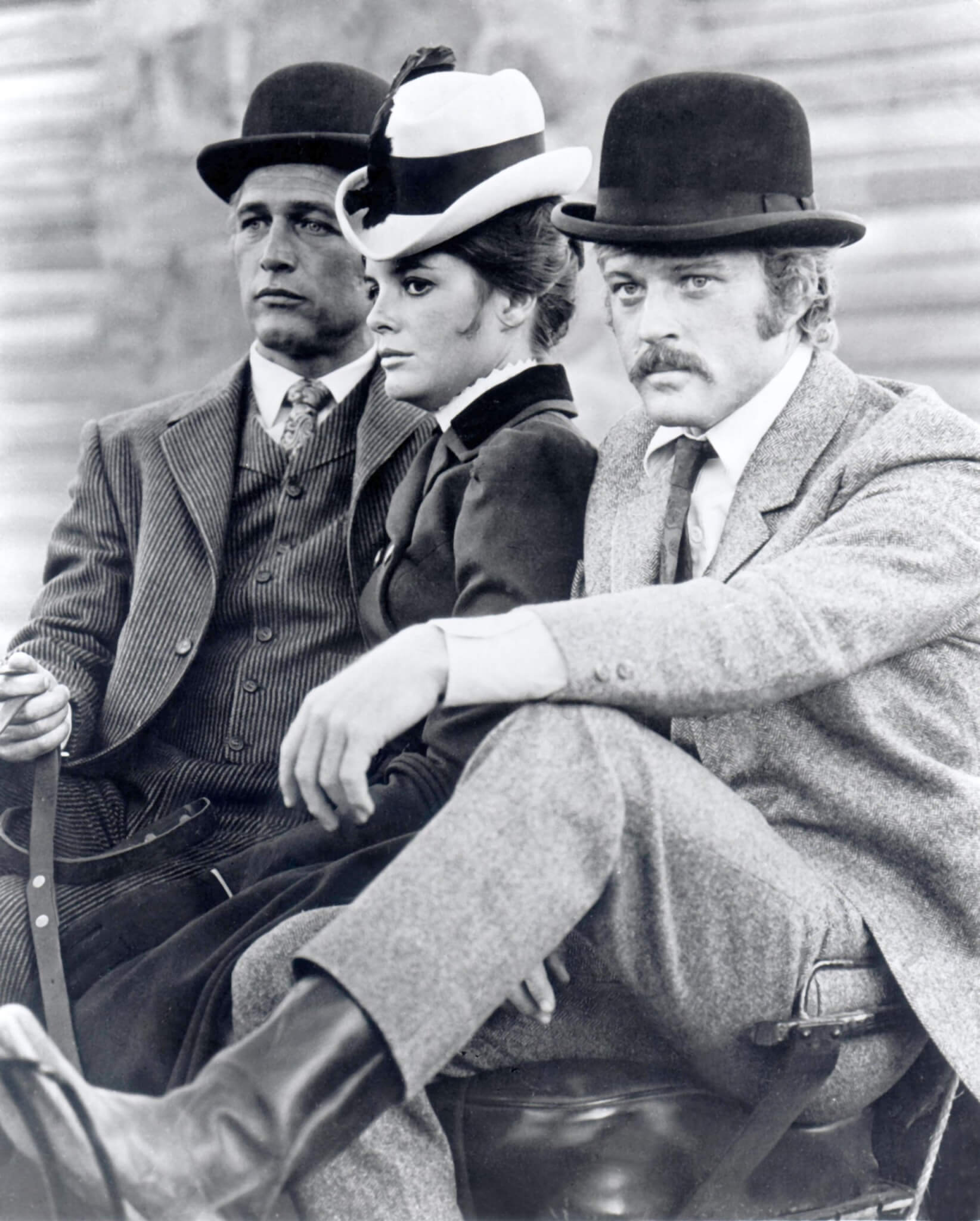
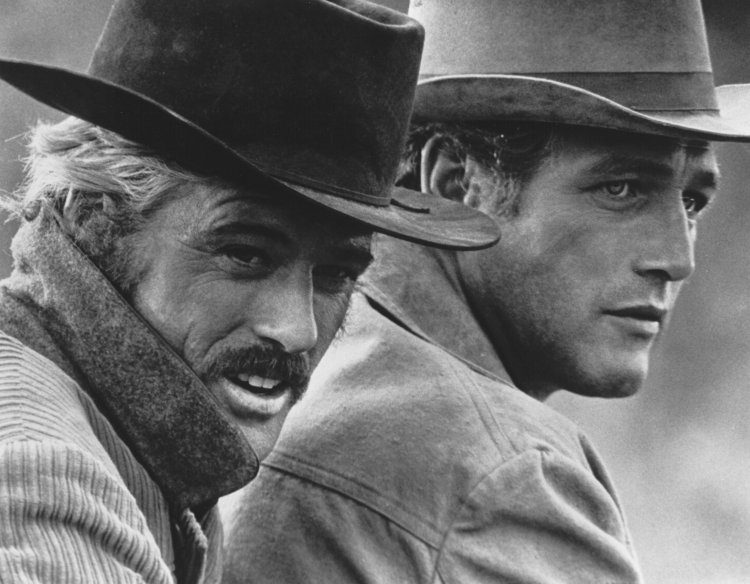
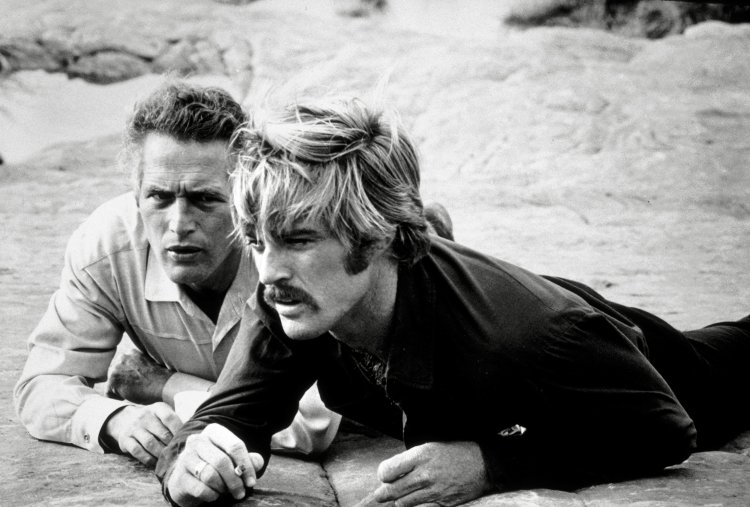
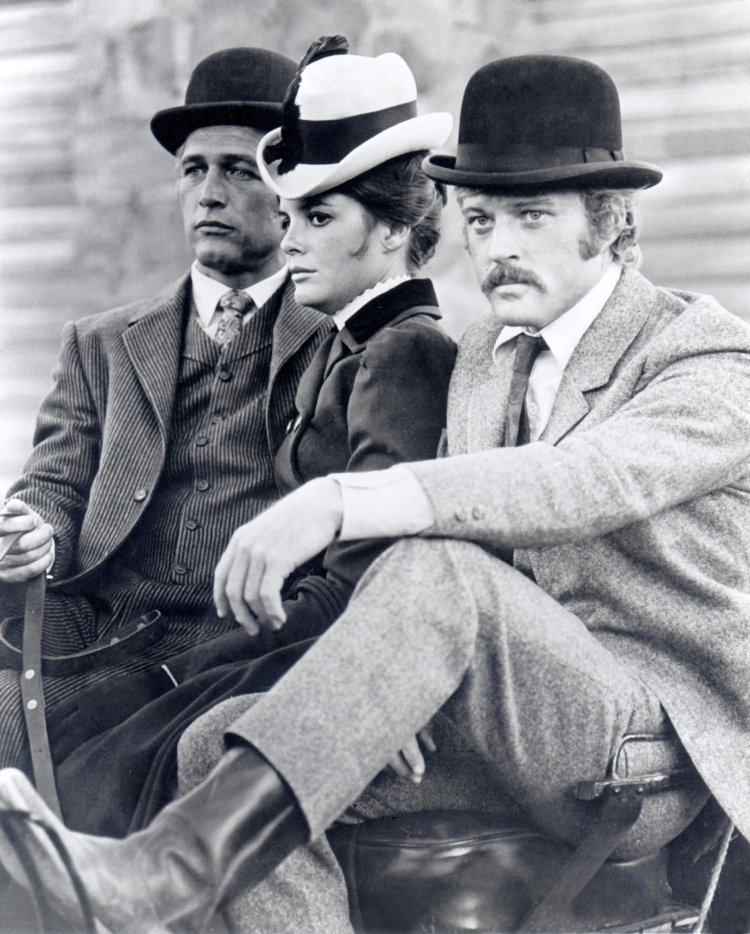
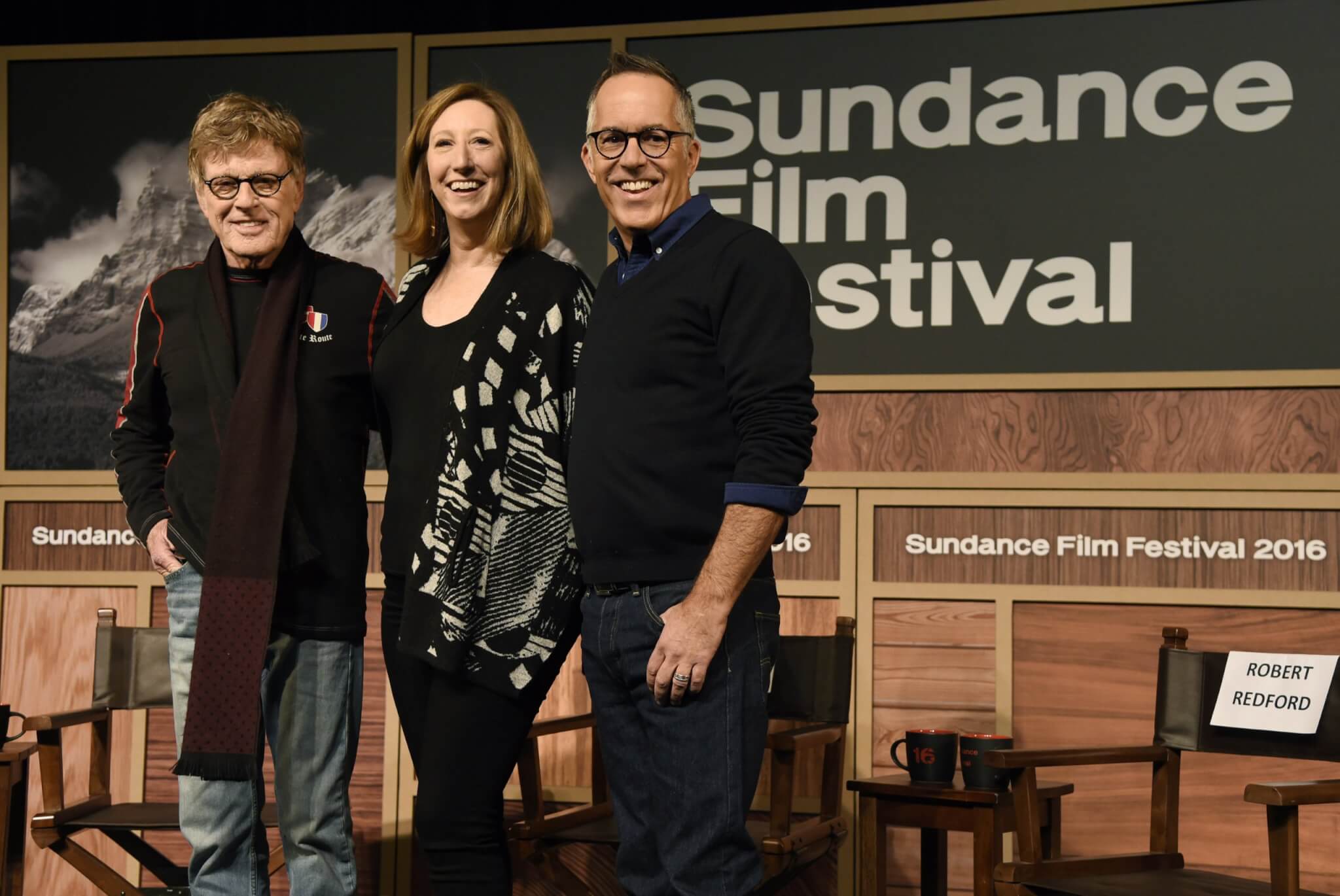
Released in 1969, ‘Butch Cassidy and the Sundance Kid’ was the breakthrough film that propelled Redford to Hollywood stardom. However, 20th Century Fox initially refused to cast him.While his co-star, Paul Newman, had already established his fame, Redford—though he had been gaining attention for films like ‘Walk on the Wild Side’—was still far less well-known. With director George Roy Hill and screenwriter William Goldman backing him, it was Newman who proved to be the key force in overriding the studio’s opposition.According to Redford’s own recollection, Newman made it clear that he would only star in the film if Redford were cast as well. Redford later stated that he “never forgot” that act of kindness. [1] The film was a huge hit, and the two starred together again in 1973’s *The Sting*, fostering a friendship that went beyond their professional relationship.The prank involving the Porsche at the beginning of this story symbolizes their relationship. Fed up with Newman’s obsession with car racing and his constant talk of cars, Redford sent him a scrapped Porsche for his 50th birthday. However, Newman showed no reaction whatsoever. A few weeks later, a huge wooden crate arrived at Redford’s rental home.Inside was a lump of metal made by compressing that very Porsche. What’s more, it had been carried all the way inside the house. Redford wasn’t about to be outdone. He asked an acquaintance to transform the lump into a tacky garden sculpture and sent it back to Newman’s yard. Surprisingly, the two reportedly never spoke directly about this series of pranks. [2][3] In a 2008 tribute to Newman, Redford reflected that whenever one of them achieved success, the other would tease him about it, and that they kept each other’s star-struck egos in check. Furthermore, the two shared another common belief: that those blessed with success should give back to society.Newman devoted himself to charitable work funded by the profits from his food company, “Newman’s Own,” and to camps for children with serious illnesses, while Redford poured his energy into founding the Sundance Film Festival. [3] It cannot be definitively stated that Newman’s assistance was the direct motivation behind the founding of Sundance.However, the fact that they shared values—not only with the person who had once given him a chance but also regarding how to live after achieving success—cannot be overlooked.
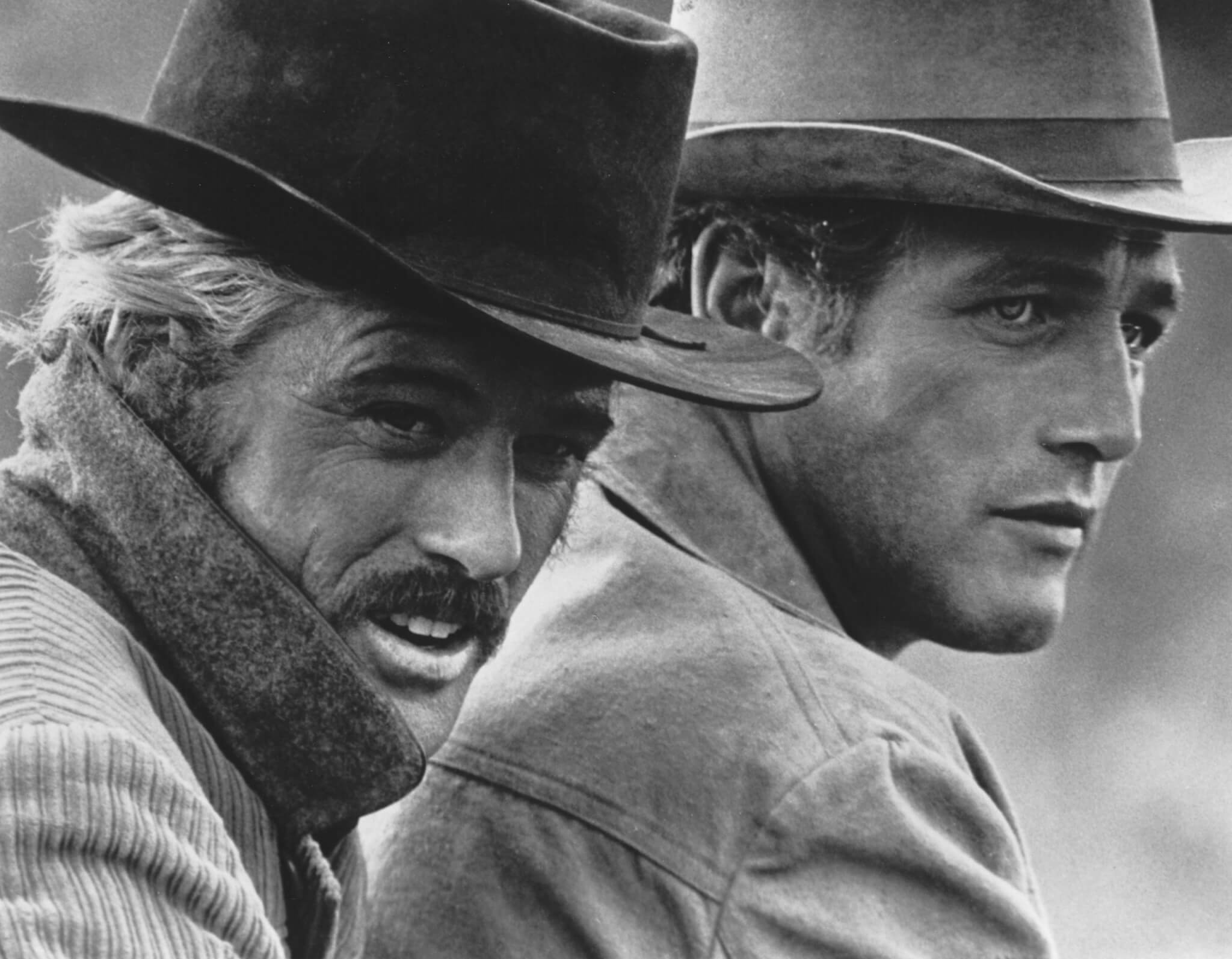
Robert Redford, Paul Newman
1969 20th Century Fox
Photo by Bud Gray
The Obstacles Faced with the Studio During *The Silver Racer*Even a Well-Known Actor Couldn’t Easily Make the Movies He Wanted
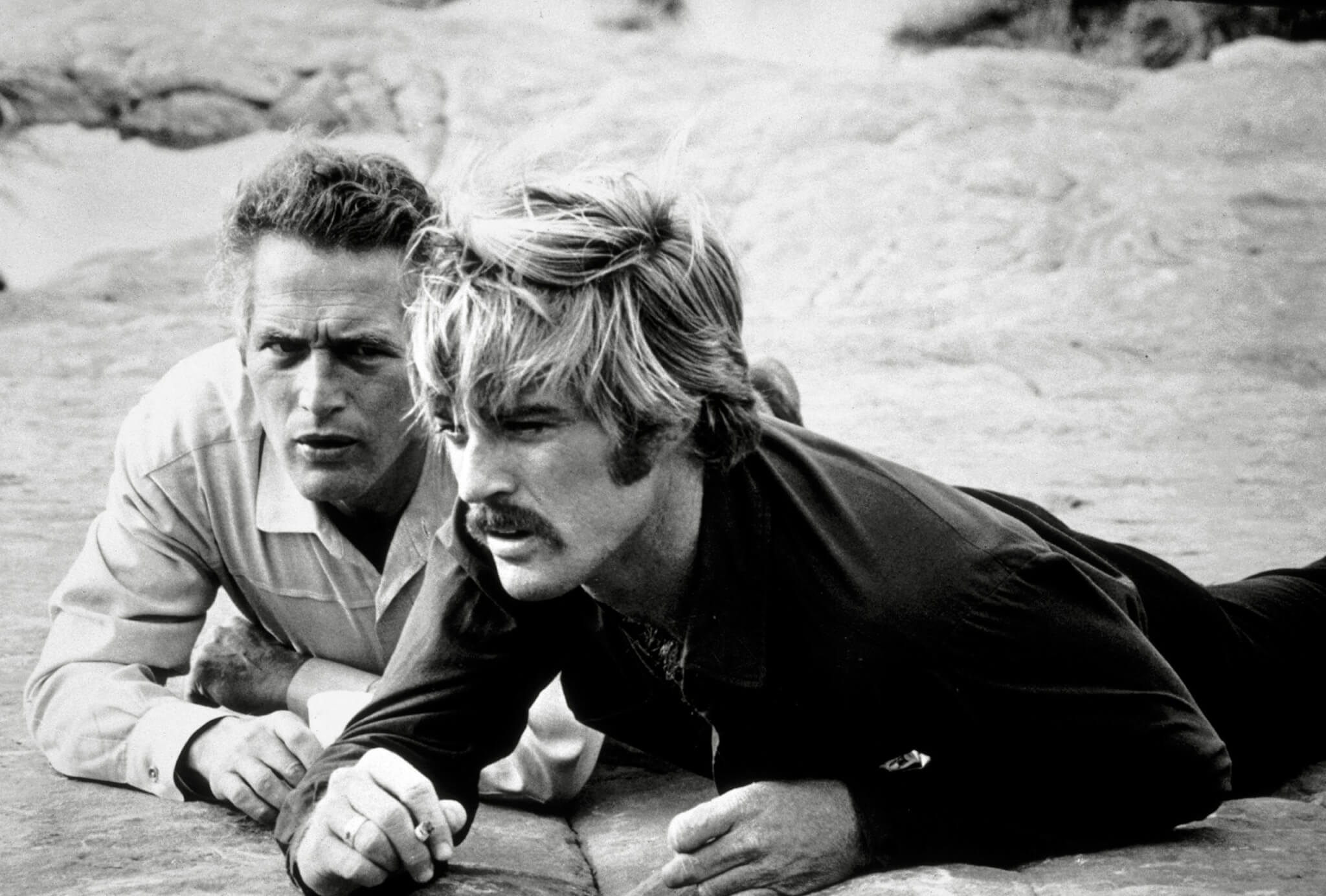
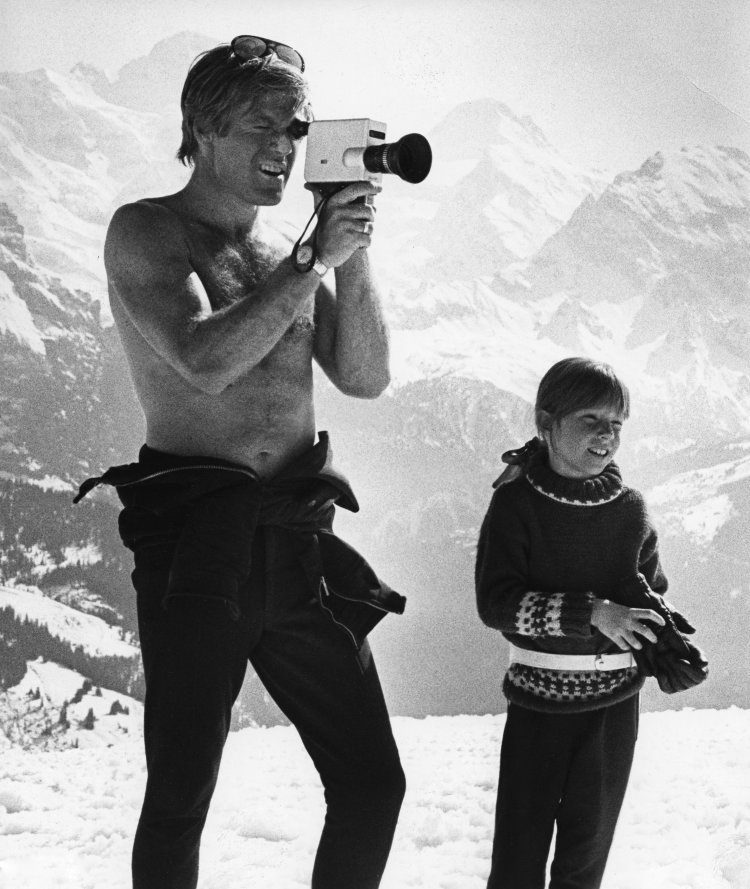
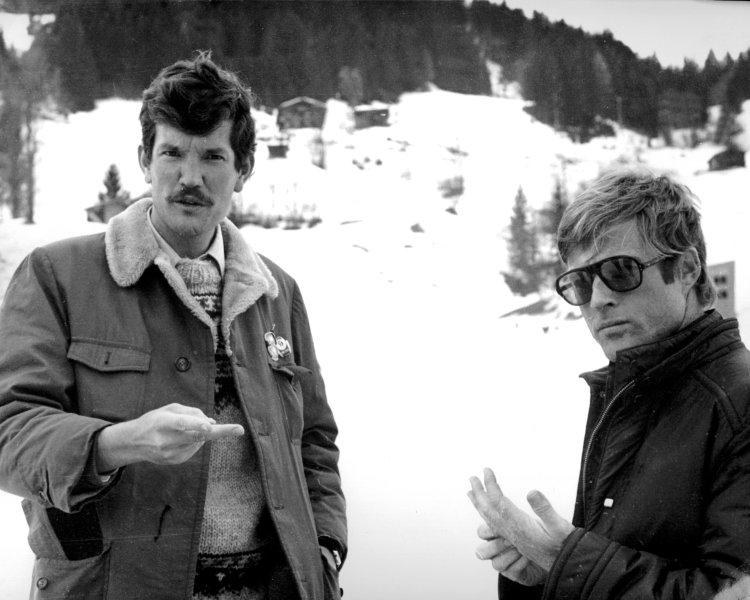
Released in 1969, ‘The Silver Racer’ was a film that Redford managed to bring to fruition after tirelessly negotiating with the studio. Originally, Roman Polanski’s directorial proposal estimated that the production would cost approximately $3 million.However, the project did not progress as planned. Redford therefore proposed to the CEO of the studio’s parent company that the film could be produced for $1 million. When asked by the CEO to demonstrate the project’s feasibility, he gathered footage with his film crew and completed a roughly 15-minute test reel. The reel was well-received, and he secured $1 million in production funding.Note that this was the amount approved at the time and not the final production cost. [4] Even Redford, who had already attracted attention thanks to the success of ‘Walk on the Wild Side’, had to go to such lengths to bring the film he wanted to make to life. One can only imagine how high the barriers must have been for a newcomer with neither a track record nor a network.Redford continued to take on projects he personally found meaningful, such as ‘The Candidate’, which depicts an obsession with victory, and ‘All the President’s Men’, which shed light on the painstaking work of journalists investigating the Watergate scandal. [5] In 1980, he released his directorial debut, ‘Ordinary People’, and won the Academy Award for Best Director the following year. Although he had reached a position where his popularity and achievements were beyond reproach, he felt that if he continued making similar films, his work would become stale.In a 2011 interview, he described the practice of stepping down from the pinnacle of success to start anew as “Returning to Zero,” and explained that he had put this into practice himself. [5] And the next challenge he chose was neither a film in which he starred nor one he directed.
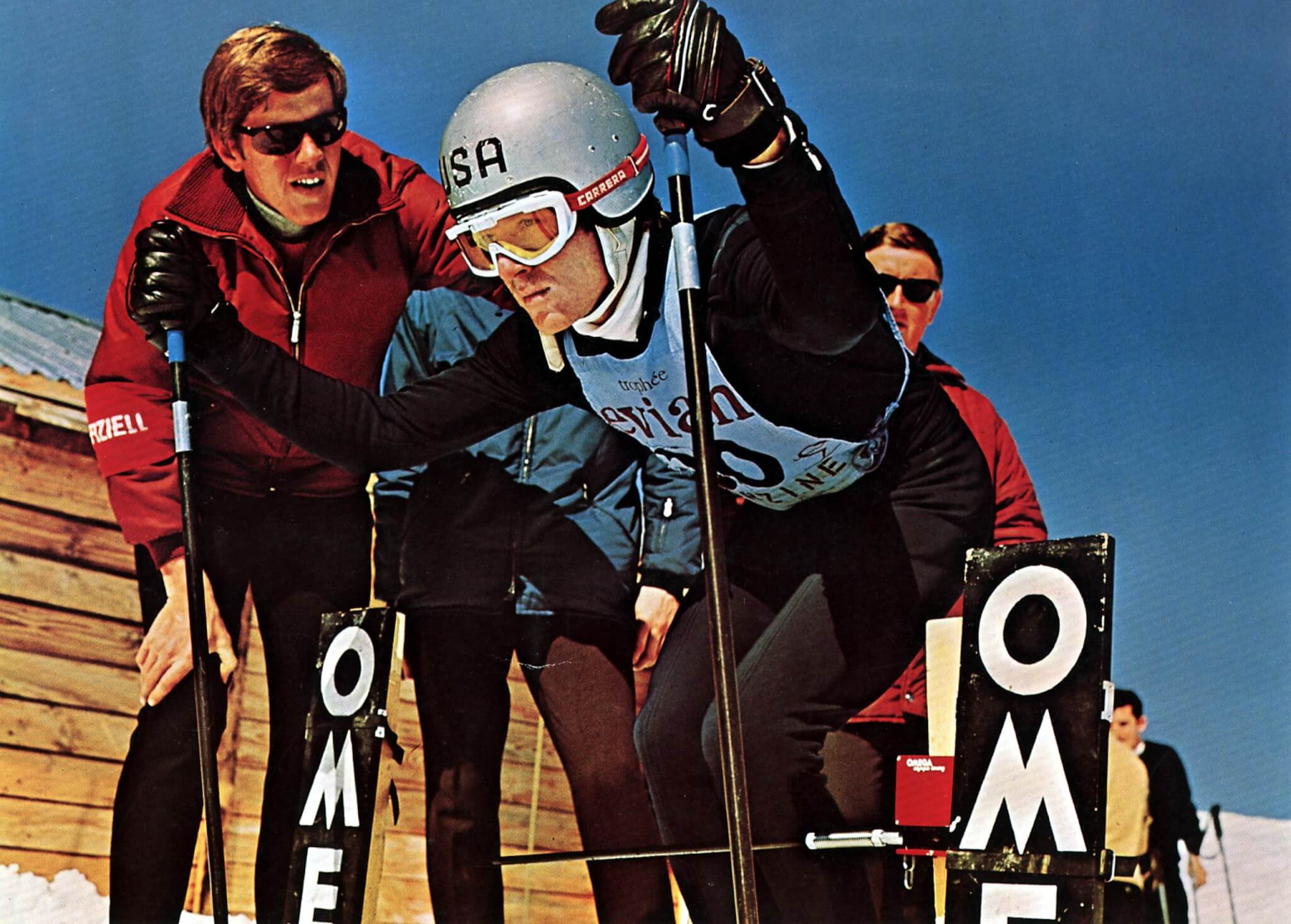
ROBERT REDFORD
1969
DOWNHILL RACER (1969) ROBERT REDFORD DHRC 003FOH MOVIESTORE COLLECTION LTD
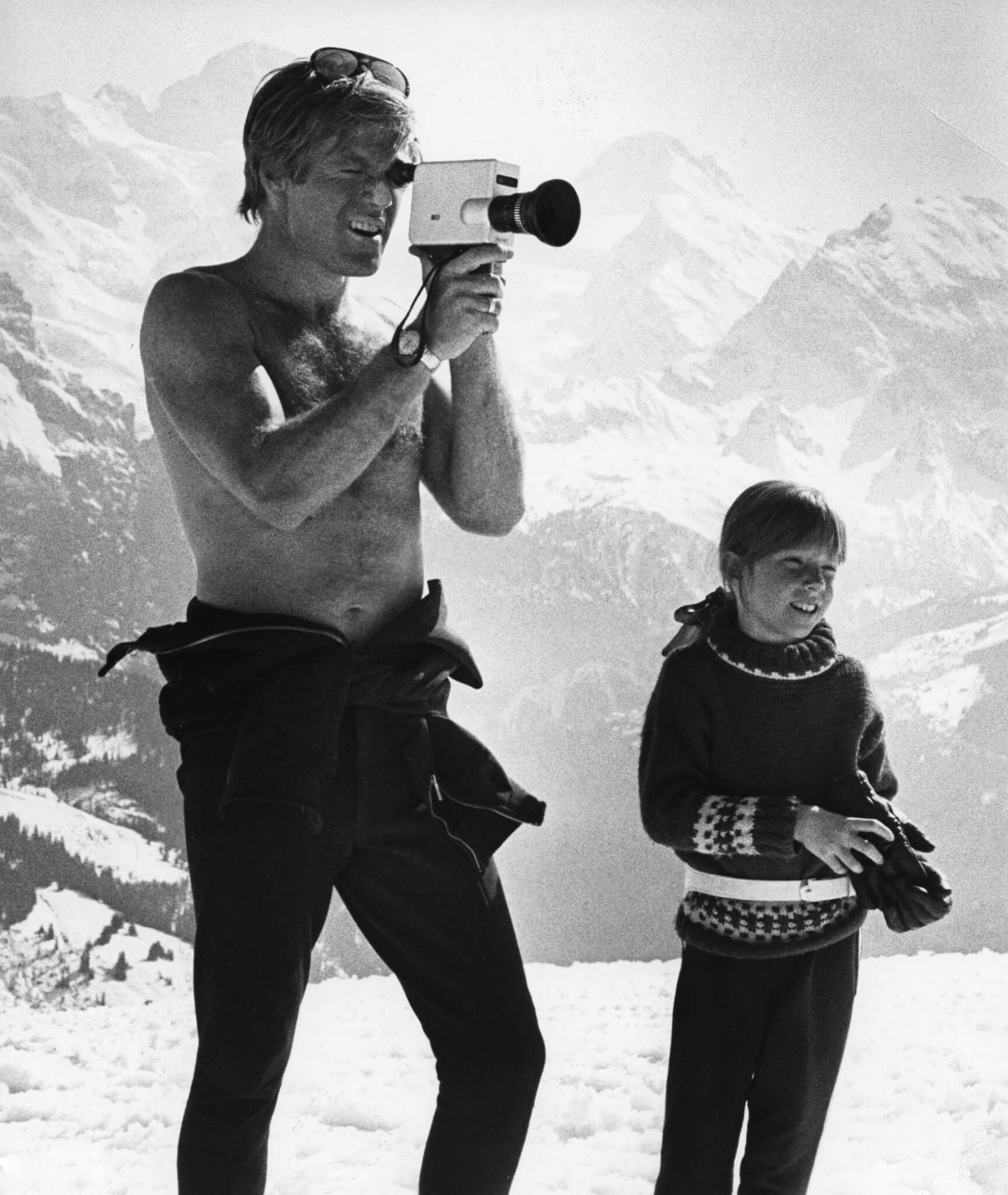
Robert Redford
1969 Paramount Pictures
** I.V.
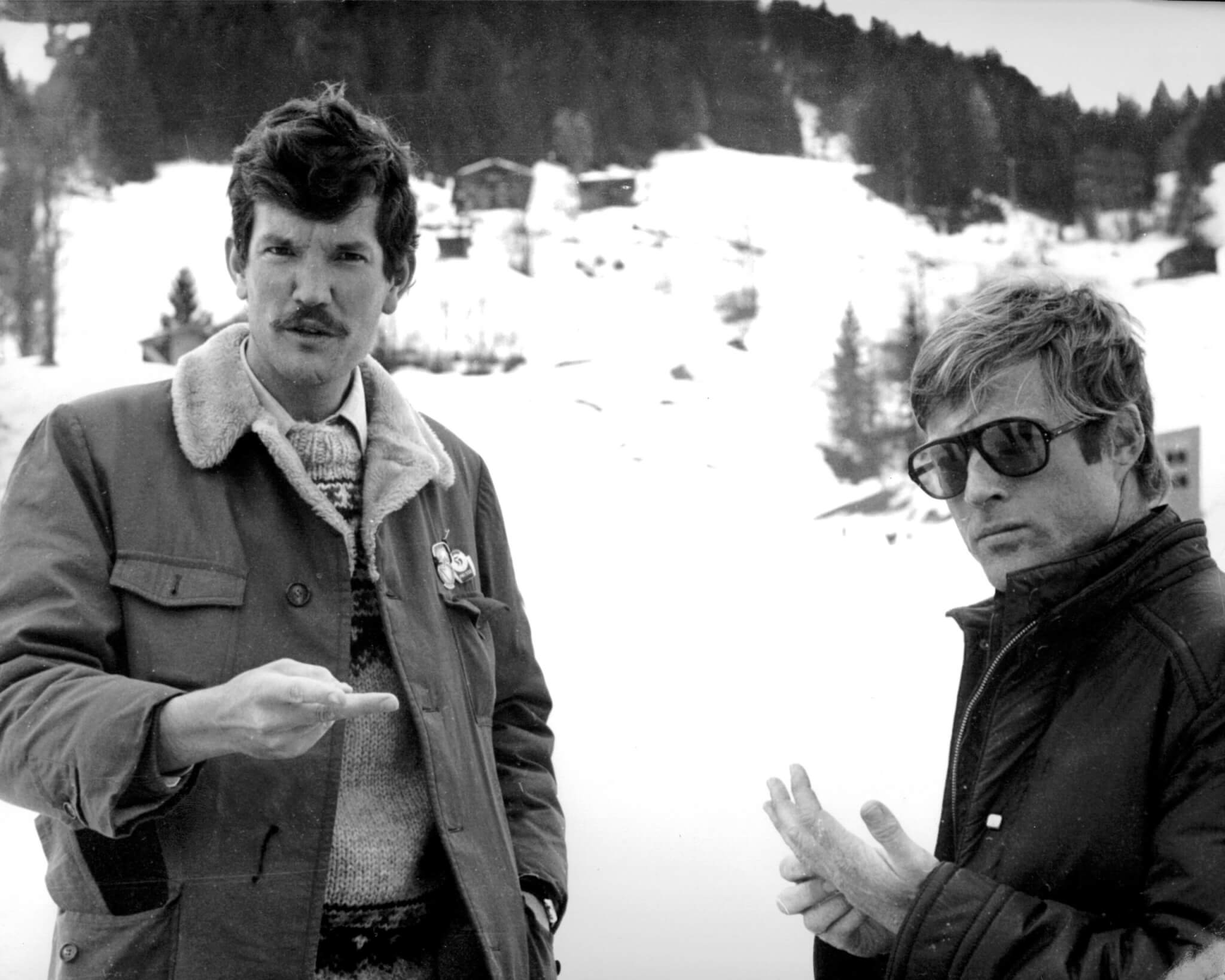
The Reason Behind the Founding of the Sundance InstituteTo create a ‘place where it’s okay to fail,’ he invested over $2.5 million of his own money and about 10 years
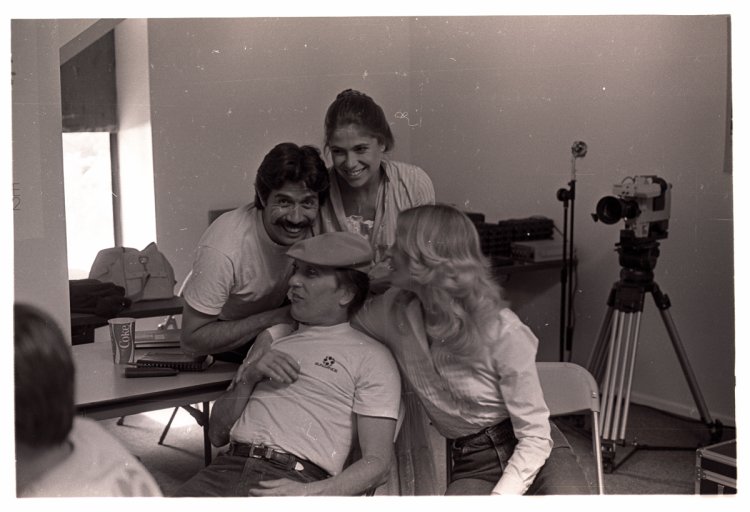
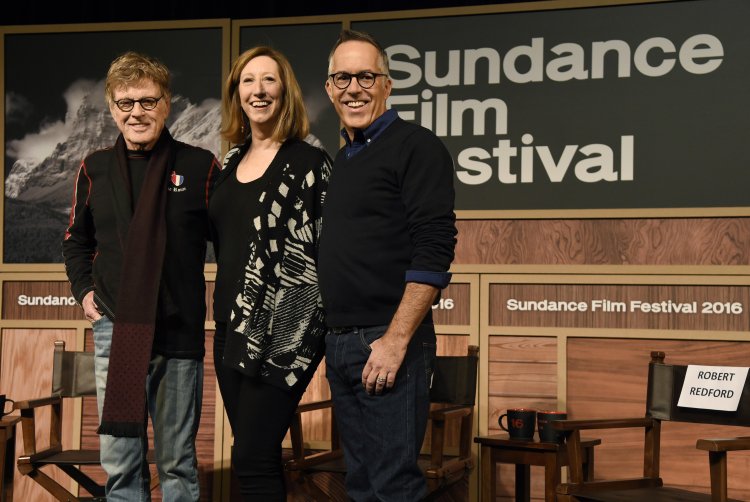
In the late 1970s, Redford sensed a shift in Hollywood.He predicted that major studios’ projects would increasingly favor blockbusters with a high likelihood of commercial success and films aimed at younger audiences, while opportunities for highly original stories and projects by new filmmakers would dwindle. Even as an era was approaching in which the proliferation of video and cable television would expand the means of distributing films, the options available to filmmakers were narrowing.Redford’s goal was not to oppose the film studios, but to carve out a path separate from the existing system. He also wanted to give something back to the film industry that had nurtured him. That’s when he came up with the idea of creating a place where filmmakers could devote themselves to their craft without fear of failure.An environment where newcomers could hone their artistic expression alongside experienced filmmakers, free from the profit concerns of major studios and the influence of agents. The setting he chose for this was the mountainous region of Utah. [5][6] In 1961, before he had become a major star, Redford purchased two acres of land in this area for $500. He saved up money, helped build a cabin himself, and subsequently worked to preserve the natural environment while gradually acquiring additional surrounding land. [7] In 1981, the Sundance Institute’s creative lab launched here. In its first year, with the cooperation of Michelle Sutter and others, the institute invited emerging filmmakers and screenwriters and provided them with opportunities to receive guidance from experienced filmmakers. [8] However, turning this vision into reality was no easy task.Redford was unable to secure sufficient financial support from the industry and obtained a $25,000 grant from the National Endowment for the Arts. He raised an additional $100,000 or so by combining his own funds with those of his collaborators, and for the first six years, renowned directors, actors, and editors reportedly provided guidance without compensation. [5] Not everyone welcomed the fact that a major movie star had embarked on a talent development initiative. Funding continued to be needed for operations, and according to a 1991 report in the *Los Angeles Times*, Redford’s personal contributions since the organization’s founding had exceeded $2.5 million.As the organization expanded, expenses ballooned, and in 1990, he made the painful decision to cut the annual budget from $2.3 million to $1.7 million. [9] In 2005, he acknowledged that he had spent about 10 years maintaining and developing Sundance, which had a significant impact on his acting career.He said he had not initially imagined that it would require so much of his time and money. [10] It wasn’t just the massive investment that mattered. Redford wasn’t even convinced that his idea would definitely succeed. Nevertheless, he believed there was value in creating a place where unknown talent could take on challenges without fear of failure, and he shouldered the burden of running the organization.Rather than guaranteeing success, he sought to create opportunities for people to take on challenges. To that end, he personally established and sustained the necessary framework.


The Irony of Sundance’s Success and CommercializationThe First Sincere Critique Received by the Then-Unknown Tarantino
In 1991, a young man participated in the Sundance Directors Lab.It was Quentin Tarantino, who had once worked at a video rental store and aspired to be a film director.Although he had not yet directed a feature film, he brought the screenplay for ‘Reservoir Dogs’ and was given the opportunity to actually direct a scene from the film. However, what awaited him there was not just warm encouragement. Tarantino attempted to shoot using the long takes he favored, but was harshly criticized by experienced filmmakers.Anne V. Coates, who edited ‘Lawrence of Arabia’, reportedly pointed out that there were too few cuts. Shocked, he walked alone through the woods, deep in thought, and eventually set to work sorting out the true feelings and motivations of the characters in his script. [11] In 2017, Tarantino looked back on that time and said that, aside from producer Lawrence Bender, Sundance was the first place where people took what he was trying to do seriously. He added that what surprised him even more was that renowned filmmakers gave their time to them, the newcomers, without expecting anything in return. [11]
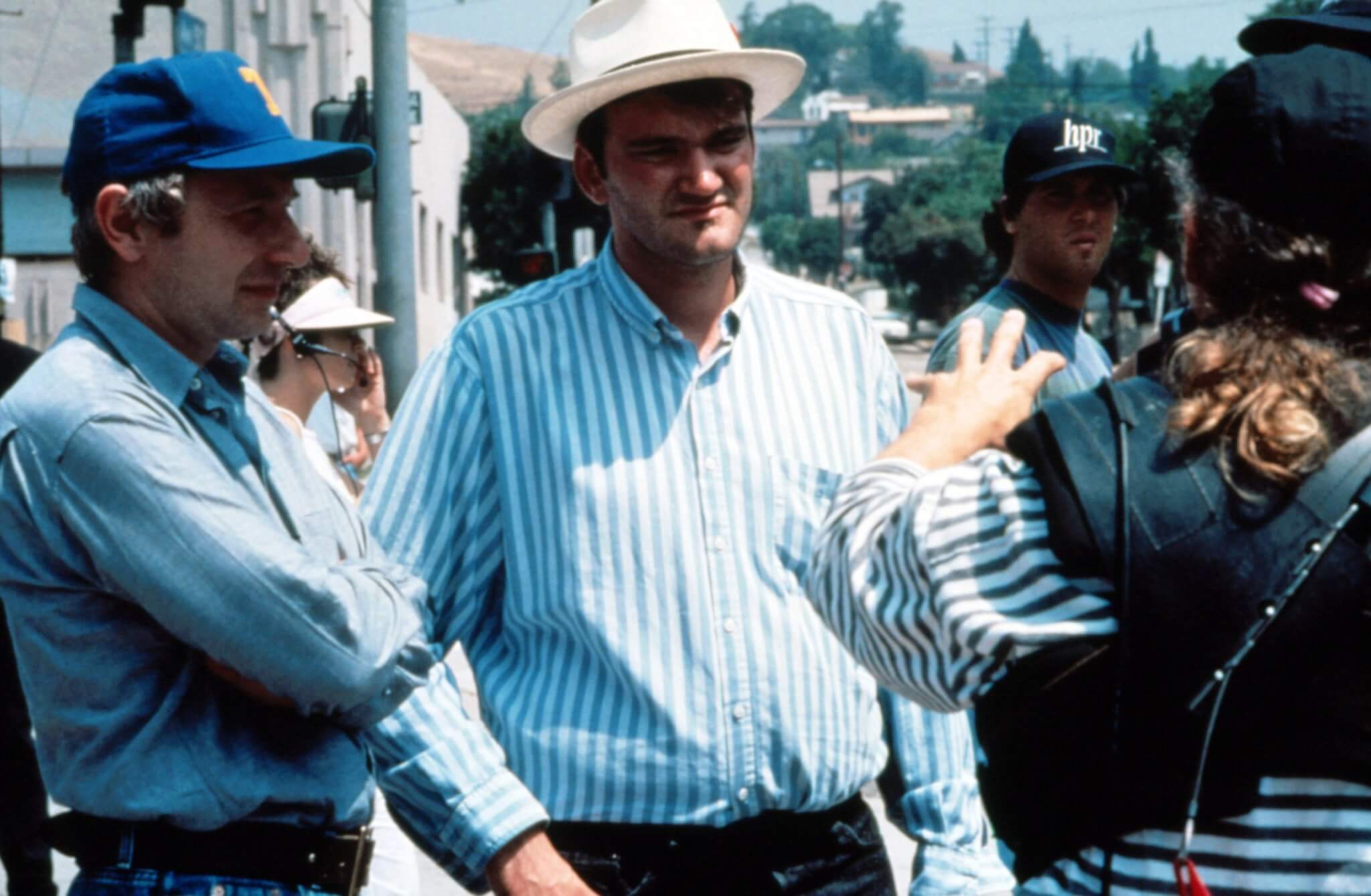
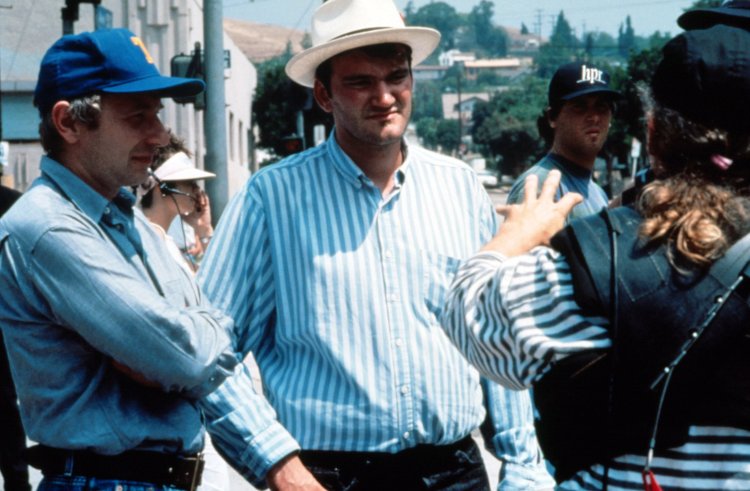
The following year, in 1992, *Reservoir Dogs* was screened at the festival, serving as one of the catalysts for Tarantino’s rise to international prominence. [12] Of course, Sundance wasn’t the only factor that led him to success. This outcome was made possible by the many collaborators involved in the production, starting with Bender. However, the fact that film professionals took the work of an unknown young filmmaker seriously—and at times criticized it ruthlessly—is a testament to the immense value of the platform Redford created.Sundance subsequently became a springboard for many filmmakers, including Steven Soderbergh, to break into the industry. Then, an ironic turn of events occurred: the very film festival that had been cultivated to distance itself from the commercial decisions of major studios began to attract Hollywood studios, sponsors, celebrities, and fashion industry figures one after another.Spurred in part by the attention garnered by ‘Sex, Lies, and Videotape’ in 1989, independent films began to be recognized as having significant commercial value. [13] In 2006, Redford explained that as the festival grew in fame, people with motives different from its original purpose began to gather. He seemed to have mixed feelings about the flashy publicity campaigns surrounding the films. However, he maintained that the festival’s selection criteria had not changed. [14][15] He did not reject commercial attention per se. For unknown filmmakers, having their excellent works acquired and reaching a large market represents a crucial opportunity. It is believed that what Redford sought to protect was not a system that prevented films from selling, but rather an environment where a film’s value was not determined solely by whether or not it sold.The very place he created to distance himself from the commercial decisions of movie studios eventually began to attract those very studios and sponsors. Despite this contradiction, Sundance continued to serve as a stage for new talent to emerge.
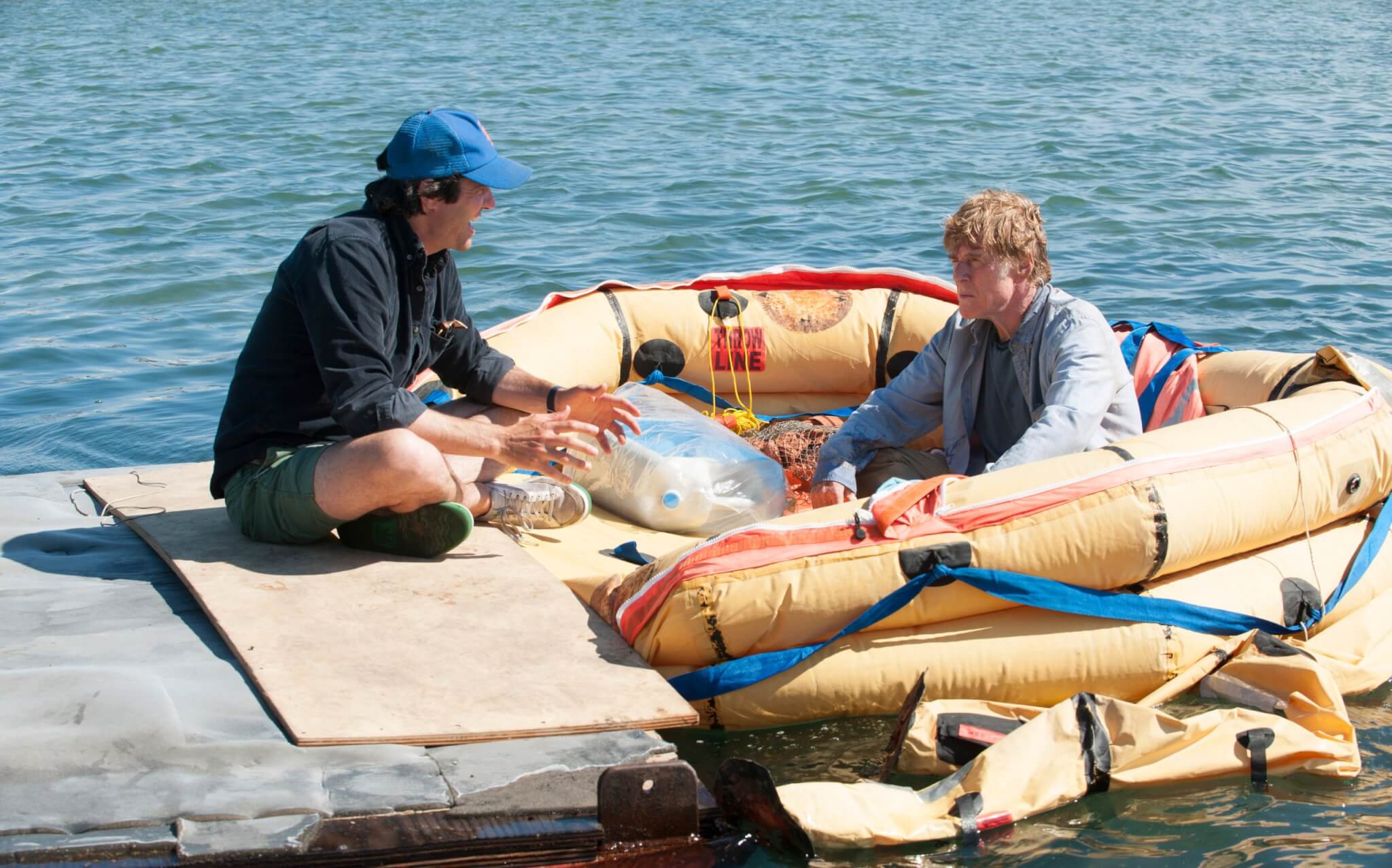
The Reason Behind ‘All Is Lost’An Offer to Star in a Film from a Young Director. At 75, Redford Became a Challenger Once Again
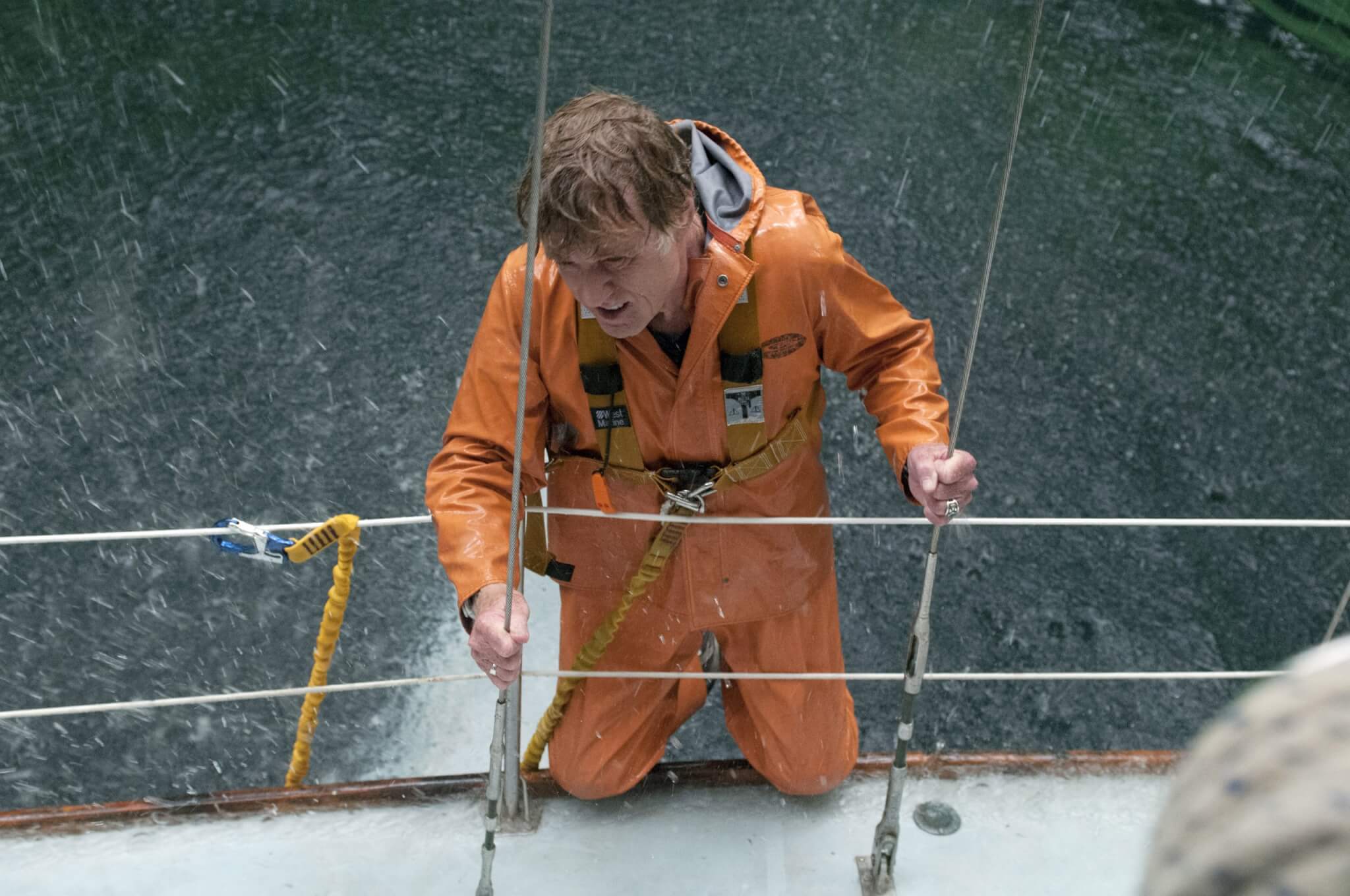
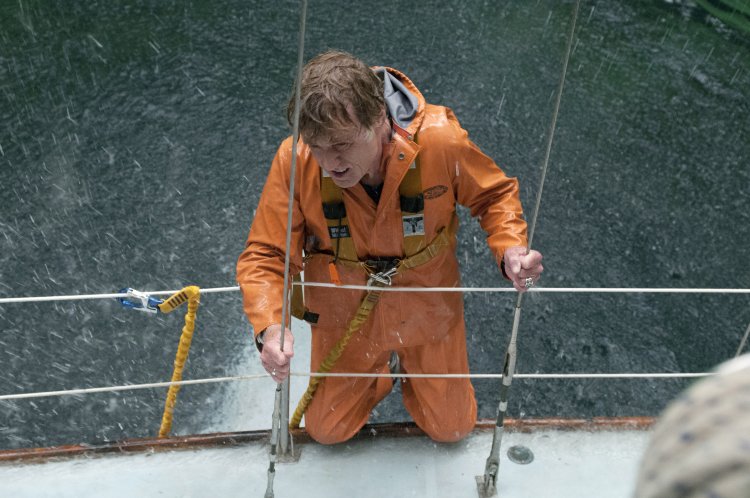
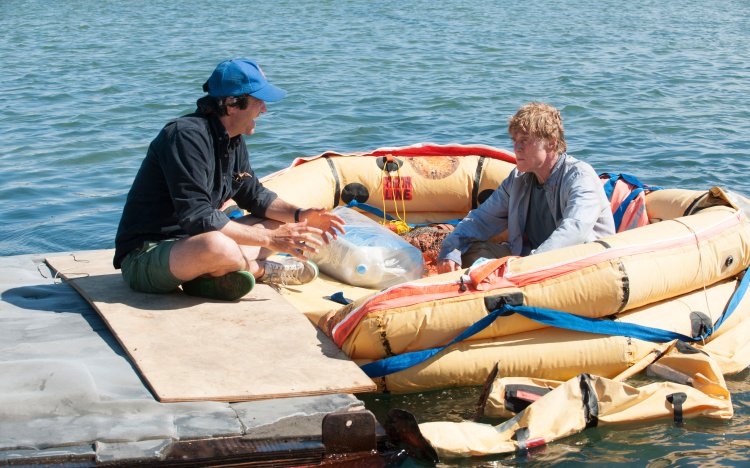
In 2011, a first-time director was listening to Redford’s lecture at the Sundance Film Festival.J.C. Chandor. He was a filmmaker who had just premiered his directorial debut, ‘Margin Call’, at the same festival. After hearing the talk, he decided to ask Redford to star in the film he was planning to make next. The script was only about 30 pages long. There was essentially only one character throughout the entire film, and the dialogue was extremely sparse.It was the story of a man stranded at sea, struggling to survive all by himself. It was a bold proposal from a young director to a major star. However, Redford’s response was surprisingly quick. It is said that he readily agreed to appear in the film within about 10 minutes of their meeting. [16] In a 2013 interview, Redford stated that among the filmmakers he had supported at Sundance for many years, Chander was the first to ask him to star in a film. Furthermore, he decided not to interfere with the director’s work on this project and to entrust everything to him as an actor. This was because Chander’s vision was clear, and Redford sensed his strong passion. [16][17] The result was ‘All Is Lost’, released in 2013. Redford, who was 75 at the time of filming, took on the grueling challenge of acting amid fierce currents and strong winds. He injured his ear during filming and lost approximately 60% of his hearing in one ear.According to Redford himself, the damage was nearly permanent. Nevertheless, when asked if he would turn down the role if he could do it all over again, he replied that he would take on the challenge once more. [18] Redford never forgot that Newman had supported him when a film studio had once opposed his casting.Eventually, he founded Sundance himself, creating a platform for unknown filmmakers to take on new challenges. Then, in his mid-70s, moved by the passion of a young director who emerged through that very film festival, he found a new challenge in his own acting career. Neither his fame as a major star nor his track record as an Academy Award-winning director stood in the way of entrusting the direction to Chander.This time, he entrusted himself to the young talent he believed in.
A Book to Get to Know This Man Better, (1)Robert Redford: Walking the Outlaw’s Path
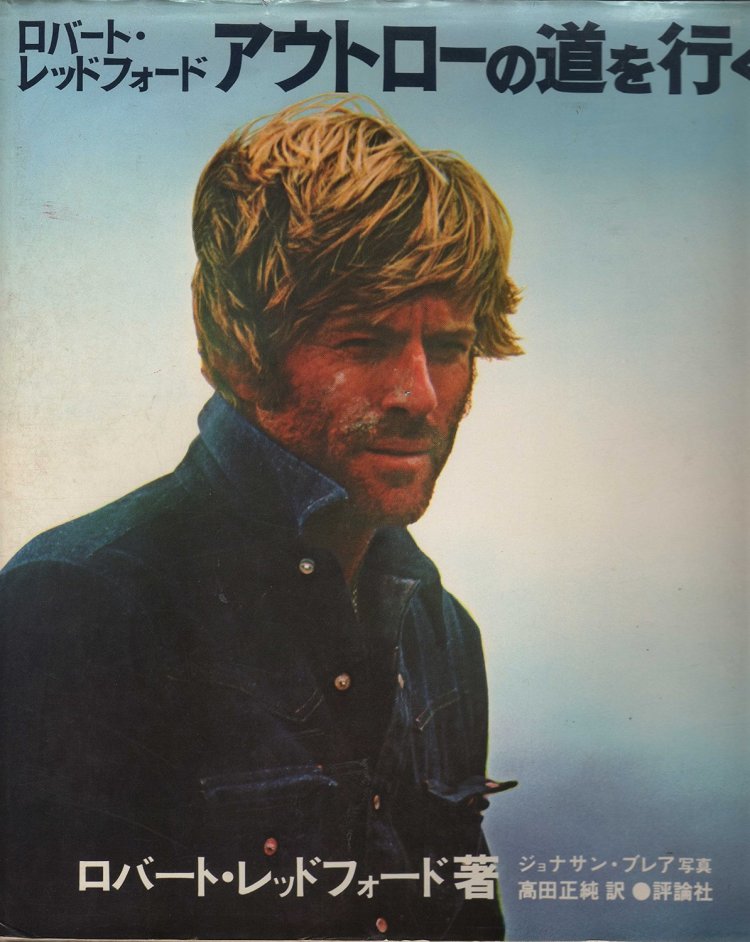
A record of Redford’s own journey exploring the history and nature of the American West.In 1975, he retraced the routes of the American West once traveled by outlaws, and through photographs by Jonathan Blair, conveys the history and culture that remain in those lands. What captivated him off-screen, and why was he so committed to protecting the natural environment? This is a fascinating book for understanding the background behind his passions.The fact that a Japanese translation has been published makes it all the more valuable.

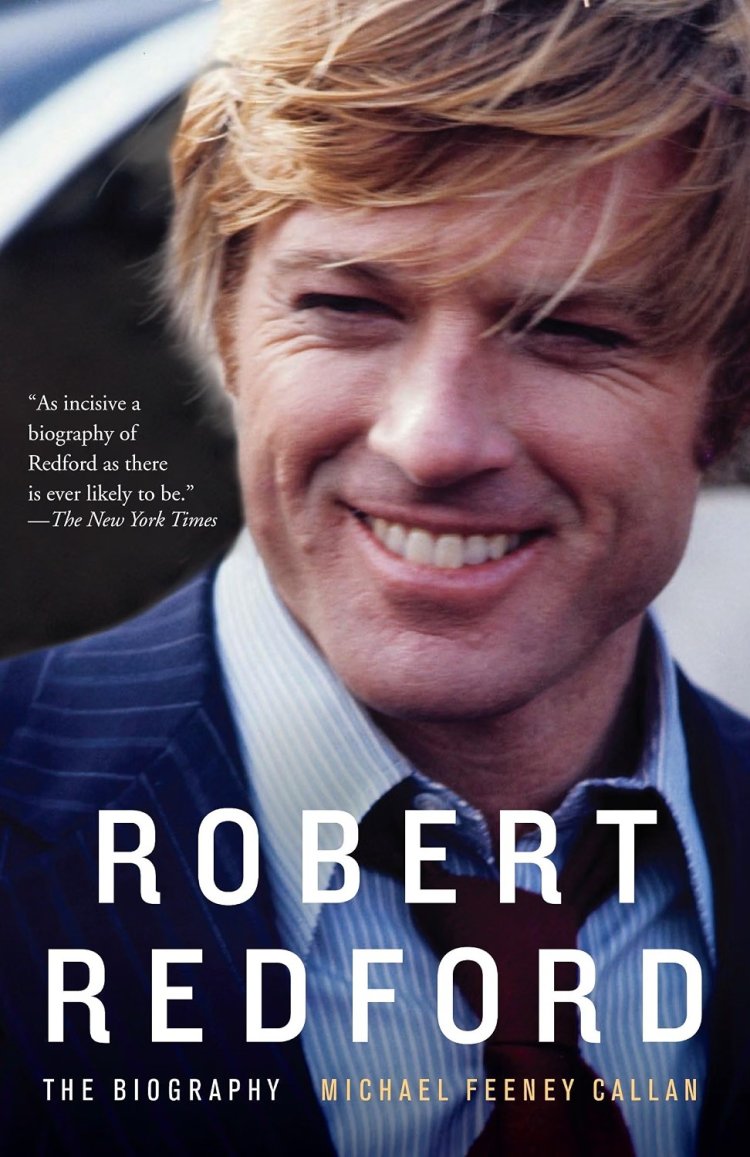
A Book to Get to Know This Man Better, (2)’Robert Redford’
A critical biography written by Irish author Michael Feeney Callan with the cooperation of Redford himself.Through private materials such as his personal journals, screenplay notes, and letters, as well as extensive interviews, the book delves into his success as an actor, his transition to film directing, the founding of Sundance, and even his professional setbacks and personal relationships. This in-depth volume reveals a stubborn and complex personality that cannot be fully captured by his glamorous star image alone. English edition.