Sponsored by
Attraction of Church’s “Chetwynd” (4) “Goodyear Welt Process for Superior Comfort
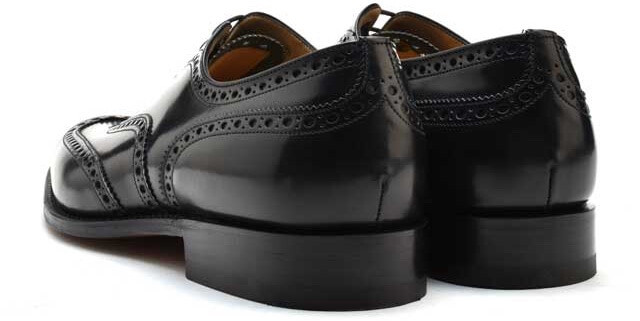
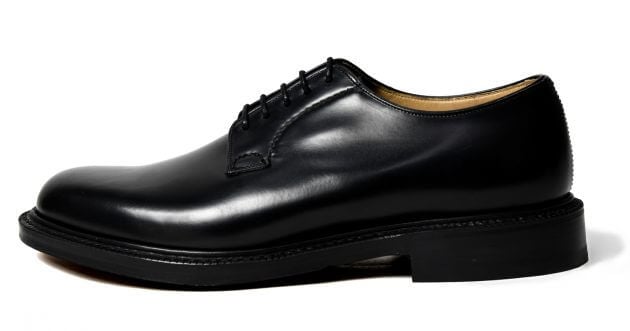
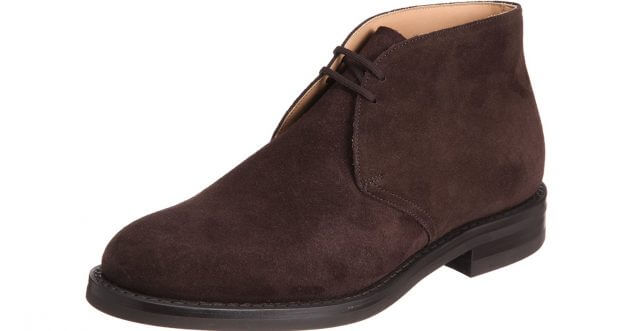
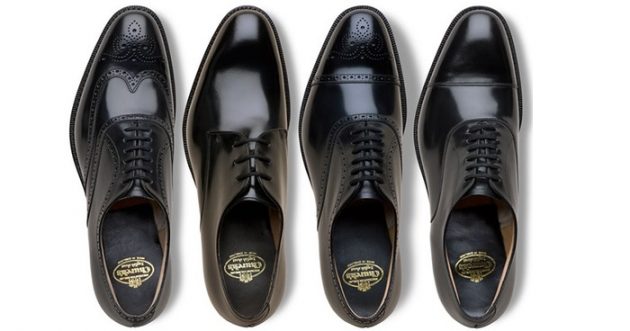
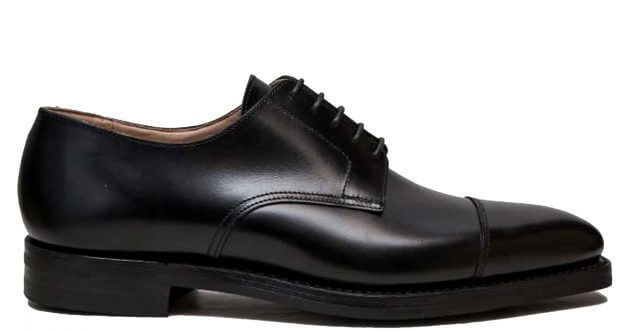
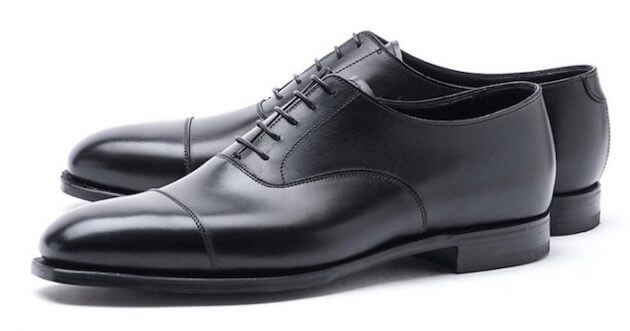
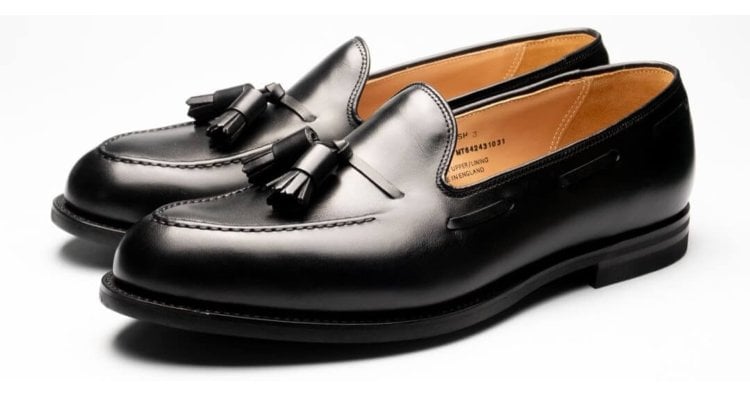
The Chetwynd is soleed by Church’s house specialty, the ” Goodyear Welt Process, ” which was developed in the late 1870s in the U.S. and is now famous as the most representative English shoe manufacturing method in Northampton. Among them, Church’s Goodyear welt method, which involves 250 processes in its production, is one of the best. It boasts a durability that cannot be achieved by the Mackay or cement method.
For details and purchase, click here.
The Goodyear welt method is characterized by the use of cork inside the shoe. As you walk, the cork sinks into the shoe according to the shape of your sole, and the more you wear the shoe, the more it fits your foot. Since reinforcing materials such as ribs and shanks are used in addition to cork, the shoes are stiffer at the beginning than those made by other methods, but the Goodyear welt method is superior in terms of comfort in the end. In addition, the Goodyear welt method is the most suitable method for long-lasting use of leather shoes, as it can be easily replaced and repaired when the outsole wears out or is damaged.
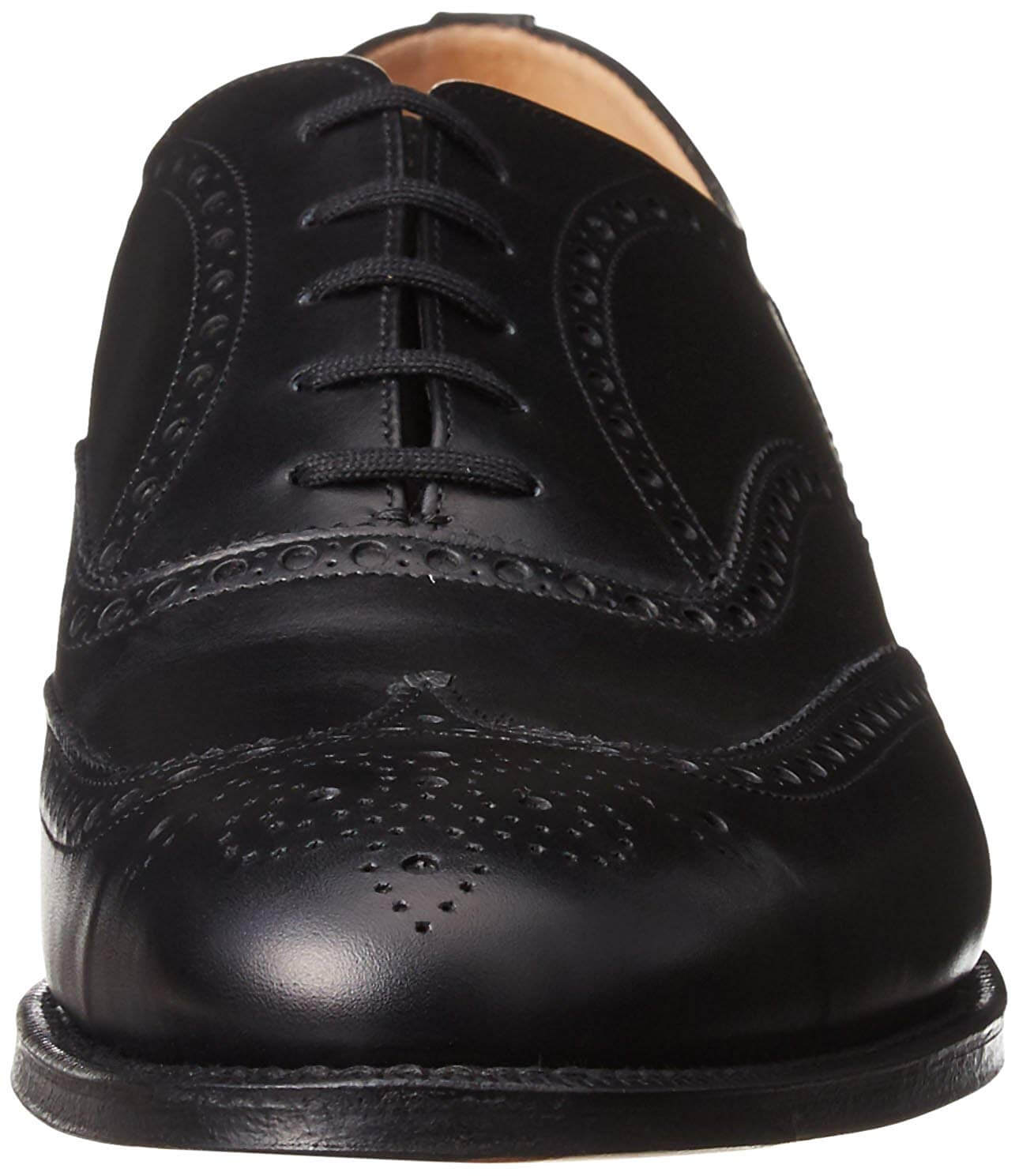
Another characteristic of the Goodyear welt method is its strong visual appeal. Shoe lovers can tell at a glance that the shoes have been made using the Goodyear welt method, because of the protruding “flaps” on the edges of the first half of the soles. In recent years, some brands have been favoring the use of a very modest bump, but Church, which respects the classic style, has no such concept. The Chetwynd’s koba also asserts its presence with dignity.
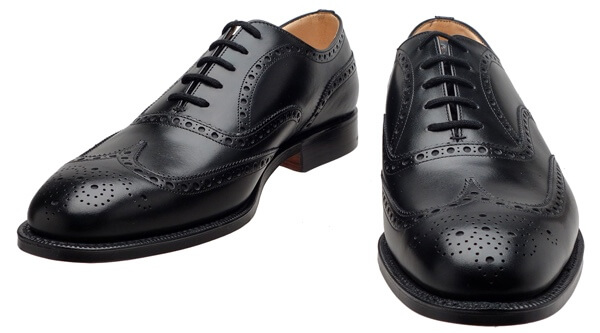
For details and purchase, click here.
7/8GO TO NEXT PAGE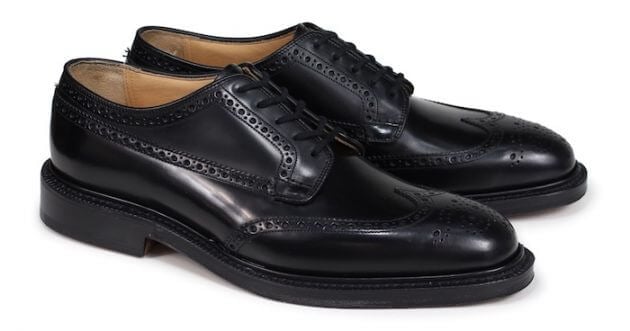













![20 luxury down jackets [ from high brands to outdoor brands ] 2025-26 Latest](https://otokomaeken.com/wp-content/uploads/2025/11/cc5d606272a09a29b0f0289a9fb08d6b-750x397.jpg)