

AI has made tremendous strides in recent years. And this trend is likely just the beginning.In the past, simply being able to enlist the help of skilled professionals—such as secretaries, consultants, language teachers, editors, and designers—constituted a form of economic advantage. However, with the widespread adoption of AI, that dynamic has begun to crumble. Consequently, the fashion industry is now being forced to redefine its values.
Sponsored by
A World Where Knowing the 'Right Answer' Itself Is No Longer a WeaponIn the AI Era, Fashion Shifts from an 'Information War' to a 'Self-Curation War'
You can co-author text with AI and even generate photos. You can entrust everything from brainstorming ideas to organizing information to it, and it can even assist with investment decisions.AI has even begun to take on some of the tasks related to meal and workout planning that were once the domain of experts. In other words, the “environment where one can borrow the expertise of brilliant minds”—which was previously available only to a select few—is rapidly becoming democratized. That is precisely why, moving forward, the key question will be not just whether we can use AI, but how we can effectively utilize the time it frees up.
For example, suppose AI allows you to finish work an hour early. Some people might spend that time scrolling through social media, while others might use it for exercise, sleep, reading, grooming, or meeting with people. Going forward, won’t the gap between those who “spend” their free time and those who “invest” it in themselves continue to widen?

AI can assist with thinking, but it cannot work out for you.It cannot sleep, walk down the street in clothes, or engage in face-to-face conversation. Perhaps the value in the future will lie not with those who possess information, but with those who can translate that information into their own actions. So, in what areas will personal grooming become a distinguishing factor going forward?
In fashion up until now, “what you know” has played a significant role in setting people apart.Which brands are good? What’s in style? How should I put outfits together? What size should I choose? To acquire this kind of information, people used to have to pore over magazines, search the internet, visit stores, talk to fashion-savvy friends, and invest a considerable amount of time and experience.
However, now that AI has become widespread, this information gap is rapidly narrowing.“What should I wear with these pants?” “What kind of jacket suits my body type?” “Which shoes should I wear for this occasion?” We’re entering an era where anyone can instantly get a reasonably accurate answer to questions like these. In such an era, won’t the key to standing out shift from “knowledge” to “self-curation”?

From here on, we’ll explore ways to raise your personal style standards by focusing on five self-curation skills that will set you apart in the AI era.
Self-Curation Skill 1The Ability to Narrow Down an Endless Array of Options
AI can generate a nearly infinite number of options.If you take a photo of a new pair of black pants and ask, “What shoes go with these?” it will likely present dozens of correct answers—from loafers to sneakers, boots, and even sandals—while adjusting the criteria. That’s precisely why the “ability to narrow down options” is so important.In an era of information scarcity, knowing more was an advantage. In contrast, in an era of information overload, what you choose to eliminate—rather than what you add—is what defines your style.
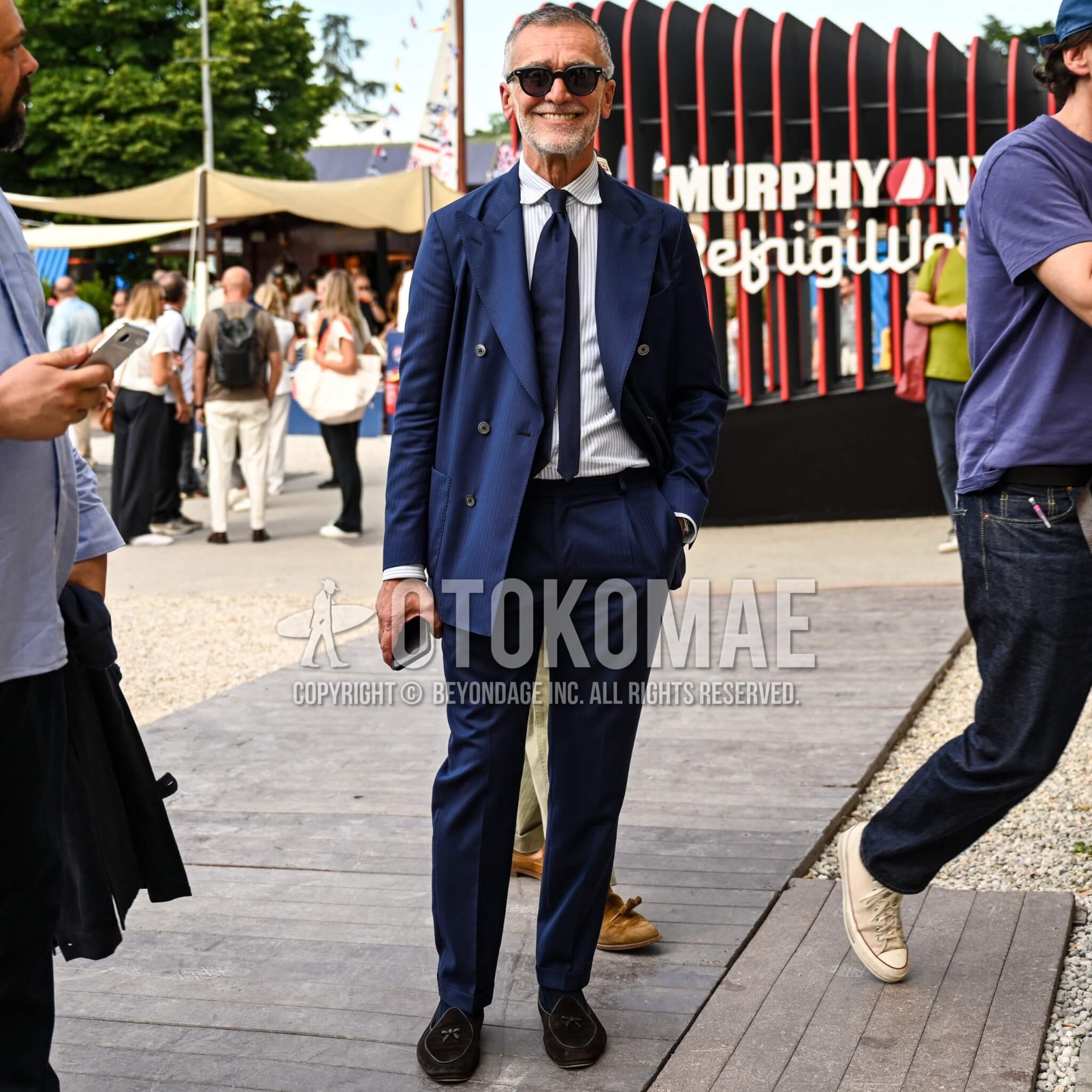
“I won’t wear clothes where wrinkles show,” “I won’t choose this color,” “I’ll stick to this leg width for pants”—it’s only by setting such constraints for yourself that the contours of your style begin to take shape.

Self-Curation Skills 2The Ability to Understand Your True Self
AI can suggest “clothes that suit you well” based on information such as height, weight, face shape, occupation, and preferences. But is that data alone enough to truly understand yourself?I feel more at ease when I roll up the sleeves of my jacket a little. A wide silhouette is less stressful than slim-fit pants, allowing me to move more naturally. Navy makes my complexion look better than black. At work, I don’t want to come across as intimidating… etc.
These personal sensibilities are accumulated day by day as we put on clothes, meet people, and look in the mirror.AI can tell us in general terms what “suits” us. However, I want to remain conscious not to leave the question of “how I want to be” entirely up to AI. As the information gap narrows, the difference in “how well one understands oneself in high detail and can project one’s ideal self-image to others” will become greater than ever before.


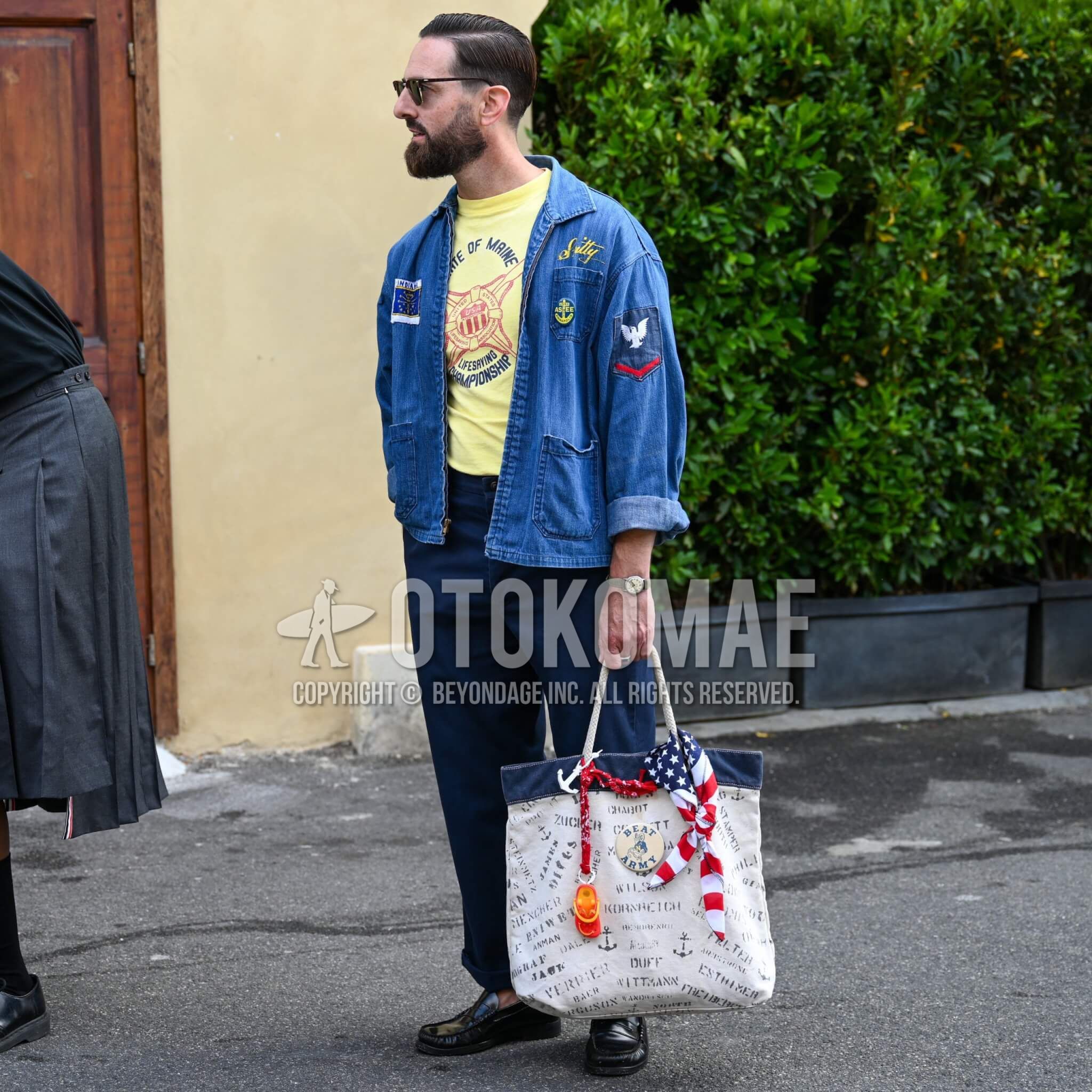


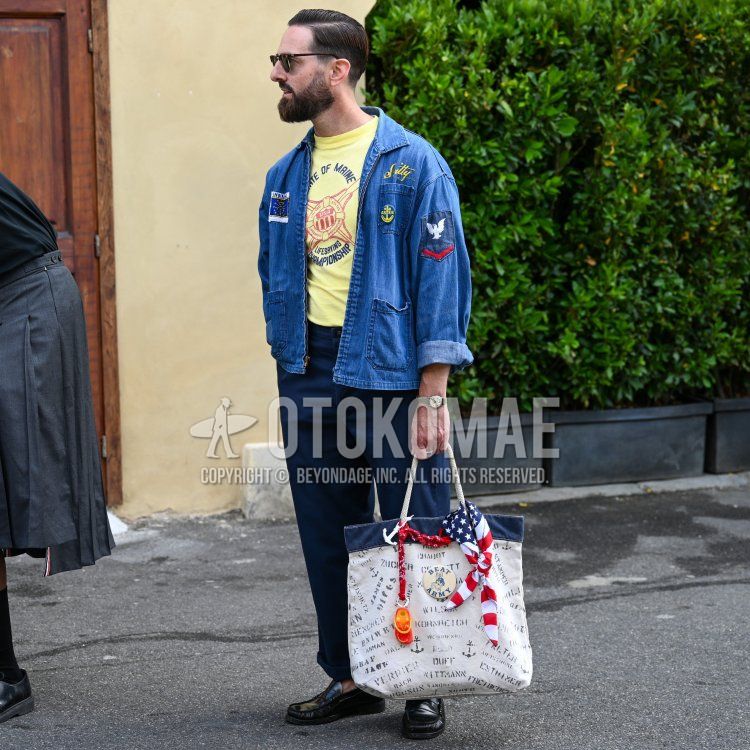
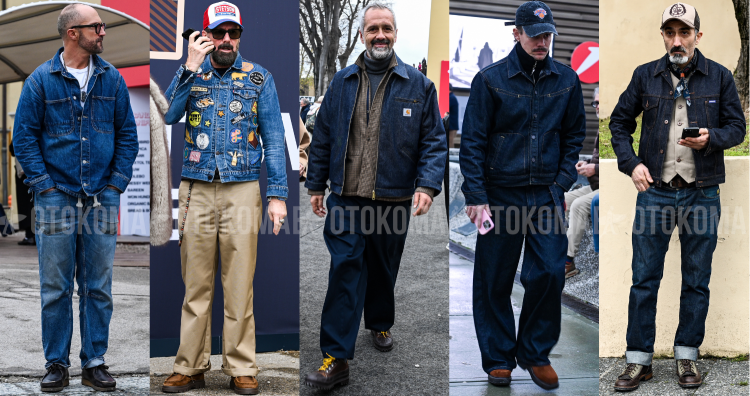
↑The style of Mr. Andrés, a vintage collector. This is a realm that AI—which tends to choose safe, uncontroversial options to avoid being penalized—struggles to reach.
Self-Editing Skills 3The Ability to Create a Body That Makes Clothes Look Good
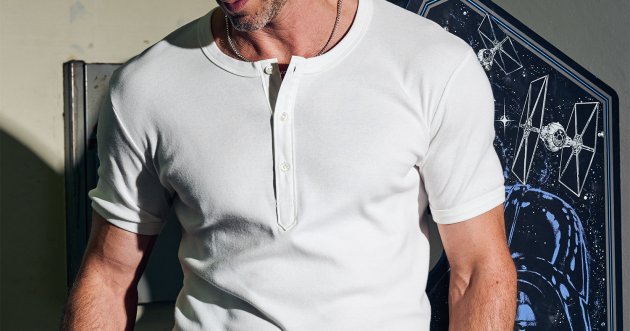
Even when wearing the same T-shirt, some people just look cooler for some reason. You can’t explain that difference by comparing the clothes alone. It comes down to posture, shoulder position, gait, body type, skin condition, hair, and facial expressions.It’s because these elements on the part of the “wearer” overlap and determine the final appearance. The more widely fashion selection theories are shared, the harder it becomes to stand out in fashion based solely on what you wear. That’s why the person wearing the clothes becomes relatively more important.Pay attention to your hairstyle. Build muscle. Correct your posture. Take care of your skin. Get enough sleep. Be mindful of how you walk. While AI can provide endless methods and ideas, it’s up to the individual to put them into practice and build on them over time.
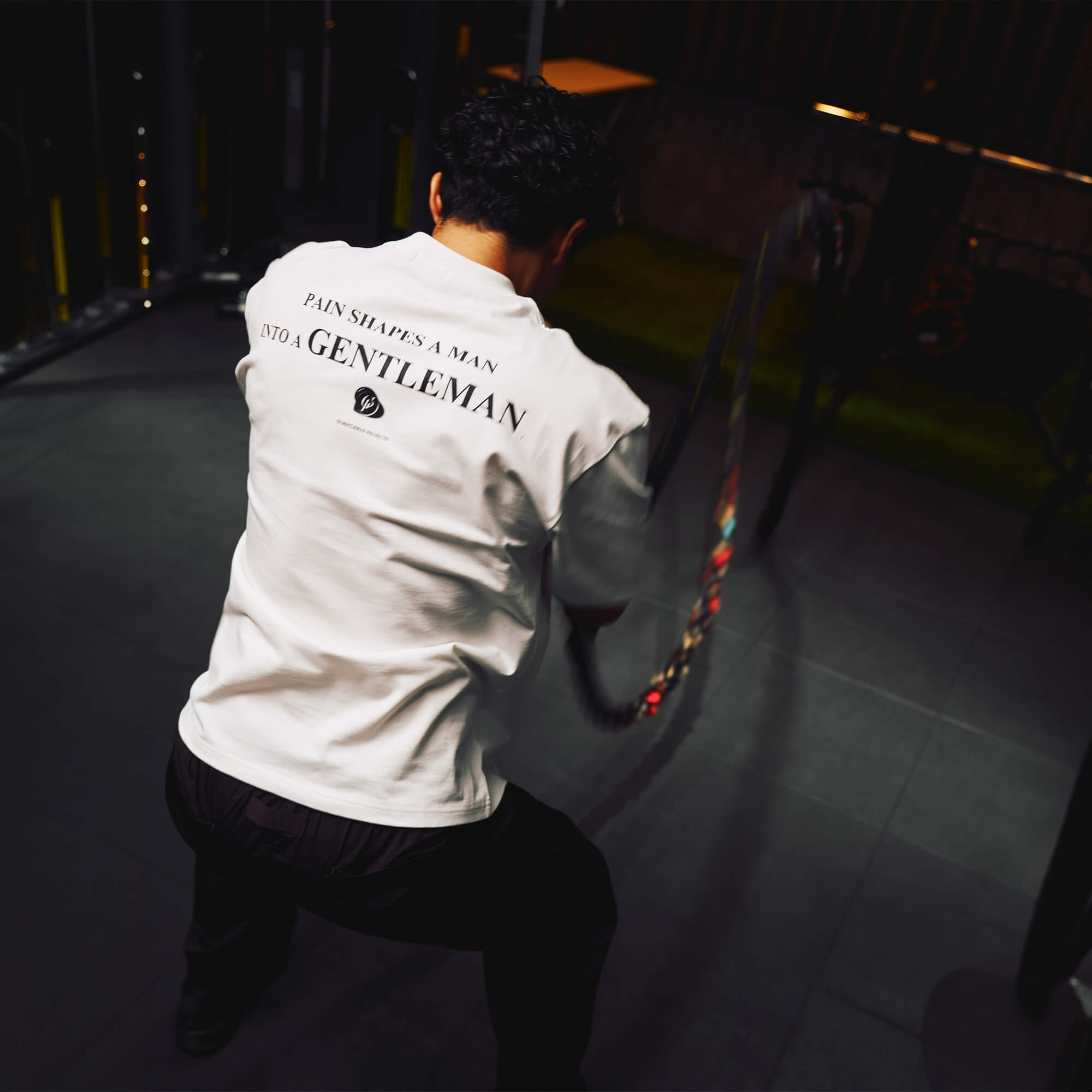
| T-Shirt | Click here for more details |
| Pants | Click here for more details |
Honestly, this mindset has long been commonplace among men who take great care in their personal appearance. However, if AI helps narrow the knowledge gap regarding clothing selection, this mindset will no longer be limited to just a select few men—it should become much more widespread.
Self-Curation Skill 4The Ability to Consciously Maintain a History of Choices
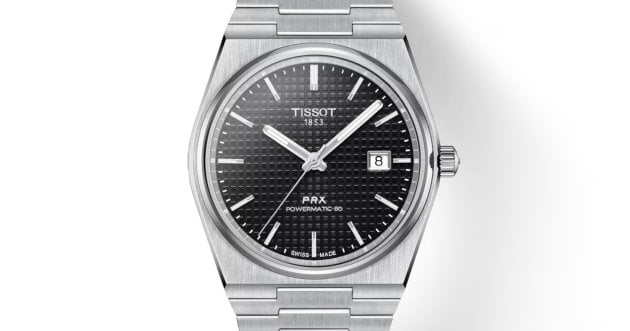
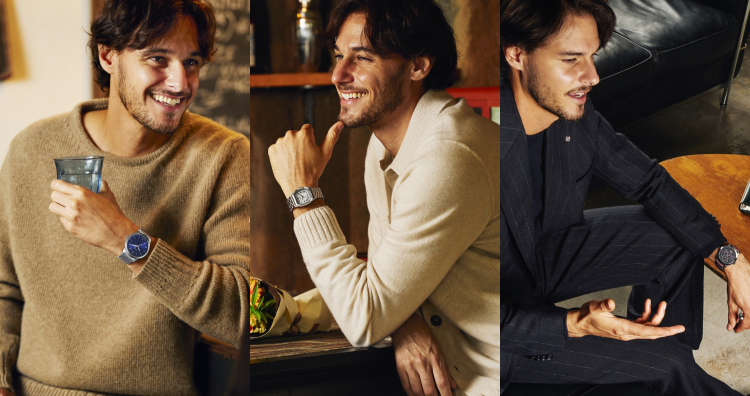
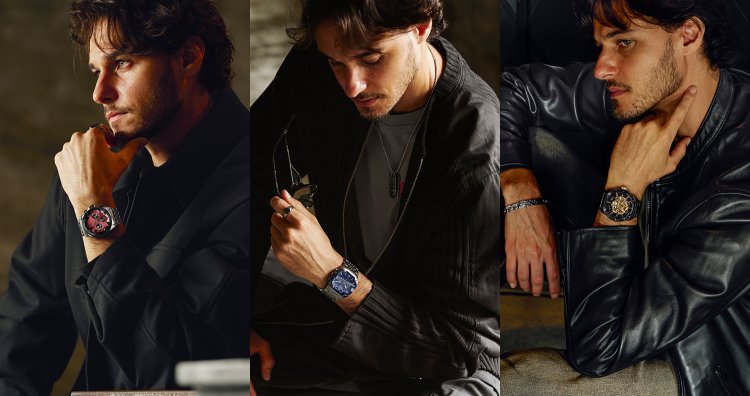
If you let AI suggest outfits, it becomes easy to put together a reasonably stylish look every day. However, it cannot create a style that feels “true to who you are.”You always wear the same style of watch. Your pants are a consistent width. Your leather shoes are mostly black. You prefer natural fibers, and you don’t change your hairstyle much. Regardless of whether you’re conscious of it or not, choices repeated over many years create a sense of consistency. In a sense, a style that’s uniquely yours can be described as a “history of choices.”

Self-Editing Skills 5Seeing the Real Thing Cultivates Your Aesthetic Sense
No matter how advanced AI becomes, there will always be a sense of appreciation that can only be gained by seeing the real thing.“The way this wool drapes when I walk is beautiful.” “This leather looks like it will age beautifully.” “The neckline of this T-shirt is perfect down to the last few centimeters.” “These pants look great when worn with the waistline slightly lower.” These sensibilities are cultivated by looking at, touching, and wearing clothes—and by making mistakes along the way.It’s an “eye for aesthetics” shaped by experience, not information. As everyone gains access to the same product information, the scarcity of knowledge itself will decrease. Conversely, the value of an eye for aesthetics backed by experience will likely increase.

Distinguishing Between the Gaps AI Can Eliminate and Those It CannotHow to Stand Out Even in an Era Where Everyone Knows the 'Right Answer'
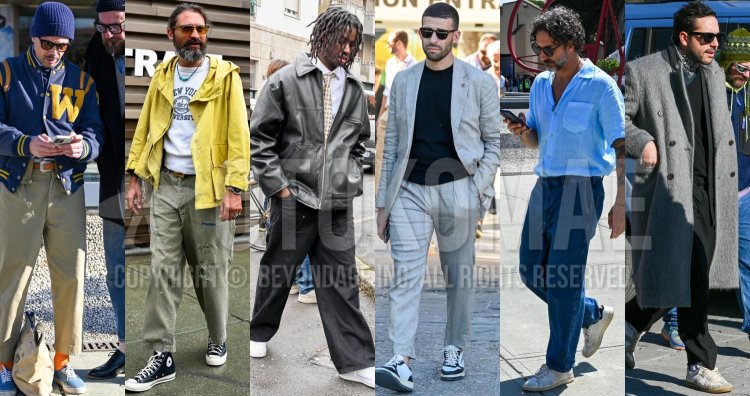
In the past, many people had no clue what to wear to look good.Now, if you ask AI, anyone can easily arrive at a certain “correct answer.” Yet, when you walk down the street, there will always be people who “just look good for some reason” and those who “aren’t dressed wrong, but still fail to leave an impression.” The factors that create this difference include physical fitness, demeanor, self-understanding, and the accumulation of experience.None of these things can be acquired overnight, and they won’t accumulate unless you take action yourself. AI is narrowing the information gap when it comes to choosing clothes. However, the difference in whether or not you can put that information into practice—the so-called “execution gap”—is actually becoming more pronounced. Are you the one making the difference, or the one being left behind?I want to keep in mind once again that the answer lies in the accumulation of daily efforts.

| T-shirts | Click here for more details |
| Shorts | Click here for more details |

![What to Wear When the High Is 24 Degrees [3 Men’s Outfit Ideas Based on the Temperature Difference Between the High and Low]](https://otokomaeken.com/wp-content/uploads/2026/10/123ac7d53dbc900bab7d6703661e0cd1b47414a0a1a16c6347e3d09bfa184b6c-630x331.jpg)




![What to Wear When the High Is 24 Degrees [3 Men's Outfit Ideas Based on the Temperature Difference Between the High and Low]](https://otokomaeken.com/wp-content/uploads/2026/10/123ac7d53dbc900bab7d6703661e0cd1b47414a0a1a16c6347e3d09bfa184b6c-750x396.jpg)
![A complete strategy for men's fall/winter fashion for men in their 40s [ 5 latest trends & 60 examples of how to wear them ] Adults aiming for supremacy](https://otokomaeken.com/wp-content/uploads/2025/08/45164f5d0402b55f75483dffa156660c46e58c9b43ab29c49b13028d888bb60b-750x396.jpg)