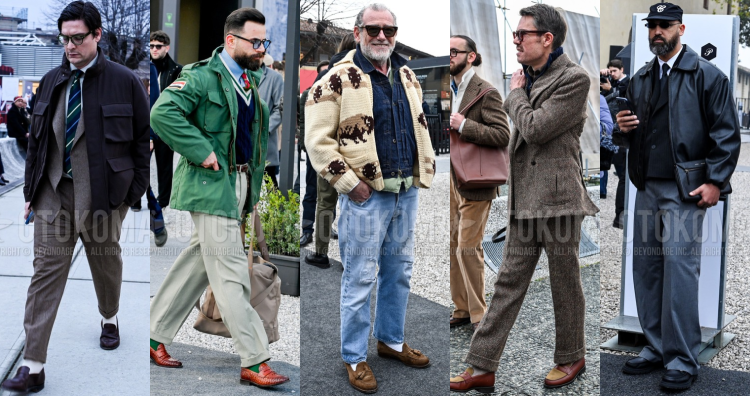
Loafers are leather shoes whose role changes depending on the style they’re paired with. They lend a lighthearted touch to formal looks and add a touch of elegance to casual outfits. How did this versatility come about? The answer lies in the evolution of their design—which has moved back and forth between formal and casual—and in the culture that has fostered ways of wearing them that defy conventional wisdom about leather shoes.In this article, we’ll trace the history of loafers from their inception to the present day, and conclude with a series of street style photos captured by OTOKOMAE.
Sponsored by
The History of Loafers 01 | Gaining Popularity as Casual Leather ShoesThe trend was sparked by Wee Johns, founded in 1936. Resort shoes became a staple of the Ivy League.
While there are various theories regarding the origins of loafers, one important lineage leading to today’s penny loafers is a shoe born in Åland, in western Norway.Nils Tveranger, who studied shoemaking techniques in the United States, drew inspiration from traditional local footwear and Native American moccasins to develop a lace-less leather shoe.

Eventually, they became known in Europe and the United States through travelers visiting Norway, and by the 1930s, they had gained popularity among resort guests in Palm Beach, Florida.Noticing this trend, fashion magazine editors connected the U.S. shoe manufacturer G.H. Bass with a men’s clothing store in New York, leading to the birth of the “Weejuns” in 1936. Characterized by a design featuring a slit in the leather strap across the instep, they later became widely known as “penny loafers.”
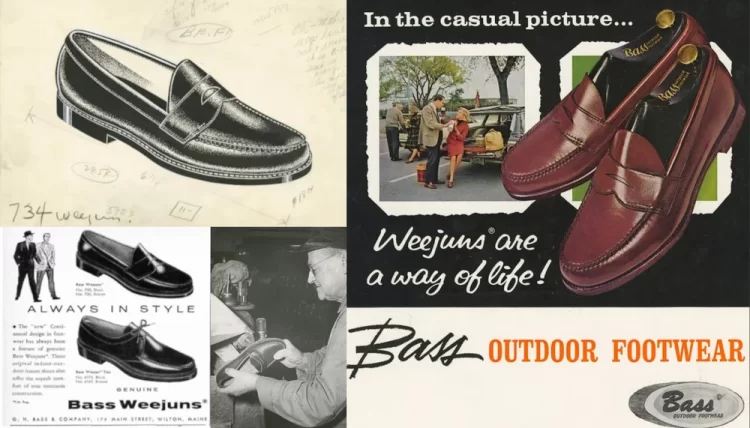

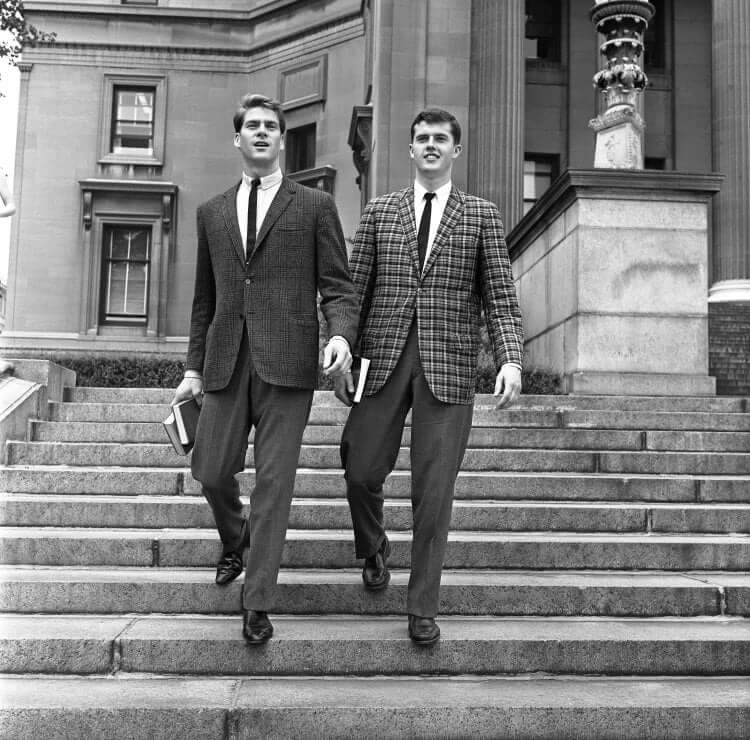
Then, in the 1950s, Weejuns gained popularity among “Ivy Leaguers” attending prestigious universities on the East Coast of the United States.A style emerged in which these laceless leather shoes were paired with sophisticated attire such as blazers, button-down shirts, and chinos. Originally favored for leisure settings like resorts, these shoes became an integral part of students’ wardrobes, establishing themselves as casual footwear that combined the refined elegance and lightness characteristic of leather shoes. *1*2
The History of Loafers 02 | Entering the Realm of Dress Style
Loafers, which had become popular as casual shoes, began to take on a dressier character in the 1950s. The turning point was Alden’s tassel loafer.The impetus for their creation was a custom order from actor Paul Lucas. Having taken a liking to a pair of laced shoes with tassels he’d purchased in Europe, he asked a U.S. shoemaker to modify them. However, he was not satisfied with the initial result, so he consulted separate shoe stores—and, by coincidence, both stores ended up commissioning Alden to produce the shoes.The company developed a new loafer by removing the laces and retaining the tassels as a decorative element. Production began in 1950, and by 1957, Brooks Brothers had begun carrying the style. With a dressier look than penny loafers, tassel loafers eventually became a staple in the wardrobes of lawyers and businessmen.


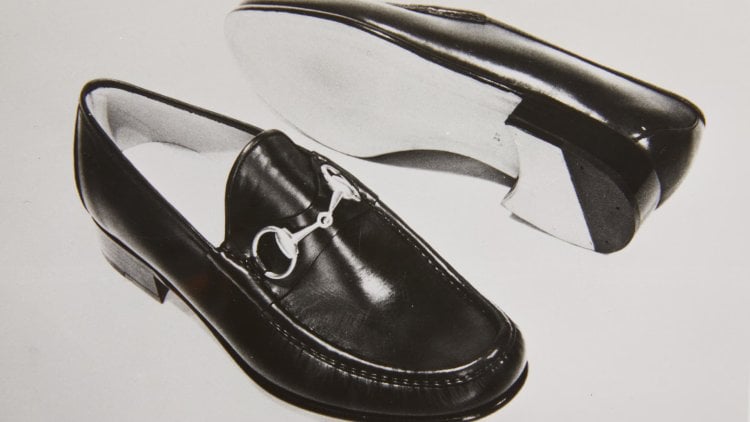
Furthermore, in 1953, Gucci introduced the horsebit loafer, featuring a metal bit on the instep modeled after a horse’s bridle.With its sophisticated silhouette and luxurious embellishments, this design expanded the range of occasions for which loafers were worn. In the 1970s, American politicians began pairing them with suits, and by the 1980s, they had gained popularity among Wall Street financiers.Leather shoes, once worn primarily for leisure, came to be incorporated into outfits symbolizing social status and success. Nevertheless, their laceless design remained unchanged. The characteristic of loafers—which, while possessing a dressy element, do not give as formal an impression as lace-up shoes—became even more prominent amid these developments. *3*4
The History of Loafers 03 | New Ways of Wearing Them Emerge Through CultureFor Young People’s Self-Expression.A New Style of Loafers Born from Diverse Cultures
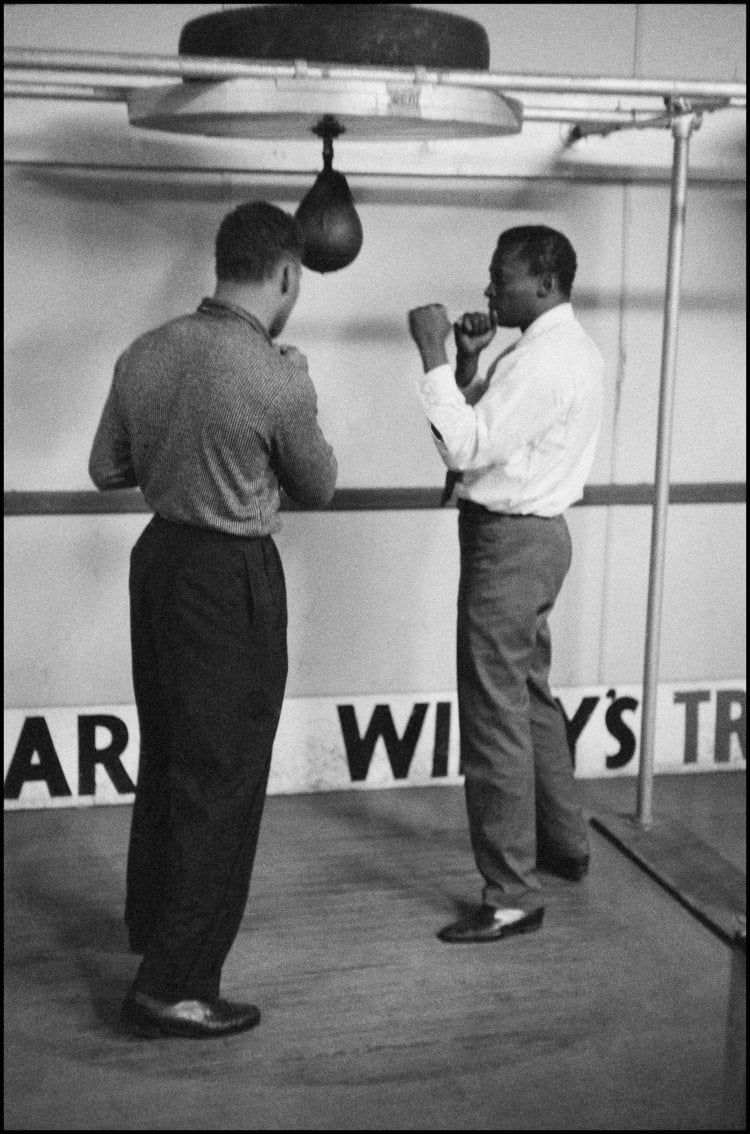
As loafers moved into the realm of dress shoes, new interpretations of how to wear them also emerged.In the United States in the 1950s, jazz legend Miles Davis adopted the Ivy League look, styling weigans, button-down shirts, and slim-fit suits with his own unique sensibility.The fashion created by African American musicians and cultural figures—who reinterpreted the Ivy style, then a symbol of prestigious American universities—would later come to be known as “Black Ivy.”Furthermore, in Paris in 1962, a group of young people known as the “Bande du Drugstore,” who gathered at a drugstore on the Champs-Élysées, wore J.M. Weston’s “180 Loafers”—a favorite of their fathers’ generation—with jeans and bare feet.By deliberately wearing these elegant leather shoes in a casual manner, they expressed an attitude unbound by conventional values. In the UK during the 1960s, young people known as “Mods” reinterpreted the American Ivy League look in a British style. They incorporated loafers into slim-fit suits and pants, establishing their own unique style.What these cultures have in common is that, rather than drastically changing the design of the loafer itself, they imbued it with new meaning through the clothes they paired it with and the way they wore it. The concept of deliberately wearing refined leather shoes in a casual manner resonates with how loafers are incorporated into contemporary casual styles today. *5*6*7

USA. NYC. 1958. Miles DAVIS, an American jazz musician, in the Columbia Records recording studio in Manhattan.
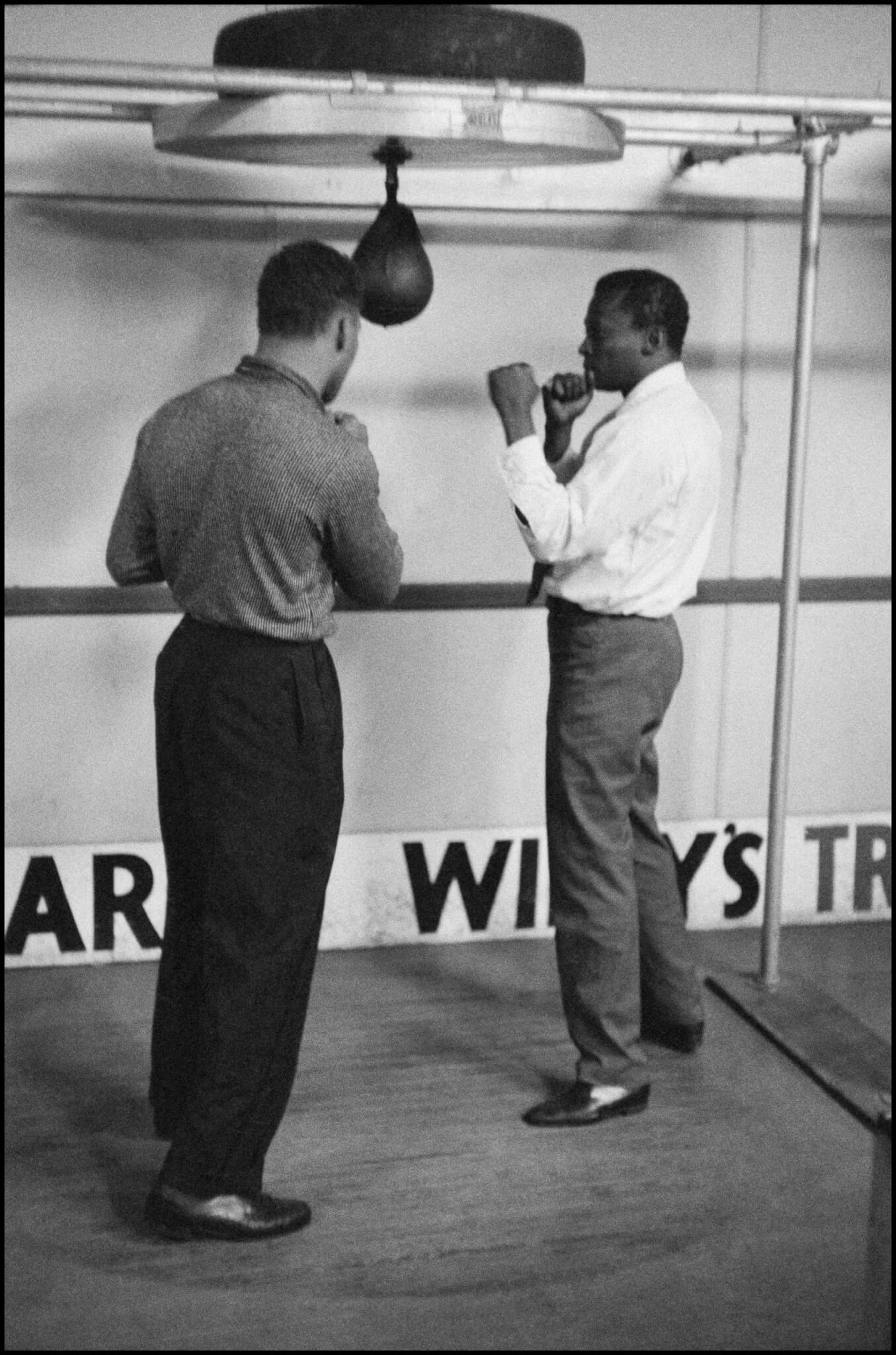
USA. 1958. Miles Davis.

The History of Loafers 04 | Their Design Is Incorporated into SneakersThe fusion of loafer design and running shoe functionality.The 1906L Breaks New Ground for Leather Shoes
Looking back on the history of loafers—which began as casual shoes but gradually acquired dressier elements—their recent fusion with sneakers is an intriguing development.A symbol of this trend is the “1906L,” released by New Balance in 2024.Unveiled on the JUNYA WATANABE MAN runway that same year, this shoe combines the distinctive instep design of a penny loafer with mesh material and a sole structure derived from running shoes. It has become a prime example of the “snoofer”—a hybrid sneaker-loafer.Charlotte Lee, who led the development, has stated that amid growing interest in formal attire, she sought a way to fuse the two as a sports brand.Whereas loafers once evolved to resemble dress shoes, this time the design elements of the loafer have been incorporated into the structure of the sneaker. However, this signifies not so much a transformation of the traditional loafer as it does the beginning of its design being applied to a new category of footwear.From models with the refined appearance of leather dress shoes to those equipped with sporty features, the range of loafer styles continues to expand. *8

Mandatory Credit: Photo by Pixelformula/Sipa/SIPA/Shutterstock (14310130ai)
A model wearing an original creation from the Winter 2024 ready-to-wear menswear collection by Junya Watanabe, Paris, France, January 19, 2024
Paris, Menswear, Winter 2024, Junya Watanabe, France – January 19, 2024

Mandatory Credit: Photo by Pixelformula/Sipa/SIPA/Shutterstock (14310130ak)
A model wearing an original creation from the Winter 2024 ready-to-wear menswear collection by Junya Watanabe, Paris, France, January 19, 2024
Paris, Menswear, Winter 2024, Junya Watanabe, France – January 19, 2024


Understanding Their History Makes Today’s Styles Even More InterestingOTOKOMAE Loafer Snapshots
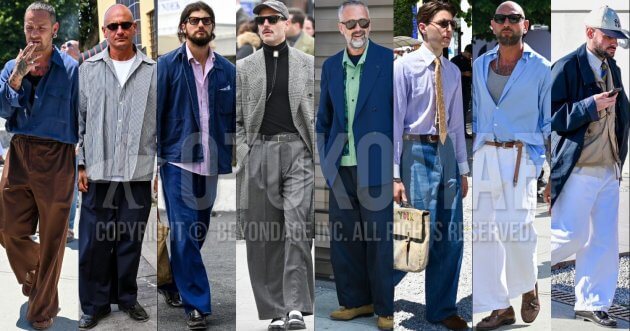
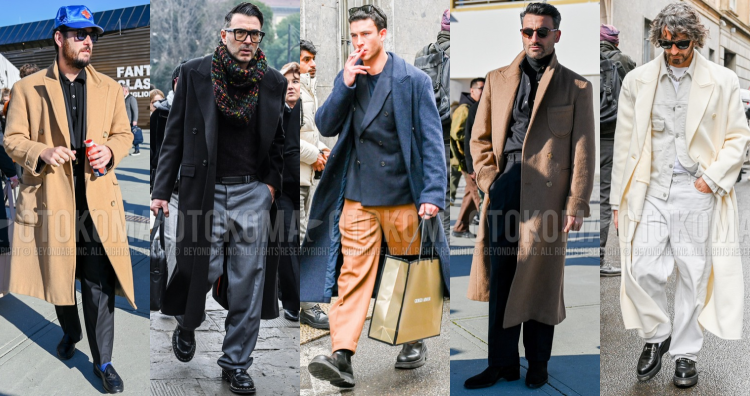
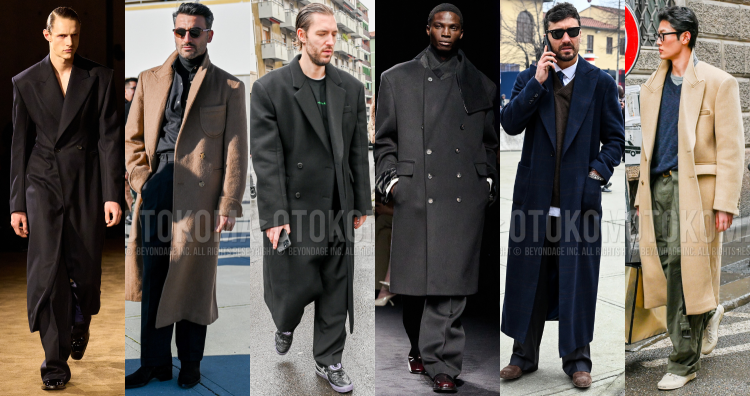
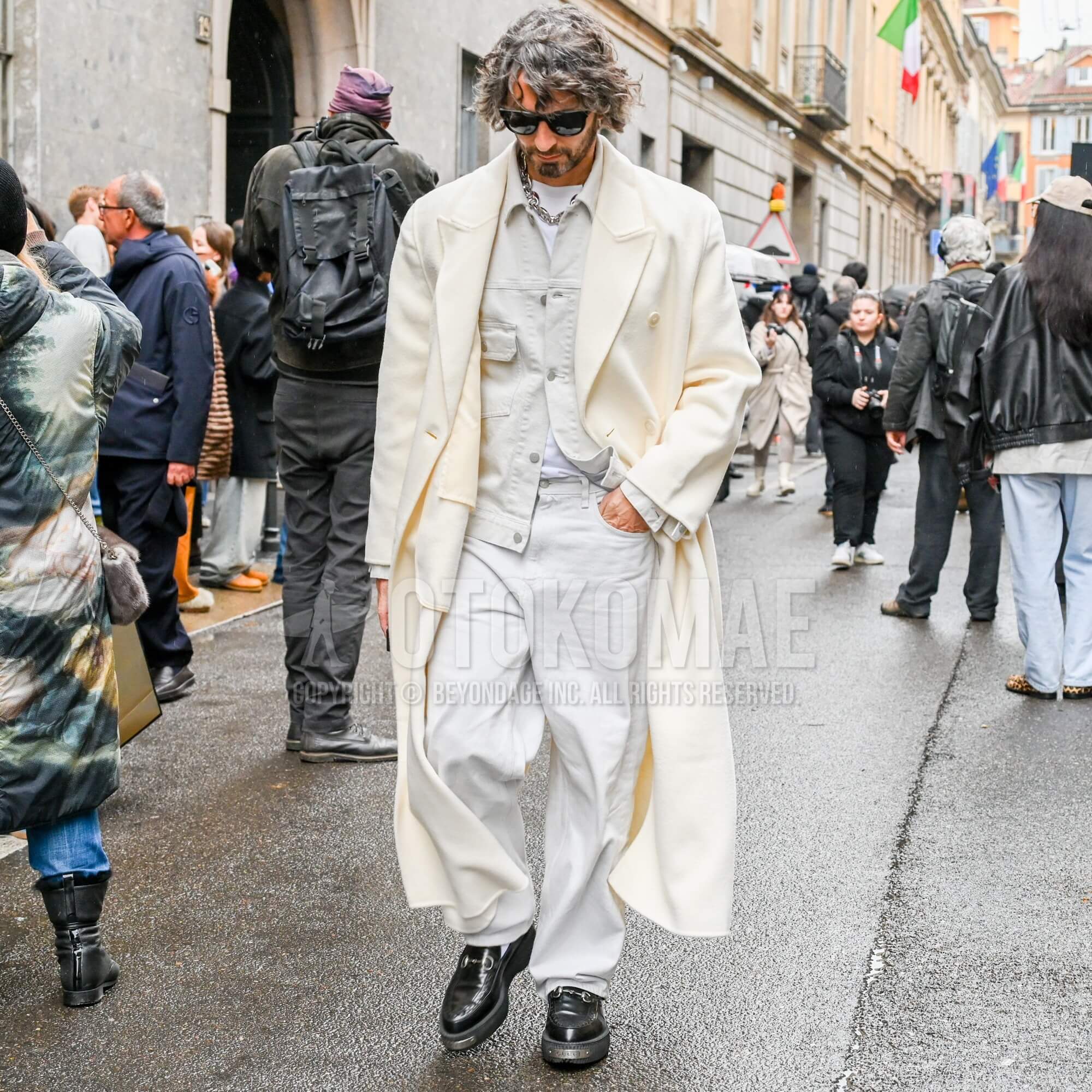
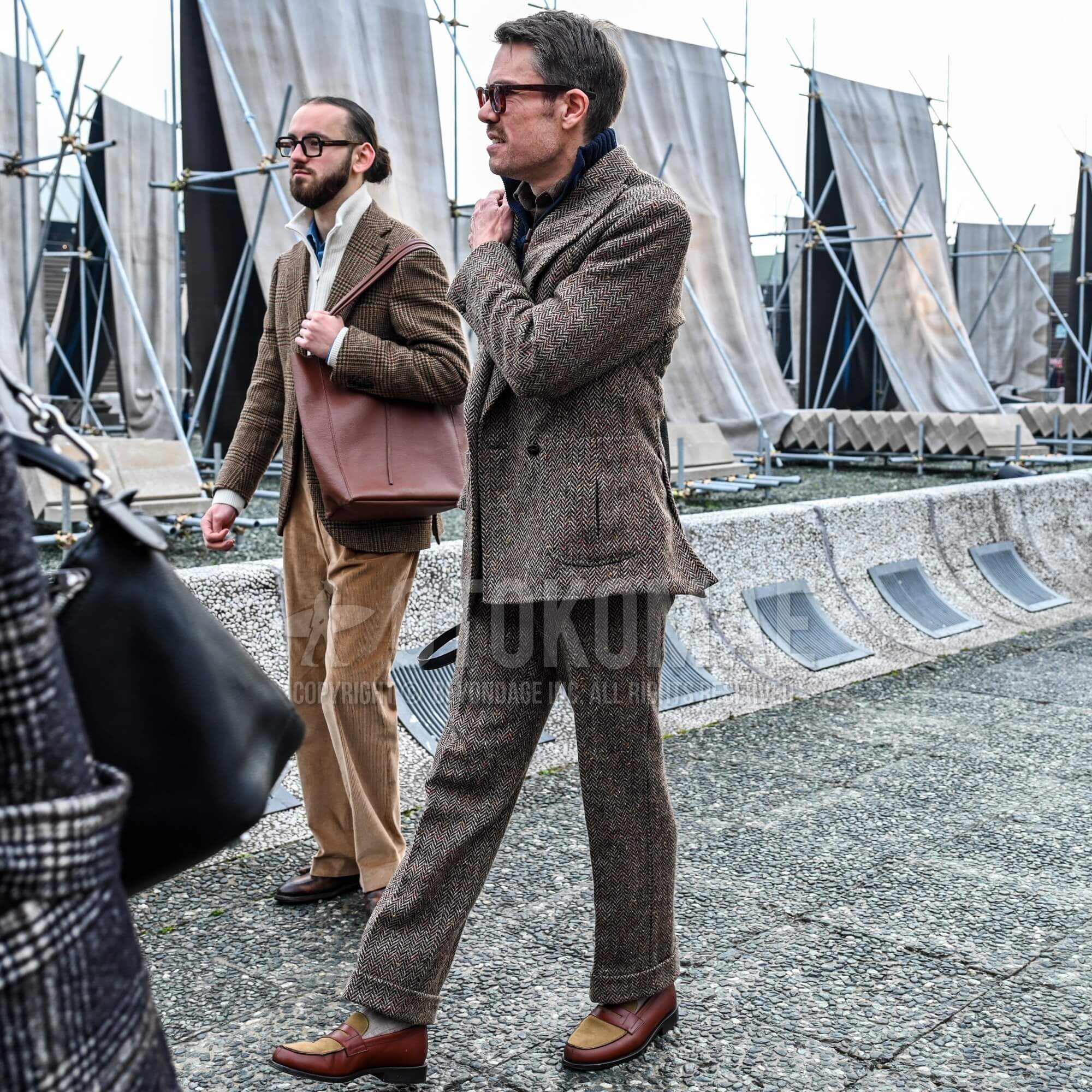
Originally popular as casual footwear, loafers eventually made their way into the business world.By learning about their history, you’ll gain a deeper appreciation for both the lightheartedness they bring when paired with a suit and the elegance they offer when worn with jeans. That said, not all loafers create the same impression. Models featuring a slim last and a thin leather sole have a dressier feel, while those with a rounded toe or a thick sole have a more casual vibe.If we look at the culture of each era, we can see the historical context behind wearing them barefoot-style or pairing them with white socks. From here on, we’ll introduce modern ways to style loafers through snapshots taken by OTOKOMAE.












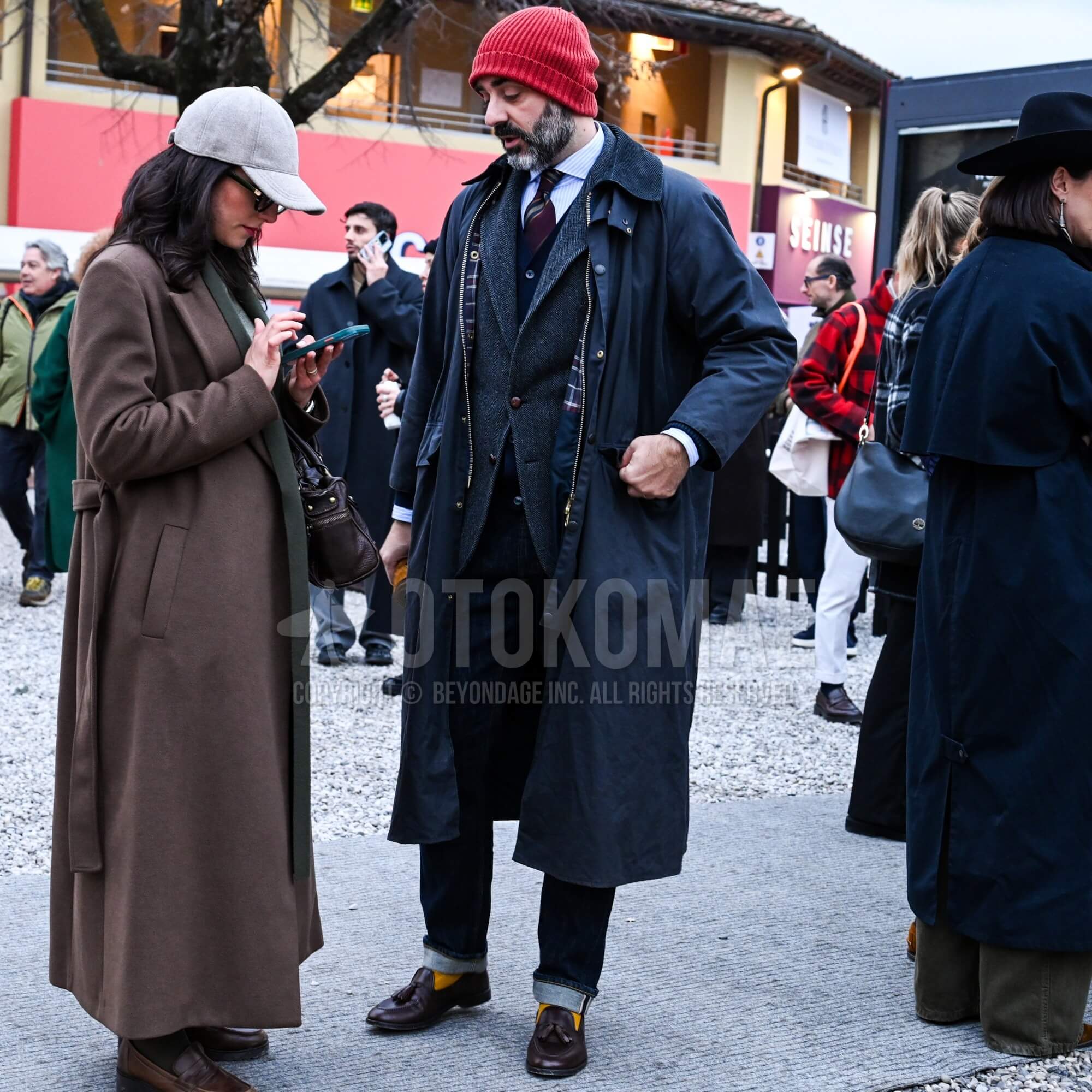









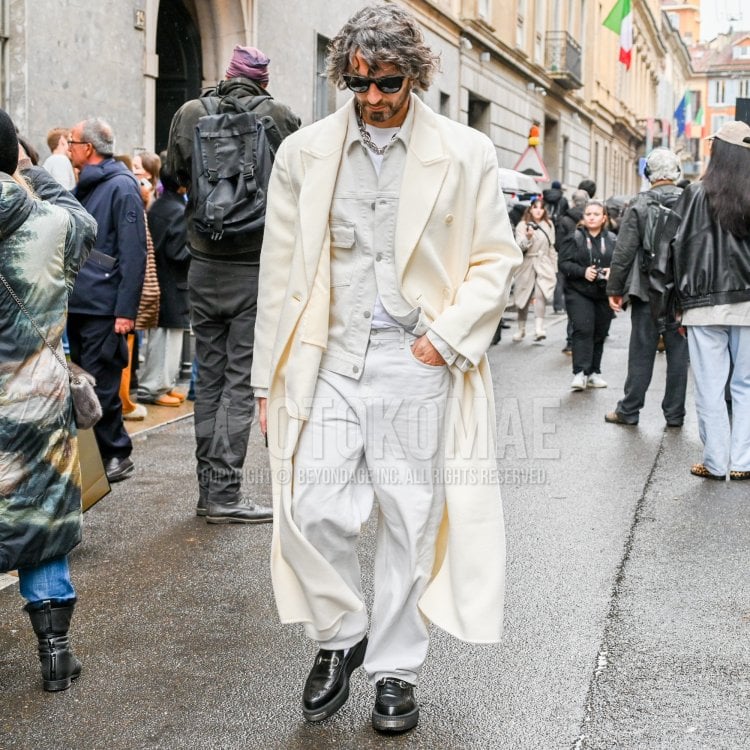



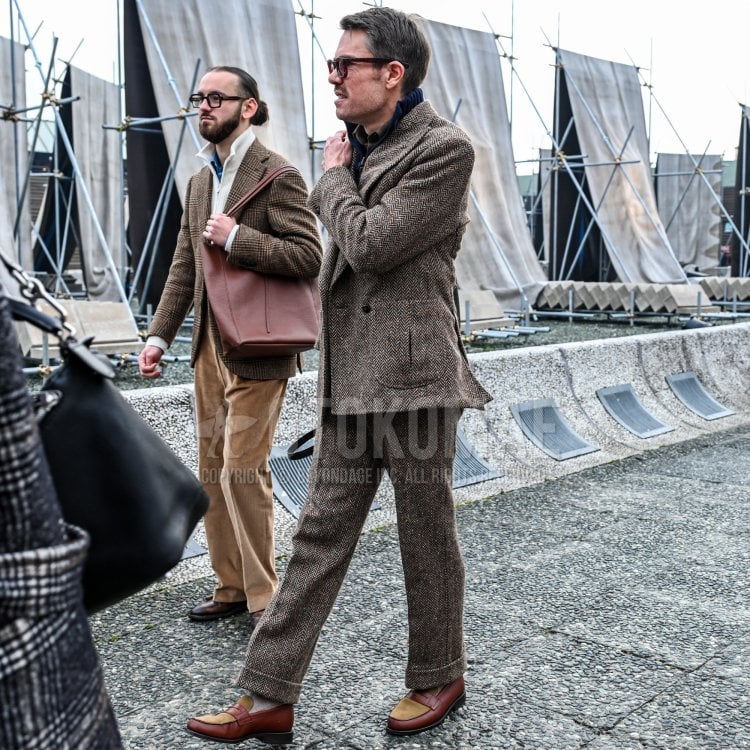



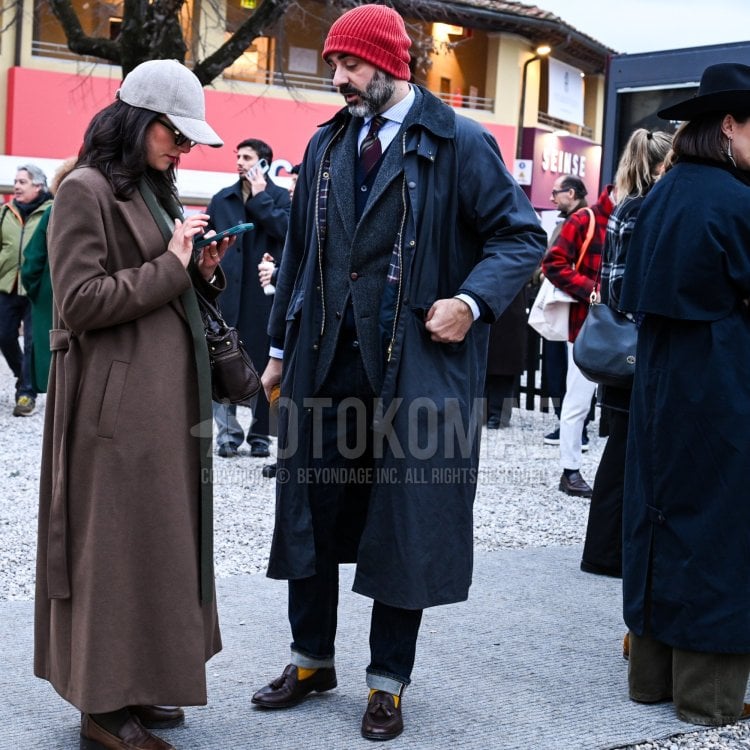



References
*1 Heddels, “The Lowdown on Loafers,” 2018.
*2 The Rake, “Rake Commends: The Penny Loafer,” 2016.
*3 Shoegazing, “History: Tassel Loafers,” 2019.
*4 The Rake, The Advent of the Loafer, 2024.
*5 The Guardian, Miles Davis: From Buttoned-Down Ivy League to Issey Miyake Flamboyance, 2016.
*6 LAST, Rethinking Modern Basics.06. J.M. WESTON, 2020.
*7 The Guardian, The Man Who Dressed the Mods, 2018.
*8 Fast Company, The Story Behind the Most Influential Sneaker in Years, 2025.