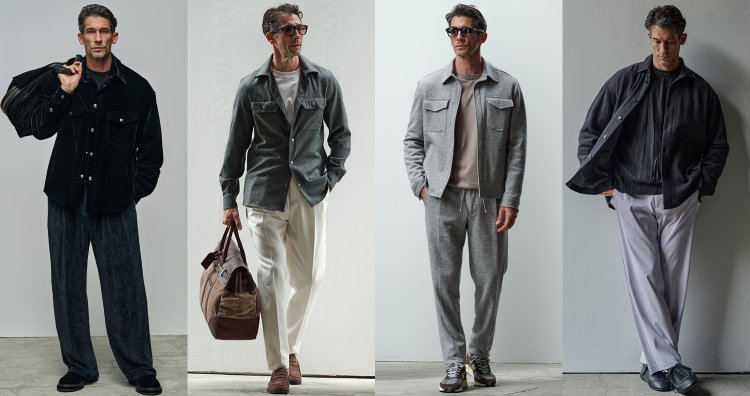
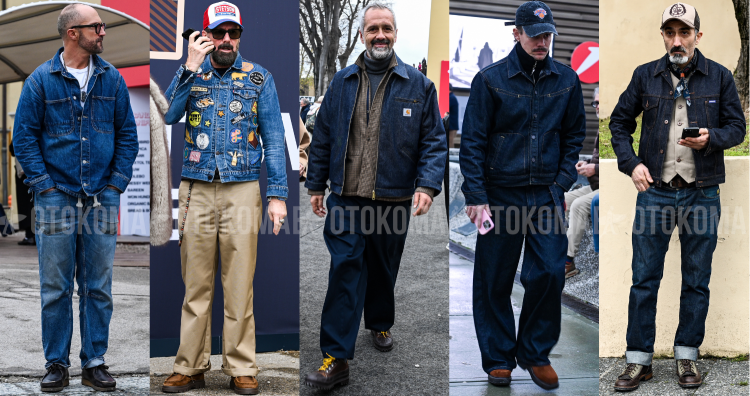
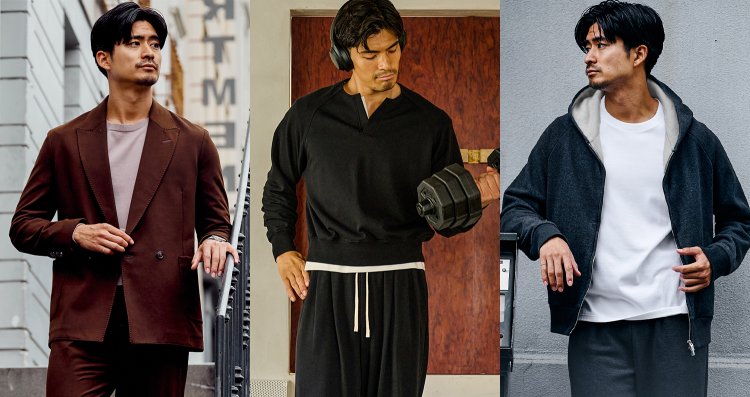
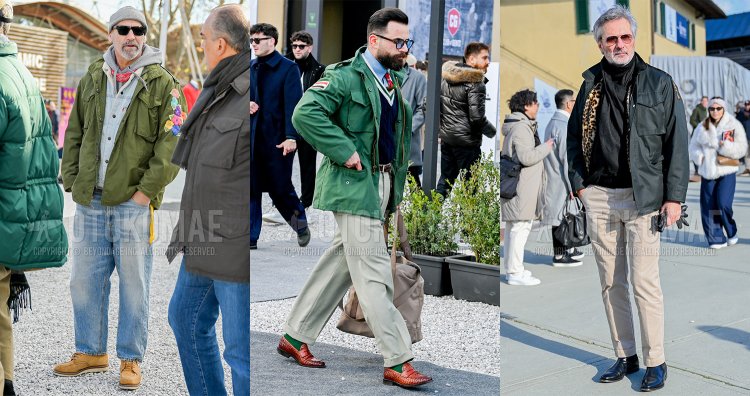
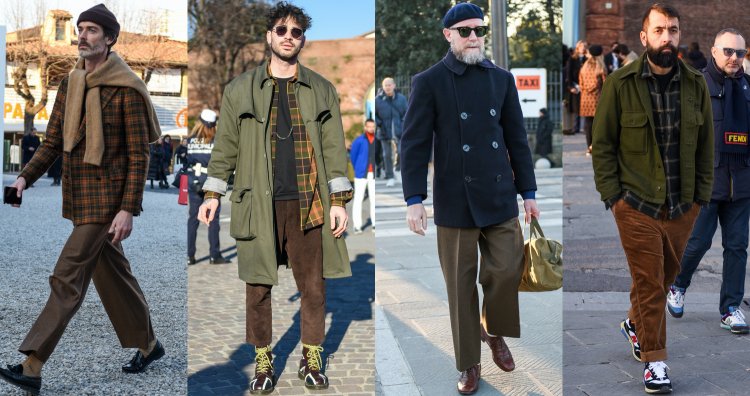
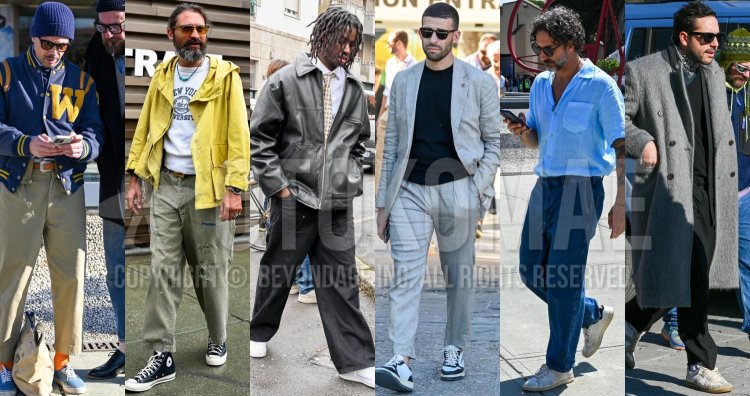
![What to Wear When the High Is 24 Degrees [3 Men's Outfit Ideas Based on the Temperature Difference Between the High and Low]](https://otokomaeken.com/wp-content/uploads/2026/10/123ac7d53dbc900bab7d6703661e0cd1b47414a0a1a16c6347e3d09bfa184b6c-750x396.jpg)
The temperature on a given day serves as a key factor in deciding what to wear. While the high and low temperatures are the main things to check, the temperature range—the difference between them—is also an important consideration. Even if the high is the same at 24 degrees, the clothes you should choose will vary significantly depending on whether the low drops to 14 degrees or only as low as 22 degrees.So in this article, using actual weather data from Tokyo, we’ve categorized days with a high of 24 degrees into three groups based on the size of the temperature range. We’ll introduce men’s outfits suitable for each of these scenarios.
Sponsored by
Basics of Choosing an Outfit for a 24°C DayChoose Your Outfit Based on the Difference Between High and Low Temperatures
A high of 24°C is the perfect temperature for wearing either short-sleeved or long-sleeved shirts.While you might be comfortable in light clothing during the day alone, the situation changes if you’ll be outside in the mornings and evenings as well. That’s why you’ll want to check the difference between the high and low temperatures. In meteorological terms, this difference is called the “daily temperature range.”As a guideline for choosing what to wear, let’s refer to days in Tokyo where the high was actually around 24 degrees Celsius and categorize them into three scenarios based on the diurnal temperature range: “10 degrees or more,” “around 6 degrees,” and “3 degrees or less.”
On October 11, 2024, Tokyo had a high of 24.3°C and a low of 14.3°C, for a diurnal temperature range of 10.0°C.On October 9, 2025, the high was 24.6°C and the low was 17.7°C, for a difference of 6.9°C. Furthermore, on September 27, 2024, the high was 24.8°C and the low was 22.4°C, resulting in a difference of just 2.4°C.Even on days with a “high temperature around 24 degrees,” there can be such a wide range in daily temperature fluctuations. And when you consider the times of day you’ll be outside—whether you’re just heading out for a few hours during the day or will be out from morning until night—the clothes you need will change accordingly.
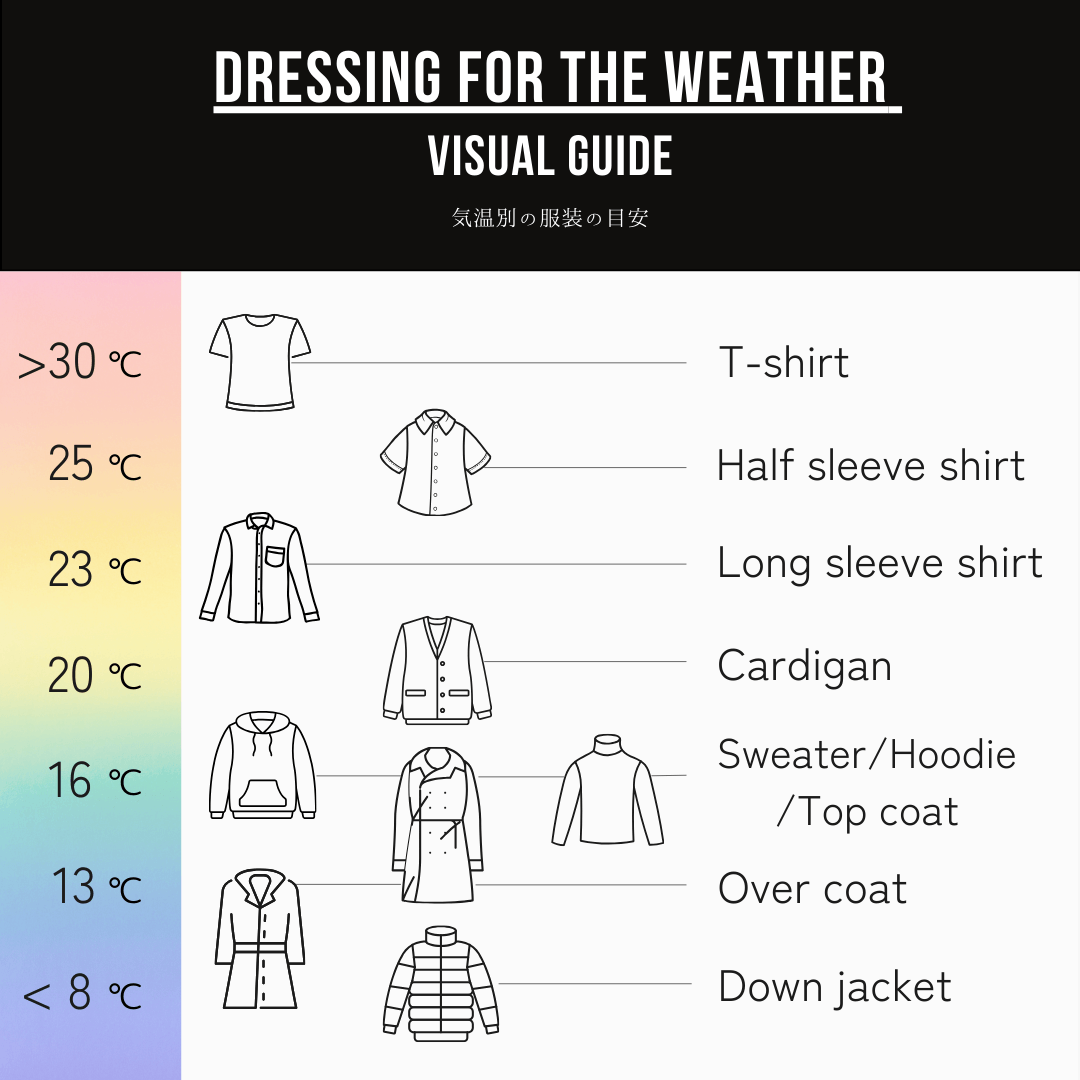
Men’s Outfit for a High of 24°C and a Low of 14°CWhen the temperature difference is 10 or more, ‘layering’ is the key to choosing the right outfit
On days when the high is 24°C but the low drops to around 14°C, it’s difficult to stay comfortable in the same outfit throughout the day, morning, and evening. Tokyo on October 11, 2024, was a perfect example of this pattern: while the daytime high reached 24.3°C, the low was 14.3°C.The daily temperature range reached 10.0 degrees. If you dress lightly based solely on the daytime high of 24 degrees, you’ll be cold in the morning and evening; if you dress warmly for the 14-degree low, you’ll be too hot during the day. In this situation, it’s more important to adjust the number of layers according to the temperature rather than simply “wearing warm clothes.”
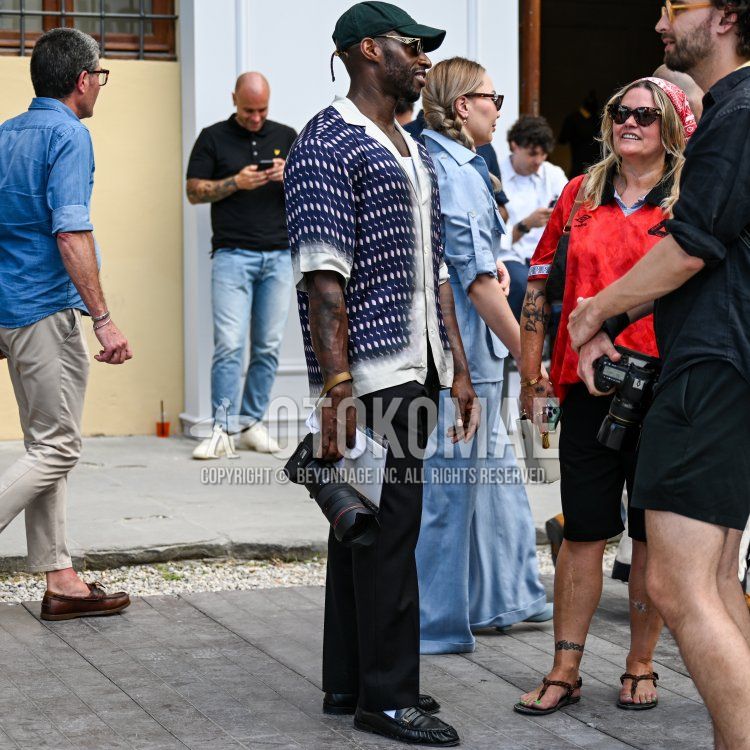
How to Dress for Temperature Differences of 10 Degrees or MoreA T-shirt plus a light outer layer makes it easy to handle a 10-degree temperature difference
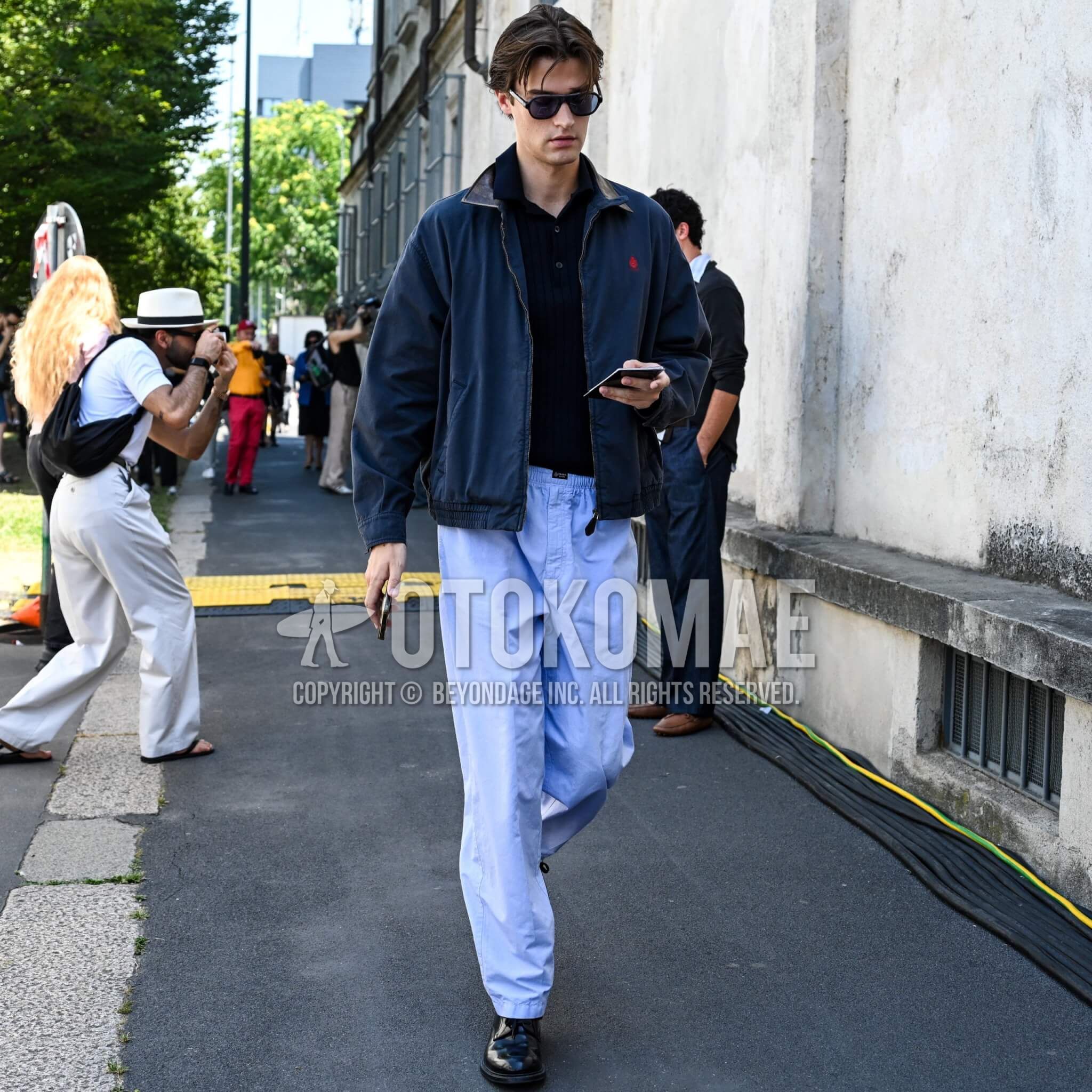
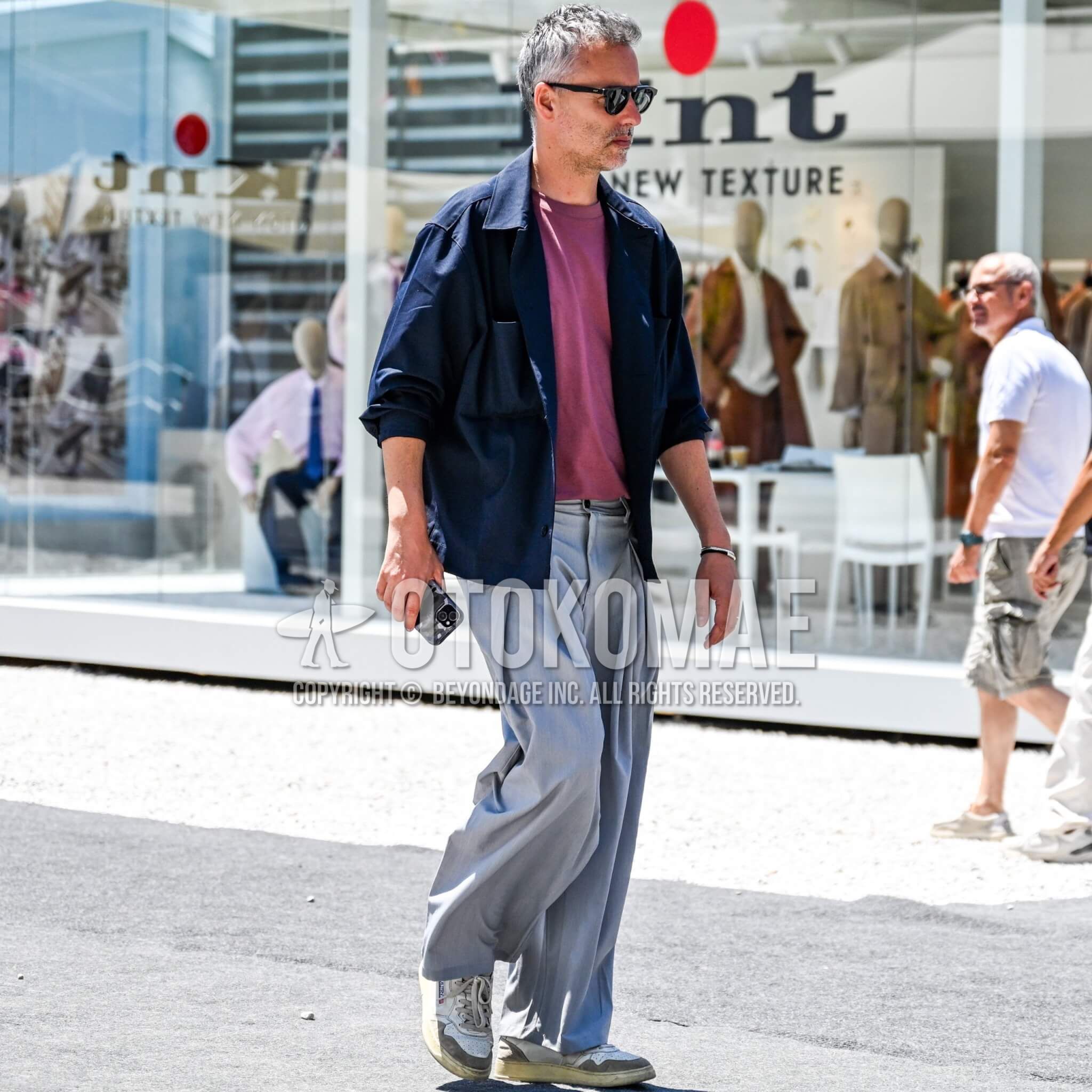
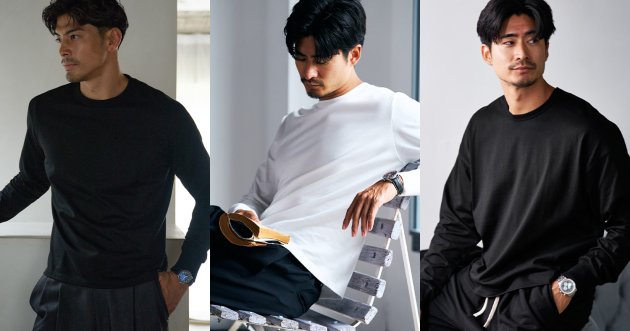
The simplest approach is to wear a T-shirt as a base layer and layer a light outer garment over it.When morning and evening temperatures hover around 14 degrees, the outer layer provides warmth, and once the temperature rises above 20 degrees, you can simply take it off to adjust. Outerwear like shirt jackets or lightweight blousons—which aren’t cumbersome to carry—is easy to wear throughout the day. The key here is to ensure your outfit still looks put-together even when you’re not wearing the outer layer.If you choose a T-shirt with a distinctive silhouette or texture, it will still look put-together even when worn on its own during the day.
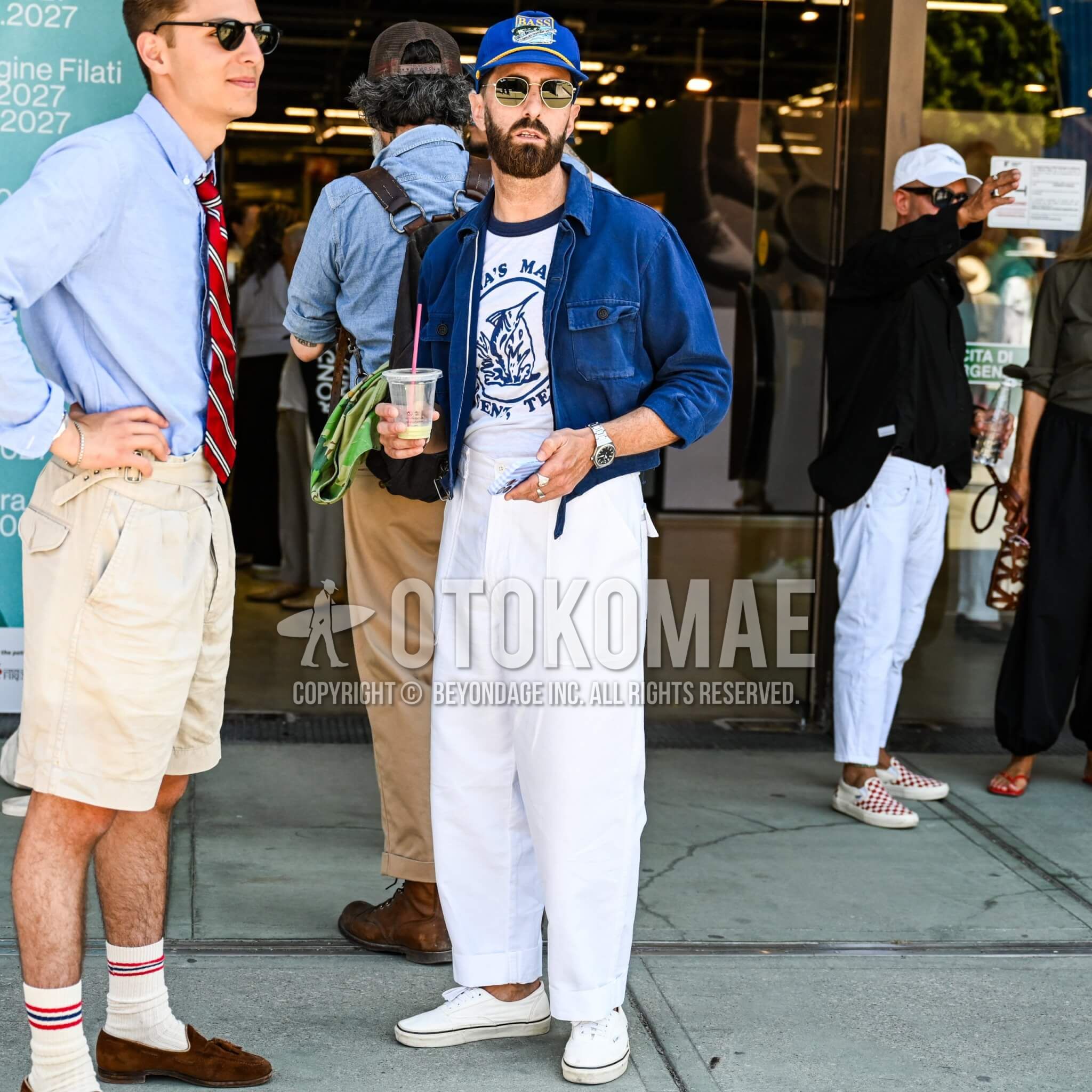
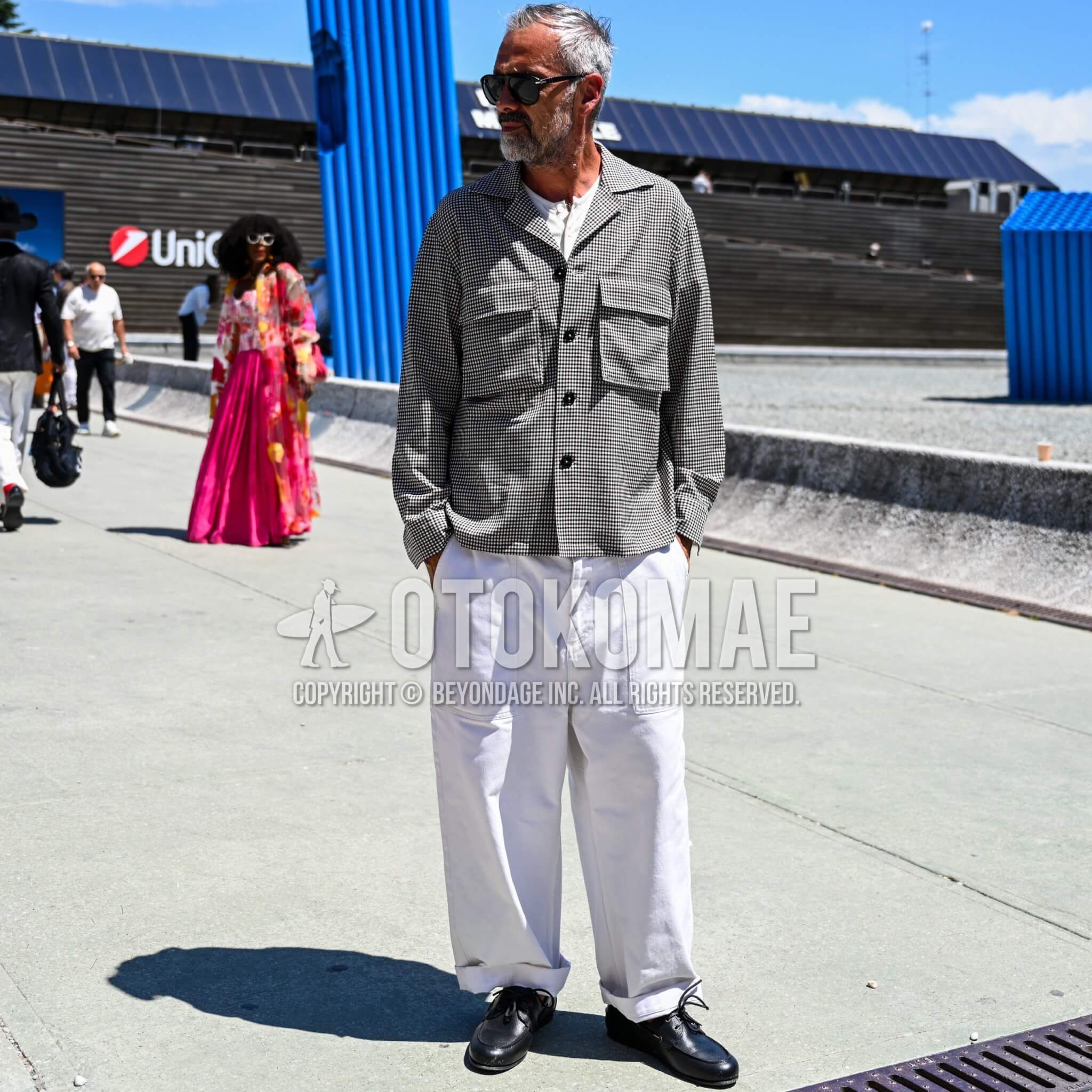

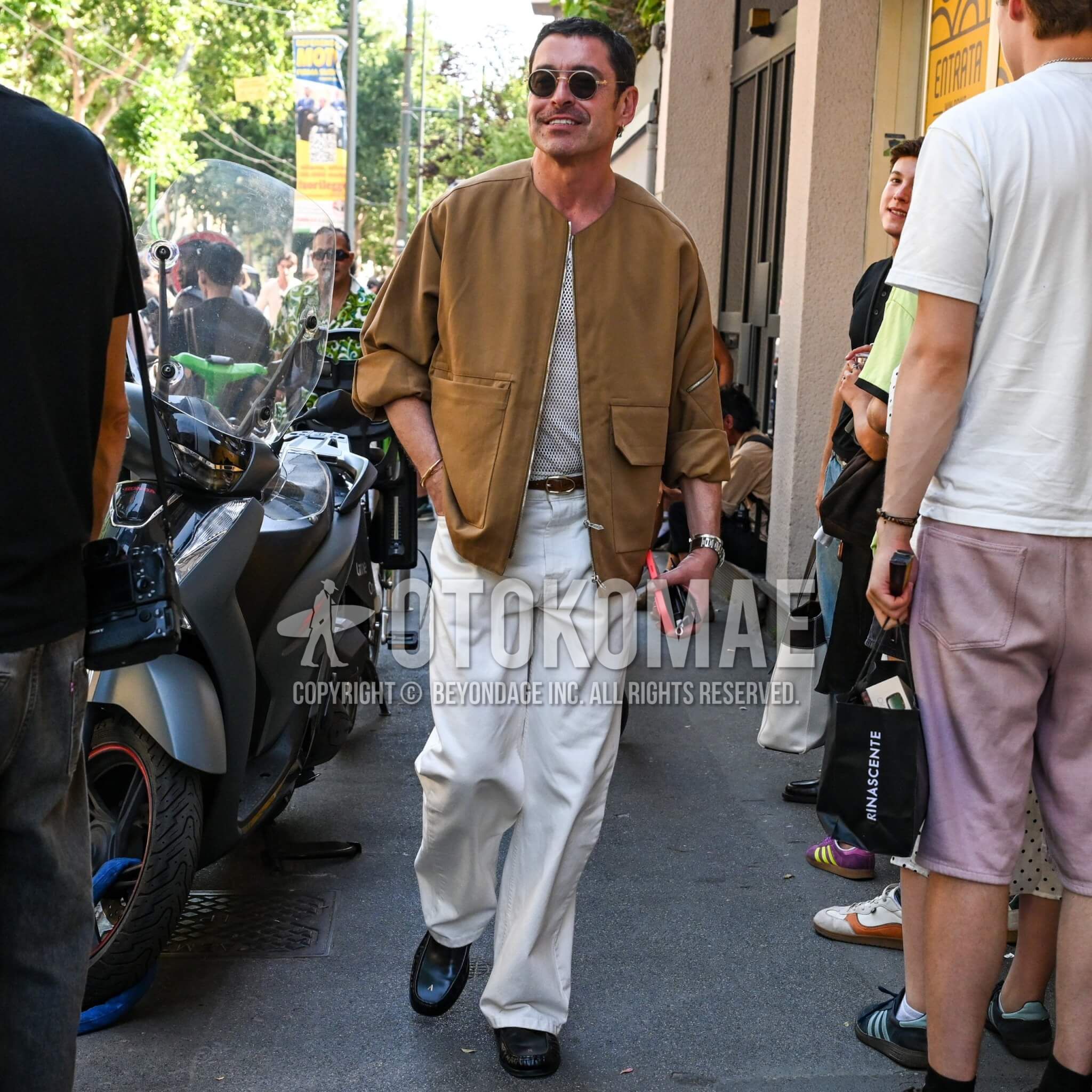
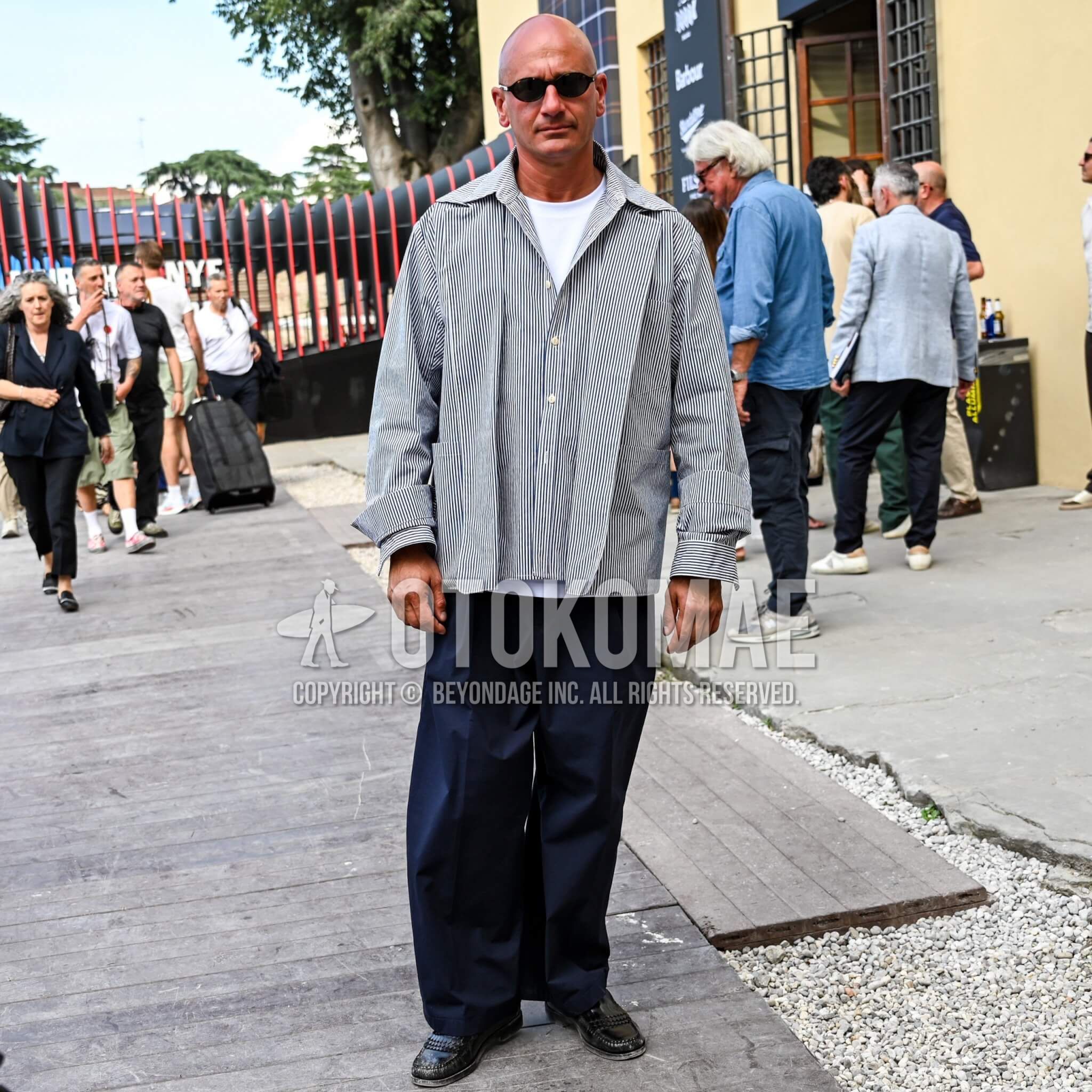
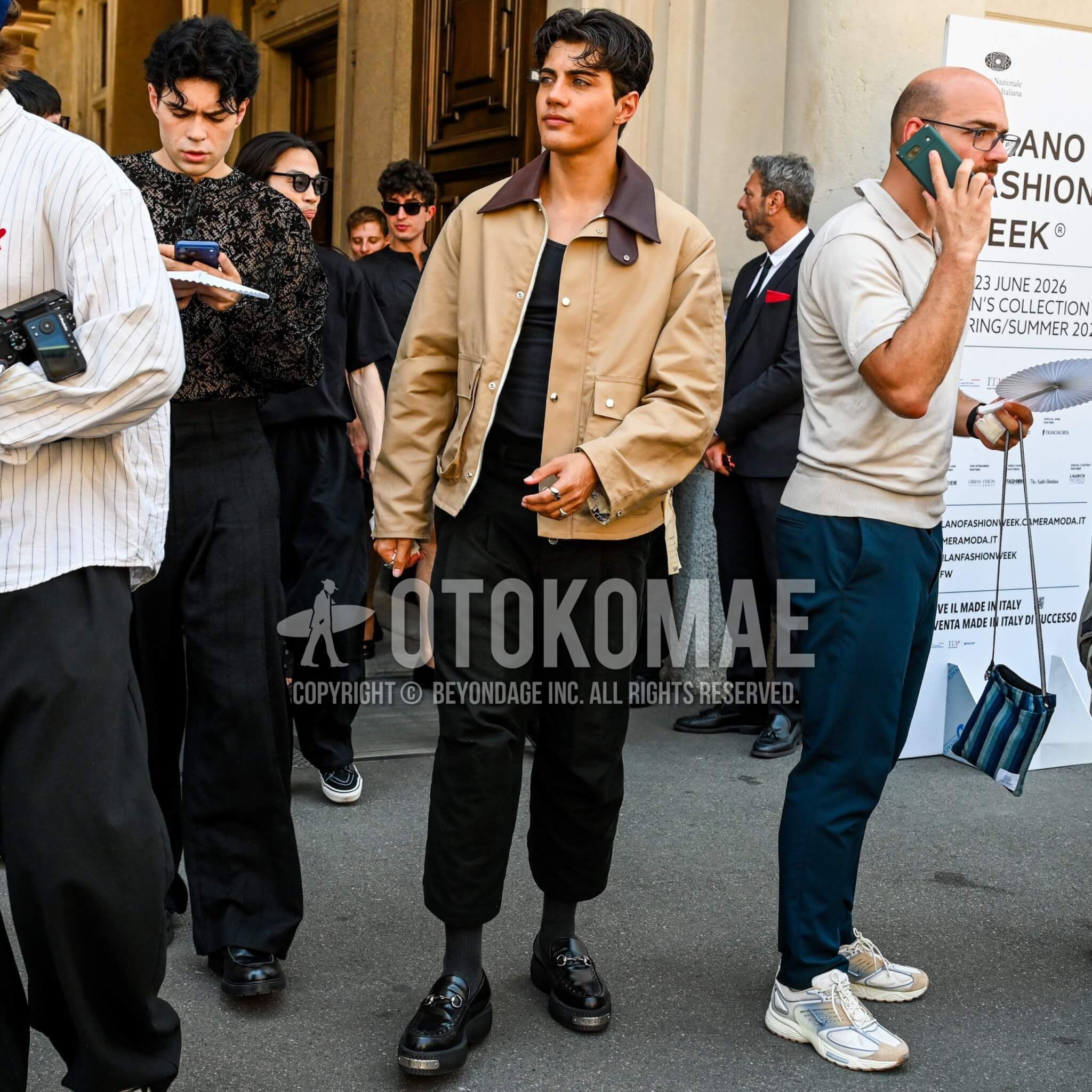
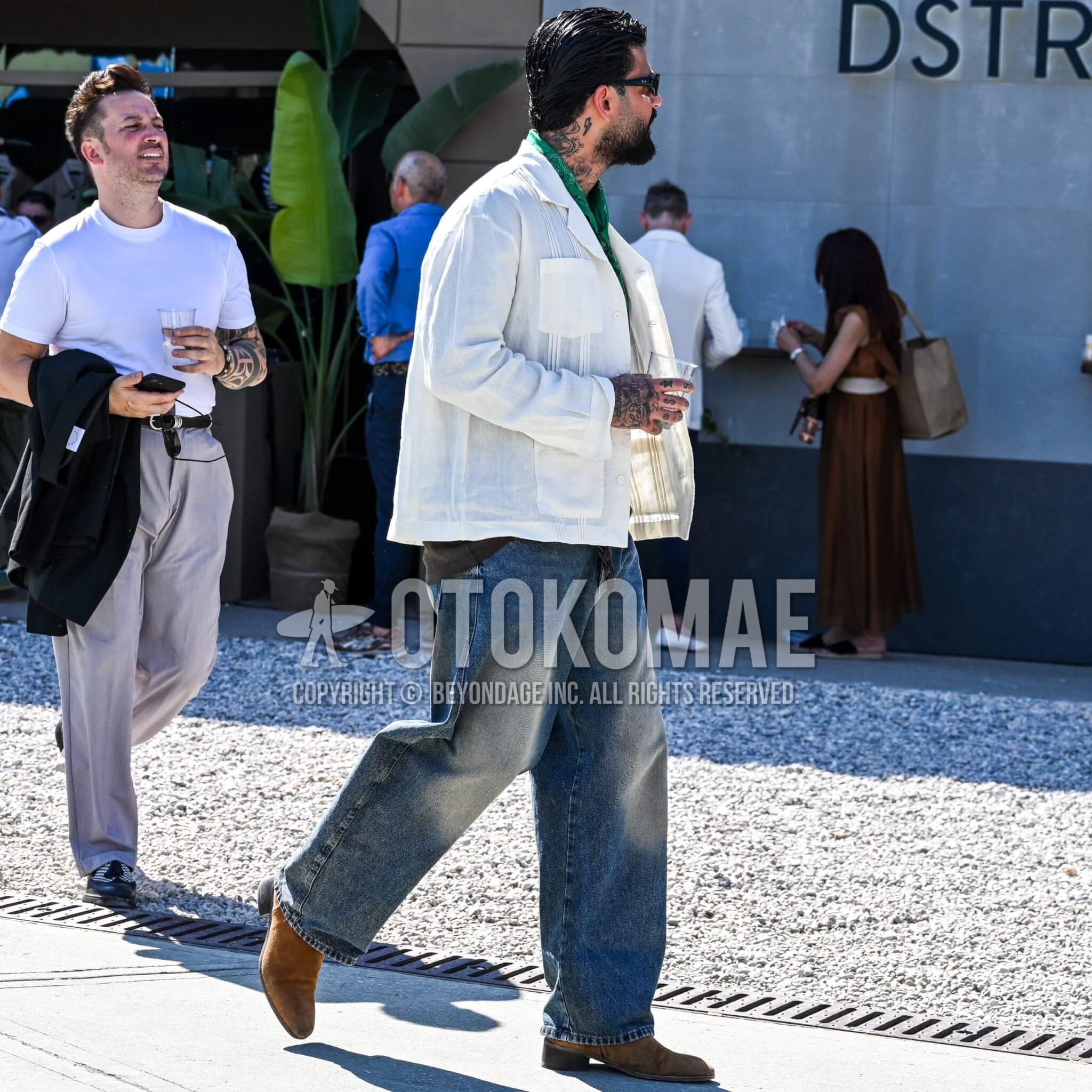

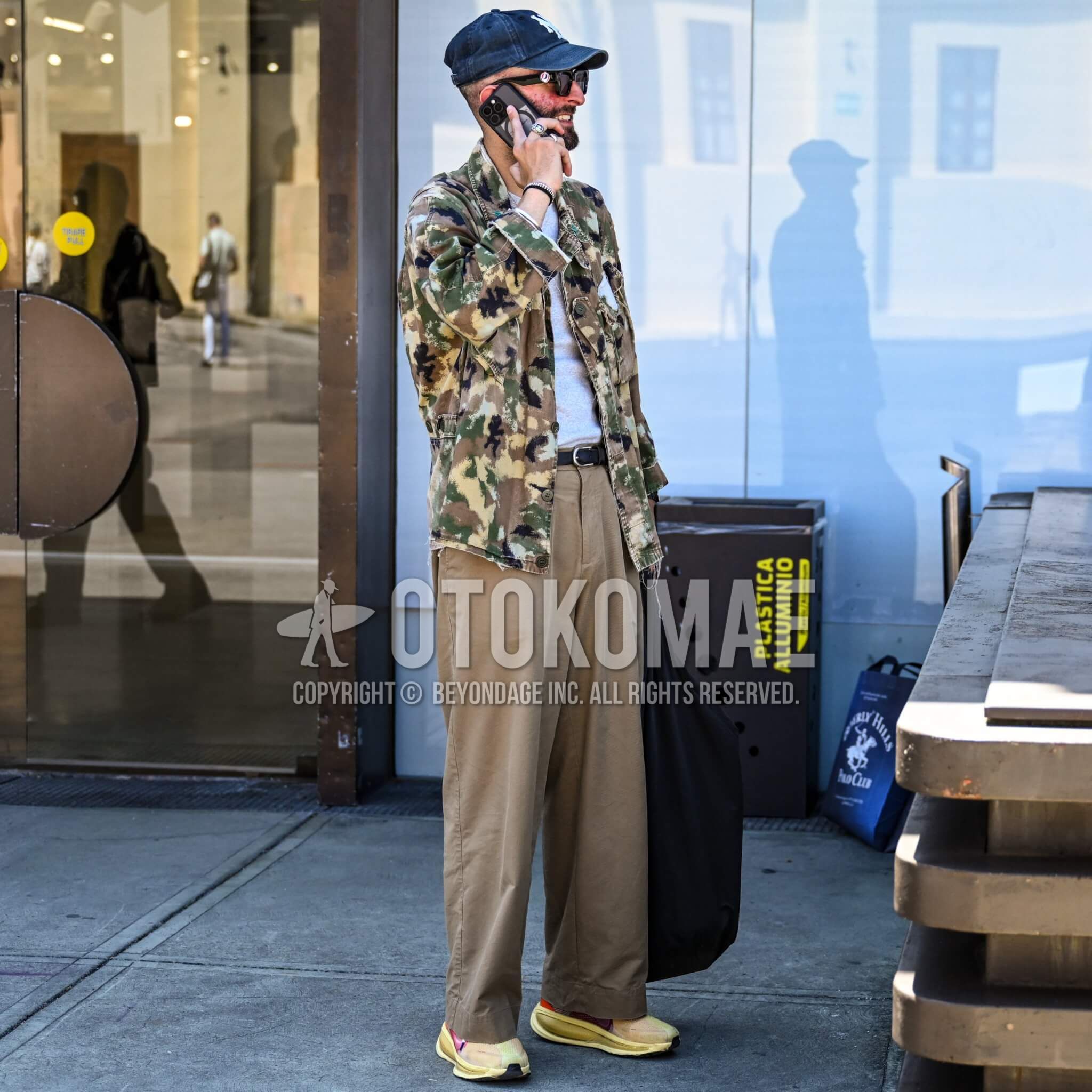
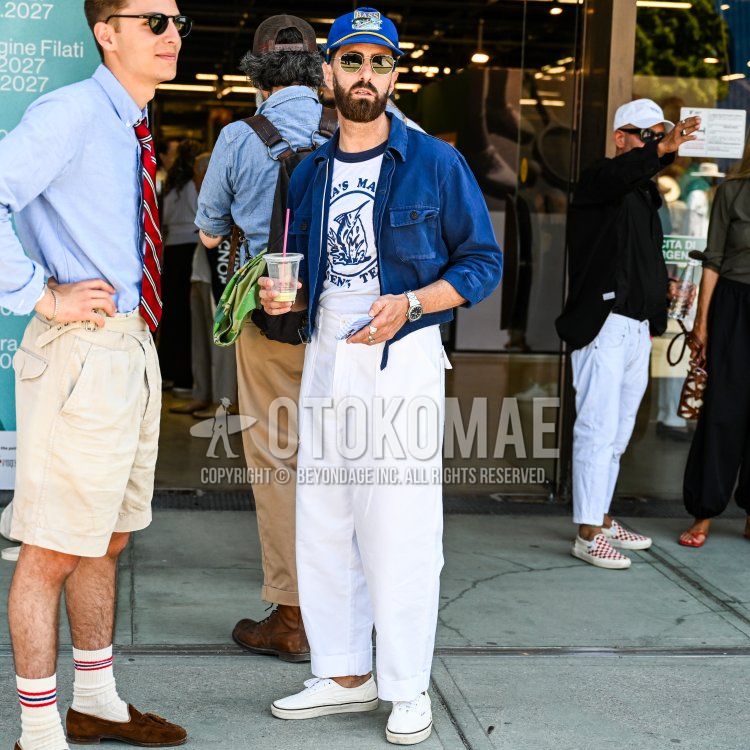
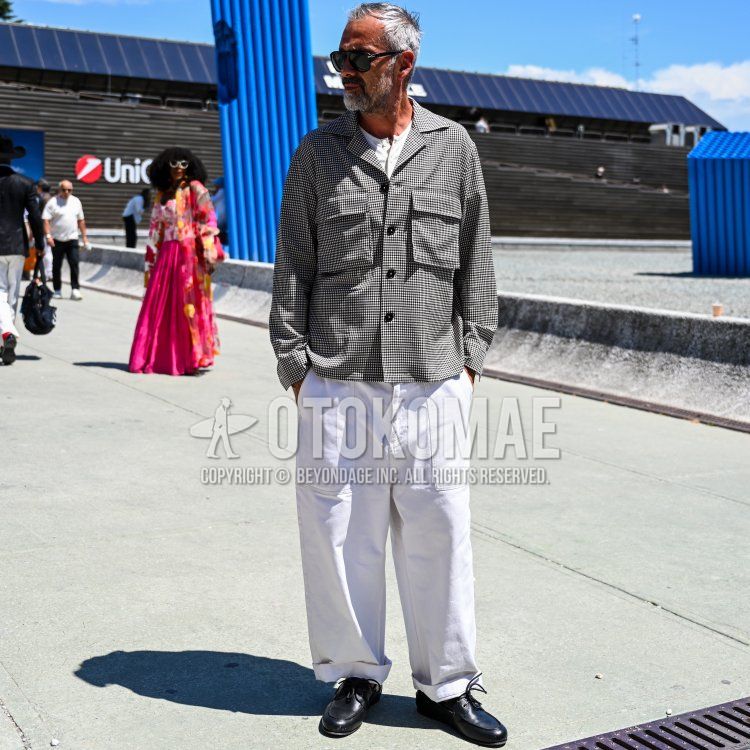
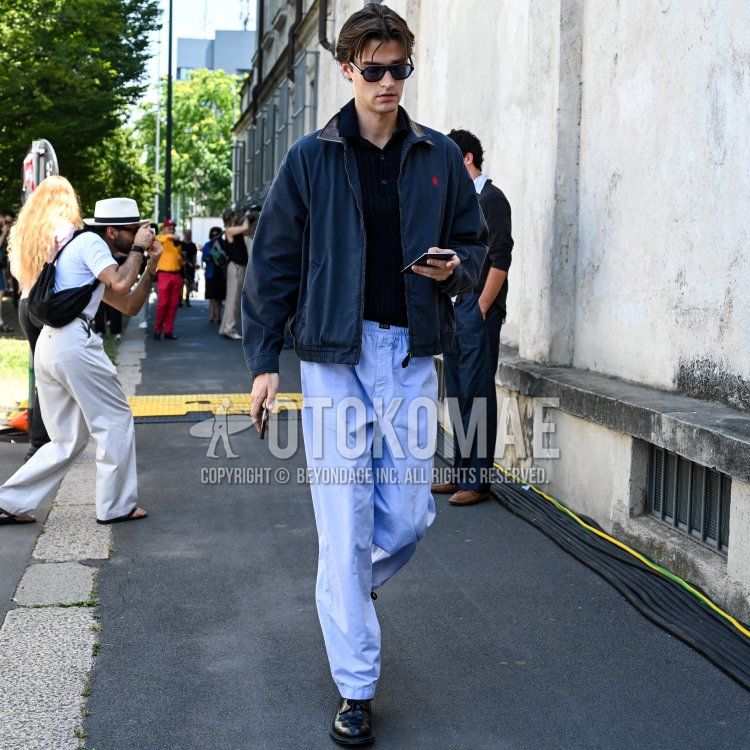
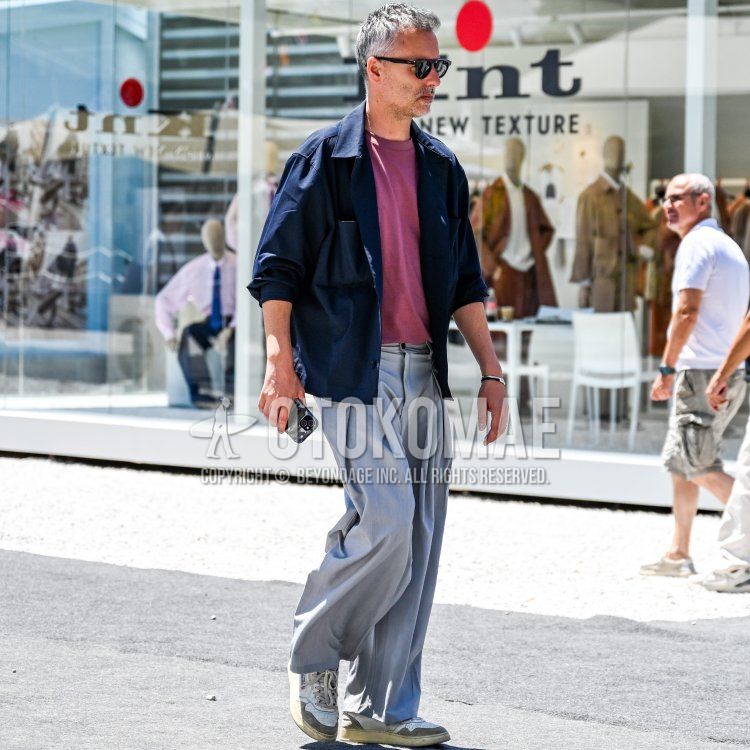


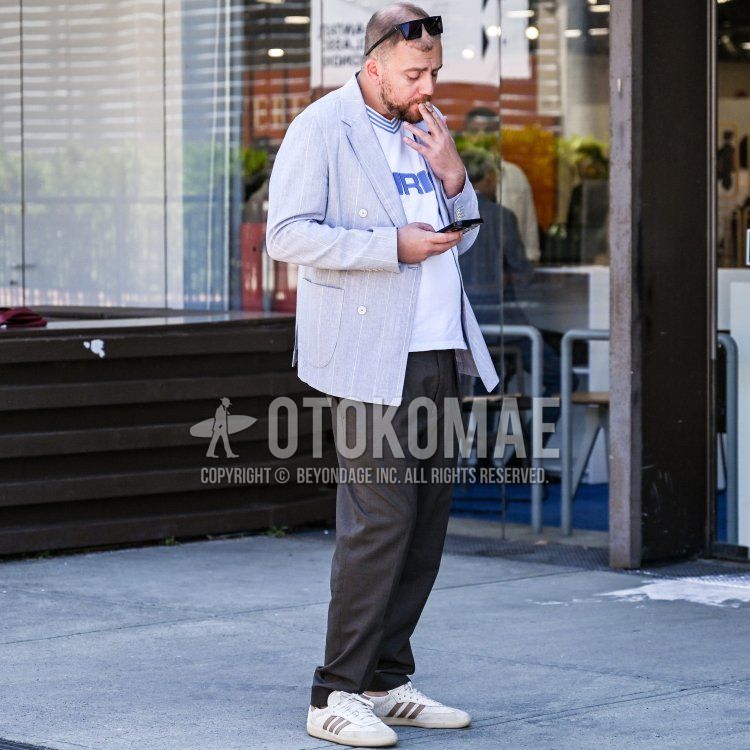
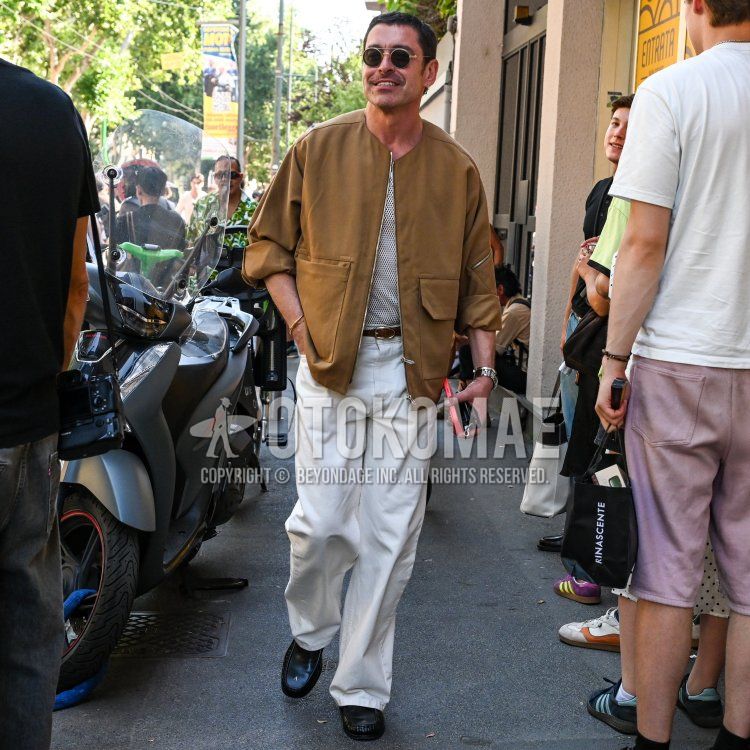

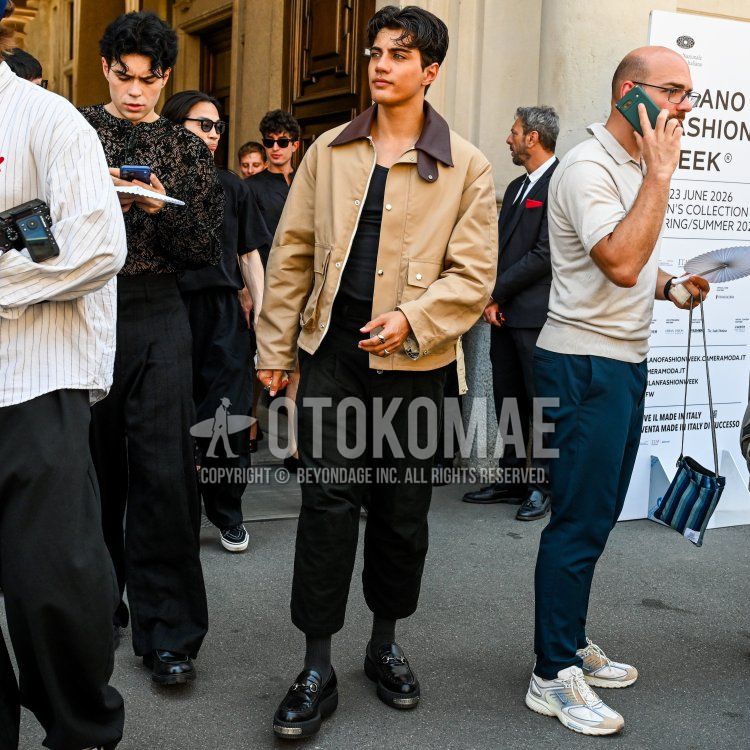
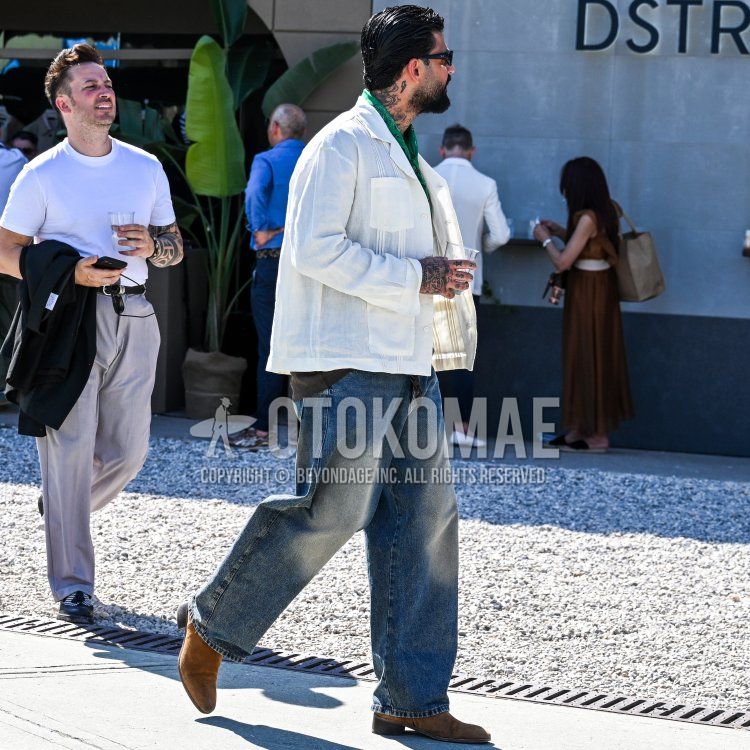

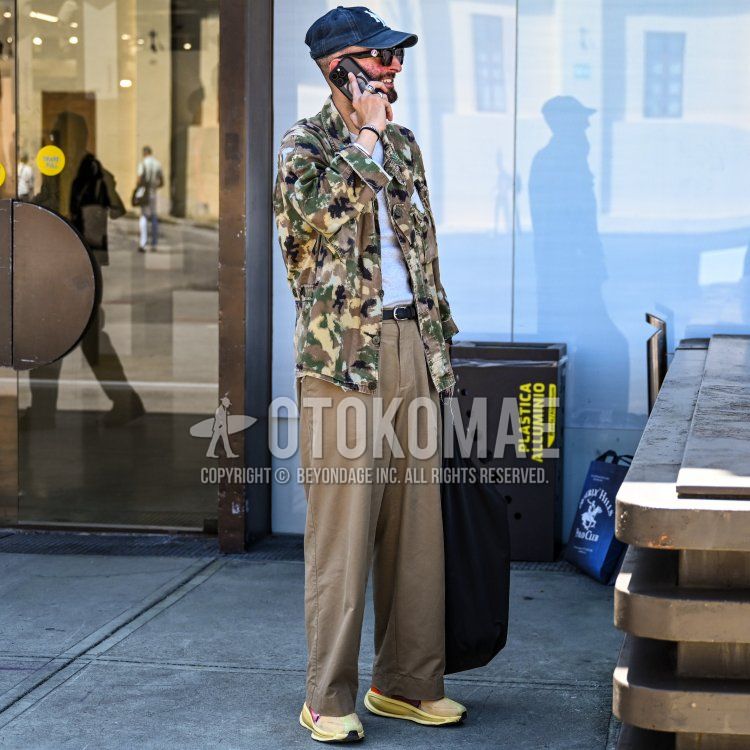
Men’s Outfit for a High of 24°C and a Low of 18°CWhen the temperature difference is around 6 degrees, build your outfit around a single layer for just the right balance
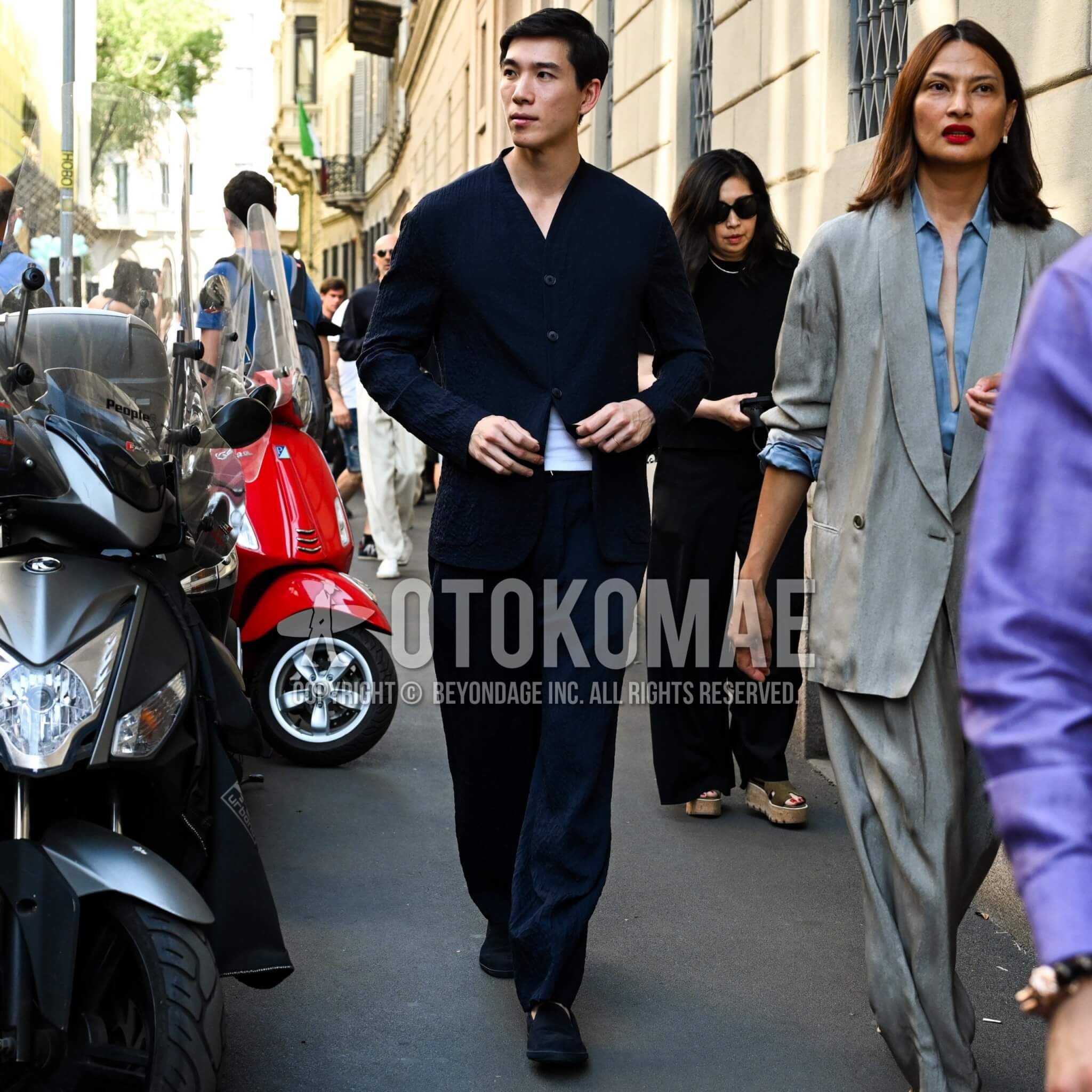
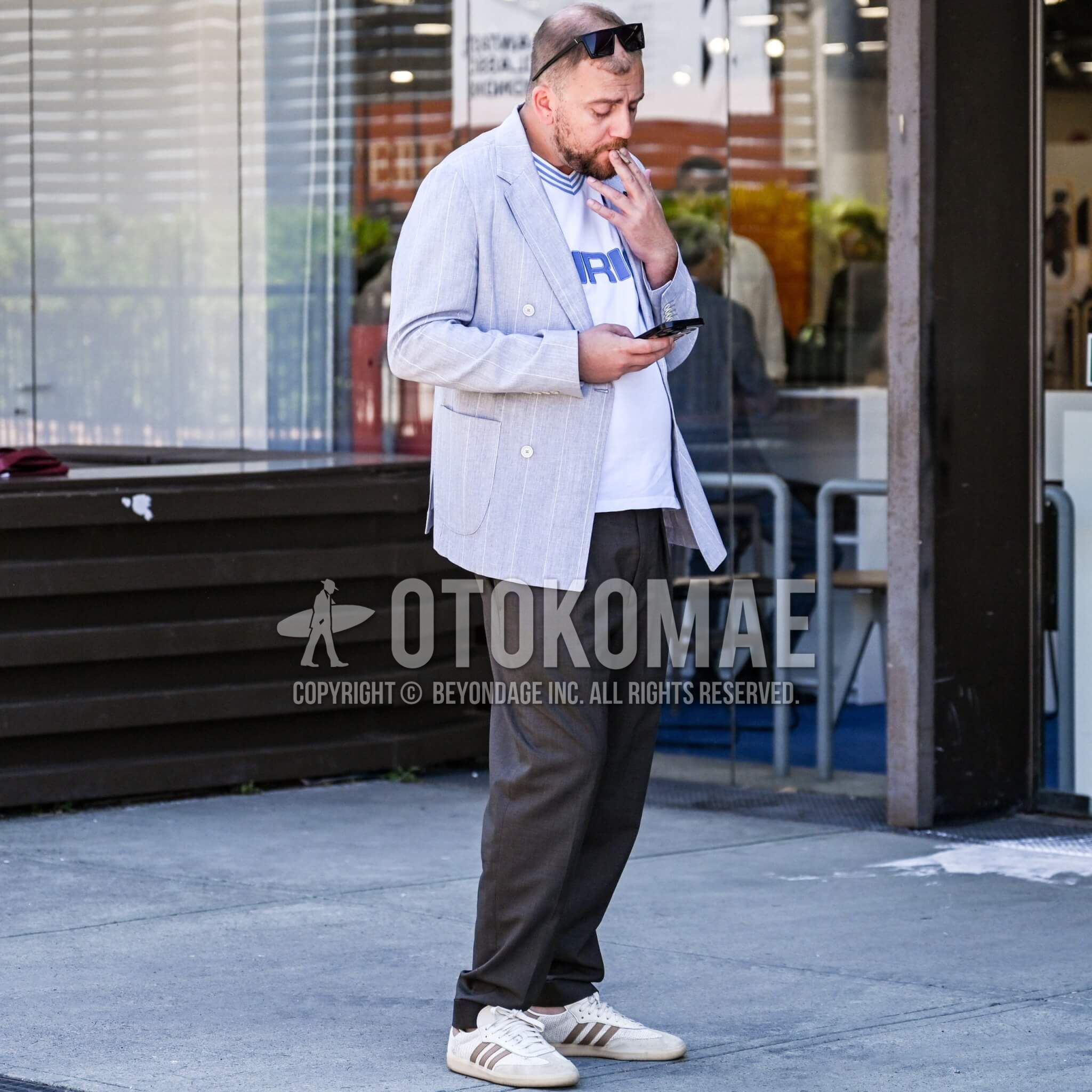
With highs around 24 degrees and lows around 18 degrees, you might feel a bit of a chill in the mornings and evenings, but you won’t need the same level of serious cold-weather protection as on days when the temperature drops to 14 degrees. On October 9, 2025, Tokyo had a high of 24.6 degrees and a low of 17.7 degrees, for a temperature difference of 6.9 degrees.With a temperature difference of this magnitude, rather than making fine adjustments through layering, you’ll want to focus on a single top that keeps you comfortable all day. Short sleeves might feel a bit too light in the mornings and evenings, while it’s a bit too warm to keep layering outerwear. These conditions are ideal for long-sleeve shirts or lightweight cardigans.
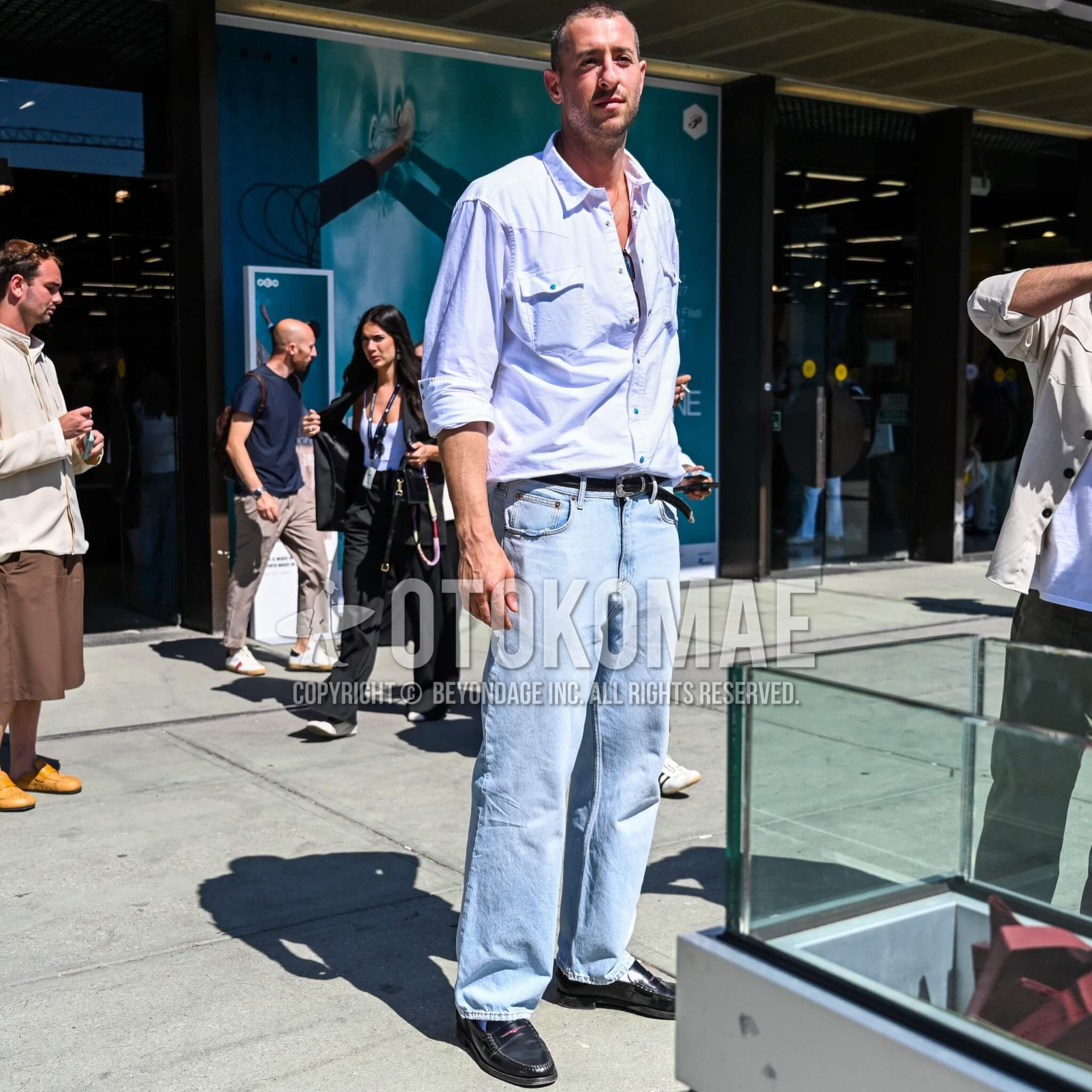
How to Dress for a Temperature Difference of Around 6°CA Single Long-Sleeve Shirt Covers a Wide Temperature Range from 24°C to 18°C
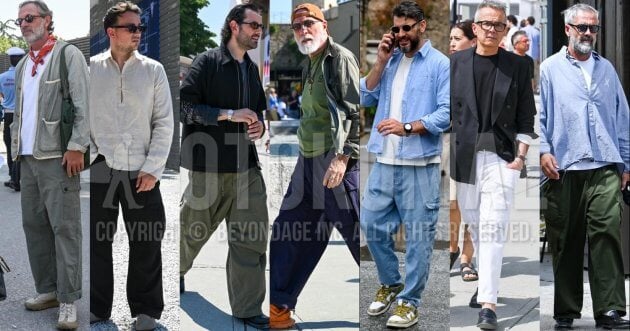
When the temperature is around 24°C, a single long-sleeve shirt is a reliable choice.With the sleeves down, it easily handles cooler periods around 18 degrees, and if you feel hot during the day, you can simply roll up your sleeves to adjust. However, even with long-sleeve shirts, pay attention to the thickness. Lightweight cotton with a smooth texture works better than heavy flannel.Precisely because it’s a simple outfit consisting of just a shirt, adding just the right amount of room to the silhouette makes it easy to achieve a modern look.



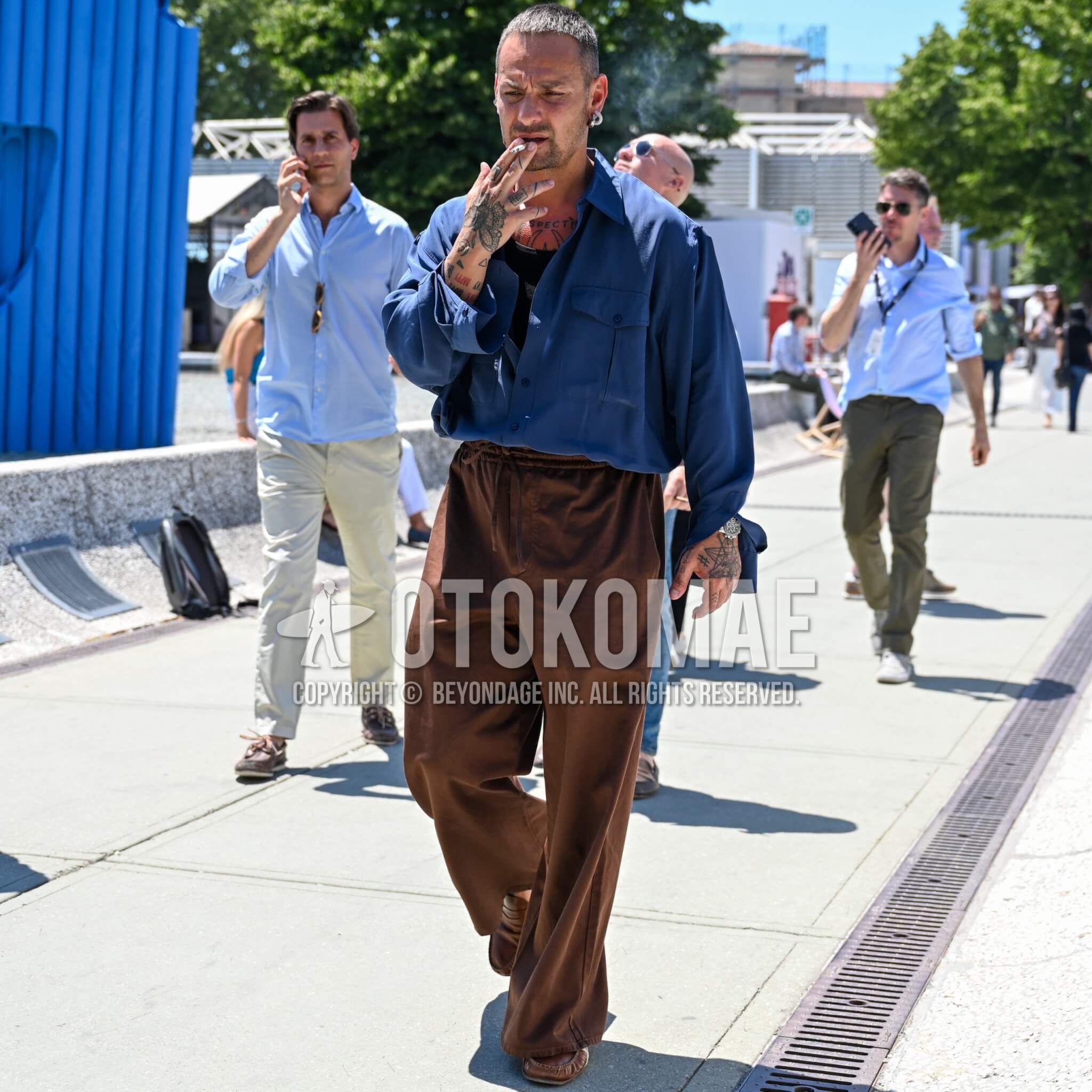
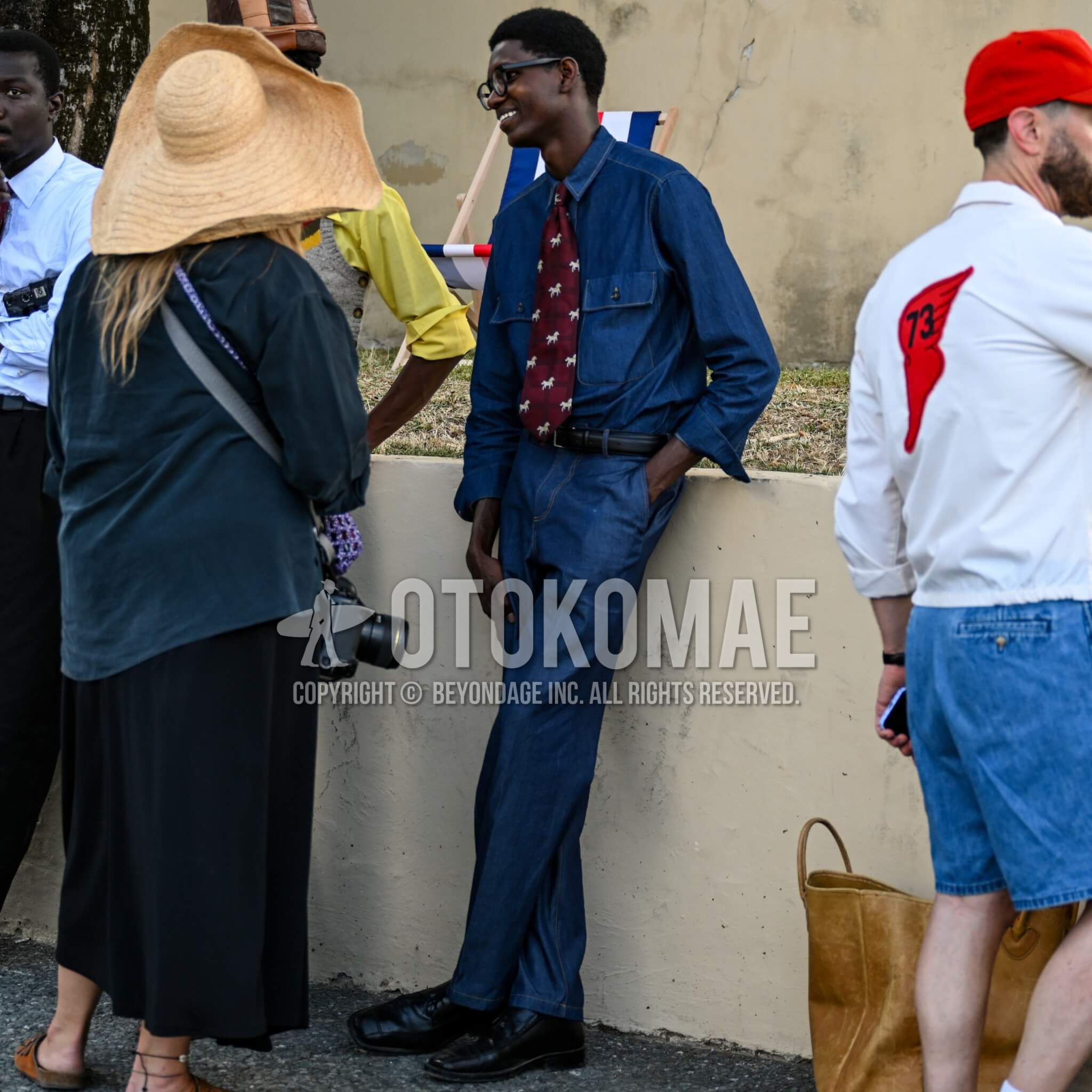
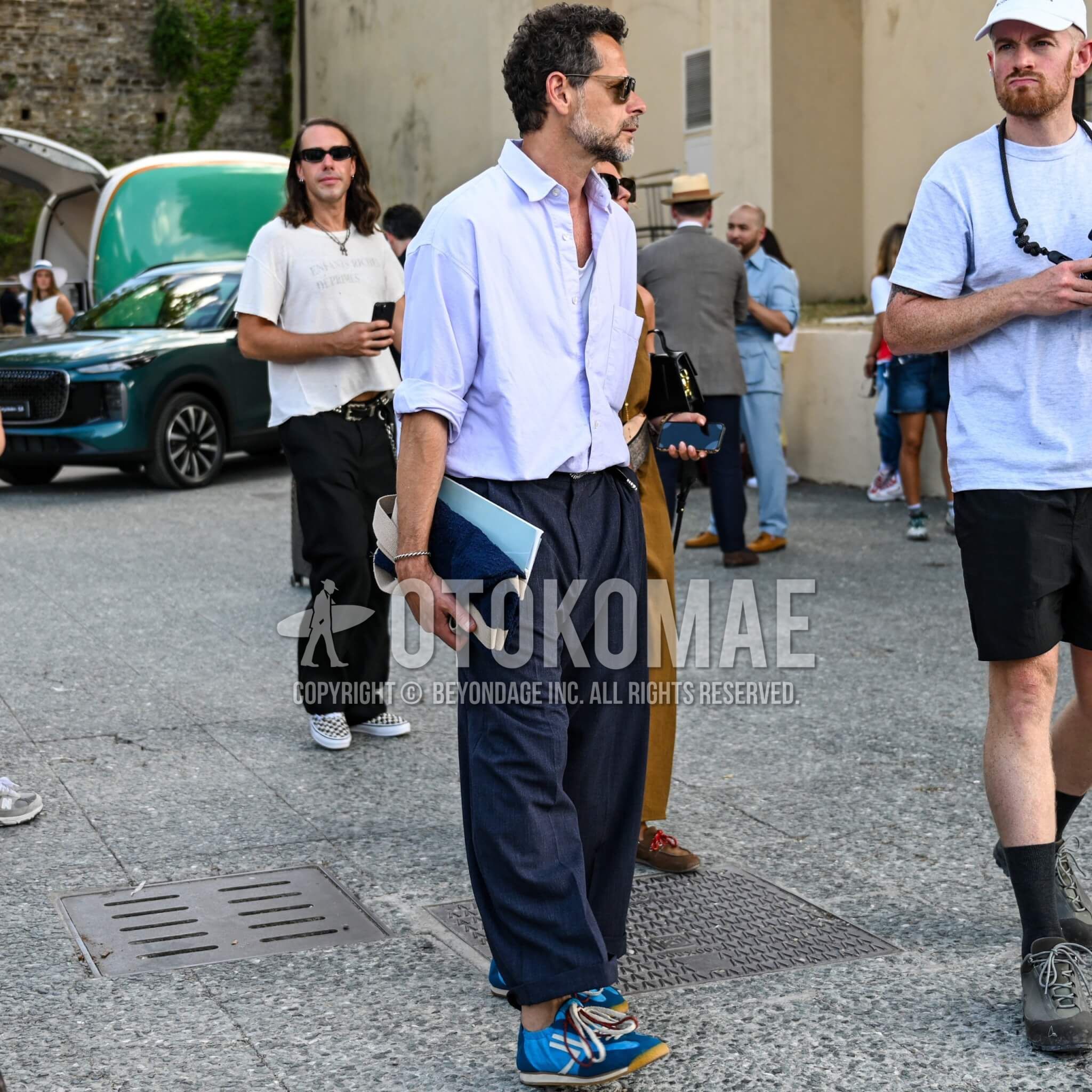

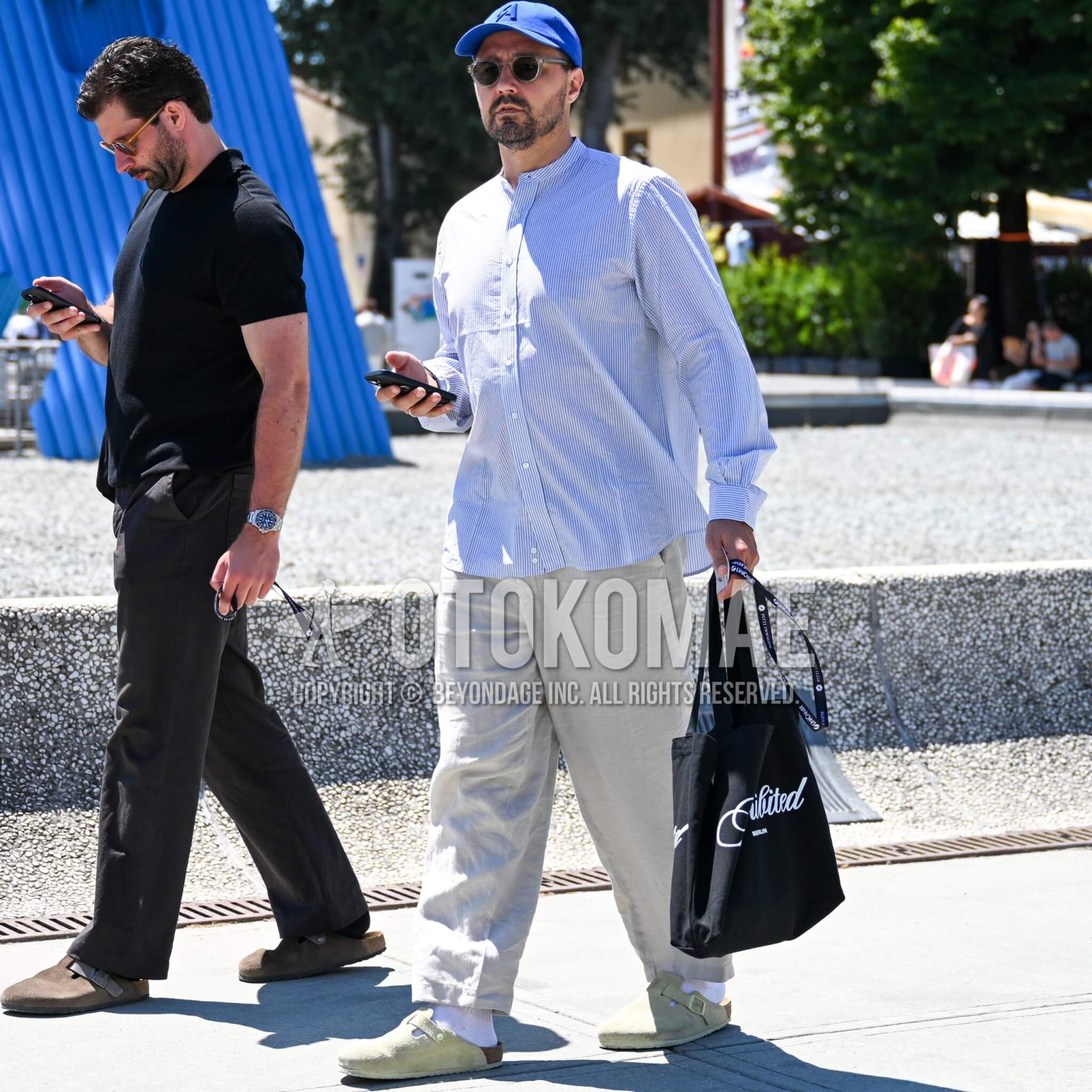
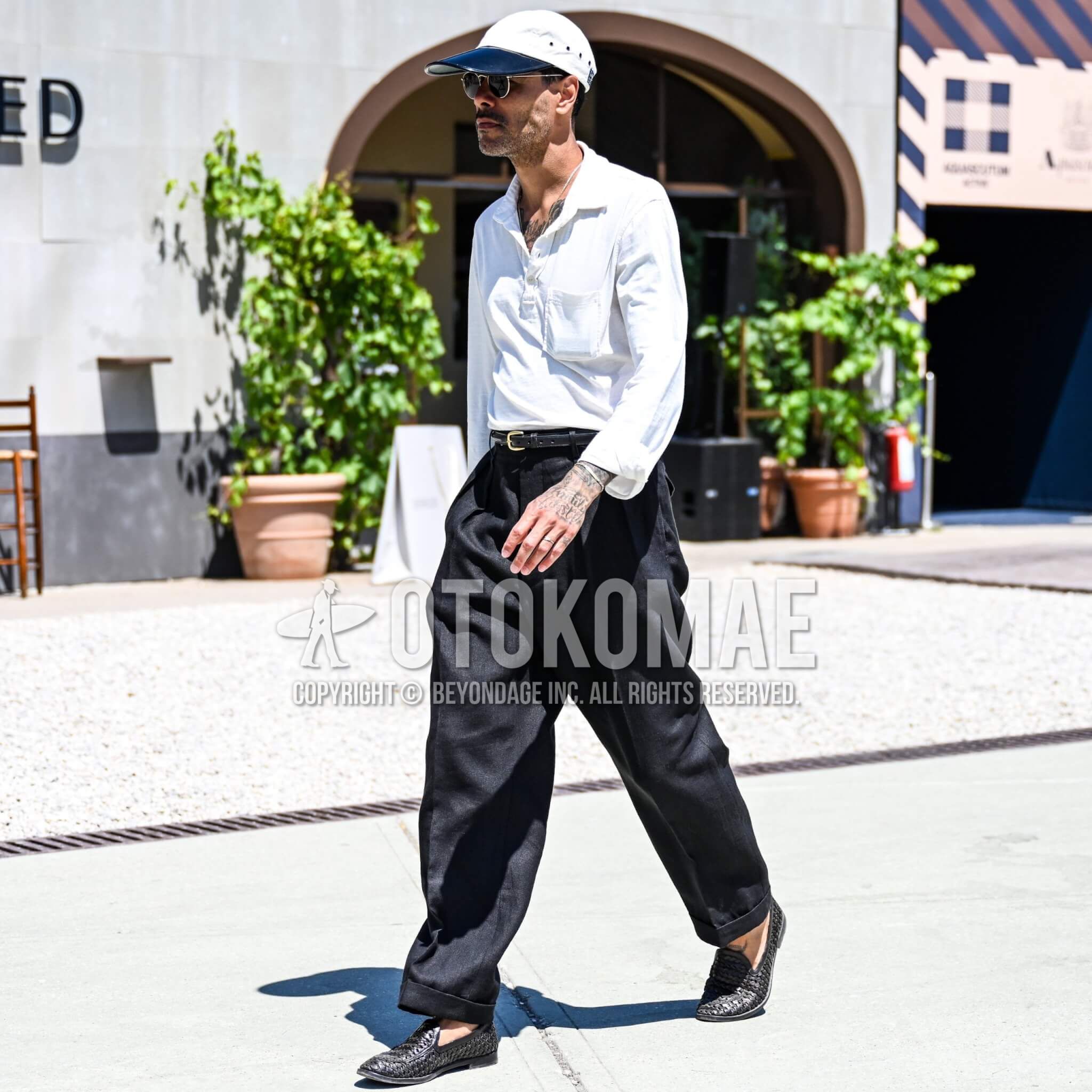

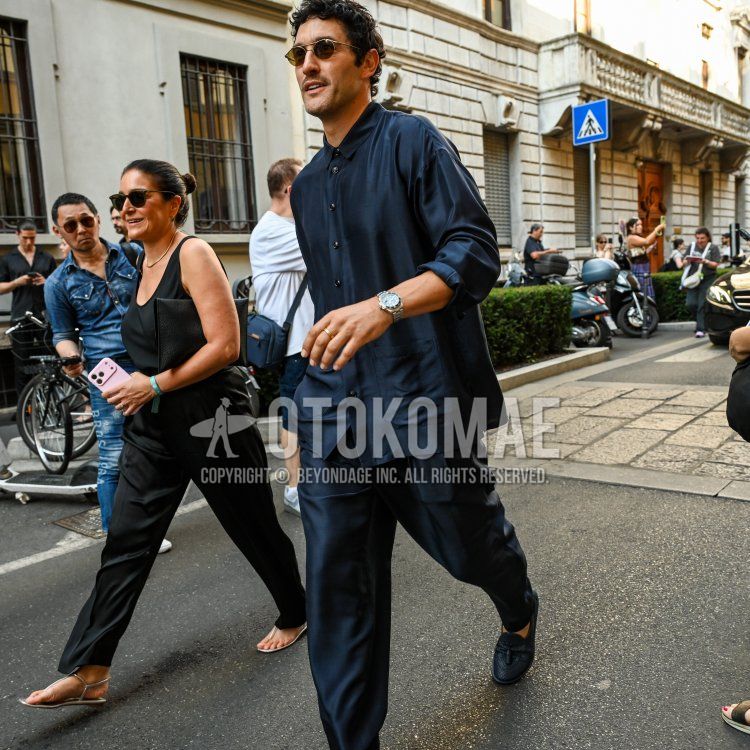


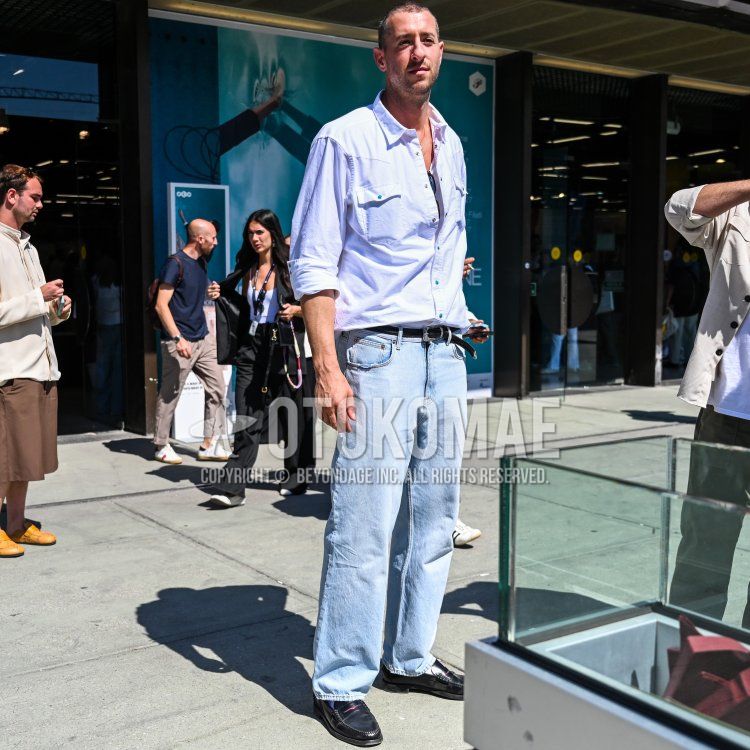

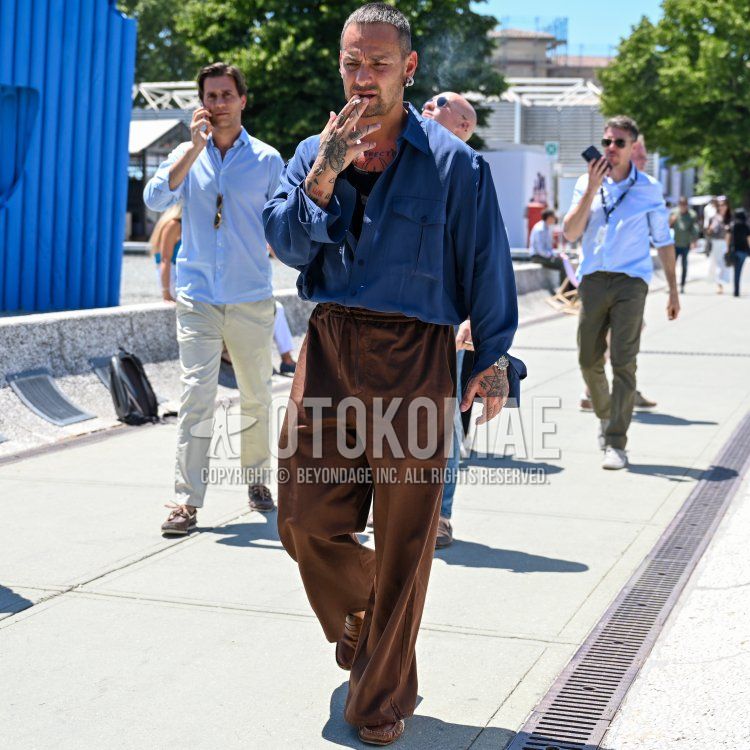

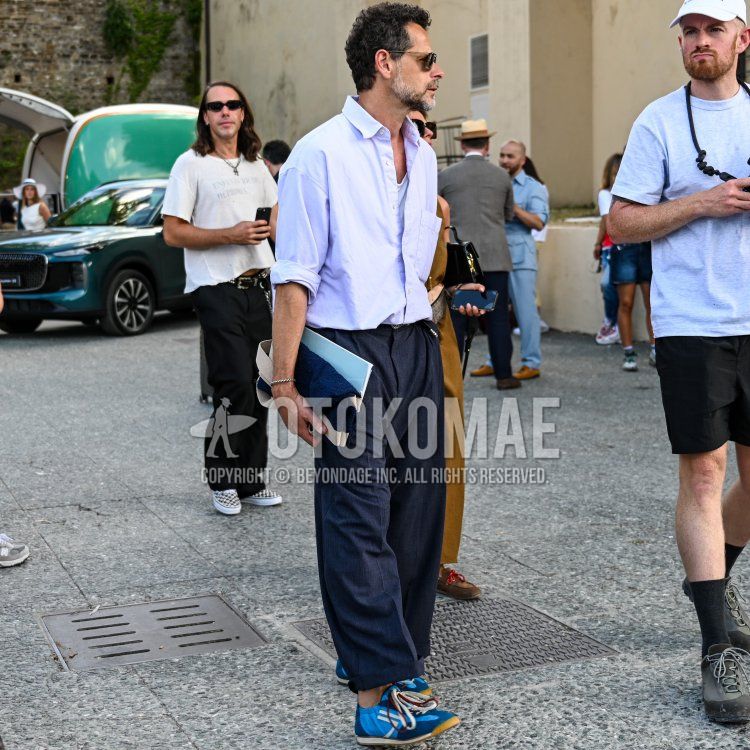

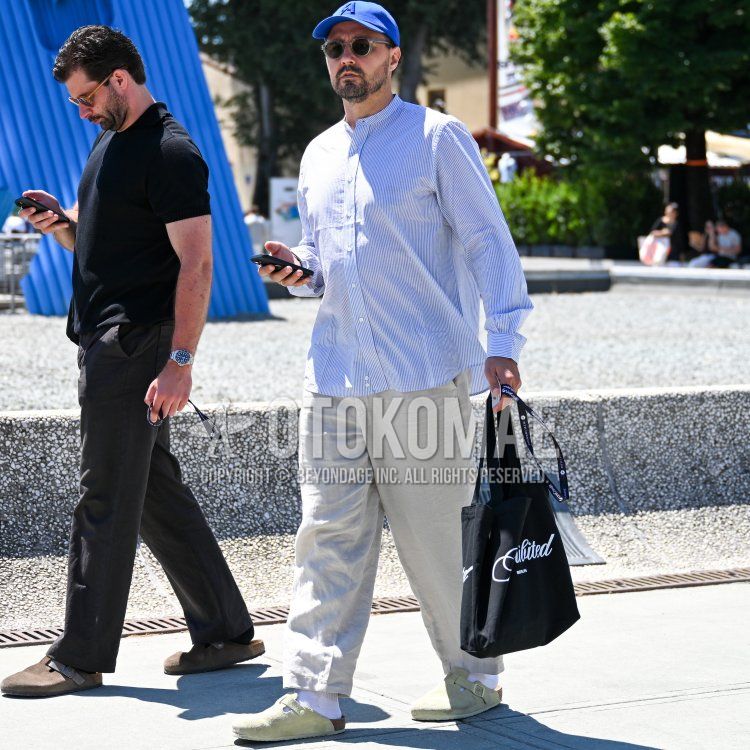
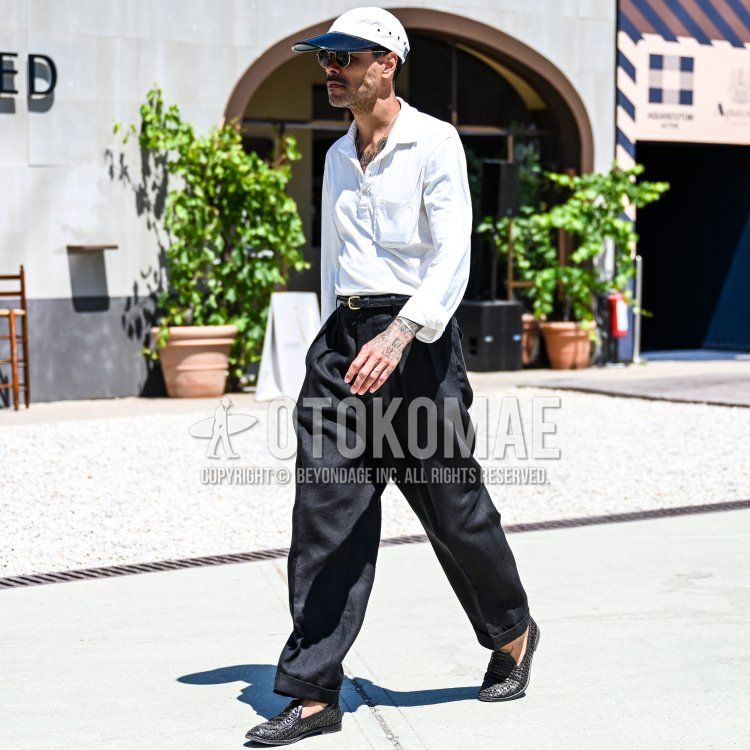

Men's Outfit for a High of 24°C and a Low of 22°CIf the temperature difference is 3 degrees or less, prioritize staying cool and dry over staying warm
This tends to happen on cloudy days without sunshine, but even if the high is around 24 degrees and the low is around 22 degrees, the temperature remains almost constant throughout the day. For example, on September 27, 2024, Tokyo had a high of 24.8 degrees and a low of 22.4 degrees, with a difference of just 2.4 degrees.The weather that day was rainy with occasional clouds, and the average humidity was 95%. Looking only at the high temperature, you might think, “It’s 24 degrees, so I’ll wear long sleeves,” but when combined with high humidity, sweat doesn’t dry easily, and you may actually feel muggy.At 24 degrees Celsius, where the temperature range is narrow, it makes more sense to prioritize breathability and a comfortable fit against the skin over warmth.
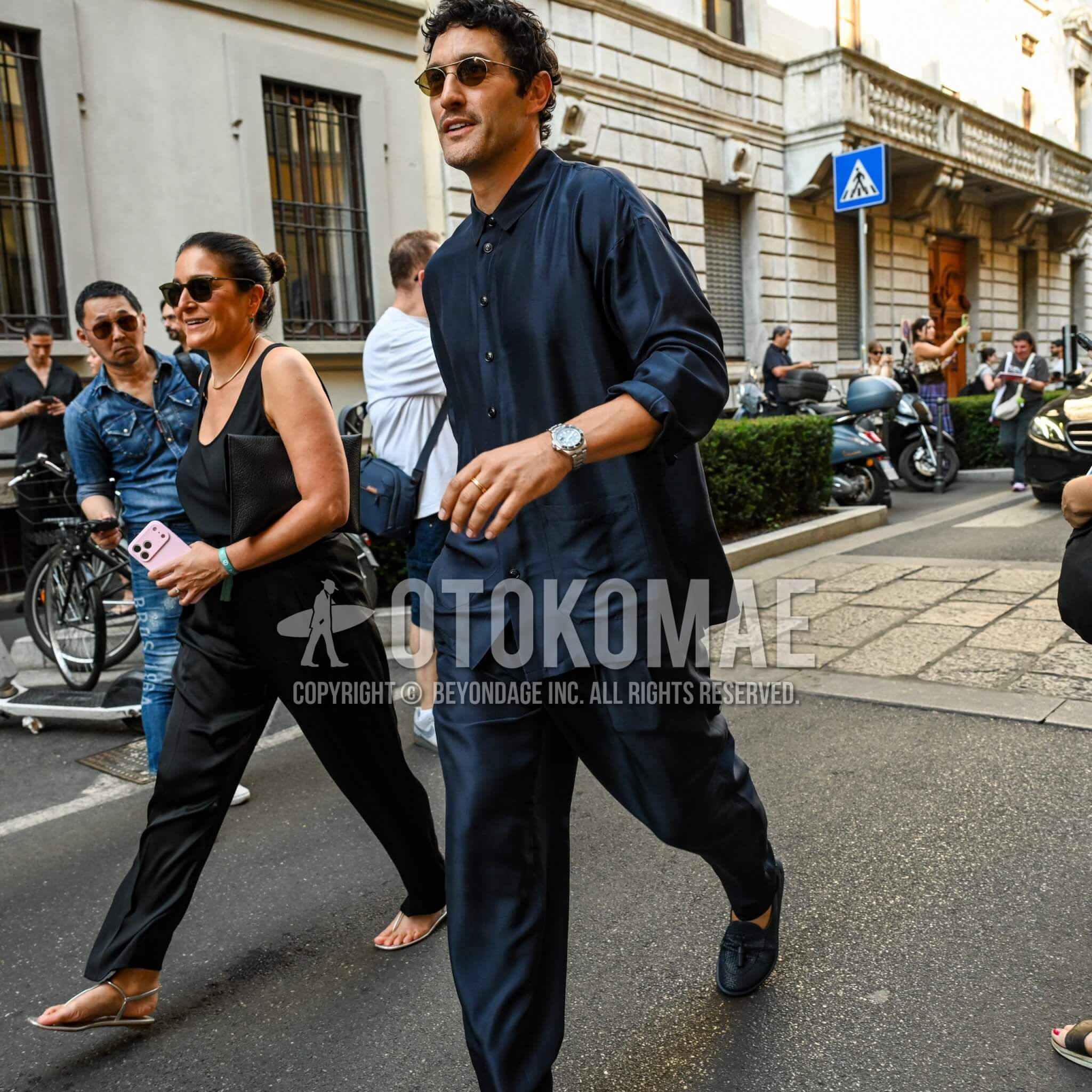
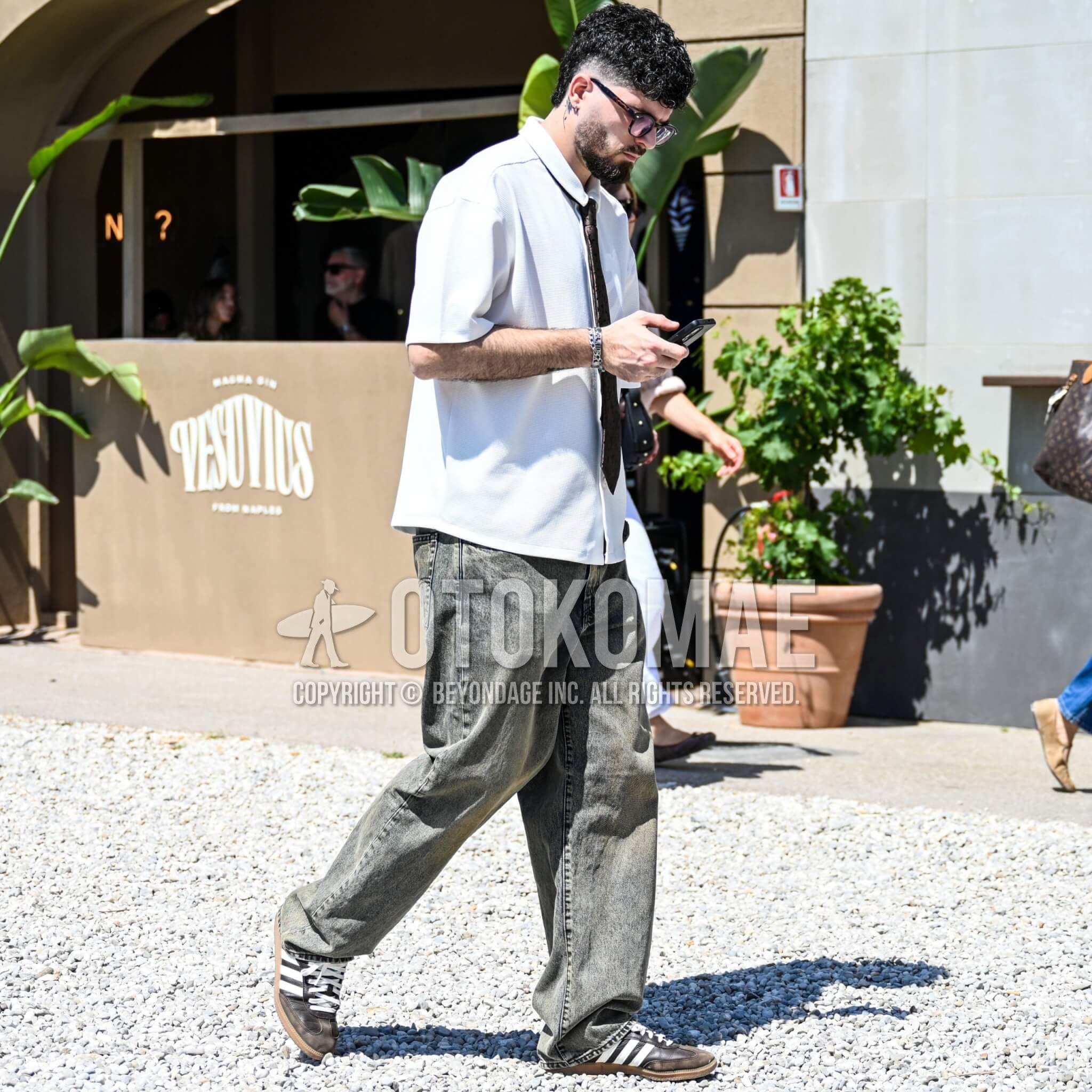
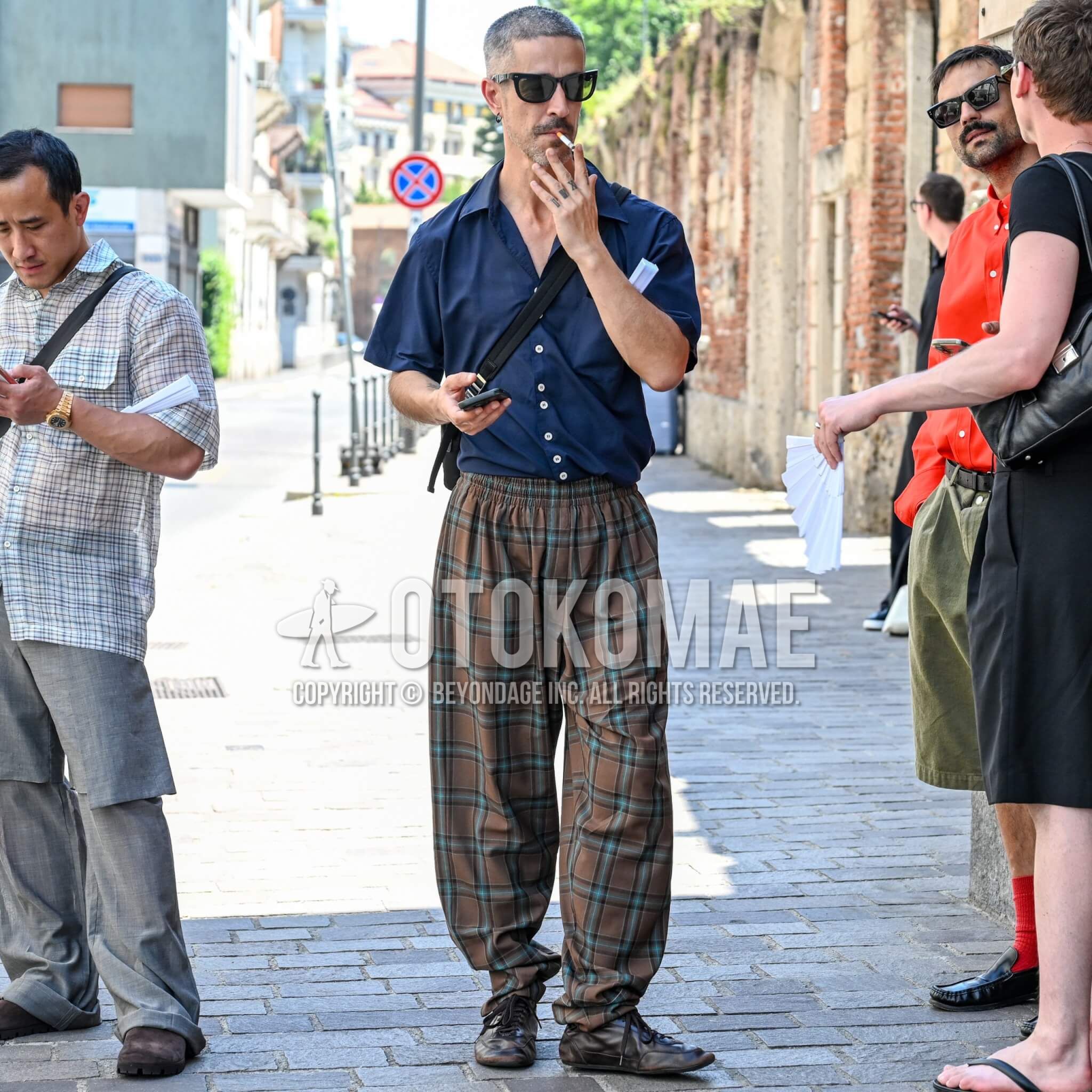
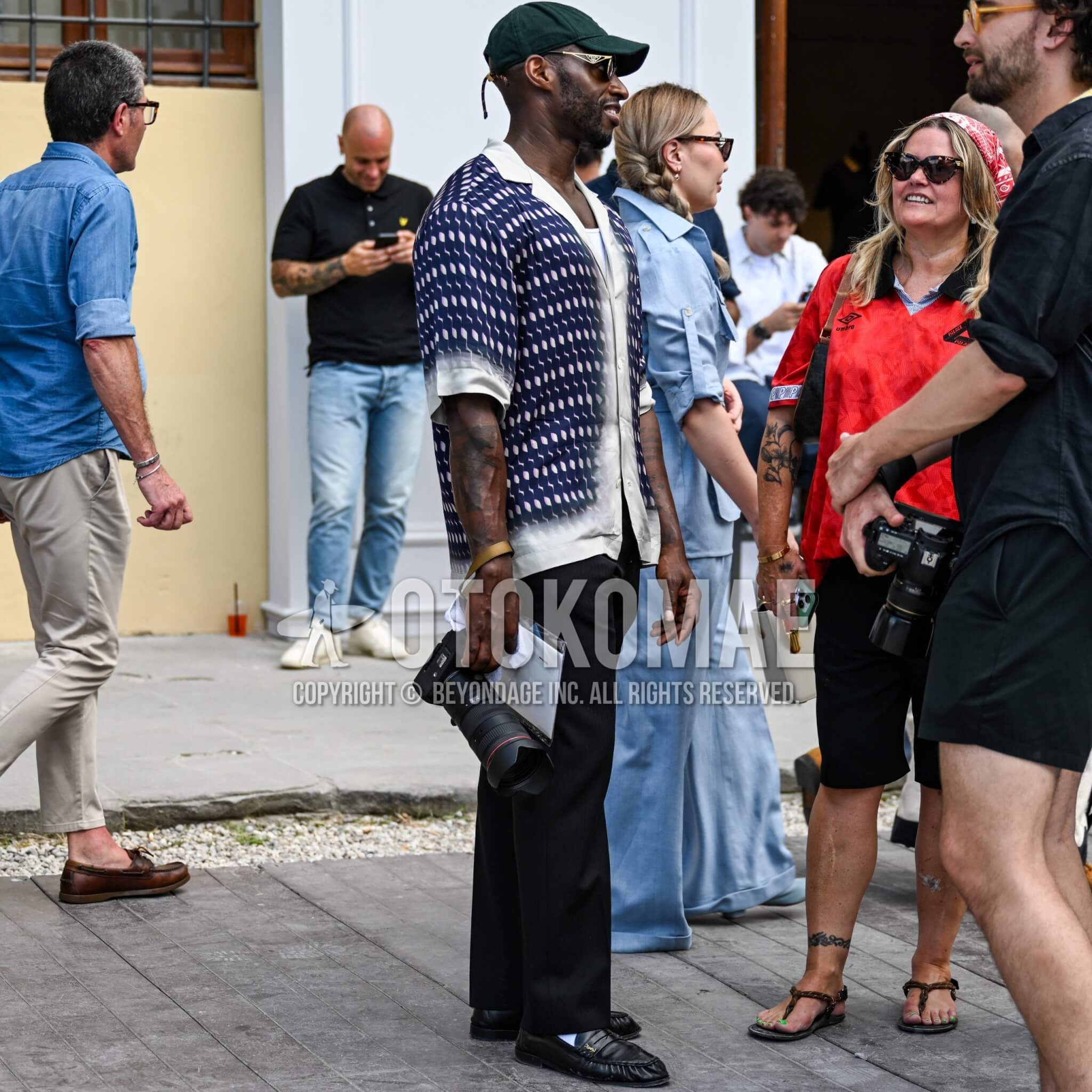
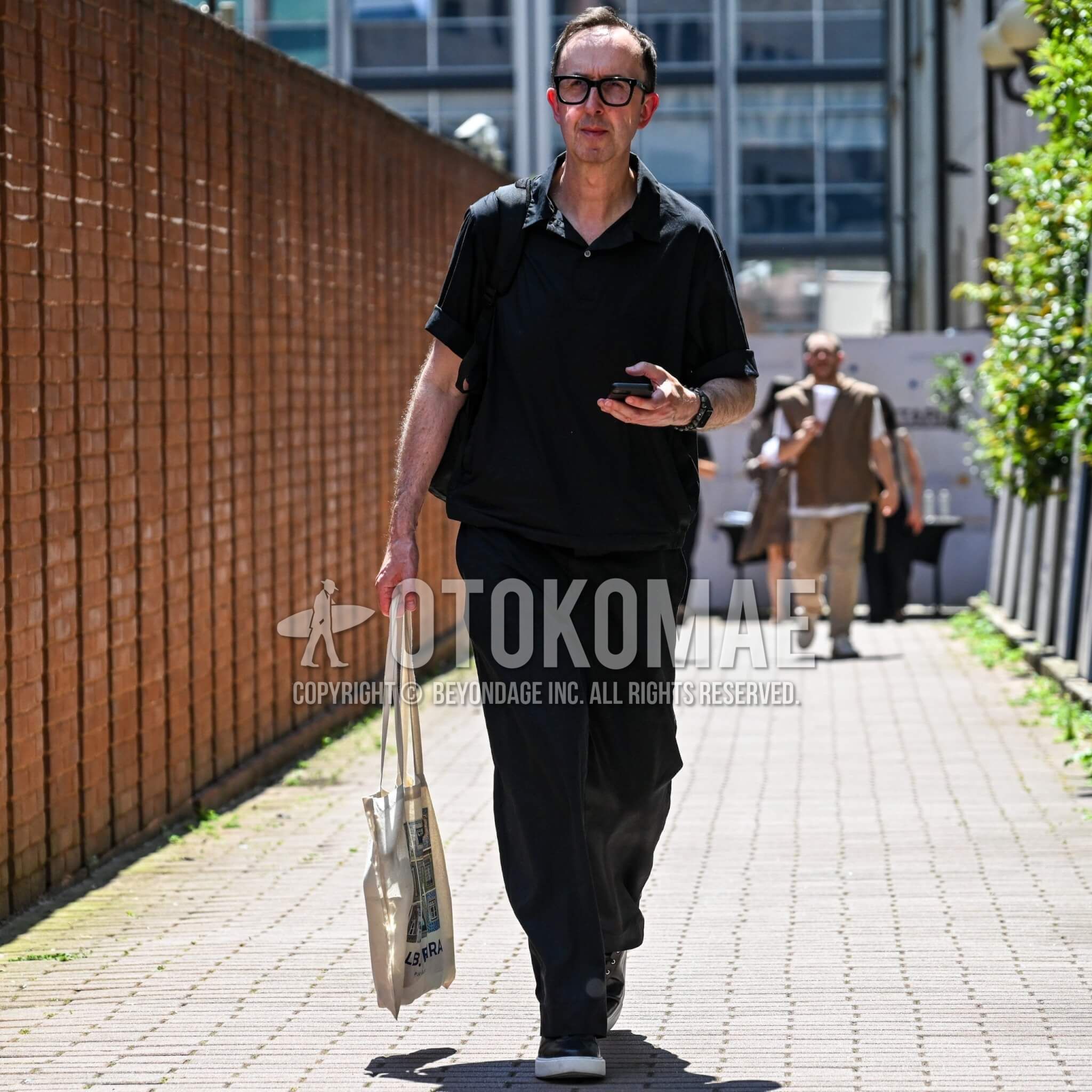
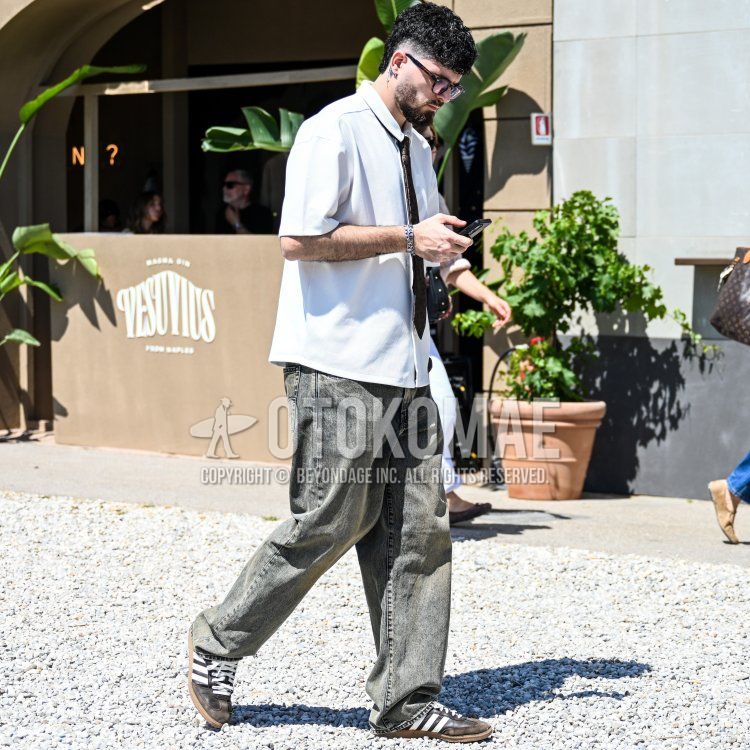
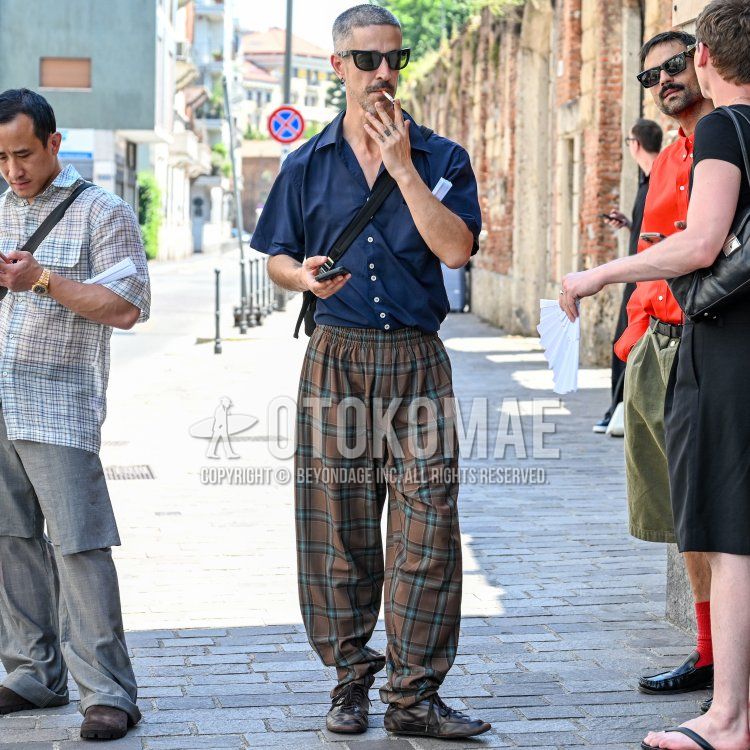
Outfit Ideas for Temperature Differences of 3 Degrees or Less 1Short-Sleeve Shirts: Stay Cool Without Looking Sloppy
If temperatures stay around 22 degrees in the mornings and evenings, there’s no need to force yourself to wear long sleeves.Short-sleeve shirts provide about the same level of coolness as T-shirts, while the collar adds a polished touch around the face. On particularly humid days, choose silhouettes that don’t cling to the skin and fabrics with high breathability. Pair a loose-fitting short-sleeve shirt with slacks or relaxed-fit pants for a sophisticated look, even in light attire.





Q&A on What to Wear at 24°CAnswers to Questions About What to Wear When the High Is 24°C
Q1. When the high is 24°C, are short sleeves or long sleeves better?The Right Approach Is to Base Your Choice on the Low Temperature and the Time of Day You’ll Be Out
If the low temperature is above 20°C and you’ll be out mainly during the day, short sleeves are comfortable. On days when the low drops into the 10°C range, or if you’ll be outside in the morning and evening, long sleeves—or short sleeves paired with a light outer layer—are a better choice.
Q2. Is a jacket or blouson too hot when the high is 24°C?Lightweight or thin outerwear is easy to incorporate
Wearing a thick jacket or blouson all day may make you feel hot.For jackets, choose a lightweight, unlined style; for blousons, opt for a thin, portable one. On days with low minimum temperatures, it’s important to consider not only warmth but also whether the garment is easy to take off during the day.
Q3. What should you wear on a rainy day with a high of 24°C?Assess whether the weather will be muggy or chilly
If it’s a rainy day with high temperatures and rising humidity, it can feel muggy, so clothing that prioritizes breathability and a lightweight feel—such as short-sleeved shirts or thin long-sleeved tops—is best.If the temperature drops with the rain and the wind is strong, you’re likely to feel a chill, so a lightweight, water-repellent outer layer will come in handy. Even with the same amount of rain, how it feels can vary depending on the conditions, so be sure to check the forecast for the low temperature and how the weather changes throughout the day.
Q4. What should you wear on a day with a high of 24°C at Disney or an outdoor event?If you’ll be out for a long time, bring a light outer layer that works for both morning and evening
If you’ll be spending the entire day outdoors, prioritize temperature fluctuations—including those in the morning and evening—rather than just the high temperature.Even if you’re comfortable in just a T-shirt during the day, temperatures can drop significantly before the park opens or after sunset. It’s best to bring a shirt or a lightweight outer layer that’s easy to put on and take off and fits easily in your bag.
Q5. Should you wear different clothes in spring and fall even if the high temperature is the same at 24°C?Determine Warmth Based on Temperature; Adjust for the Season with Materials and Colors
You should determine the necessary level of warmth based on the low temperature and weather conditions.On top of that, adjusting the seasonal feel through fabric and color—such as choosing light, airy cotton and brighter colors for spring, and fine-gauge knits and muted tones for fall—will result in a natural, put-together look.
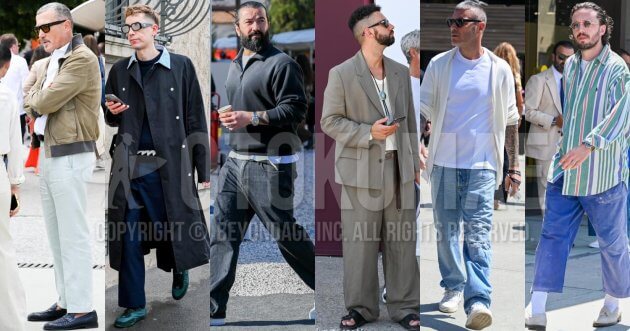
![Denim Jacket Codes 2026 Latest Edition [ Characteristics by Type, Latest Men’s Snapshots and Recommended Items ].](https://otokomaeken.com/wp-content/uploads/2026/03/ef304036cec889dddaa64a607e22a781-1-630x331.png)





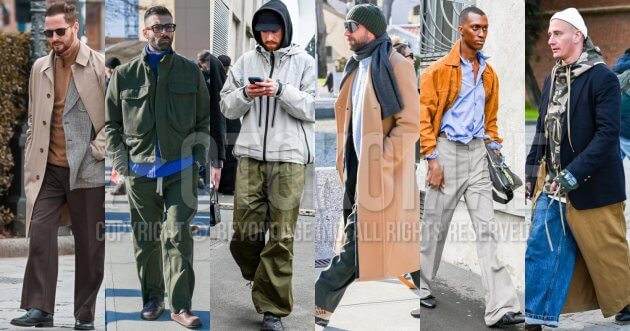


!["Break Away from the Norm" Is the Keyword!? 3 Tips for Styling a Leather Jacket with a Modern Twist [Fall/Winter 2026 Edition]](https://otokomaeken.com/wp-content/uploads/2026/10/ef304036cec889dddaa64a607e22a781-5-750x396.png)