
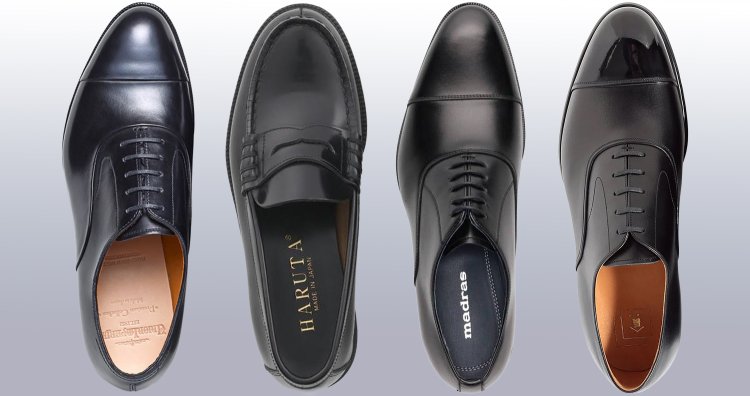
Japanese leather shoes were introduced as part of the modernization movement and developed into an industry following the shift to domestic production of military boots. Today, there is a wide range of domestic brands catering to everything from business settings to formal occasions and everyday wear. In this article, we’ll explore the history and unique characteristics of Japanese leather shoes while introducing some must-know brands.
Sponsored by
The History of Japanese Leather ShoesIntroduced as Part of Modernization, Evolving from Military Boots to Business Shoes
The Japanese leather shoe industry did not begin by simply adopting Western shoe culture as-is.From the late Edo period through the Meiji era, Western-style shoes spread throughout Japan as a new form of footwear symbolizing modernization, and eventually took off as an industry following the start of domestic production of military boots. After World War II, their use expanded to include business shoes and school shoes, and leather shoes transformed from specialized gear into everyday items.
The Japanese People’s Encounter with Leather ShoesFrom the Late Edo Period to the Meiji Era: Western-Style Leather Shoes Arrived as Symbols of Modernization
The Japanese people’s first substantial encounter with Western-style leather shoes occurred during the transition from the late Edo period to the Meiji era.Just as diplomatic missions traveling to Europe and America purchased leather shoes there, leather shoes at that time were not everyday footwear but rather something encountered while learning about Western institutions and lifestyles. For people accustomed to straw sandals and geta, shoes that enclosed the entire foot in leather were the very embodiment of a different culture.It is said that during the late Edo period, perhaps influenced by seeing leather shoes that covered the heel, there was even a rumor that “Dutch people are born without heels.”
Furthermore, in public settings during the early Meiji period, leather shoes became widespread even before Western-style clothing.W.E. Griffith, an American educator who visited the Imperial Palace in Meiji 6, noted that high-ranking officials dressed in traditional court attire were all wearing modern leather shoes. However, newspaper advertisements from that same year listed shoes for police officers at 1 yen 25 sen to 3 yen, and formal shoes at 5 yen to 15 yen.Considering that the starting salary for a police officer the following year was 4 yen, leather shoes were still an expensive symbol of Westernization. That is precisely why leather shoes first spread from settings where attire befitting a modern nation was required—such as the military, government offices, and the imperial court.
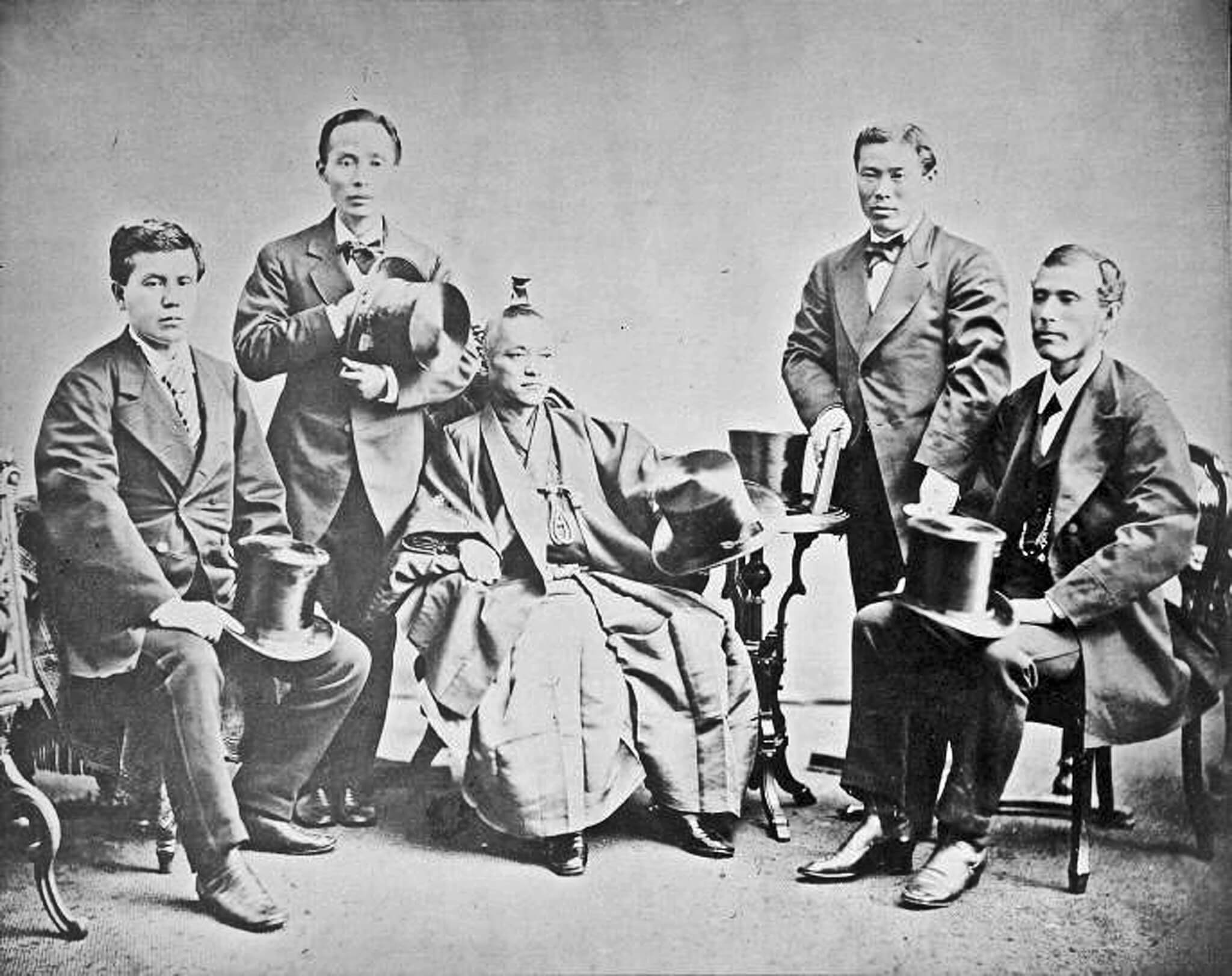
Photo: Modern History PL/Aflo
The Beginnings of Domestic Leather ShoesIn the Early Meiji Period, the Domestic Production of Military Boots Drove Japan’s Shoe Industry
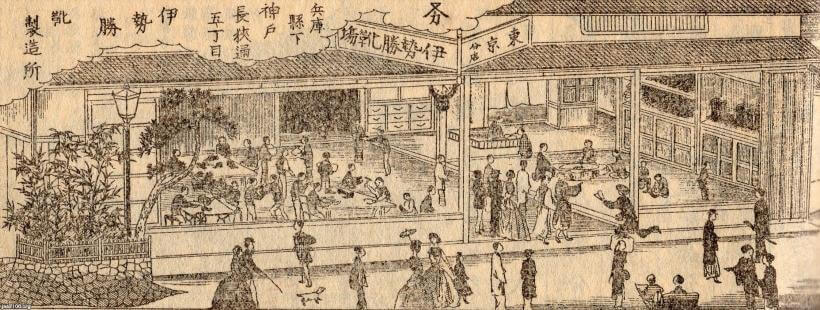
Japan’s modern shoe industry truly took off in 1870.It is generally considered to have begun when Katsuzo Nishimura, a former samurai of the Sakura Domain, opened the Ise Katsu Shoe Workshop in Iri-Funamachi, Tsukiji, Tokyo. The driving force behind this was the Meiji government’s need to produce military boots domestically as part of its efforts to establish a modern army.Imported shoes were not only difficult to source in stable quantities but also did not fit Japanese feet well. This created the need to manufacture Western-style leather shoes domestically.
In other words, Japan’s leather shoe industry did not begin as a luxury item for fashion-conscious individuals.The ability to walk long distances, durability, and the ability to produce large quantities of consistent quality—these practical requirements for military boots became the starting point for developing Japan’s shoe-making technology. This beginning—driven by necessity—can be said to be the foundation of the solid craftsmanship that would later define domestically produced leather shoes.
The Evolution into Business ShoesAfter the War, Leather Shoes Expanded from Military Use to Business and Everyday Footwear
Before the war, Japan’s shoe industry was largely supported by military boots and government contracts. However, after the war ended, military demand vanished, and shoe manufacturing had to start anew, focusing on civilian life.From the postwar reconstruction period through the era of rapid economic growth, leather shoes expanded to include commuter shoes for businesspeople, student shoes, women’s shoes, and children’s shoes, transforming from specialized gear into everyday essentials.
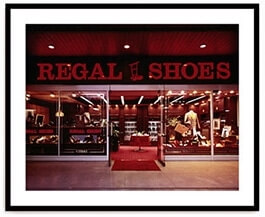
Amid this shift, manufacturers and brands that continue to this day—such as REGAL, Otsuka Seika, madras, UNION ROYAL, and HARUTA—began to establish a stronger presence.Suit styles during the period of rapid economic growth, school shoes, and the shoe departments of department stores and specialty shops. As leather shoes became part of these everyday scenes, Japan’s shoe industry shifted from one focused on the military to one that supports working people and their daily lives.
What Makes Japanese Leather Shoes Unique?Three Key Features: Lasts Shaped for Japanese Feet, Practicality for Easy On-and-Off, and Understated, Elegant Design!
Japanese leather shoes possess a unique character, having been refined to suit Japanese foot shapes, lifestyle habits, and business environments from the leather shoes that were originally introduced from the West.When we focus on characteristics such as “lasts that balance heel support with forefoot comfort,” “practicality designed for easy on-and-off wear and long-distance travel,” and “refined designs that aren’t overly flashy,” Japanese-made leather shoes emerge as a refined form that has been honed to suit Japanese lifestyles and work environments.Here, we’ll delve deeper into the uniqueness of Japanese leather shoes.
Uniqueness of Japanese Leather Shoes 1Last Design That Balances Heel Support and Forefoot Comfort
Many Japanese-made leather shoes prioritize last design that ensures a snug fit at the heel while providing comfortable room around the instep and across the width of the foot, all while maintaining a sleek appearance.It is often said that “Japanese feet are wide and have high insteps,” but simply widening the entire shoe can lead to the heel slipping out. The uniqueness of Japanese-made shoes—which have adapted Western-style leather shoes to fit Japanese feet—is evident in their construction, which balances room in the forefoot with stability while walking.
The Uniqueness of Japanese Leather Shoes 2Practicality for Easy On/Off and Long-Distance Travel
Japanese leather shoes have evolved to suit lifestyles unique to Japan, such as the custom of removing shoes at the entrance, commuting by train, walking, and office work.They are not only expected to be substantial and elegant, but also comfortable enough to wear from morning to night, easy to put on and take off, and versatile enough to be worn for everything from work to formal occasions. This practicality, which supports daily commutes and personal grooming, is the greatest strength of Japanese-made leather shoes.
Unique Characteristics of Japanese Leather Shoes 3Refined Designs Emphasizing Cleanliness and a Polished Look
Many designs of Japanese-made leather shoes place greater value on a clean, polished look and a well-fitted appearance rather than strong individuality.They are not as rugged as British shoes, nor do they emphasize sensuality as much as Italian shoes. They blend naturally with suits and blazers, and possess a refined elegance that ensures they do not stand out in a negative way during business meetings, commutes, or formal occasions.The essence of Japanese leather shoes is evident in the subtle attention to detail—from the sheen of the leather and the roundness of the toe to the way the edge is finished.
10 Selected Japanese Leather Shoe Brands
From here on, we’ll introduce Japanese leather shoe brands—ranging from long-established brands carrying on a rich history, to those focused on last design and comfort, to brands offering classic styles ideal for business.
Japanese Leather Shoe Brand 1REGAL
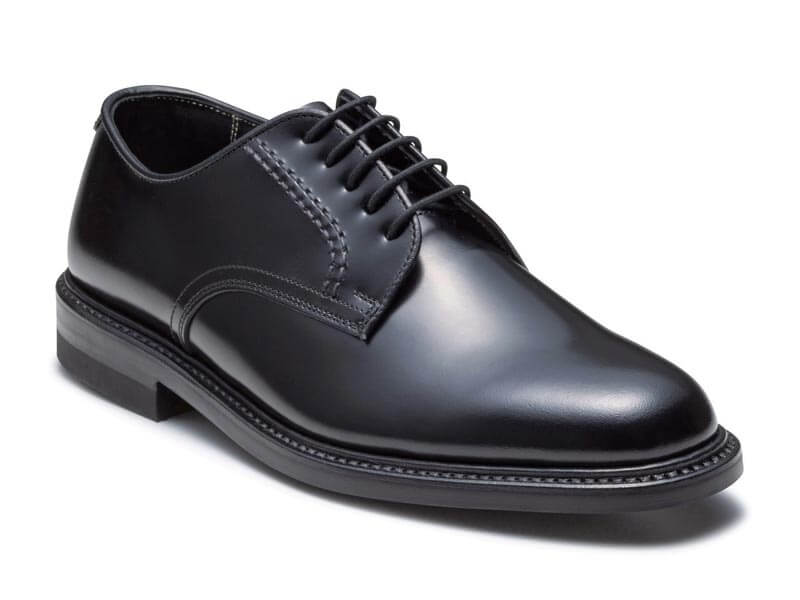
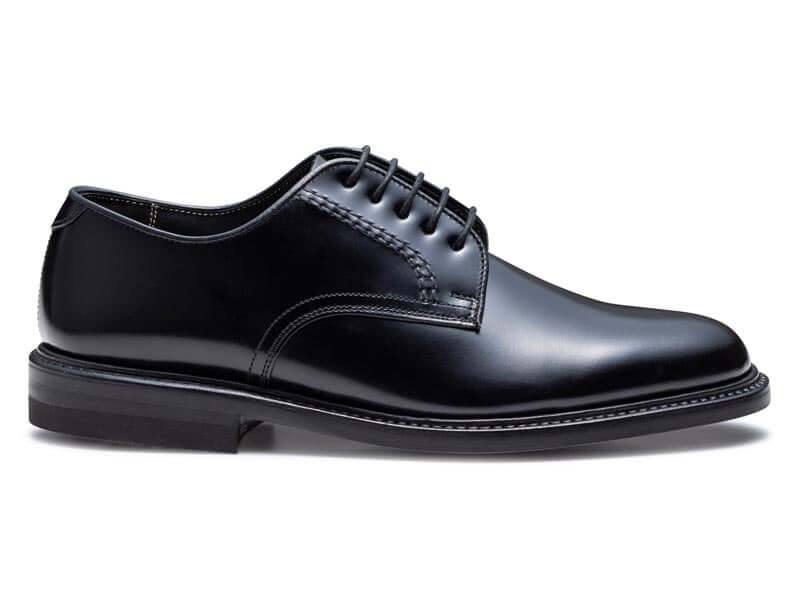
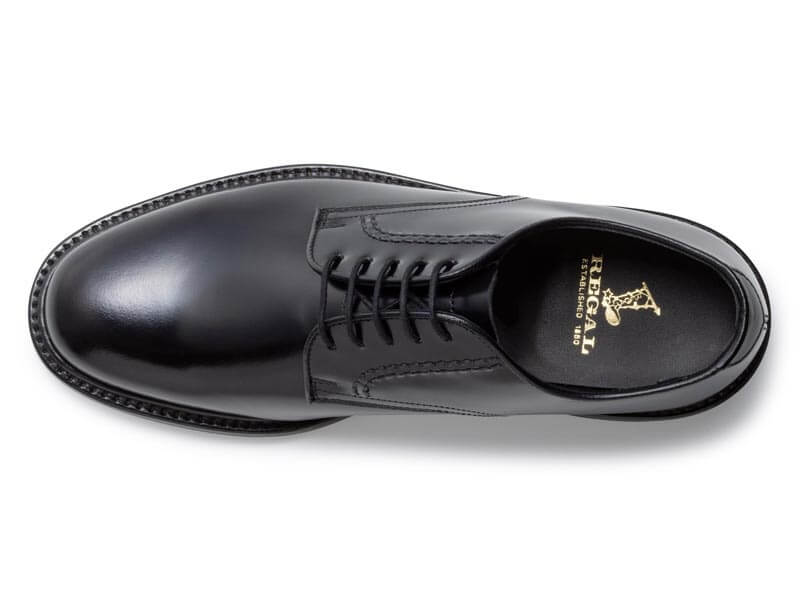
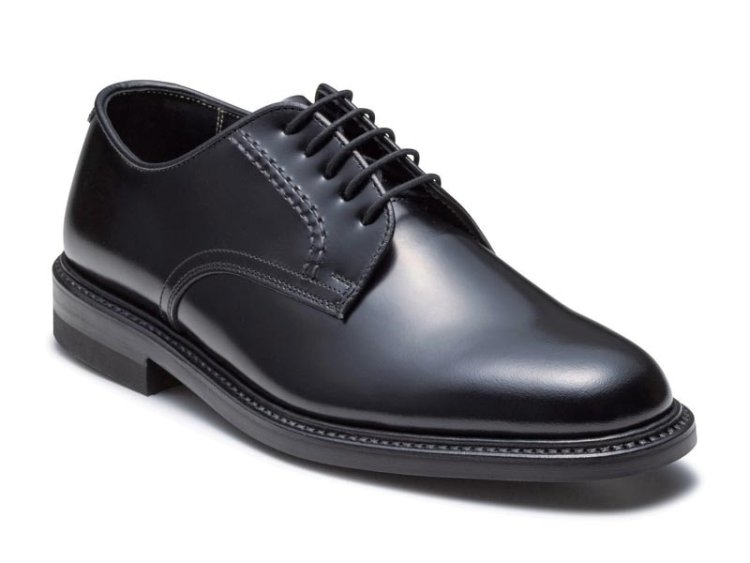
When discussing Japanese business leather shoes, REGAL is an indispensable name.Its roots trace back to the Ise Katsu Shoe Workshop, founded in 1870 by Katsuzo Nishimura in Iri-Funamachi, Tsukiji, Tokyo. The company later evolved into Nippon Shoe Manufacturing Co., Ltd., and in 1961, it signed a technology transfer agreement with the U.S.-based Brown Company to begin producing and selling men’s shoes under the “REGAL” brand.Since then, as business fashion has evolved, the brand has established authentic leather shoes as a staple of Japanese footwear. Its appeal lies in its solid craftsmanship, wide product lineup, and a distribution network that makes the shoes easily accessible nationwide, making it simple to choose everything from your first pair of leather shoes to your go-to work shoes. The flagship model is the plain-toe “2504.”A long-standing bestseller, it is beloved for its durable construction using the Goodyear welt method and the way it molds to the wearer’s foot the more it is worn.
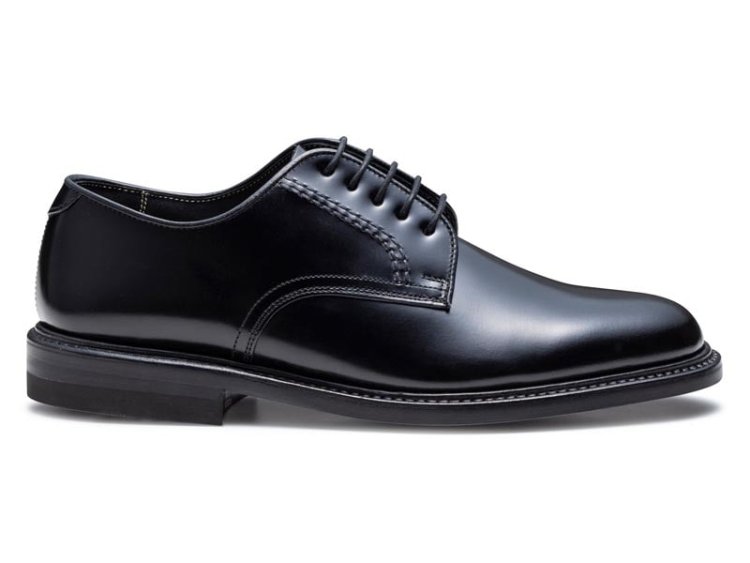
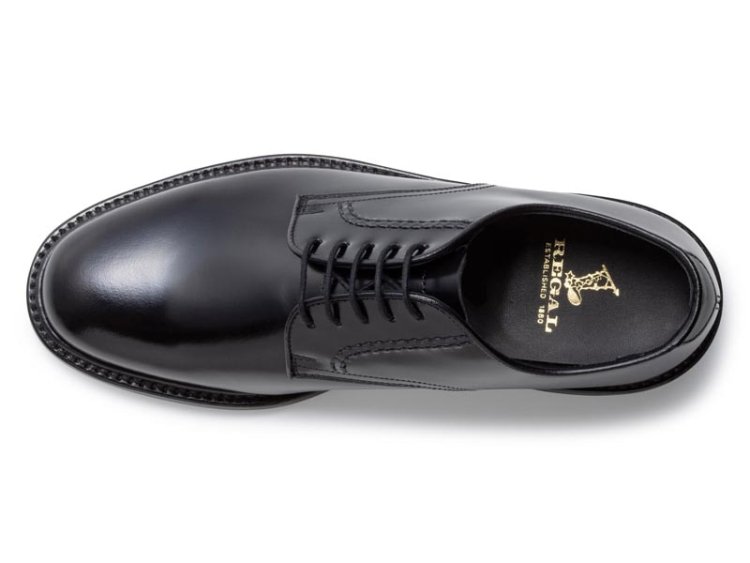
Check out the Regal official website
Japanese Leather Shoe Brands 2Otsuka Shoe Manufacturing
Otsuka Shoe Manufacturing is a long-established brand deeply intertwined with the very history of Japanese leather shoes. In 1872, the founder, Iwajiro Otsuka, established Otsuka Shoten in Shimbashi, Tokyo.Beginning with the production of shoes for Emperor Meiji, the company also received orders for sailors’ shoes from the Navy Ministry and military boots from the Army Ministry, supporting the footwear needs of modern Japan. Its history—spanning leather shoes for the Imperial Family, government contracts, military boots, and the general public—mirrors the evolution of Japan’s shoe industry from official uniforms to everyday footwear.Today, through lines such as “Otsuka +M5,” the brand offers elegant dress shoes befitting its heritage. A standout classic is the “M5-500,” an internal-wing straight-tip shoe. It combines the sophistication suitable for everything from formal occasions to business settings with the meticulous craftsmanship characteristic of Japanese-made shoes.
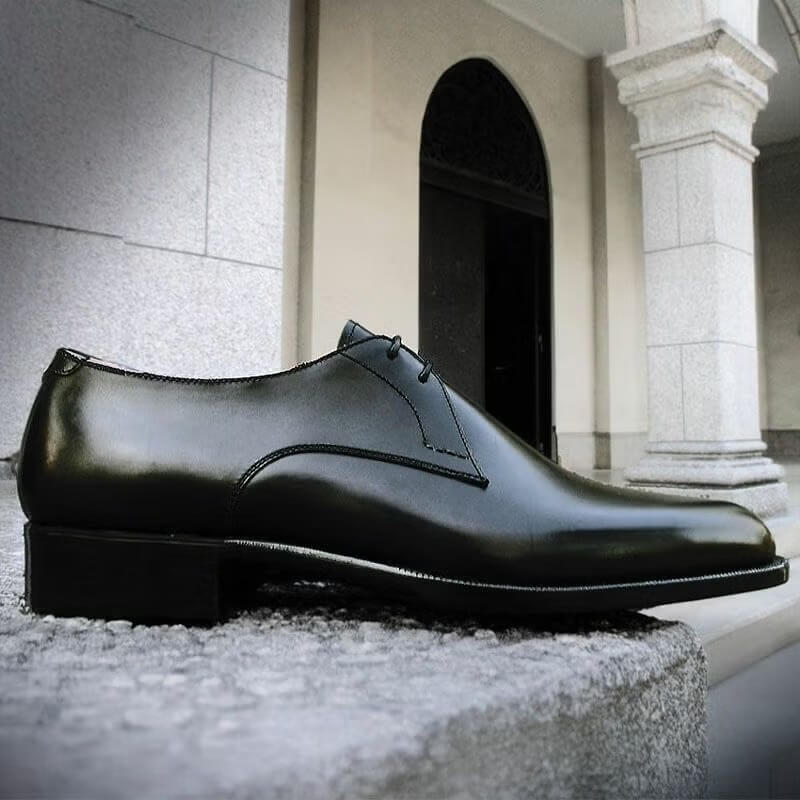
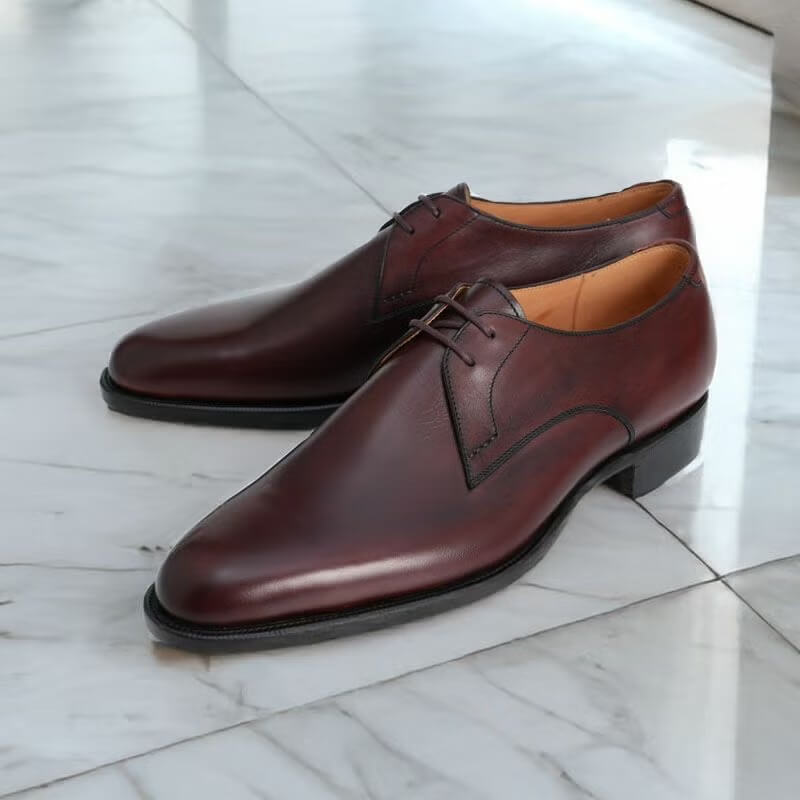
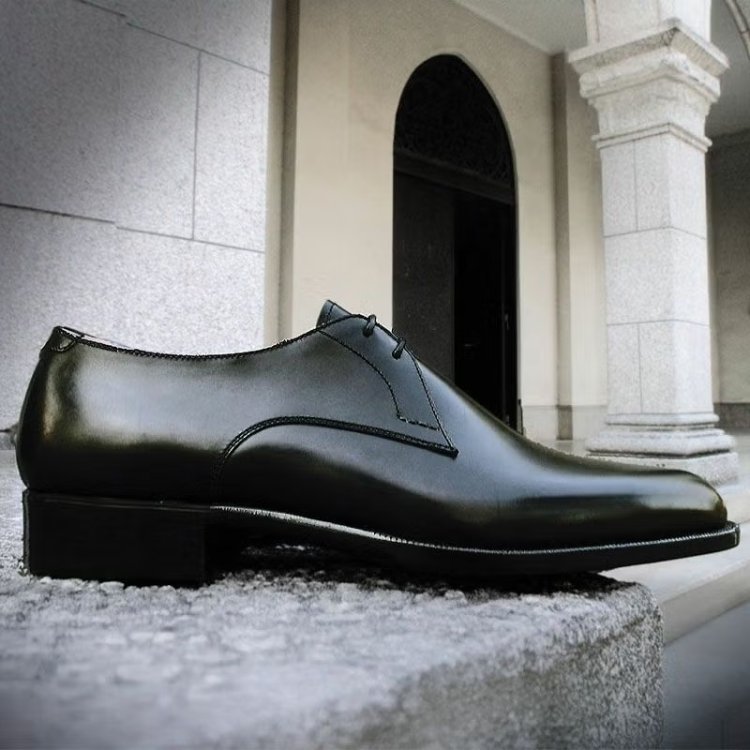
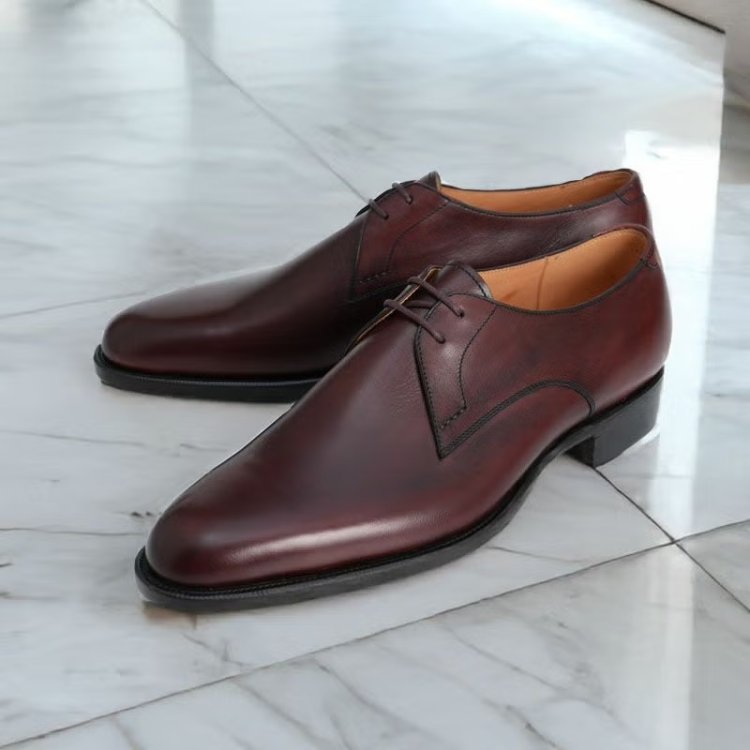
Check out the Otsuka Shoe official website
Japanese Leather Shoe Brands 3SCOTCH GRAIN
SCOTCH GRAIN is a Japanese leather shoe brand operated by Hirokawa Shoe Manufacturing in Sumida Ward, Tokyo.The brand has gained a loyal following for its pursuit of comfort tailored to Japanese feet and authentic shoes suitable for everyday wear, built with solid craftsmanship centered on the Goodyear welt construction method. Its appeal lies in its refined designs suitable for business settings, a construction designed to last with the expectation of repairs, and an excellent balance of price and quality.A standout classic is the “3526” straight-tip shoe from the “Assurance” series—an excellent choice for first-time Scotch Grain buyers. Suitable for everything from formal occasions to business settings, this pair allows you to experience the practicality of Japanese-made dress shoes firsthand.
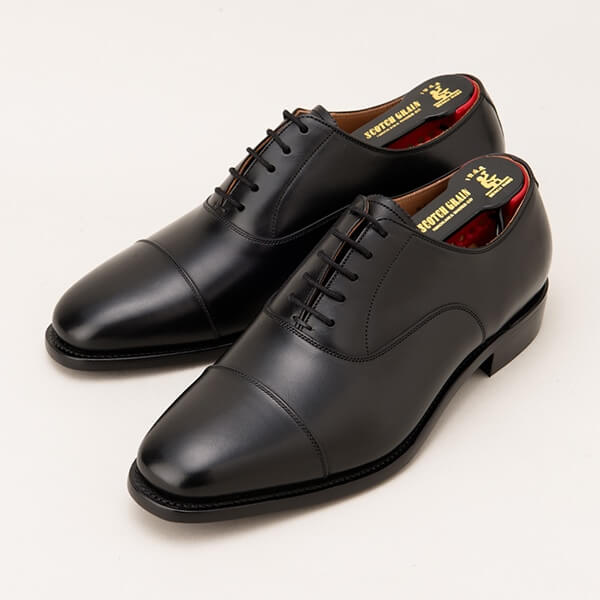
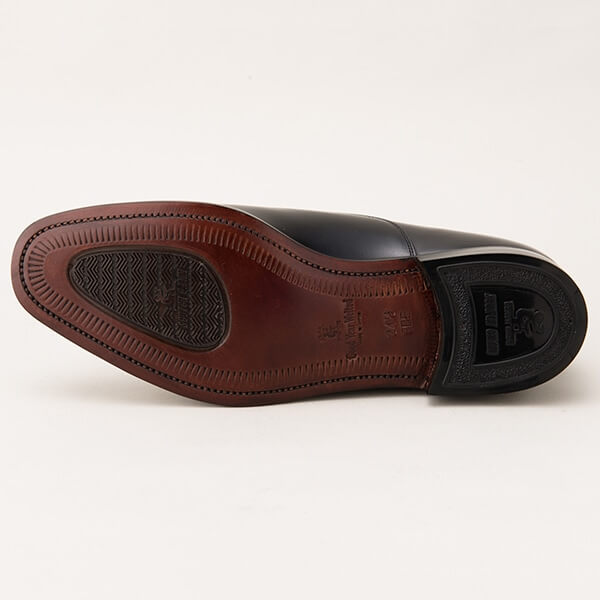
Check out the official SCOTCH GRAIN website
Japanese Leather Shoe Brands 4Sanyo Yamacho
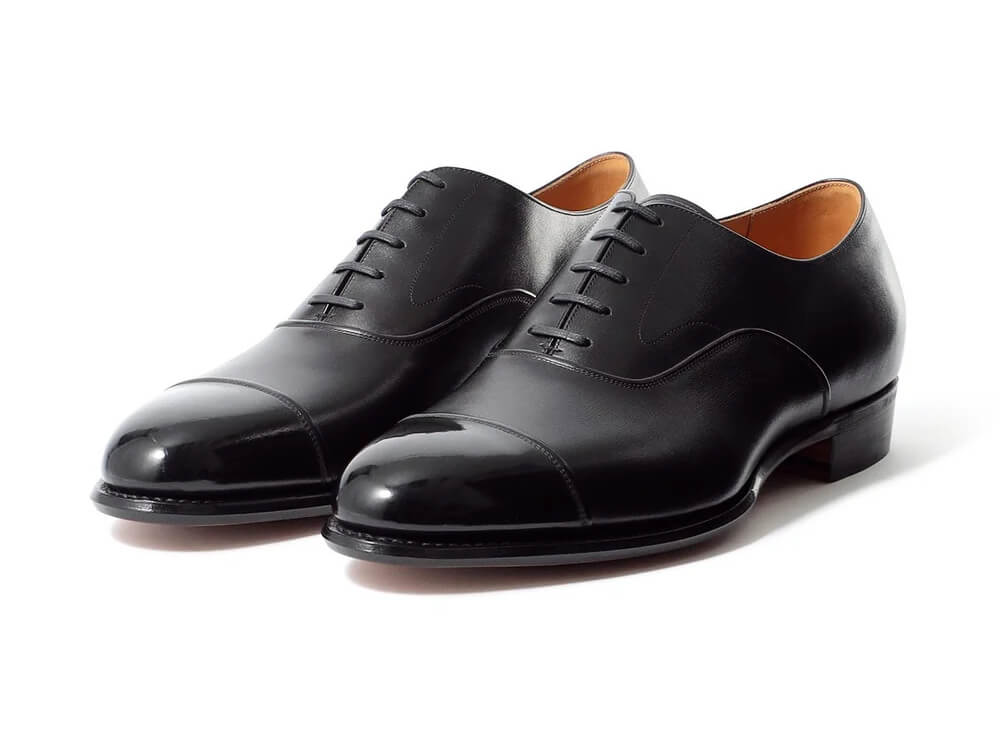
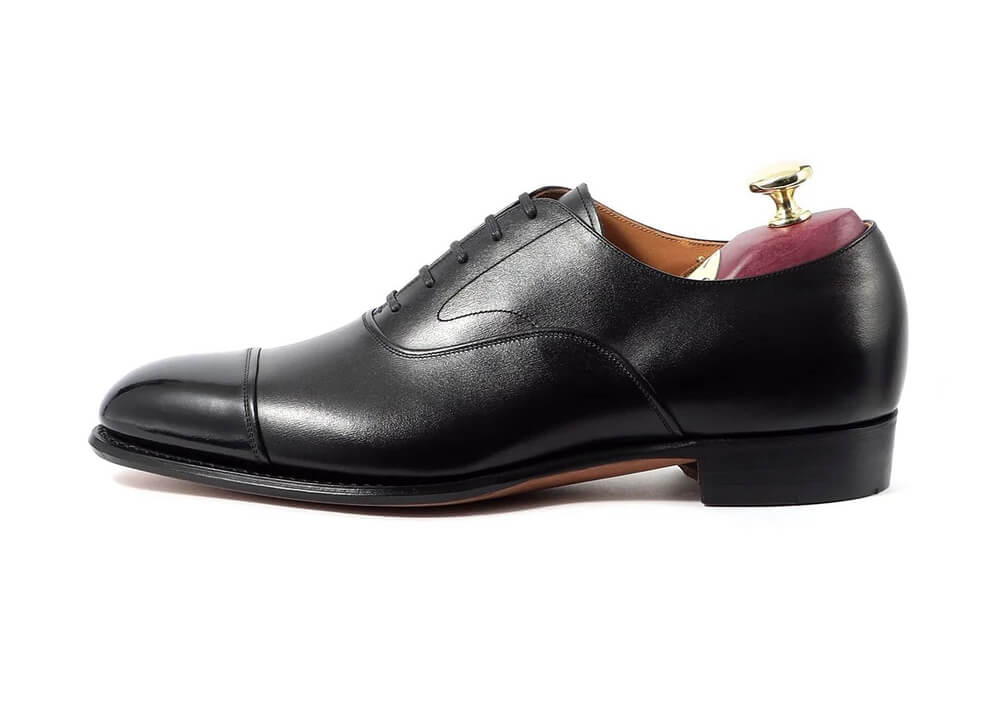
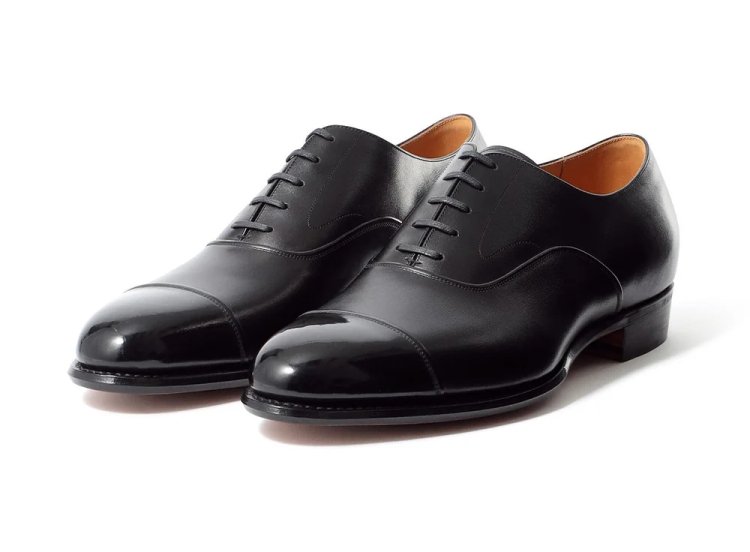
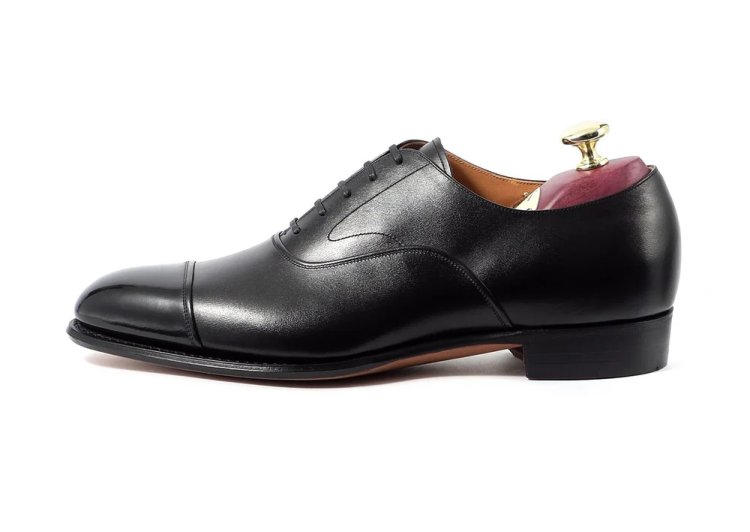
Sanyo Yamacho is a Japanese dress shoe brand launched in 2001.With last designs tailored to Japanese feet, meticulous craftsmanship by skilled artisans, and designs that exude a dignified presence, the brand embodies the aesthetic of Japanese-made leather shoes. While grounded in the refined elegance of British footwear, its appeal lies in an understated sophistication that blends naturally with suit styles without veering too far into a rugged aesthetic.The brand’s signature model is the “Yujiro,” an internal-wing straight-tip shoe. Known as the brand’s iconic masterpiece, it combines versatility—suitable for everything from formal occasions to business settings—with the meticulous craftsmanship characteristic of Japanese dress shoes.

Check out the Sanyo Yamacho official website
5 Japanese Leather Shoe BrandsUNION IMPERIAL
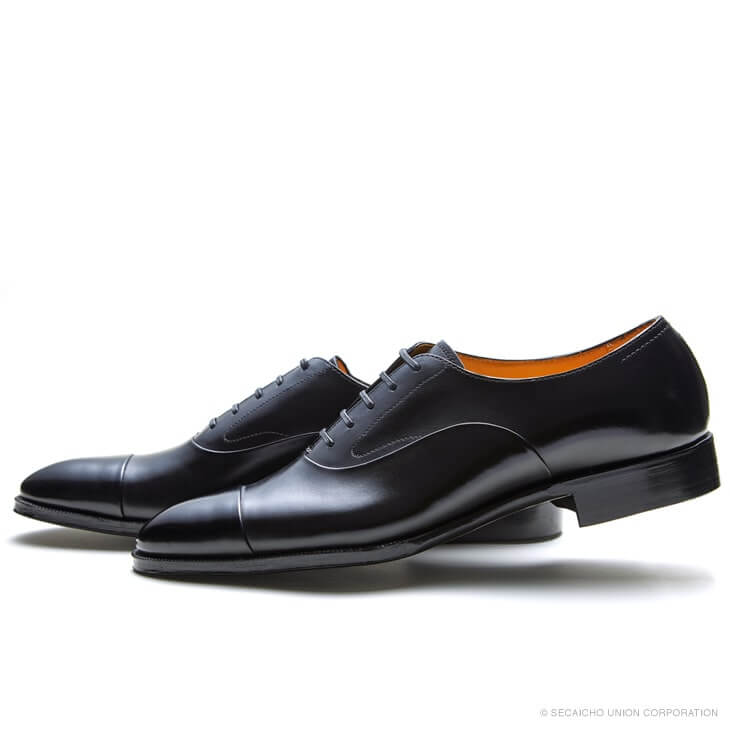
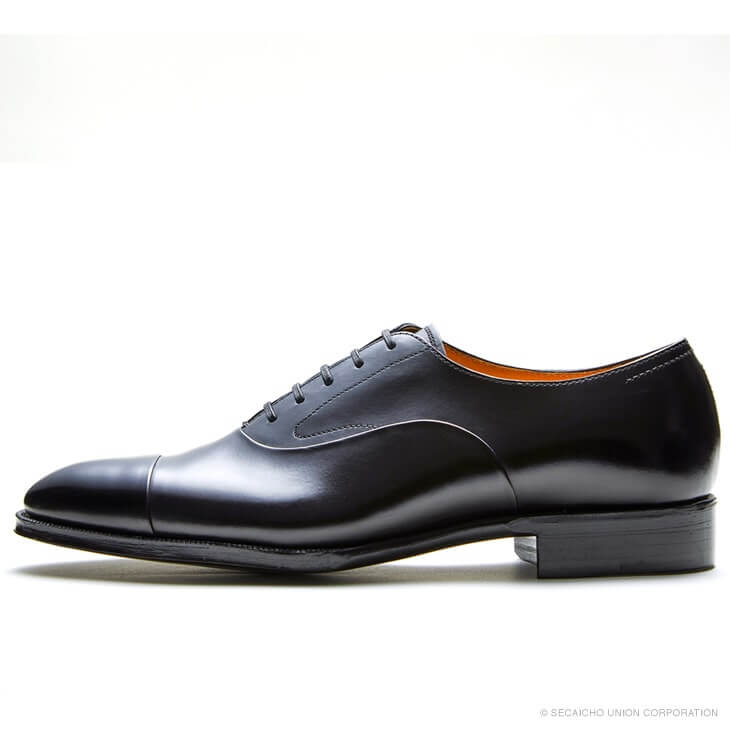
UNION IMPERIAL is a dress shoe brand developed by Union Royal, a long-established Japanese shoemaker.Its most distinctive feature lies in its construction, which combines the Bolognese method—known for creating a soft, enveloping fit—with the Goodyear welt method, allowing the shoes to be repaired and worn for many years. While featuring the authentic structure of high-quality shoes, they are appealing because they feel comfortable and mold to your feet right from the first wear.A standout model is the “SU001” straight-tip shoe from the flagship “Dress PREMIUM” line. It’s a pair that perfectly balances a refined appearance with the supple comfort characteristic of UNION IMPERIAL.

Check out the UNION IMPERIAL official website
Japanese Leather Shoe Brands 6Miyagi Kogyo
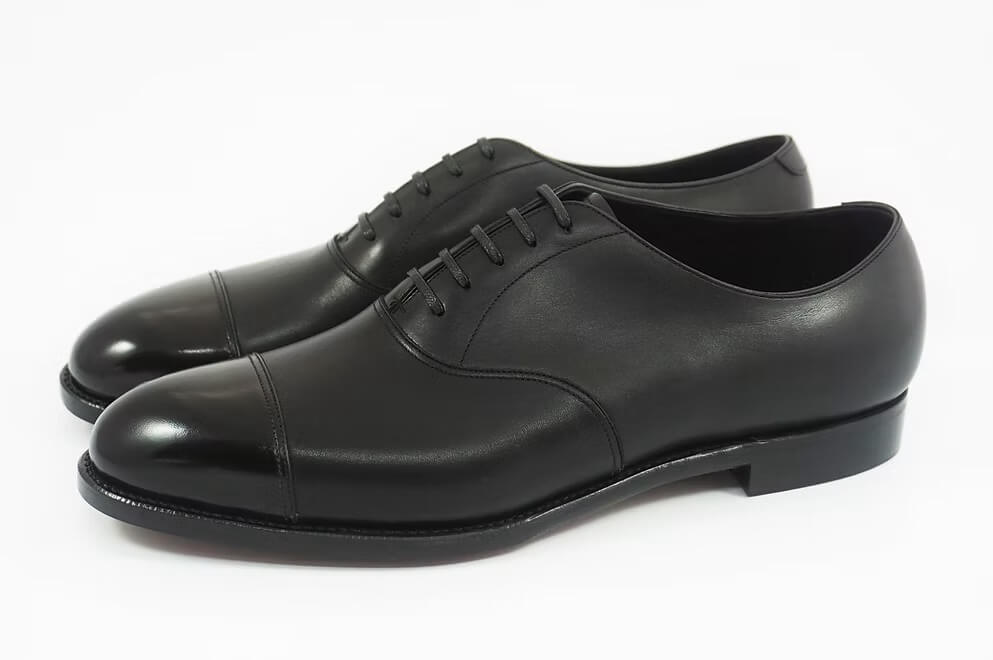
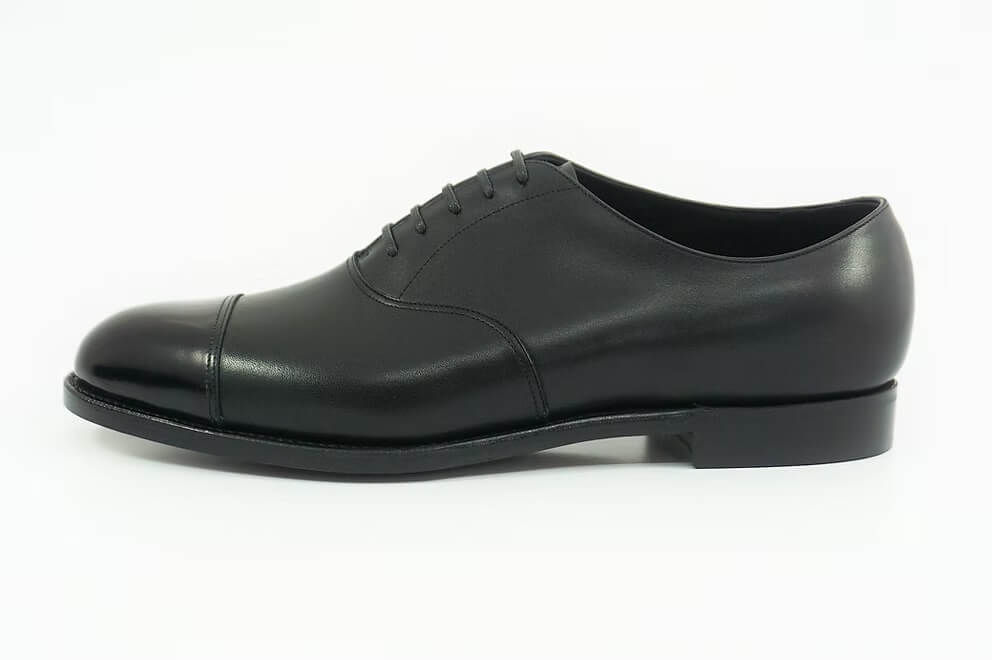
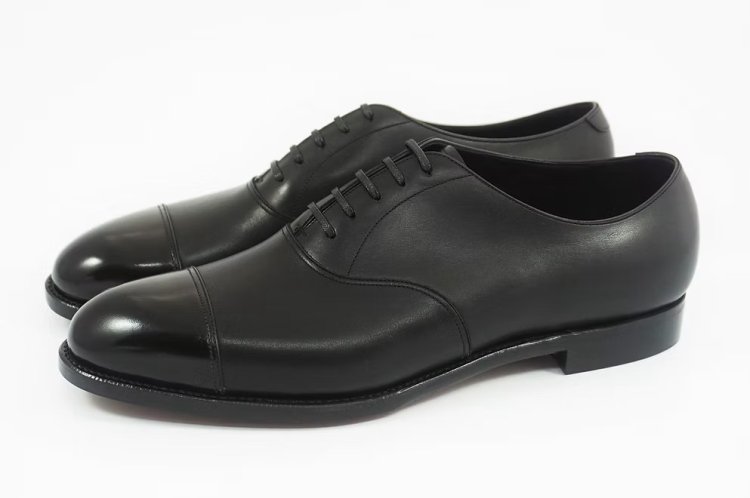
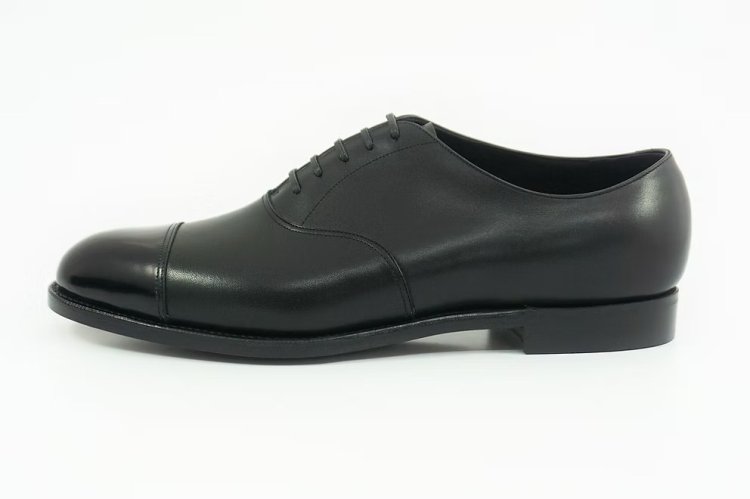
Miyagi Kogyo is a long-established shoemaker based in Nanyo City, Yamagata Prefecture.Building on the expertise cultivated over many years of OEM production, the company launched an original custom-made system called “Kinshō Otsukuri” in 2004 and introduced its own brand, “MIYAGI KOGYO,” in 2007.Their commitment to accommodating feet that don’t fit within the confines of ready-to-wear shoes symbolizes the dedication to last design and fit that is characteristic of Japanese leather shoes. Miyagi Kogyo’s custom-made straight-tip and plain-toe styles are particularly worth noting. The ability to choose specifications tailored to your feet is what makes this brand so unique.

Check out the Miyagi Kogyo official website
7 Japanese Leather Shoe BrandsSHETLANDFOX
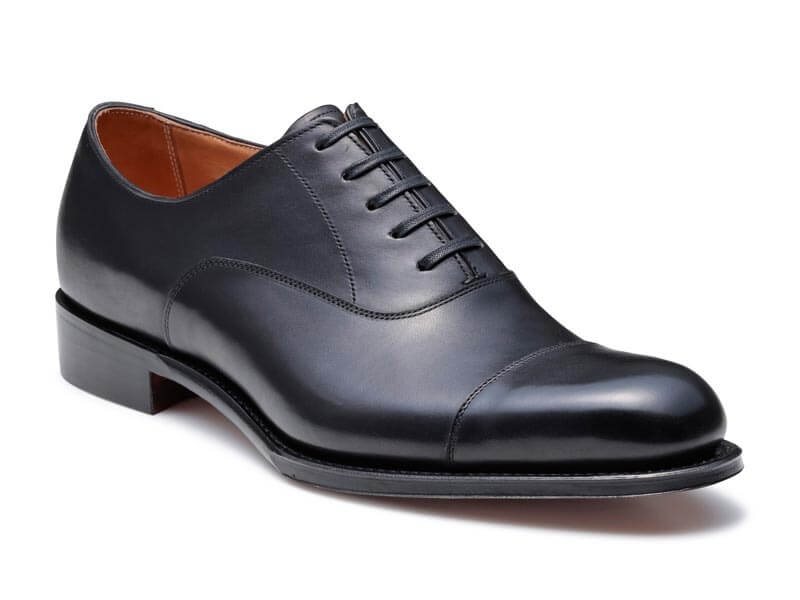
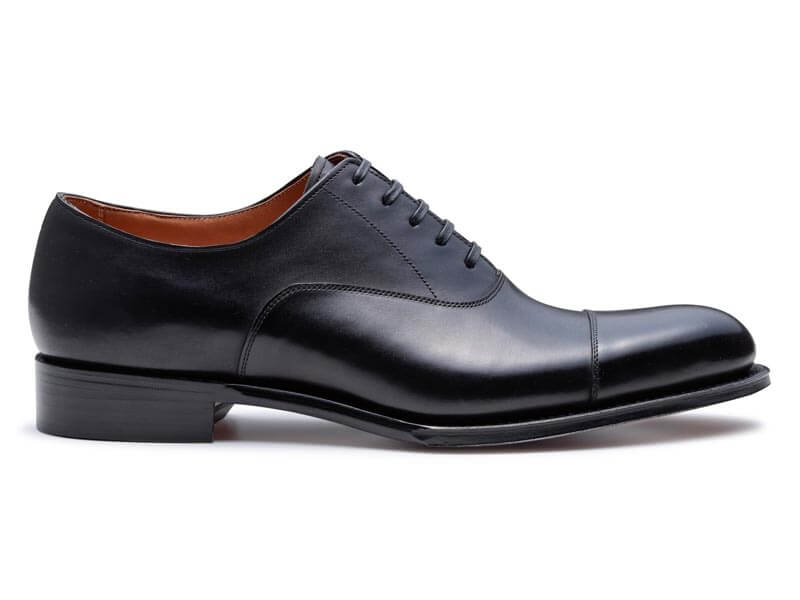
SHETLANDFOX is a dress shoe brand developed by Regal Corporation. It was first launched in 1982 and relaunched in 2009.Its approach—analyzing the Japanese foot from an anatomical perspective to achieve both beautiful form and a perfect fit—symbolizes the uniqueness of Japanese-made leather shoes. A standout classic model is the “DRAYTON,” an internal-wing straight-tip shoe.This shoe features a sophisticated silhouette that pairs well with modern suit styles, along with the exceptional comfort that SHETLANDFOX is known for.
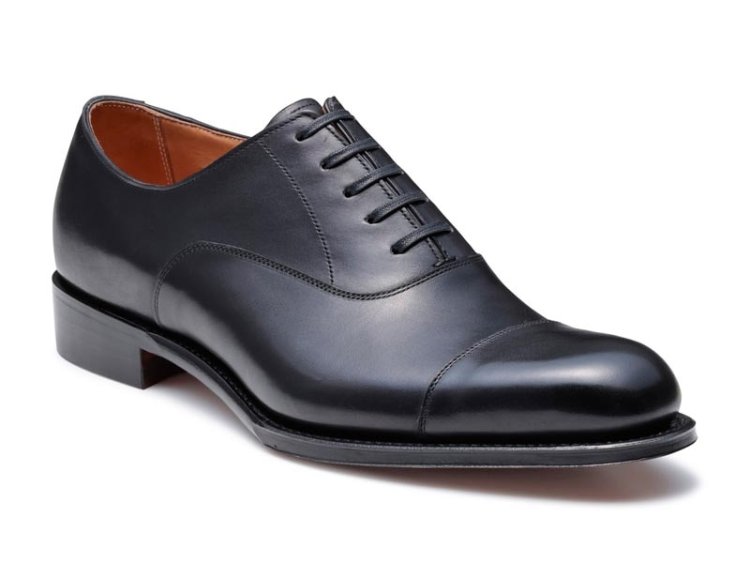
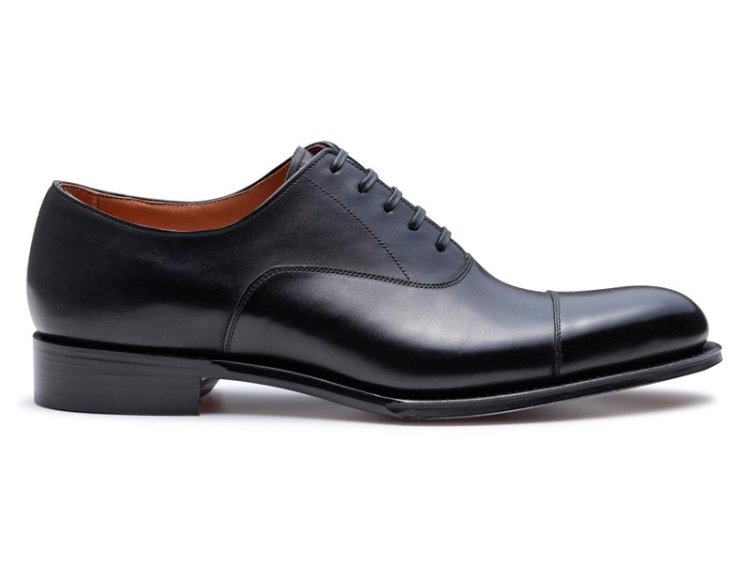
Check out the SHETLANDFOX official website
8 Japanese Leather Shoe BrandsPerfetto
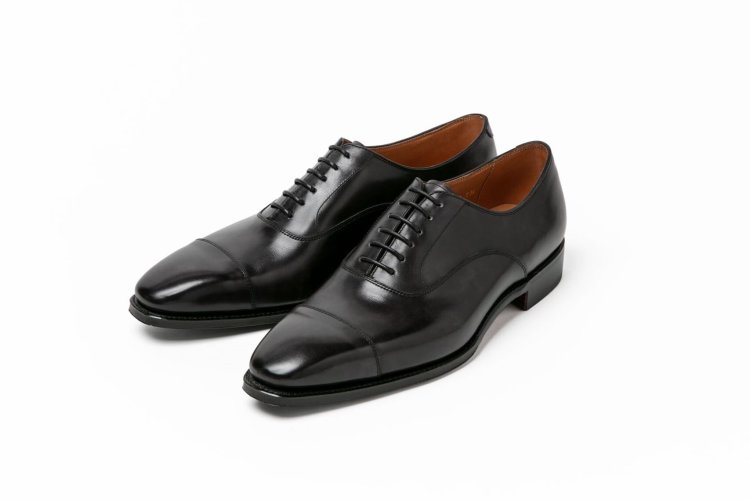
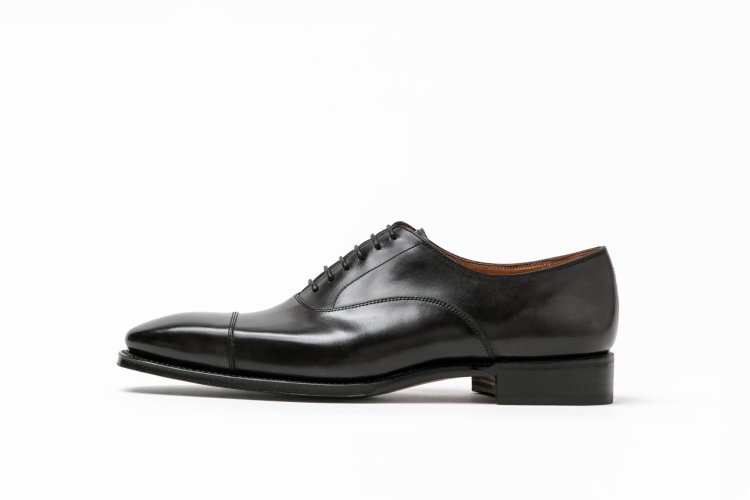
Perfetto is a Japanese dress shoe brand that manufactures its products in its own domestic factory.Its uniqueness lies not only in its refined business shoes but also in its ability to bring elegant designs—such as skin stitching, reverso styles, and the use of high-quality leather—to life through masterful craftsmanship. This brand is ideal for those who want to add a touch of sophistication to the solid reliability of Japanese-made leather shoes.A top contender for a staple pair is the straight-tip “PALATINO18 BLACK.” Crafted from Ilcia’s Museum Calf leather, it’s a black business shoe that offers a rich, nuanced appearance.
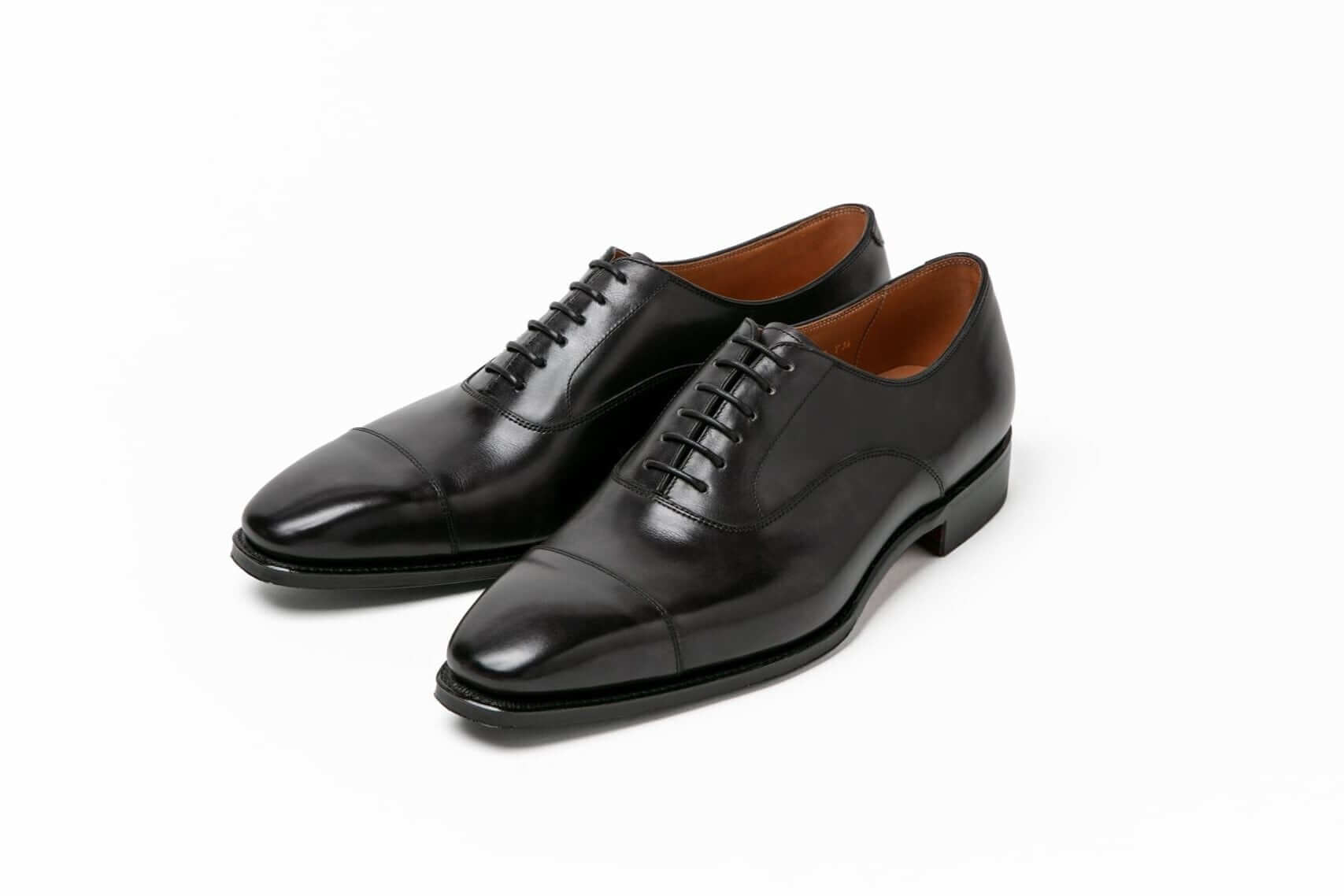
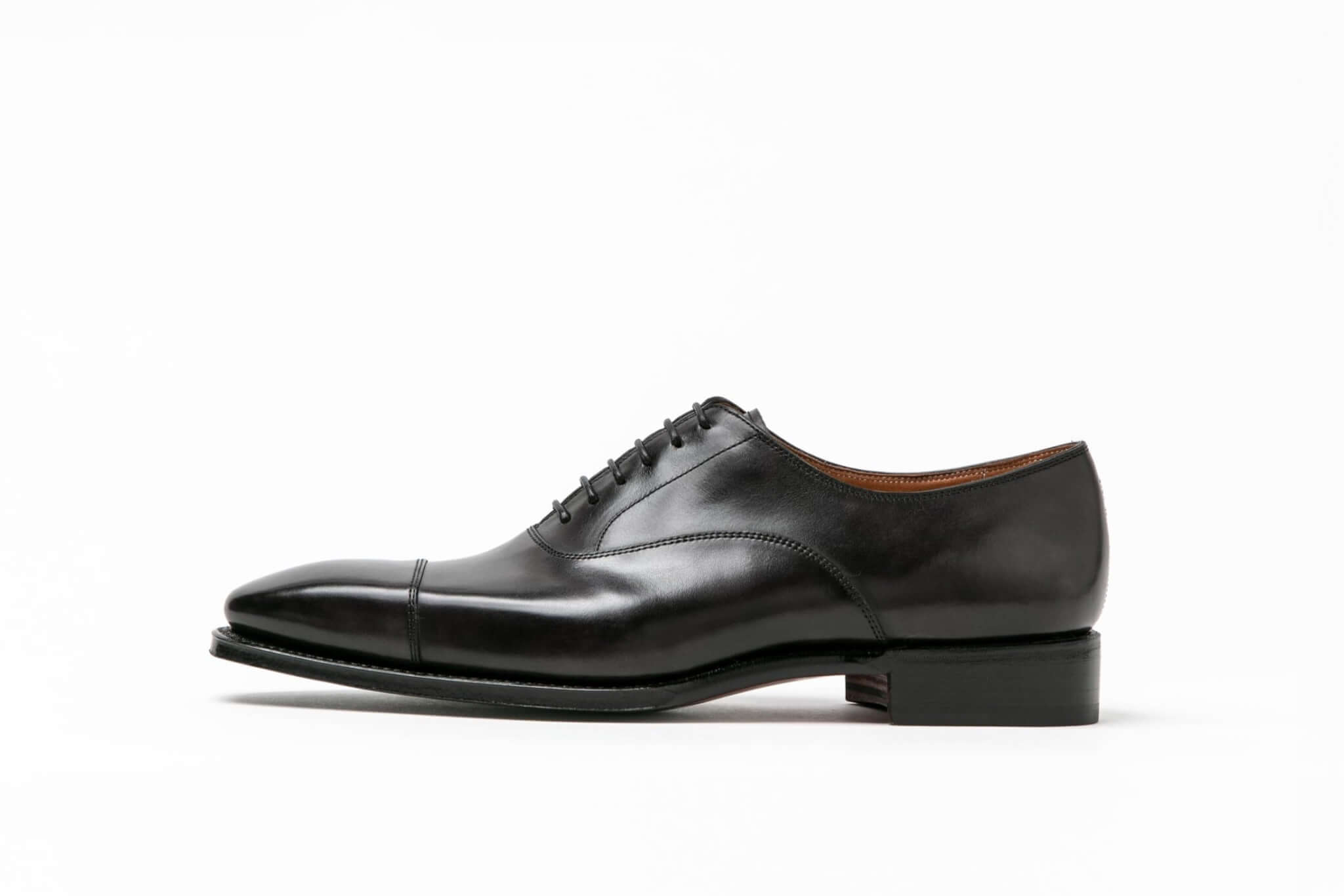

Check out the Perfetto official website
9 Japanese Leather Shoe Brandsmadras
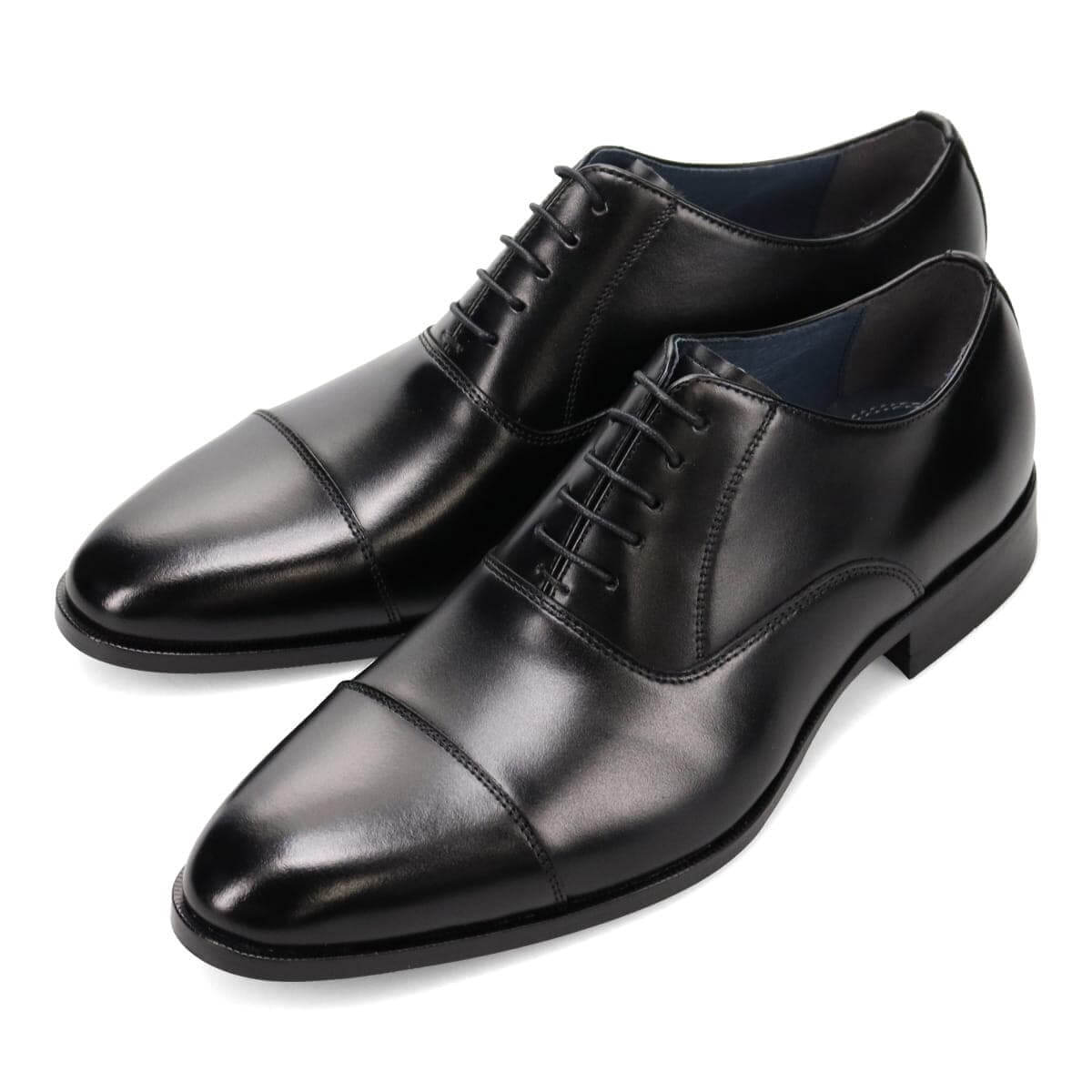
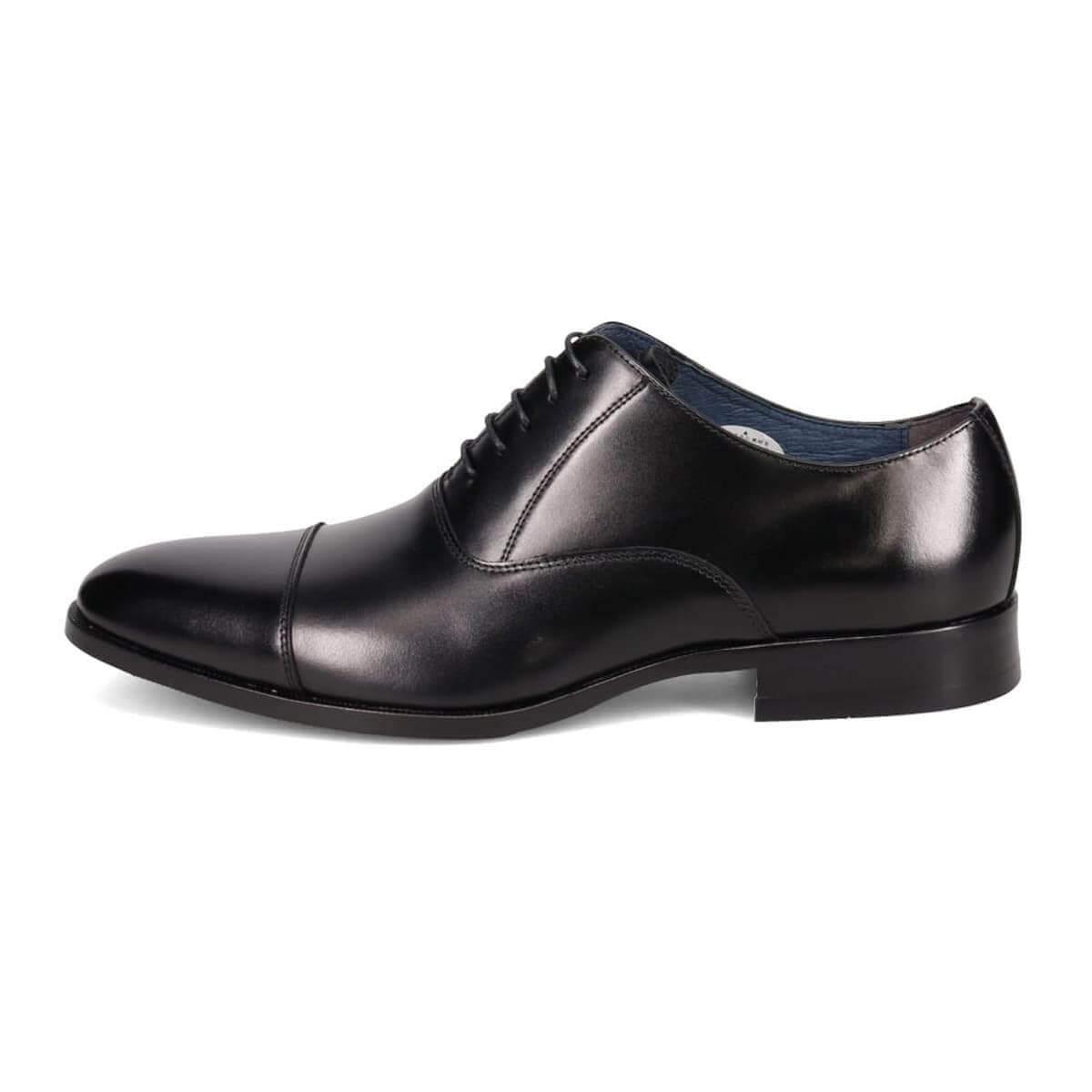
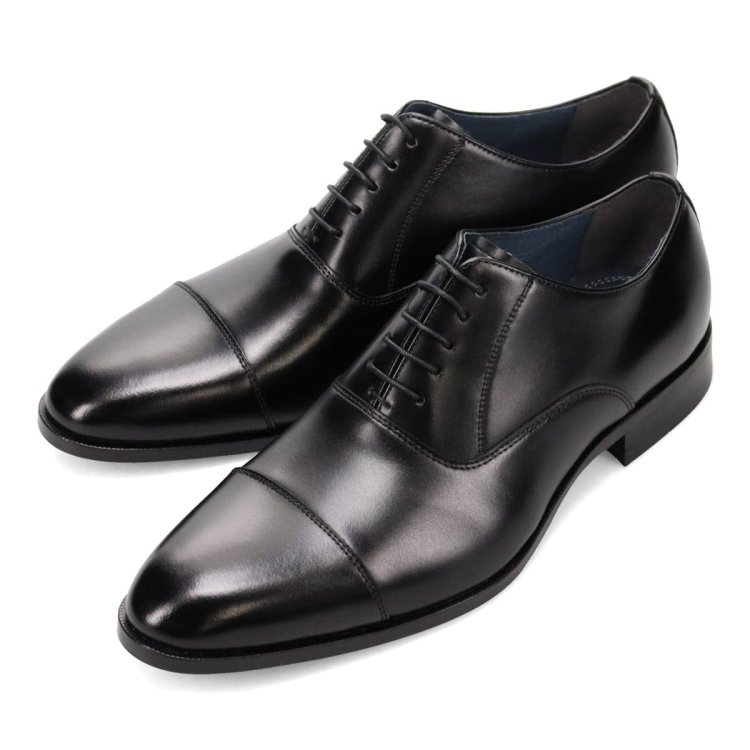
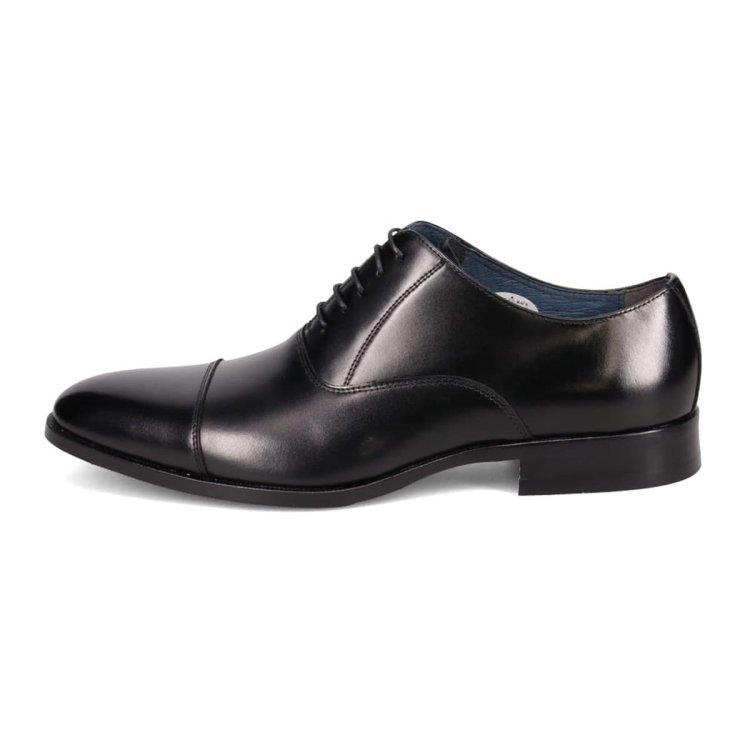
madras is a long-established shoe brand with roots in Asia Shoe Manufacturing, founded in 1921.In postwar Japan, the brand widely expanded its line of business and fashion shoes, supporting the footwear needs of many men through department stores and specialty shops. Its appeal lies in the wide variety of options, ranging from classic leather shoes to modern, functional models. A classic and versatile choice is the “M6201A,” an internal-wing straight-tip shoe.With its clean lines and the lustrous sheen of genuine leather, it’s a pair that’s easy to incorporate into business settings and formal occasions.
Check out the Madras official website
10 Japanese Leather Shoe BrandsHARUTA
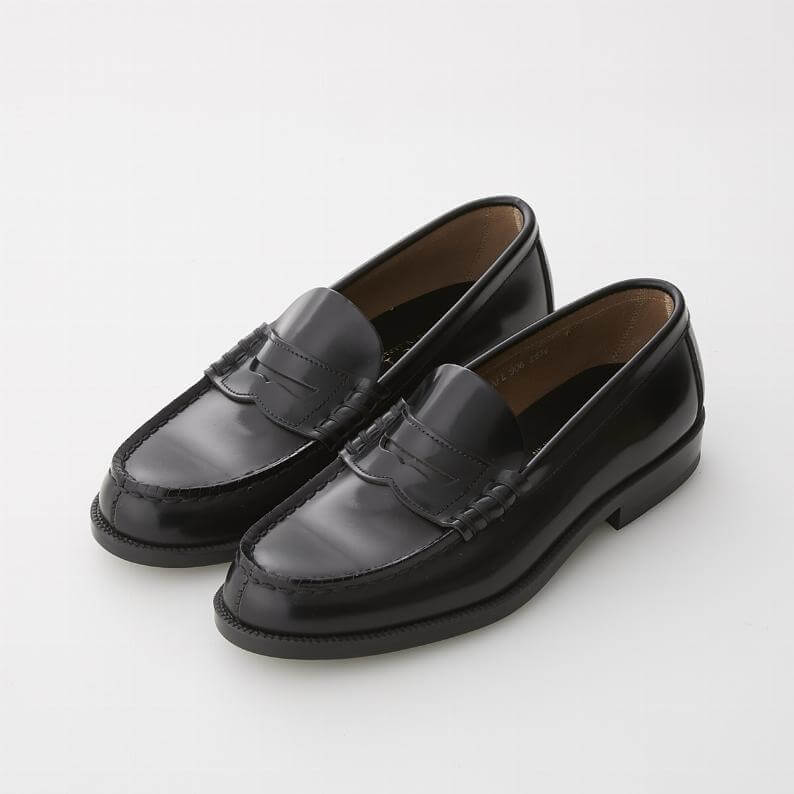
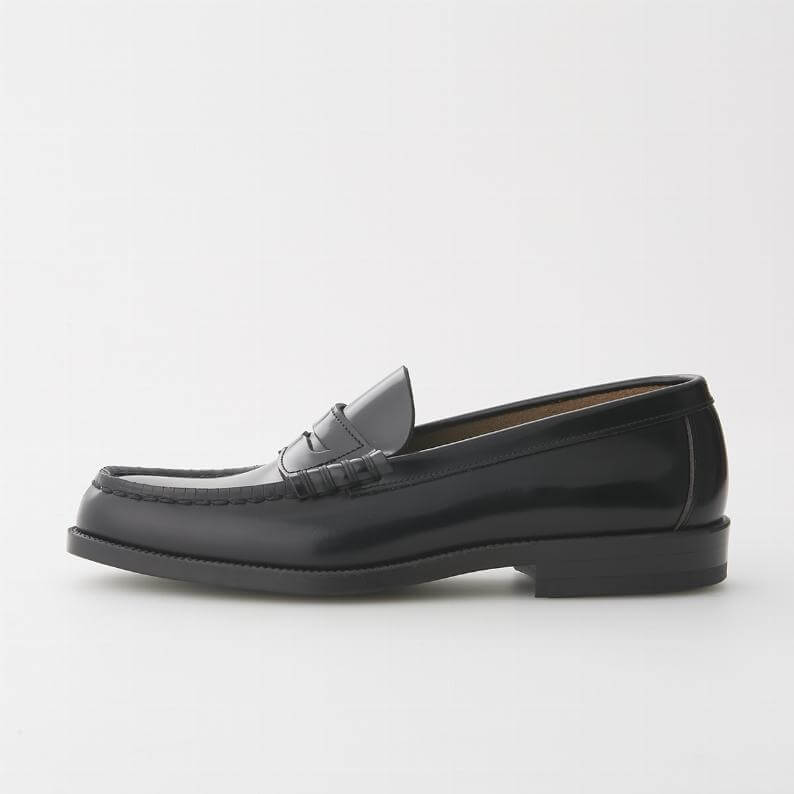
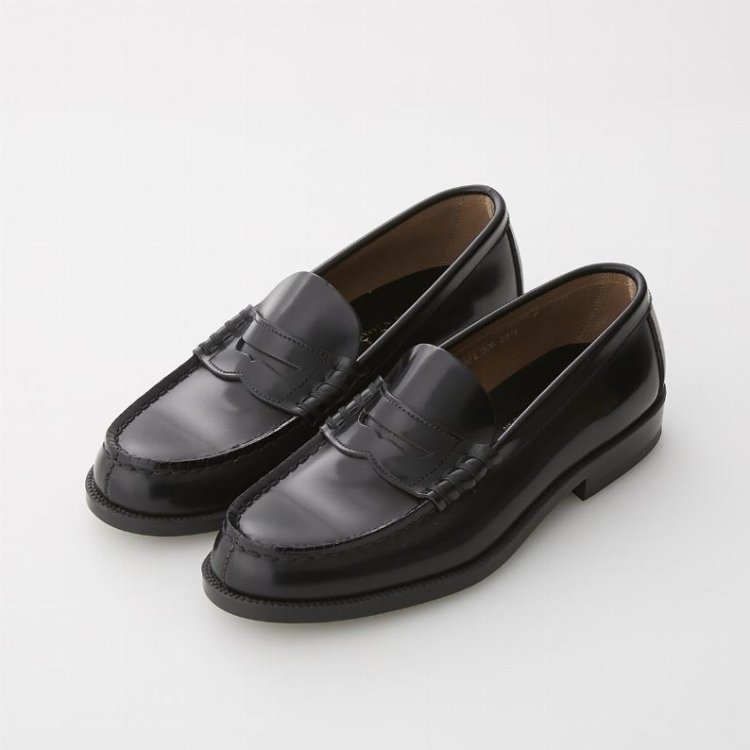
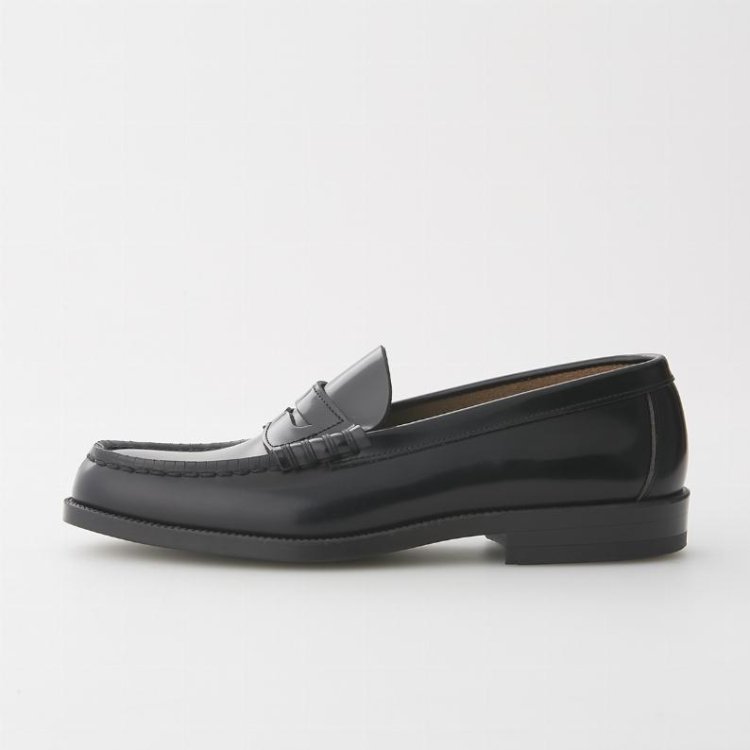
HARUTA is one of Japan’s leading everyday leather shoe brands, best known for its school shoes and loafers.Founded in 1917, the brand has popularized leather shoes—from school shoes to business-appropriate loafers—as everyday footwear rather than special-occasion attire. With affordable prices, consistent quality, and clean, minimalist designs, it has been beloved across generations. Its signature model is the men’s coin loafer “#906.”Combining HARUTA’s signature elegance and practicality, it’s a classic that transcends the realm of school shoes and is easily incorporated into adult casual wear.
![Leather Shoes for Men [ Brands for Adults by Country ].](https://otokomaeken.com/wp-content/uploads/2015/09/ae46b1f460ee46f789c27b264a6cb421-630x331.jpg)



![Down Jackets Men's 53 Best Brands [ 2025-26 Latest ].](https://otokomaeken.com/wp-content/uploads/2025/11/06fdc2583e2c92e74479dd4d07c3a361-1-750x397.jpg)
![60 Sunglass Brands [2026 Trends, How to Choose, and Classic Models]](https://otokomaeken.com/wp-content/uploads/2025/05/8d42f1de98b1fb4bda3be715901ede39-750x396.jpg)

![30 Chester Coats Men's Recommended Brands [ 2025-26 Latest ].](https://otokomaeken.com/wp-content/uploads/2025/11/87a923a43ad23eaf5fbaefe8c91982b8-750x396.jpg)
