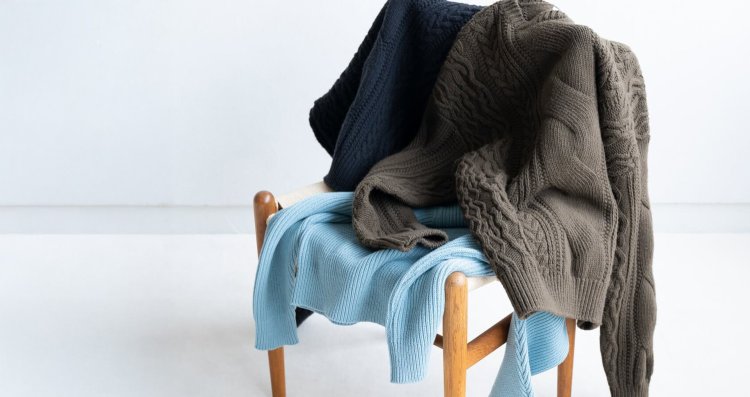
Knitwear is a product of the way yarns are selected, the density of the knitting, the sewing that connects the parts, and the final finishing touches. Each of these factors is directly reflected in the comfort and appearance of the garment. More than half a century has already passed since knitwear was first produced in Yamagata. During that time, not only techniques but also skills have been accumulated. The combination of materials, the degree of knitted fabric, and the adjustment of the sewing machine with an eye to the graininess of the fabric are just a few examples. These senses, which are difficult to put into words, have been passed down from craftsman to craftsman in an industry rooted in the local area. The reason why Yamagata knitwear is chosen by adults who know how to make clothes is because the quality of these invisible processes is expressed as a result of the accumulation of these processes.
Sponsored by
Reasons why adults choose Yamagata Knit 1Because it is made in the holy land of knitwear
In Japan, various textile industries flourish in different production areas. For example, wool in Bishu, denim in Kojima, towels in Imabari, eyeglasses in Sabae, metalworking in Tsubame-Sanjo, and textiles in Kiryu. The quality of “made in Japan” varies greatly depending on which region and which industry is involved. Yamagata has a long history of development as a knit production center.
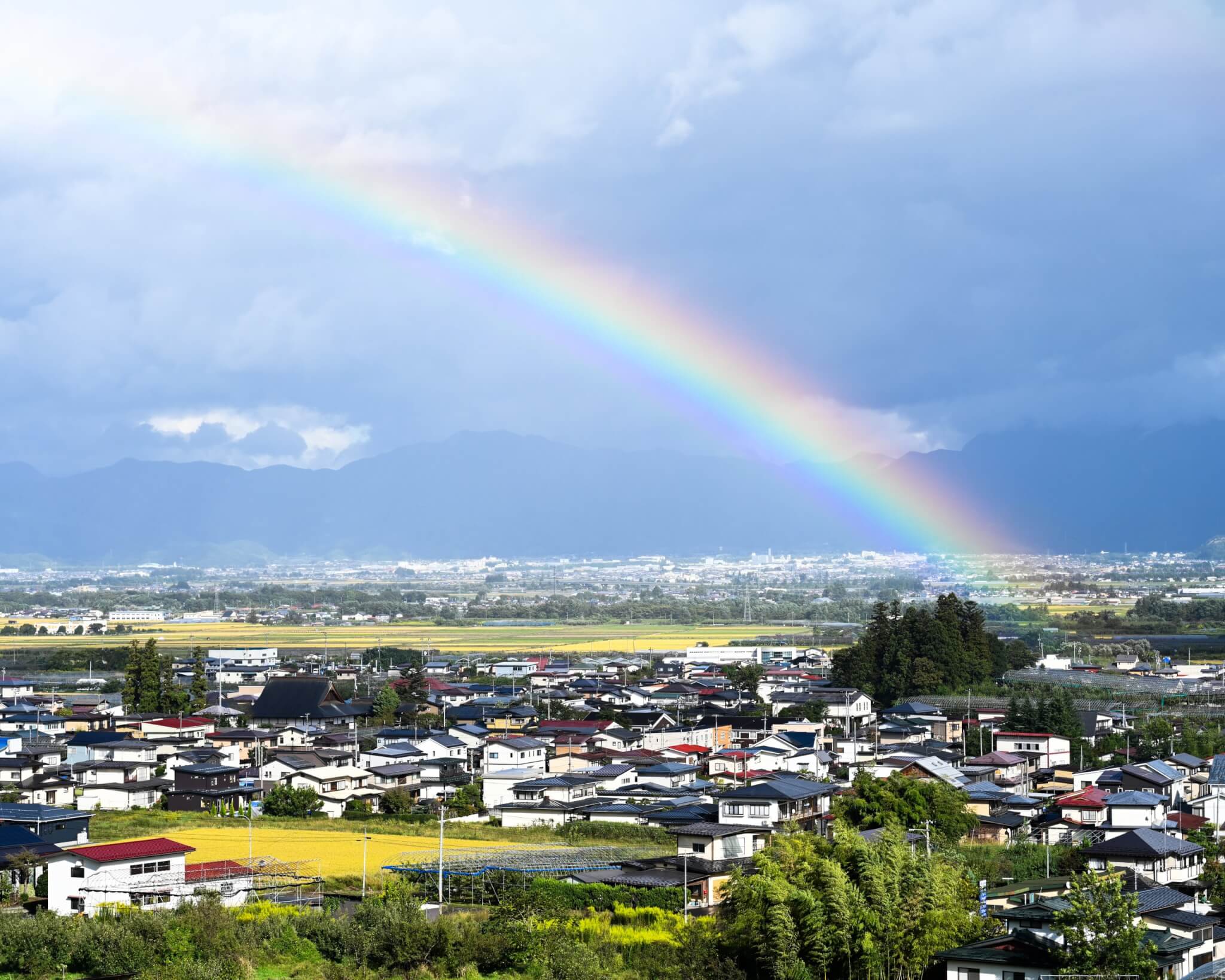
It all started in the Meiji era (1868-1912), when the Japanese government encouraged farmers to raise sheep in an effort to become self-sufficient in the production of wool for military uniforms in preparation for modernization and military reinforcement, especially in cold climates. In the 1930s, the founder of Sato Textile entrusted one or two sheep to each farmer, and the farmers harvested the wool and spun it by hand to make yarn. This was the start of a cottage industry. This is said to have been the beginning of spinning technology taking root in the region.
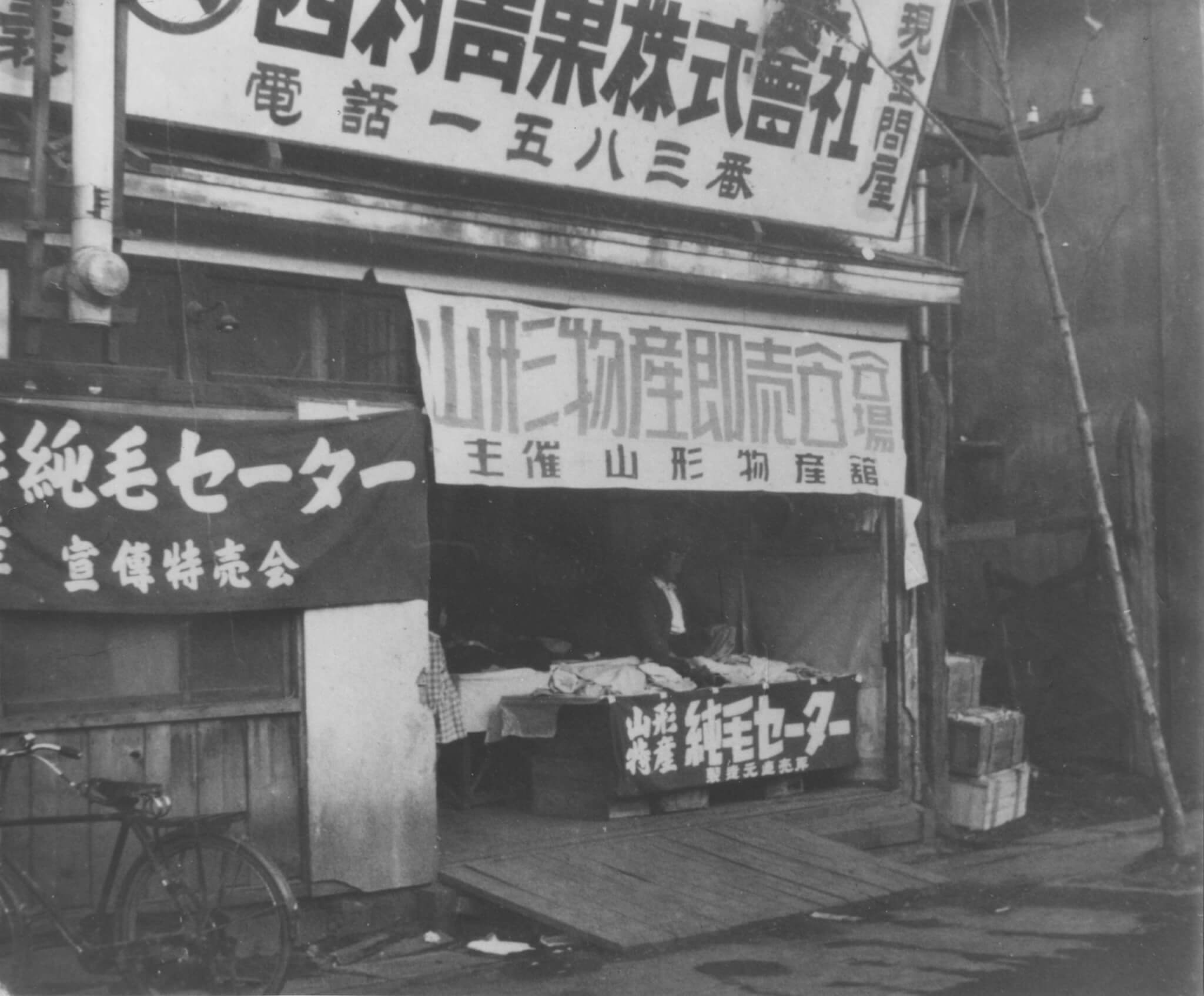
Photo courtesy of Yonetomi Textile Co.
After the war, demand for military uniforms ceased, but the dramatic change in Japanese clothing from Japanese to Western-style dramatically increased the demand for sweaters and other knit products. Wool was the only commodity available in Yamabe-cho and other areas at the time, and the production and sale of hand-knit sweaters using wool began in earnest. The business began with hand-knitted sweaters wrapped in furoshiki (wrapping cloth) and sold outside of the prefecture. Gradually, automatic knitting machines were introduced, and the area grew into a huge production center supporting domestic brand production during the period of rapid economic growth.
Reasons why adults choose Yamagata Knit 2Because you can feel the passion of the craftsmen
It is a given that the products are carefully made. In addition, Yamagata knitwear was born and raised in the sacred land of knitwear, and is made by the hands of many craftspeople who make their living producing knitwear, a factor that cannot be overlooked. We asked Mr. Oe, the third-generation representative of Yonetomi Textile, which has been operating as a specialized knit manufacturer since its establishment in Yamabe-cho, Yamagata Prefecture, in 1952, “What is knitwear? He answered, “It is flexible enough to allow for many different things, and it is a mysterious existence that makes you want to pursue it without an answer.
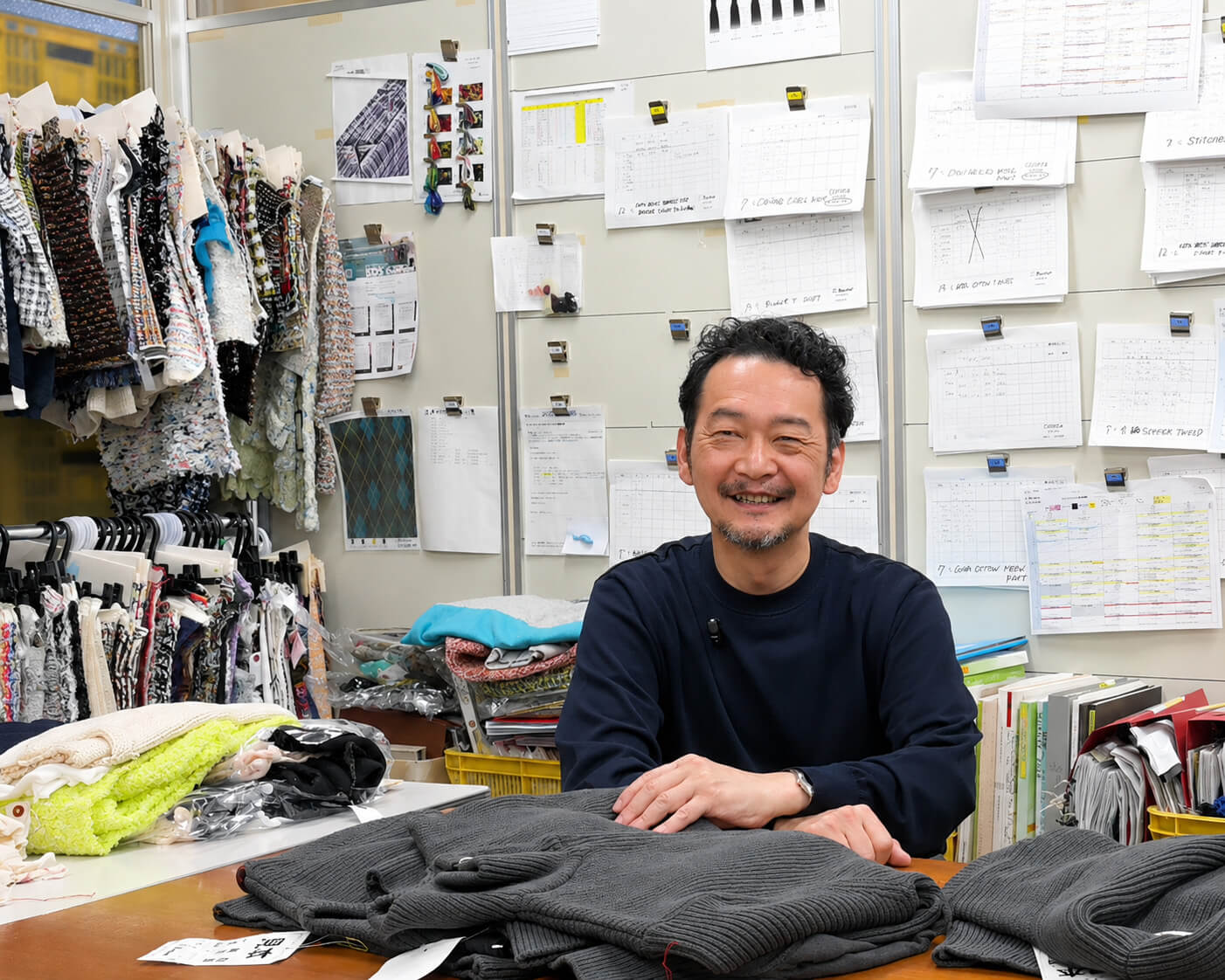
It is flexible enough to share the same sweater with a partner, yet it has a refinement that is not found in a wool-lined sweatshirt or a T-shirt. It is precisely because of the passion of the creator, who has been pursuing the possibilities of knitwear throughout his life, that Yamagata knitwear even moves the emotions of its wearers. The moment you put your sleeves on, you feel as if your back is straightened. It makes you look forward to standing in front of the mirror in the morning. It is an experience that cannot be experienced with mere mass-produced clothing.
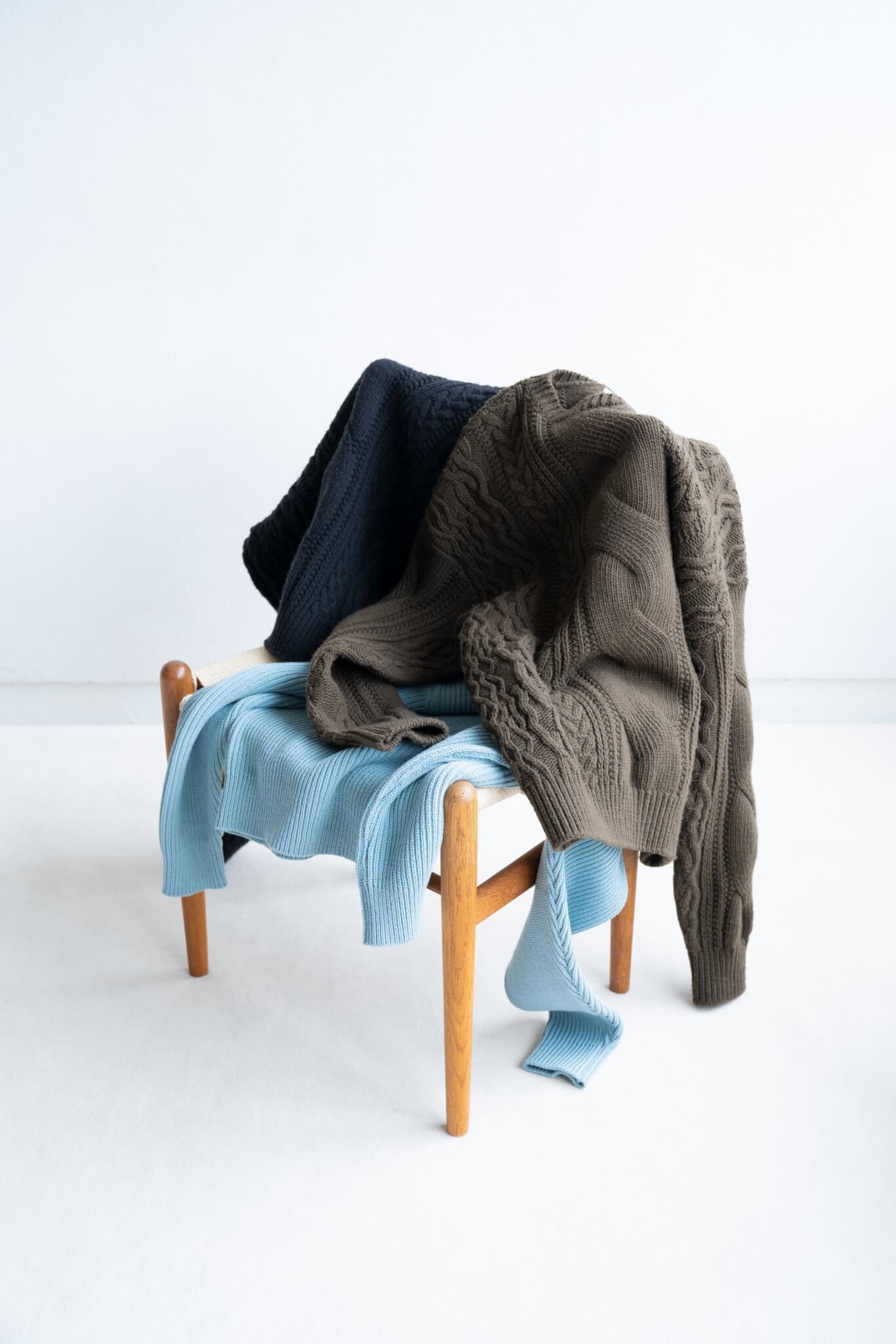
Reasons why adults choose Yamagata Knit 3Because you can find ambitious middle to low gauge knitwear
Yamagata Knit is based on the production of knitted parts knitted horizontally, or so-called molded knitwear. The body, sleeves, collar, etc. are knitted separately and joined by linking, etc. This allows for freedom in designing silhouettes and creating classic styles. Yamagata is particularly good at producing middle-gauge and larger knitted fabrics with a three-dimensional feel.
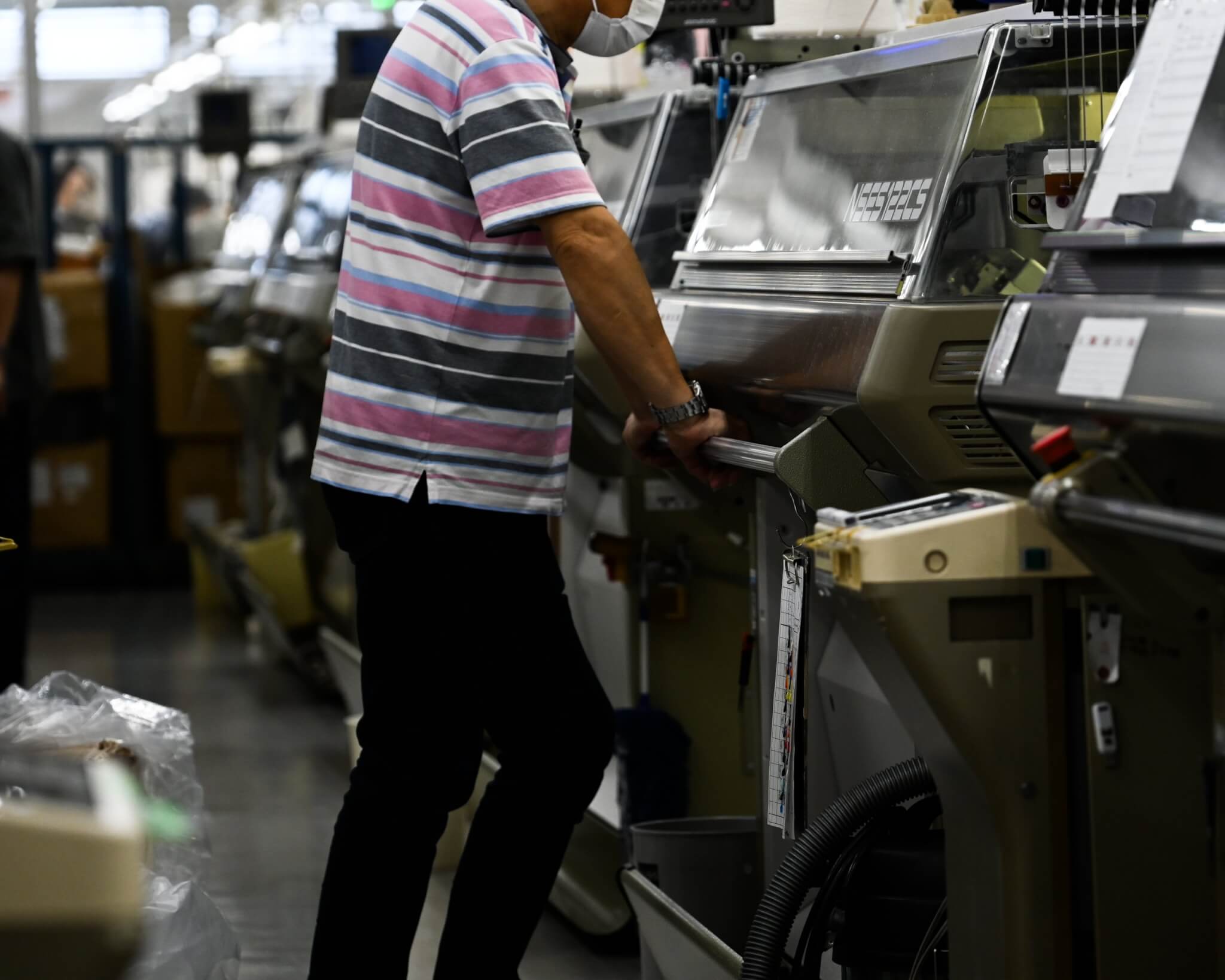
Craftsmen working on Yamagata knitwear devote themselves to improving the production technology of such molded knitwear while increasing efficiency. For example, the factory brand ” COOHEM ” by Yonetomi Textile Co., Ltd. continues to develop unique knitwear by not only constructing complex knitting structures but also mixing different materials such as cotton, wool, acrylic, and polyester, and combining yarns with different color schemes and shapes. The brand’s knitwear is also available in a variety of colors and shapes.
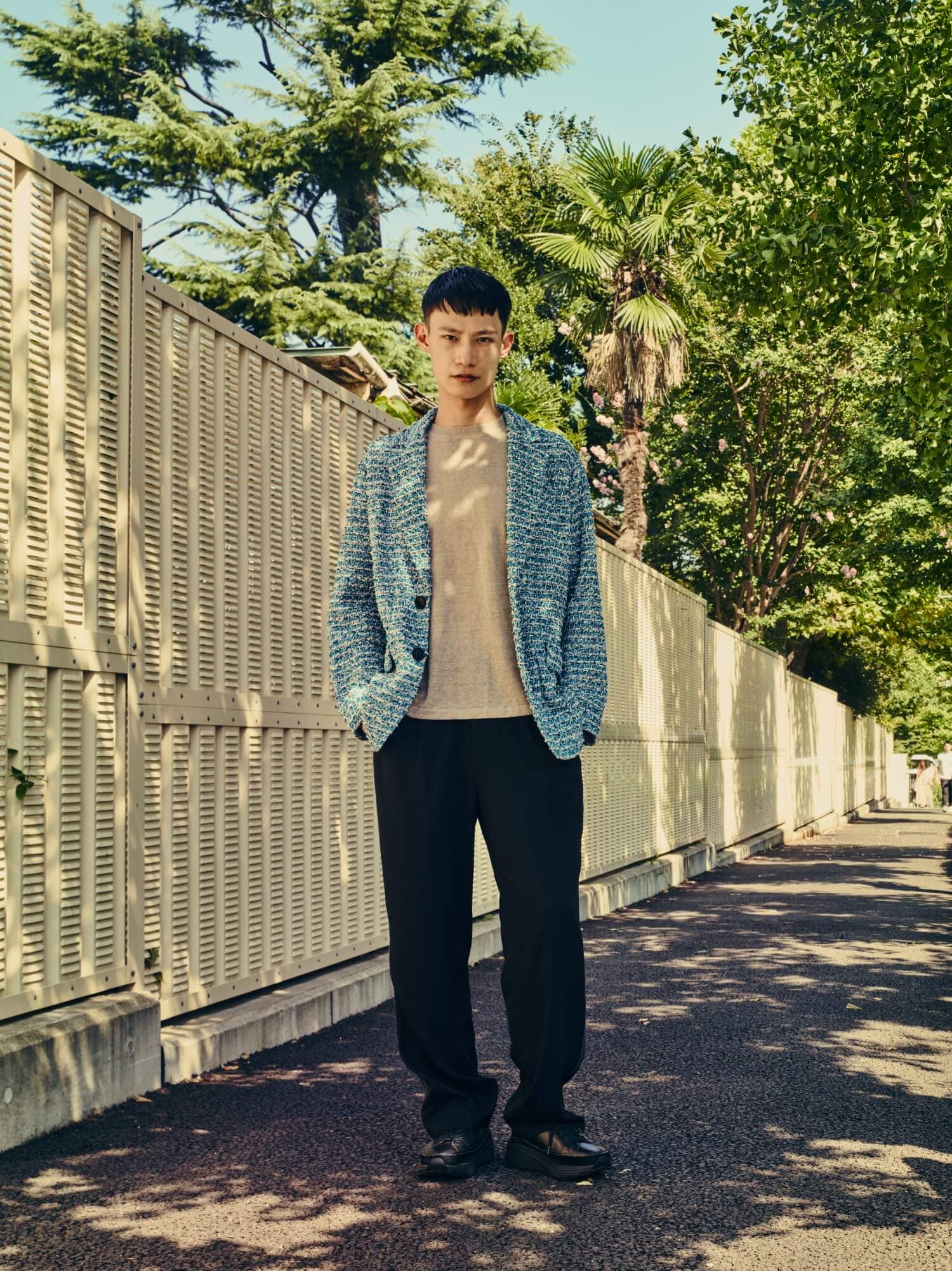
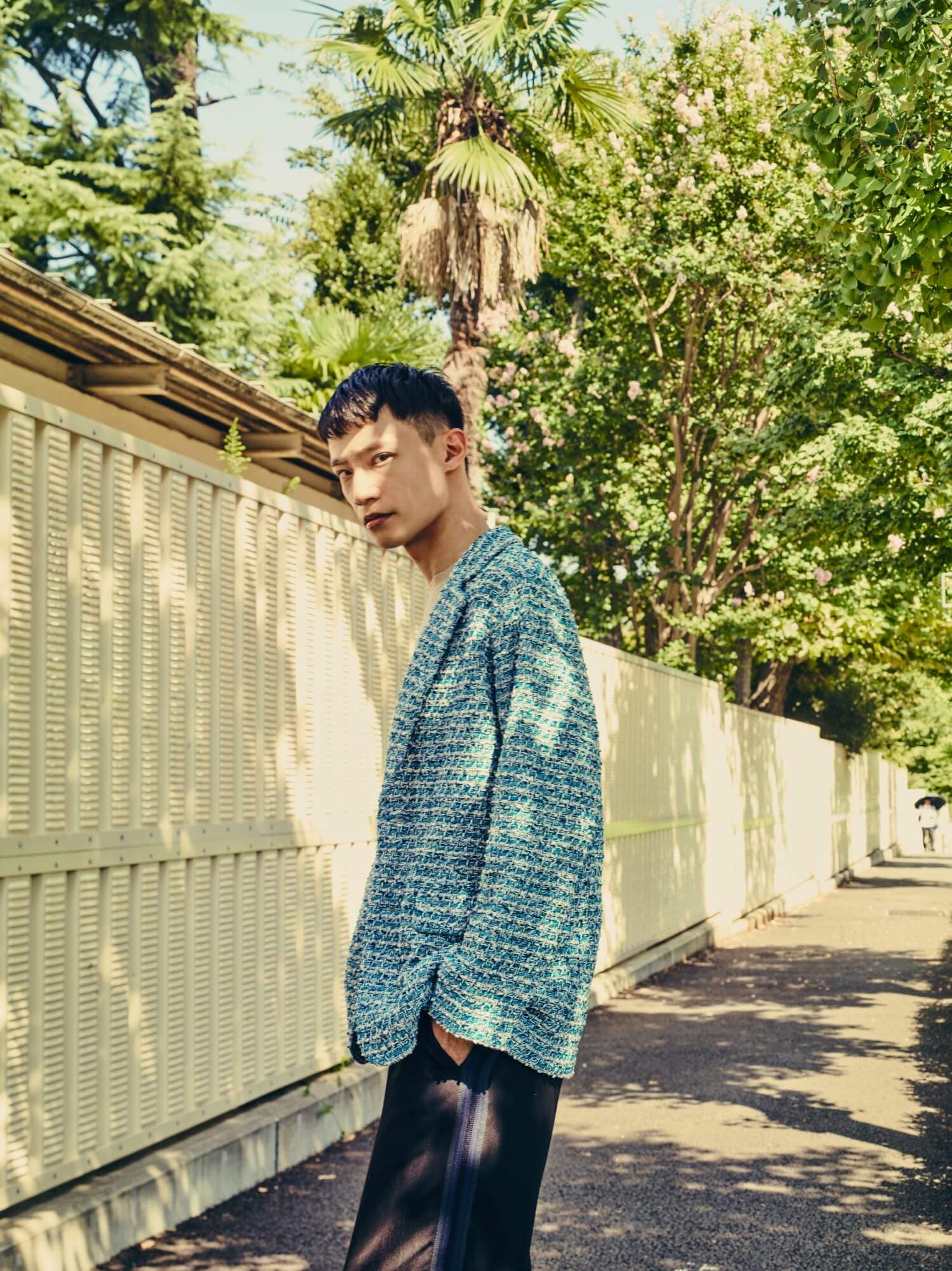
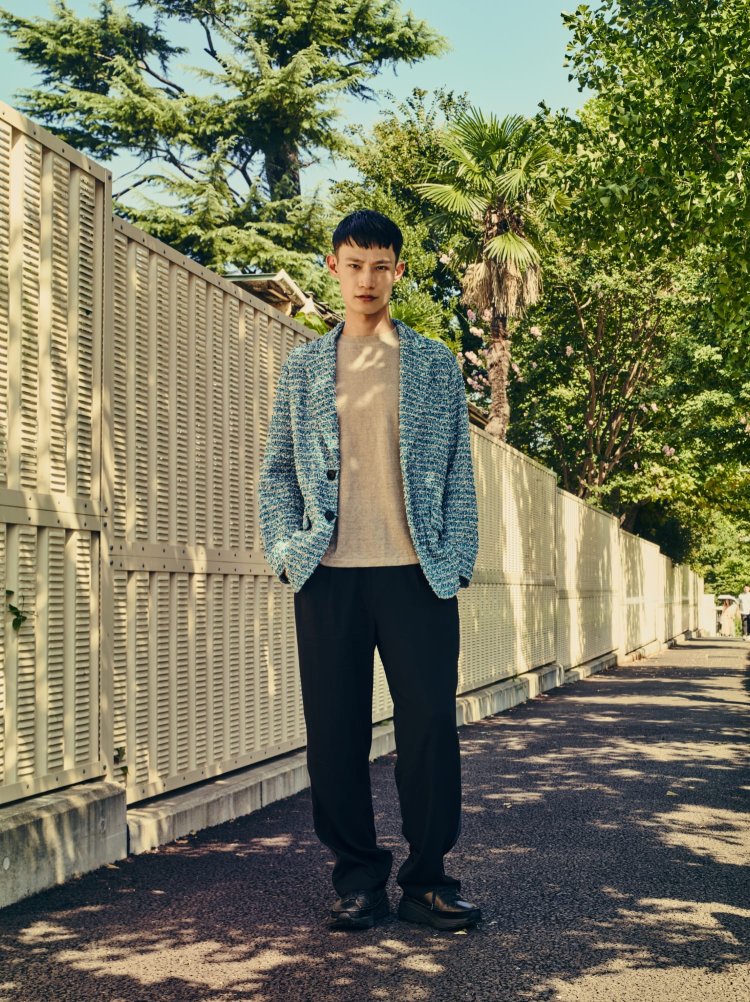
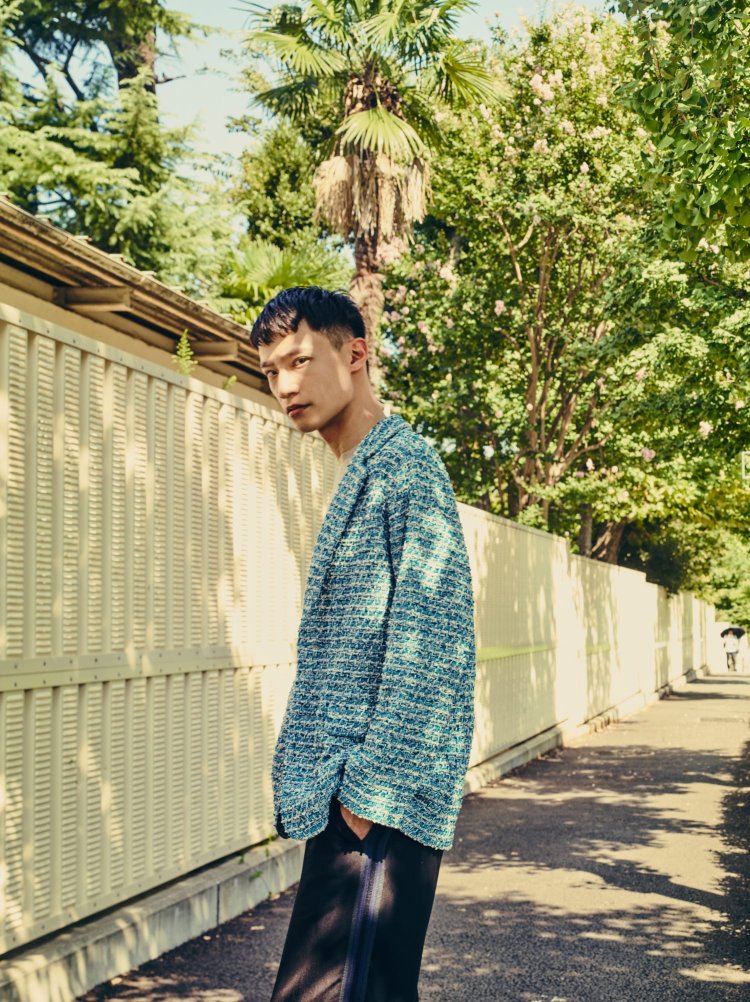
BATONER ” by Okuyama Meriyasu, which also has a factory in Yamagata Prefecture, offers knitwear that focuses on the texture of the yarn, the density of the knitted fabric, and the three-dimensional silhouette, while keeping the design simple, as seen in the SIGNATURE series that represents the brand. All of the brands have a high quality finish that shows the passion of Yamagata’s craftsmen, and they are hotly supported by adult men who are particular about their clothes.
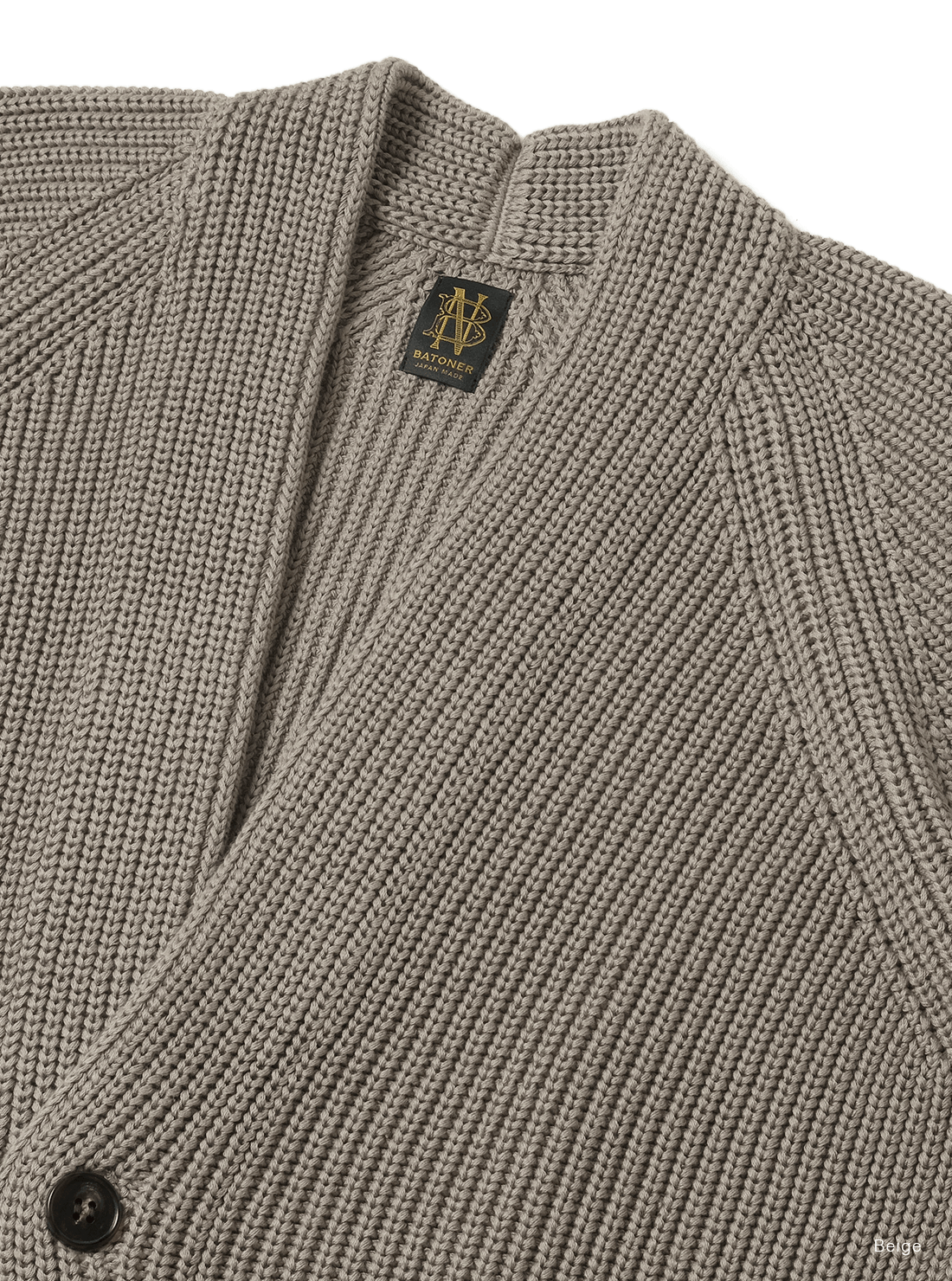
GENTLEMAN PROJECTS ” also makes use of Yamagata’s production background to develop stimulating basic wear that focuses on yarn combinations, knitting fabrics, modern silhouettes, and unique sewing specifications. For more information on Yamagata knitwear and its appeal, please check out the video below!
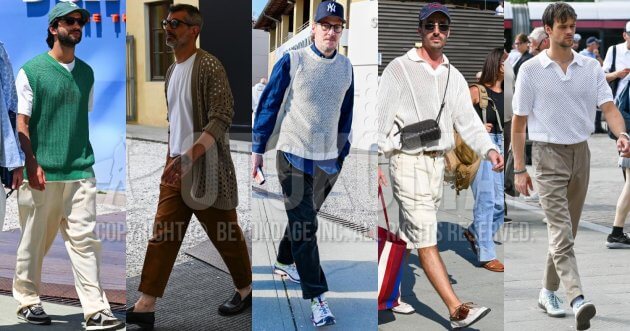
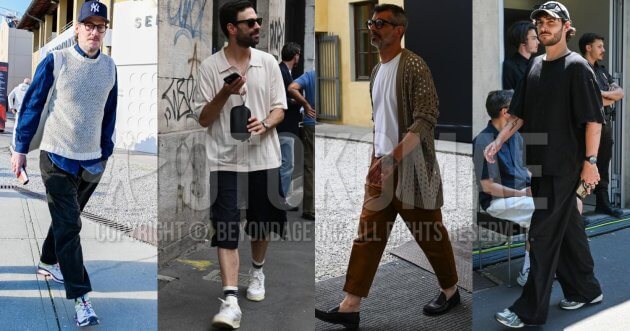


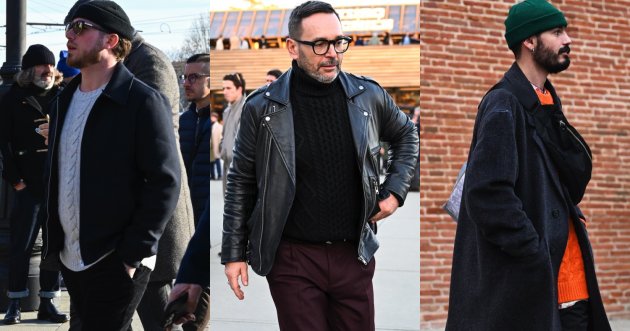
![2024 Newest ] 9 suggestions for fashionable knitwear coordination.](https://otokomaeken.com/wp-content/uploads/2024/02/06dfb23c62425a19f32408a71c8337e4-630x331.jpg)
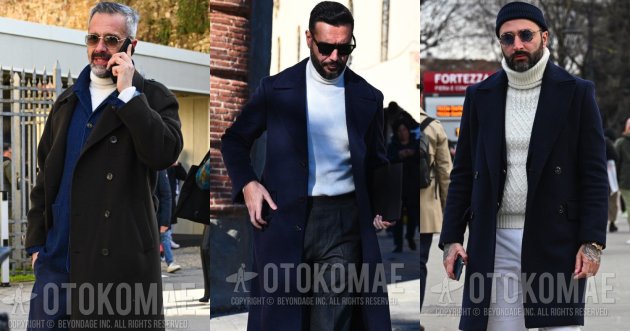
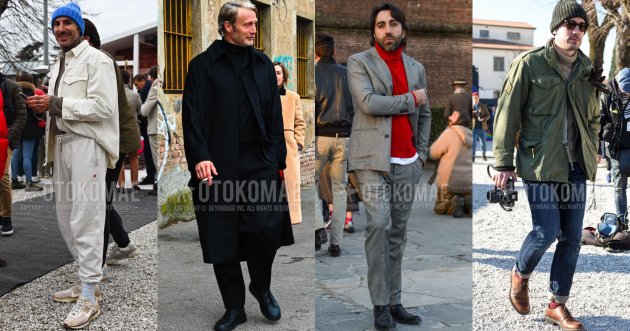
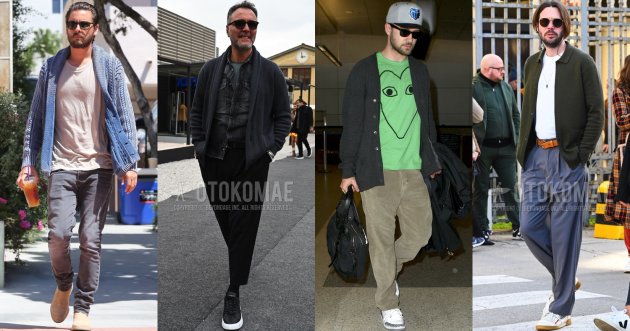
![5 recommended models of drivers’ knitwear [ along with their origins, characteristics, and examples of how they are worn ].](https://otokomaeken.com/wp-content/uploads/2025/12/95c57c8de3ef626ccb1aadff75a5231b-630x331.jpg)
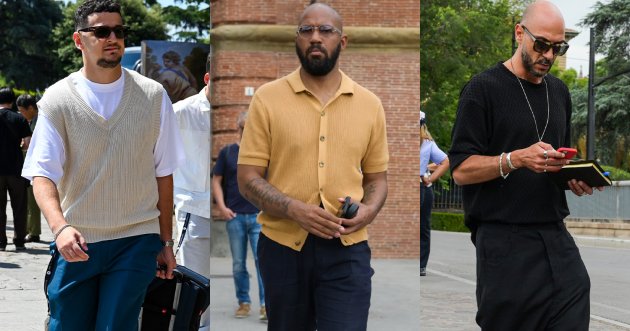


![What to Wear When the High Is 24 Degrees [3 Men's Outfit Ideas Based on the Temperature Difference Between the High and Low]](https://otokomaeken.com/wp-content/uploads/2026/10/123ac7d53dbc900bab7d6703661e0cd1b47414a0a1a16c6347e3d09bfa184b6c-750x396.jpg)