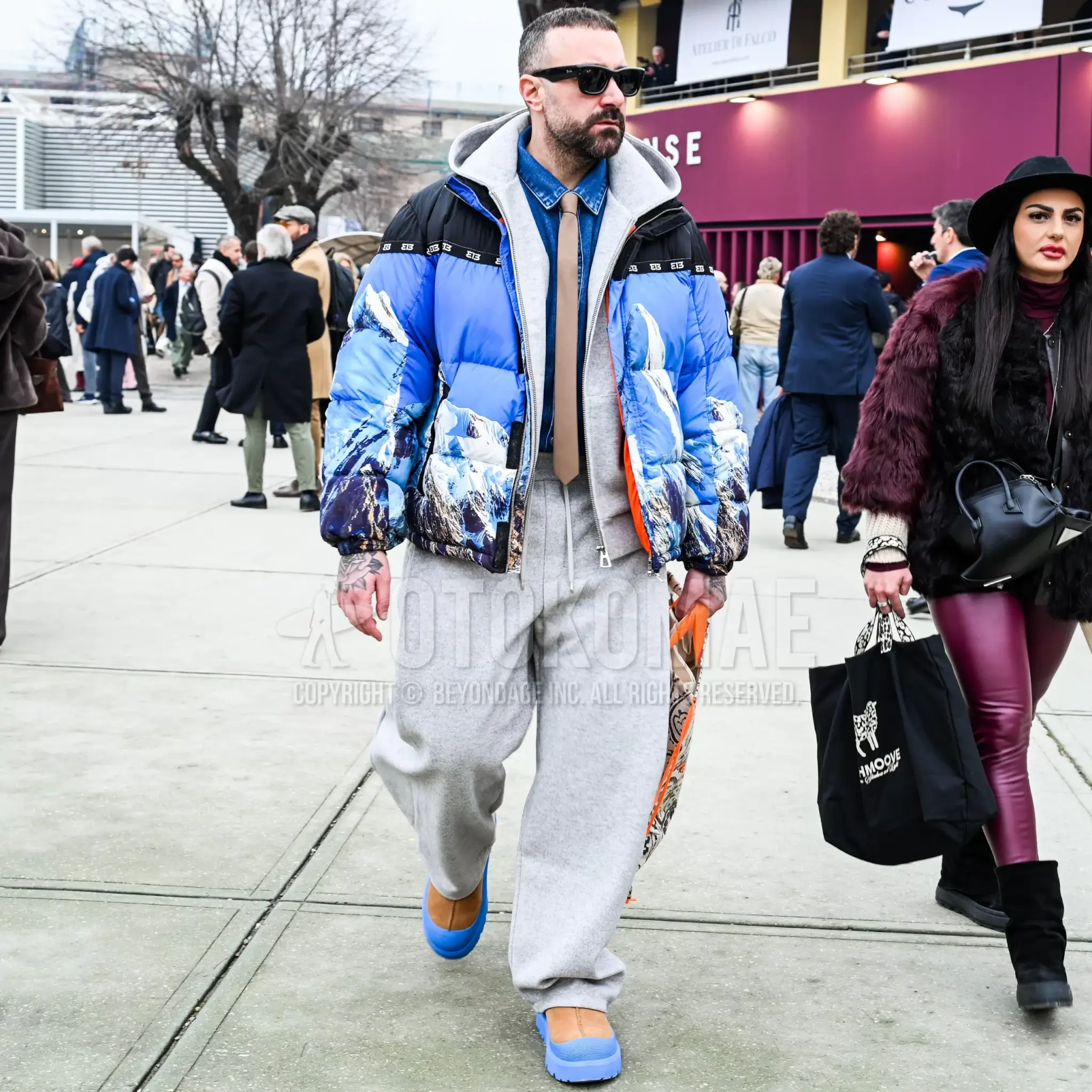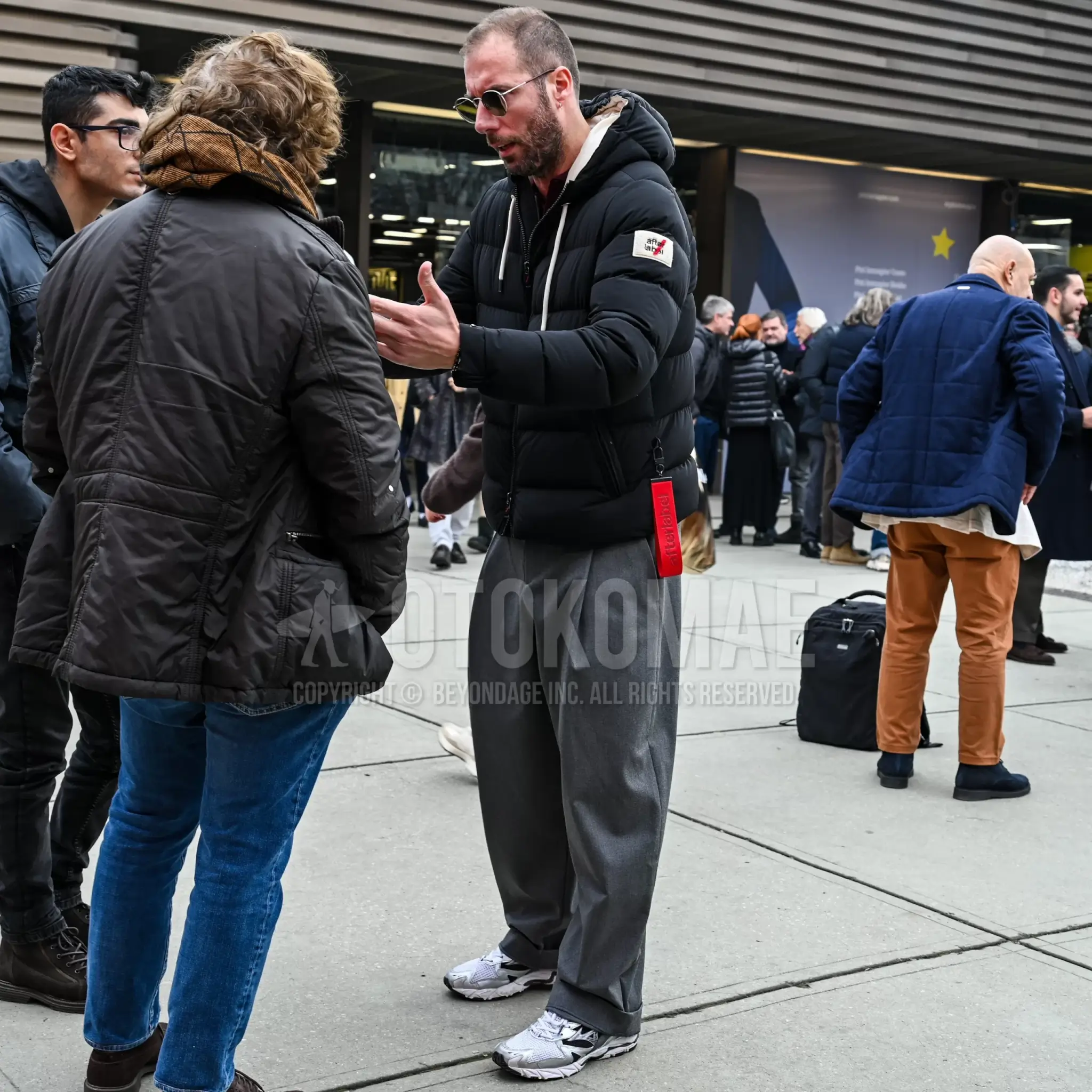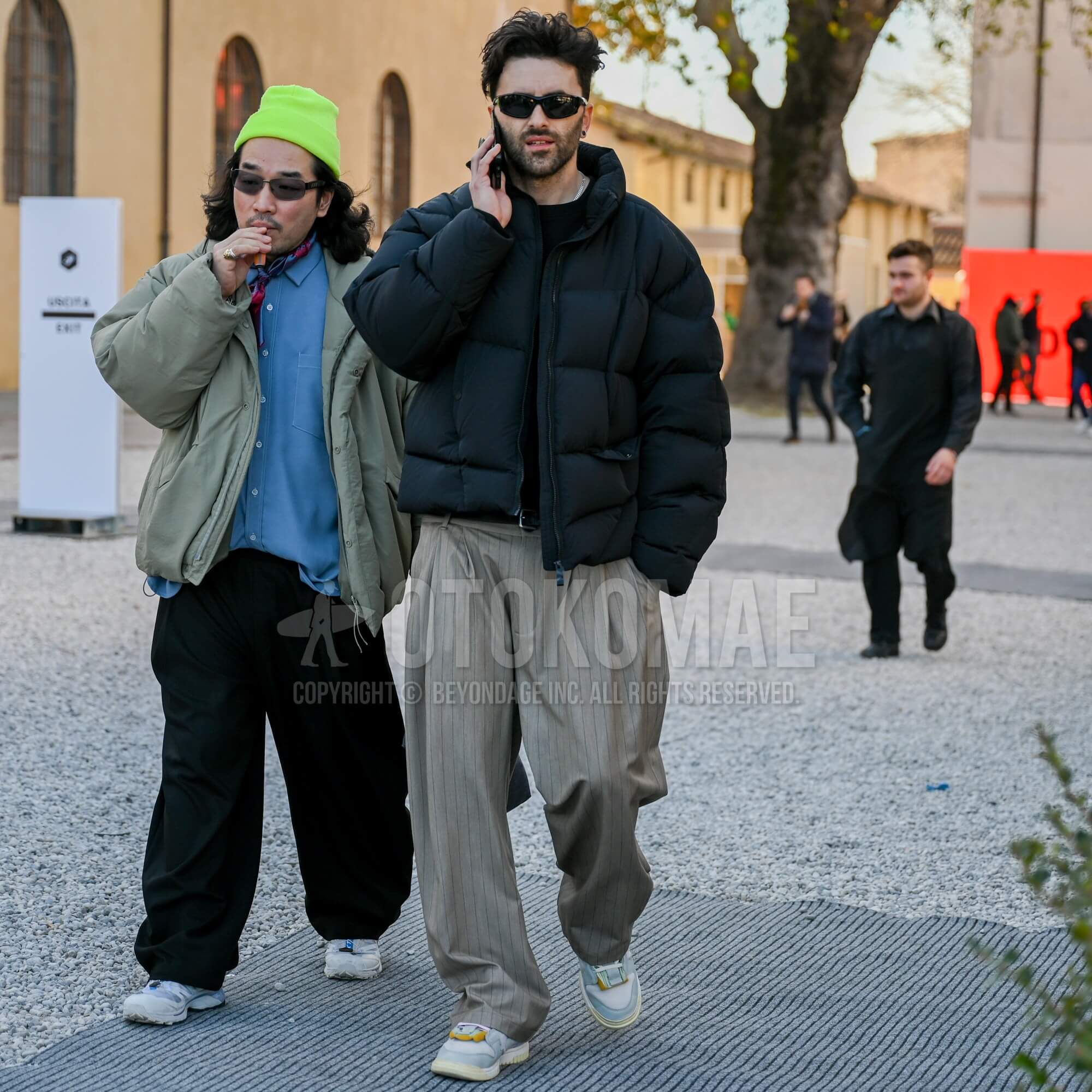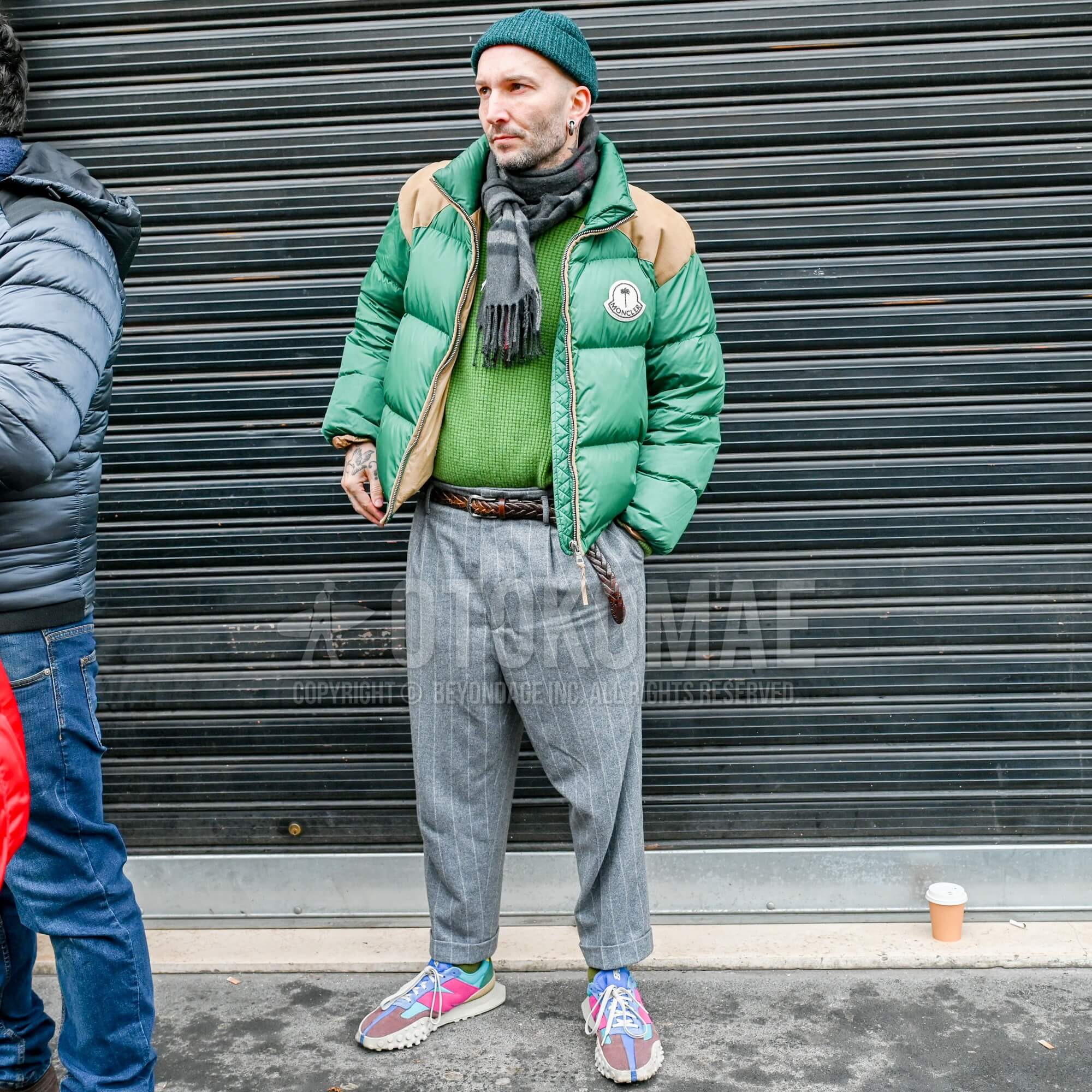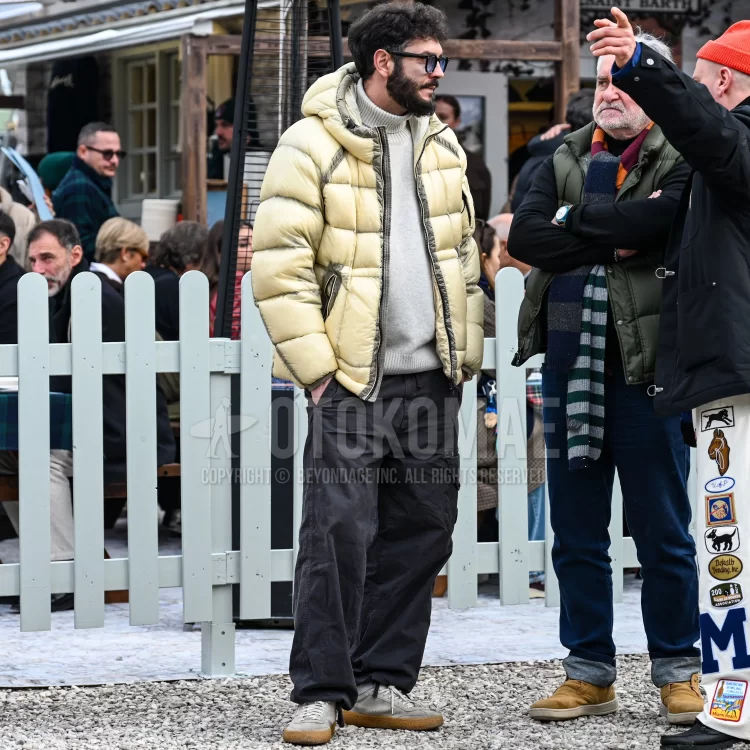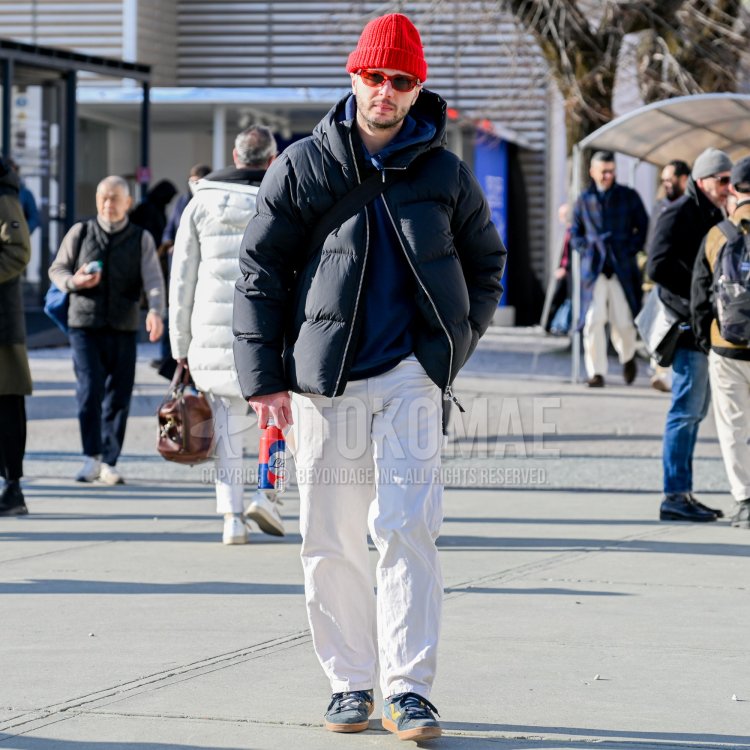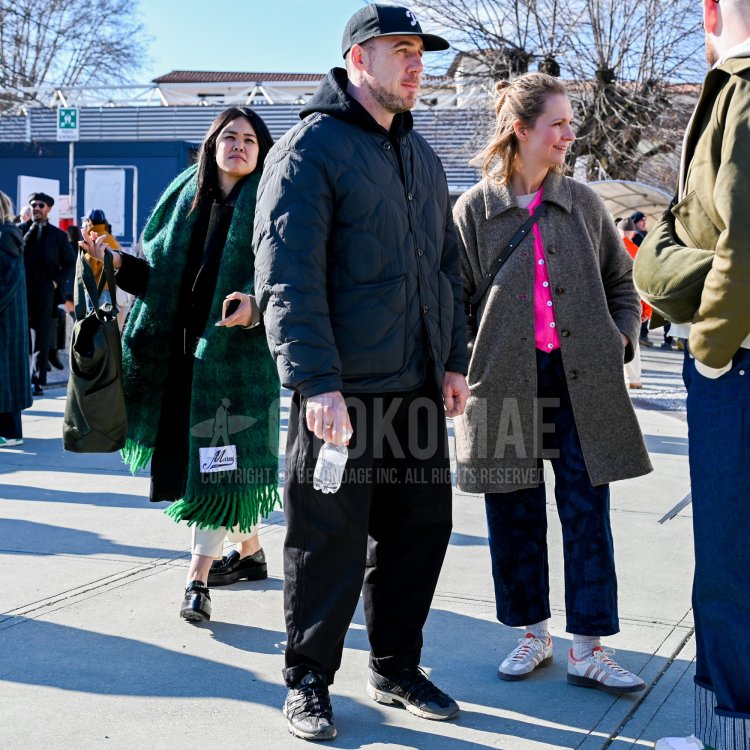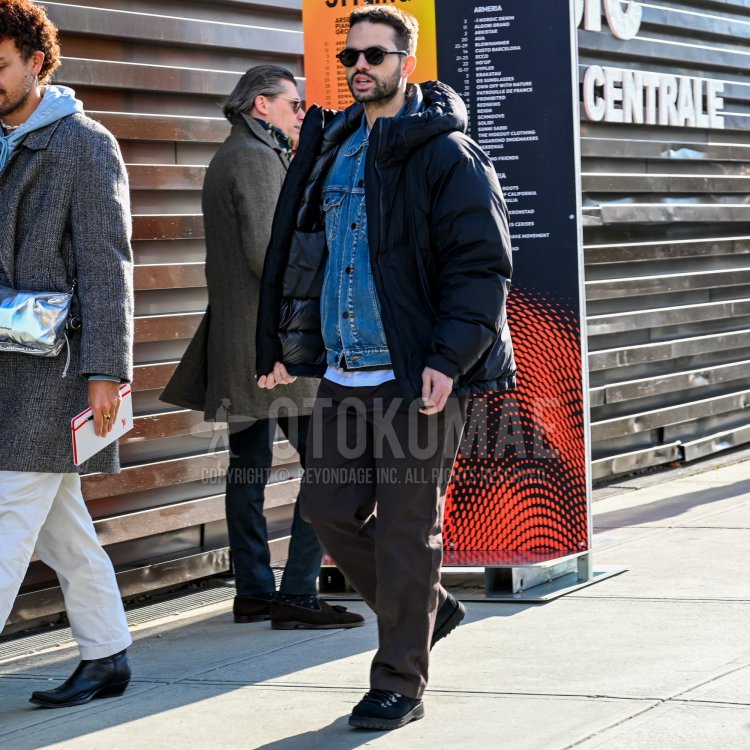
Down jackets are a winter staple. Their shapes and designs are incredibly diverse.Behind this diversity lies a history in which the structure and materials evolved to suit different purposes—such as mountaineering, military use, and working in extremely cold climates—and eventually gained new value as a fashion item. By unraveling this evolution, you’ll come to understand the meaning behind the silhouettes and details you might have overlooked, and your perspective when choosing your next jacket will surely broaden.In this article, we’ll trace the history of the down jacket from its origins to the present day, and conclude with some street style photos taken by OTOKOMAE.
Sponsored by
”[~1930s””From
From Using Feathers for Warmth to the Birth of the Down Jacket”]Long before the modern down jacket appeared, humans had incorporated the warmth of feathers into their daily lives.Its uses expanded from bedding to cold-weather clothing, and in the 20th century, new possibilities were discovered in the frigid mountains. Then, in the 1930s, the commercialization of down jackets—which led to today’s versions—began to take shape.
The History of Humanity’s Use of DownFeathers Used as Pillows in Ancient Rome, Bedding in Northern Europe, and Winter Clothing by the Inuit
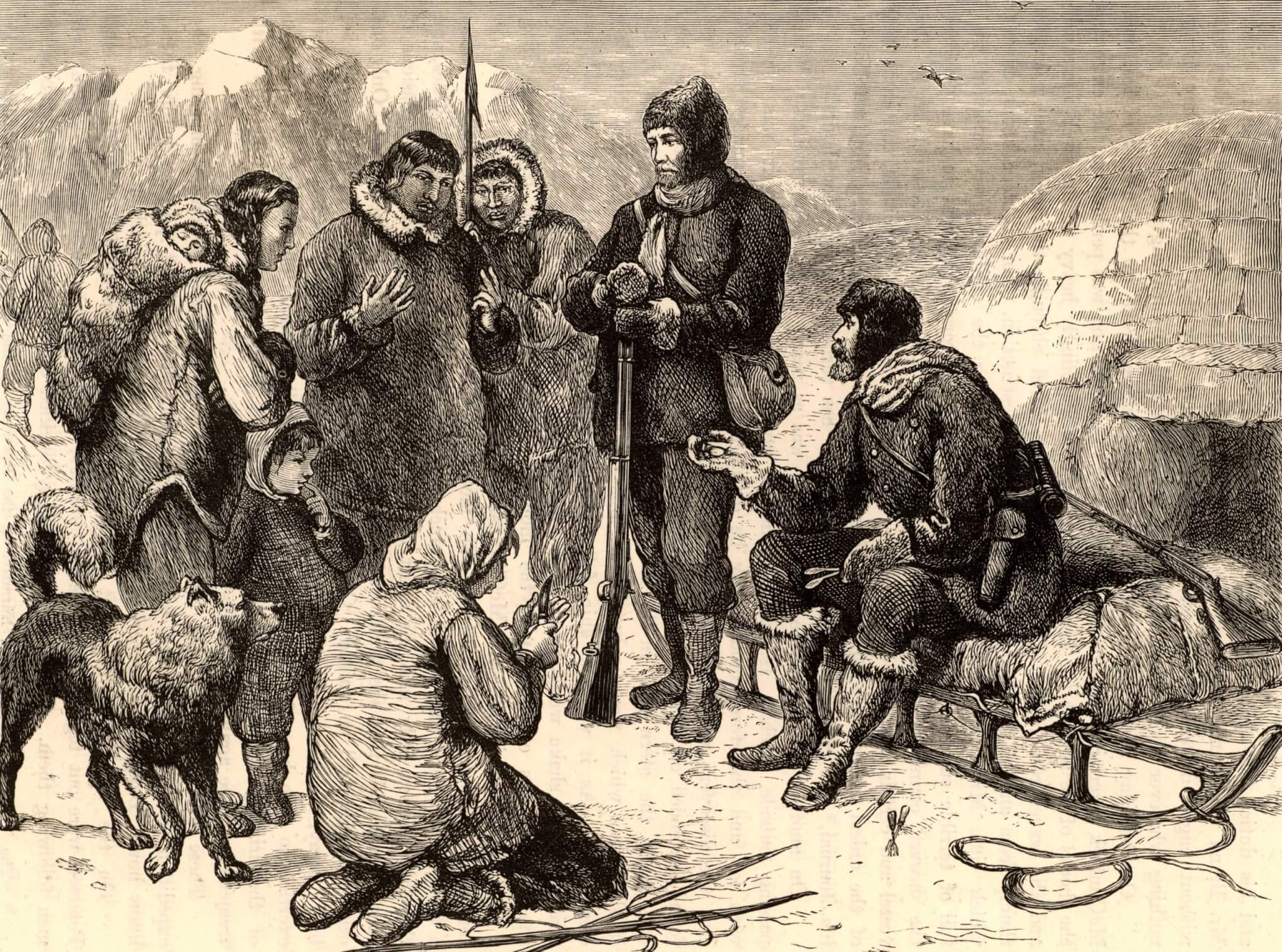
Down refers to the soft, fluffy feathers—lacking quills—found primarily in waterfowl such as geese and ducks.It has the characteristic of trapping a large amount of air between its fine fibers, making it resistant to heat loss. The value of this down has been recognized since ancient times; in ancient Rome, pillows stuffed with goose down and other feathers were used.Feather-stuffed bedding has been discovered in the tombs of Swedish nobles from the 7th to 8th centuries, and records indicate that feathers were treated as tribute items in Scandinavia in the late 9th century. Additionally, the Inuit living in the Arctic sewed together the skins of feathered birds to create cold-weather clothing with excellent thermal insulation.Thus, while humanity has long utilized the insulating properties of feathers, it was in the Himalayas in the early 20th century that these exceptional characteristics opened up new possibilities for modern cold-weather gear.
The Pioneer of Modern Down WearIn 1922, mountaineer George Finch brought a down-filled jacket on an Everest expedition
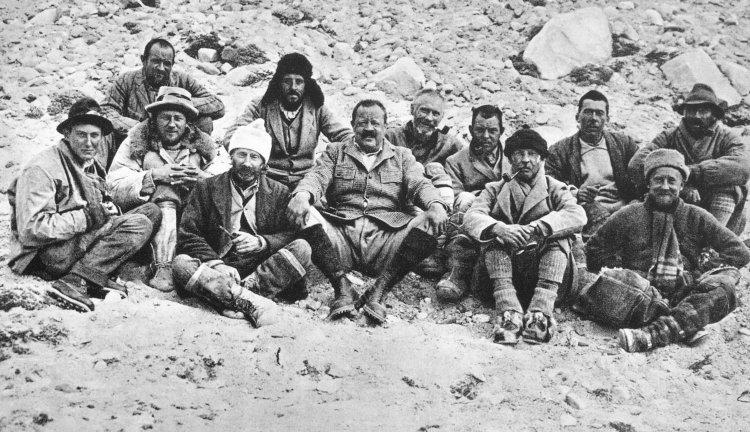
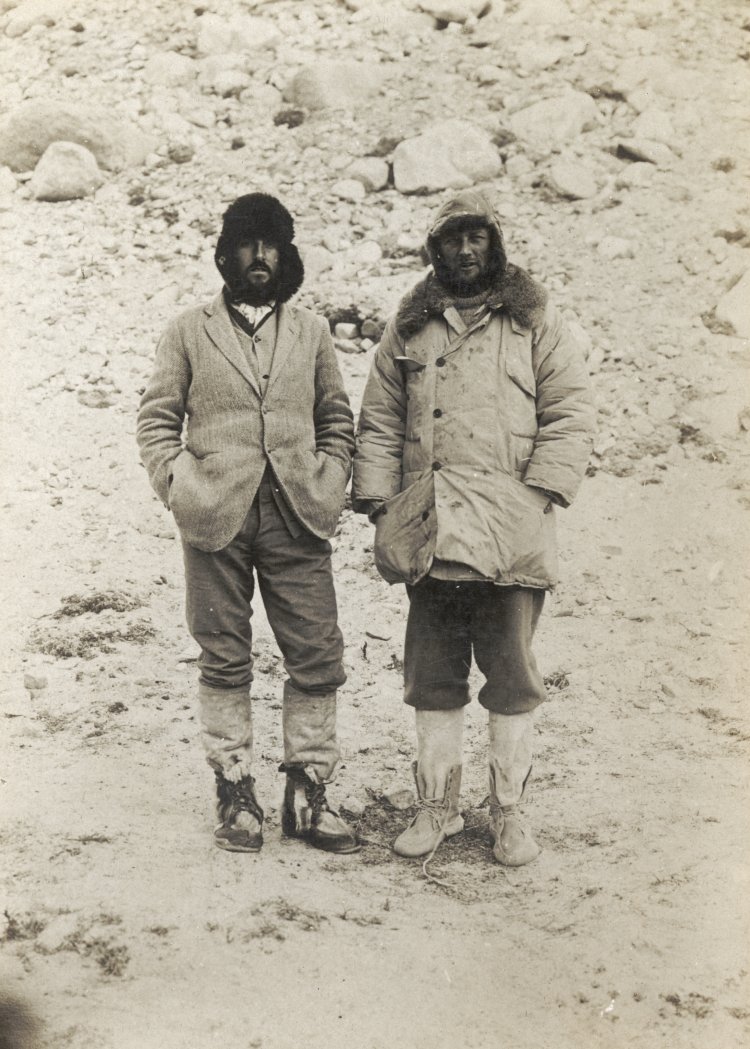
In 1922, there was one mountaineer who stood out among the members of the British expedition aiming to summit Mount Everest. He was George Finch, originally from Australia. At that time, it was common for mountaineers to layer tweed and woolen garments to ward off the cold.Amidst this, Finch brought along a bright green down jacket. It was a unique piece of cold-weather gear made from waterproofed fabric—the same kind used in hot air balloons—and stuffed with down from the Honkewata duck. His eccentric appearance, a far cry from traditional mountaineering attire, drew laughter from his companions.However, as they climbed higher and were hit by bitter cold, the situation changed completely. While his companions, bundled in heavy woolen clothing, suffered from the cold, Finch was reportedly able to move about comfortably thanks to the excellent thermal insulation of his down jacket. Eventually, his companions began to envy his cold-weather gear, and Finch himself noted this change in his journal.That said, this groundbreaking gear did not immediately take hold in the mountaineering world. Nevertheless, it was a historic event that demonstrated the potential of down apparel to combine lightness and warmth.
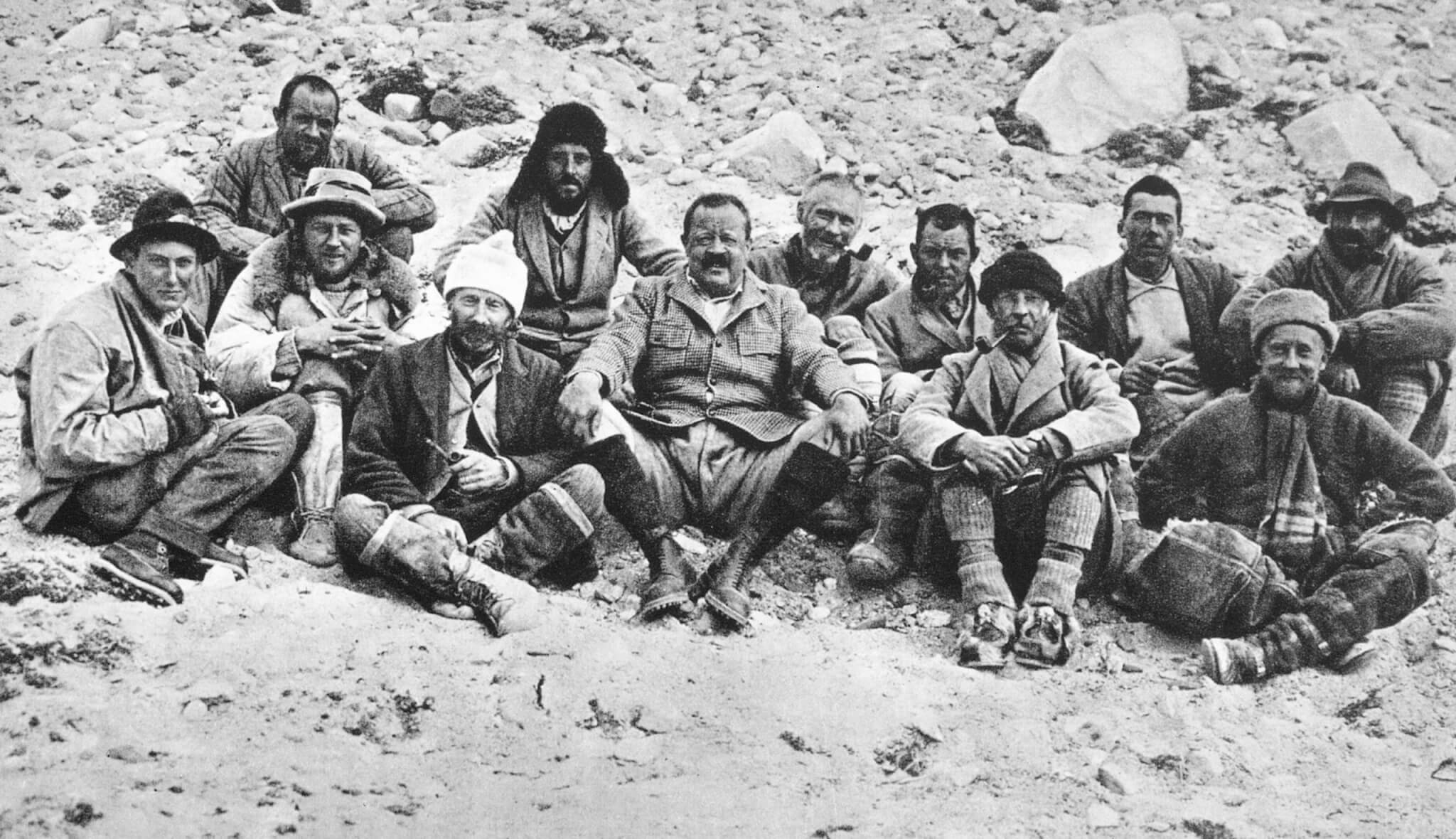
Photo: GRANGER.COM/Afro
MOUNT EVEREST EXPEDITION. /nThe 1922 British expedition to Mount Everest. First row, from left: George Mallory, George Ingle Finch, Tom George Longstaff, C. Geoffrey Bruce, Edward L. Strutt, and Colin Grant Crawford. Second row, from left: Henry T. Morshead, J.G. Bruce, Arthur William Wakefield, Howard Somervell, John Morris, and Edward F. Norton.
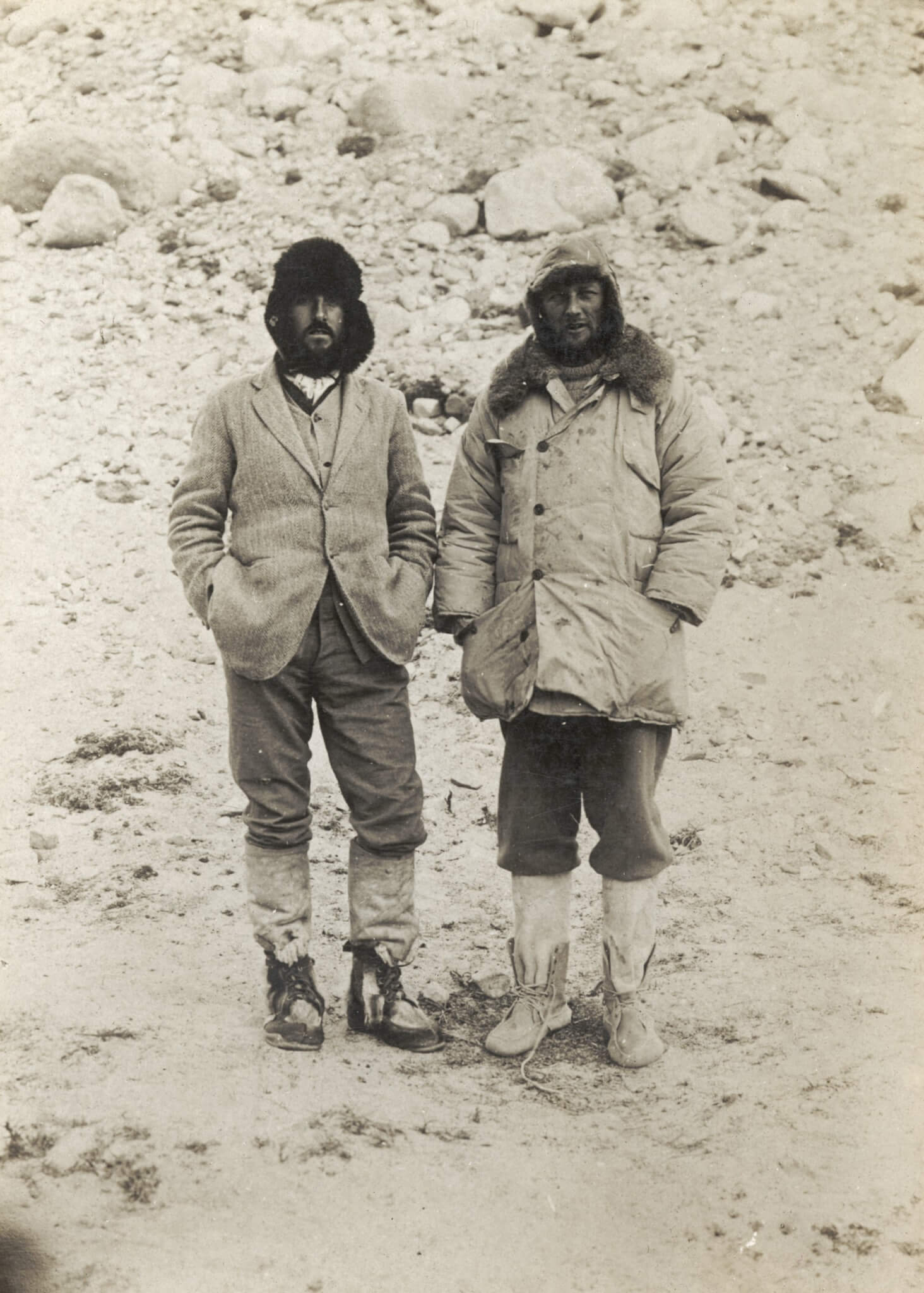
Mount Everest Expedition 1922, The British Members of the Second Climbing Party—Bruce and Finch
The Birth of the Down Jacket That Led to Today’s DesignsIn 1936, Eddie Bauer Developed and Commercialized the 'Skyliner' Following a Life-Threatening Incident While Fishing
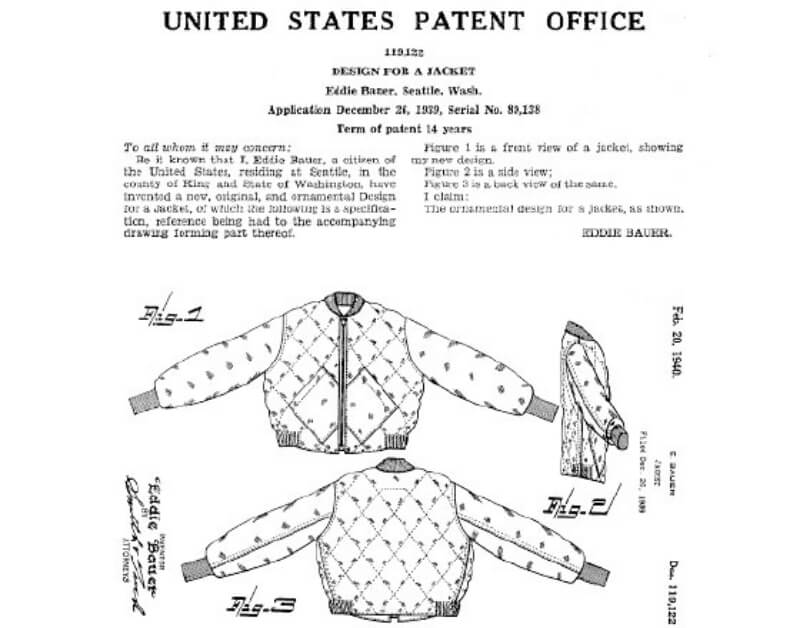
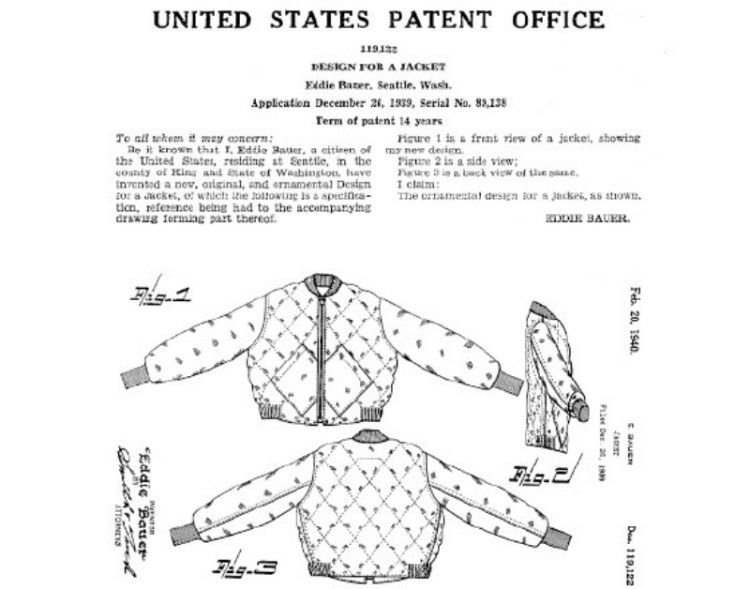
Fourteen years after Finch’s Everest expedition, Eddie Bauer—who ran a sporting goods store in Seattle—took a major step toward commercializing the down jacket. The catalyst for this was a life-threatening situation he faced.In the winter of 1935, Eddie went fishing with a friend. On the steep hill on the way back, he began to feel hot and took off his heavy wool coat. However, his sweat-soaked clothes became chilled, and he nearly fell into hypothermia.Although his friend managed to rescue him, this experience made him keenly aware of the need for “lightweight, warm, and comfortable cold-weather gear that could be worn during physical activity.” This led him to recall a story he’d heard from his uncle, who had served in the Russo-Japanese War, about the Russian army’s down-filled cold-weather gear.Eddie developed a jacket filled with goose down and featuring diamond-shaped quilting to prevent the down from shifting. He unveiled it in 1936 as the “Skyliner” and obtained a U.S. patent for it in 1940.It was a blouson-style jacket with a short body length and ribbed collars and cuffs, characterized by its diamond-shaped stitching. The construction that kept the down from shifting became a key technology that is still used in modern down apparel.

”[1940s–1970s””The
Down jackets in styles that continue to this day appeared one after another”]After the birth of the Skyliner, down jackets evolved into various forms depending on their intended use.Through repeated improvements to withstand harsh environments—such as military aviation, high-altitude mountaineering, and work in extremely cold regions—a diverse range of designs was created that has been passed down to today’s down jackets.
Development of Structures to Enhance Wind Resistance and InsulationIn the 1940s and 1950s, the B-9 parka used a large hood and front placket to block cold air, while the Karakorum jacket employed a grid-pattern quilting to prevent down from shifting
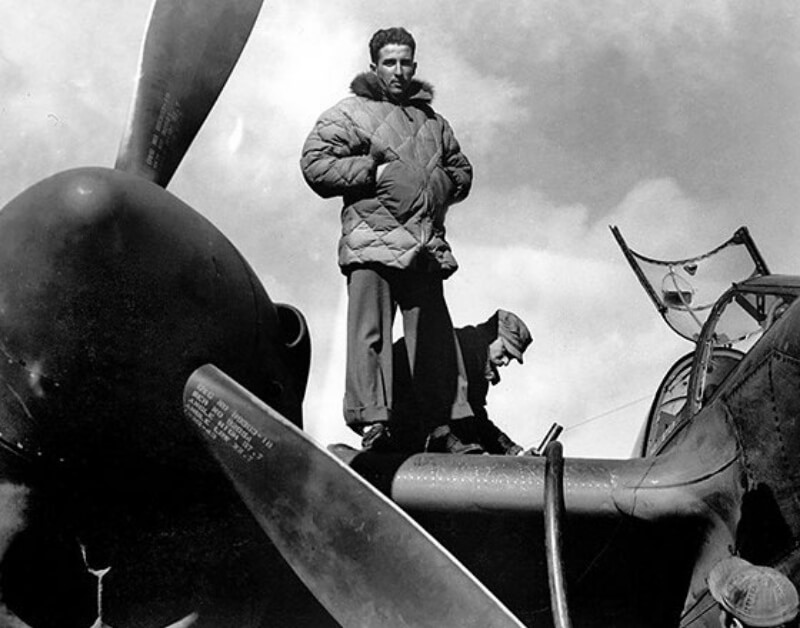
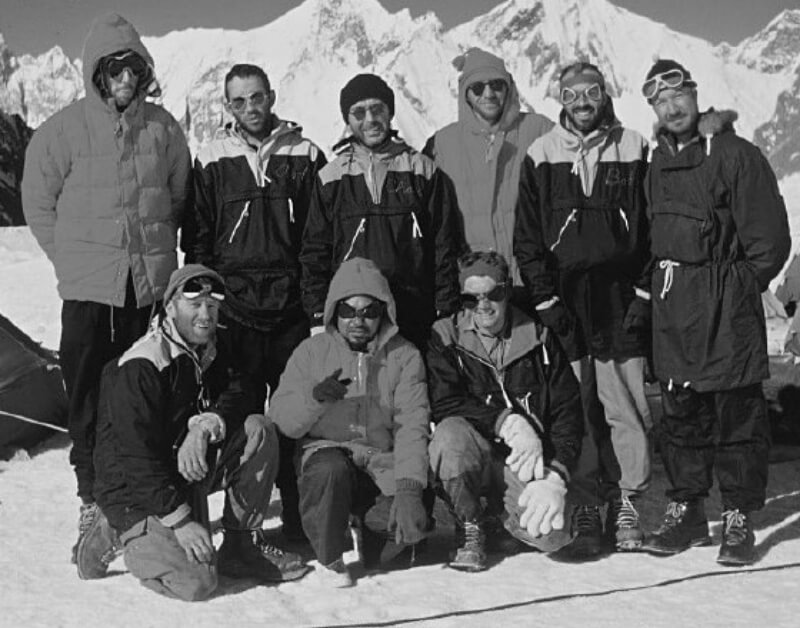
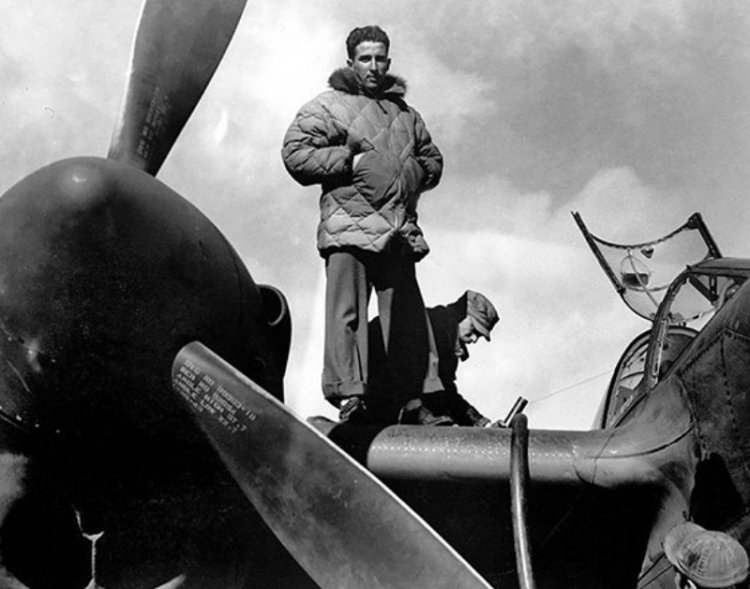
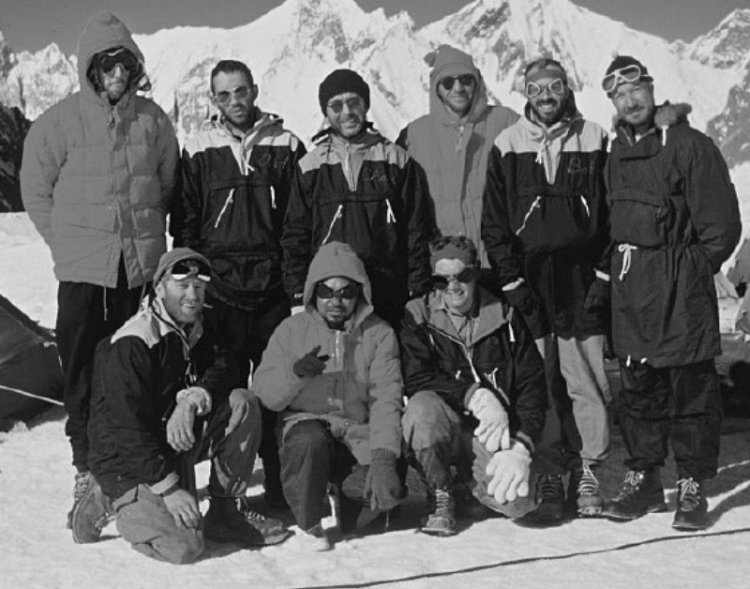
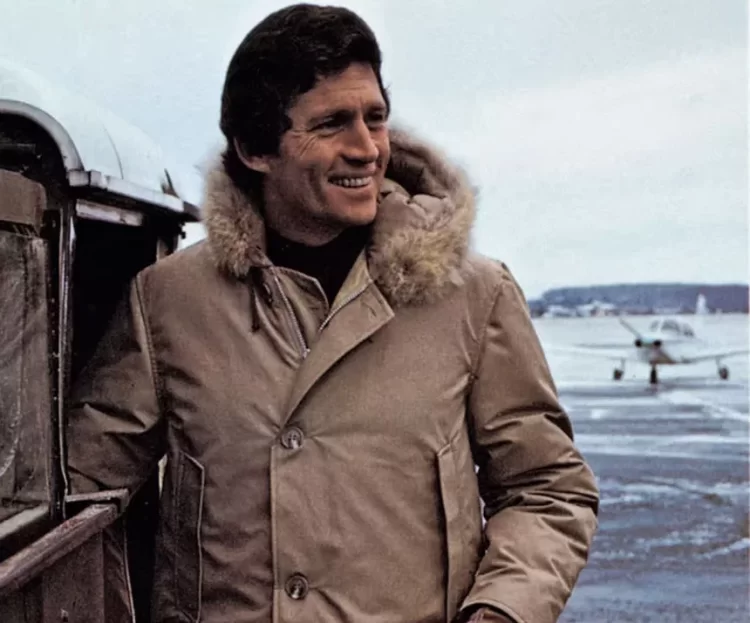
When World War II began, down jackets found their way onto the battlefield. The “B-9 parka,” adopted by the U.S. Army Air Forces, was a down-filled flight jacket developed with the involvement of Eddie Bauer.Unlike the Skyliner, it featured a longer cut that reached the waist, a large fur-trimmed hood, a windproof front placket, and large pockets. These details, created to protect pilots from the extreme cold at high altitudes, can still be found in modern cold-weather parkas. After the war, improvements to down apparel continued, even for high-altitude mountaineering.In 1953, Eddie Bauer developed the “Kara Koram” for a U.S. mountaineering expedition aiming to summit K2, the world’s second-highest peak. The jacket used a grid-pattern quilting to contain the down and was equipped with features to prevent cold air from entering, such as drawstrings in the hood and hem.Although the expedition failed to reach the summit, team leader Charles Houston spoke highly of the finished parka. The following year, in 1954, MONCLER down jackets were adopted as part of the equipment for the Italian team that achieved the first successful ascent of K2.In this way, the down jacket evolved from a lightweight, warm blouson-style garment into a cold-weather parka that provided extensive coverage and withstood harsh winds and snow.
The Evolution of Outer Fabrics in Pursuit of Lightweight and DurabilityIn the 1960s and 1970s, the Sierra Parka was made of lightweight nylon for easy portability, while the Arctic Parka was made of durable cotton-nylon to withstand harsh outdoor work
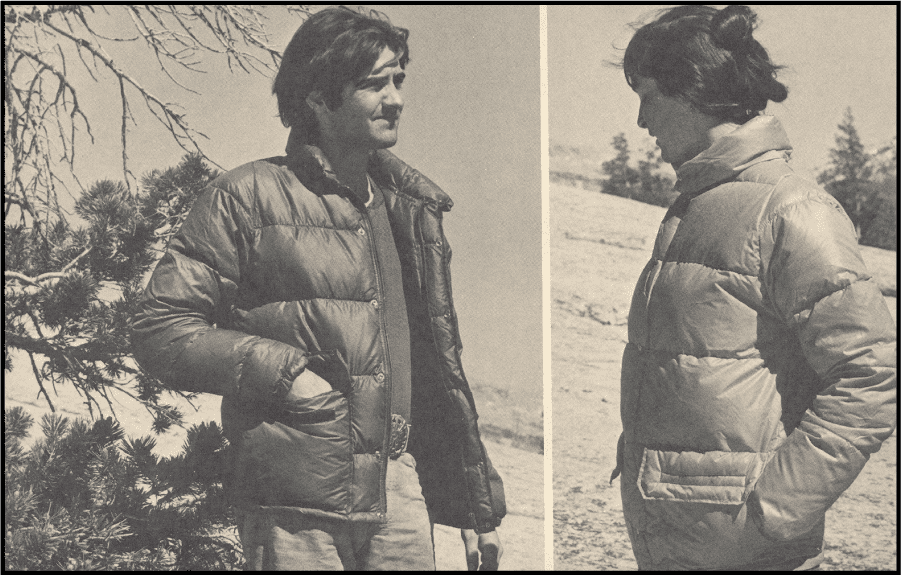
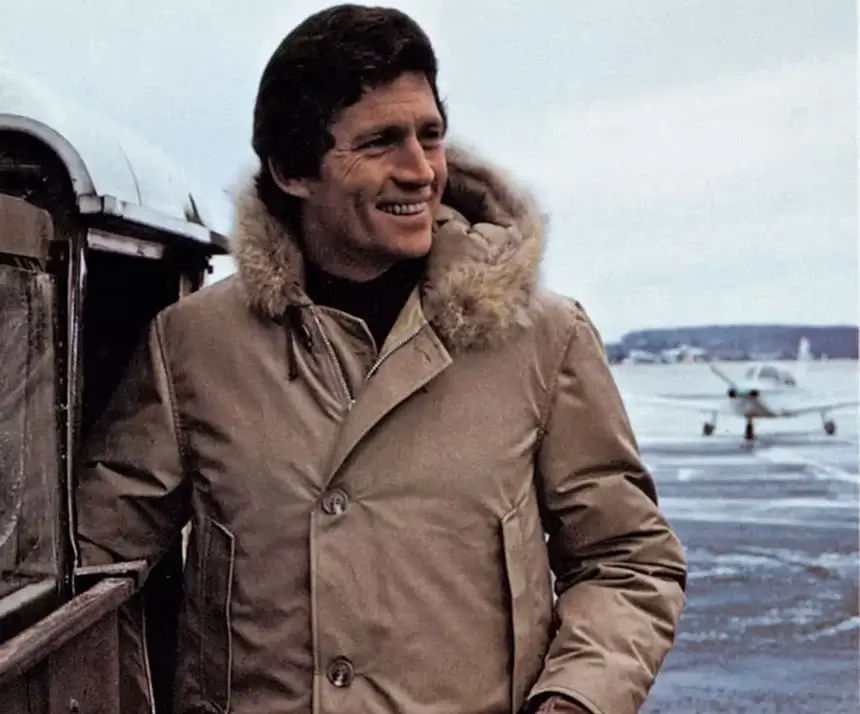
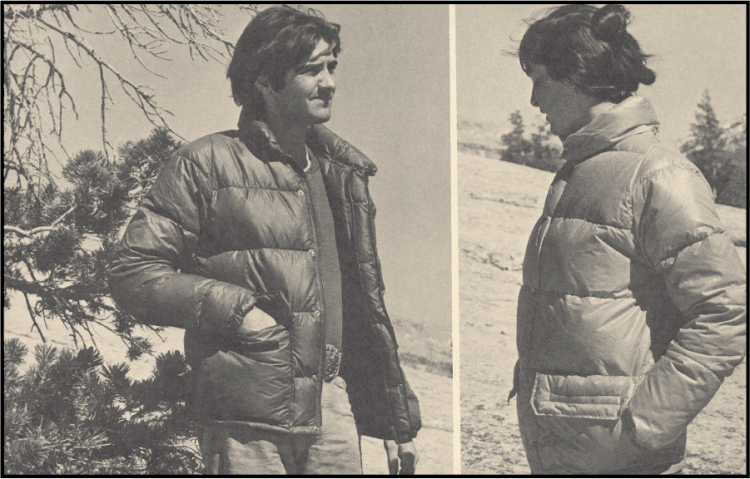
Down apparel, refined through high-altitude mountaineering, eventually spread to the general outdoor enthusiast community. This development was driven by lightweight yet durable nylon fabric. In 1958, an improved version of the Karakoram jacket adopted tear-resistant ripstop nylon in place of the traditional heavy cotton fabric.Symbolizing this trend toward lightweight design was the “Sierra Parka,” released by THE NORTH FACE in 1969. Applying technology honed in the manufacture of sleeping bags, the brand used lightweight ripstop nylon—originally procured for parachutes—as the outer fabric.The weight listed in the 1970 catalog was approximately 567 grams. Despite featuring a hood and horizontal quilting, it became an iconic model of lightweight, portable outdoor down jackets. Additionally, durable cold-weather parkas suitable for long hours of outdoor work continued to evolve.The “Arctic Parka,” introduced by WOOLRICH in 1972, featured a durable outer fabric combining cotton and nylon, a longer body length, a large hood, and practical pockets.It was later worn by workers involved in the construction of the Alaska oil pipeline. Although the basic structure of these cold-weather parkas had existed since the 1940s, materials and details were refined according to specific uses, leading to increasingly sophisticated designs.

”[1980s–1990s””Paninari
Down Jackets Rapidly Gained Popularity as a Fashion Statement”]Down jackets, which had evolved to withstand harsh environments, began to attract people for reasons other than just their warmth in the 1980s. Their vibrant colors, sheen, and distinctive volume came to be valued as fashion statements, and their popularity spread as they became associated with Milan’s Paninari and New York’s hip-hop culture.
Vibrant colors and brand status garnered widespread supportIn the 1980s, Milan’s Paninari made Moncler down jackets a symbol of fashion by pairing them with Levi’s 501s and yellow boots
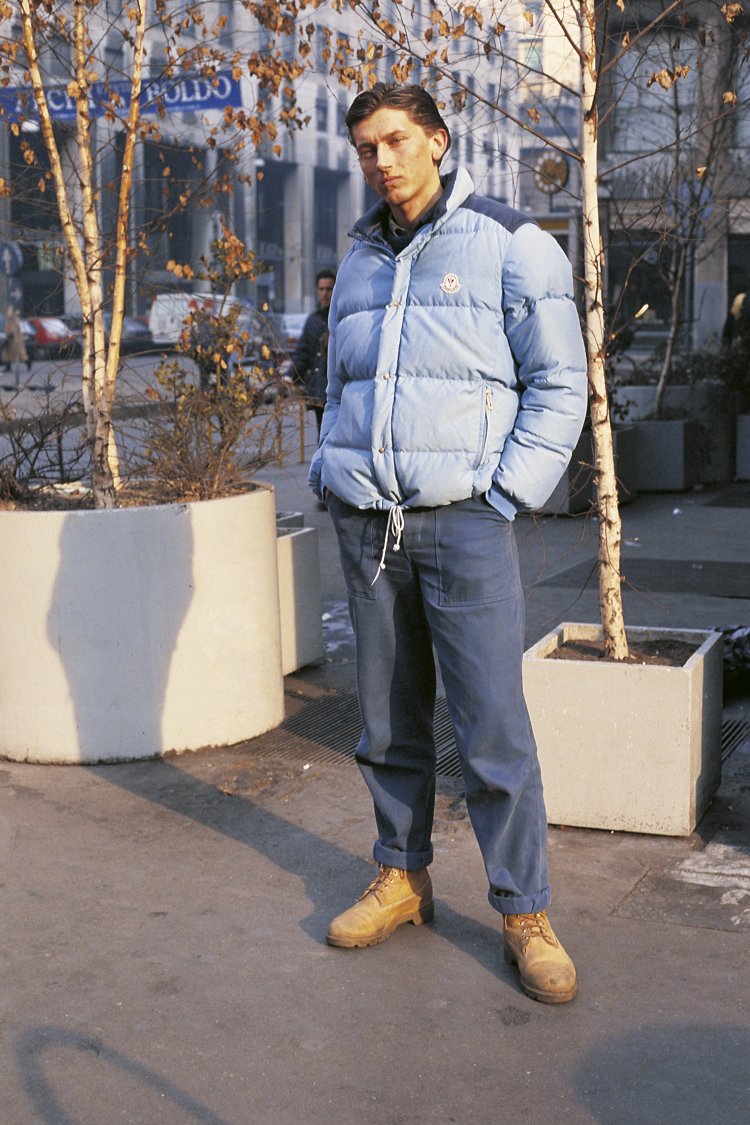
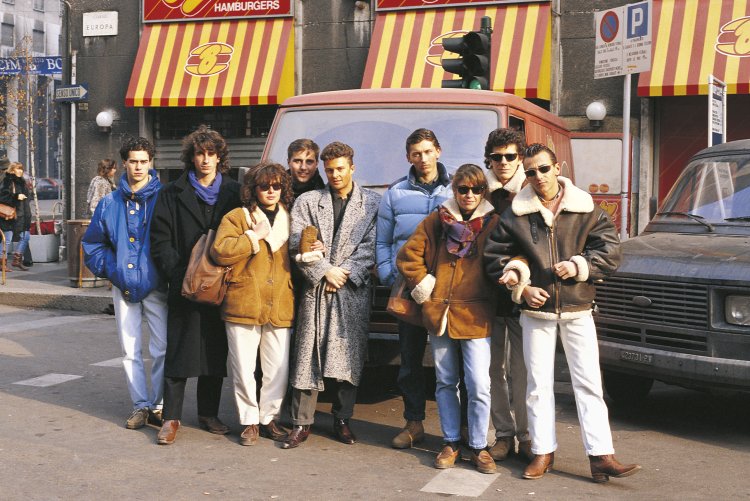
In Milan, Italy, during the 1980s, a group of young people known as the “Paninari” propelled down jackets into the spotlight of fashion. The name derives from “Il Panino,” the snack bar where they used to gather.Many of these young people came from affluent families and favored American-style casual wear and items from famous brands. Among them, Moncler down jackets—originally from France—gained immense popularity. Characterized by vivid colors such as red, blue, and yellow, glossy fabric, and a rounded, voluminous silhouette, the brand’s logo also held significant meaning.A signature look involved pairing a Moncler down jacket with Levi’s “501” jeans and yellow Timberland boots. Another characteristic was letting colorful, patterned socks peek out from the cuffs of the jeans.Among the Paninari, this fashion became a status symbol indicating economic prosperity and a keen sense of trends, and the style spread throughout Italy.
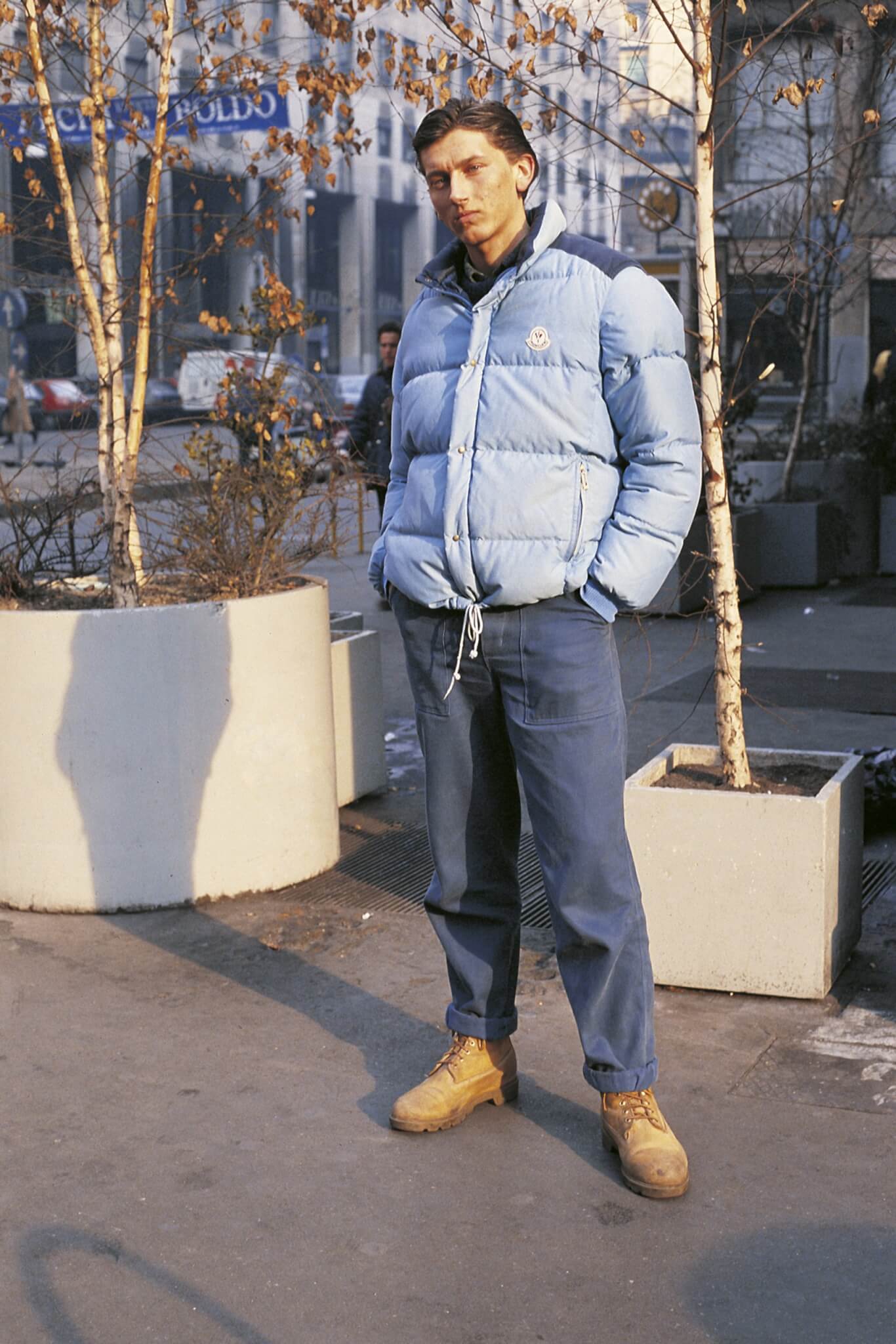
A young man, posing with a serious expression in Piazza San Babila, wears a Moncler jacket, blue jeans, and Timberland boots; he is a “paninaro,” a slang term referring to young men and women who follow the trend of expensive designer clothing (in Milan, Italy, in 1987).
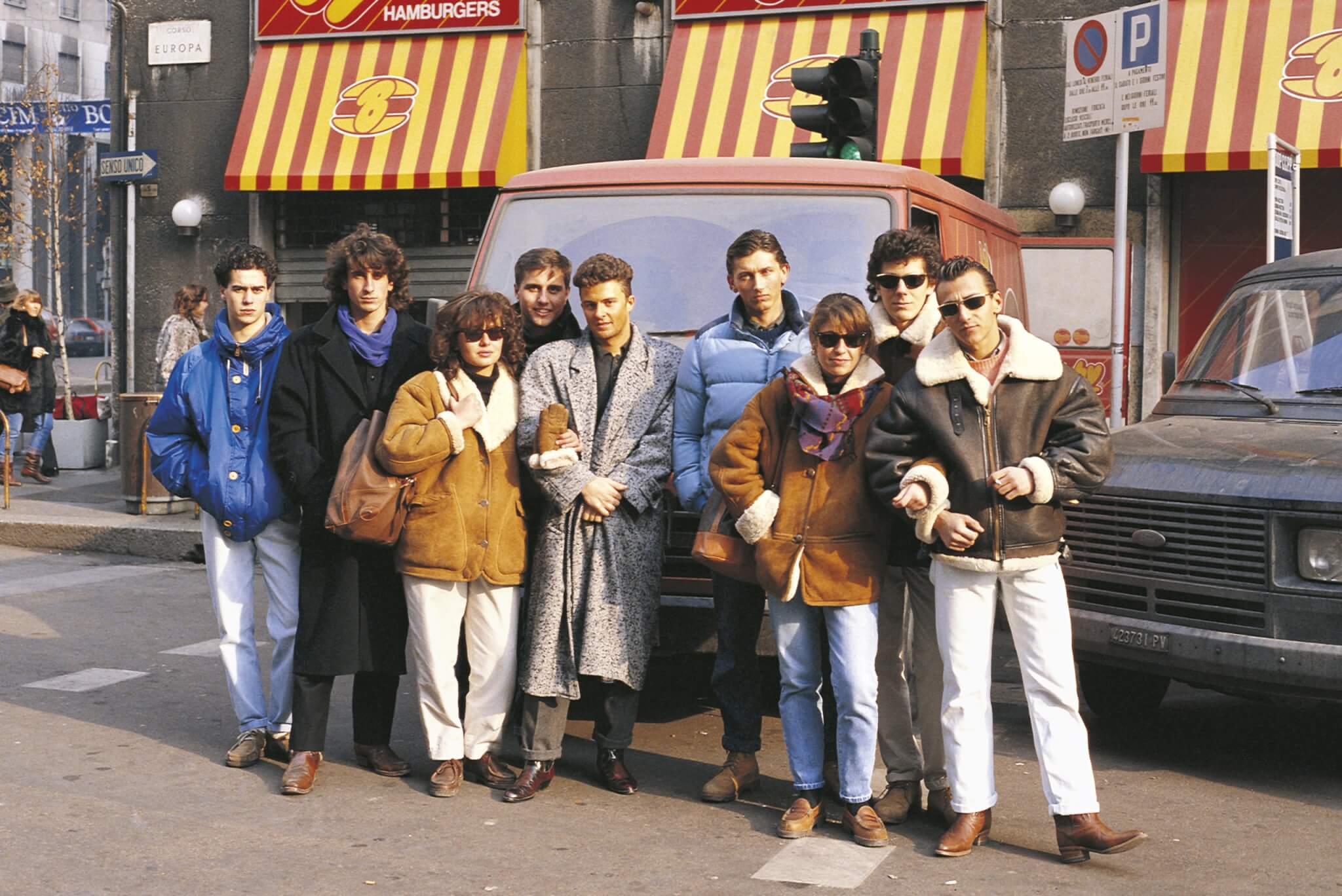
A group of boys, following the “paninari” trends, gathered in Piazza San Babila; they stood out by wearing designer clothes and shoes, such as Moncler jackets and Timberland boots, and used to gather near fast-food restaurants like the Burghy on 1987 in Milan, Italy.
Its excellent warmth and unique silhouette garnered a followingIn the 1990s, the “Nuptse”—characterized by its wide horizontal quilting and cropped length—gained popularity in the New York hip-hop scene
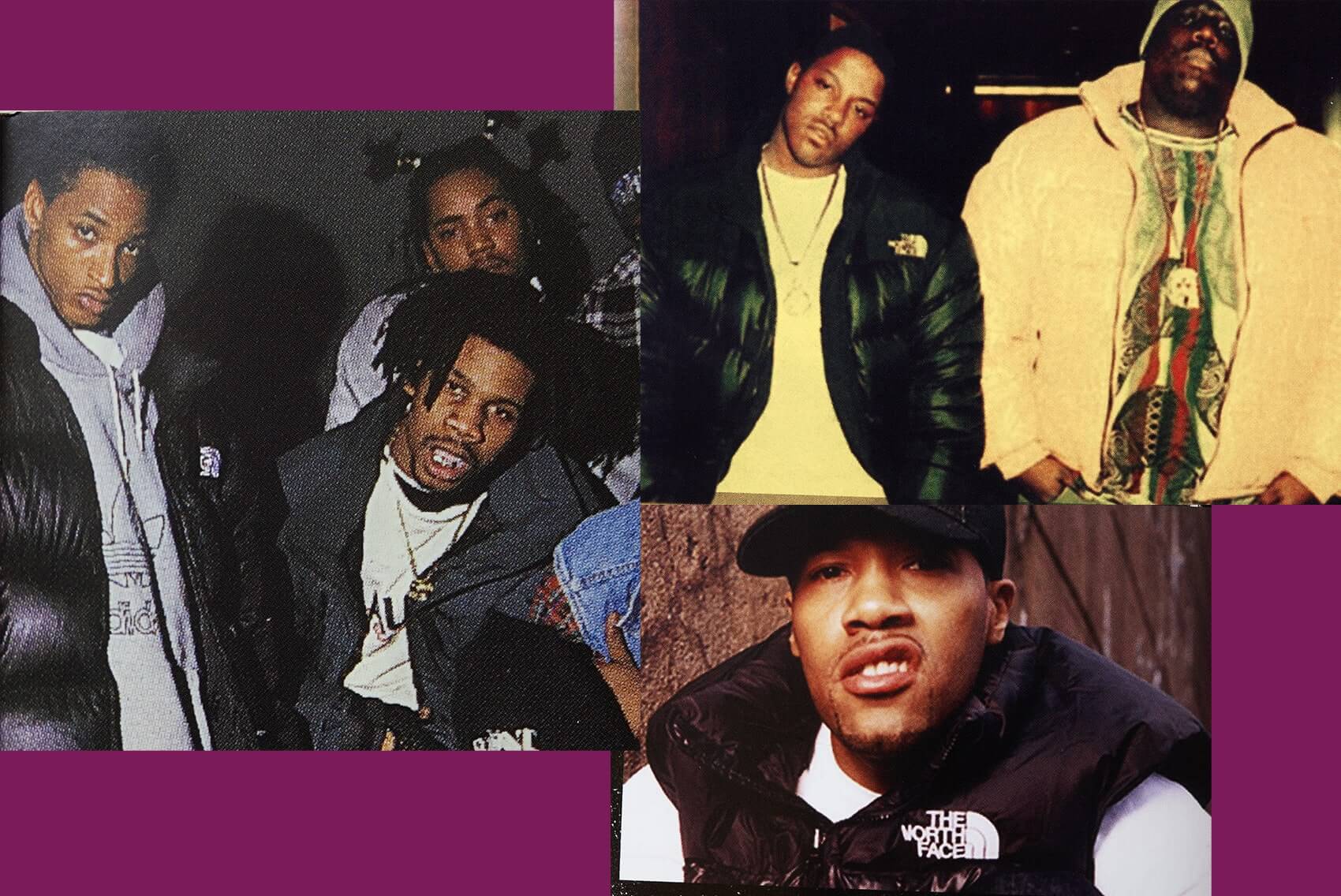
In the 1990s, down jackets became an iconic part of street fashion in the United States as well. A prime example is the “Nuptse Jacket,” released by The North Face in 1992.Named after Nuptse Peak in the Himalayas, this model was originally developed for high-altitude mountaineering.It featured practical design elements throughout, such as wide horizontal quilting to prevent the down from shifting and ensure ample loft, reinforced shoulders to withstand friction from backpacks, and a short length that didn’t interfere with access to climbing harnesses.The three-dimensional silhouette resulting from this design, combined with the bold color blocking created by the shoulder seams, caught the eye of young people in New York. Its practicality—the ability to withstand the harsh winter cold—also earned it a following, and it eventually became a favorite among hip-hop artists such as Nas and the Wu-Tang Clan.Its popularity spread through music and street culture, eventually drawing attention in Japan as well. This is a prime example of how functional details originally conceived for mountaineering became a fashion statement in their own right; today, the design—combining thick horizontal quilting, a short length, and a voluminous silhouette—has become one of the classic styles found in down jackets from various brands.
”[2000s–””Moncler
Down jackets become more luxurious, technological innovations advance, and designs diversify”]Since the 2000s, the evolution of down jackets has become even more diverse. As their value as luxury fashion items has risen, new technologies focused on thinness, lightness, and water resistance have emerged. Even in the world of high fashion, designers have increasingly experimented with utilizing the characteristic loft of down to create bold silhouettes, broadening the range of options in both functionality and design.
The Expansion of the Luxury Down Jacket MarketSince the 2000s, Moncler has refined its materials and silhouettes, while Canada Goose has penetrated the luxury outerwear market with its polar-spec parkas
As the 2000s began, down jackets gained a growing presence in luxury fashion. Leading this trend was Moncler, which was acquired by entrepreneur Remo Ruffini in 2003.Leveraging the technology it had developed for mountaineering gear, the brand established itself as a luxury label by incorporating sophisticated silhouettes designed for urban wear and high-end materials.Additionally, Canada Goose—which had long specialized in cold-weather gear for people working in extremely cold regions—saw its global popularity grow from the 2000s through the 2010s. A key factor in this rise was the attention drawn when stars were spotted wearing Canada Goose parkas to ward off the cold on movie sets in frigid locations.While Moncler pursued a refined sense of style, Canada Goose capitalized on functional design elements—such as oversized hoods and durable outer fabrics—derived from its polar-region origins. These luxury down brands, each with their own distinct appeal, expanded the market and created new value in winter outerwear.
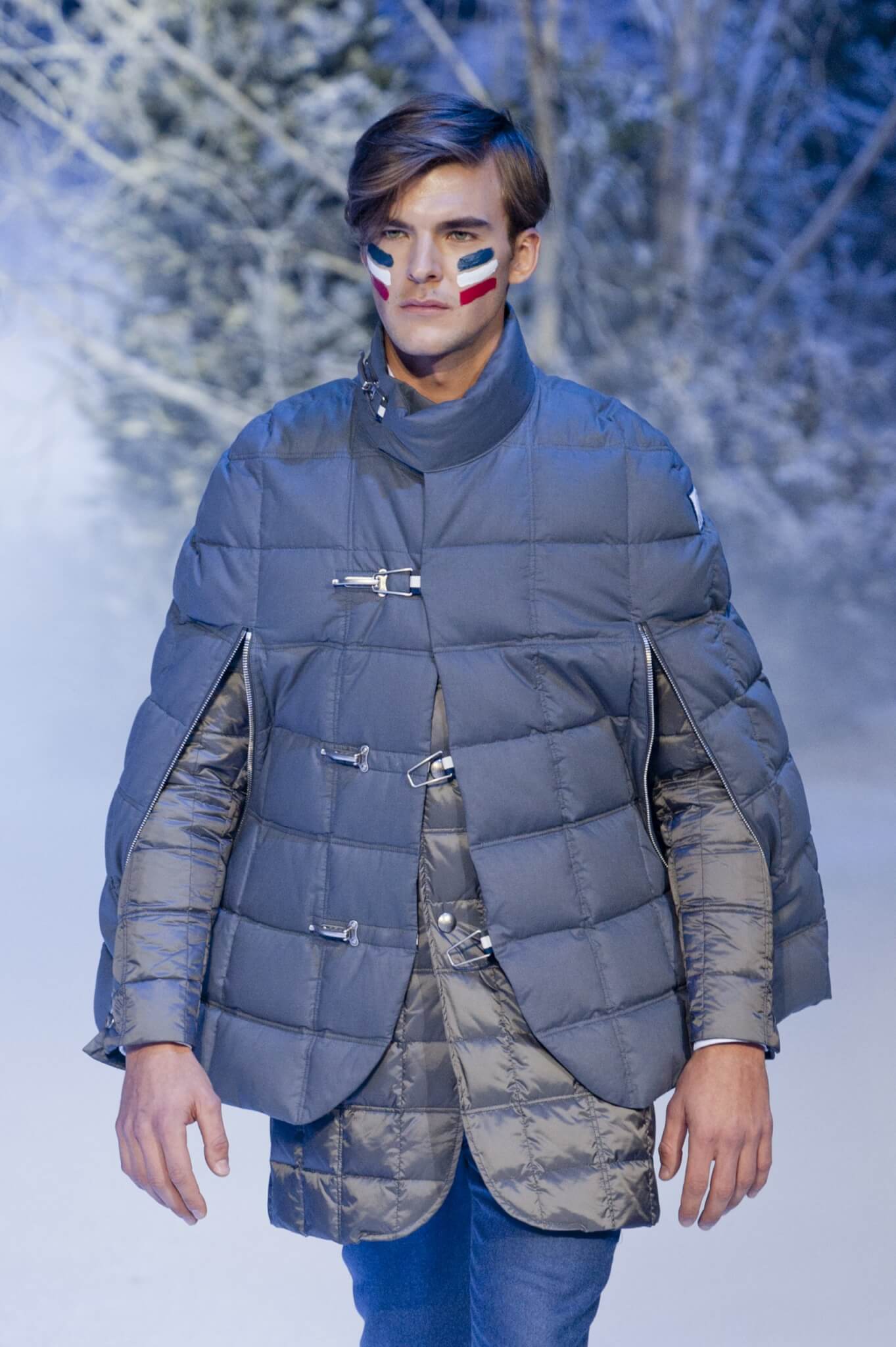
MONCLER GAMME BLEU
Fall/Winter 2013-14
– Milan Collection – Runway, Men
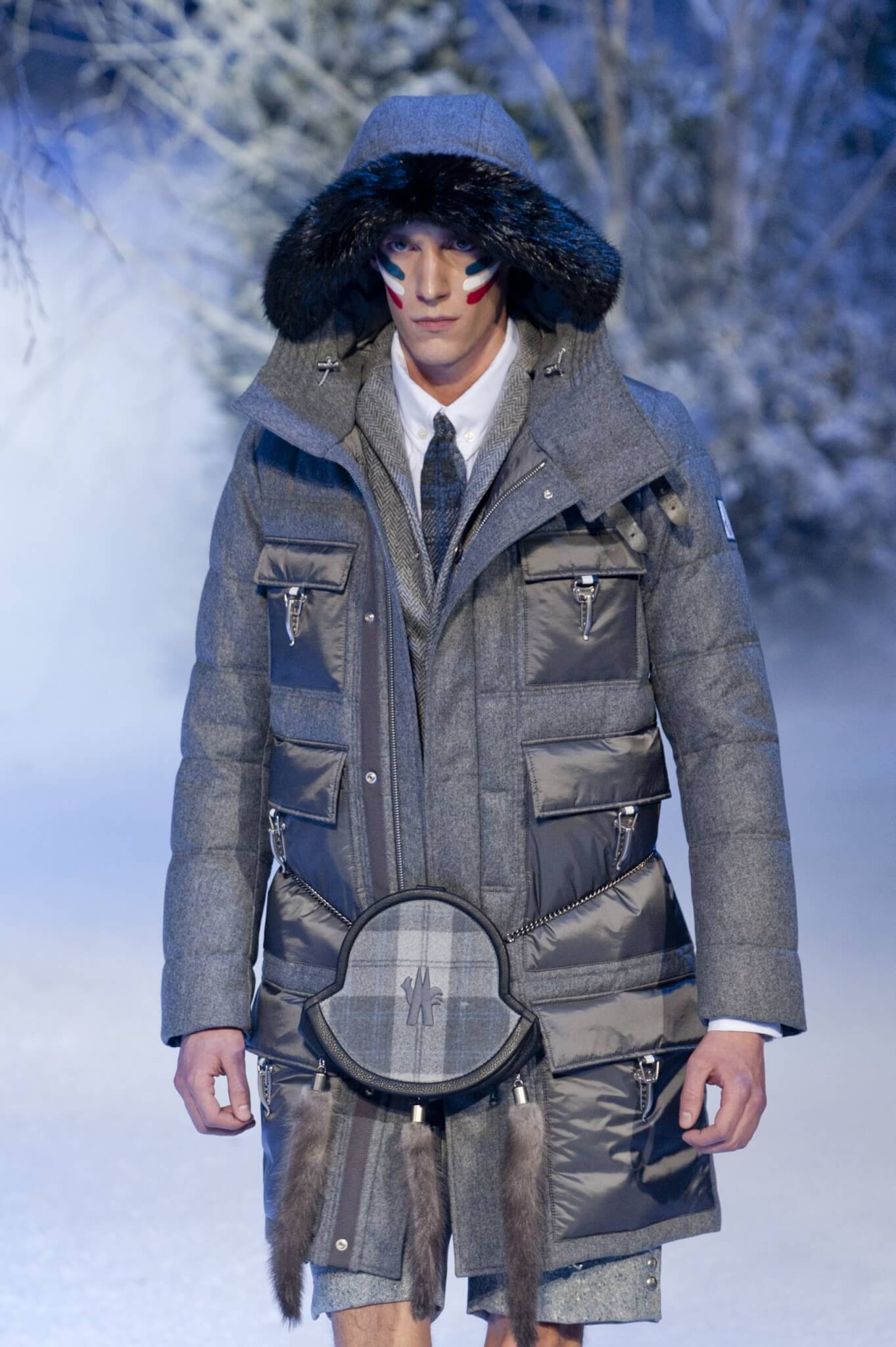
MONCLER GAMME BLEU
Fall/Winter 2013–14
– Milan Collection – Runway, Men
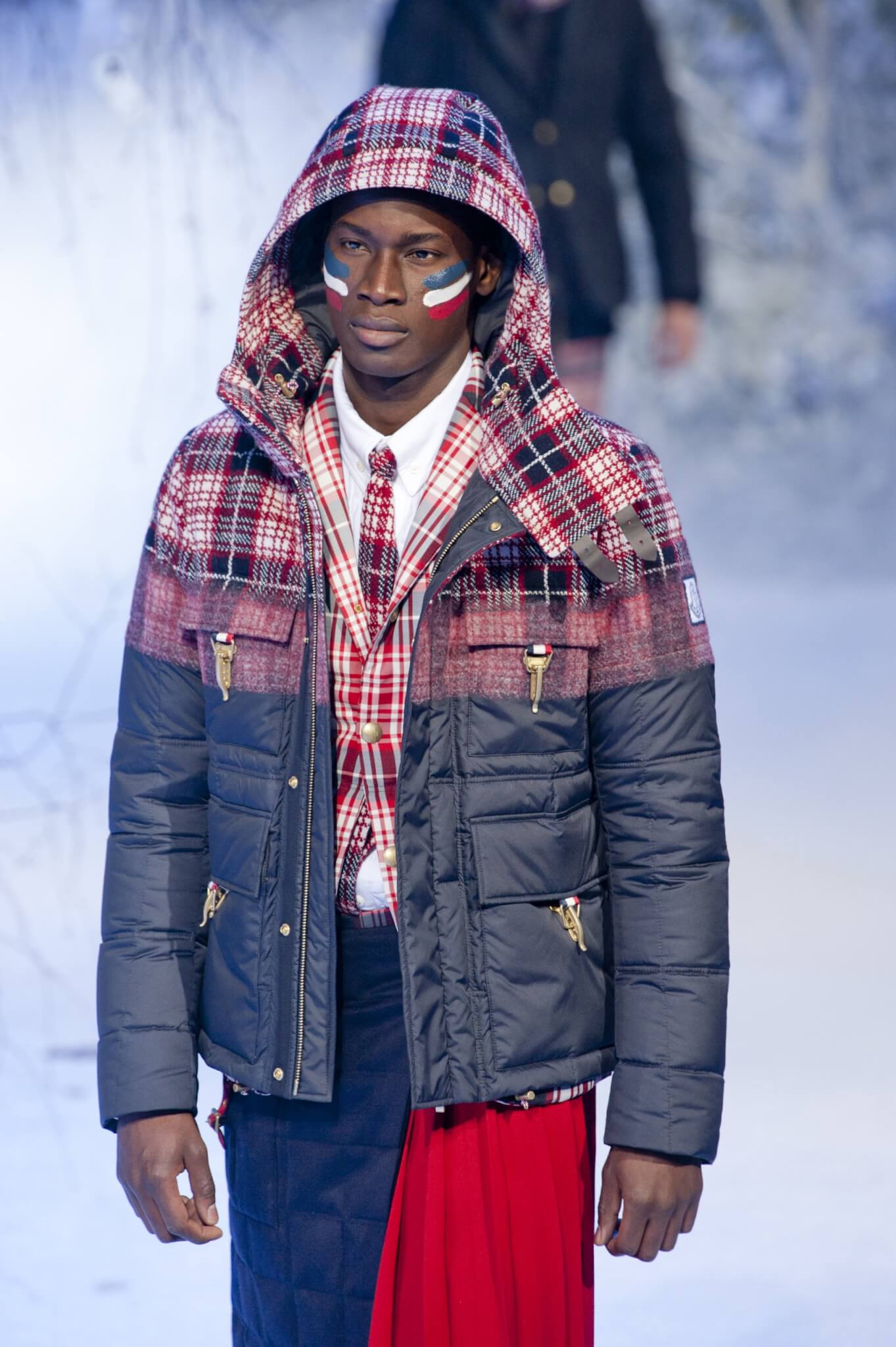
MONCLER GAMME BLEU
Fall/Winter 2013-14
– Milan Collection – Runway, Men
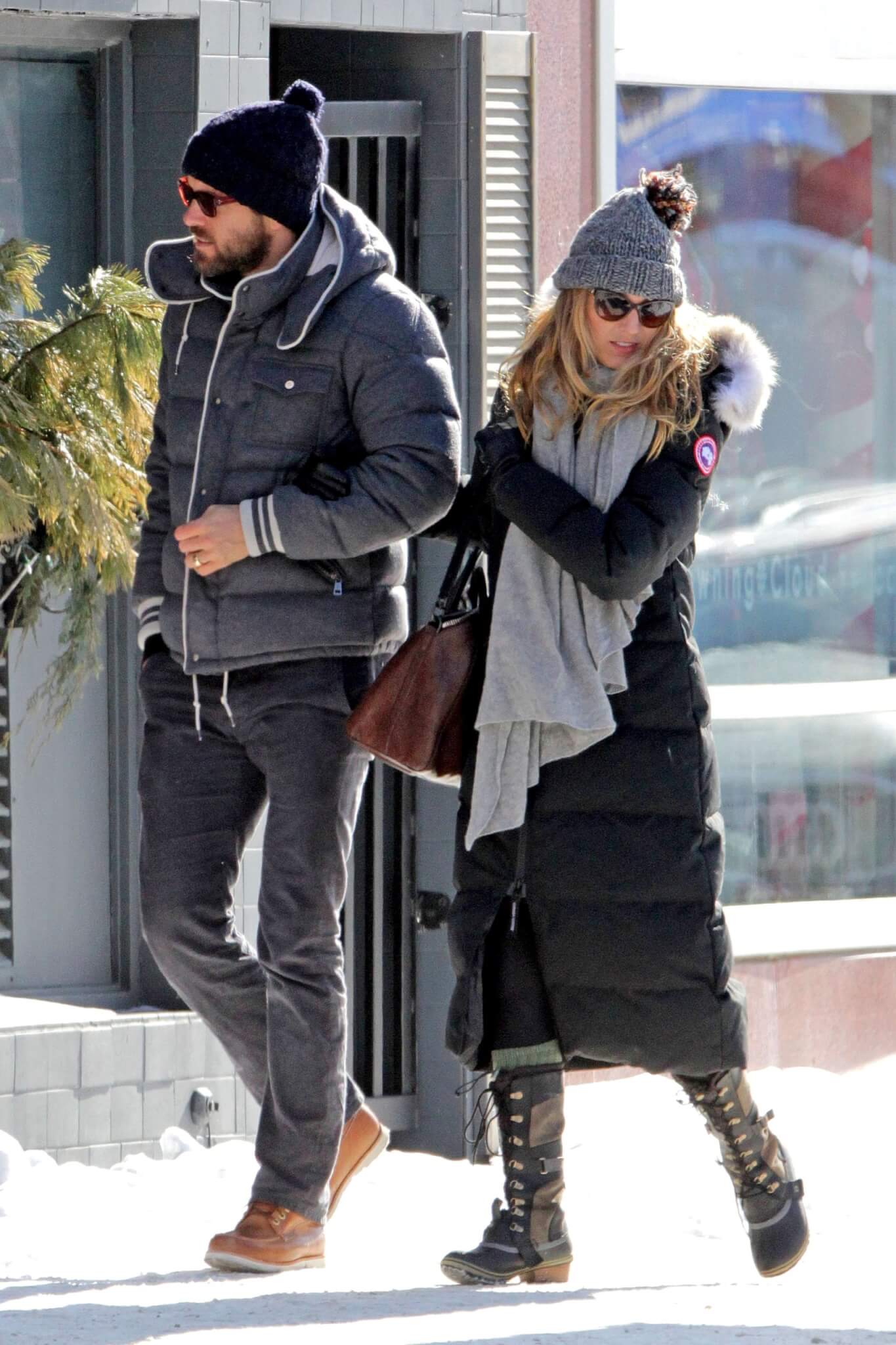
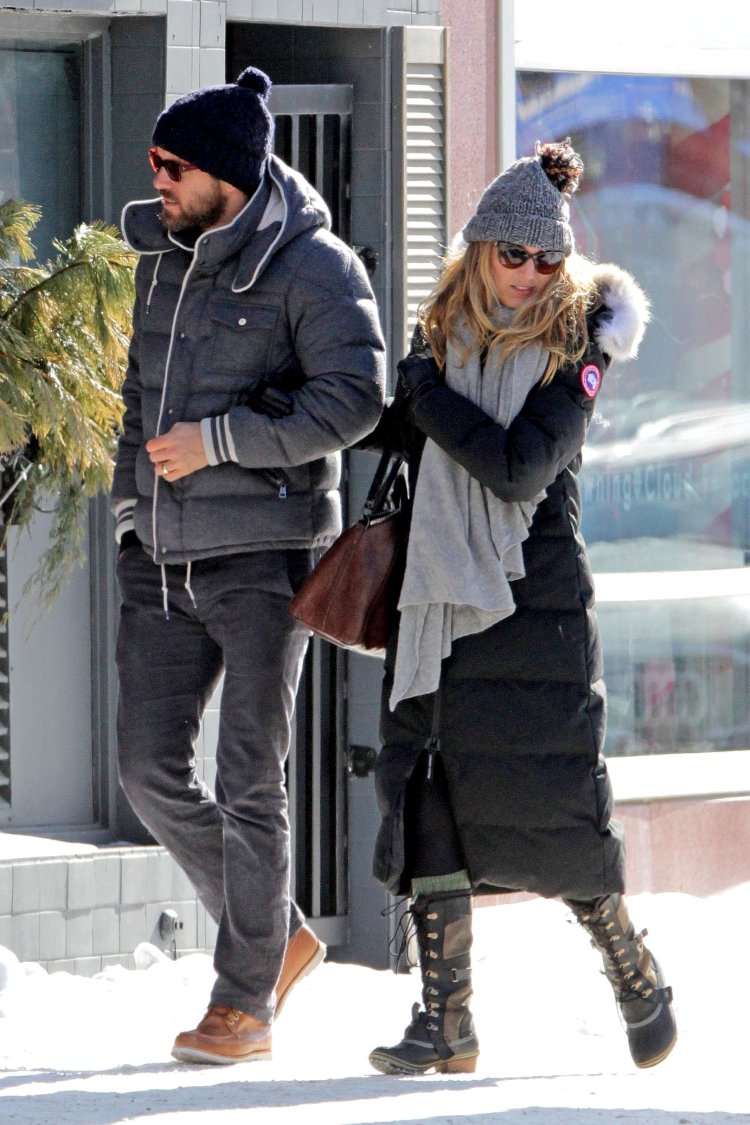
*EXCLUSIVE* Sudbury, Canada — Blake Lively and her husband Ryan Reynolds brave the freezing weather and grab brunch at the Artisan Bakery. Walking arm in arm on their way back to their car, Ryan can be seen opening the passenger door for Blake like a true gentleman.
AKM-GSI February 9, 2013
To License These Photos, Please Contact:
Steve Ginsburg
(310) 505-8447
(323) 423-9397
[email protected]
[email protected]
or
Keith Stockwell
(310) 261-8649
(323) 325-8055
[email protected]
[email protected]
AKM-GSI February 9, 2013 To License These Photos, Please Contact:
Maria Buda
(917) 242-1505
[email protected]
or
Mark Satter
(317) 691-9592
[email protected]
[email protected]
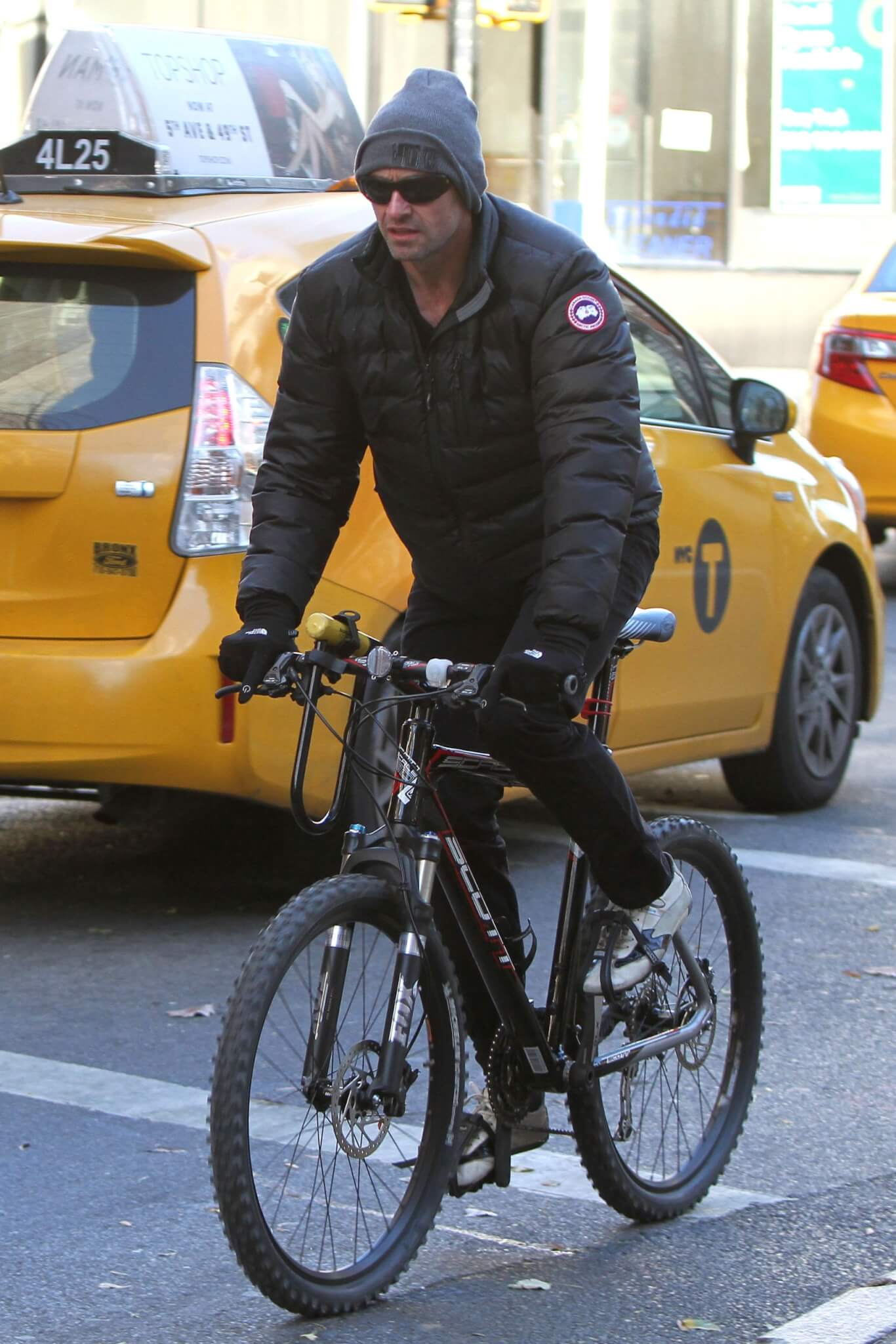
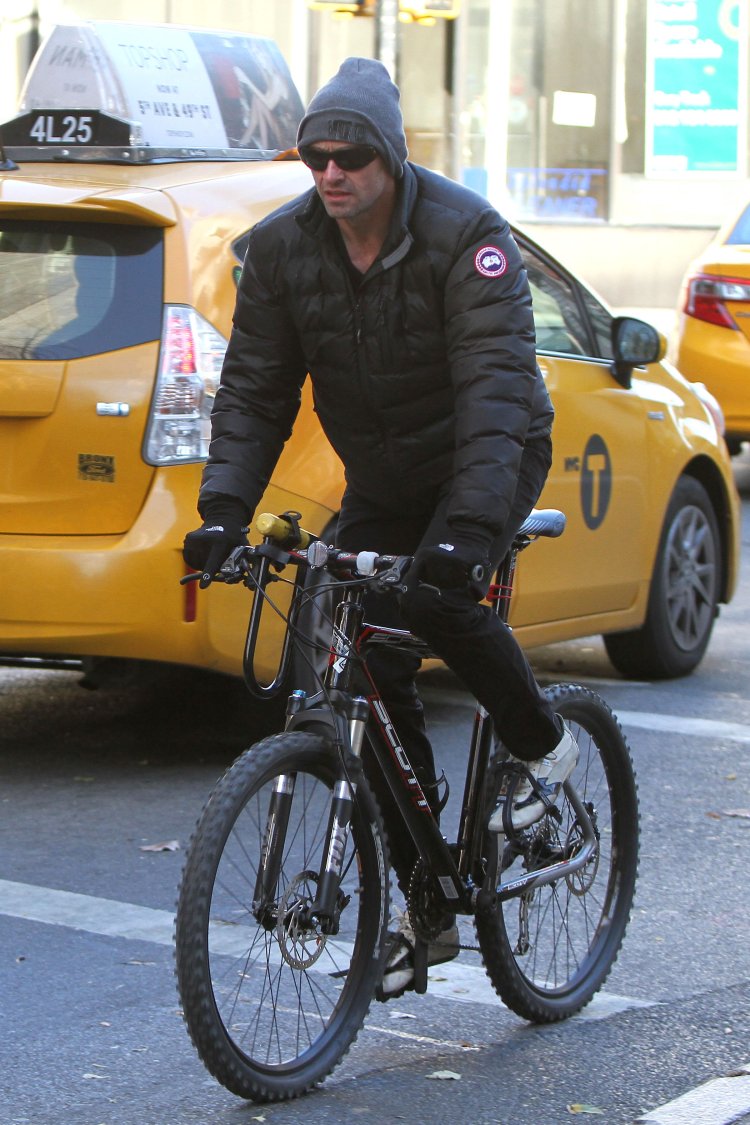
Hugh Jackman, Nov. 21, 2014: New York, NY – 11/21/2014 – Hugh Jackman was spotted riding his bicycle on a cold day in the West Village. -PHOTO by: Lisvett Serrant/startraksphoto.com
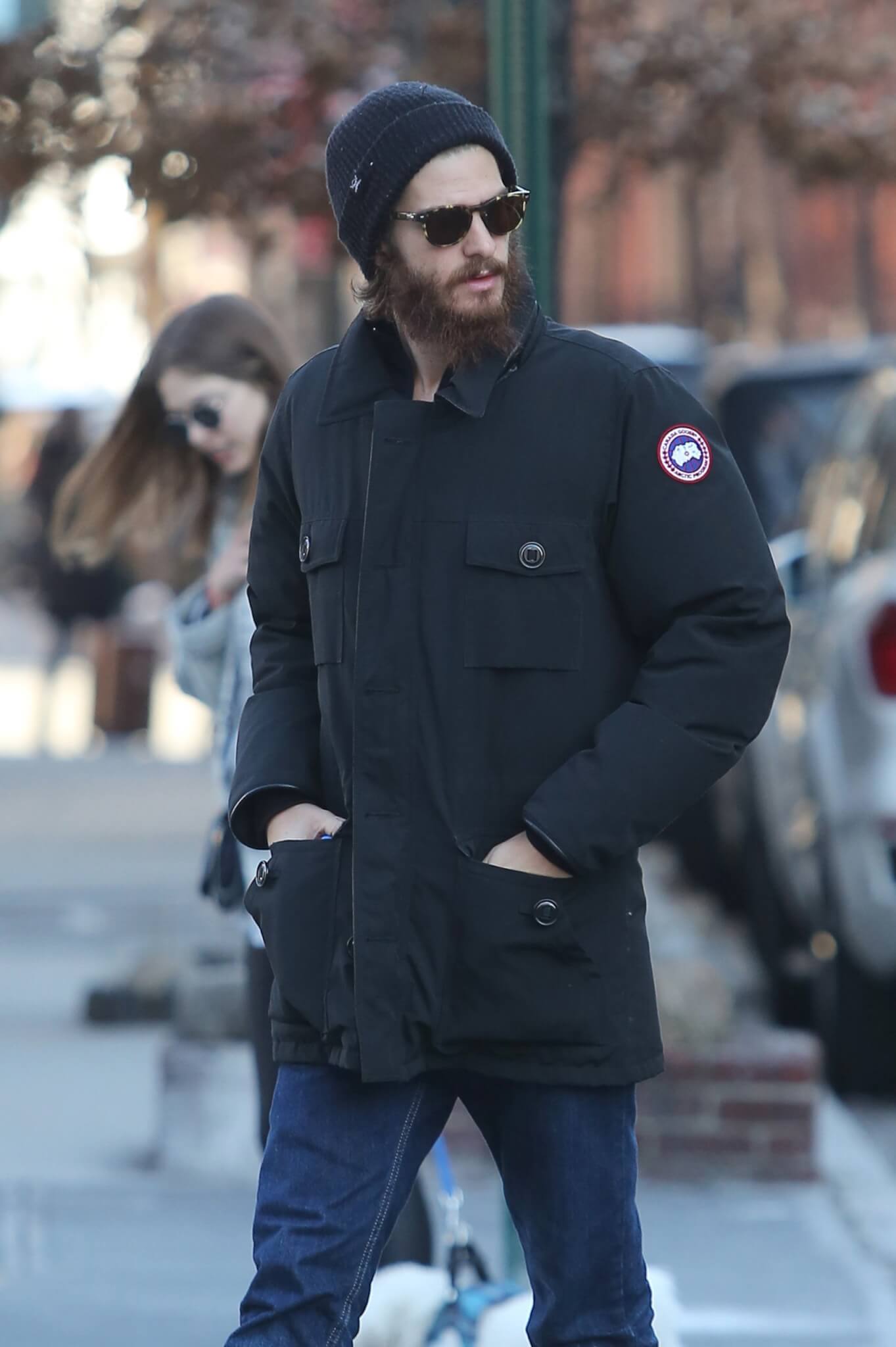
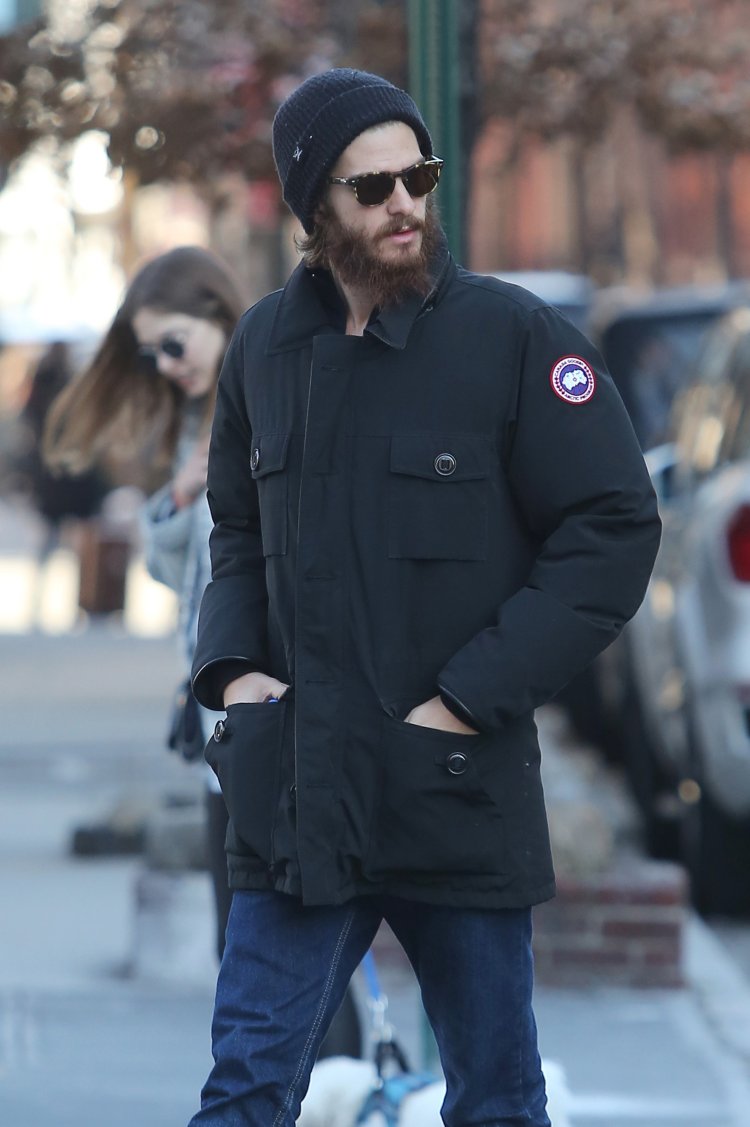
New York, NY — “The Amazing Spider-Man” actor Andrew Garfield keeps himself warm in the West Village with a navy blue parka and sports a scruffy beard. Andrew Garfield is set to appear in the upcoming Martin Scorsese film “Silence,” in which he plays a 17th-century priest alongside Liam Neeson and Ken Watanabe.
AKM-GSI December 27, 2014
To License These Photos, Please Contact:
Steve Ginsburg
(310) 505-8447
(323) 423-9397
[email protected]
[email protected]
or
Maria Buda
(917) 242-1505
[email protected]
[email protected]
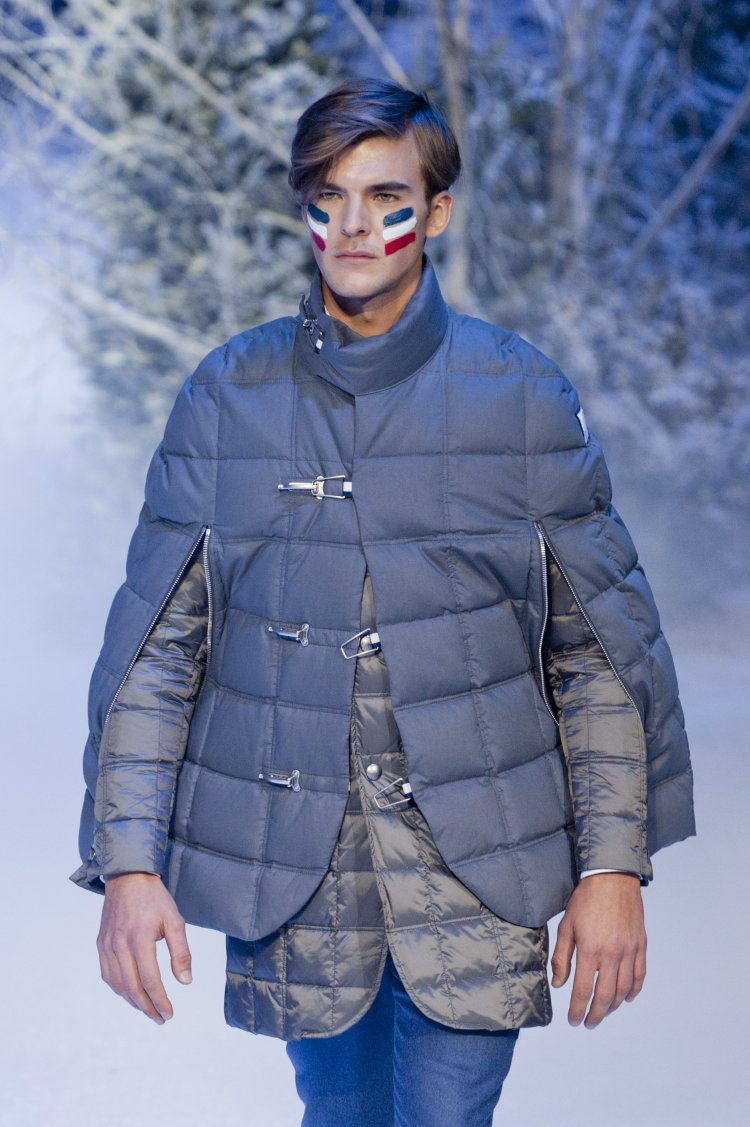
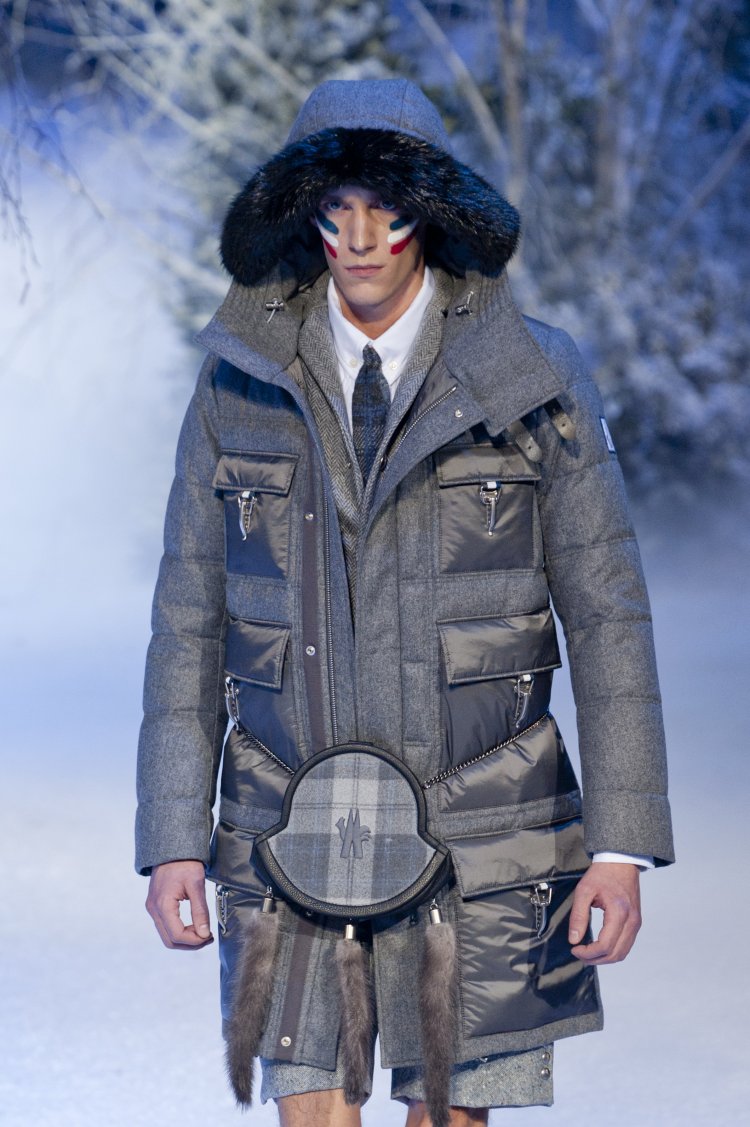
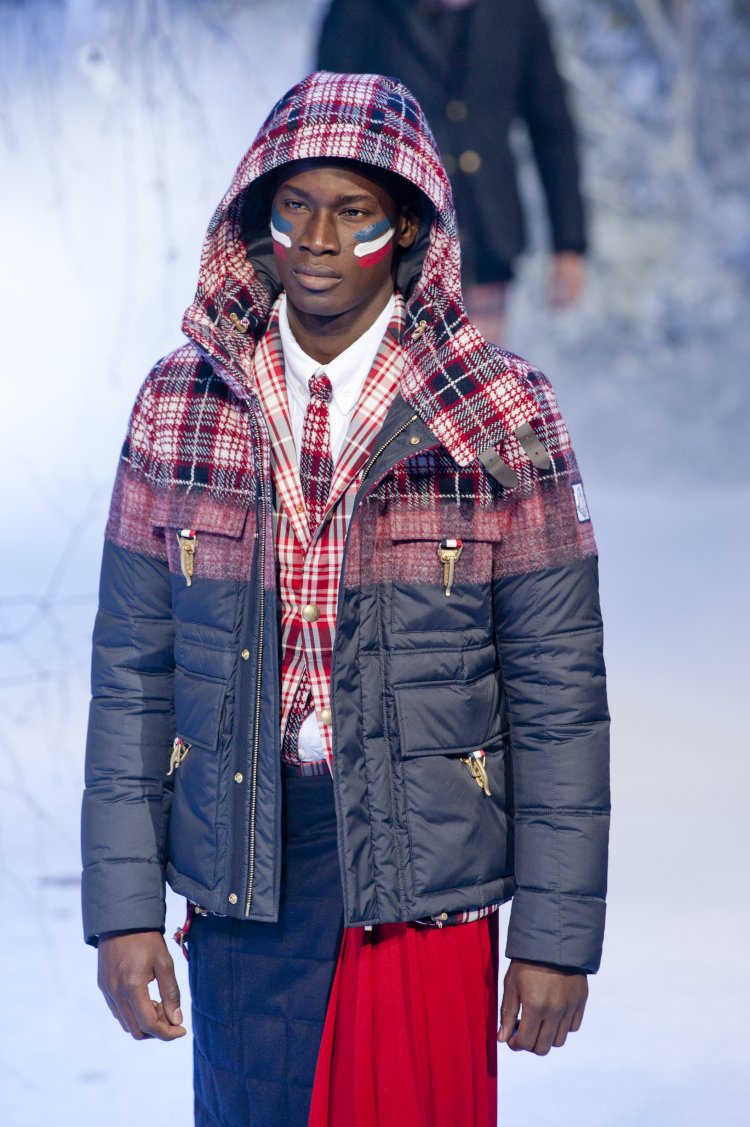
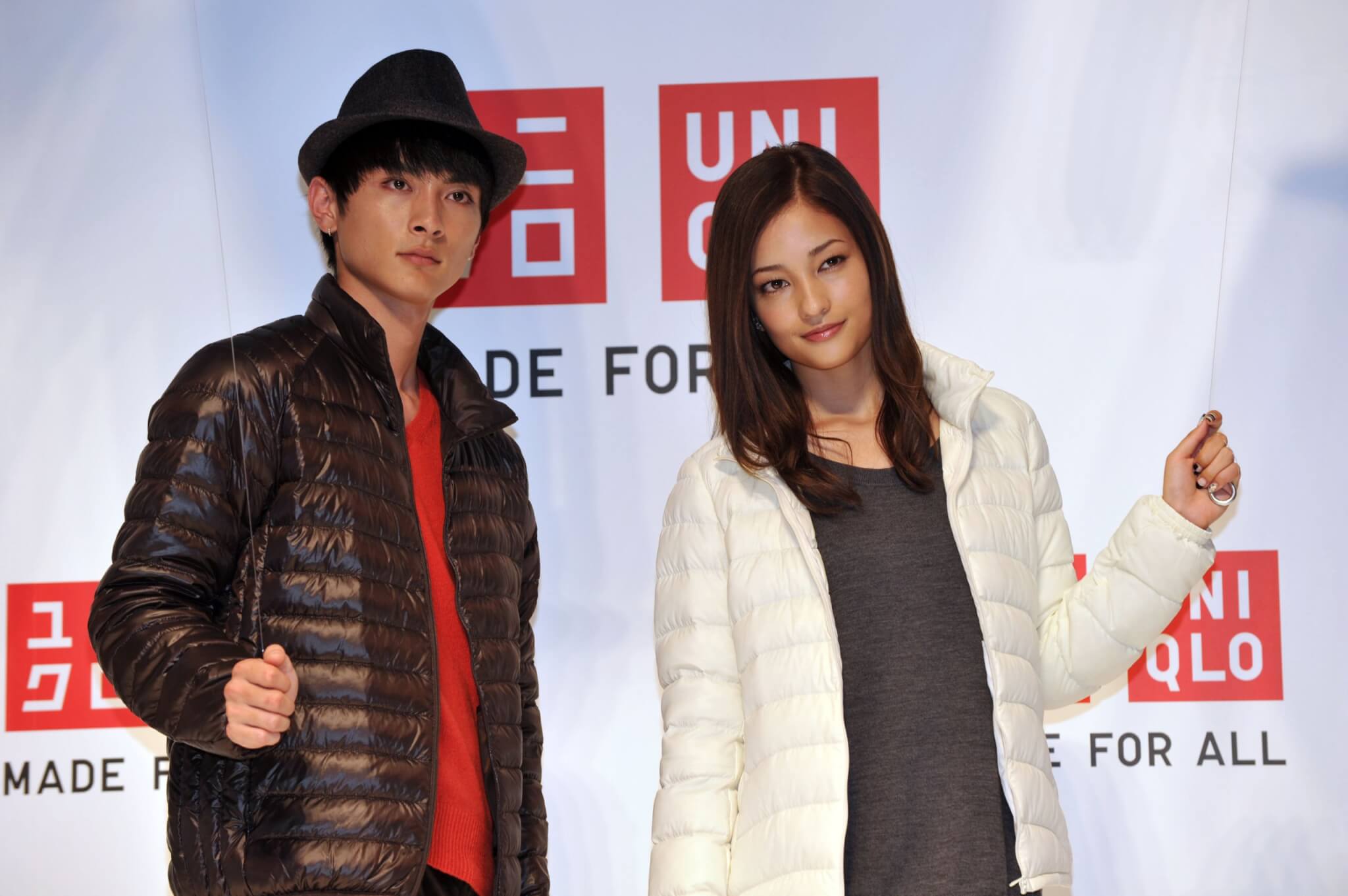
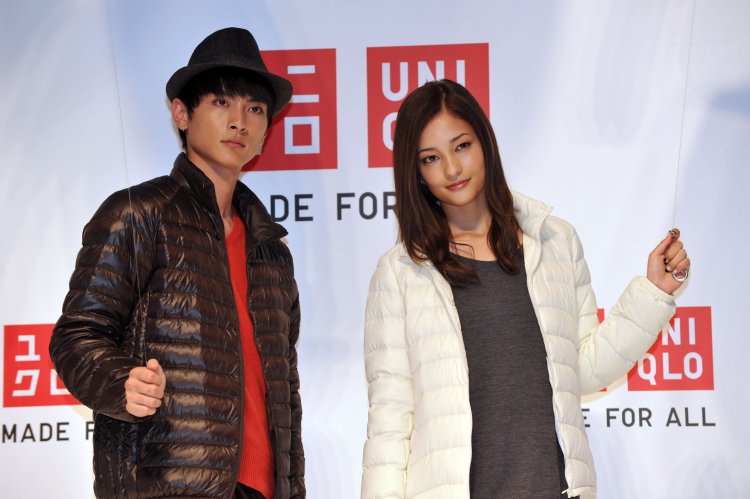
Technological Innovations in Down Jackets Enhancing Water Resistance and Lightweight DesignIn 2008, Mizusawa Down used heat-sealing to prevent water penetration.The following year, Uniqlo released the “Ultra Light Down,” which eliminated the inner lining.
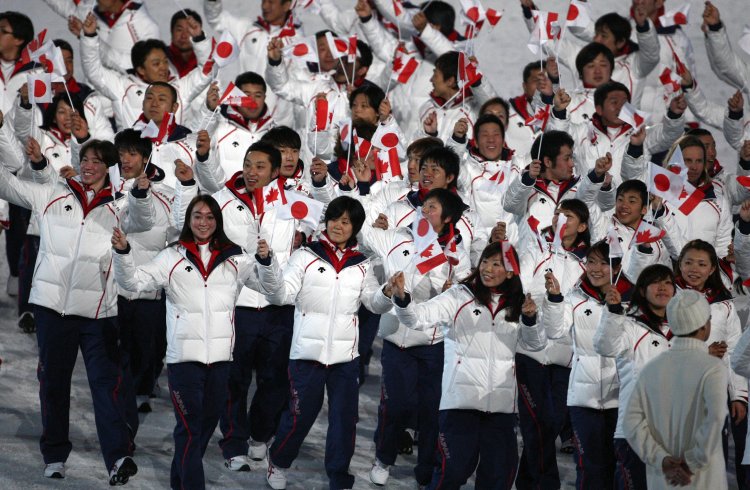
As down jackets became increasingly high-end, new functional advancements were also taking place. One such advancement was the development of technology that uses heat bonding—rather than stitching—to separate the down compartments.In 2008, DESCENTE unveiled the “Mizusawa Down.” The impetus for its development was the production of the official uniforms worn by the Japanese delegation at the 2010 Vancouver Winter Olympics.Recognizing the weakness that down loses its insulating properties when wet from rain or snow, the company sealed the down using heat bonding. Seam tape was applied to areas requiring stitching to prevent water from penetrating. This not only enhanced water resistance but also achieved a minimalist appearance with fewer seams.In 2009, UNIQLO launched “Ultra Light Down,” developed in collaboration with Toray. The product achieved a lighter weight by applying a special treatment to fabric made from ultra-fine nylon yarn and eliminating the inner lining that prevents down from escaping.The company also focused on fill power—a measure of a down’s loft—and in its 2012 products, adopted down with a fill power of 640 or higher. This approach ensured not only lightness but also the necessary level of thermal insulation.In 2013, mont-bell introduced the “Plasma 1000 Down Jacket,” which combined 1,000-fill-power down with ultra-thin nylon fabric. The pursuit of technology that ensures sufficient loft even at a low weight led to further weight reduction.
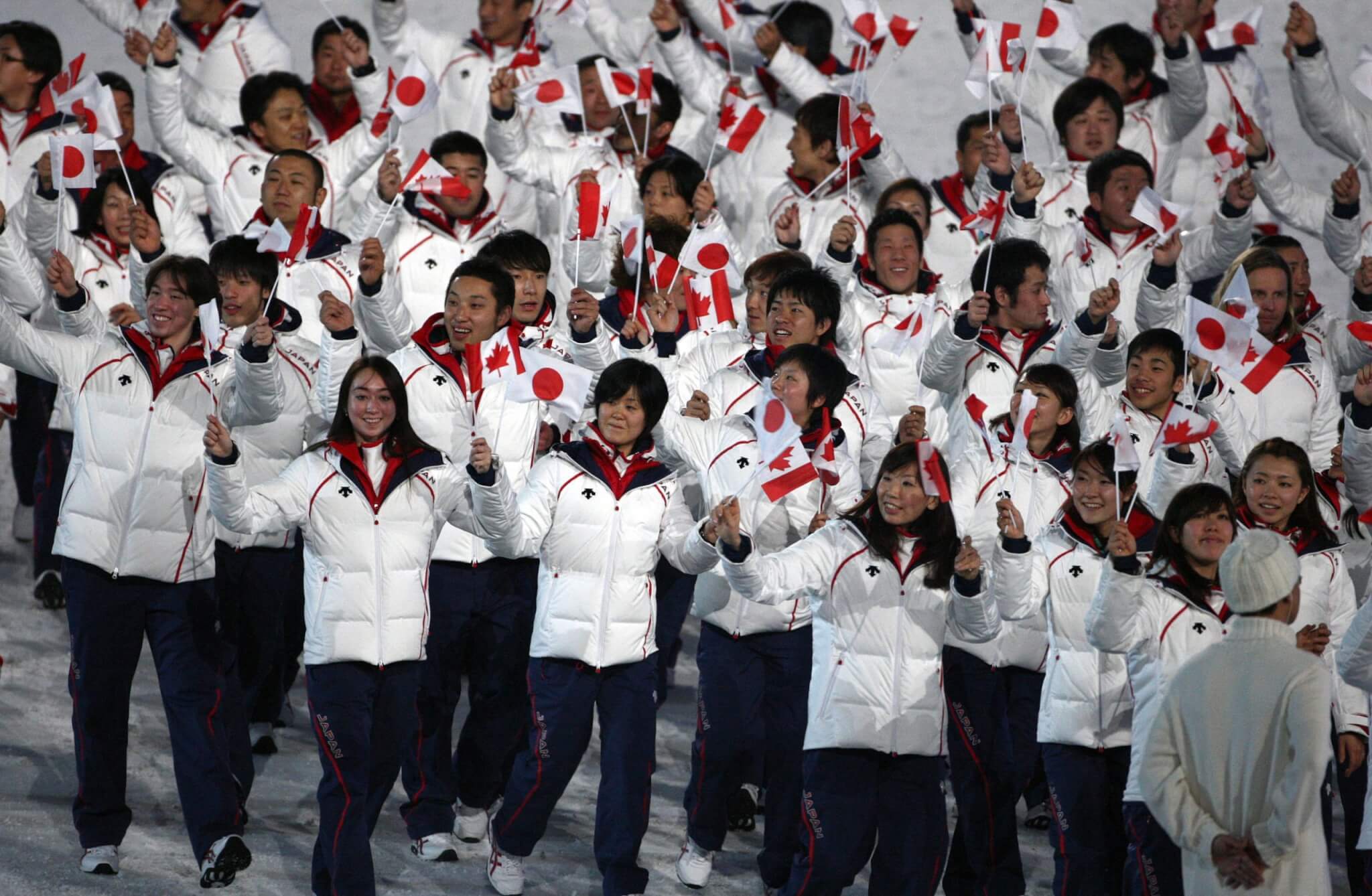
Japan Delegation (JPN), February 12, 2010 – Opening Ceremony: During the Opening Ceremony of the 2010 Vancouver Winter Olympics at BC Place on February 12, 2010, in Vancouver, Canada. (Photo by Donald Miralle/AFLO)
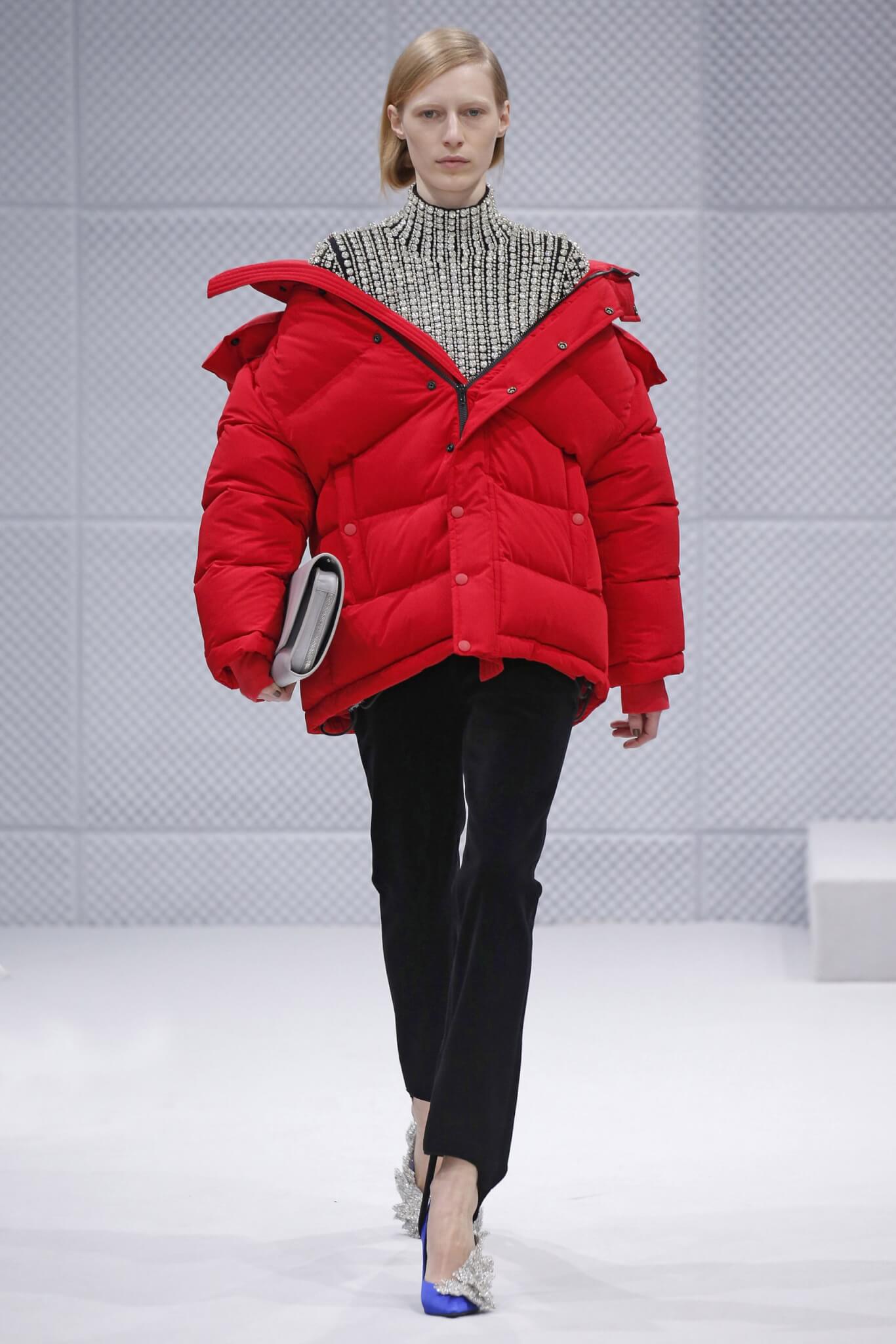
The sculptural expression of down in high fashionIn 2016, Balenciaga unveiled a bold puffer jacket with dropped shoulders.In 2018, sculptural down jackets also appeared in the Moncler Genius collection
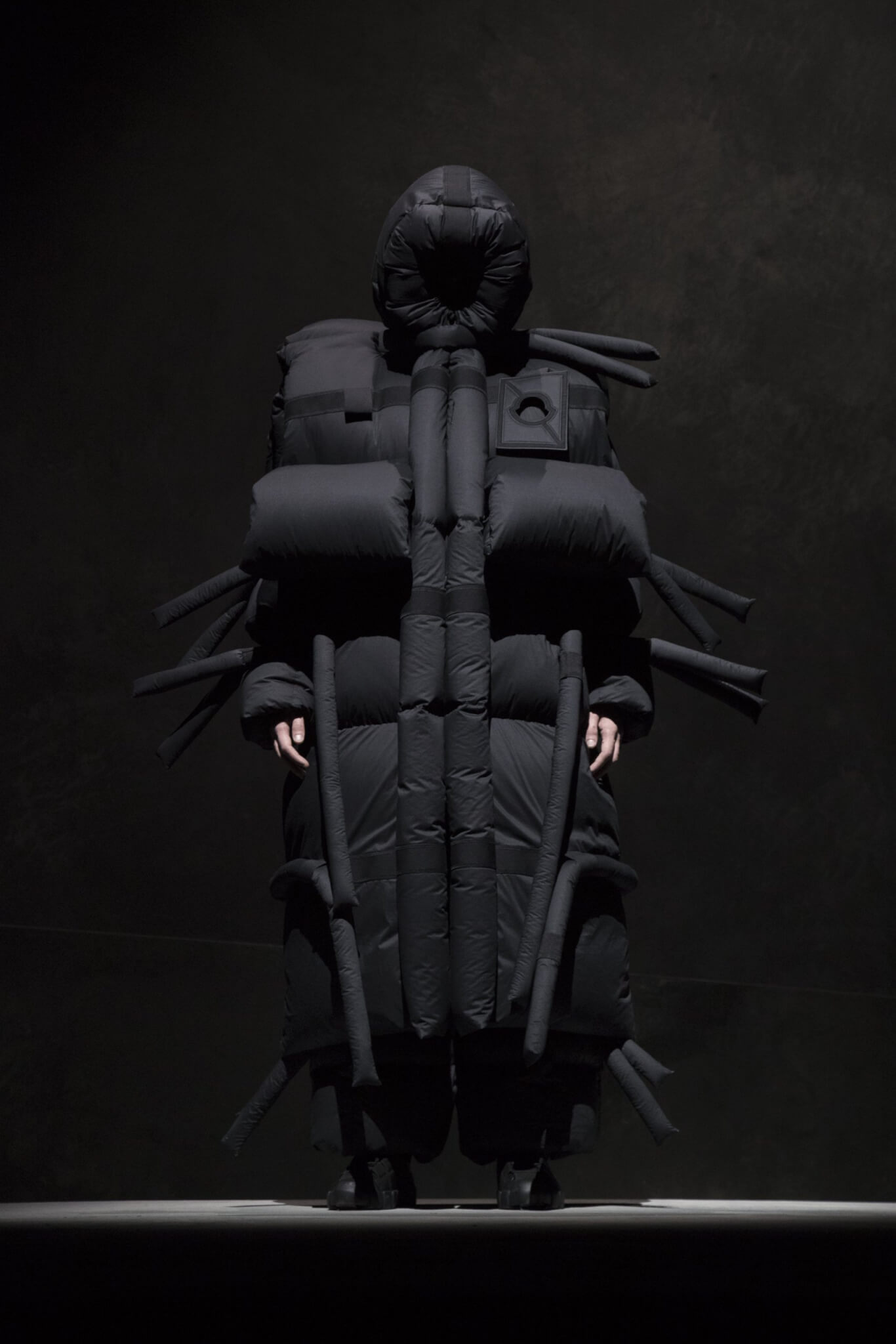
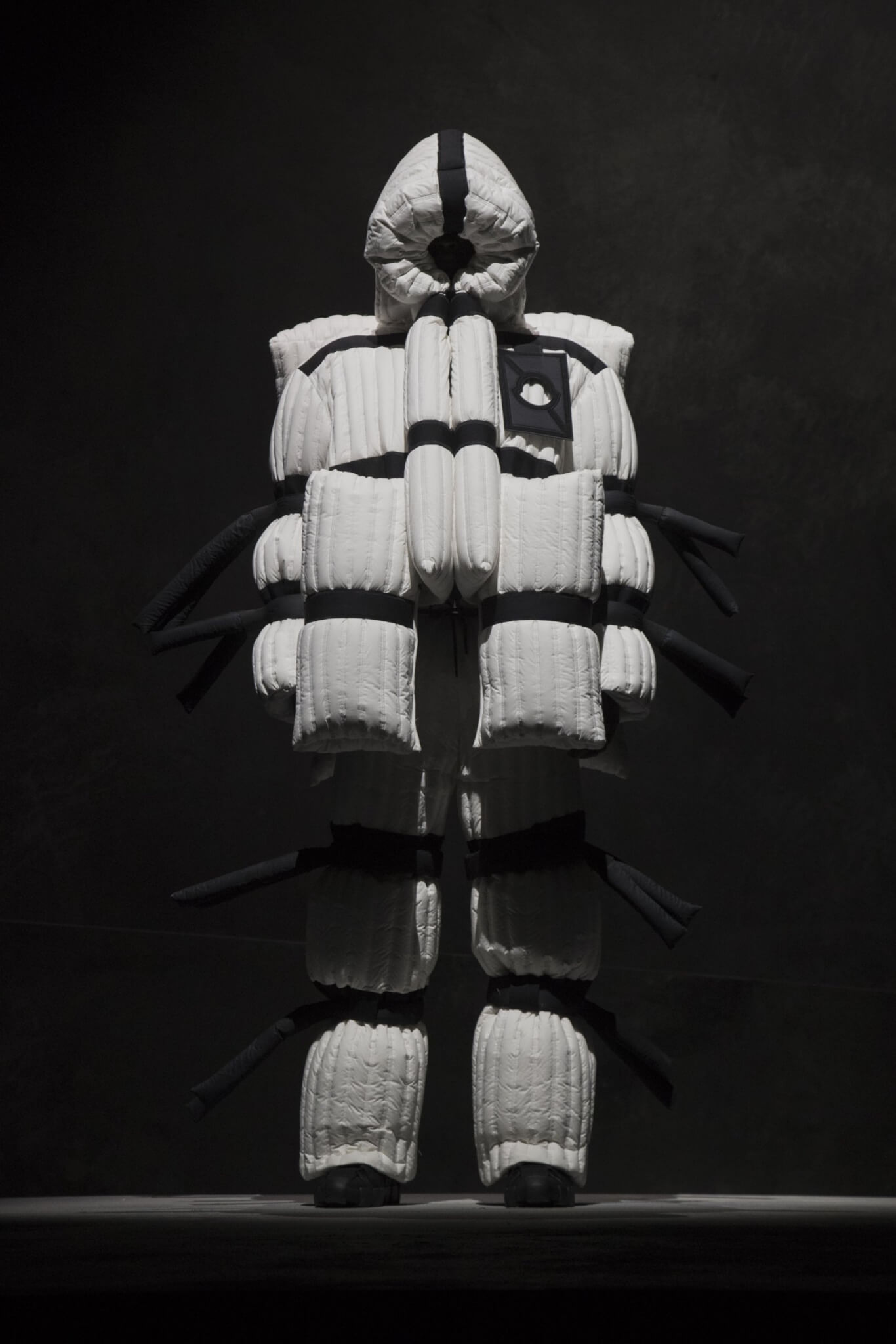
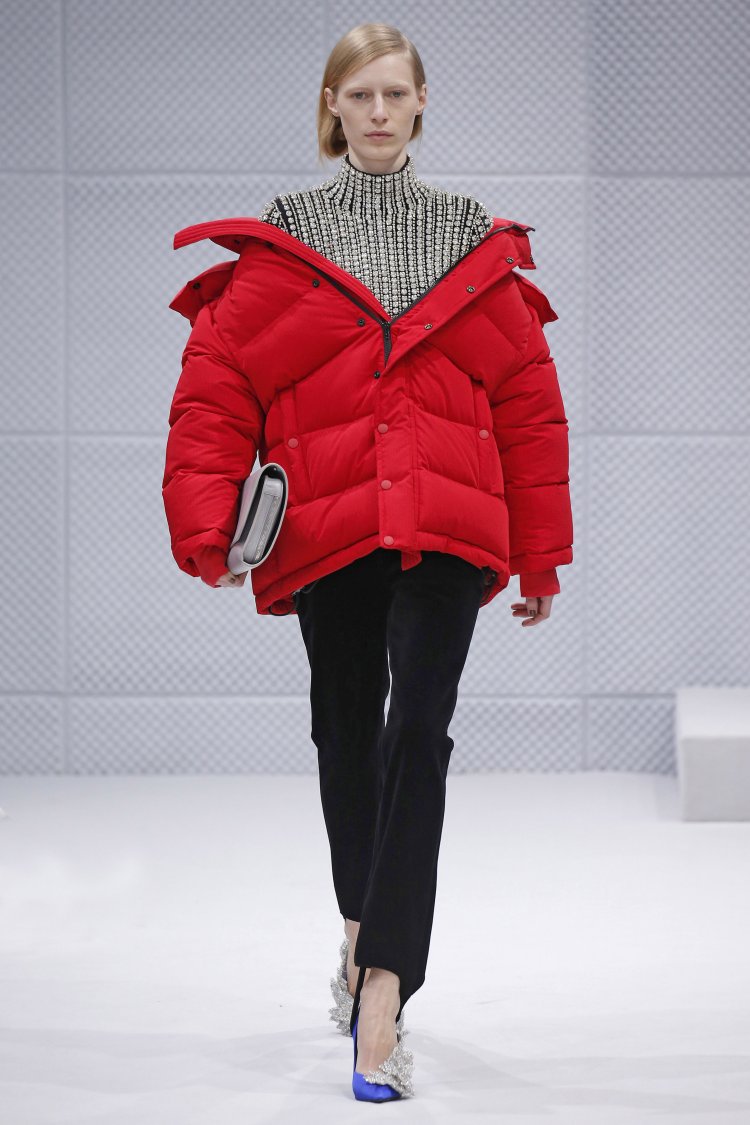
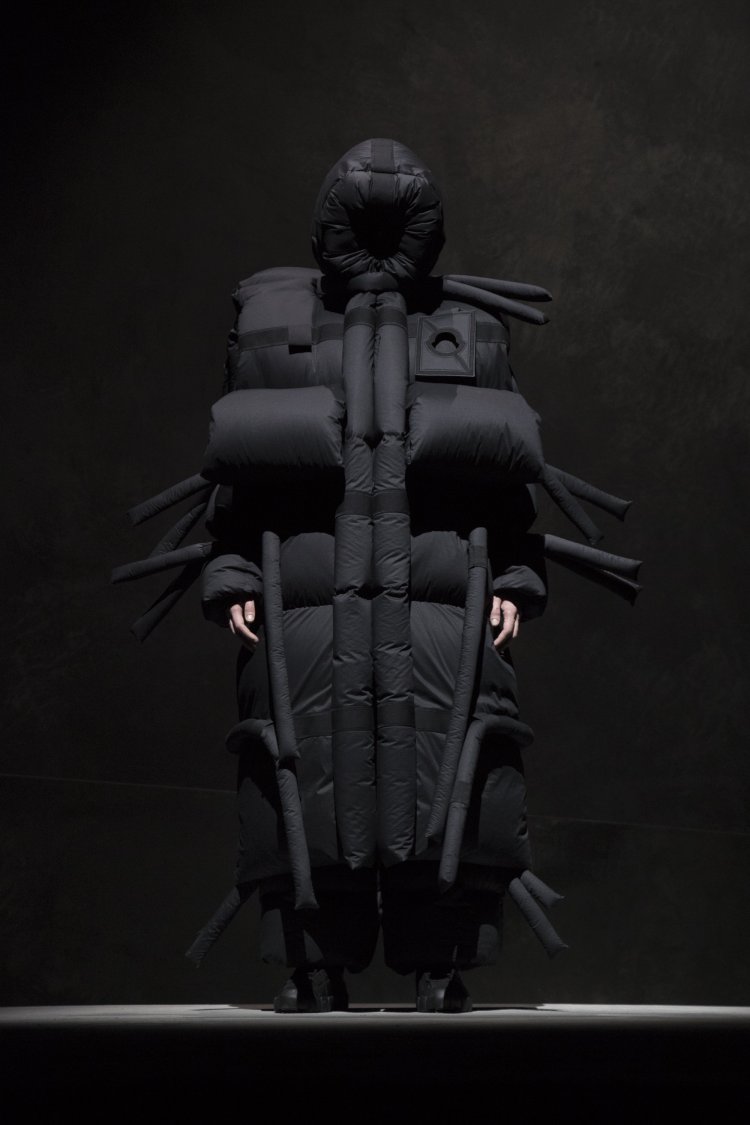
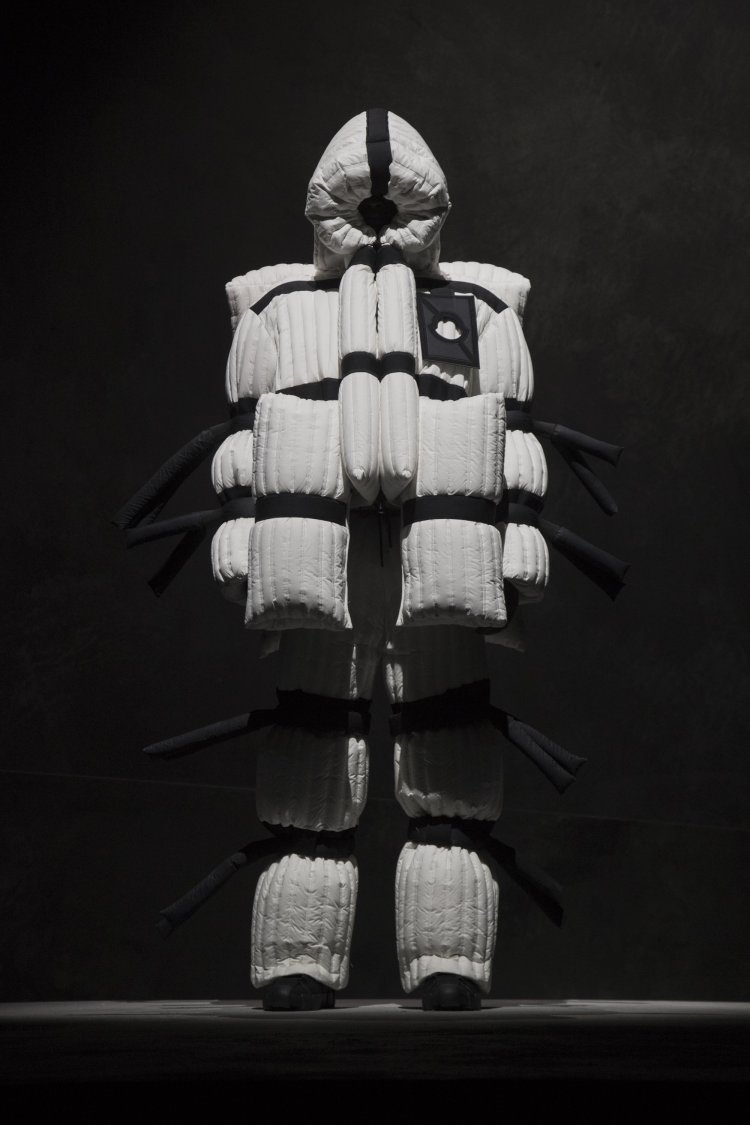
Alongside technological innovations focused on functionality, the trend of actively incorporating the distinctive puffiness of down jackets into designs is accelerating in the world of high fashion.In 2016, the bright red puffer jacket designed by Demna Vazaria garnered attention in Balenciaga’s Fall/Winter collection.Its voluminous silhouette and unique design—featuring boldly dropped shoulders—demonstrated the potential of down beyond traditional cold-weather wear. Furthermore, in 2018, Moncler launched “Moncler Genius,” a project involving collaborations with multiple designers.One after another, the brand unveiled pieces that defied conventional boundaries, such as Craig Green’s sculptural, three-dimensional down jackets and Pierre Paolo Piccioli’s long down jackets reminiscent of dresses.
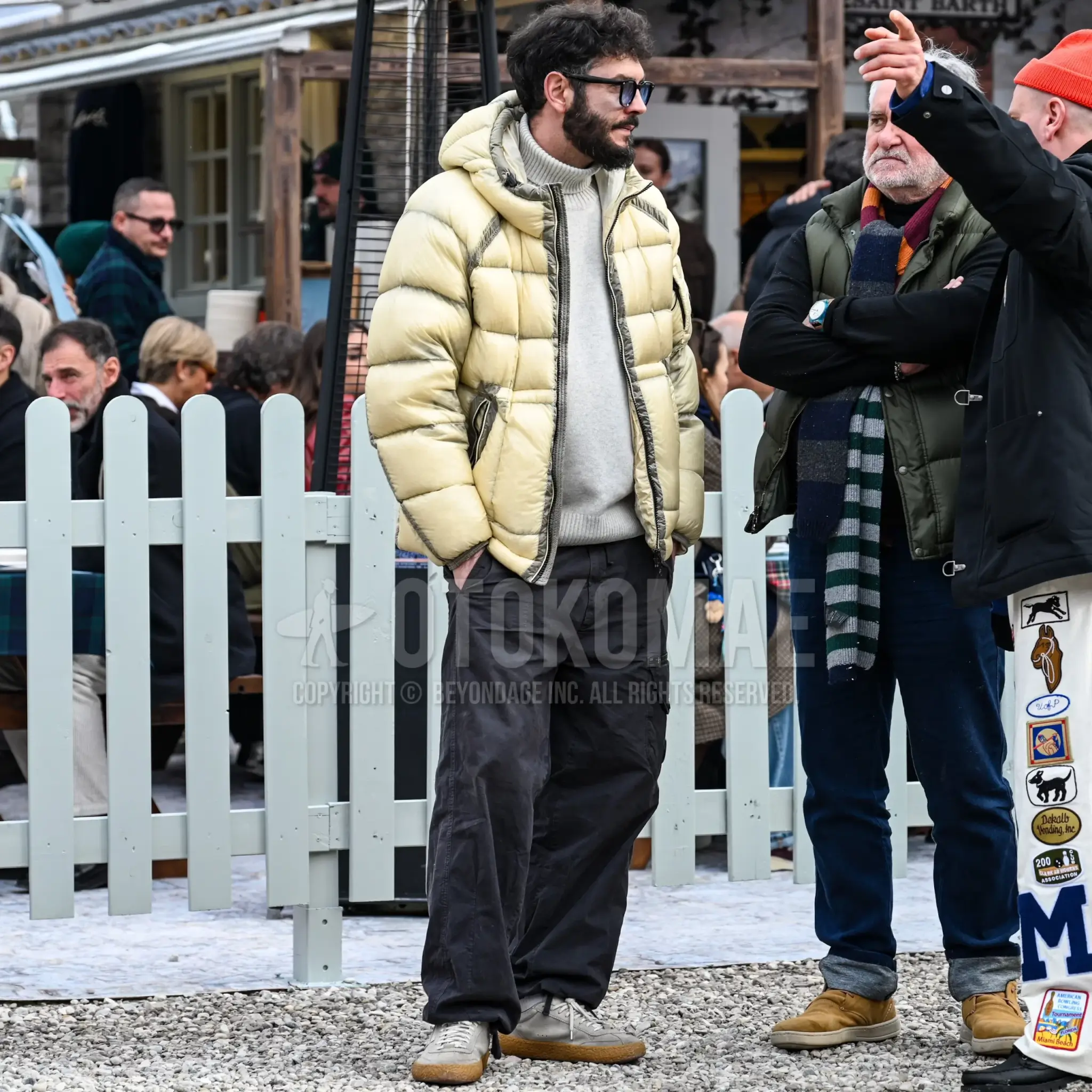
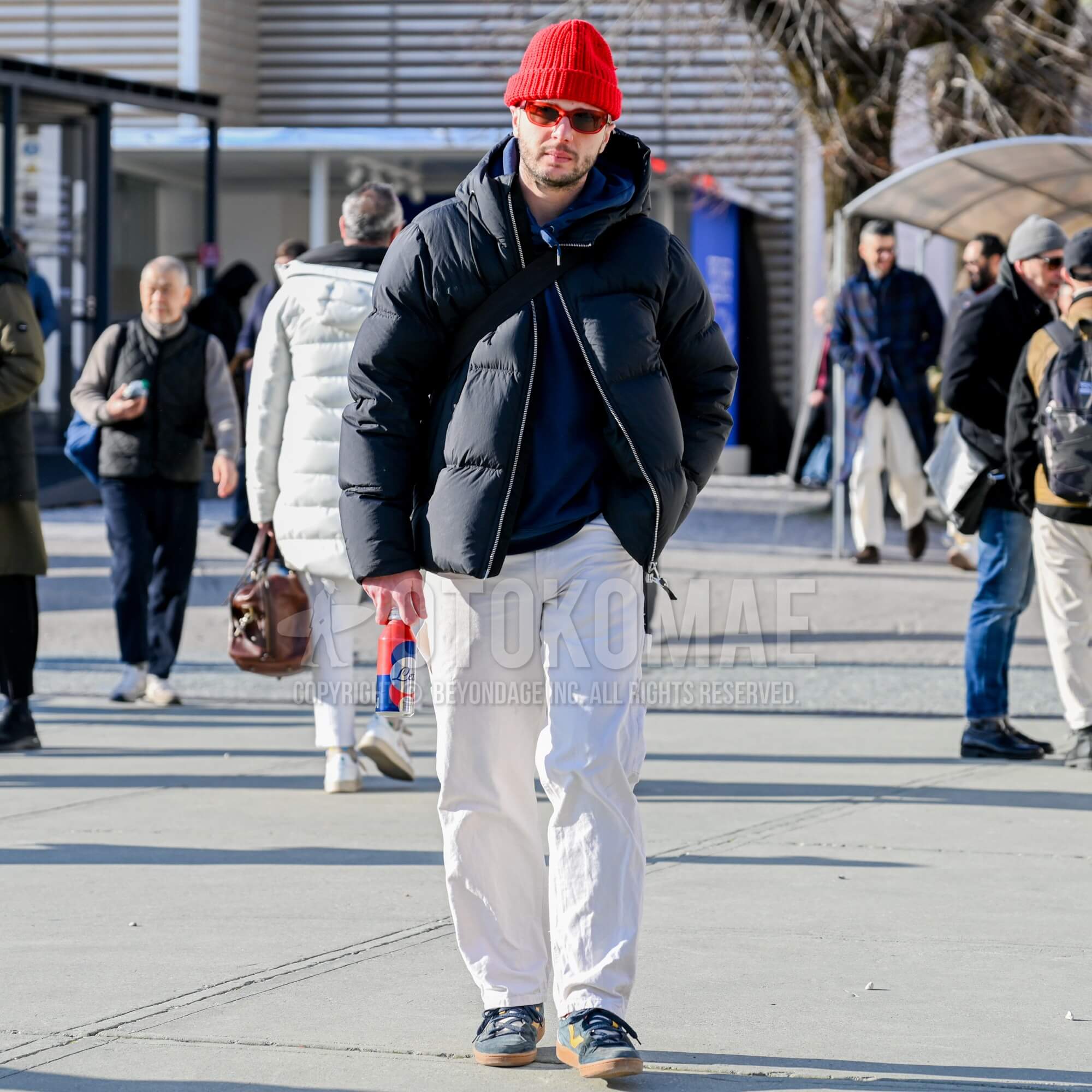
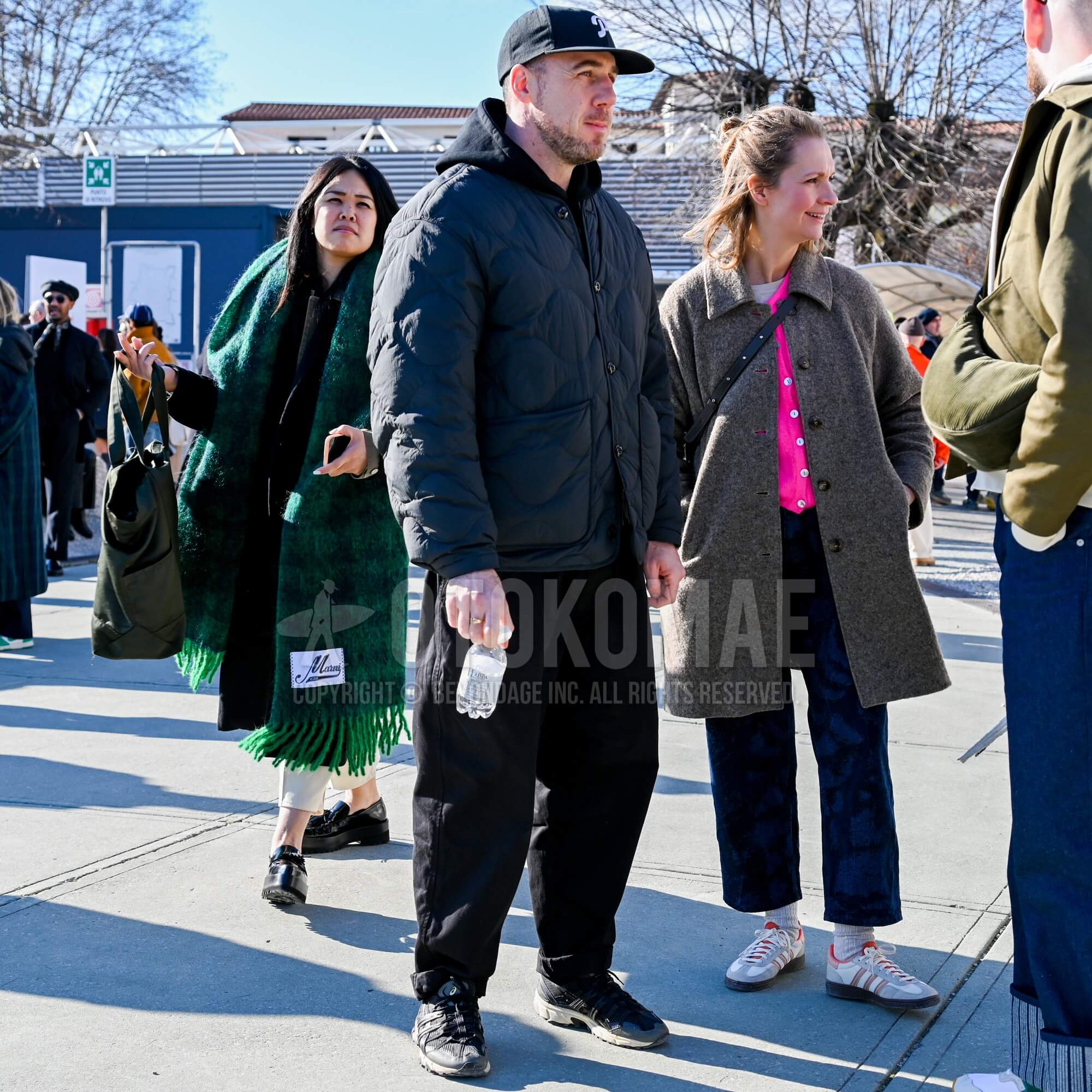
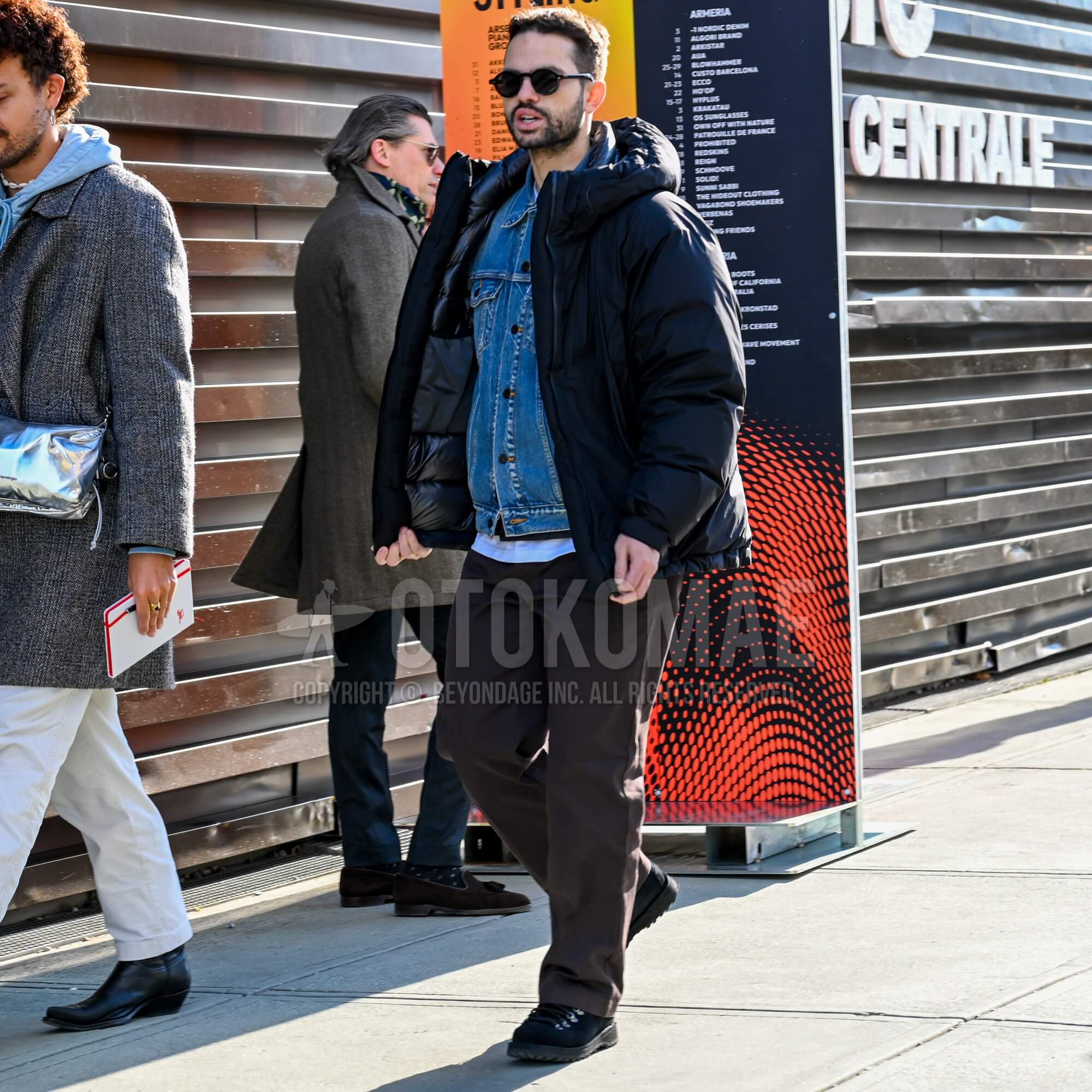
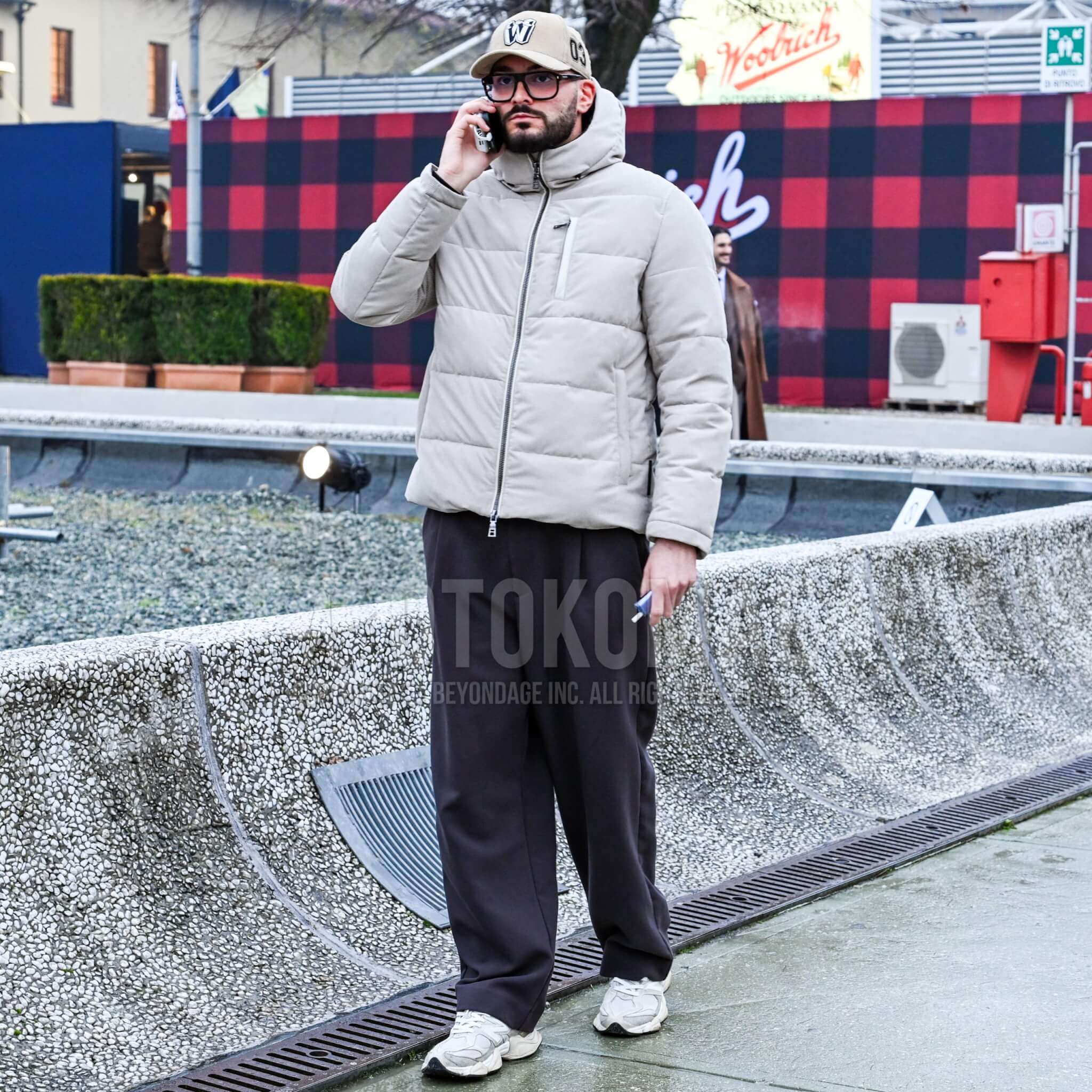
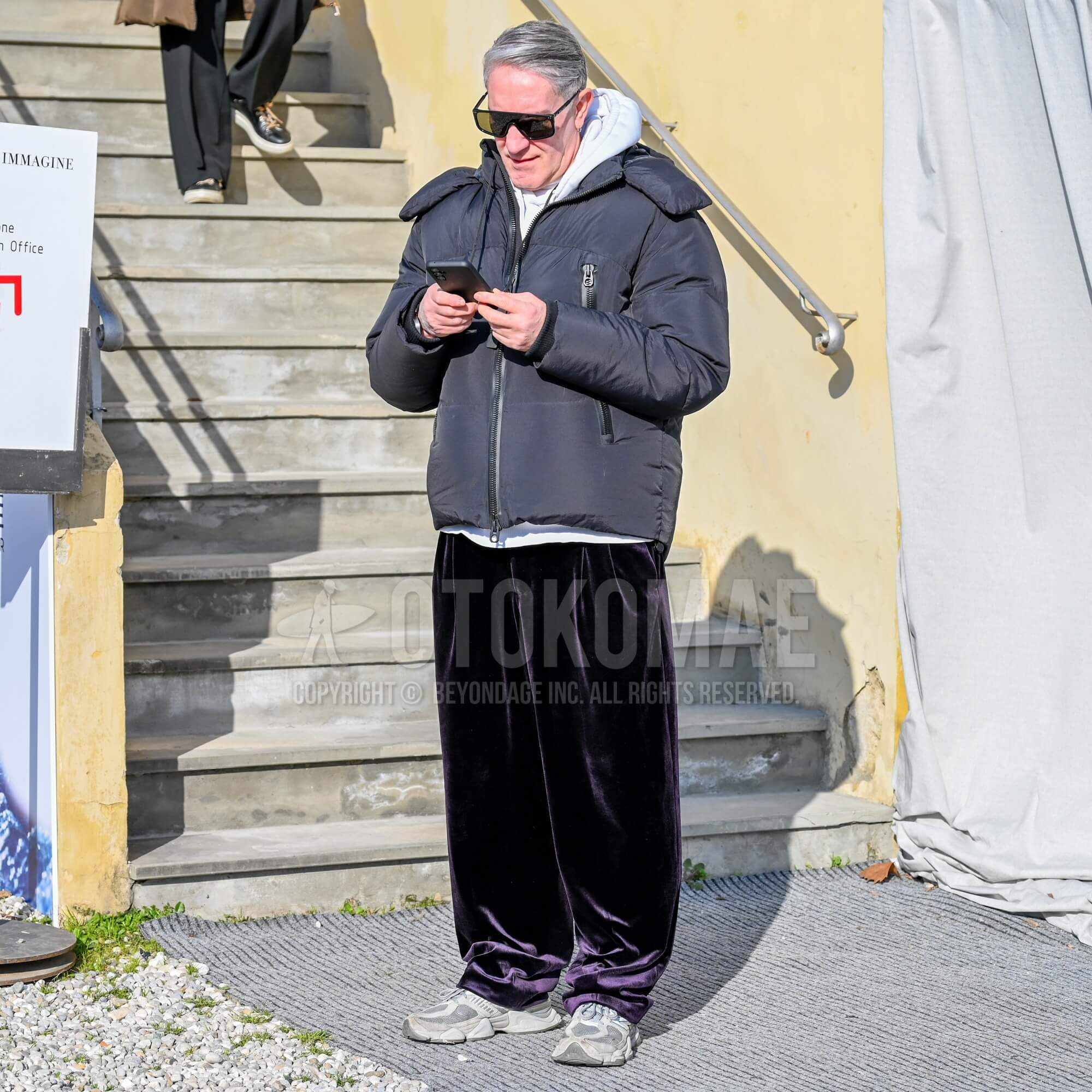
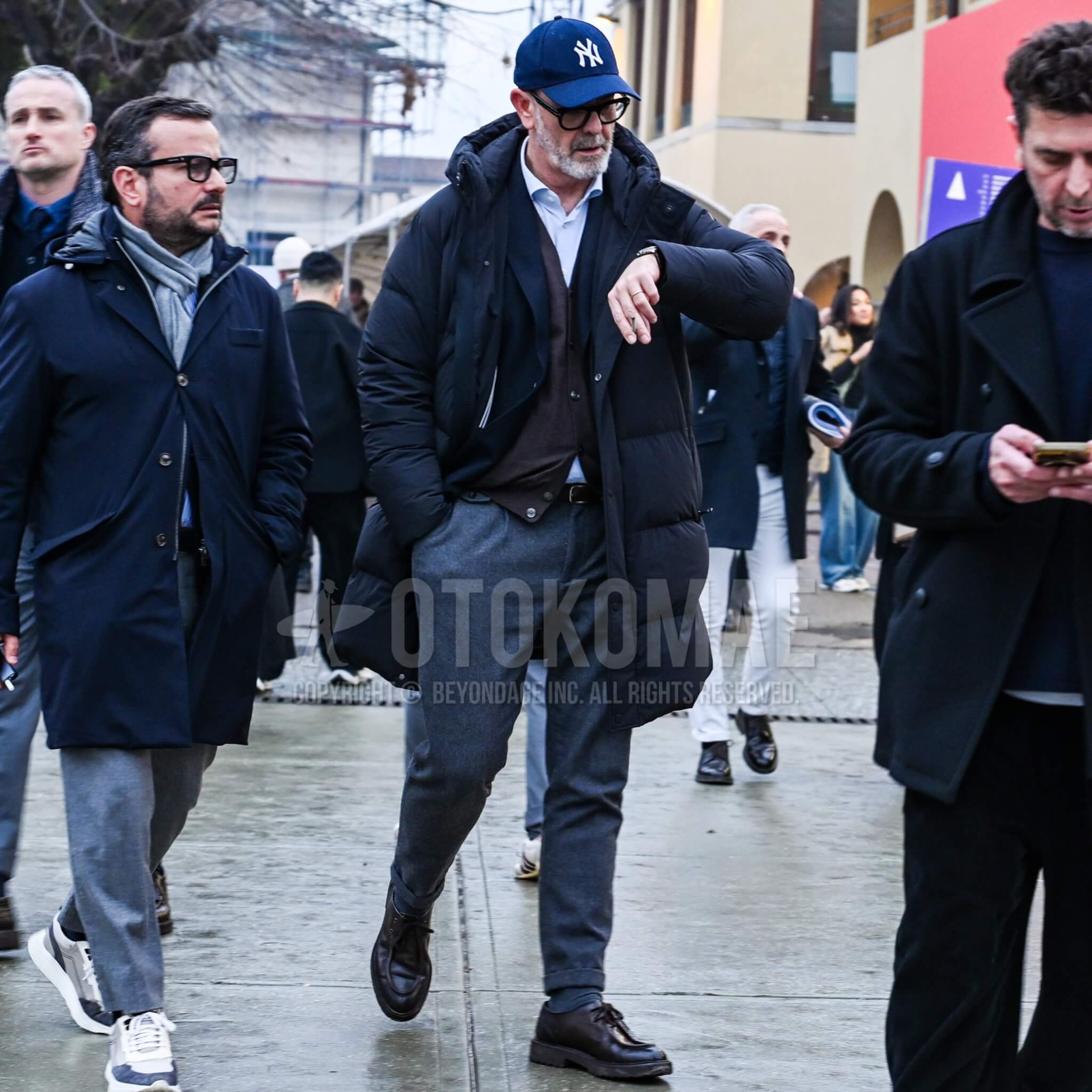
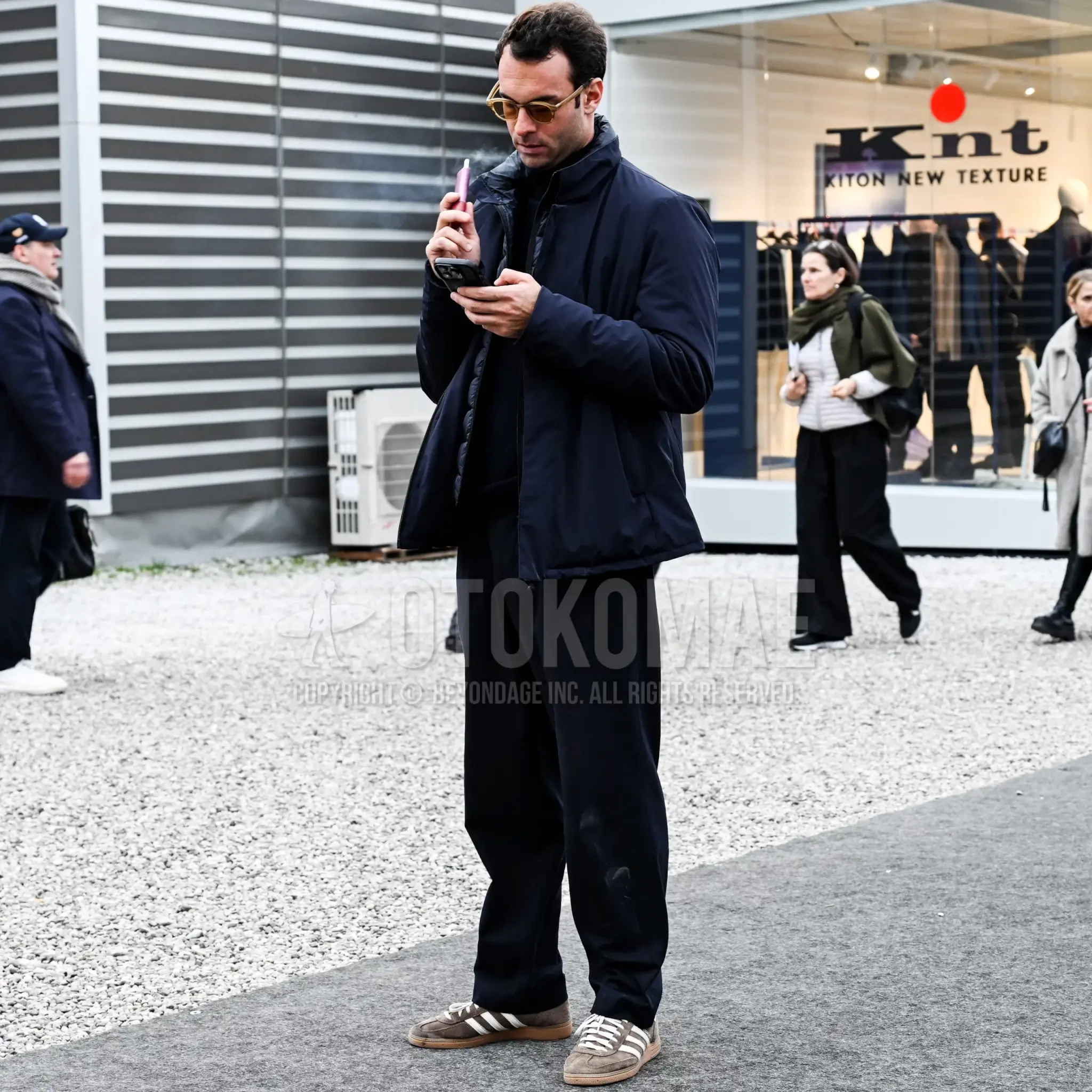
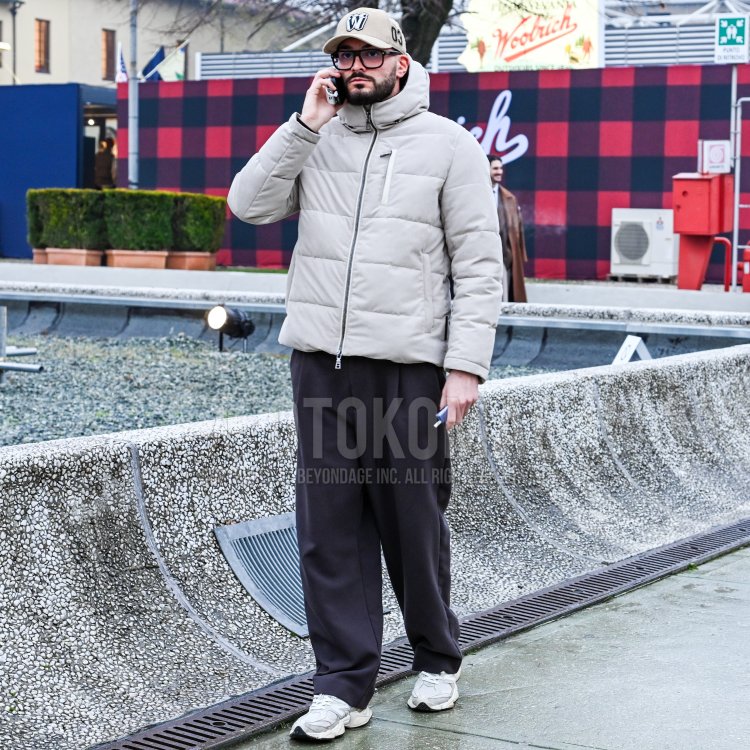
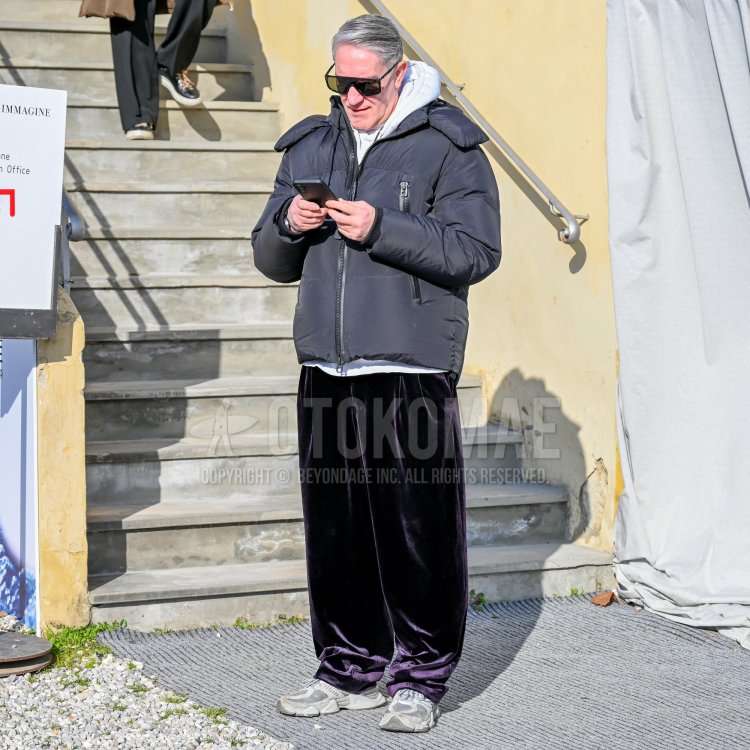
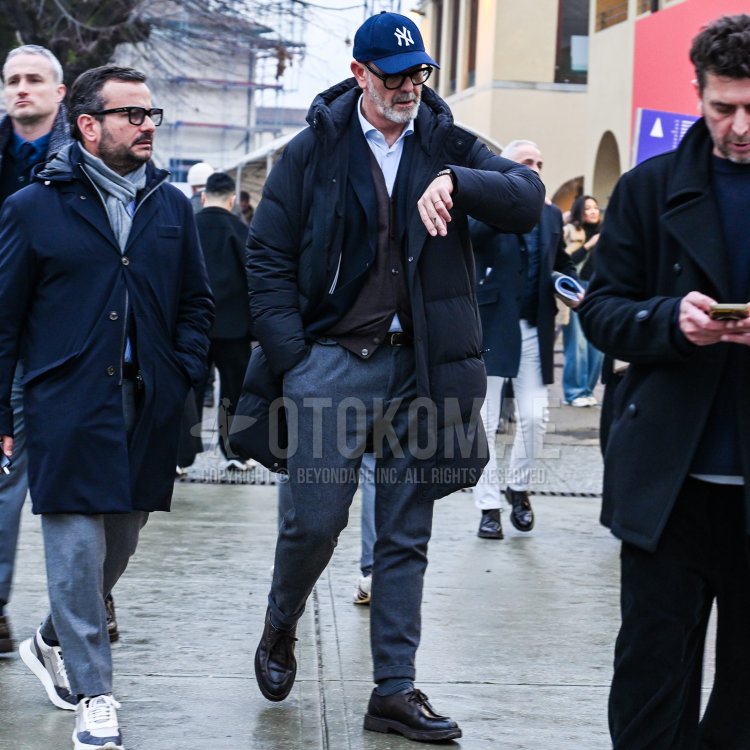
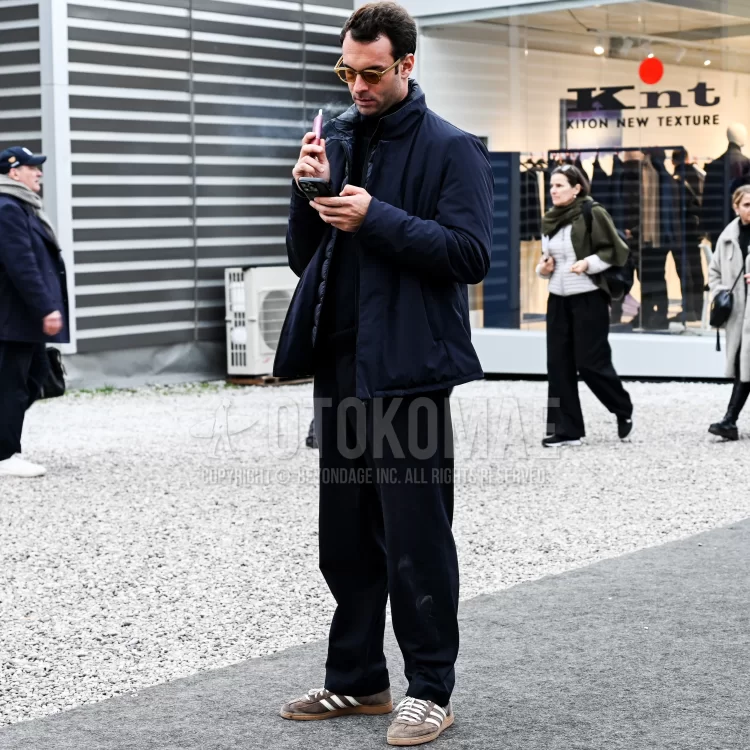
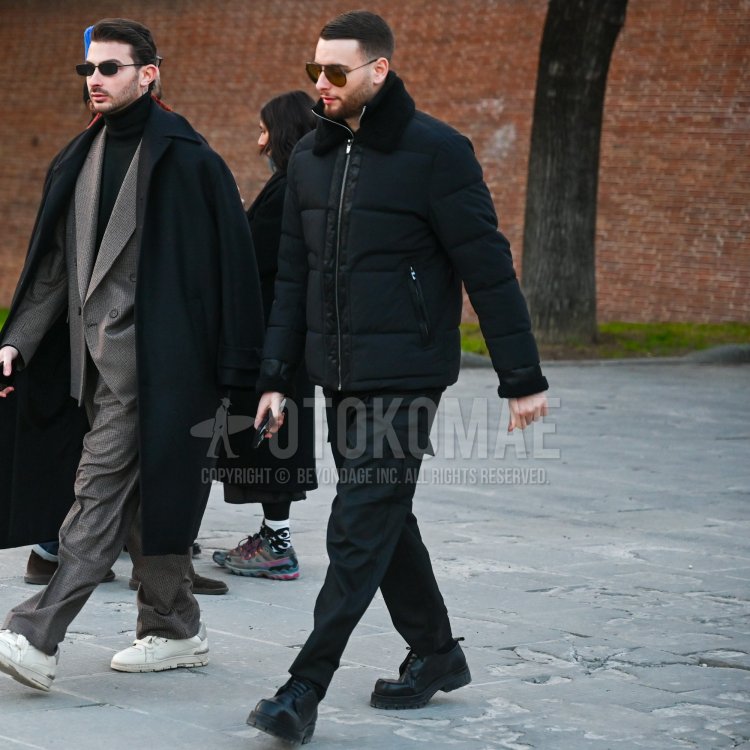
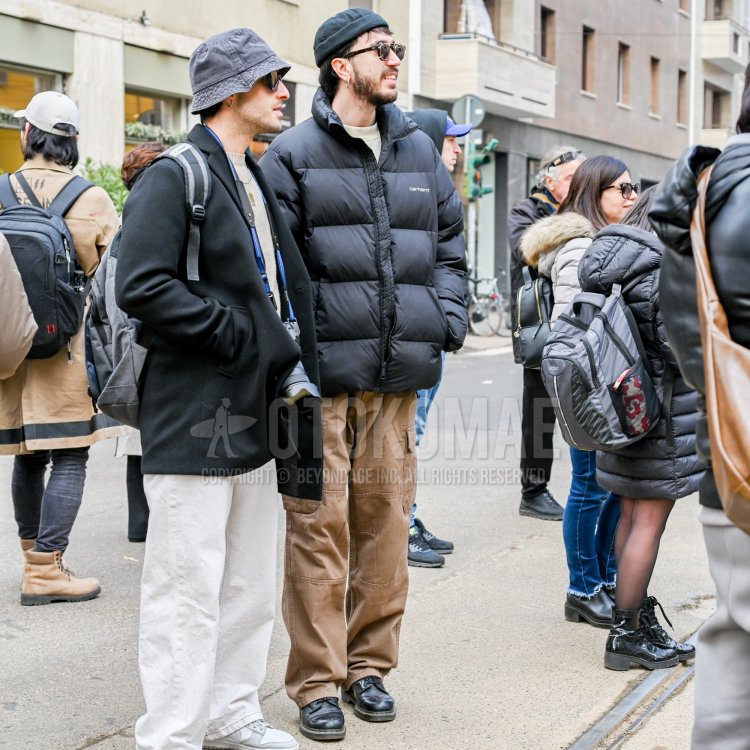
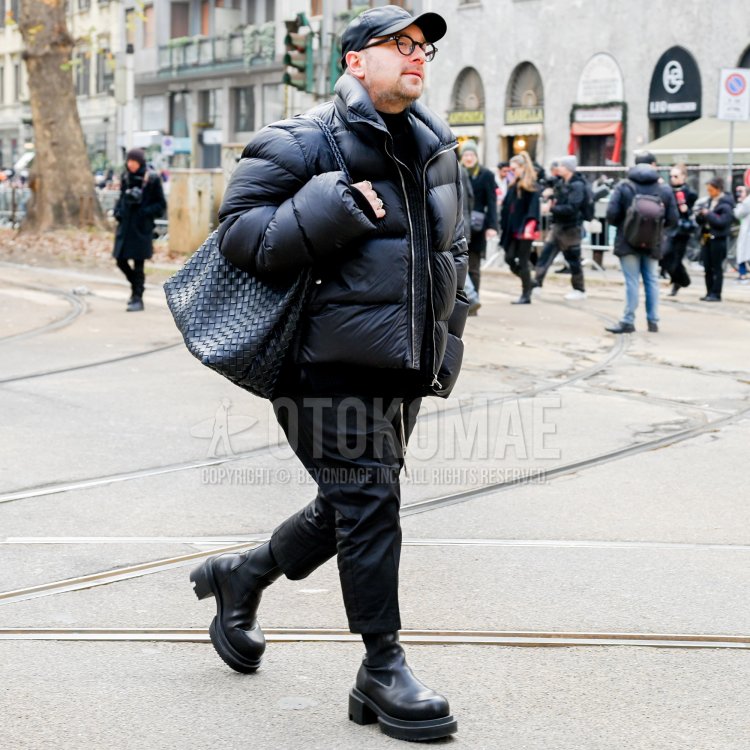
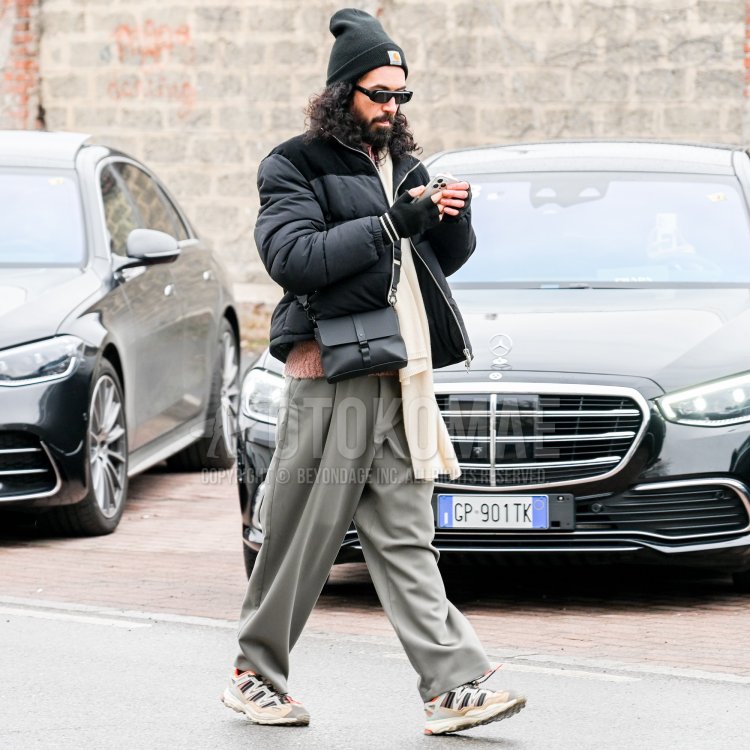
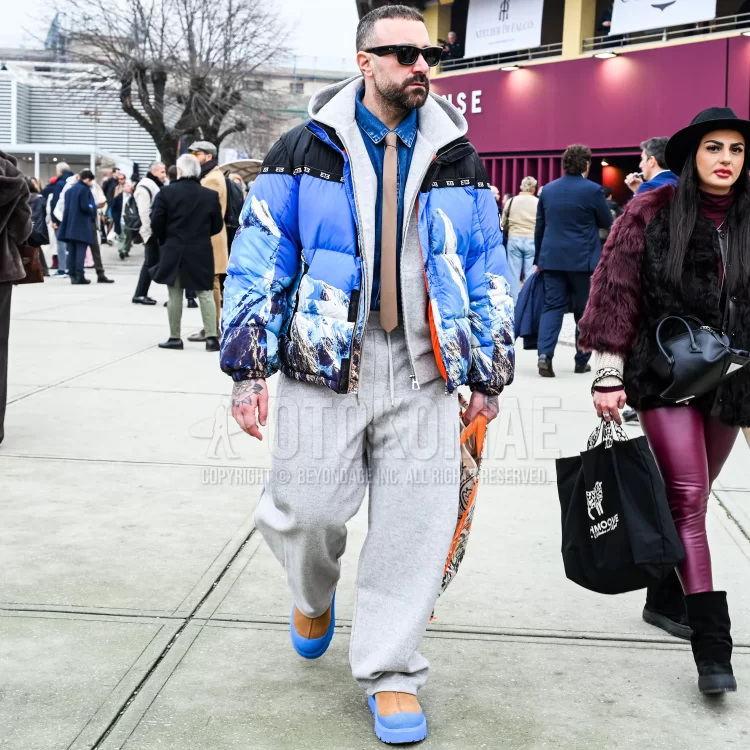
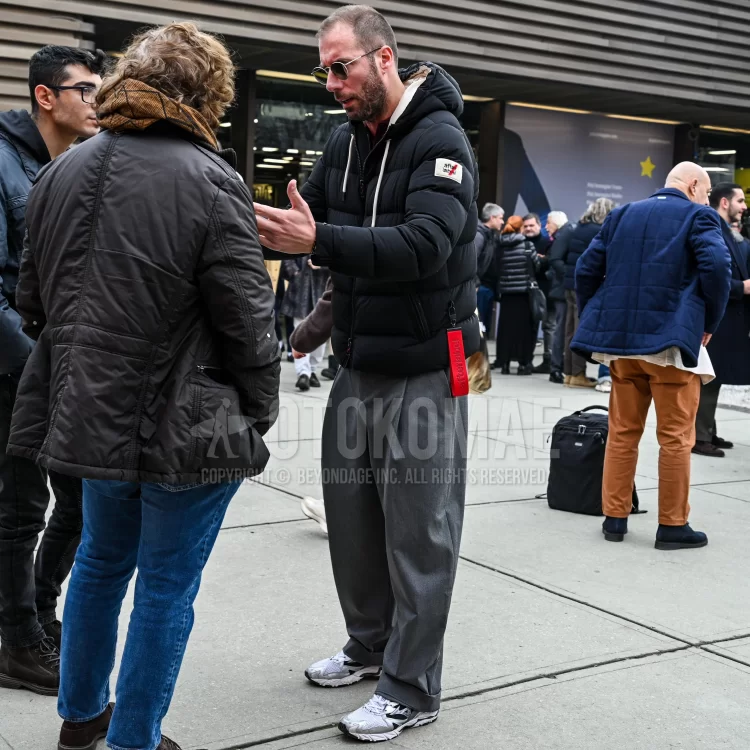
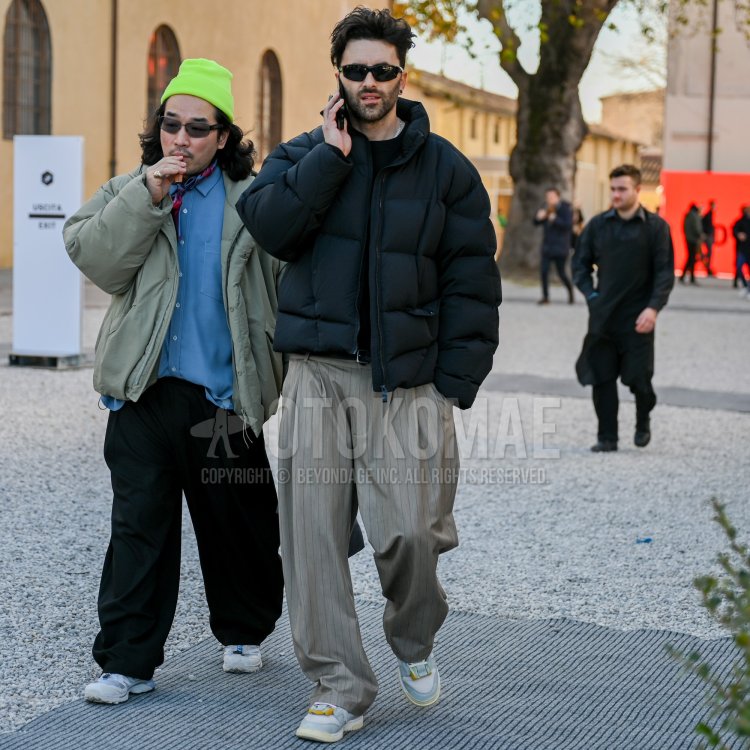
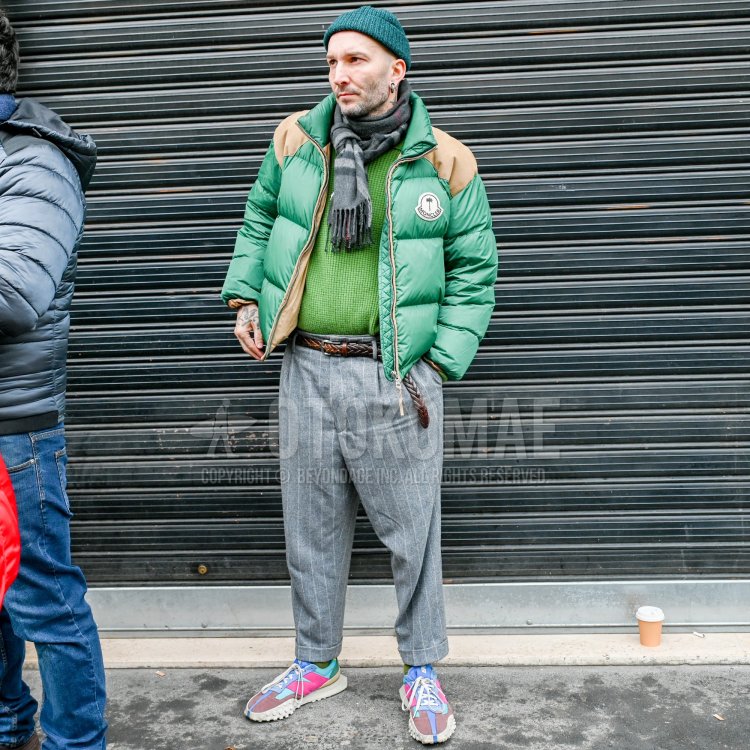
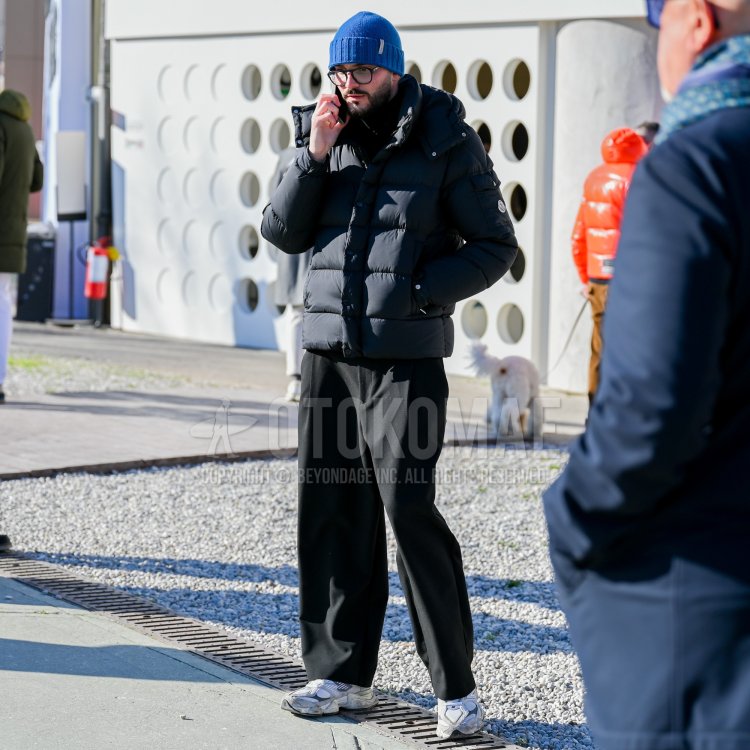
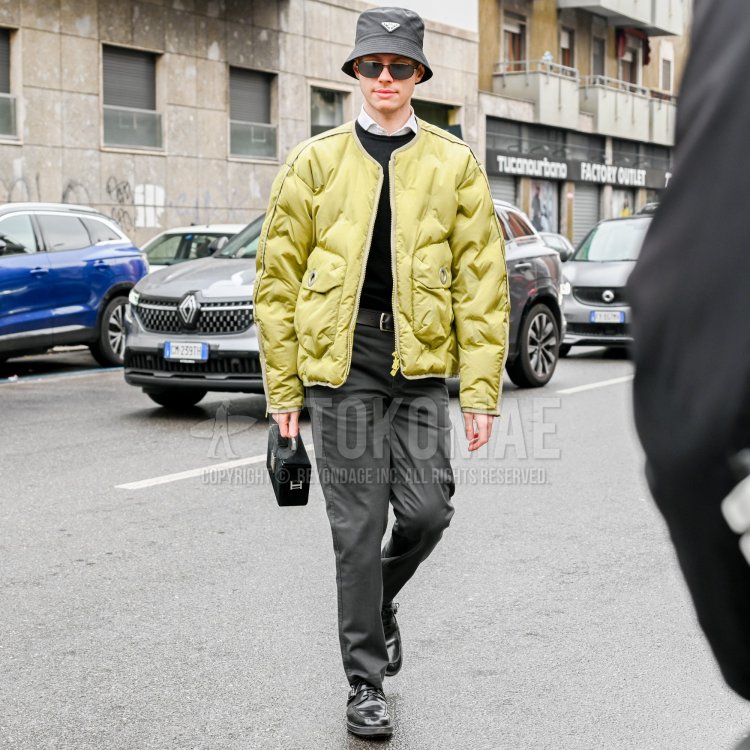
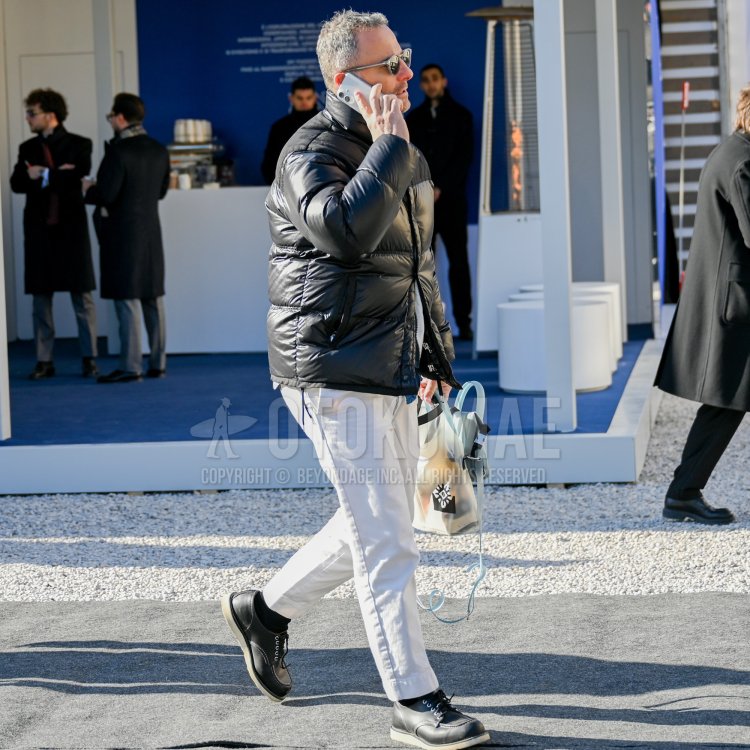
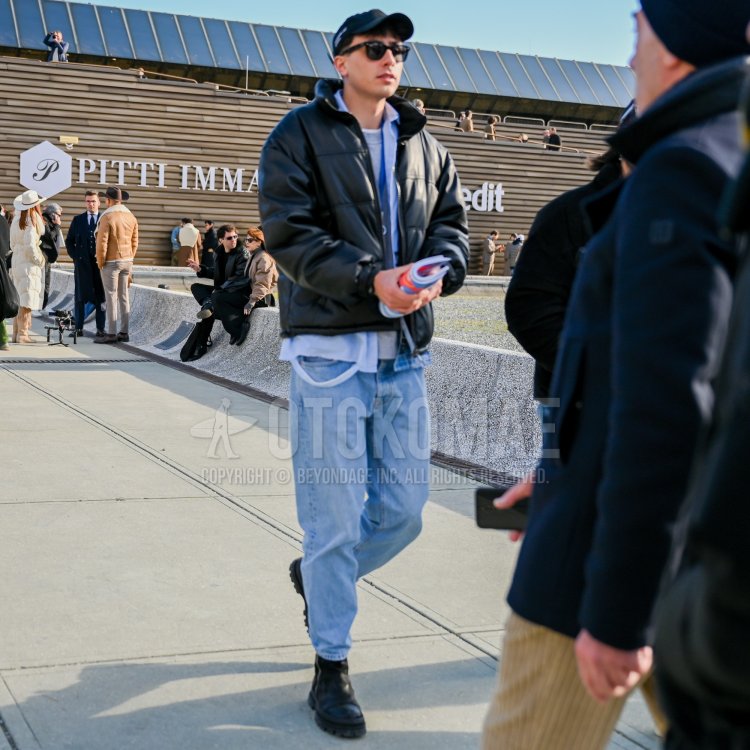
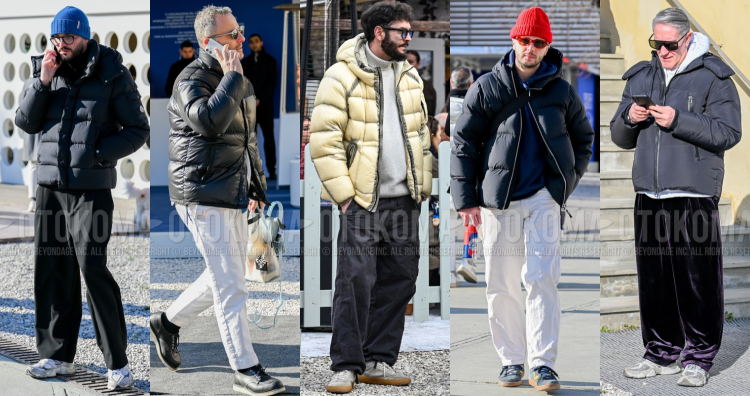
Understanding History Makes Today’s Fashion Even More InterestingOTOKOMAE Snaps of Down Jackets
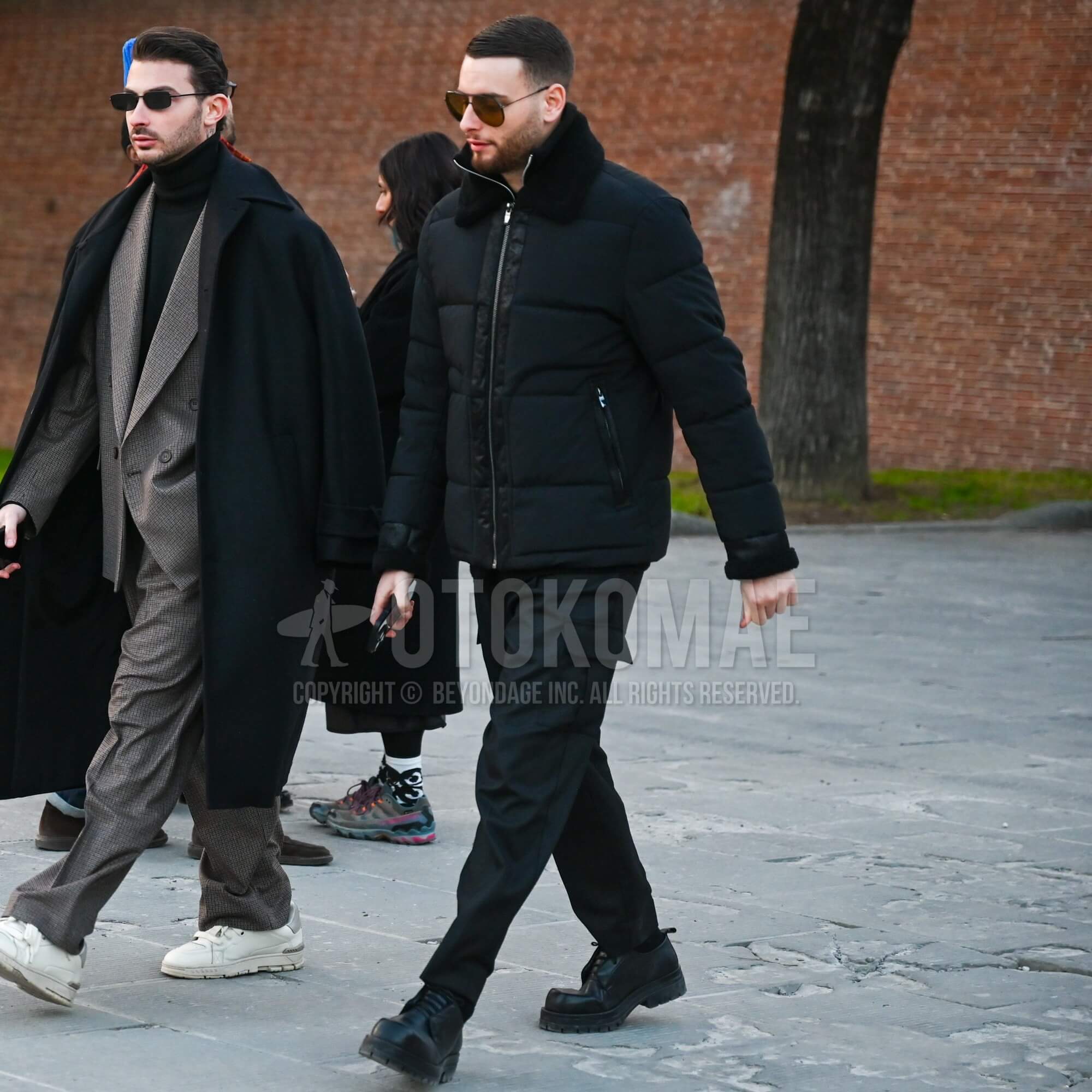
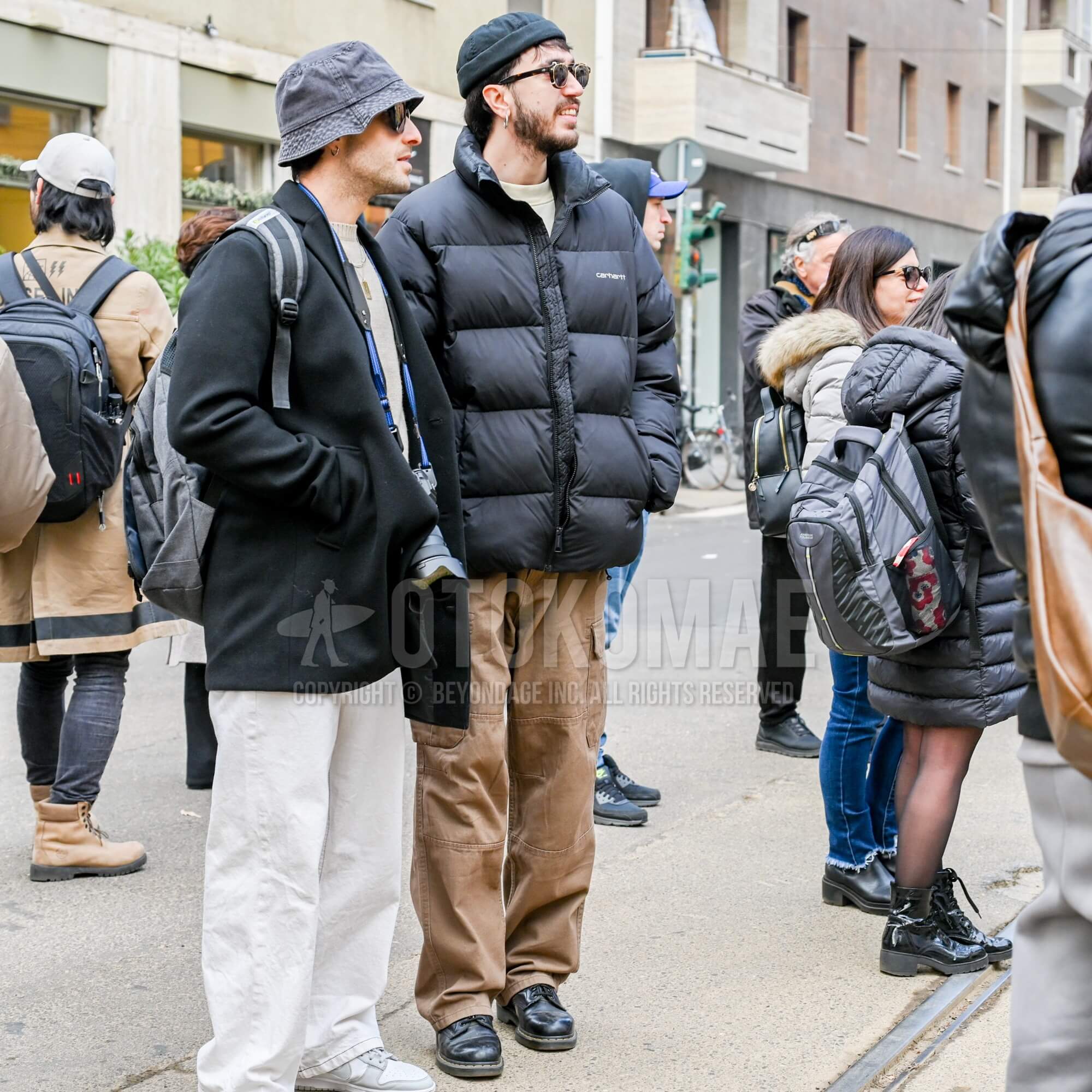
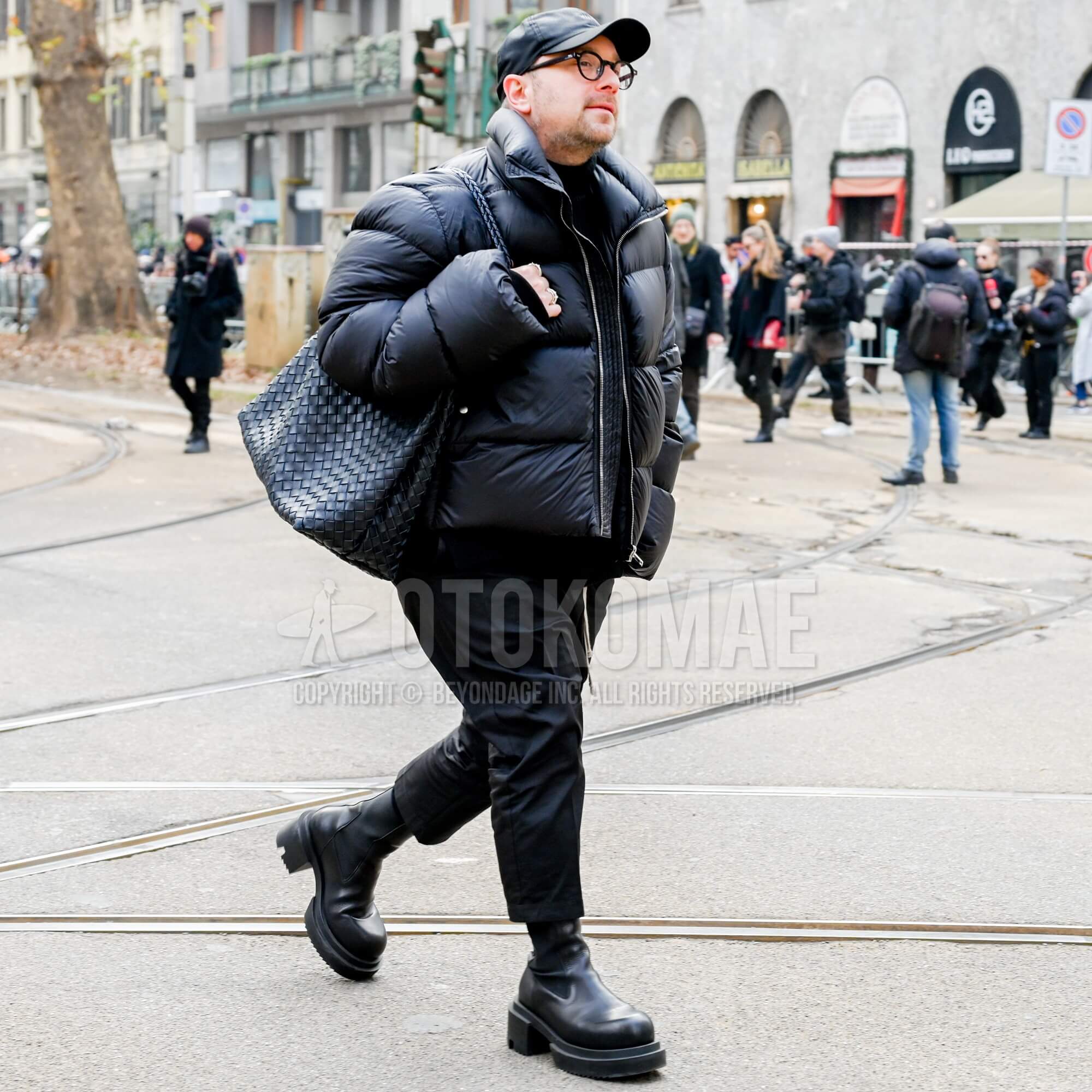
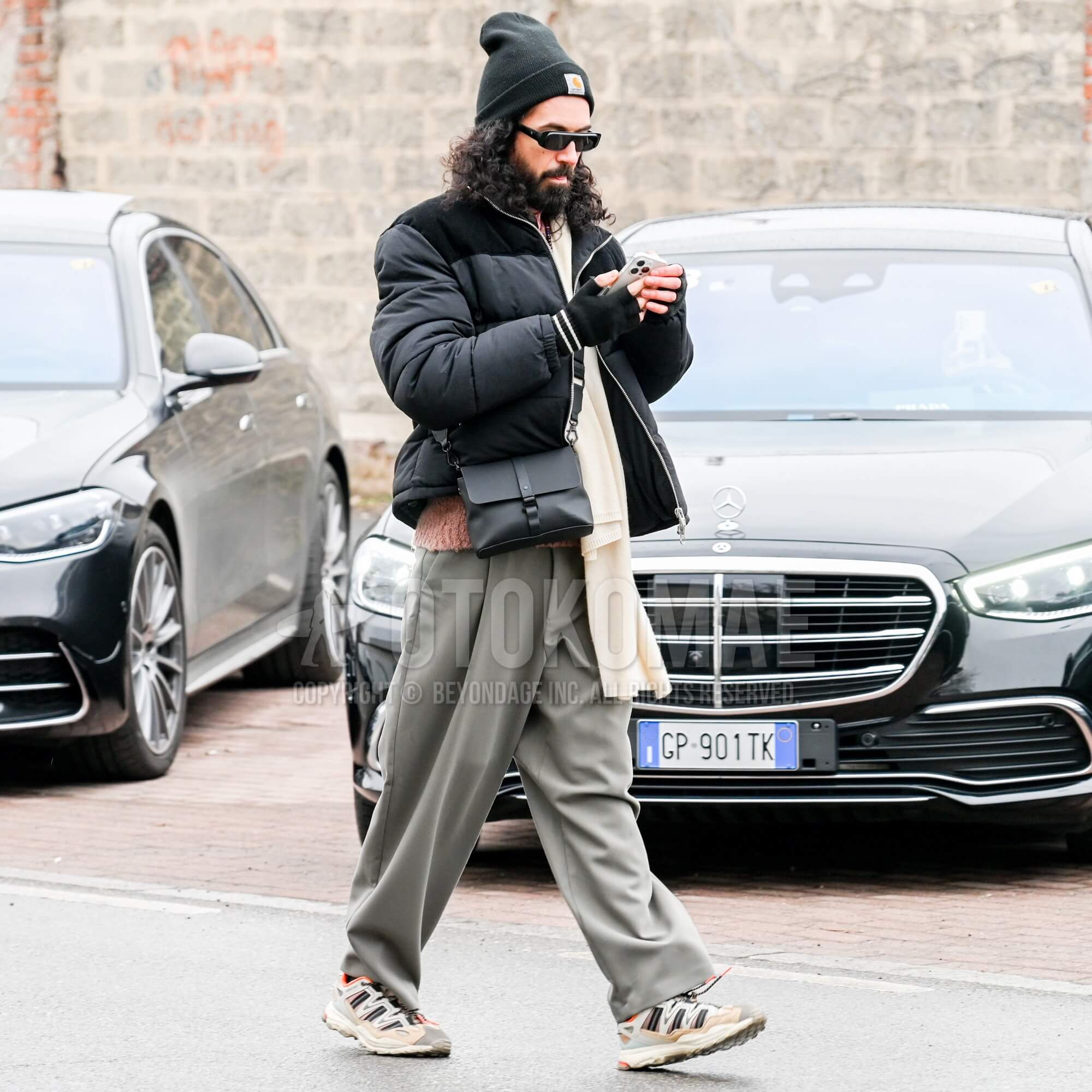
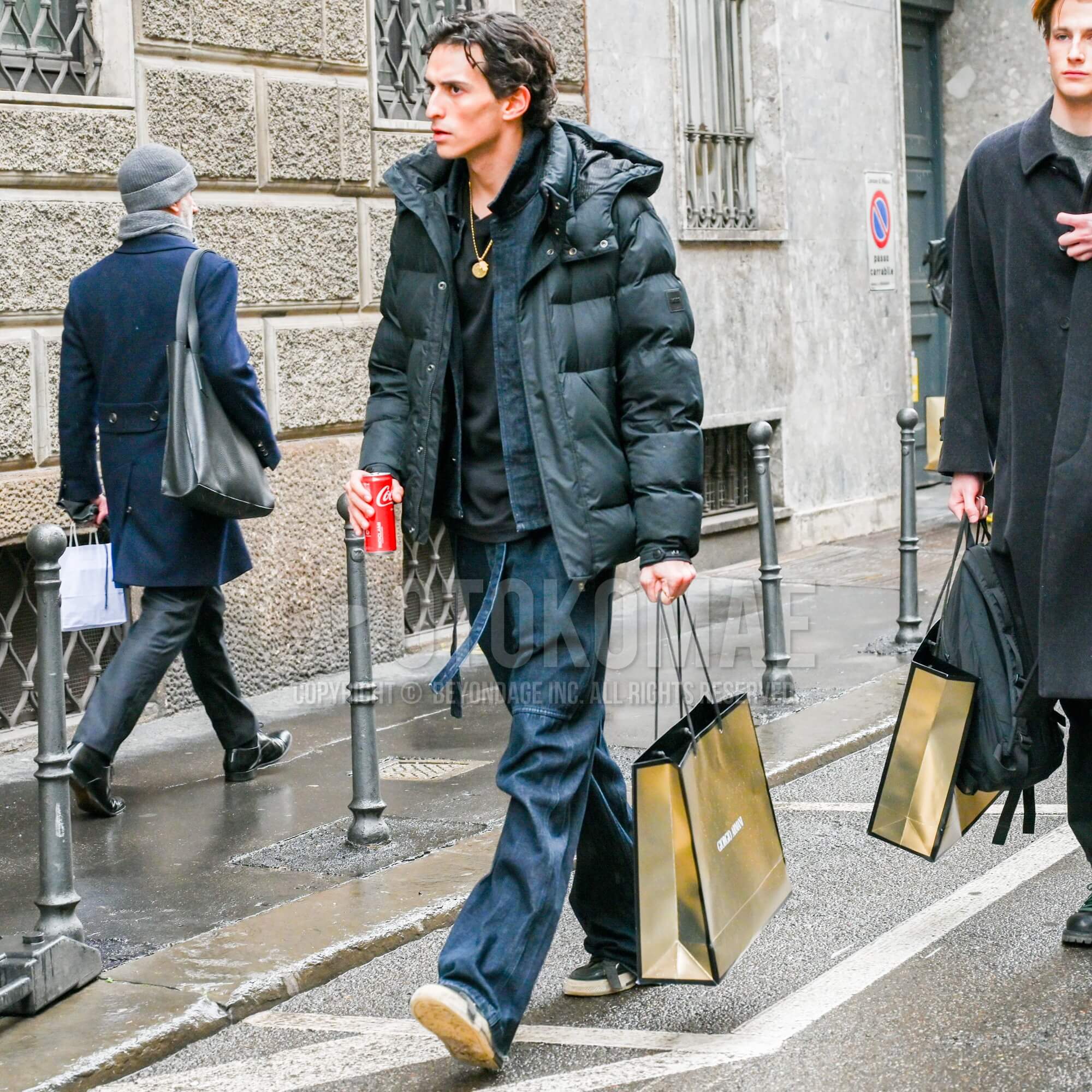
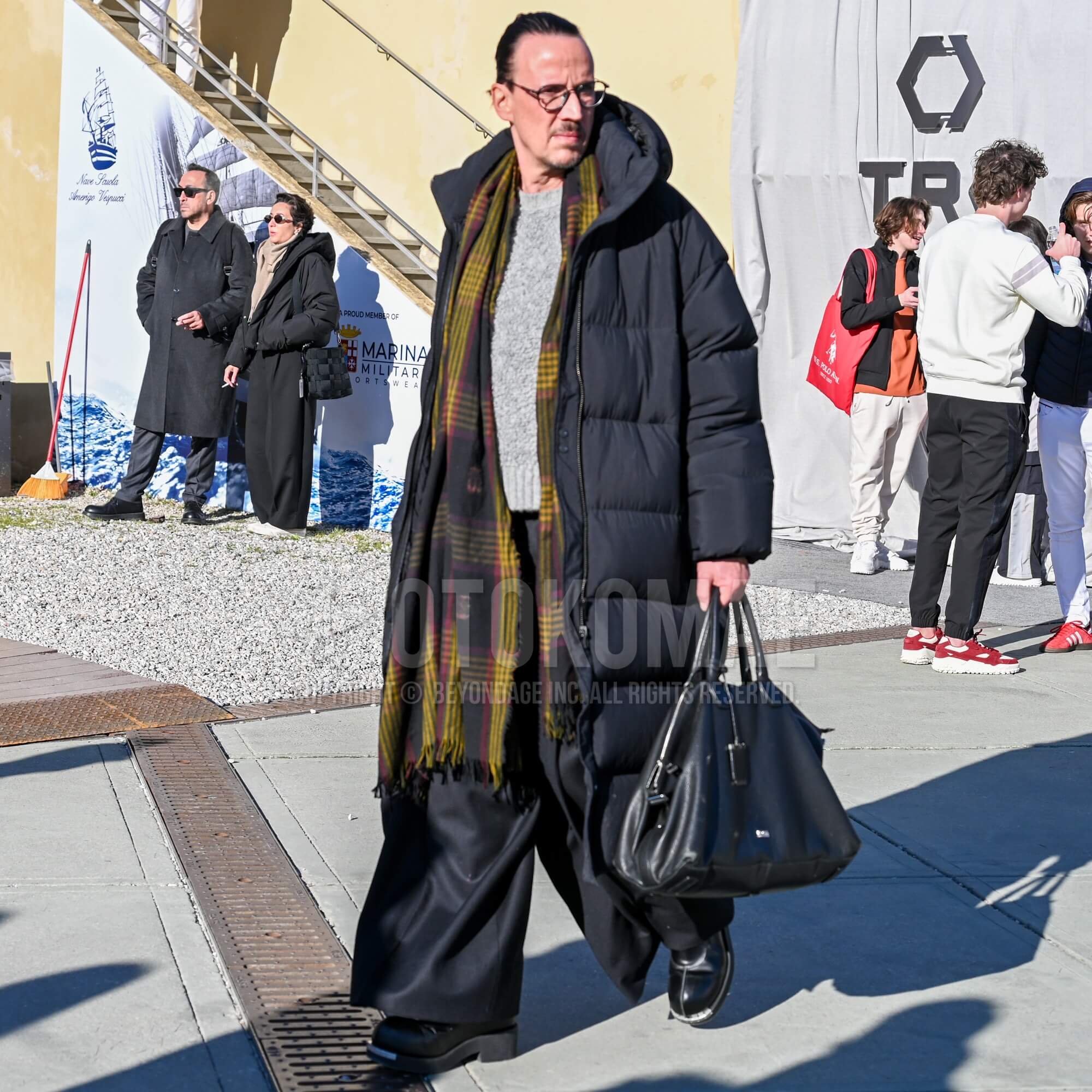
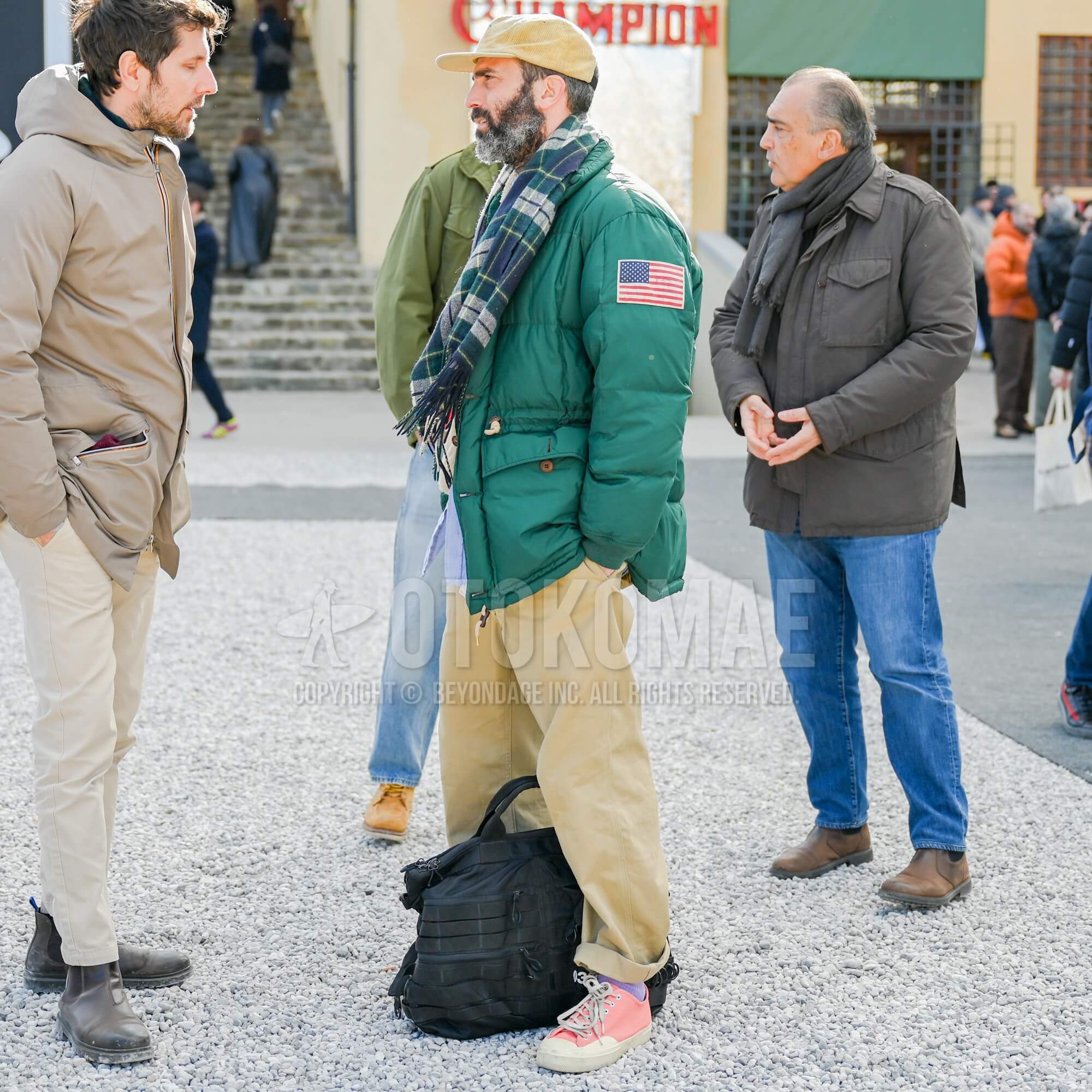
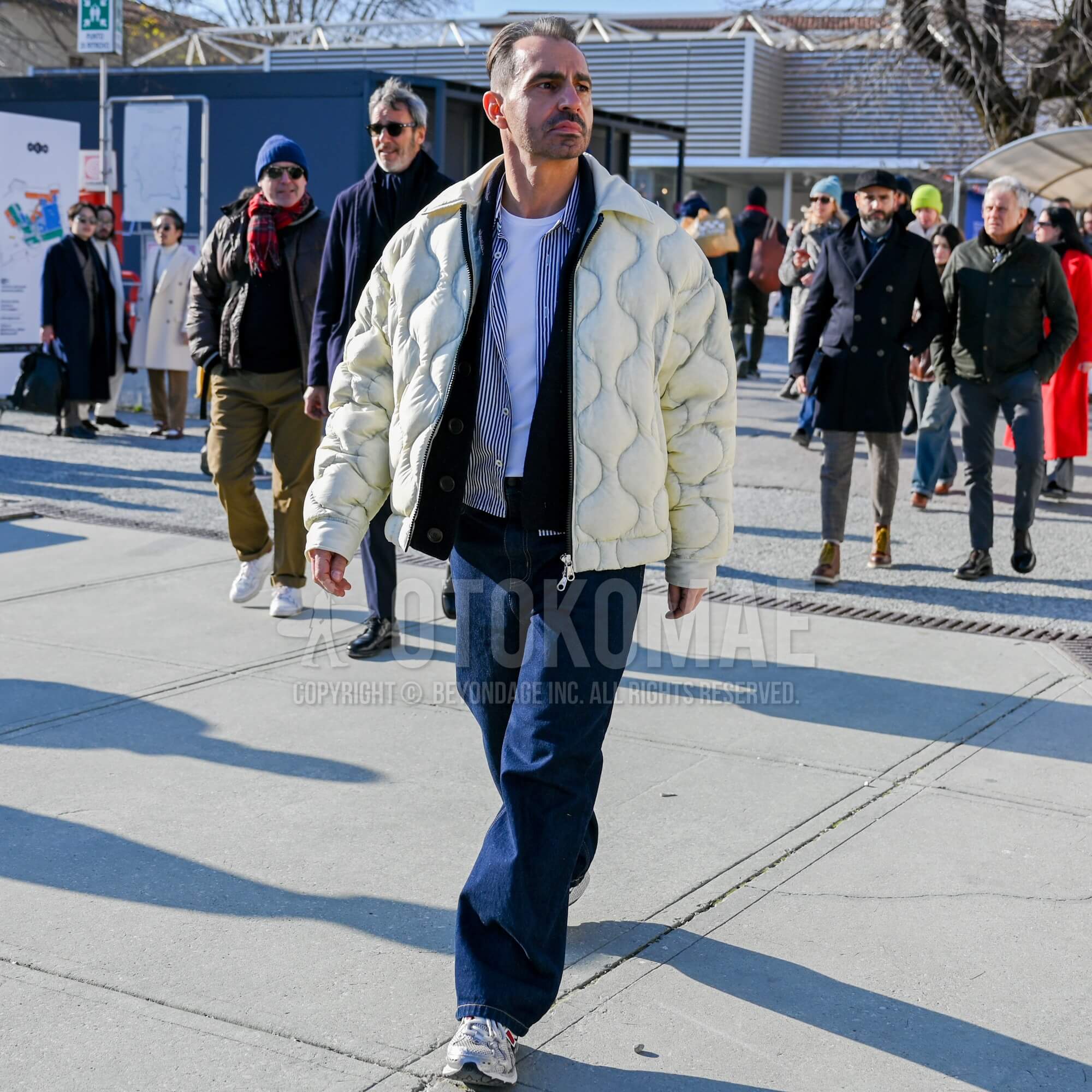
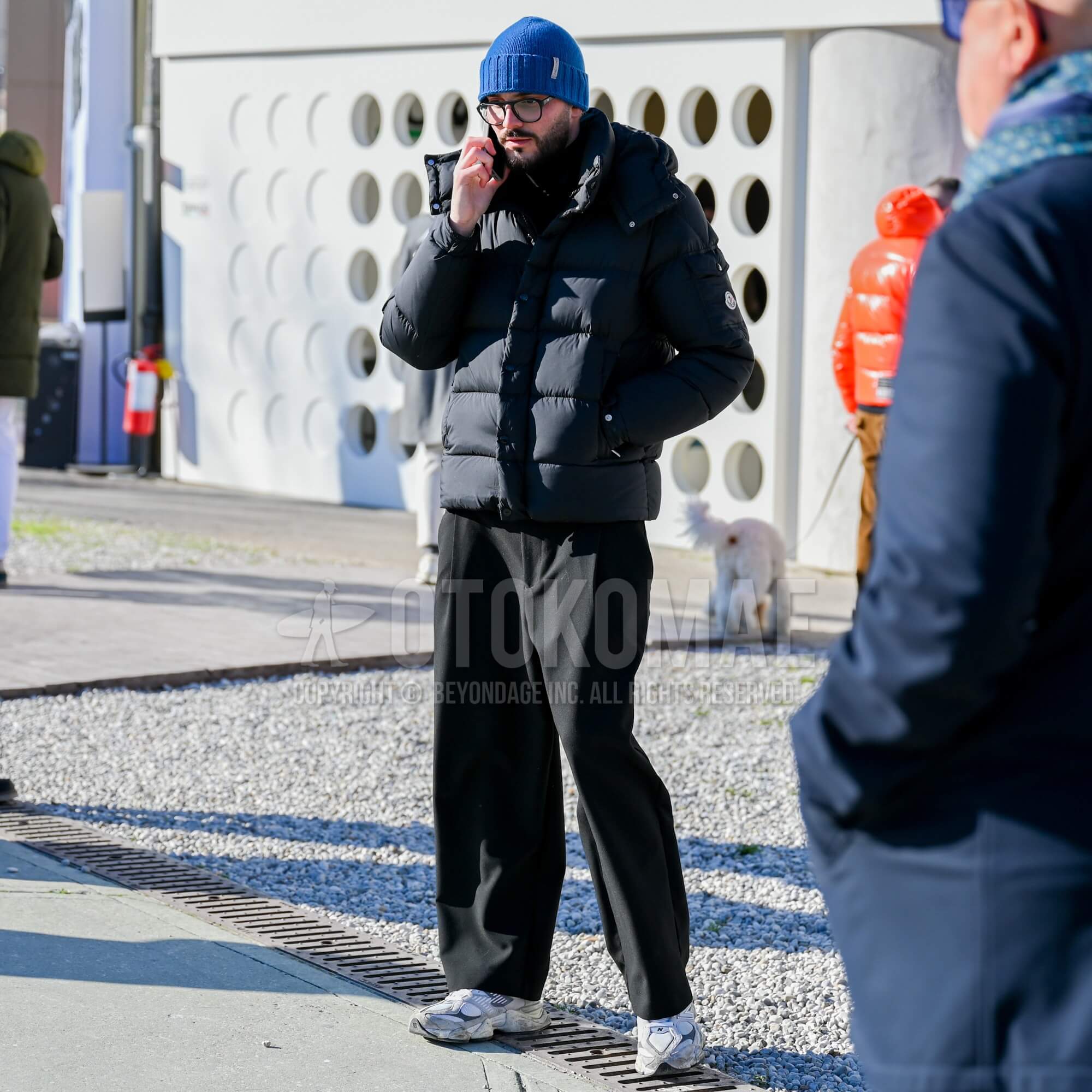
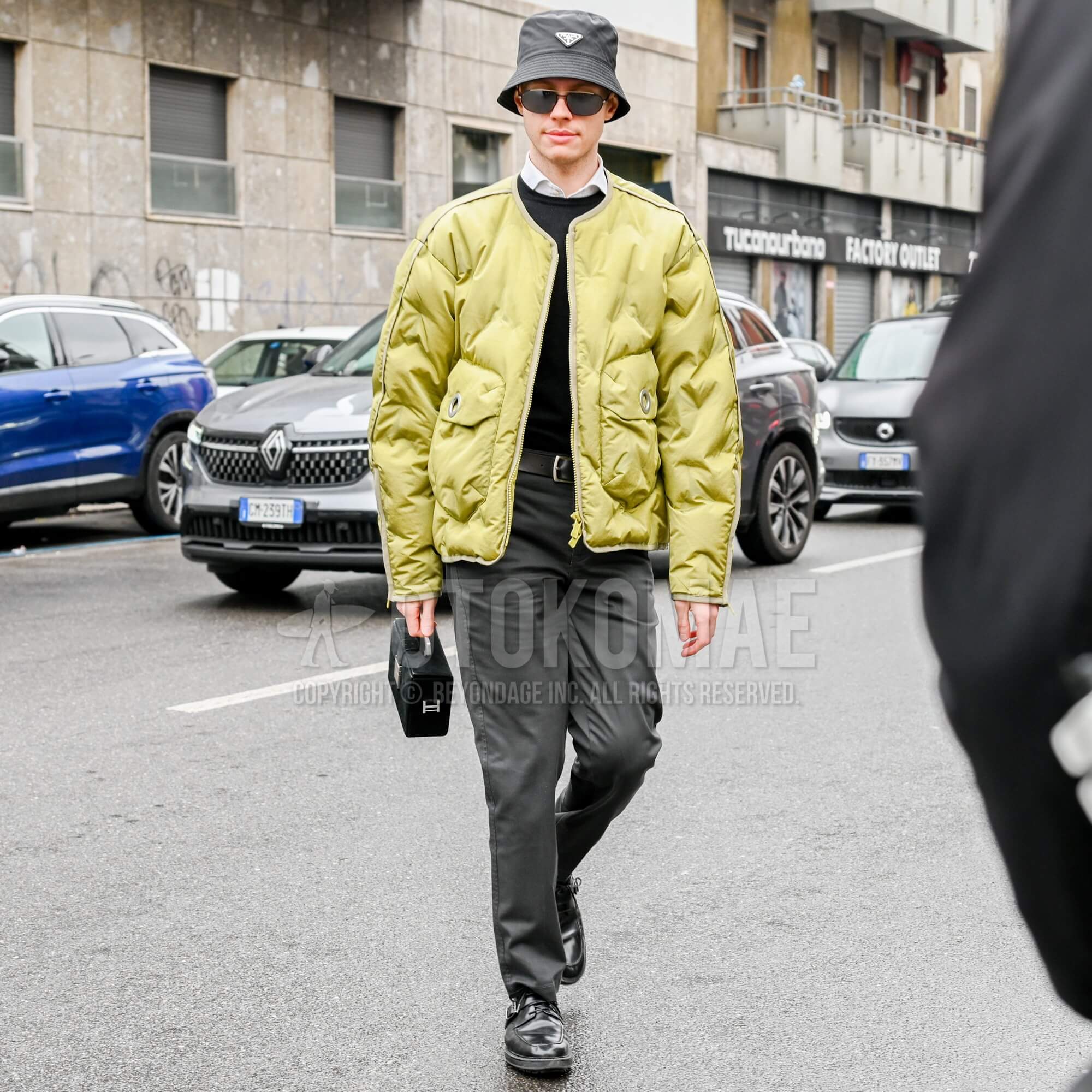
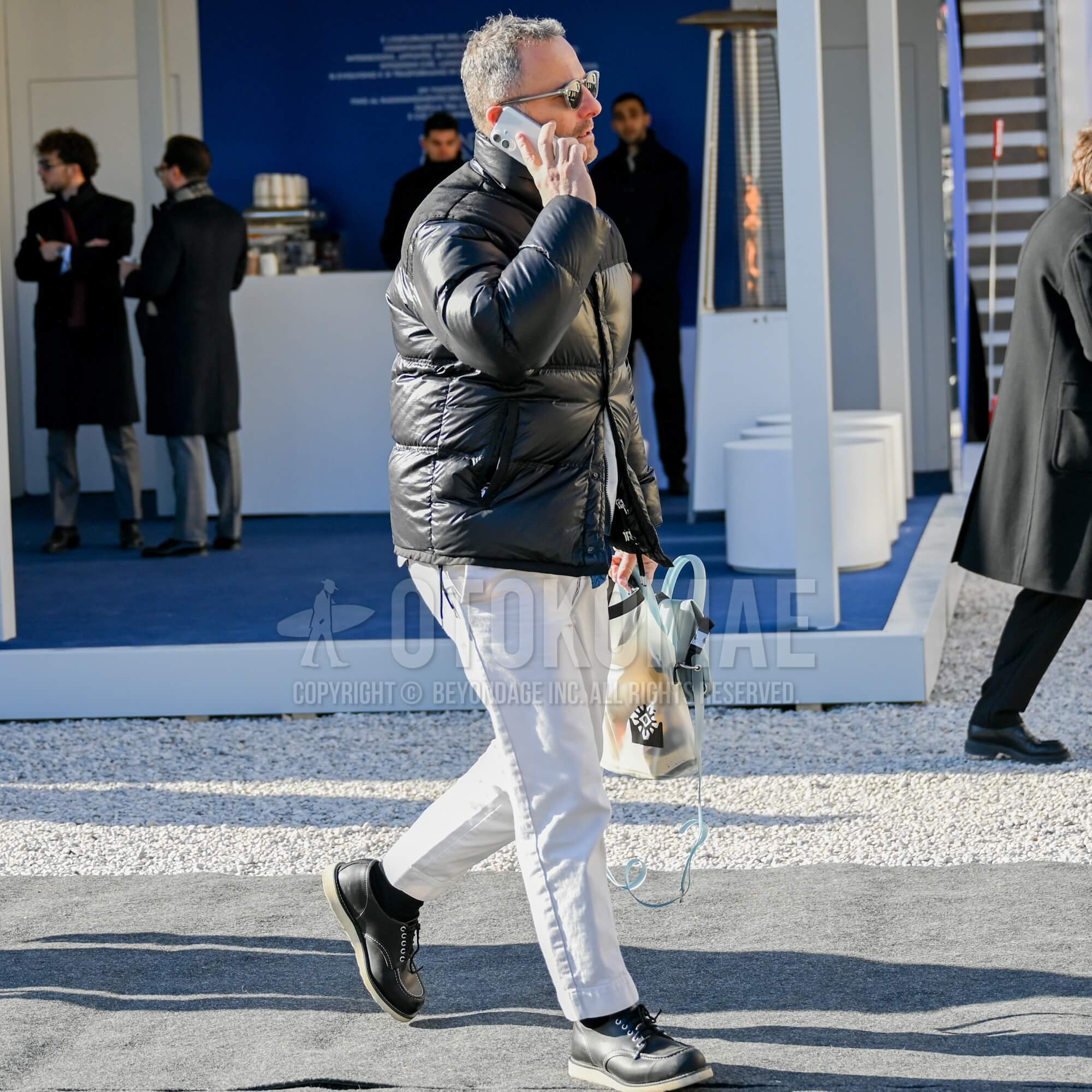
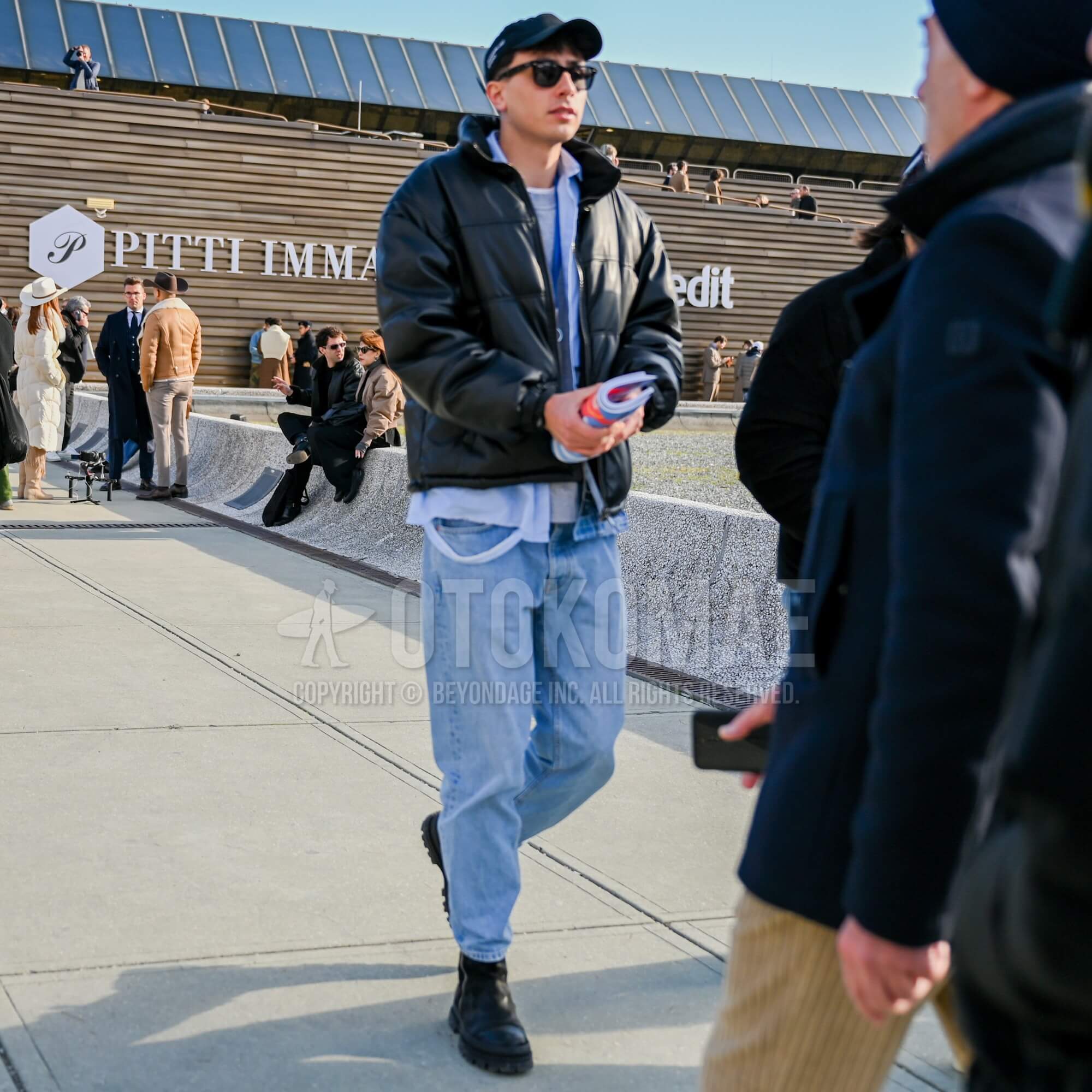
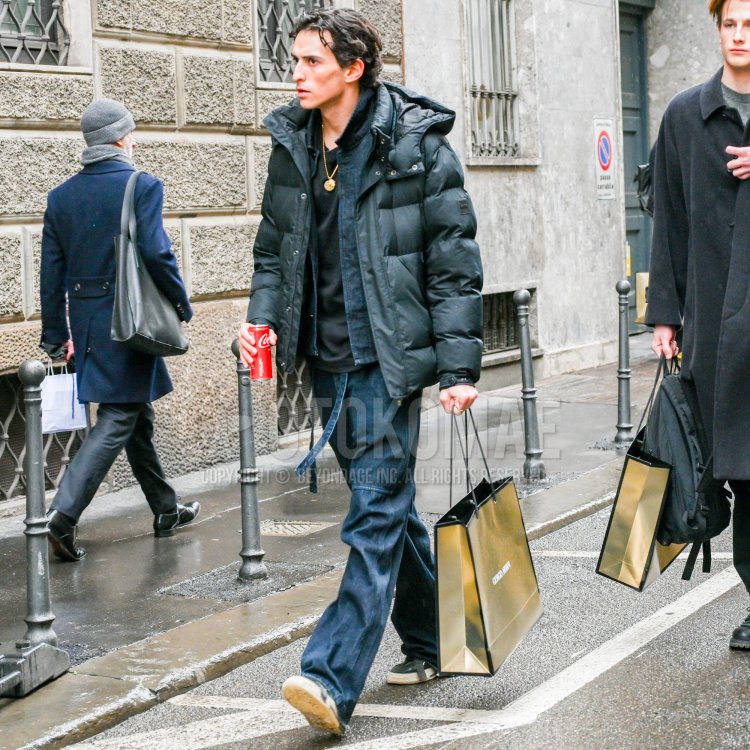
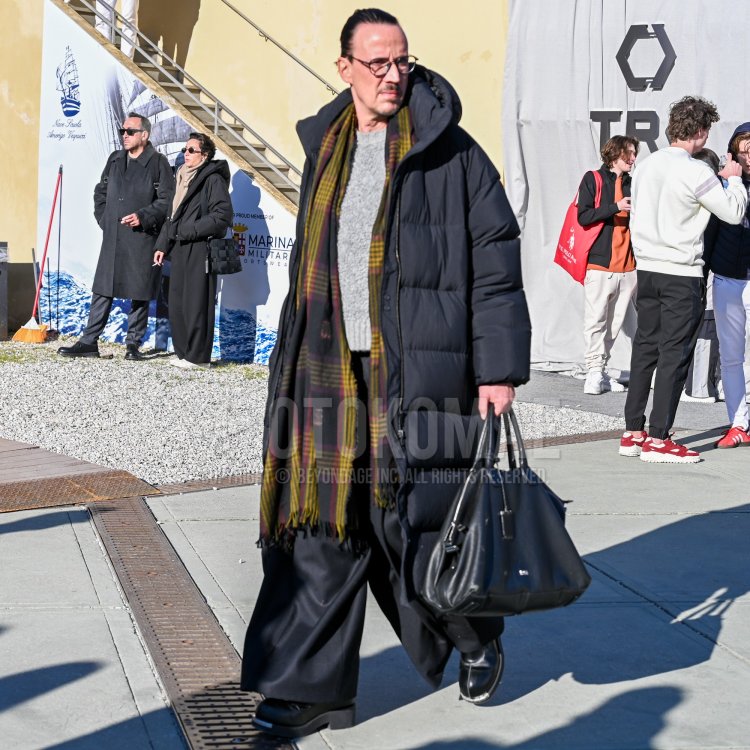
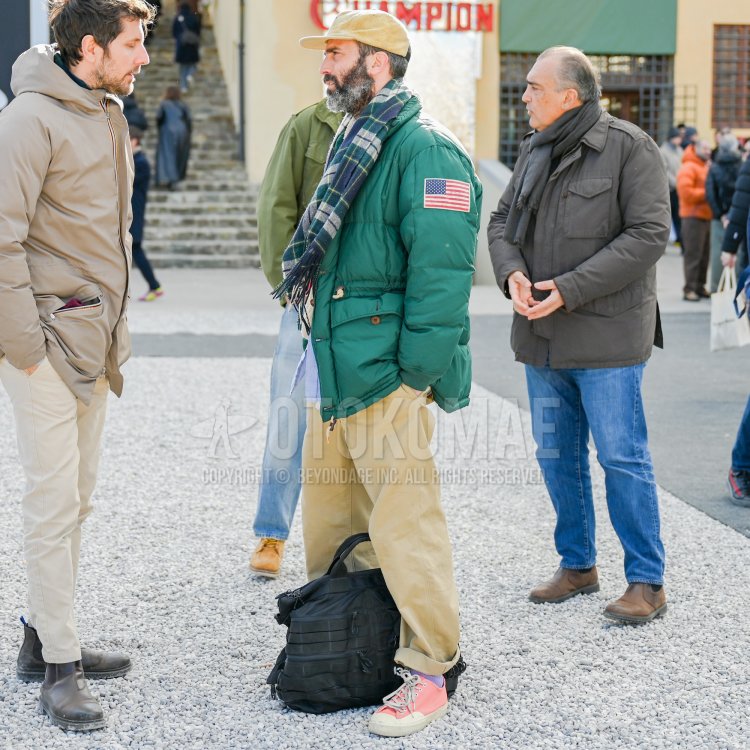
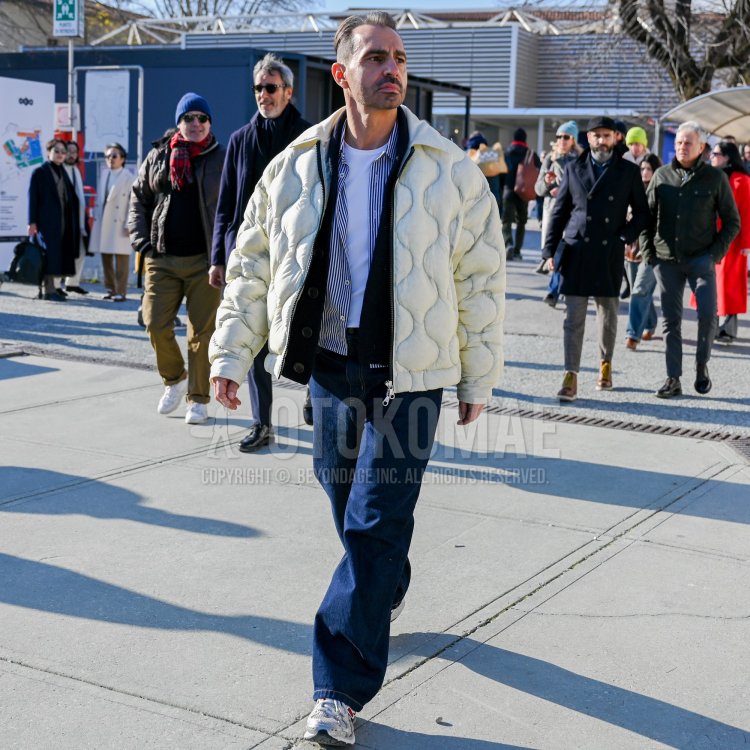
Down jackets have evolved into their current diverse forms by adapting their shapes and specifications to different uses, while also intertwining with the fashion culture of each era.If you look at contemporary styles through the lens of this history, you might discover charms you hadn’t noticed before, as well as tips on how to style them. Finally, we’ll showcase some stylish down jacket snapshots captured by OTOKOMAE.