Long-haul flights associated with business and travel tend to be “just endurance time” for many men. The in-flight environment is a combination of factors that cannot be ignored from a beauty perspective, such as dryness, changes in air pressure, and disrupted sleep rhythms. It is not uncommon for a casual difference in the way one spends time on the plane to make a real difference in the condition and impression of one’s skin after arrival. It is important to turn long-haul flight time into a time for self-improvement, rather than a time to pass aimlessly. This section introduces the beauty perspectives and specific care that men should be aware of in the special environment of the airplane cabin.
Sponsored by
Why is beauty care necessary on airplanes?The in-flight environment is harsh on the skin! Pay attention to dryness, pressure changes, UV rays, and diet.
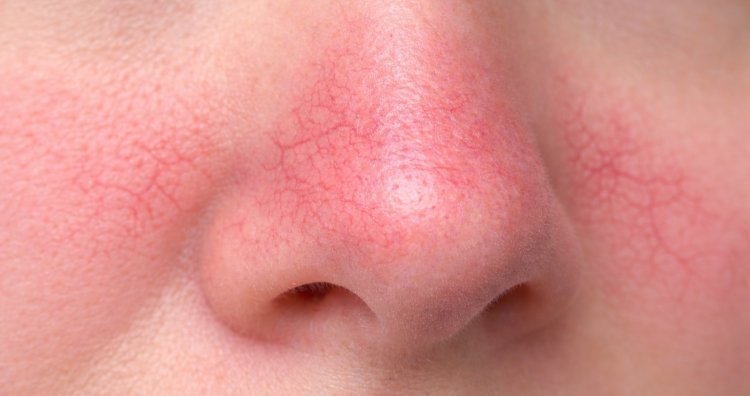
The environment on board an airplane can be much more demanding on the skin than in everyday life. Particularly problematic is the low humidity. The humidity in the cabin of a typical airplane is 10-20%, a level similar to that found in desert areas, according to a professional journal. In this environment, moisture in the stratum corneum is rapidly lost, and the skin’s barrier function is easily compromised. In addition, blood flow stagnation due to changes in atmospheric pressure and swelling due to spending long hours in the same posture cannot be ignored. Irregular sleep rhythms and poor sleep quality can also affect the skin’s repair function. In addition, the effects of ultraviolet rays are another factor that should not be overlooked. Generally speaking, it is said that the amount of ultraviolet rays increases by approximately 10-15% for every 1,000 meters of altitude gain. This means that at the cruising altitude of an international flight, passengers are exposed to more than twice the amount of ultraviolet rays as they are on the ground. It should also be noted that in-flight meals tend to contain fewer fresh vegetables and fruits due to preservation and serving conditions, which can lead to a lack of vitamins and dietary fiber. This imbalance in nutritional balance can also affect the condition of the skin.
Given these conditions, it is not excessive to provide beauty care on board. Rather, it is precisely because it is a situation where environmental risks are clear that it makes sense to be aware of minimal moisturizing and conditioning. It should be understood that it is not so much the care before and after the flight that determines the impression one makes after arrival, but the way one spends their time during the journey itself.
How to endure desert-level dryness?Moisturizing is the key
Measures to Prevent Dryness on Board 1Use Moisturizing Spray Regularly
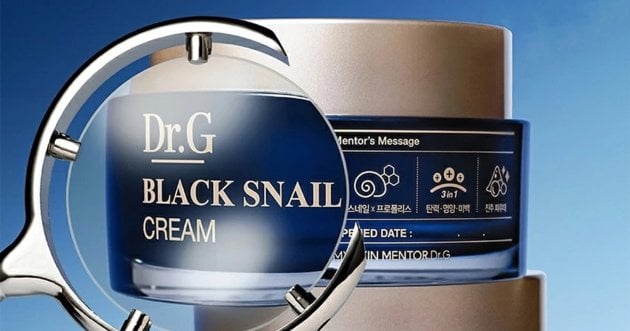
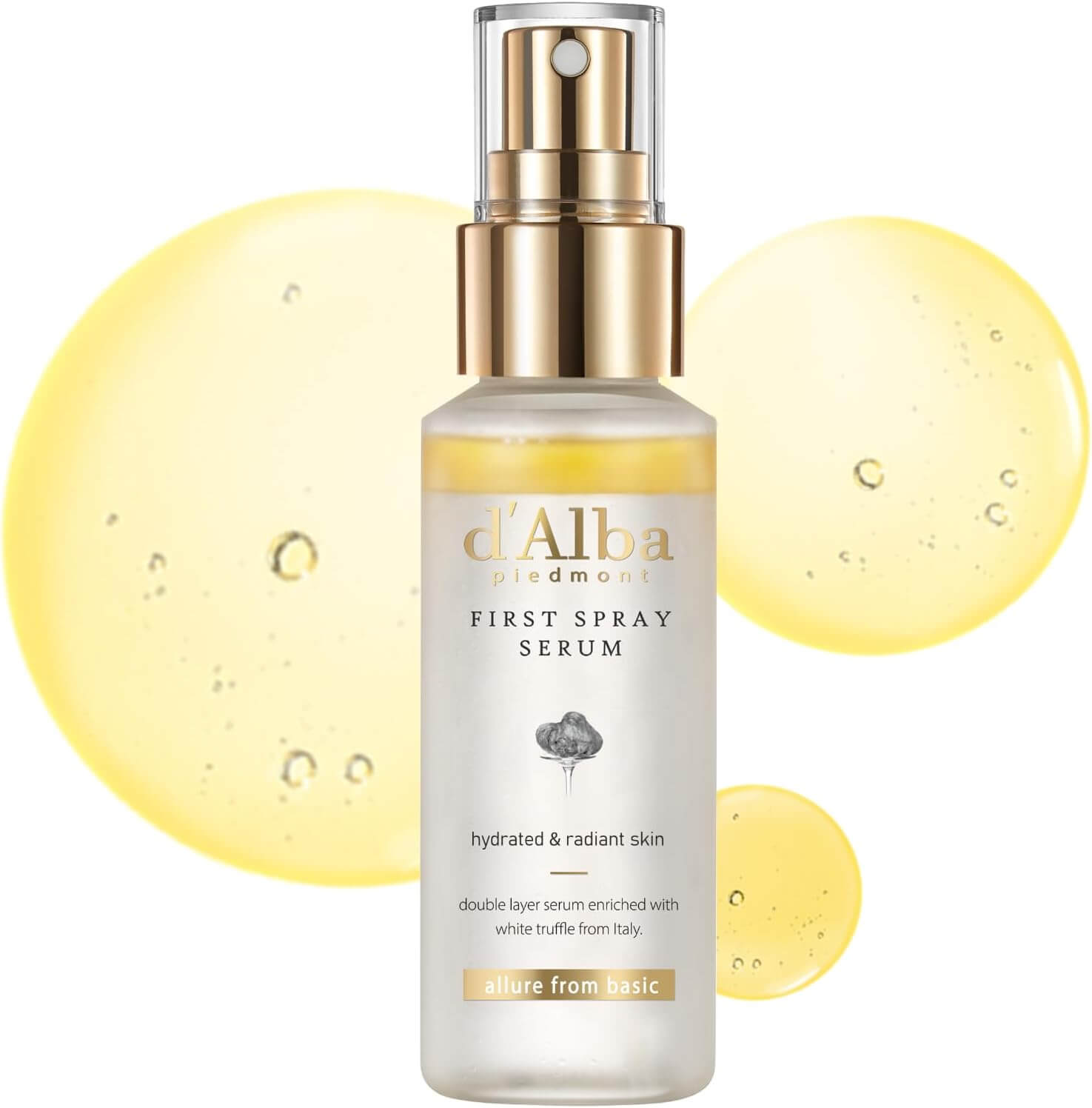
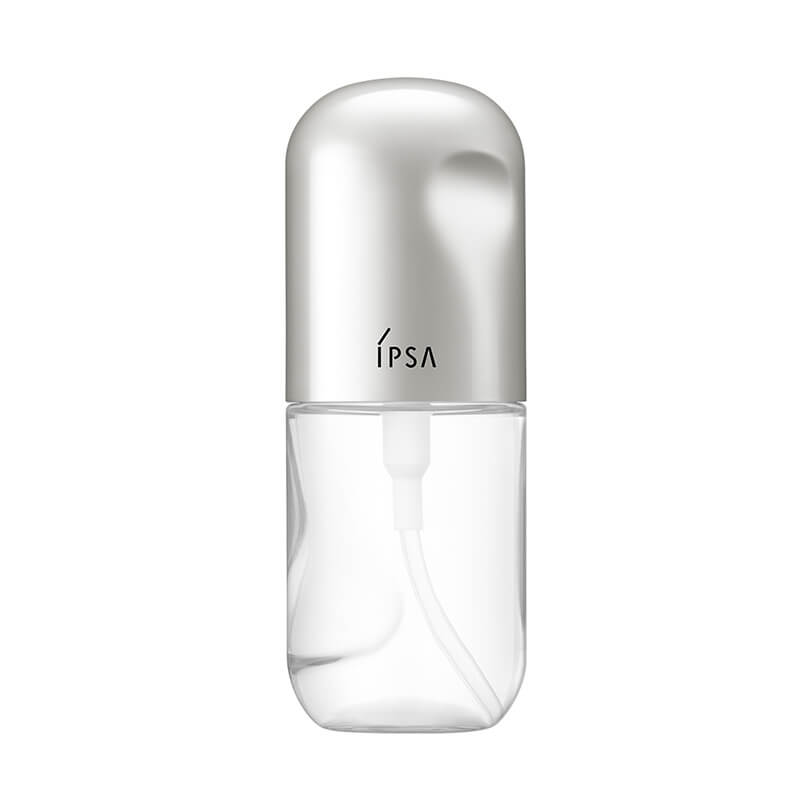
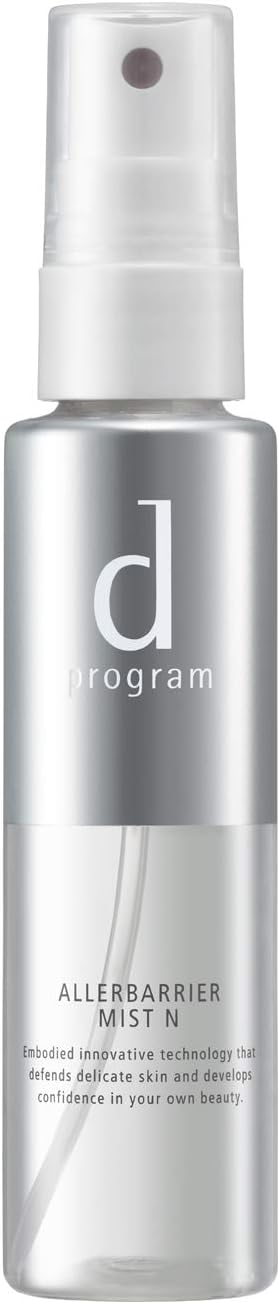
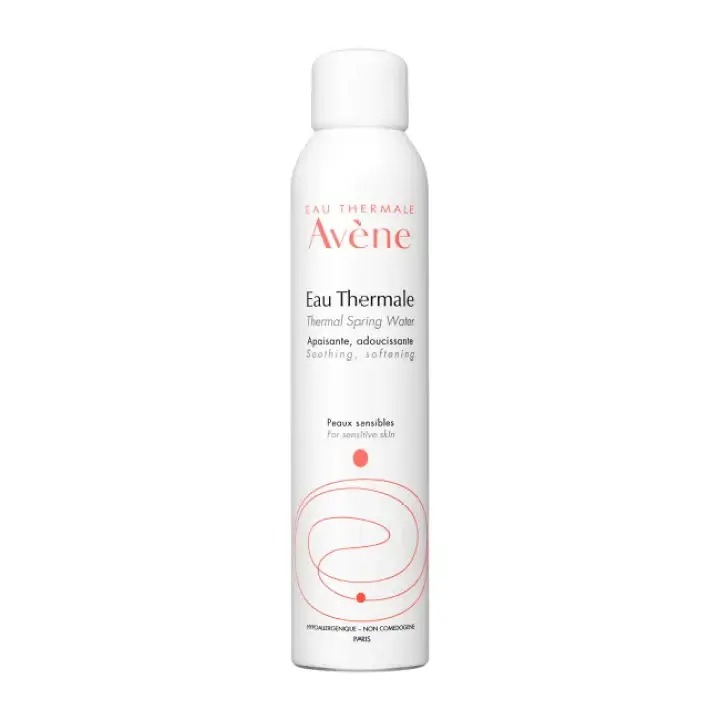
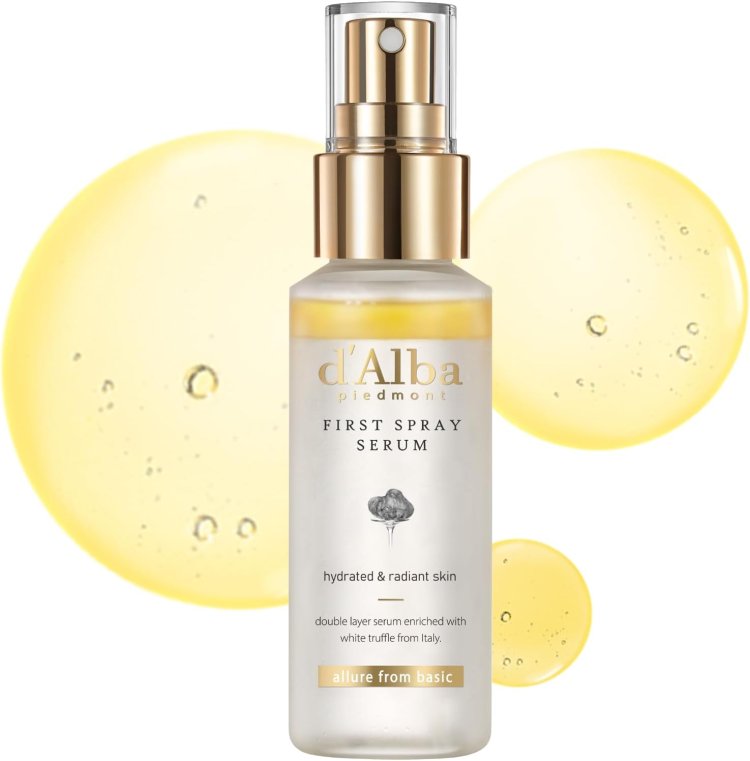
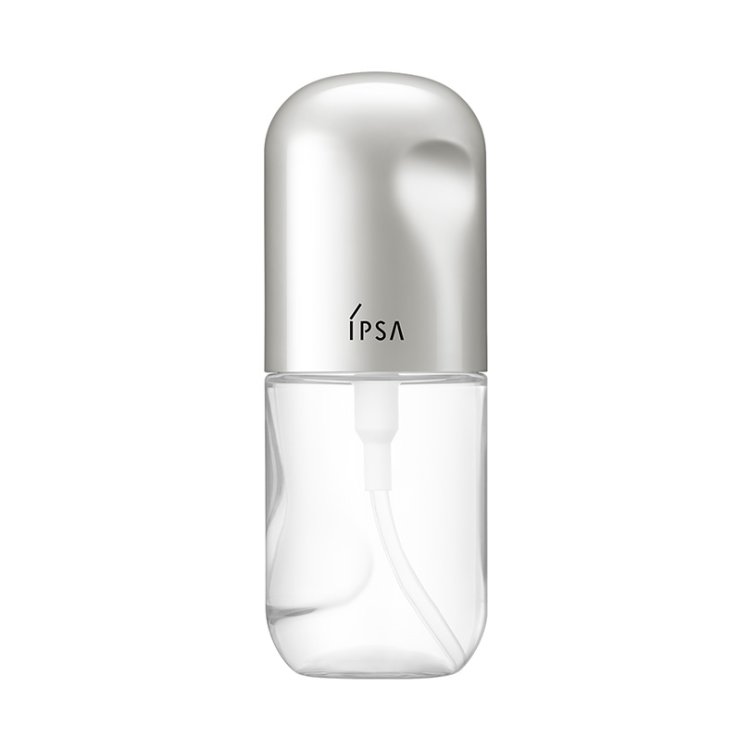
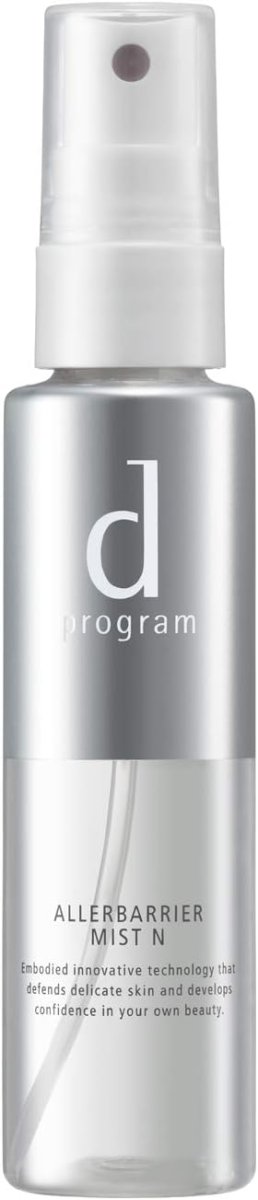
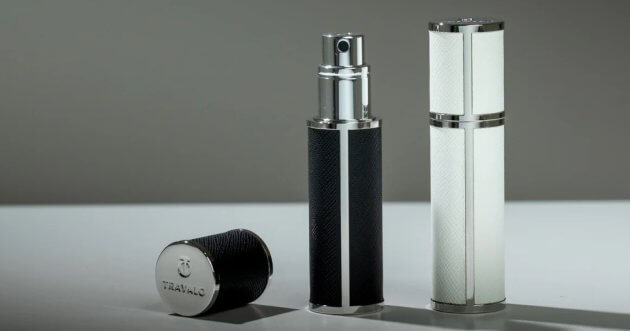
The first thing to incorporate as a measure to prevent dryness on board is a moisturizing spray. In an environment with a humidity of 10~20%, moisture on the surface of the skin is lost at an unimaginable rate. Moisturizing sprays in mist form can be used to rehydrate the skin in a short period of time without fear of spilling, and are easy to apply even in the constrained space of an in-flight cabin. However, simply spraying moisture on the skin is not enough. As water evaporates, it easily removes moisture from the inside of the skin. It is important to choose a type that contains ingredients with high water retention properties, such as hyaluronic acid or glycerin, and to apply a light pressure to the skin after spraying. Note that there are restrictions on the size of liquids that can be carried on board!



In-Flight Dryness Prevention 2Make the long flight time a time to rebuild your skin with a face pack
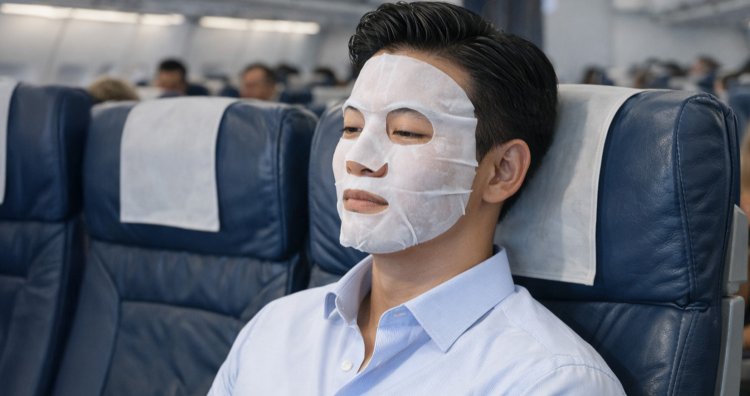
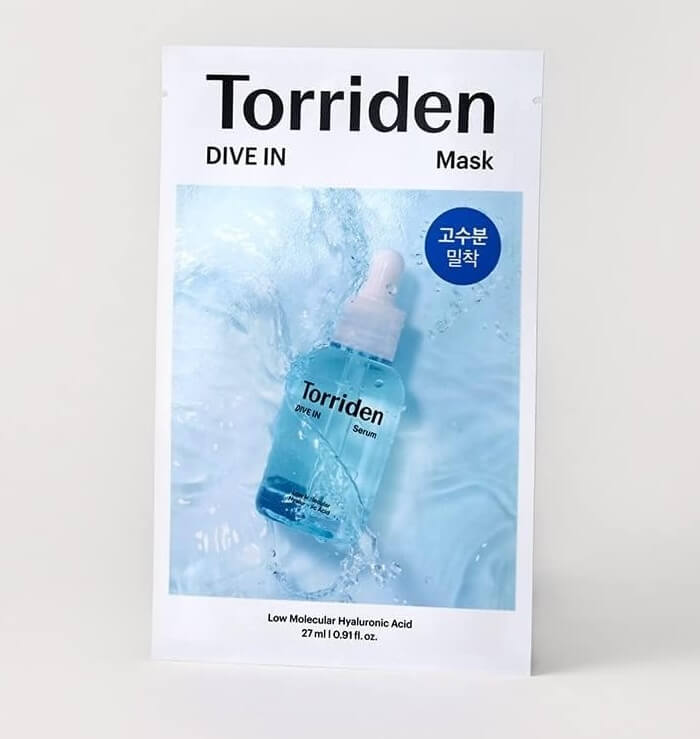
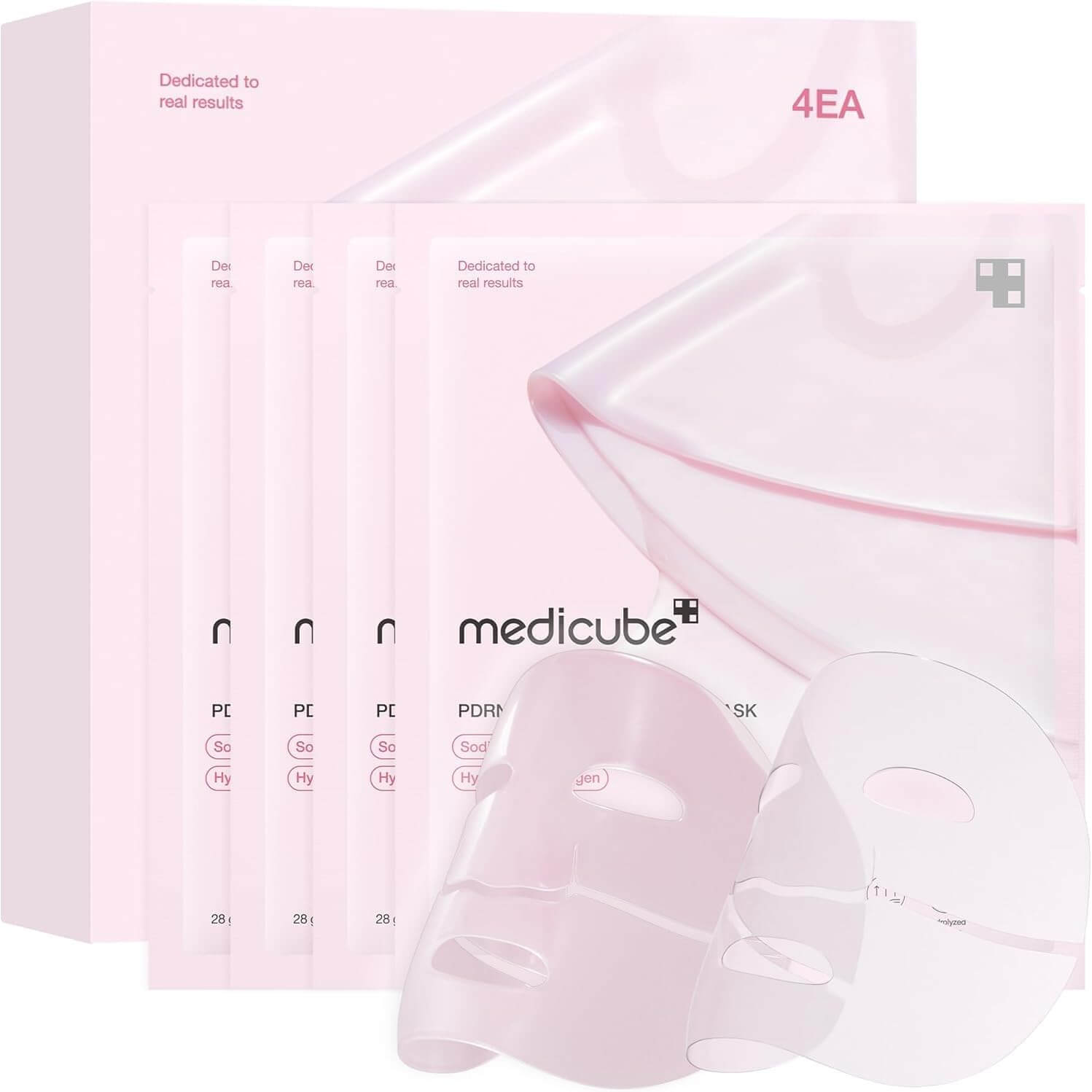
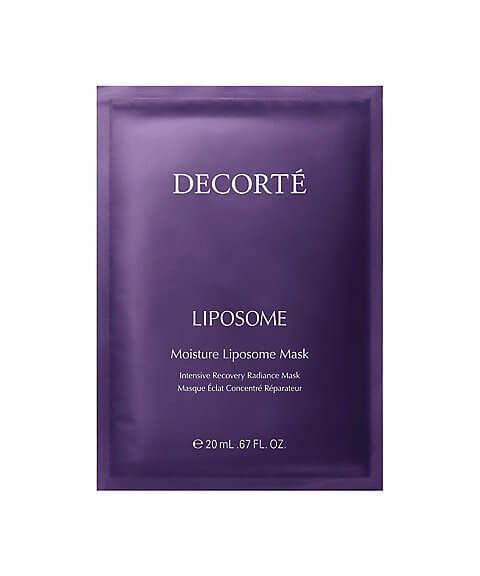
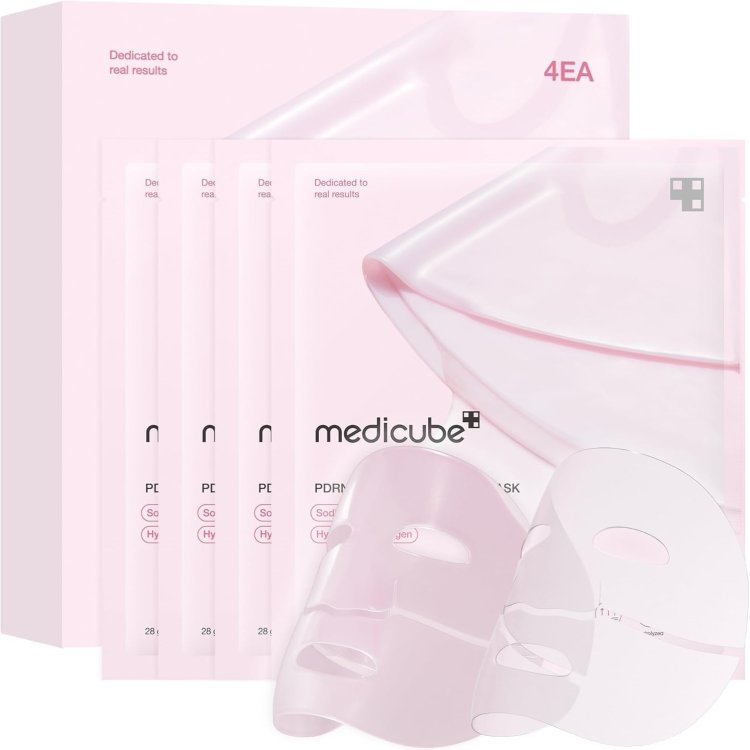
Incorporating a face pack is an effective option for those who are exposed to a dry environment for long periods of time on board. The concentrated supply of moisture and beauty ingredients makes it easier to reset dryness that moisturizing sprays alone cannot keep up with. While the flight is hectic immediately after boarding and people tend to look at you with concern, you can use a face pack after the lights go out without any difficulty. It is important to follow the product label for the duration of use and not to leave it on for long periods of time. Excessive use can actually cause the skin to lose moisture. Also, masks with strong fragrances or those that drip easily are not suitable for in-flight use. Sheet masks should be thin, highly adhesive, and hypoallergenic. On long-haul flights, where dryness can be a serious problem, a well-planned use of face packs can make a clear difference in the condition of the skin after arrival.
Preventing dryness on board 3Using a wet mask is also a good idea
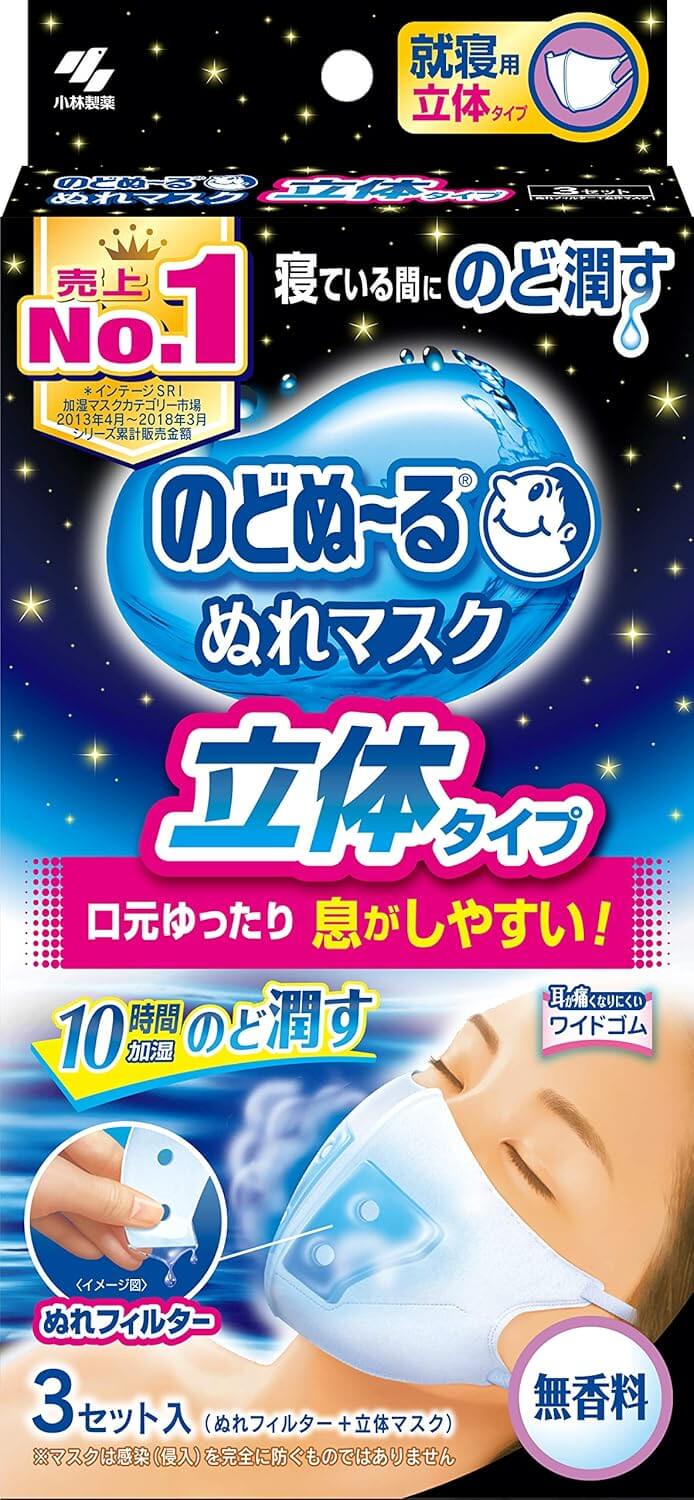
Another effective way to prevent dryness on long-haul flights is to use a wet mask. The extremely low humidity on board makes it easy for the mucous membranes of the mouth and throat to dry out while sleeping. In particular, people who tend to breathe through their mouths unconsciously are at increased risk of throat discomfort and inflammation. Wet masks retain moisture in the exhaled air and moderately humidify the inhaled air, making them a logical countermeasure against dryness at bedtime.
What should I be aware of when eating on board?Excessive salt and fat, lack of vitamins and fiber
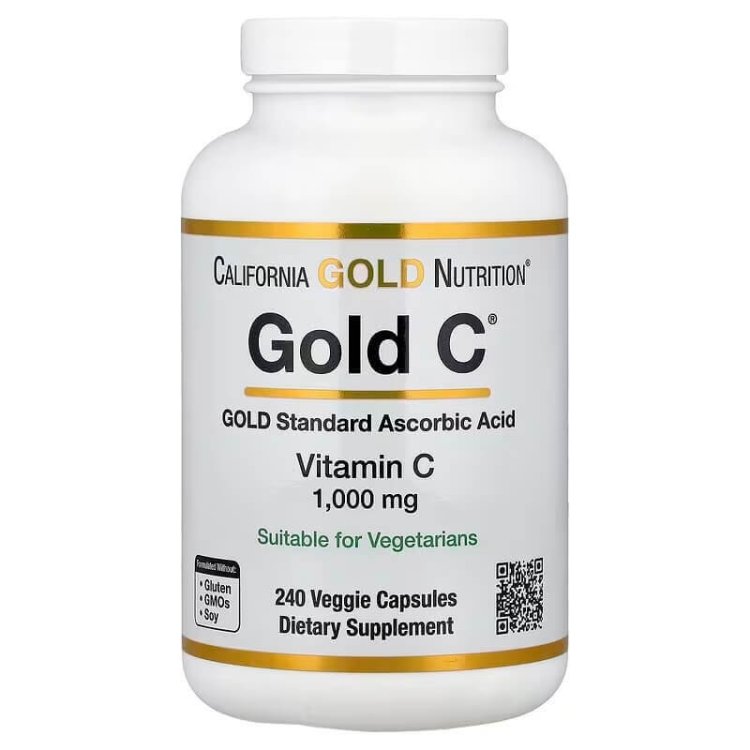
Supplements to combat nutritional deficiencies and excess salt!
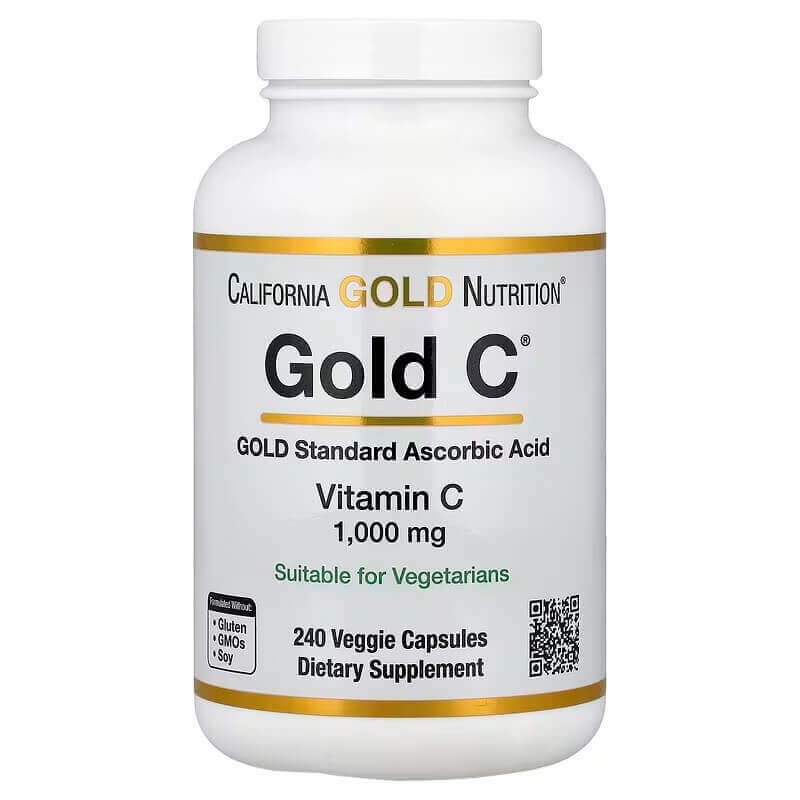
subtitle=”Nutritional Management on Long-Haul Flights1″]In-flight meals are designed to prioritize preservation and efficiency of delivery, so they tend to be excessive in salt and fat and deficient in vitamins and fiber. Excess salt disrupts the body’s water balance, contributing to swelling and dryness. In addition, the sense of taste is dulled in an altitude environment, so even strong flavors are less likely to be perceived as excessive, but the burden on the body remains the same. Even in first class, the restrictive in-flight environment does not guarantee a completely ideal nutritional balance. Although the quality of the food provided is high, the amount of salt and the composition of the ingredients are not always the same as on the ground, and it is not always possible to fully compensate for the disruption of water metabolism and nutritional depletion caused by long flights. Therefore, supplementation of nutrients that are easily deficient is a highly practical option, regardless of seat class.



Nutrition on long haul flights 2Pre-flight nutrition & not forcing yourself to eat a full meal
and motion sickness If you are prone to motion sickness and have difficulty eating in-flight, eat a meal high in protein and vitamins before the flight. Some airlines offer special fruit-based meals if you make a reservation. It is also a good idea to bring nutritional supplements such as Calorie Mate on board. In addition, it is reasonable to use alcohol sparingly from a cosmetic standpoint, as it is easy to become intoxicated, and it also promotes dehydration.
Do I need sunscreen on board?The higher the altitude, the higher the UV risk!
In-flight UV protection 1Don't forget to use sunscreen!
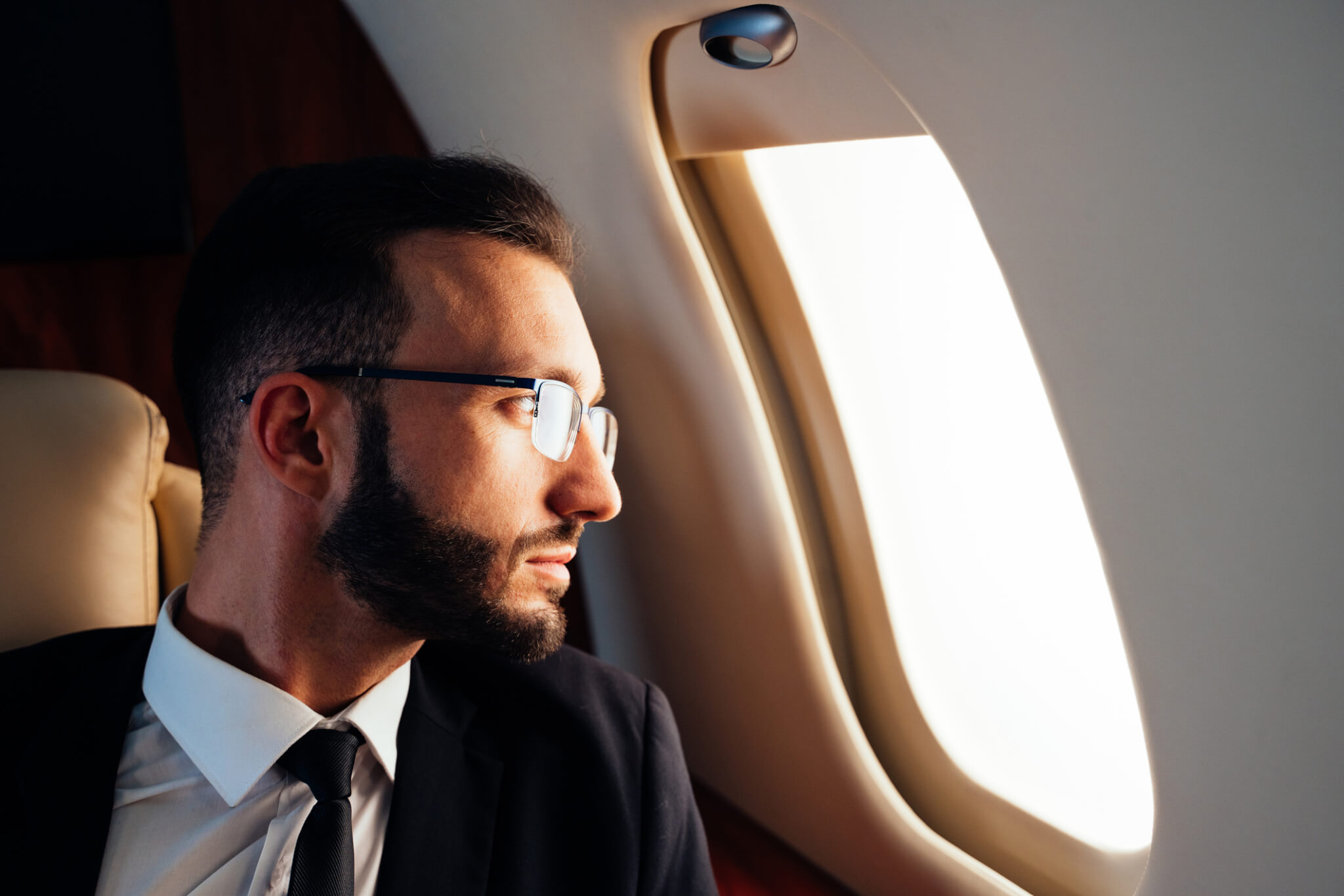
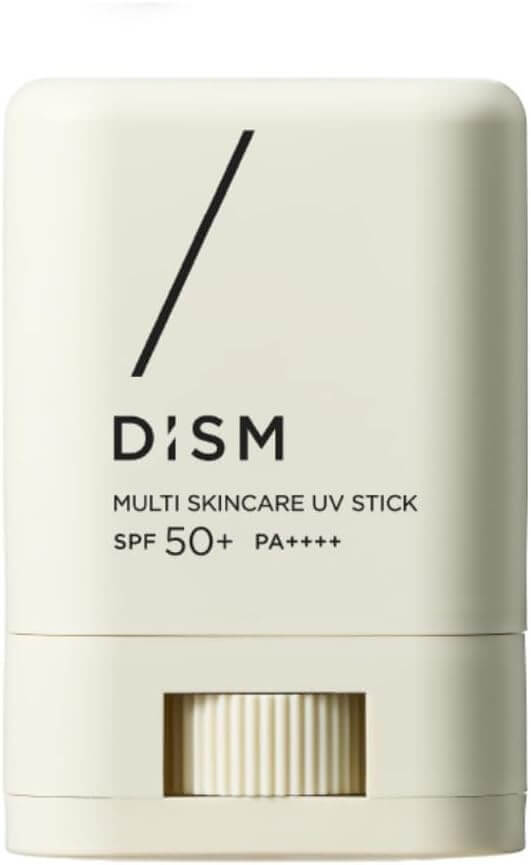
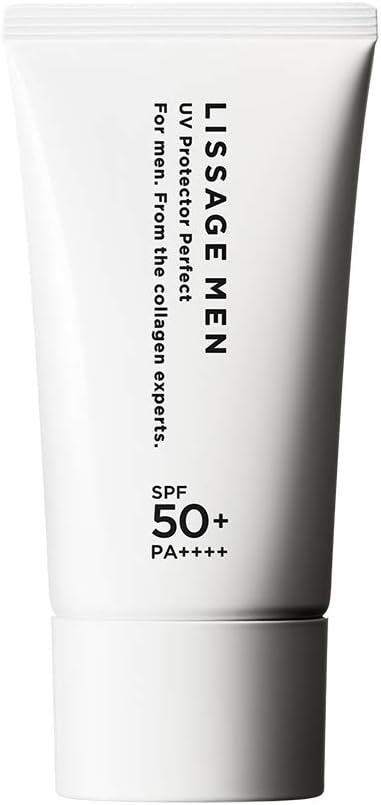
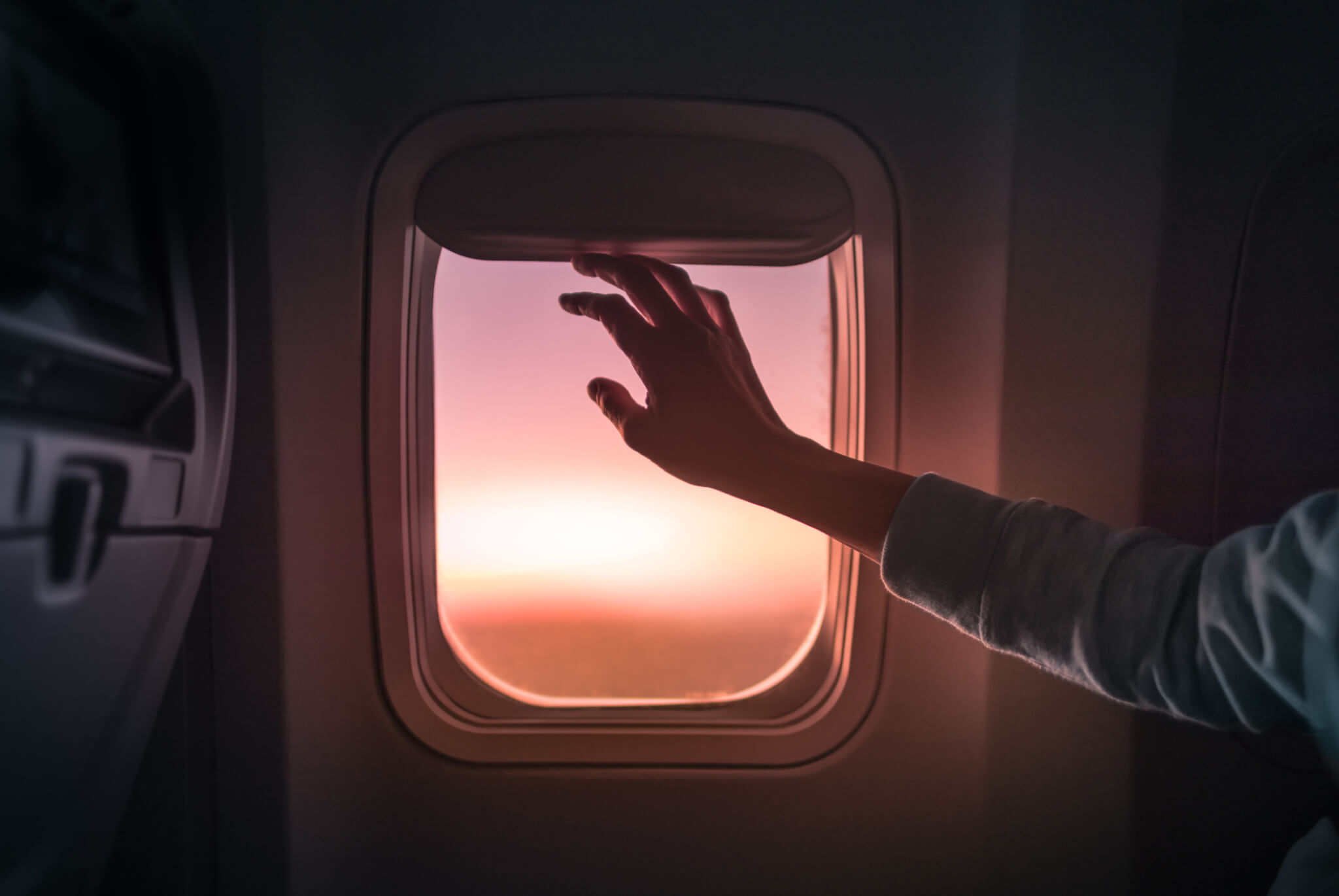
The amount of UV radiation increases with altitude. In general, for every 1,000 meters of elevation gain, the amount of UV rays increases by about 10 to 15 percent, and at the cruising altitude of international flights, the amount of UV rays reaches about twice that on the ground. Prolonged exposure to this environment is in itself a burden on the skin that cannot be ignored. While windows on board block most UVB rays, UVA rays, which cause wrinkles and dark spots, can easily pass through. It should be noted that window seats in particular are susceptible to concentrated exposure to UV rays from one side of the cabin during daytime flights. In addition, the cabin is extremely dry, and the skin barrier function is easily compromised. The combination of dryness and ultraviolet rays creates a condition that makes the skin susceptible to damage. For daytime flights, it is best to apply sunscreen as soon as boarding.
UV protection on board 2Pulling down shades & choosing an aisle seat is a smart choice
exposure in one hour. The UV dose is equivalent to about 20 minutes on a tanning machine (see: Martina Sanlorenzo, The Risk of Melanoma in Pilots and Cabin CrewUV Measurements in Flying Airplanes ). In particular, window seats are exposed to direct sunlight from the sides for long periods of time, and the effects of UVA are likely to accumulate. A simple action to reduce this risk is to pull down the shades. Simply blocking direct sunlight can greatly reduce UV exposure. In addition, choosing an aisle-side seat can physically reduce the time and extent of UV exposure.
How to prevent swelling on airplanes?Beware of Barometric Pressure Changes and Economy Syndrome! Make good use of useful items.
Measures to prevent swelling on airplanes 1Eye masks to improve circulation around the face and eyes
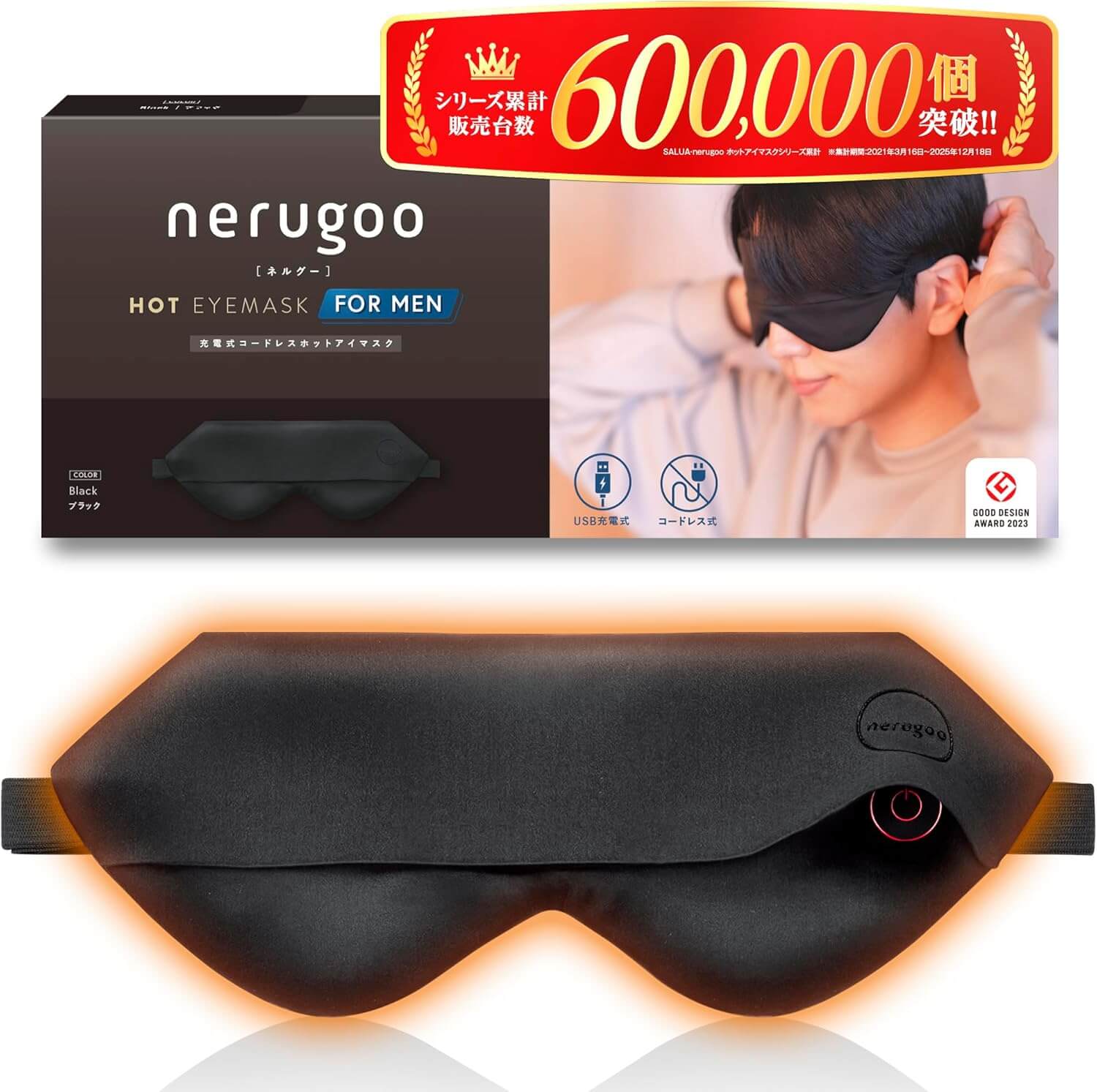
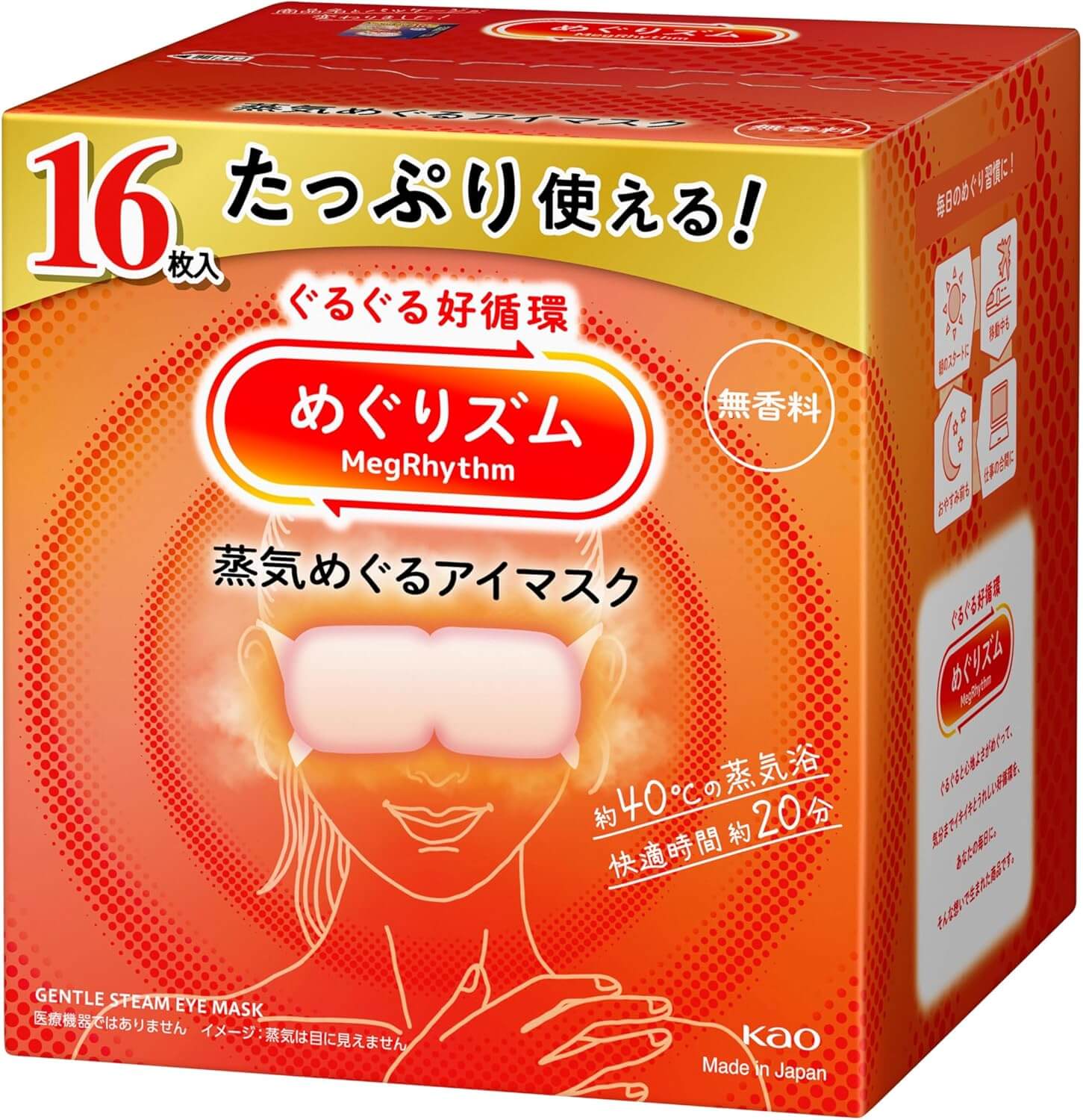
Swelling is more likely to occur on airplanes due to the drop in air pressure and the fact that the circulation of blood and lymph is slowed by spending long periods of time in the same position, causing water in the body to accumulate at the ends of the body. Hot eye masks are an effective countermeasure against facial swelling on airplanes. The heat can be expected to gently stimulate blood flow around the eyes, which tends to stagnate due to changes in atmospheric pressure and prolonged travel. In addition, warming the eye area helps the parasympathetic nervous system to become dominant, leading to improved quality of sleep on board. A better sleeping environment will reduce autonomic nervous system disturbances and, as a result, make it easier to prevent swelling from worsening. However, hot eye masks do not directly reduce swelling. It is appropriate to use it only at bedtime or during rest periods, and to use it in combination with hydration and light stretching as a supplementary care.
Countermeasures against swelling on planes 2Boarding in non-restrictive, slipper-type shoes
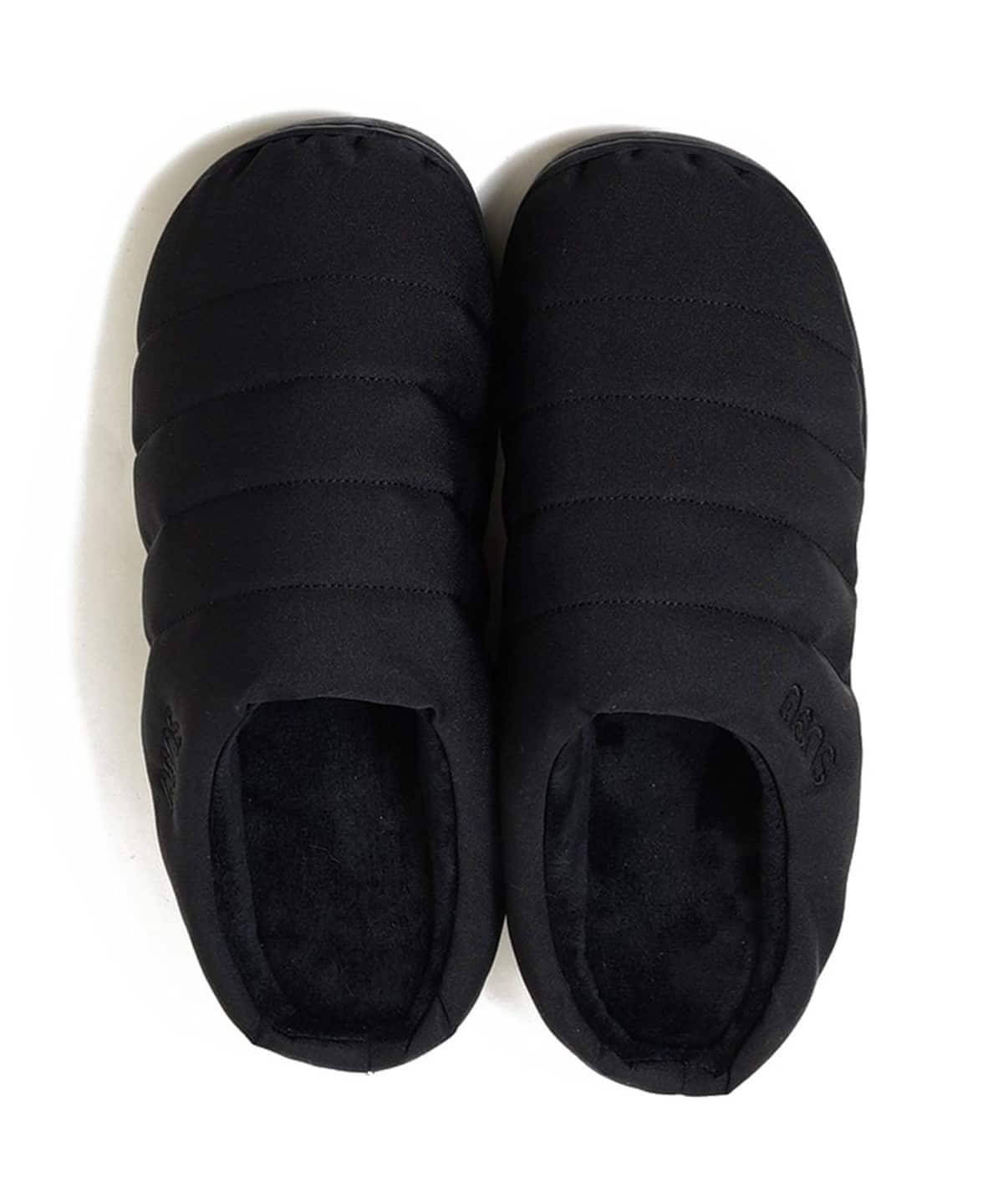
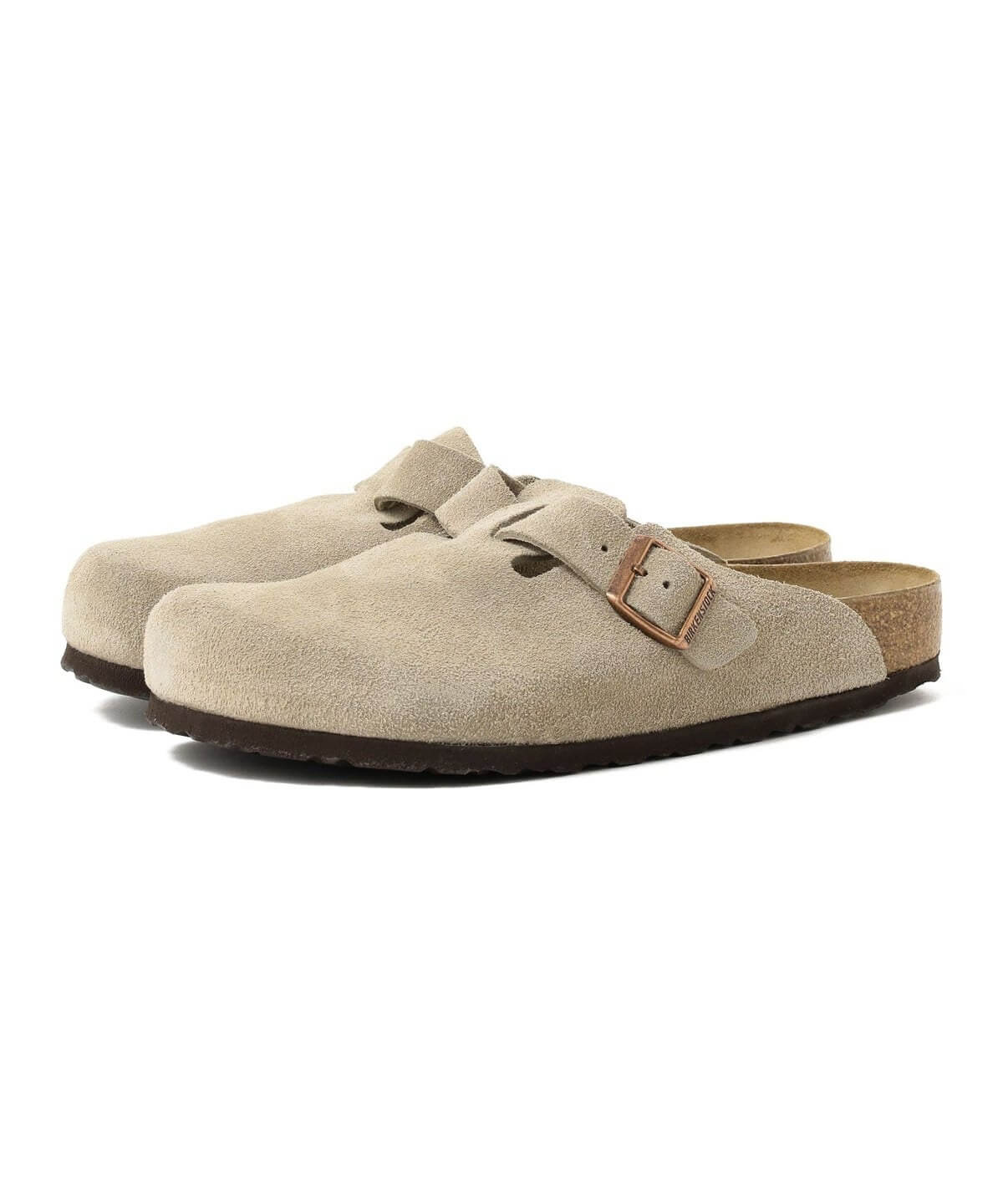
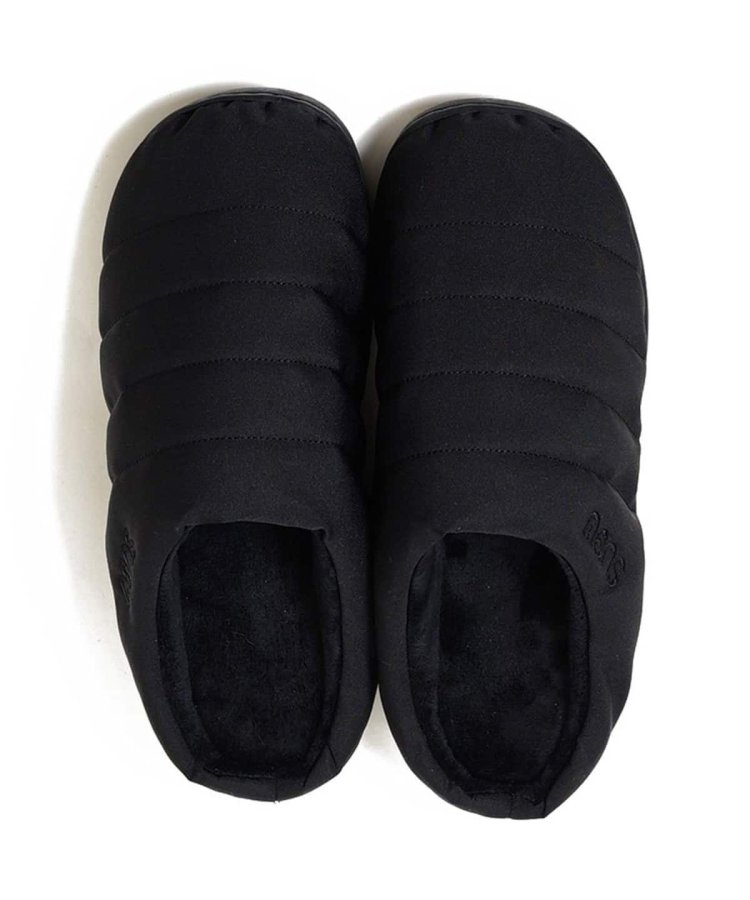
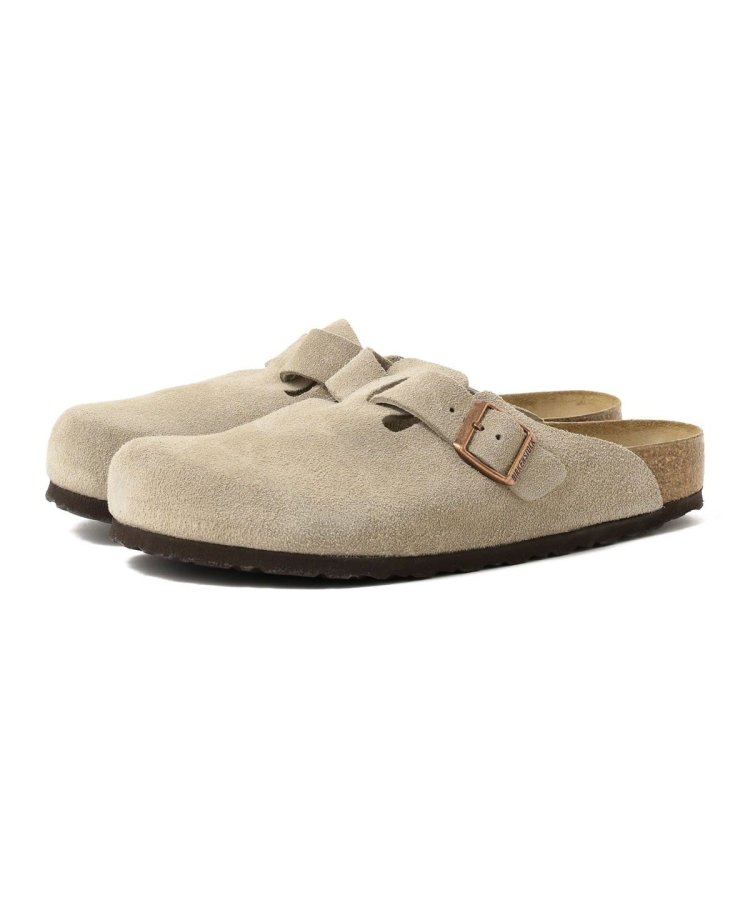
One way to prevent swelling on airplanes is to board with non-restrictive, slipper-type shoes or sandals. On long flights, blood flow and lymphatic drainage tend to stagnate in the feet, and shoes that squeeze the instep and ankle tend to contribute to swelling. Slipper-type shoes put less pressure on the feet and are less likely to impede blood flow. When used with compression socks, it is easy to reduce discomfort by choosing shoes with room for the feet. If you are concerned about the sloppy appearance, choose sandals with leather or minimalist designs.

Swelling on planes 3Take care of your legs by preventing economy syndrome
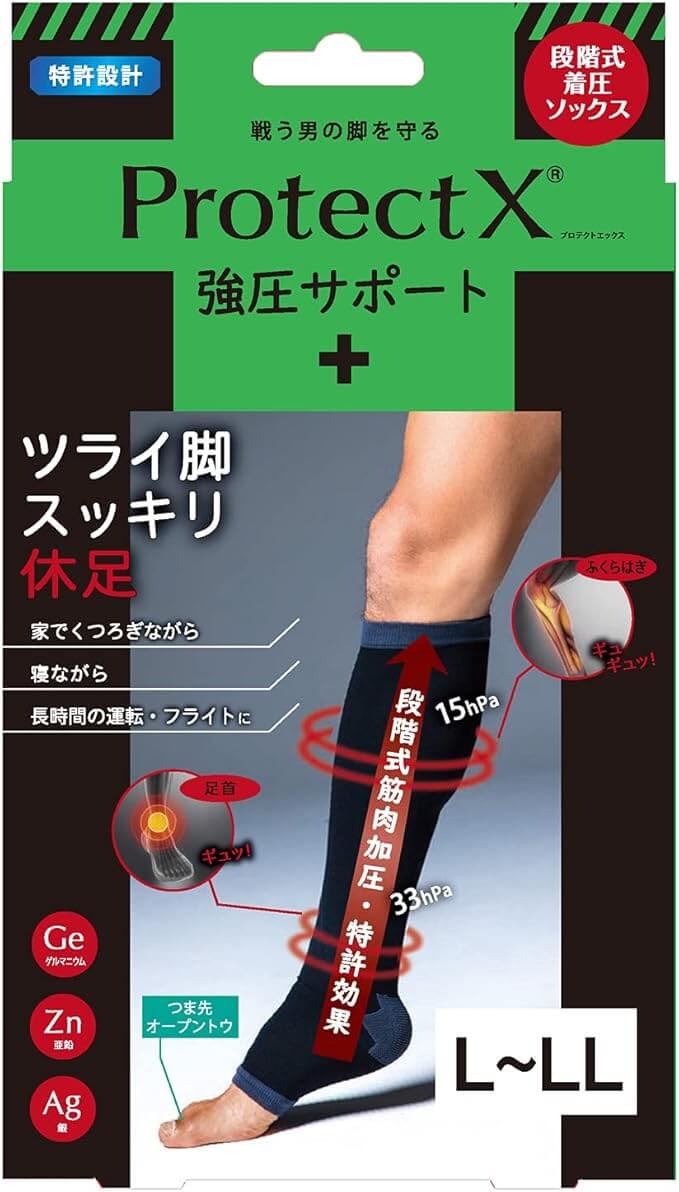
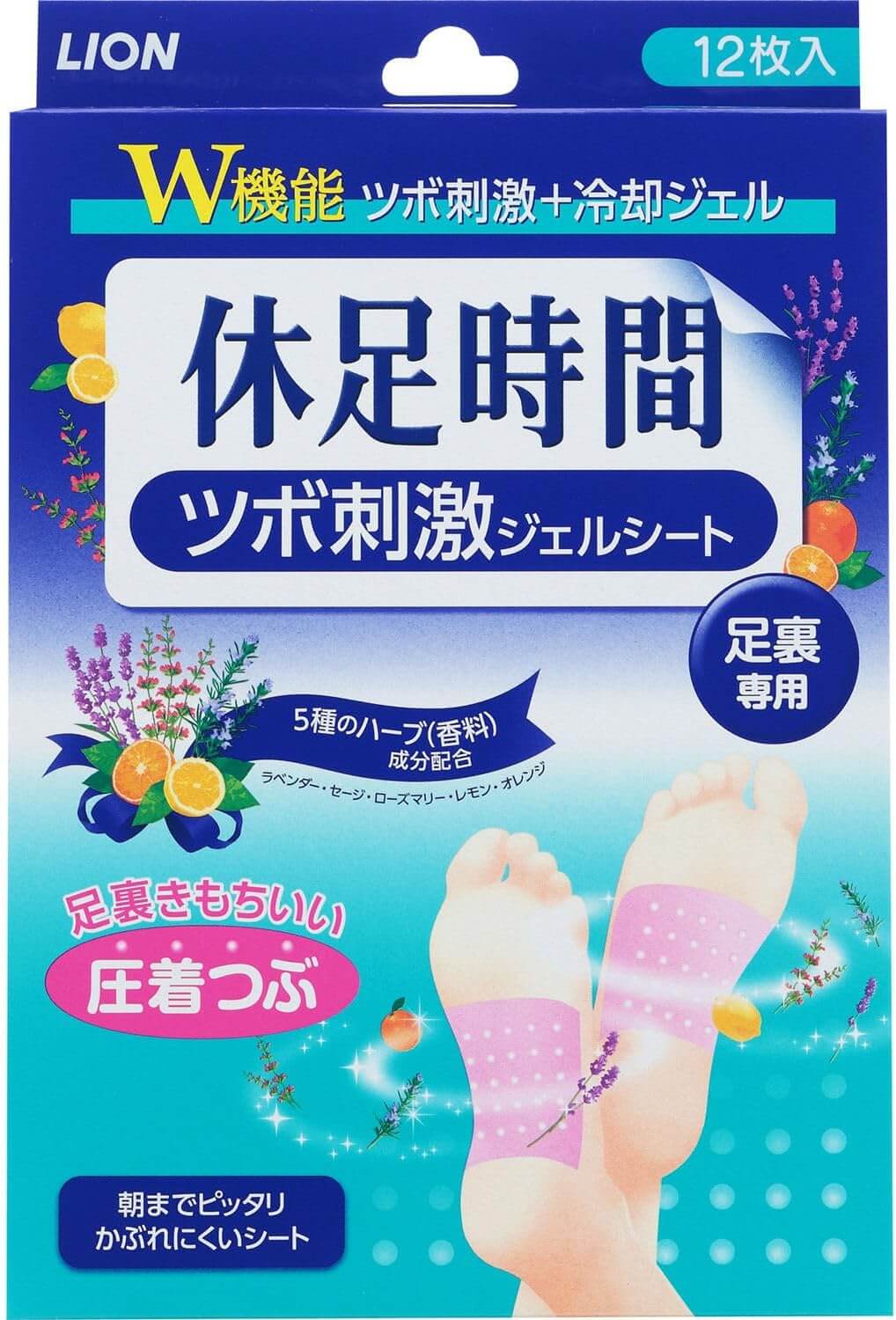
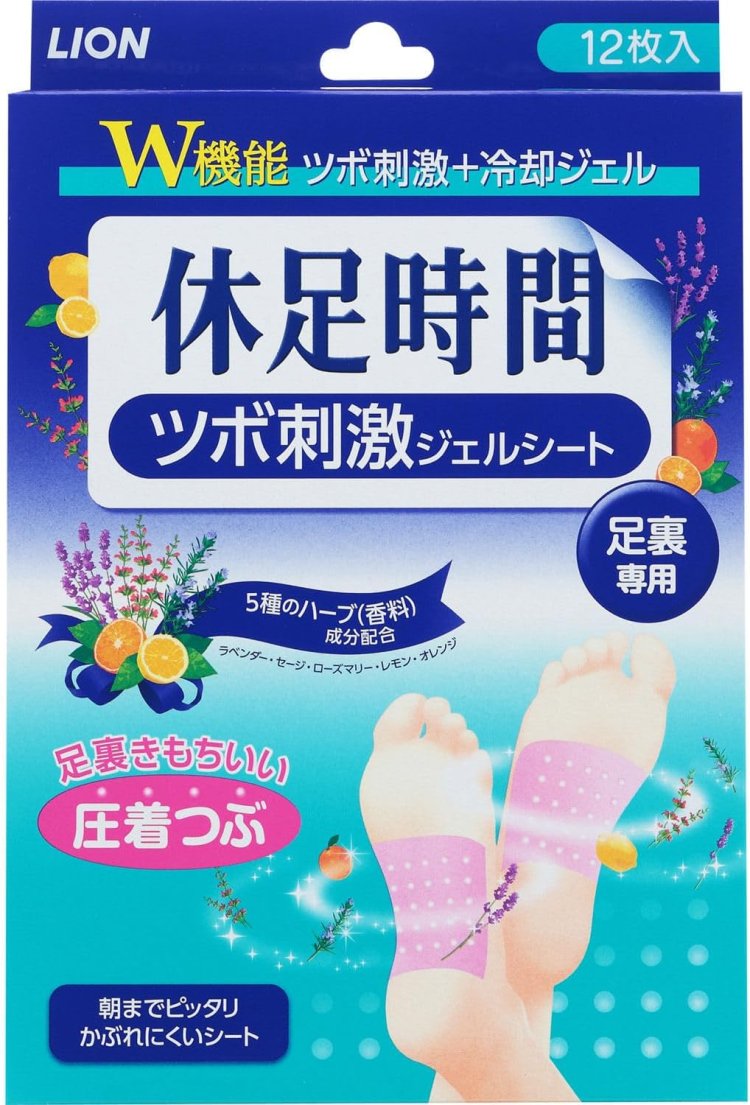
Sitting in the same position for long hours On long-distance flights, blood flow in the lower legs tends to stagnate, increasing the risk of venous thrombosis, or so-called economy syndrome. Compression socks are used to promote blood and lymph circulation and reduce swelling and lethargy by applying pressure in stages from the ankles to the calves. They have been shown to be effective to a certain extent in the medical and preventive fields, and are positioned as one of the basic countermeasures on long flights.


![A Comparison of High-End Models from the Big Three Electric Shaver Brands [Is This a Great Year? Each Company Has Announced New Models]](https://otokomaeken.com/wp-content/uploads/2026/07/1d1811909e64f151af77ede3bfbc6a28-630x331.png)