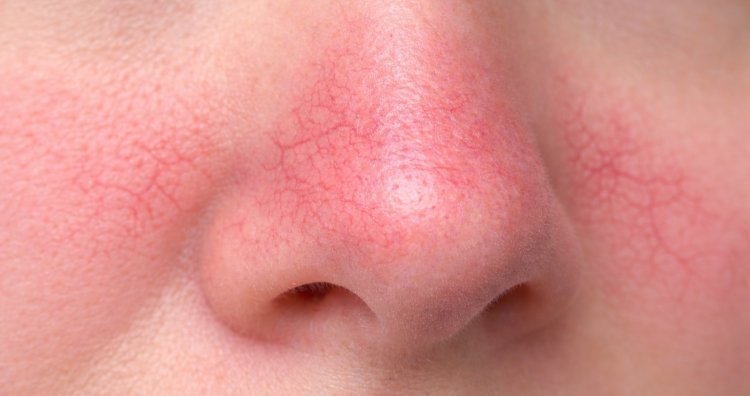
The redness of the nose, which may seem trivial to men, is surprisingly easily reflected in the eyes of women. It is not uncommon for women to unconsciously direct their gaze at it as a detail to judge cleanliness. Because men generally have more developed sebaceous glands than women, they are actually more prone to chronic redness. This article elucidates the mechanism of persistent redness and introduces countermeasures that should be implemented and recommended care items.
Sponsored by
What causes redness of the nose?Sebum, irritation, and vasodilation are the main factors
Causes of Nose Redness 1Seborrheic dermatitis
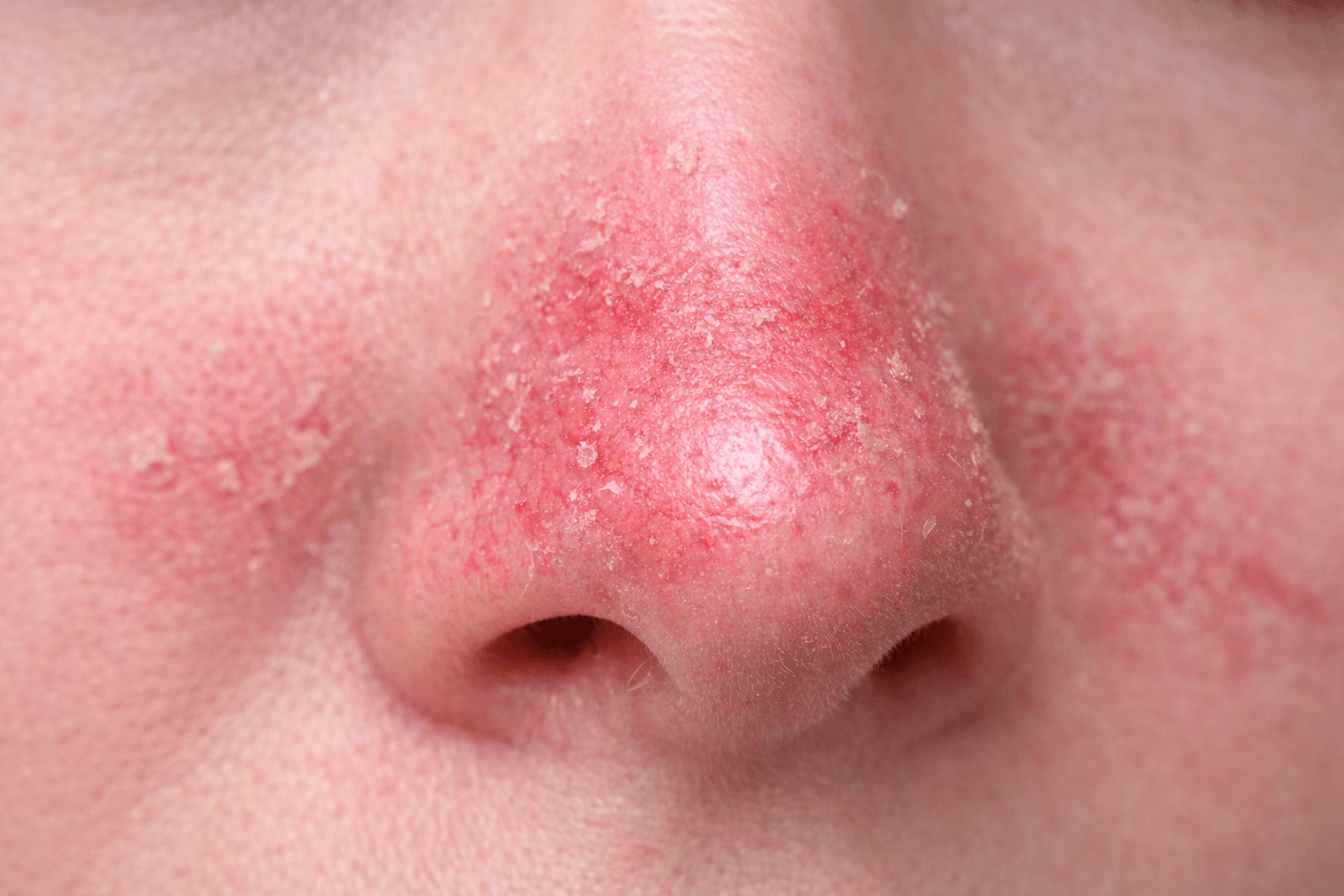
Seborrheic dermatitis is a particularly common cause of nose redness. Seborrheic dermatitis is an inflammatory skin disease that tends to occur in areas where sebum secretion is high, such as around the nose, between the eyebrows, and on the scalp, where the sebaceous glands are well developed. It is thought to be caused by the proliferation of Malassezia, an endemic fungus of the skin. Malassezia is a microorganism that exists in normal skin, but it easily proliferates in an environment with high sebum content by decomposing lipids. The fatty acids produced in this process irritate the skin, causing an inflammatory reaction that results in symptoms such as redness, itching, and light peeling. In particular, the nose is an area with a high concentration of sebaceous glands, and the accumulation of unwashed or excess sebum creates an environment in which Malassezia can easily proliferate. As a result, chronic redness is often observed.
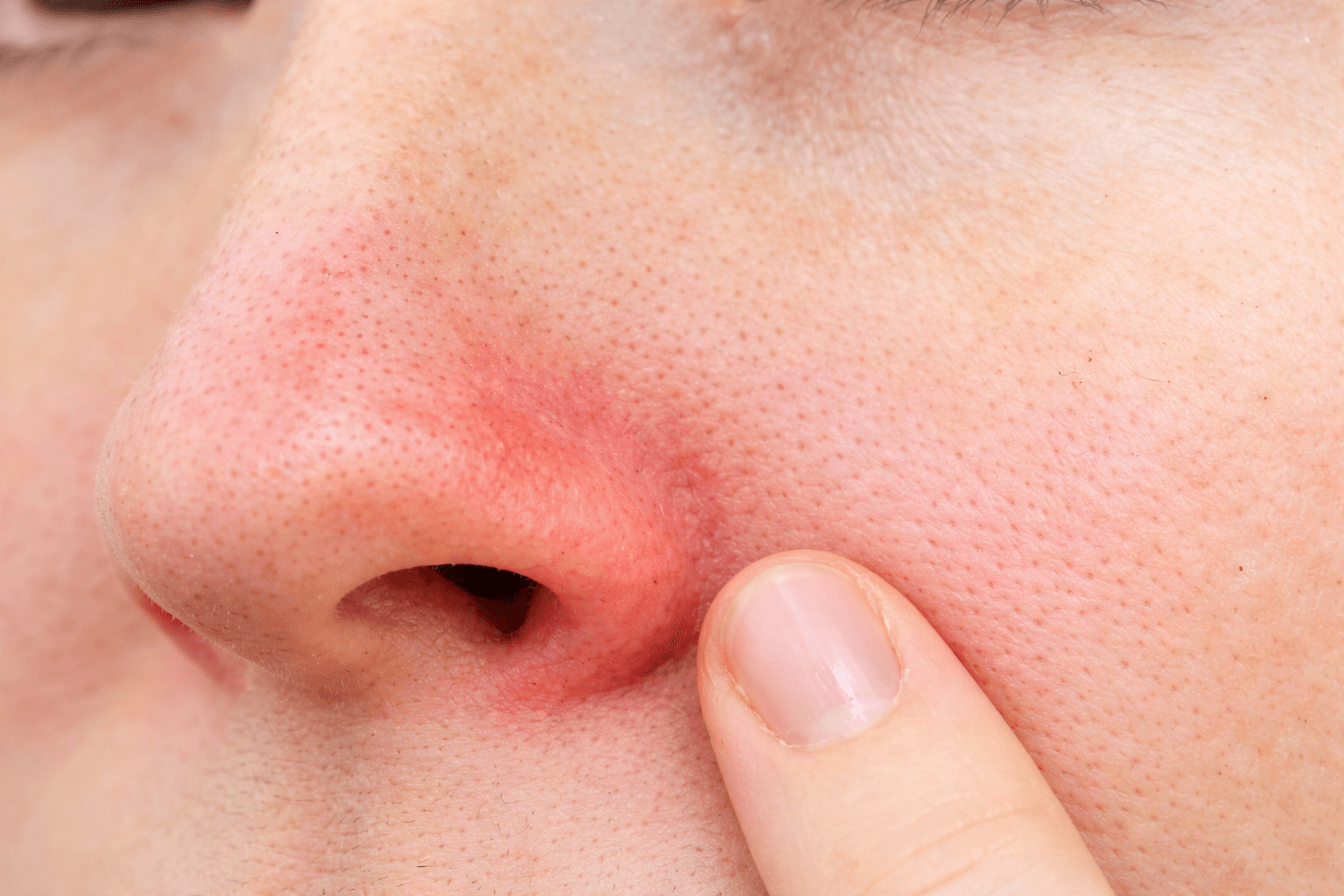
The important countermeasures are to avoid leaving excessive sebum and to maintain the barrier function while calming skin inflammation. Use a low-irritant cleanser to gently remove excess sebum and dirt, followed by moisturizing care that includes ceramide and other ingredients to maintain the stratum corneum barrier. Anti-inflammatory ingredients such as azelaic acid and niacinamide may also be helpful in reducing redness. If symptoms are severe, dermatologists may consider treatment with antifungal or anti-inflammatory medications as an option.
Capillary telangiectasia
subtitle=”Causes of Nose Redness 2″]Nose redness may be caused by dilated capillaries located just under the skin. This phenomenon, medically known as capillary dilation, is a condition in which blood vessels remain dilated due to poor regulation of blood flow in the skin and are visible through the redness. The skin of the face is particularly thin, and the nose and cheeks have a high density of capillaries. Therefore, the color of blood vessels tends to appear on the surface in people with thin skin. In addition, continuous irritation from washing the face with strong friction, excessive peeling, or cosmetics that contain a lot of alcohol will reduce the skin’s barrier function, which can easily cause a dilatation reaction of blood vessels. Furthermore, changes in blood flow due to cold temperatures, alcohol consumption, and spicy foods also contribute to chronic redness.
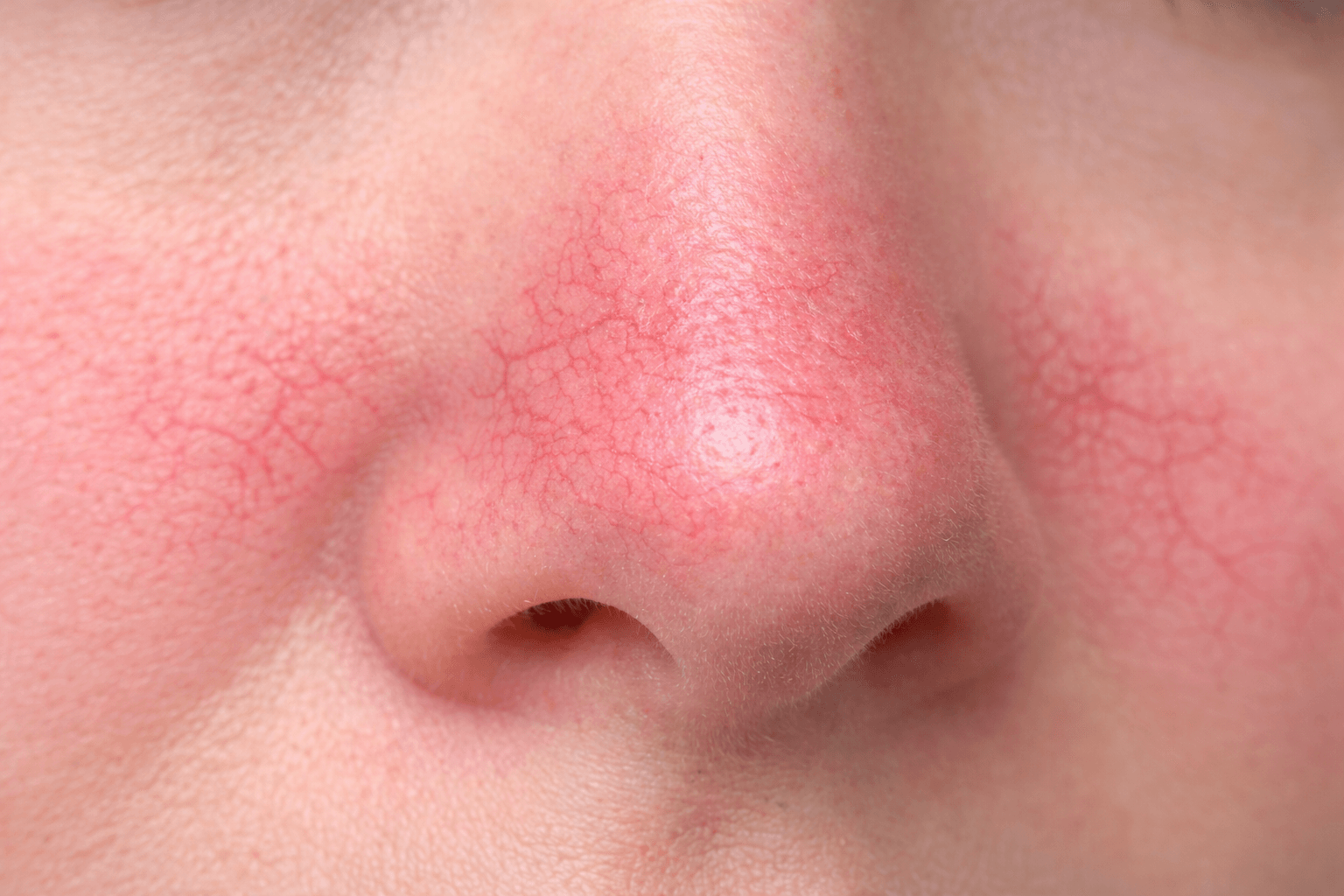
The first and most important step is to reduce skin irritation. Washing the face should be done gently with foam, and scrubbing and strong peeling should be avoided. Moisturization is based on improving moisture retention in the stratum corneum with ceramide, hyaluronic acid, and other substances to improve skin thickness and barrier function. In addition, ingredients such as niacinamide and vitamin C have been reported to contribute to the reduction of redness due to vasodilation. If redness persists, medical approaches such as laser therapy or IPL that target blood vessels may be effective. (Reference: Shonan Cosmetic Surgery )
Causes of Nose Redness 3Irritant Dermatitis
Nose redness may be due to irritant dermatitis caused by a combination of physical friction and skin care irritation that breaks down the skin barrier function. It can also be The stratum corneum, the outermost layer of the skin, is responsible for preventing the entry of external stimuli while preventing moisture evaporation. When this layer is compromised, however, even the slightest irritation can trigger an inflammatory response, resulting in redness and burning. Physical friction has the greatest impact. Scrubbing, massaging, towel rubbing, and even frequent sniffing during hay fever or a cold can cause continuous friction on the nasal skin. Continued stimulation of these factors disrupts the structure of the stratum corneum, making it susceptible to inflammation. Another factor is chemical irritation caused by skin care. High concentrations of peeling ingredients, cosmetics containing a lot of alcohol, and excessive use of multiple beauty products can disrupt the lipid balance of the stratum corneum and cause a loss of barrier function. In particular, the nose, with its high sebum content and easily visible pores, is prone to excessive use of keratin plugs and pore care, resulting in chronic redness in many cases.
The first and most basic countermeasure is to reduce friction and irritation. Facial cleansing should be done gently with a thoroughly lathering cleanser, and towels should be used only to absorb moisture as if pressing down. It is important to temporarily change the skincare regimen to a simple structure, and use ceramide, hyaluronic acid, and other substances to regulate the moisture retention function of the stratum corneum. As the barrier function is restored, inflammation becomes less likely to occur, and redness of the nose often gradually subsides. If symptoms persist, see a dermatologist!
How to improve nose redness?The basic two-step care is
To improve nose redness, it is important to proceed with step-by-step care while addressing the cause. Since most redness is caused by skin inflammation, vasodilatation, and a reduction in the barrier function of the skin, the first step is to soothe the inflammation and condition the skin. The first step is to calm down the inflammation and improve the skin condition, and then to create a skin environment that prevents the appearance of redness. In the field of cosmetic skin care, the rational approach is to consider this process in two stages, ” calming ” and ” preventing recurrence.
title_h3 title=”Soothe inflammation and rebuild the barrier” subtitle=”[STEP1] Redness cool-down phase”]
The first priority should be to quell the inflammation occurring in the skin. Redness is a sign that an inflammatory response is occurring inside the skin, and this condition is unlikely to improve if left untreated. At this stage, it is important to take a break from harsh beauty care and switch to simple skin care. Ingredients such as thunbergia extract, niacinamide, and azelaic acid are known as anti-inflammatory care. These have been reported to reduce the inflammatory response and may contribute to the reduction of redness. Of simultaneous importance is the restoration of the stratum corneum barrier. In many cases, the structure of the stratum corneum is disrupted in skin prone to redness, so cleansing should be done gently by thoroughly lathering the face with a low-irritant cleanser. Moisturizing ingredients such as ceramide and hyaluronic acid are then used to improve moisture retention and restore the barrier function. By continuing this ” inflammation-soothing + barrier restoration ” process for at least several weeks, the redness will often gradually subside.
”[STEP2″”Nurture
Recurrence prevention care”]Once the redness has calmed down, the next important step is care to prevent recurrence. Nose redness is easily affected by one’s constitution and living environment, and even if it improves once, it often reappears when the same irritation is applied. Therefore, it is necessary to not only suppress the redness, but also to improve the tolerance of the skin itself. The first thing to be aware of is the need to counteract capillary dilation. Capillaries are very thin vessels and are supported by the collagen structure in the dermis. When this structure is weakened, blood vessels easily dilate and redness appears on the skin surface. Therefore, it is important to take care of the inner skin by supplementing vitamin C and B vitamins, which are nutrients involved in collagen production, in the diet.
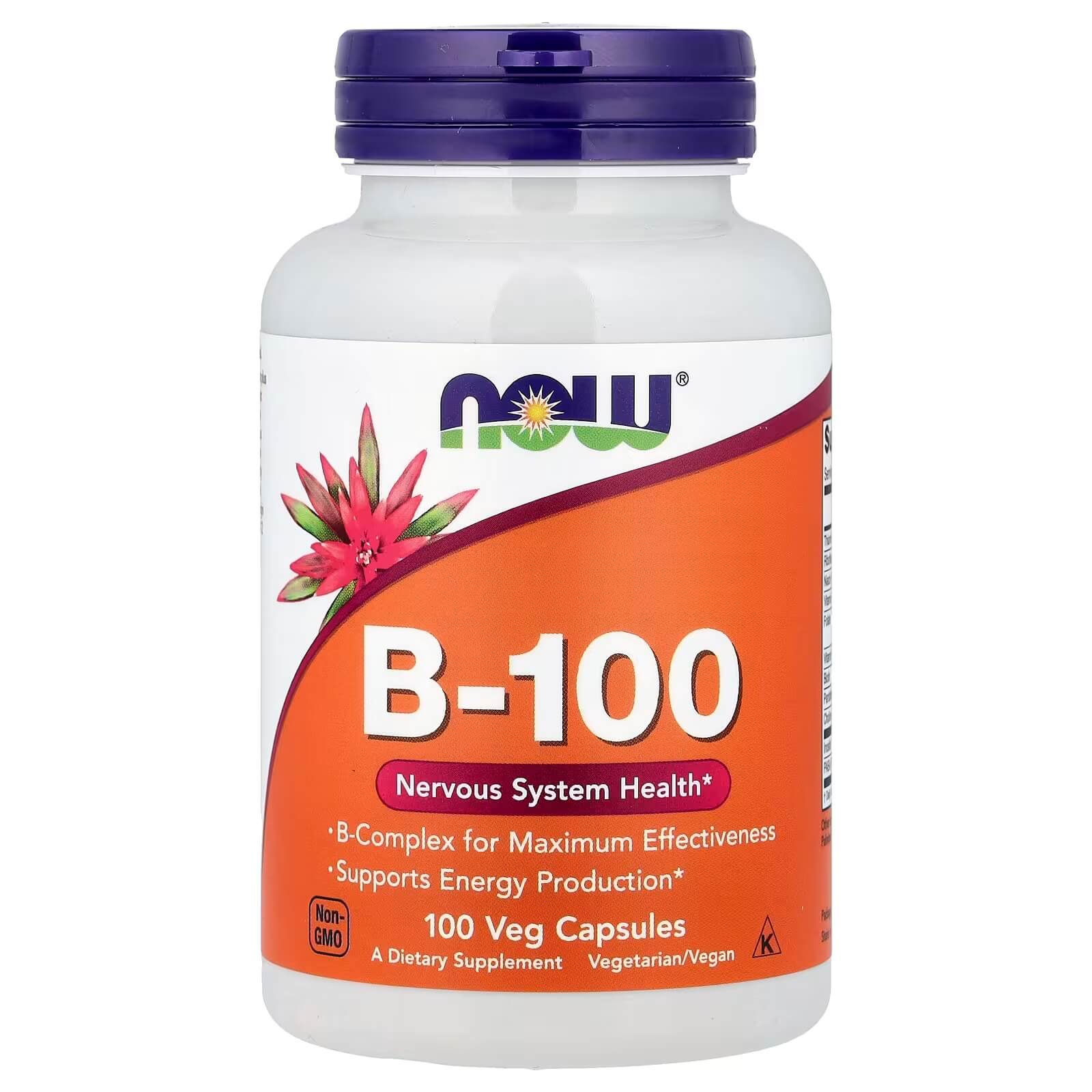
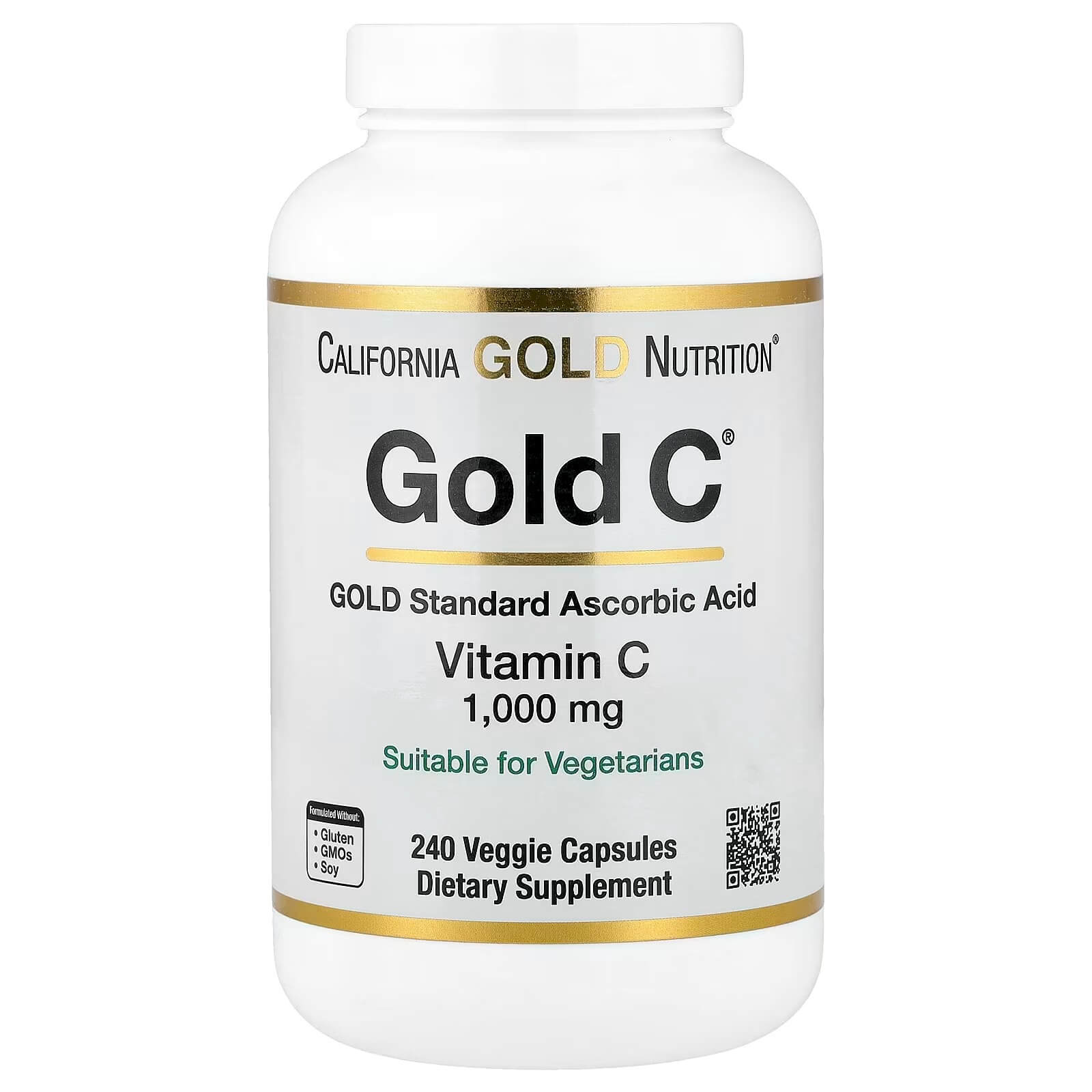

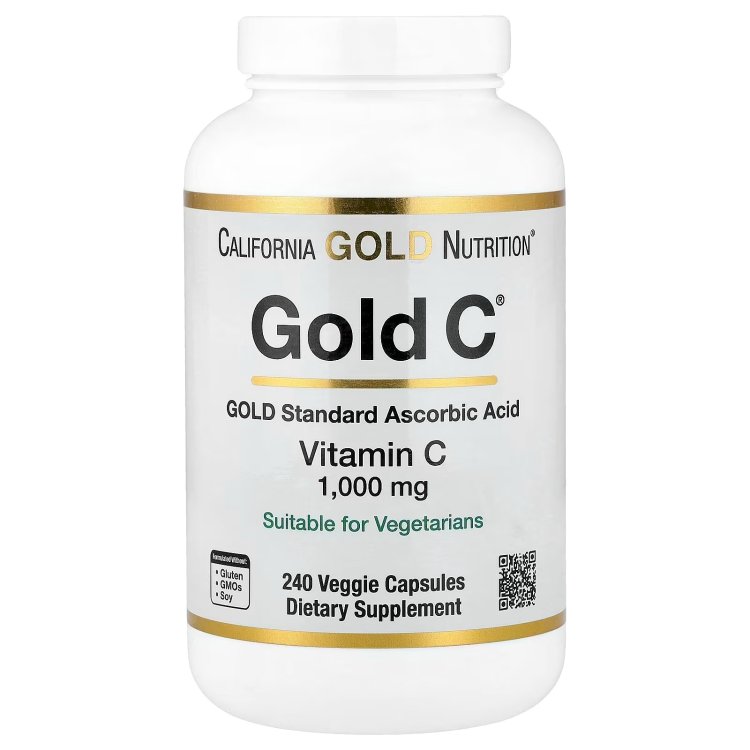
In addition, measures to combat thinning of the skin are essential. As the amount of collagen in the dermis decreases due to aging and the effects of ultraviolet rays, the skin loses thickness and the color of capillaries becomes more visible through the skin. Ingredients that support collagen production, such as vitamin C derivatives and retinol, can be incorporated into the care to maintain skin thickness. Additionally, it is important to increase irritation tolerance. Continuous supplementation with ceramide, amino acids, squalane, and other ingredients that regulate the stratum corneum barrier will create a skin environment that is less susceptible to external stimuli. This habitual care is expected to reduce inflammation and prevent the recurrence of redness of the nose.
Below is a list of items useful for nose redness care. After determining the cause of your nose redness, you will want to choose a skincare regimen that is appropriate for your skin condition. For those who want to cover up the redness immediately, we will also introduce cover-up items that can be corrected with makeup.
10 recommended products for nose redness careDealing with redness from three directions: skin care, inner care, and makeup
Recommended items for nose redness care 1
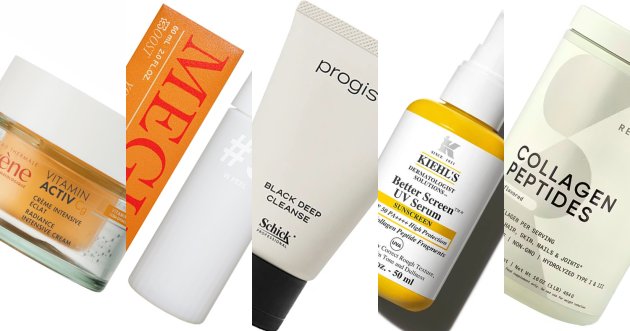
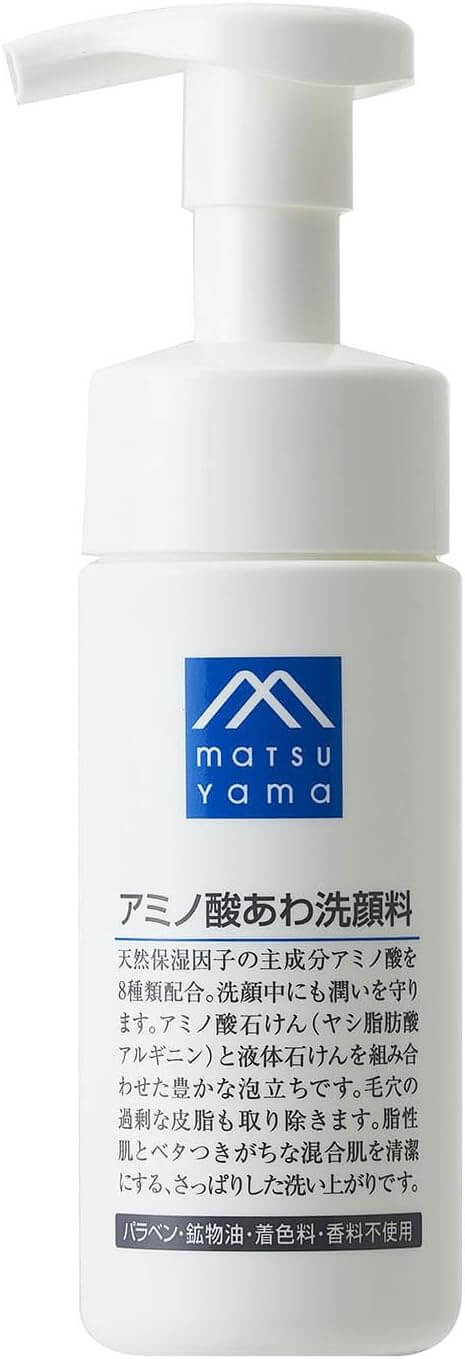
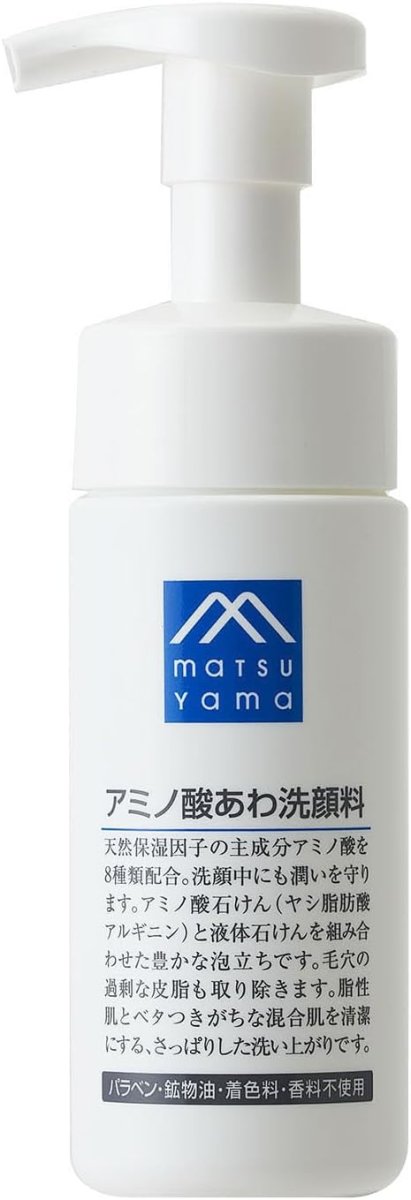
A foam-type facial cleanser containing eight types of amino acids, the main ingredient of natural moisturizing factor (NMF). The formula combines amino acid soap (arginine coconut fatty acid) and liquid soap to cleanse away excess sebum and dirt from pores while protecting moisture that is easily lost during cleansing. The rich lather provides a cushion for washing without friction, making it easy to incorporate into redness care for those who want to reduce irritation around the nose area. It also features a simple design that contains no glycerin, alcohol, fragrance, colorants, mineral oil, or silicone. Founded in 1908, Matsuyama Oil and Fat is a well-established Japanese soap manufacturer known for having created the natural skincare brand MARKS&WEB.

Click here for details and purchase.
Recommended item 2 for nose redness care
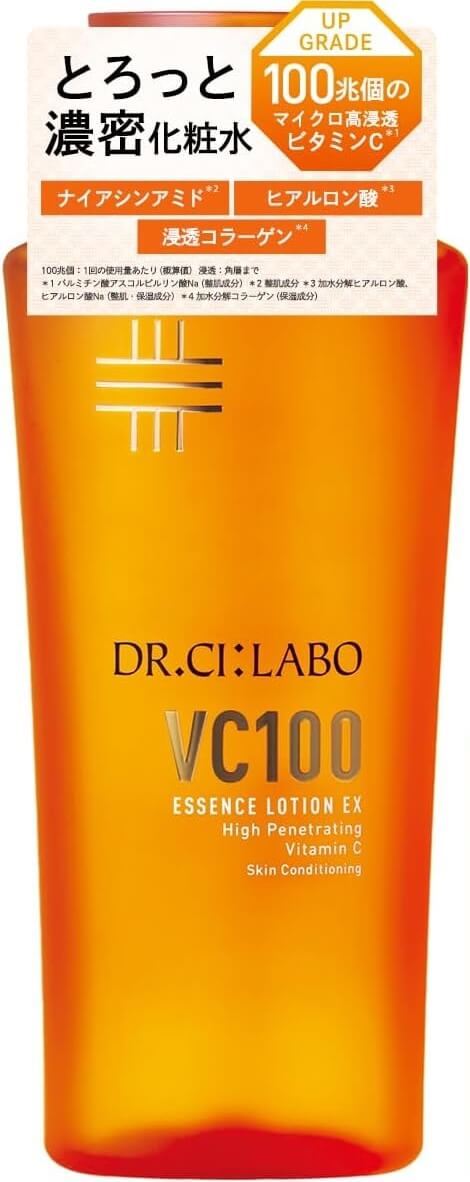
Contains a high concentration of ” Highly Penetrating Vitamin C (APPS),” whose penetration power has been dramatically improved compared to conventional products. It not only suppresses inflammation (redness) caused by sebum oxidation, but also helps collagen production and approaches pore opening. The rich, thick texture adheres to the skin, and beauty ingredients such as hyaluronic acid and niacinamide penetrate to the depths of the stratum corneum. With just one bottle, you will have a tight texture and a bright skin tone at the same time.

Click here for details and purchase.
Recommended item 3 for nose redness care
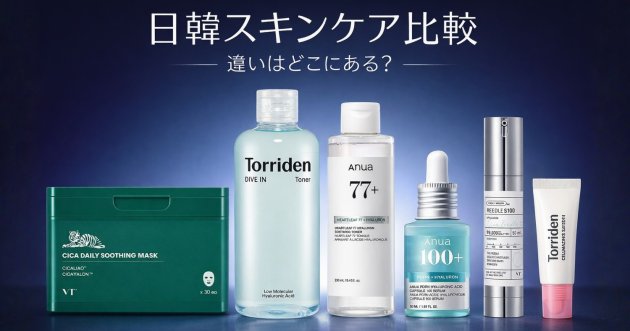
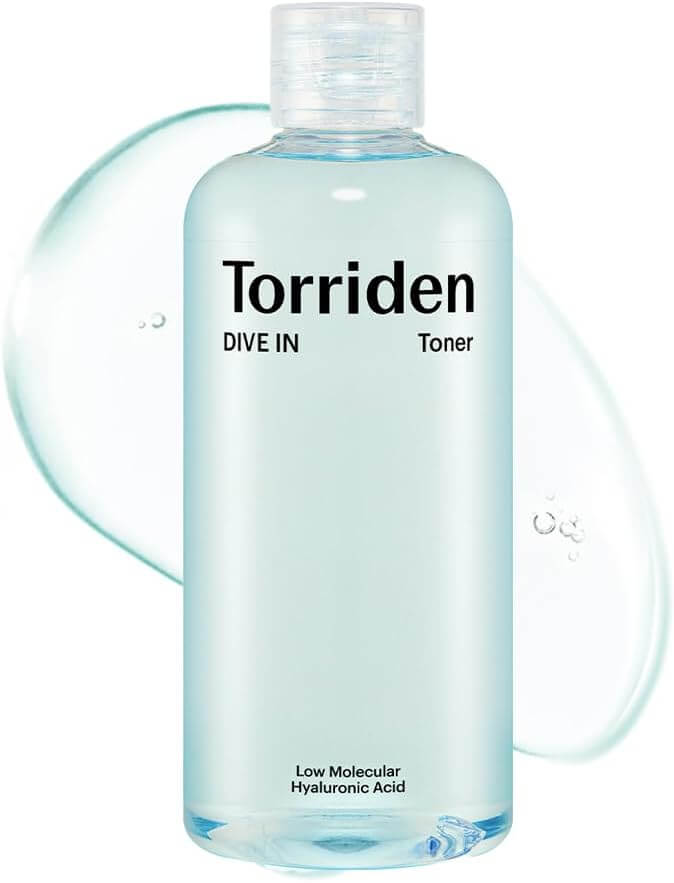
Torriden’s Dive In Toner is a highly moisturizing toner that contains five types of hyaluronic acid. It also contains skin conditioning ingredients such as panthenol and allantoin, and features a formula that regulates the skin barrier disrupted by dryness and irritation. Torriden is a Korean skincare brand that pursues barrier care with a hypoallergenic and highly moisturizing formula based on research into hyaluronic acid and other moisturizing ingredients.
Click here for details and purchase.
Recommended item 4 for nose redness care
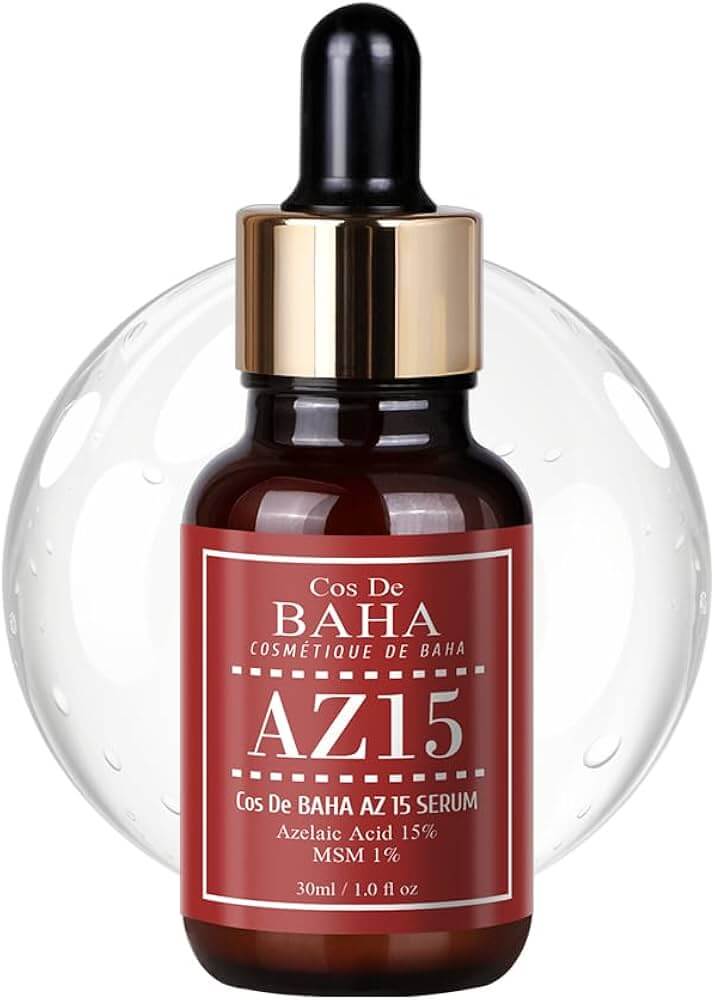
This potent serum contains a high concentration of “azelaic acid,” which is widely used overseas to treat acne and red faces. While controlling excessive sebum, it is effective in regulating clogged pores and dead skin cells, and is effective in treating persistent redness and pockmarks on the creases of the nose. It also contains panthenol and hyaluronic acid, and is designed to be gentle on the skin despite its high concentration. This is a winning item for those who seriously want to change their ” nose crease.
Click here for details and purchase.
5 recommended items for nose redness care
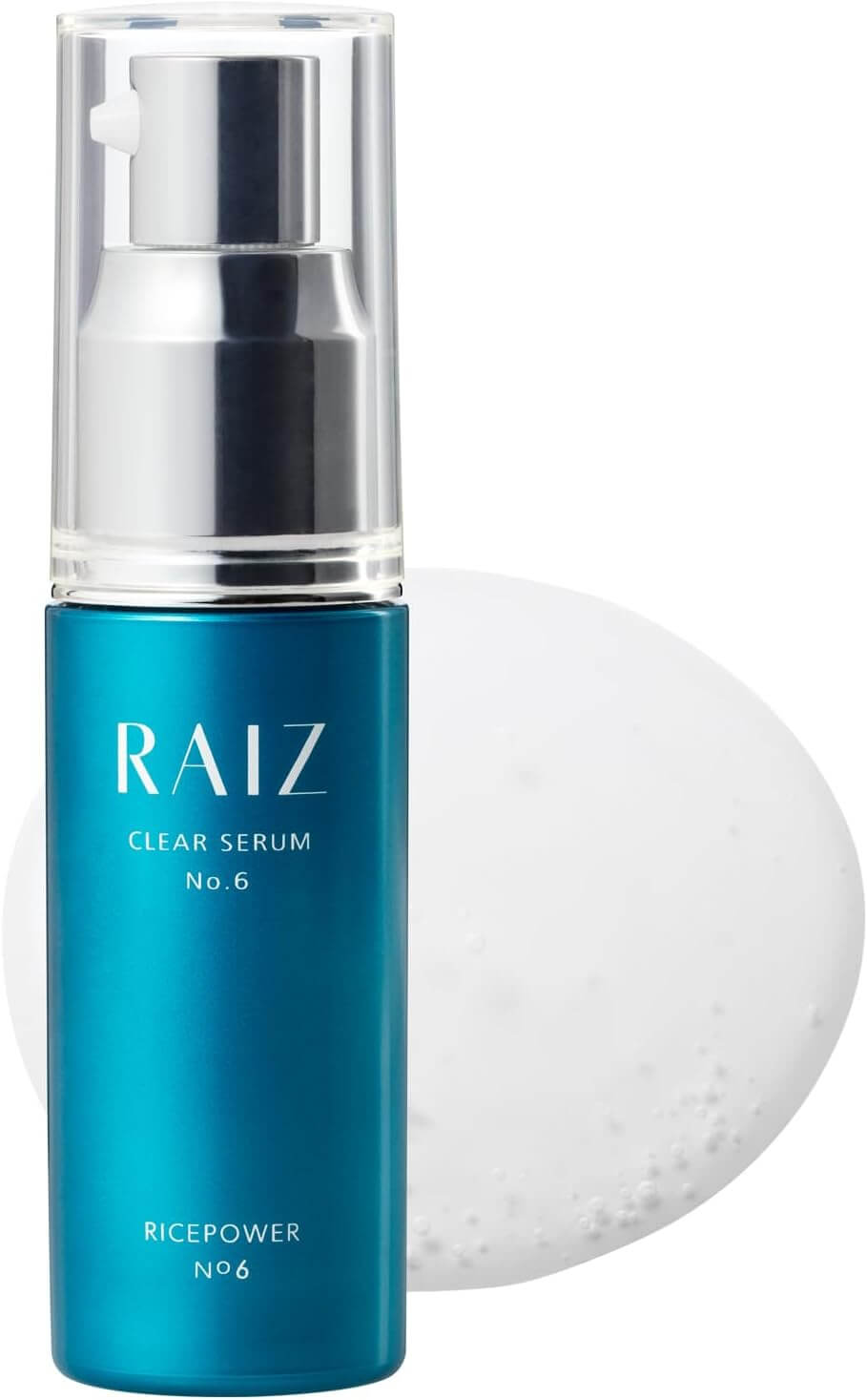
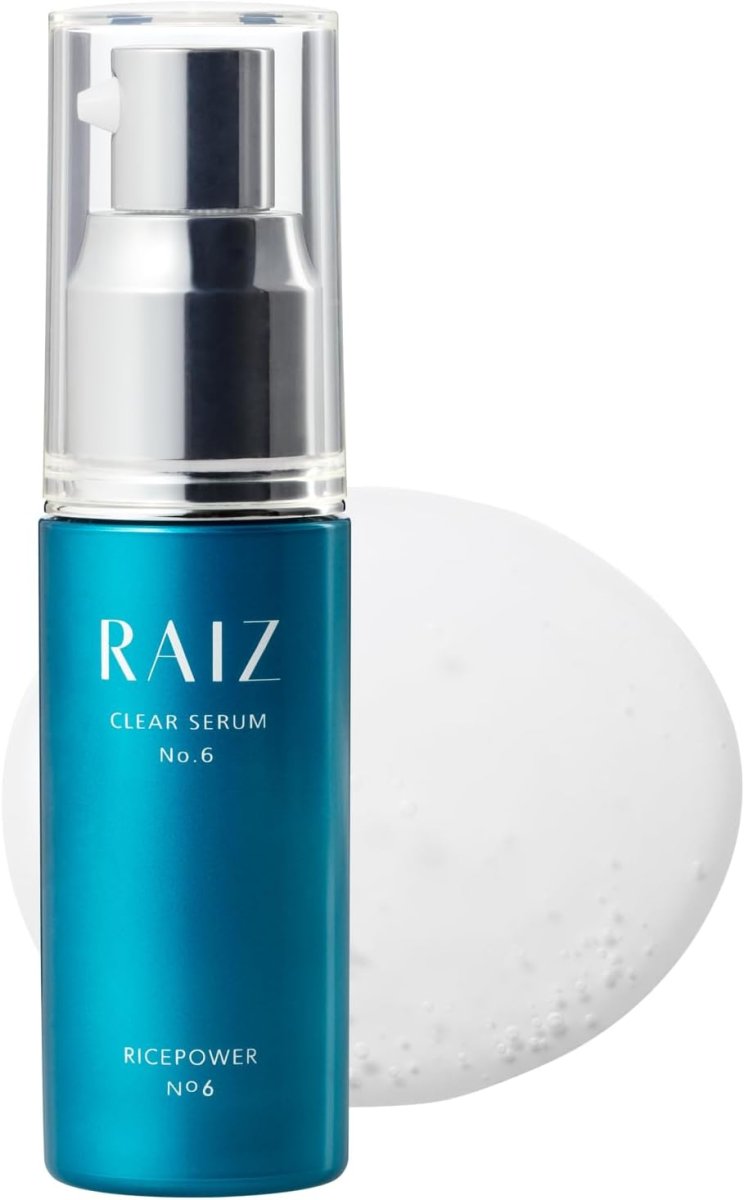
Contains “Rice Power No.6,” the only active ingredient in Japan approved for its efficacy in controlling sebum secretion, rather than “absorbing sebum. It prevents the occurrence of ” oxidized sebum ( lipid peroxide ) ” which is a major cause of redness of the nose. The fresh, lightweight texture of the product does not feel sticky at all, making it easy to incorporate into your daily skincare routine, and the longer you use it, the more it will lead you to a clean skin impression with no visible pores.
Click here for details and purchase.
6 recommended items for nose redness care
Focusing on changes in the skin beauty bacteria (indigenous skin flora) that exist in everyone’s skin, this product contains seven types of pre/probiotic-derived ingredients to fundamentally strengthen the skin’s barrier function. Instead of healing damaged skin after it has been damaged, it helps to create ” strong skin ” that is less susceptible to damage. By using it immediately after cleansing the face, the texture of the skin is improved as it continues to be used. It is the perfect partner for those suffering from chronic redness to improve their skin texture.
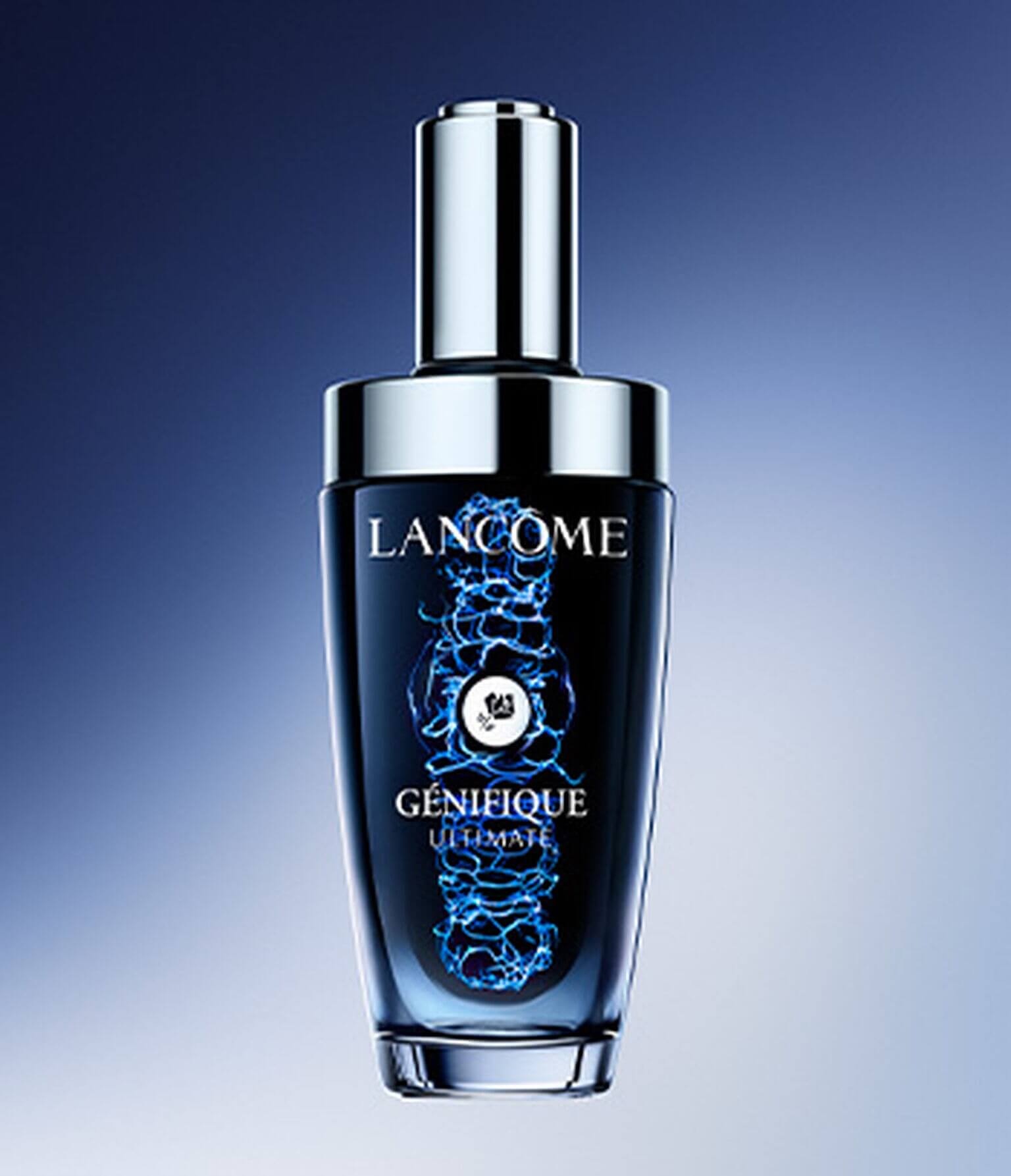
Click here for details and purchase.
7 recommended items for nose redness care
Abib “Resurrection Grass Cream” is a highly moisturizing cream containing an extract derived from the desert plant ” Resurrection Grass. It also contains skin conditioning ingredients such as panthenol and 2K glycyrrhizic acid, and is designed to regulate the skin barrier that has been disrupted by dryness and irritation. Abib is a Korean skincare brand that uses natural ingredients and mildly acidic formulas based on the concept of conditioning the skin’s natural condition.
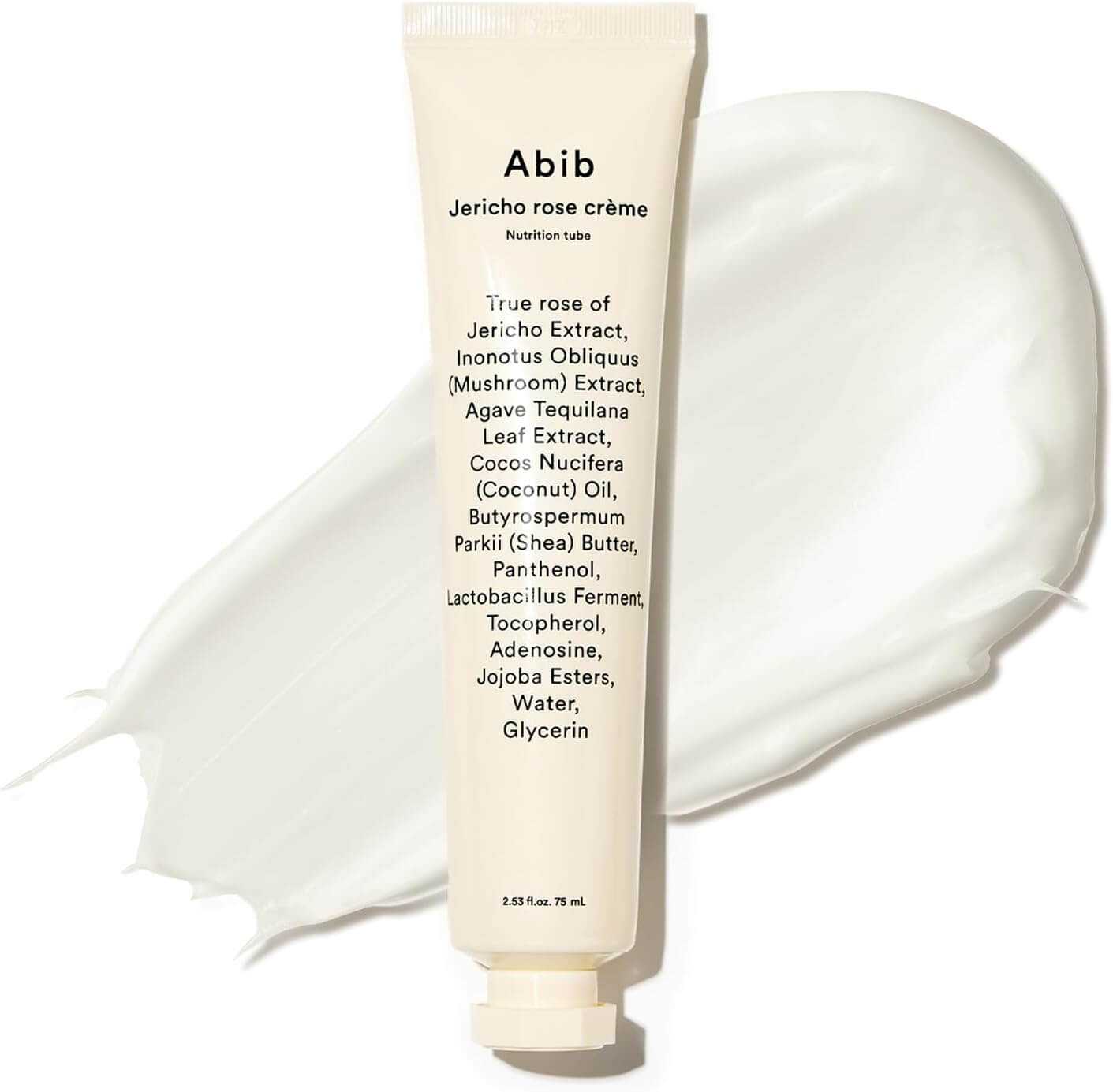
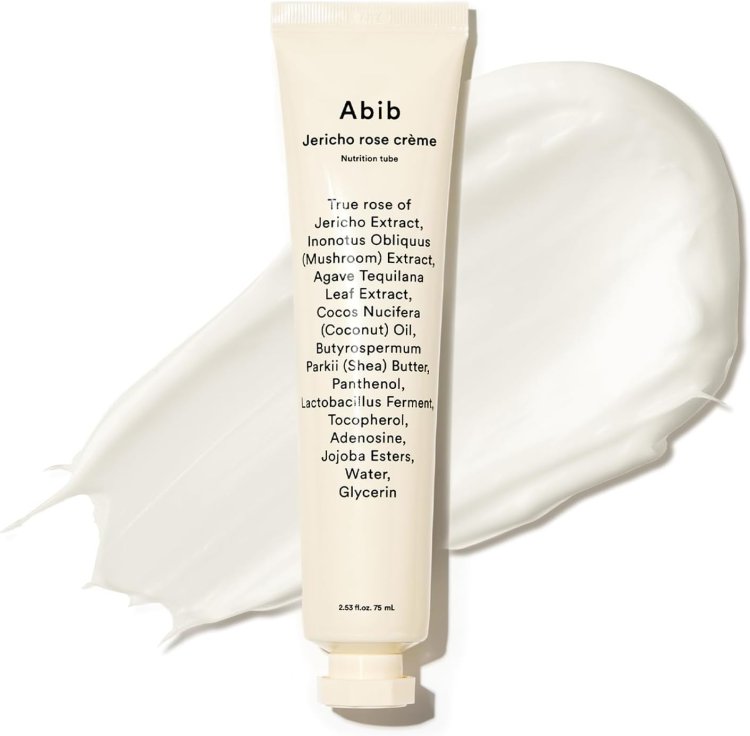
Click here for details and purchase.
8 recommended items for nose redness care
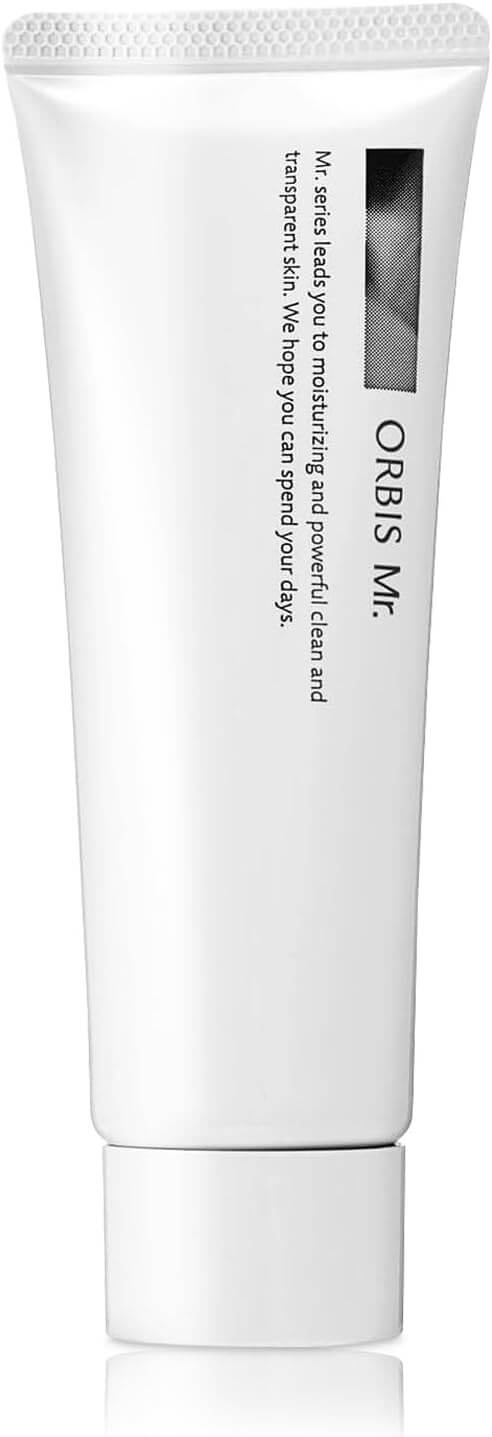
Containing the active ingredient ” niacinamide “, this product strongly backs up the skin barrier function from within. The greatest feature of this product is that it has high protective power like Vaseline, yet has an airy feel as if it bounces off the skin the moment it touches it. It locks in moisture, which tends to evaporate easily, while leaving the surface smooth and silky, making it an ideal moisturizer for men with combination skin who are concerned about shine but also want to prevent redness caused by dryness. Apply gently to the nose.
Click here for details and purchase.
Item 9 recommended for nose redness care
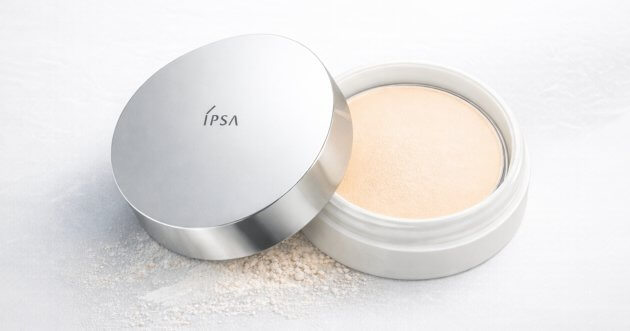
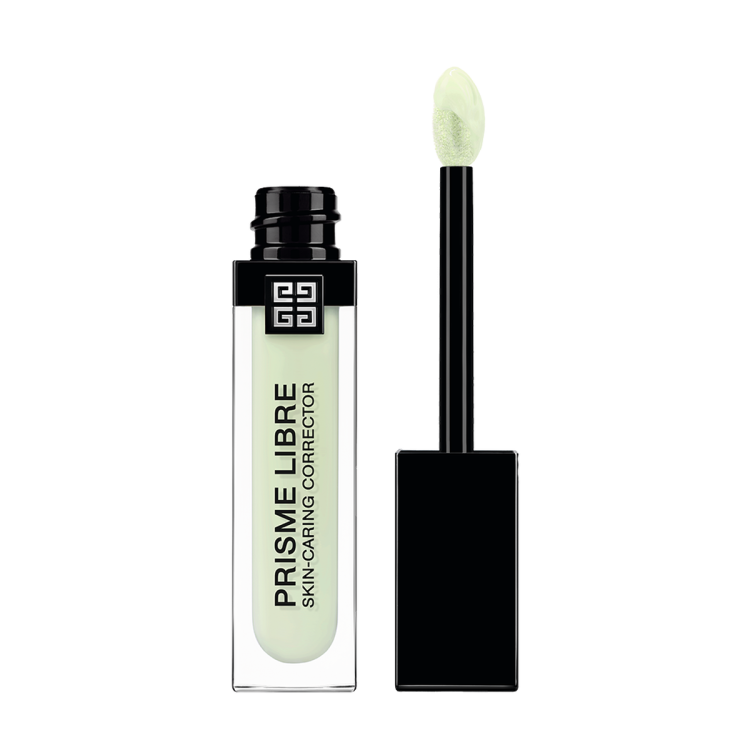
This new collector concept contains over 90% skincare ingredients to protect skin moisture while applying makeup. The complementary color ” mint green ” counteracts redness, instantly and naturally erasing the redness of the nose. The texture is very thin and spreads freshly, so even men’s skin does not look ” painted on ” at all, and it looks as if the skin itself has been beautified. The luxurious packaging is ideal for mature men, who will feel good just by carrying it around with them.

Click here for details and purchase.
10 recommended items for nose redness care
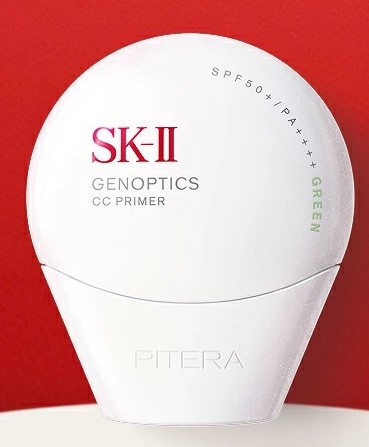
This skincare-inspired CC primer is luxuriously formulated with SK-II’s own special natural ingredient ” Pitera™. It not only hides redness with its color, but also improves skin texture as you use it, leading to healthy skin that is weakened by redness and protection due to dryness. The mint green control color with excellent redness-correcting properties instantly counteracts redness around the nose, creating a clear, natural skin tone and a clean look without a thick coat.
Click here for details and purchase.
Make nose redness care a habit by solving questions about causes and countermeasuresQ&A on redness of the nose
Q1. Redness of the nose does not go away easily. Why is this?A. There are cases where multiple causes overlap
Prolonged redness of the nose may be due to a combination of multiple factors, including seborrheic dermatitis, telangiectasia, and irritant dermatitis. In particular, people with high sebum production are more likely to have persistent inflammation caused by Malassezia fungi, which may be difficult to improve with skin care alone. If redness persists for a long period of time, a dermatologist should be consulted.
Q2. Can redness of the nose be improved by skin care alone?A. Medical care is necessary if capillary vasodilation is the cause
If the redness is due to mild inflammation or lowered barrier, it can often be improved by hypoallergenic cleansing and moisturizing care. On the other hand, if it is caused by capillary dilation, it is difficult to completely eliminate by skincare alone, and treatments such as laser or IPL may be an option.
Q3. What skin care should not be done when there is redness on the nose?A. Excessive exfoliation is counterproductive
Scrubbing face washes, strong peels, and cosmetics high in alcohol can disrupt the stratum corneum barrier and worsen redness. Also, strong scrubbing of the face with a towel and frequent pore care can easily irritate the skin. When redness is present, switching to a simple moisturizing-centered care regimen is fundamental.
Q4. Can redness of the nose be aggravated by lifestyle habits?A. Be aware of factors that alter blood flow
Drinking alcohol, spicy foods, and sudden changes in temperature can cause blood vessels to dilate, which can lead to redness. Lack of sleep and stress can also increase the inflammatory response. In addition to skin care, adjusting lifestyle habits is also important to prevent redness.