
Sponsored by
Use more water if you are worried about the smellTeaching washing machine settings you can use when in doubt!
“I’m sure I’m washing properly, but I can’t get rid of the stains and smells…” When I shared this concern with a friend of mine who owns a private laundry, he told me that washing with more water would remove the stains and smells anyway. He told me that washing with more water would remove the stains and odors. Although the settings vary depending on the specifications of the washing machine, I will share with you my own tips and settings when using a washing machine.
| 1. washing volume | Keep the volume to 70-80% of the washing machine’s capacity. 2. |
| 2. water volume | Set to maximum |
| 3. washing | At least 12 minutes |
| 4. rinse | At least 2 times, set to 3 times if odor is a concern |
| 5. dehydration | 6 minutes or so (shorter is also acceptable for washing machines with high dewatering performance, such as drum-type washing machines) |
Incidentally, adjusting the dehydration to a shorter time not only reduces damage, but also has the advantage of eliminating the need for ironing, since the weight of the clothes in the water will cause wrinkles to stretch when hung to dry. However, since it is believed that dirt is lifted by washing and rinsing and removed by dehydration, extremely short dehydration is basically not recommended.
↑Laundry researcher Rie Hirashima offers all kinds of laundry know-how on YouTube, including key points for washing machine settings and approaches to various stains, so those who want to improve their laundry skills should definitely check out her YouTube channel.
If you know what to do, washing delicate materials won't be scary!Pick up countermeasures for each fabric prone to failure
If you have an idea of the proper washing for each material, you can reduce the possibility of care failures. In this section, we will introduce a bulleted list of cases of laundering failures for each material.
Fabrics and Materials Prone to Failure 1Wool
Wool fabrics are prone to shrinkage called felt shrinkage, which occurs during washing and drying. In addition, chlorine bleach and enzyme-based detergents are said to be chemically damaging and should be avoided. For this reason, wool fabrics are often considered non-washable and dry-clean only.
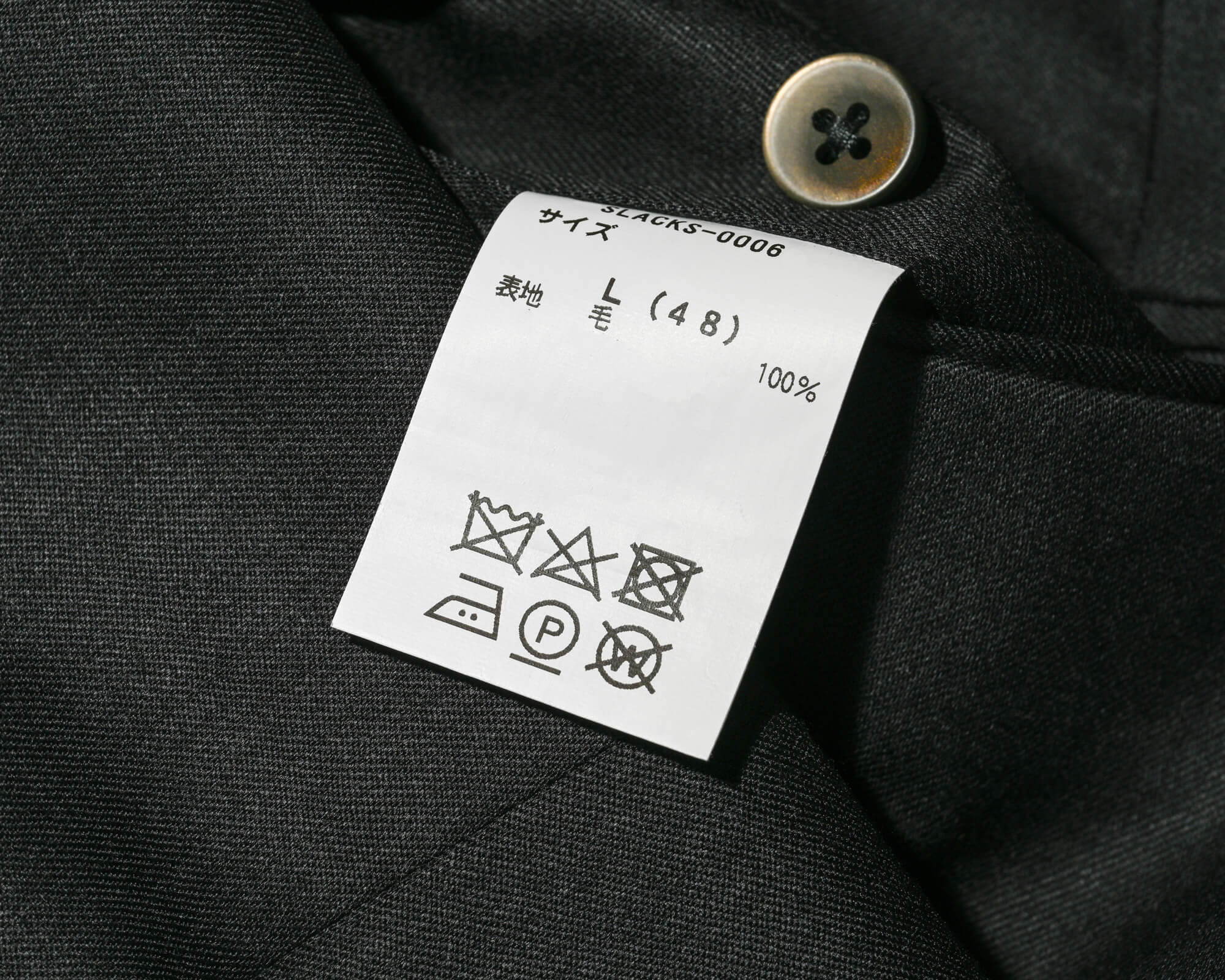
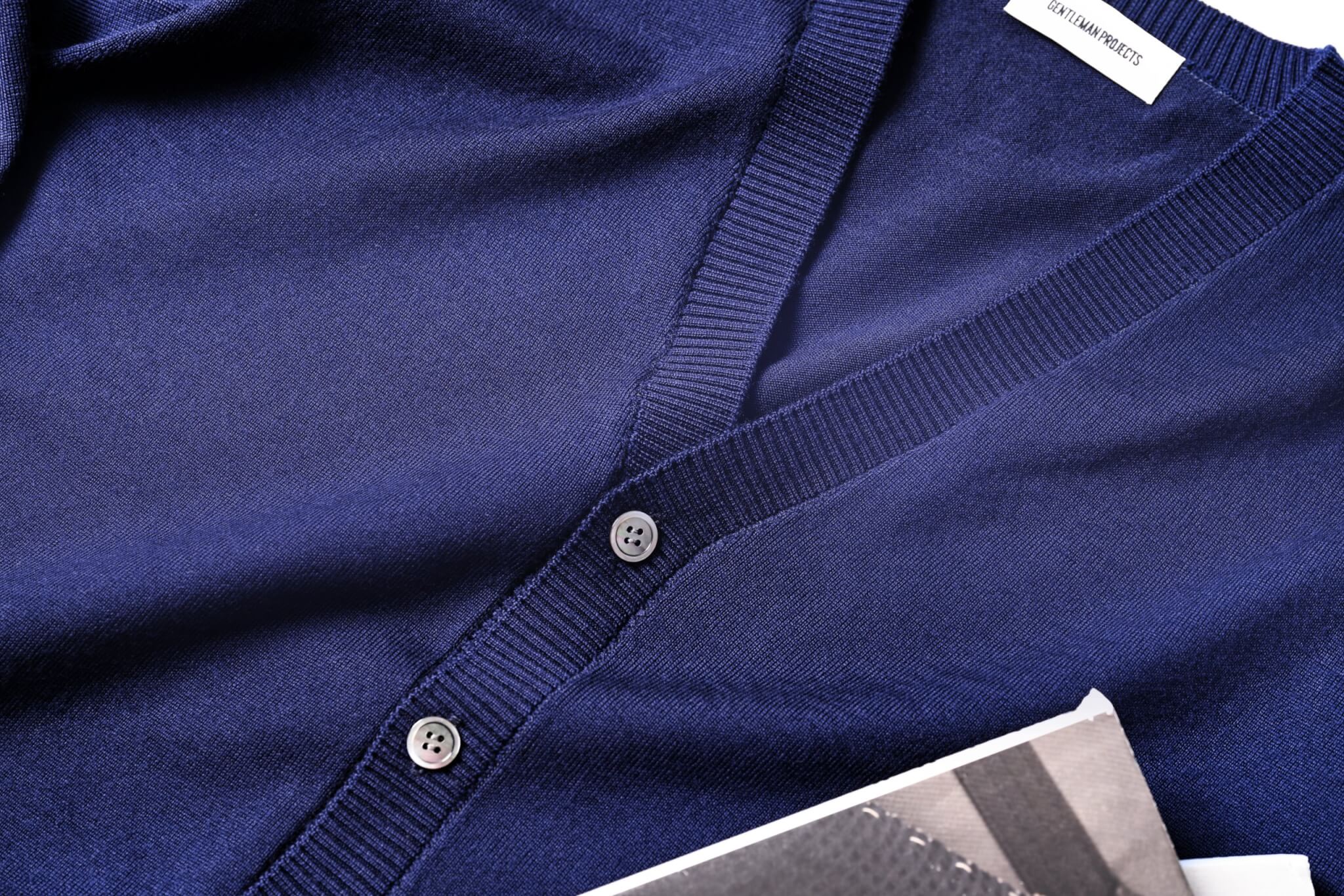
On the other hand, some wool products are washable. Most of them have an industrial shrinkage-preventive finish, which prevents felt shrinkage compared to untreated fabrics. However, high-temperature, heavy-duty washing may cause deterioration of the texture, so it is recommended to hand-wash gently with enzyme-free or mild detergent for wool, and dry flat.

[related article]
Fabrics and Materials Prone to Failure 2Down
Many down jackets with nylon or polyester outer fabrics can be washed at home. However, it takes a lot of courage to try to wash them. To avoid mistakes, be sure to check the laundering label. If the label says “tumble dry at low temperature,” run the down jacket in a dryer at low temperature, and if it says “tumble dry prohibited,” dry it naturally in the shade for a few days.
However, down jackets absorb moisture extremely well, so it takes a considerable amount of time to dry completely. According to the official websites of outdoor brands such as Patagonia, THE NORTH FACE, and ARC’TERYX, down jackets are often not completely dry even when tumble-dried at low temperatures, The official websites of outdoor brands such as OTOKOMAE, The North Face, ARC’TERYX, and ARC’TERRIX introduce the technique of drying down with a clean tennis ball or a dryer ball to loosen the wet, lumpy down and restore its “loft” (bulk).
↑Check out the OTOKOMAE YouTube channel for videos on how to wash down jackets.
Failure-prone fabrics and materials 3Water-repellent fabrics
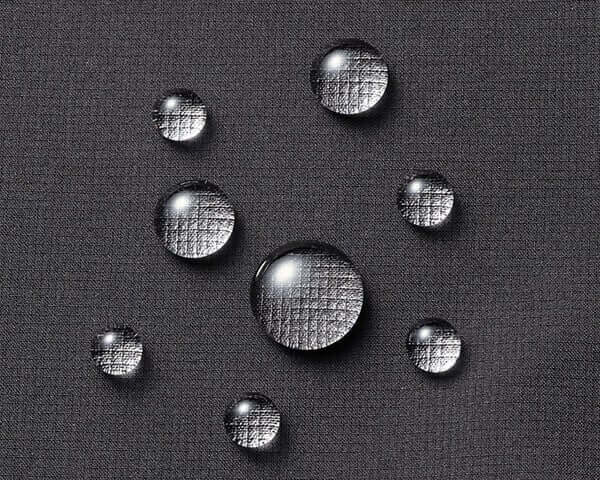
Many functional wear with water-repellent performance, such as GORE-TEX, can also be washed at home. However, many people are concerned that home laundering may cause the water-repellent performance to disappear. First, fabric softener and detergent residue tends to form a “film” that interferes with the water repellency of the fabric. Second, water repellency is basically restored by low-temperature heat, so check to see if the label allows this. If the laundry label says that low-temperature ironing or low-temperature tumble drying is allowed, then low-temperature heat can be used to restore water repellency.
Failure-prone fabrics and materials 4Print
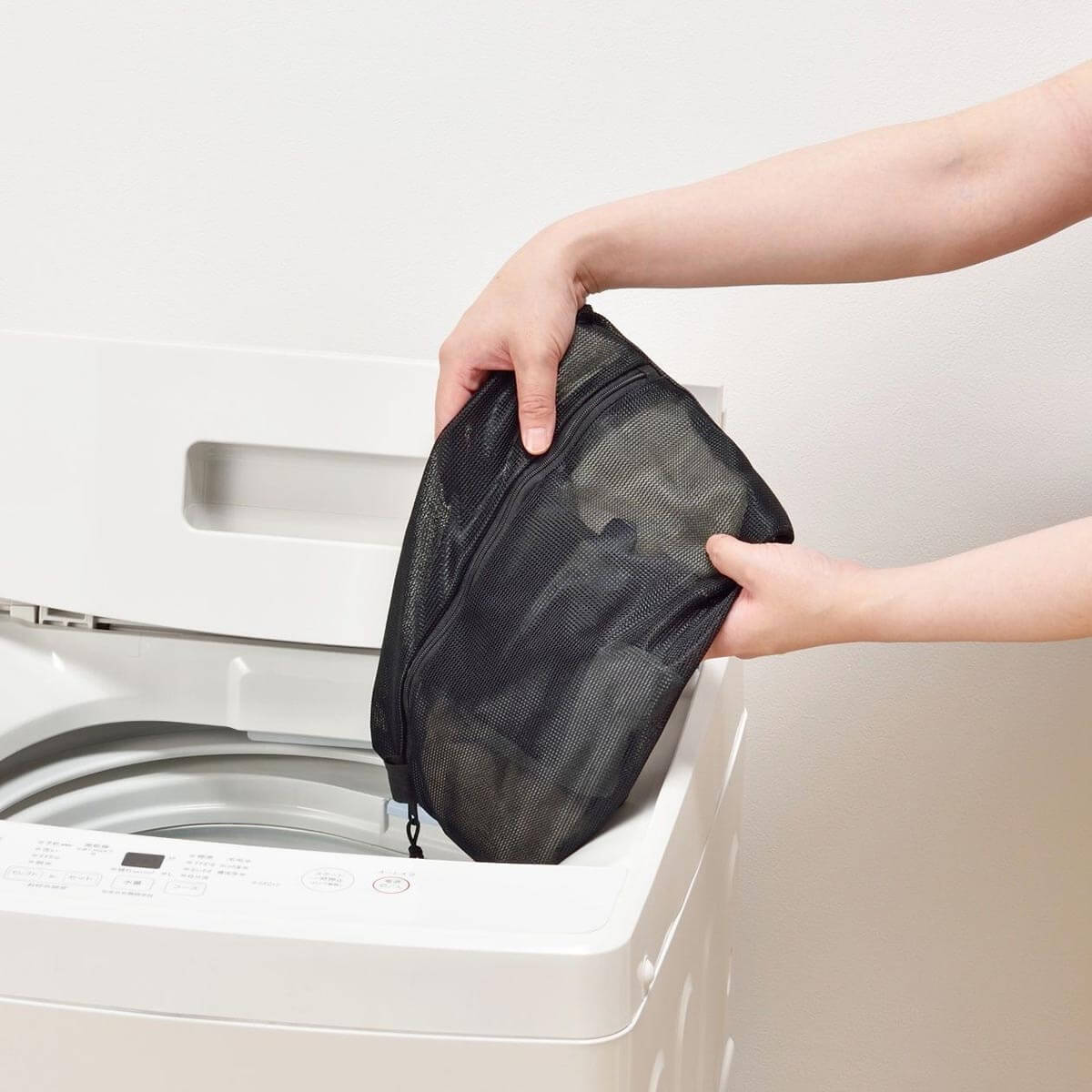
Although a certain amount of print aging is inevitable after repeated wear, many people want to keep their clothes as beautiful as possible for as long as possible. In this case, we recommend turning the garment inside out and using a laundry net to reduce friction on the print. The trick is to place the garment in the laundry net so that there are no gaps between the net and the garment. It is best to choose a laundry net of a size that fits snugly, but if you only have a large laundry net on hand, you can tie the excess portion to eliminate the gap.
Readers' specific questions answered!FAQ
Finally, here are some questions from readers and the answers to them.
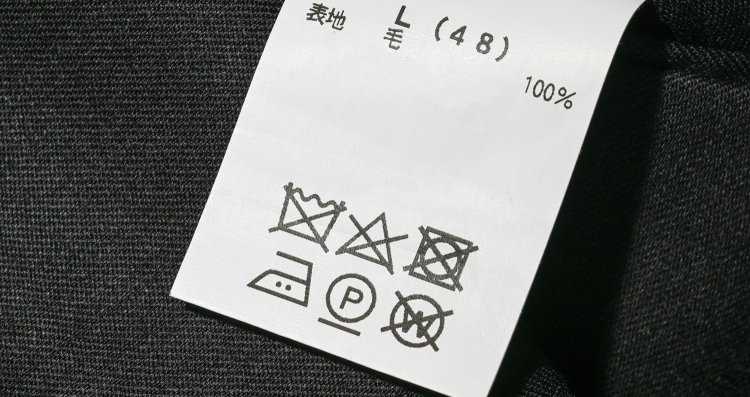
Q. What does the shade symbol mean?A. The natural drying symbol with the diagonal line in the upper left corner is an instruction to avoid direct sunlight.
The more particular you are about laundry, the more you avoid direct sunlight when drying and drying. Drying indoors with a circulator or bathroom drying function is another option.
Q. When do I use wet hang-drying?A. Use with delicate materials with a weaker dehydration.
Two vertical lines in a square are the markers. Wet hang-drying can lighten the wrinkles after washing, so it is recommended to use it for clothes that you don’t want to wrinkle too much.
A. Distinguish by the number of dots.
A. For home machines, “low” is equivalent to the “low” setting. If in doubt, it is advisable to switch to natural drying.
A. It means that you can wash very weakly with an upper limit of 30°C.
Q. What does the number 30 on the tub and the two underlines mean?A. It means that you can wash very weakly with an upper limit of 30°C.
It is easier to capture if you remember that the number is the upper temperature limit for liquid temperature, and the more underlines, the more it recommends very weak washing.
Q. Is there a square-only X?A. None
The x in dryness is only a no-tumble mark and is represented by an x in a circled square.
Q. How should I handle garments with old laundry labels?A. If in doubt, wash conservatively.
If it is difficult to read the old/old laundry label, it is better to wash very weakly and dry naturally, unless there is an x (prohibited) mark on the laundry label.
Q. Why is hanging-drying recommended for knitwear?A. This is because they are prone to stretching and losing their shape.
A. Because they tend to stretch and lose shape.
A. Symbolically, it is a different lineage.
Depending on the material and the finish, you will decide whether or not to require a fabric softener. If you are concerned, you can choose not to add fabric softener.
Q. There is a strong residual fragrance. What should I review in my settings?A. Review the amount of detergent and fabric softener used and the number of rinses.
There is a very common pattern of adding too much detergent/softener. Rinsing more often or using the water pour function in the wash, if necessary, will help remove odors.
A. Professional wet processing is possible if the W system is allowed.
If you are not comfortable making a decision based on the laundry label alone, consult a reputable dry cleaner.





![Secret tools of a good traveler] Three divine items to include in your list of things to bring when traveling abroad.](https://otokomaeken.com/wp-content/uploads/2025/07/f76e884828bbf7294aac529657cb0024-630x331.jpg)






![Steve McQueen: A Man Who Lived Freely and Never Compromised on Duty or Principle [Men's Biographies]](https://otokomaeken.com/wp-content/uploads/2026/09/7966bae78213db11914ad7af893f8431-4-750x396.png)
![Paul Newman: The Man Who Turned Fame into Money and Donated All His Profits to Charity [Men's Biographies]](https://otokomaeken.com/wp-content/uploads/2026/08/2071d8b3d6b46d67221ad9d050c85da8-750x396.png)

![George Foreman: From World Champion to Pastor—The Boxer Who, After a 10-Year Hiatus, Knocked Out an Undefeated Champion at Age 45 [Men's Biographies]](https://otokomaeken.com/wp-content/uploads/2026/09/7966bae78213db11914ad7af893f8431-2-750x396.png)


![Jon Bon Jovi: The Man Behind “Livin’ on a Prayer” Runs a “Priceless Restaurant” That’s Been Going Strong for 15 Years [Men in the Spotlight]](https://otokomaeken.com/wp-content/uploads/2026/09/7966bae78213db11914ad7af893f8431-1-750x396.png)
![Keanu Reeves: The Man Who Turned Down a $12 Million Sequel and Didn’t Cling to His Star Privileges [Men’s Profiles]](https://otokomaeken.com/wp-content/uploads/2026/08/aflo_177021114-750x464.jpg)