With roots in the training shoes of the former West German military, German sneakers have now become a fashion staple. While unraveling their mysterious history and connection to Martin Margiela, we introduce five iconic pairs worth choosing today.
Sponsored by
Where Did German Trainers Originate?Classic Designs, Yet No One Knows Who Made Them.The Mysterious History of German Trainers
German trainers trace their origins to the training shoes used by the former West German military. However, there are many unknowns regarding their designer and the circumstances leading to their creation, and several theories remain to this day.
The Prototype of the German TrainerThe 'BW Sport' Worn by West German Soldiers
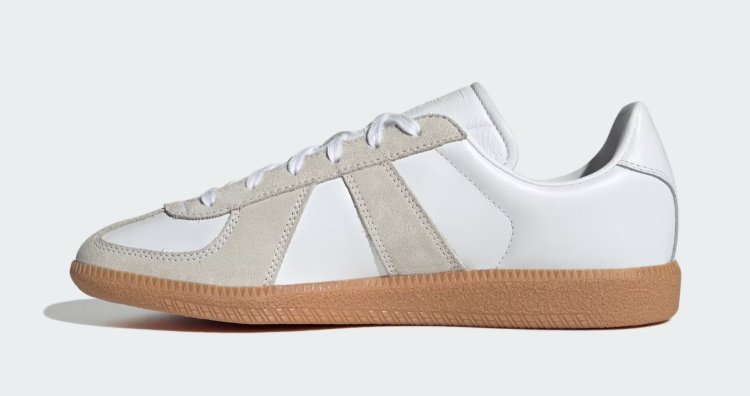
The sneakers known as “German Trainers” in Japan are often referred to in English-speaking countries as “German Army Trainers,” or “GAT” for short.Their prototype was a sports shoe adopted for training by the Bundeswehr (German Federal Armed Forces) of the former West Germany starting in the late 1970s. Known by names such as “Bundeswehr Sportschuhe” and “BW Sport,” they were mass-produced in the 1980s.The basic design features a white leather upper reinforced with gray suede, paired with a thin gum rubber sole. It is characterized by a low-profile silhouette that allows for easy movement in gyms and during training, as well as a simple design. As a result, today they strike a unique balance: they don’t look as sporty as running shoes, yet aren’t as overly polished as court sneakers.Some theories trace the roots of the German trainer back to the 1936 Berlin Olympics, pointing to a connection with the spikes manufactured by the Dassler Brothers Shoe Factory that Jesse Owens wore.Owens’ competition shoes were crafted by Adi Dassler and others, who would later found adidas. However, no definitive records have been found to indicate that these spikes directly led to the later BW Sport.
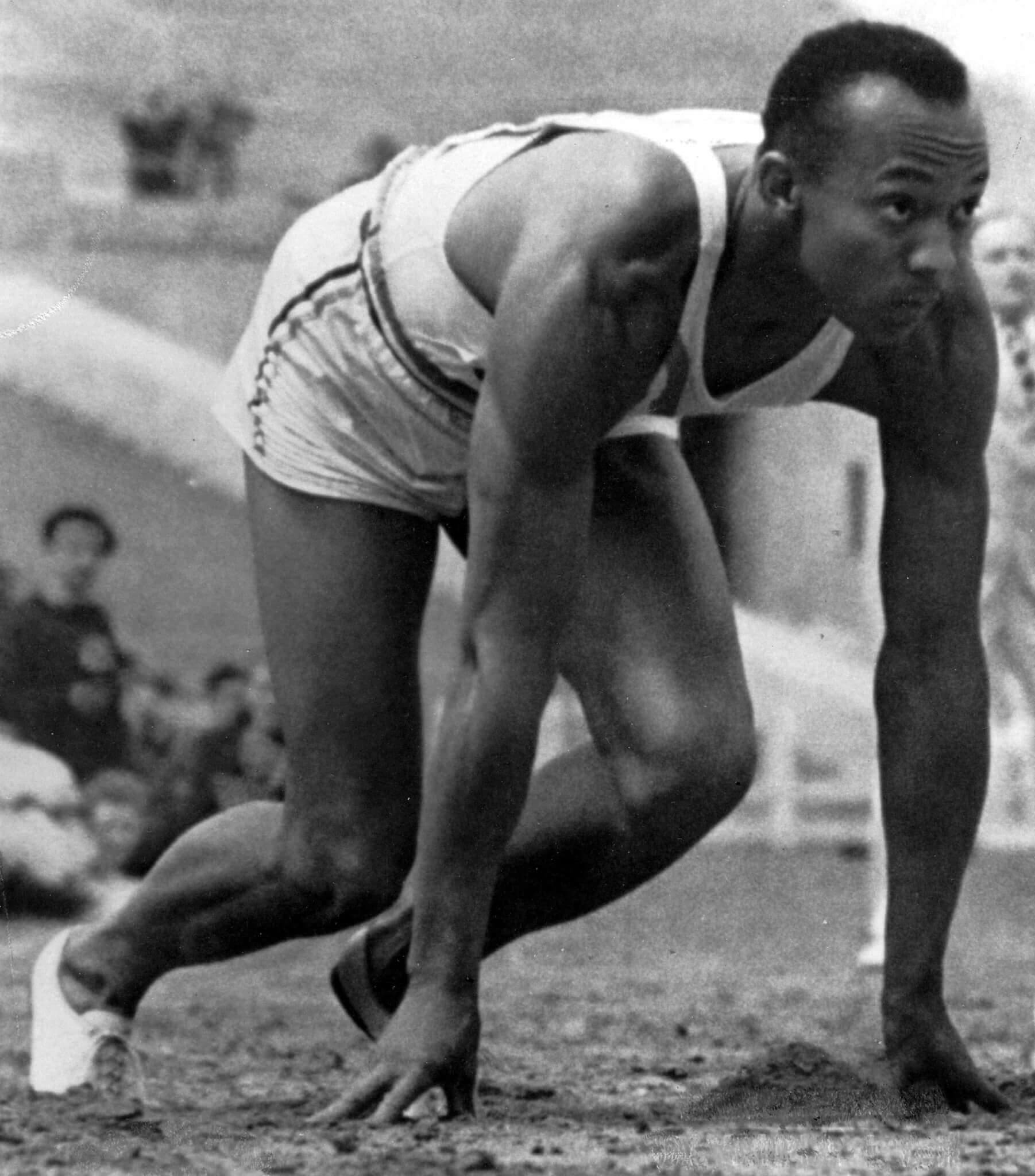
Photo: Afro
The Controversy Over the Origin of the German Traineradidas or PUMA? The Unresolved Debate Over the Original Creator
There is still no conclusive answer regarding who designed the German trainer.While one theory traces the origin to adidas—since the company manufactured the “BW Sport” for the Bundeswehr—another theory suggests that the prototype was created by PUMA, founded by Adi’s older brother, Rudolf Dassler. However, the production processes for military gear differ from those for general fashion items.It is also possible that multiple manufacturers produced the shoes based on specifications set by the Bundeswehr. The fact that subtle differences in specifications can be observed among vintage GATs does not contradict this view. Although it is a shoe so well-crafted that brands around the world have drawn inspiration from it, the designer’s name has not been recorded. This anonymity is another factor that makes the German Trainer so special.Starting in the late 1980s, orders from the Bundeswehr began to decline. Due to military downsizing following the end of the Cold War and German reunification, many military items entered the European surplus market in the 1990s. From this point on, the German trainer’s focus shifted from the military to fashion.
The Relationship Between the German Trainer and MargielaMartin Margiela: The Man Who Transformed Anonymous Military Boots into a Fashion Icon
Martin Margiela is the figure most closely associated with bringing the German trainer—originally a piece of military gear—into the realm of fashion.Through his approach of reevaluating the value of existing items, the GAT gained new meaning in the world of fashion.
The Reversal of Value in the 1990sFrom Surplus German Trainers to the Runway
In the 1990s, Margiela is said to have acquired German military surplus sweatshirts that were circulating in Austria. For the Spring/Summer 1999 Artisanal presentation, he used actual military sweatshirts that had been cleaned, repaired, and altered. He added the maison’s signature numbering to the tongue of the shoes.Picking up existing products, modifying them, and repositioning them in a different context—this approach embodied the very philosophy of early Margiela, which valued anonymity and reuse. In other words, Margiela did not invent the German sweatshirt. Rather, he was the one who discovered fashion value in anonymous military gear and transformed its appearance.
Toward a Pair That Symbolizes the Maison“Replica”: Unapologetically Copying Military Gear
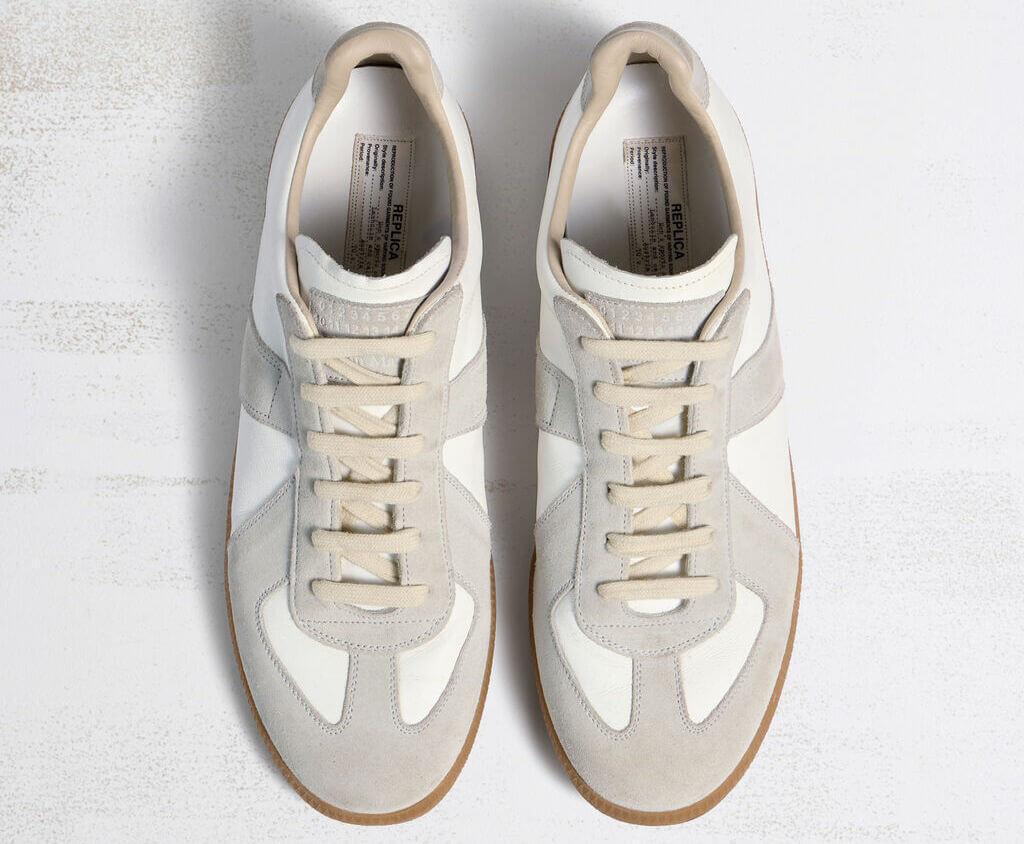
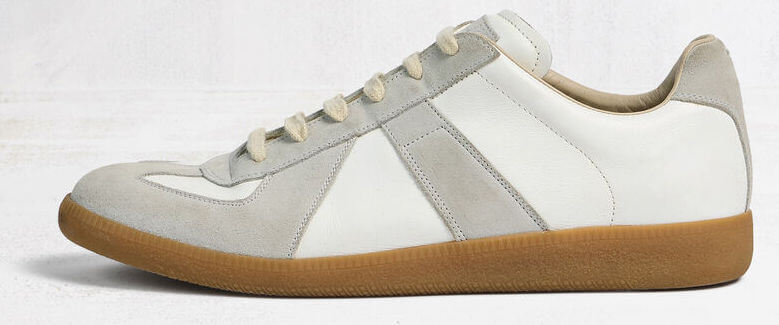
After using vintage military gear, the Maison began producing its own German trainer-style sneakers.This is the “Replica,” which has since become the defining model of Maison Margiela. Its name is particularly distinctive: “Replica” means “copy.” Rather than hiding its military origins to assert originality, the brand presented the very act of reinterpreting existing items as its core concept.Even in current models, the basic design—such as the low silhouette and suede panels at the toe—remains true to the GAT’s legacy. As a symbol of the transformation of military footwear into luxury, it has become an indispensable part of the history of German trainers.
From History to Modern Reinterpretations5 Must-Have Classics When Choosing German Trainers
Today’s German trainers range widely, from faithful reissues to luxury reinterpretations.We’ve carefully selected five models you’ll want to know about, based on their historical significance and unique designs.
An Icon That Has Etched German Trainers into Fashion HistoryMaison Margiela “Replica”
If you’re choosing GAT as a fashion statement, Maison Margiela’s “Replica” is sure to be among your top contenders.It features a low-cut upper that alternates between nappa leather and suede, paired with a honey-colored rubber sole. While maintaining the simple construction derived from military gear, it is elevated to a level of luxury through its materials and craftsmanship. The fact that Maison Margiela—the brand that brought the GAT into the world of high fashion—continues to produce this model to this day adds to its unique value.
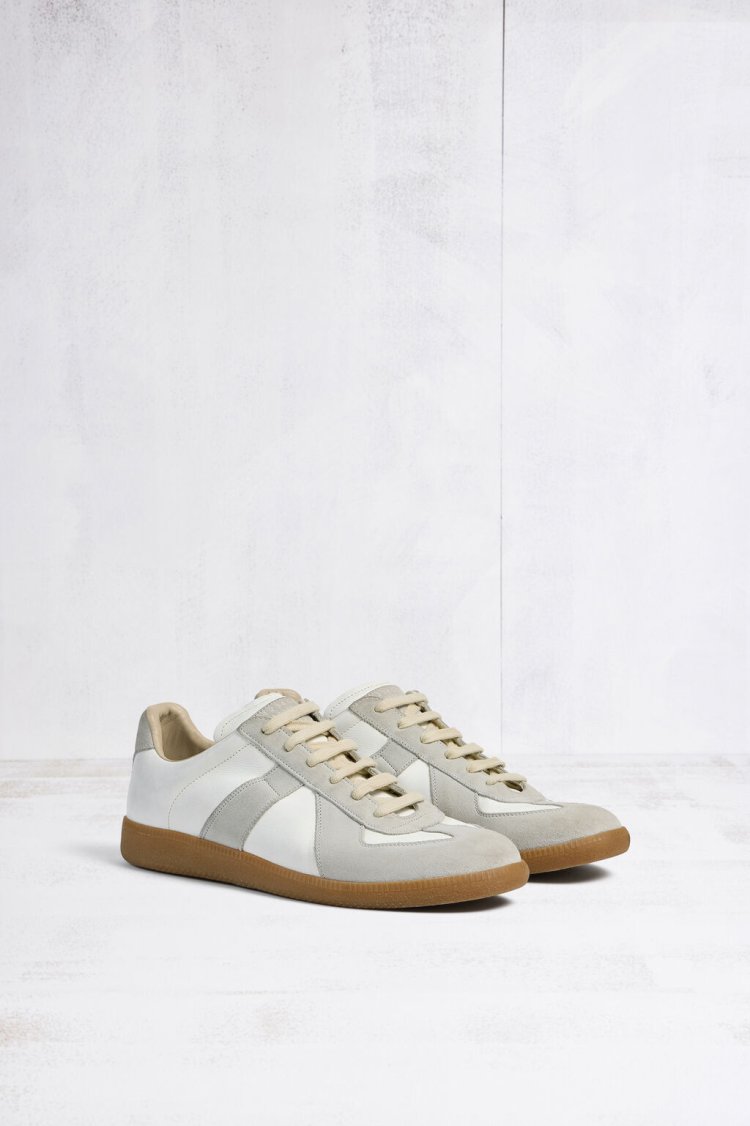

Click here for details and purchase
A pair that embodies the true spirit of the GATadidas ‘BW Army’
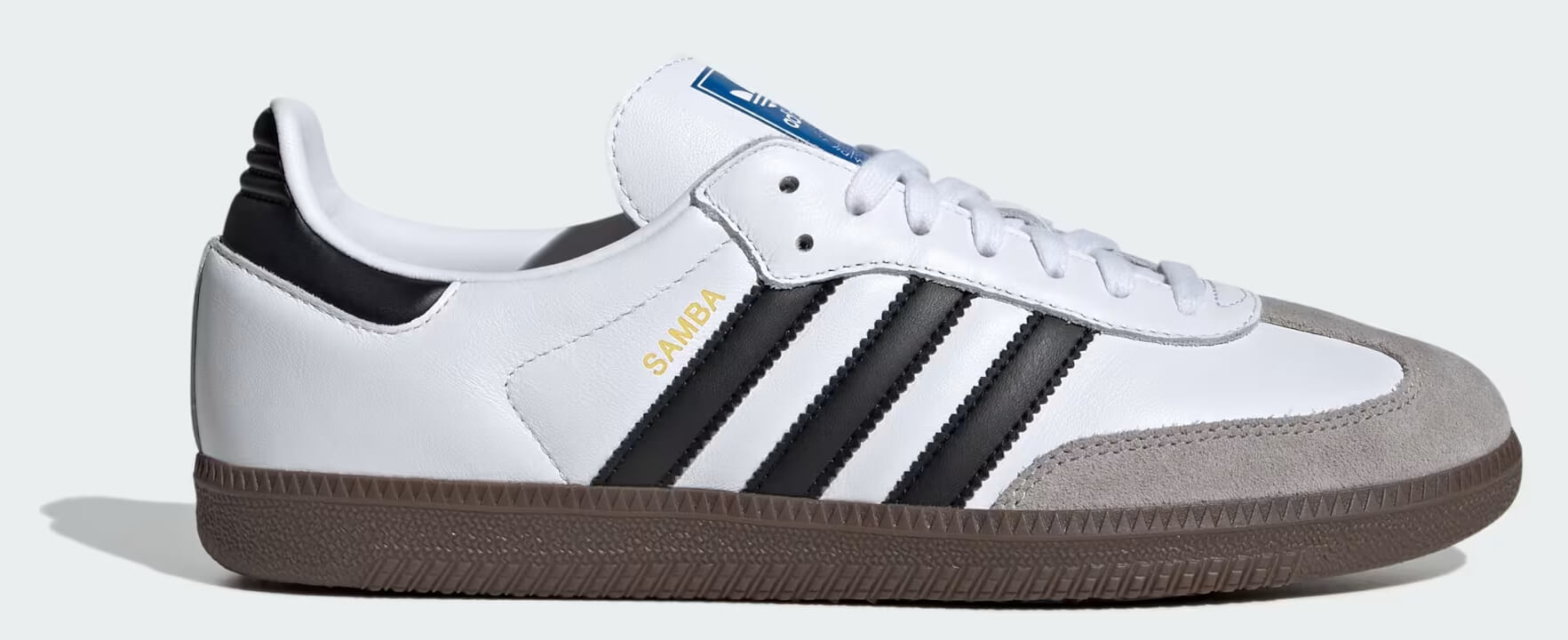
If you prioritize a direct connection to history, the adidas “BW Army” is a strong contender. Inspired by German military training shoes, it’s a modern reinterpretation featuring a low-profile design primarily crafted from leather.While it shares a thin-soled silhouette similar to the Samba, the Samba is a soccer shoe that originated in the 1950s, so their lineages differ. If you’re looking for a GAT-style shoe from adidas, this model is closer to the original lineage.
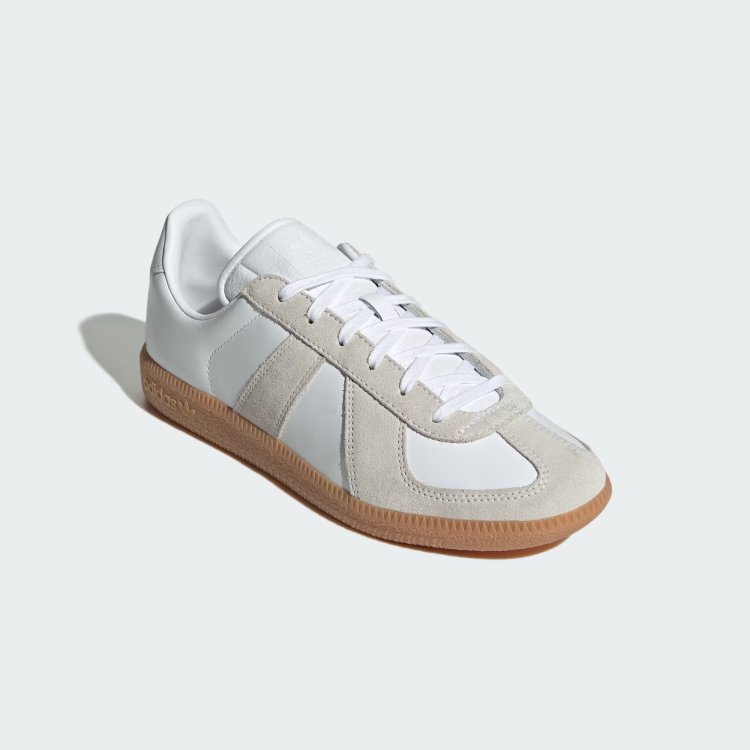
Click here for details and purchase
The Straightforward Approach to Reissuing Military BootsREPRODUCTION OF FOUND ‘GERMAN MILITARY TRAINER’
If you simply want to enjoy the authentic vibe of vintage GAT, REPRODUCTION OF FOUND is the perfect choice. This brand researches archives of military training shoes and reproduces them at European factories that originally produced military gear.The “GERMAN MILITARY TRAINER” faithfully replicates the slim silhouette and suede accents while being crafted with modern materials and quality.
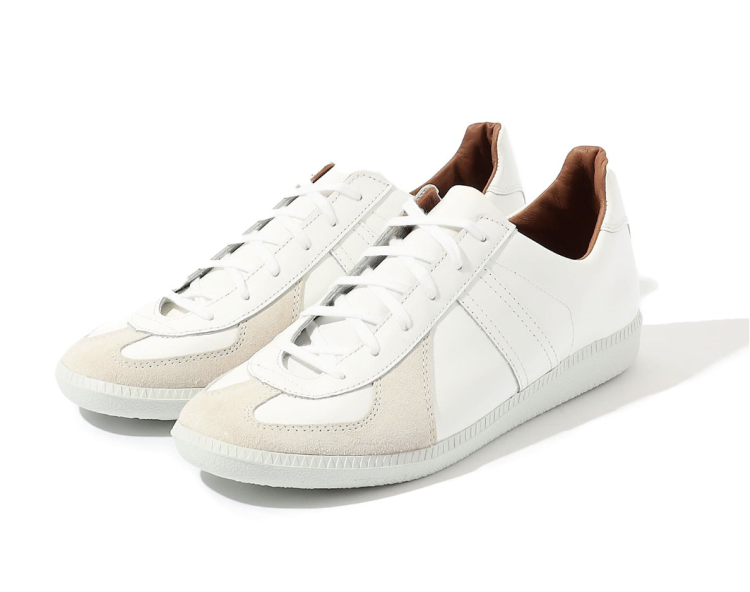

Click here for details and purchase
Translating Industrial Products into Artisanal CraftsmanshipHender Scheme ‘manual industrial products 05’
Hender Scheme reconstructs the German trainer from a craftsmanship perspective.“manual industrial products 05” features a panel construction reminiscent of GAT, realized with a cowhide upper and leather sole. Rather than simply imitating the white-and-gray color scheme, it places the texture of the leather itself and its aging process front and center.This highly original pair transforms mass-produced military gear into handcrafted footwear.
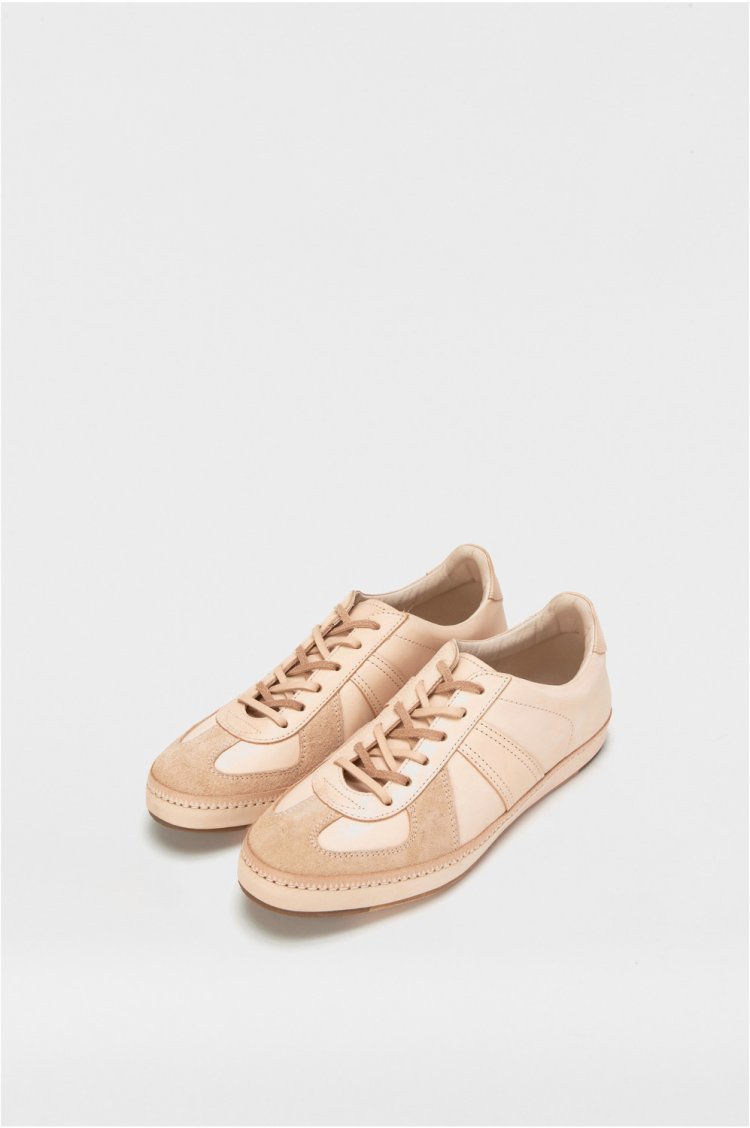
Click here for details and purchase
The Current Form of Low-Top Leather Sneakers as Envisioned by Luxury BrandsDIOR ‘B01 Match Point Sneaker’
One example of a modern interpretation by a luxury brand is DIOR’s “B01 Match Point Sneaker.”Combining leather and suede in a low-top silhouette and featuring an amber-colored rubber sole, this model evokes a sculptural resemblance to GAT. While it is not a reissue of a German trainer, it is a pair that illustrates how the thin-soled leather sneaker style has permeated contemporary luxury.
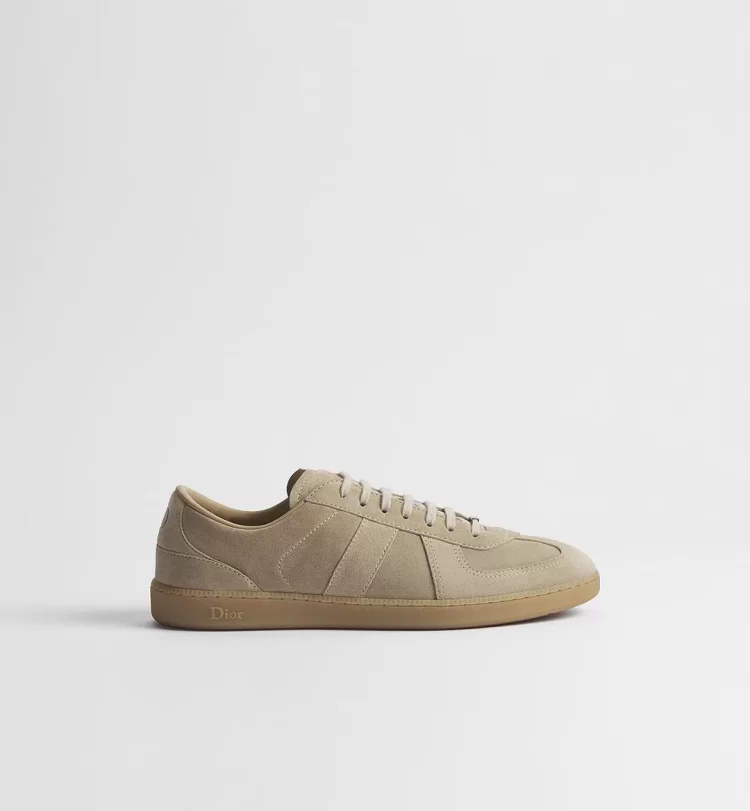
Click here for details and purchase
Q&AAnswers to Common Questions About German Trainers
Q1. Why Do German Trainers Look So Classy?With a thin sole and slim silhouette, they don’t make your look too sporty
They have thin soles and a low, slim silhouette. Furthermore, with minimal embellishments and a subdued color palette—featuring white, gray, and gum soles—they don’t add as much bulk to your look as typical running sneakers.This compact appearance is the reason they pair so well with smart pants like slacks.
Q2. What’s the difference between German trainers and the adidas Samba?They Look Similar, but Their Roots Are Completely Different
The adidas Samba was originally created around 1950 as a soccer shoe.In contrast, the German Trainer traces its roots to training shoes used by the former West German military in later years. While there are similarities—such as thin gum soles and a combination of leather and suede—the Samba did not derive from the German Trainer.
Q3. Can you still buy original German Trainers from that era?Still Available on the Vintage Market
Vintage German Trainers supplied to the former West German military are still available today at surplus stores and vintage clothing markets in Europe and the United States.However, specifications vary depending on the manufacturer and era, and the soles may have deteriorated due to long-term storage. If you plan to wear them daily, it’s essential to check their condition.
Q4. Why Do German Trainers Use Gum Soles?The thin gum rubber sole is a practical design suited for indoor training
The amber-colored gum rubber sole, a characteristic feature of German trainers, is a practical design intended for training in gyms and similar settings.Thin and flexible, they provide good feedback from the sole and are well-suited for indoor exercise. This functional design is what gives German trainers their distinctive, sleek silhouette today.
Q5. What should I keep in mind when choosing the size of German trainers?Since the fit varies by model, check by brand
Although many German trainer models appear slim, sizing varies by brand.Since the internal fit also varies depending on the upper material, lining, and padding thickness, you should avoid making a blanket assumption that “since they’re slim-fitting, I should go up a size.” It’s best to check each brand’s size guide and actual measurements before making a selection.
![New Balance Sneakers Codes [2026 Latest! History, meaning of the model number, and the latest men’s outfits ]](https://otokomaeken.com/wp-content/uploads/2026/03/ef304036cec889dddaa64a607e22a781-630x331.png)



![4 Double-Breasted Jackets to Add a Touch of Elegance to Your Outfit [Featuring Styles Perfect for Casual Wear]](https://otokomaeken.com/wp-content/uploads/2026/10/a4a5d61cb1a2123f1a289f5af5e9a9b1-750x396.png)
![20 luxury down jackets [ from high brands to outdoor brands ] 2025-26 Latest](https://otokomaeken.com/wp-content/uploads/2025/11/cc5d606272a09a29b0f0289a9fb08d6b-750x397.jpg)