The appeal of rigid denim is that you can grow an original piece from an untreated state. Depending on the ideal growing method and the model you choose, the correct first wash and drying method will vary. In this article, we will explain the basics of rigid denim, typical washing and drying methods, and even recommended models of standard brands.
CONTENTS
- What is Rigid Denim? | Denim that has not been washed or dried after weaving
- Check before buying rigid denim! | Shrink-proofing affects how rigid denim is grown
- First Wash for Rigid Denim | Hand wash or machine wash on two axes!
- How to dry rigid denim | Natural drying or using a dryer
- Selected from the classic brands of jeans! | 5 recommended rigid denim
Sponsored by
What is Rigid Denim?Denim that has not been washed or dried after weaving
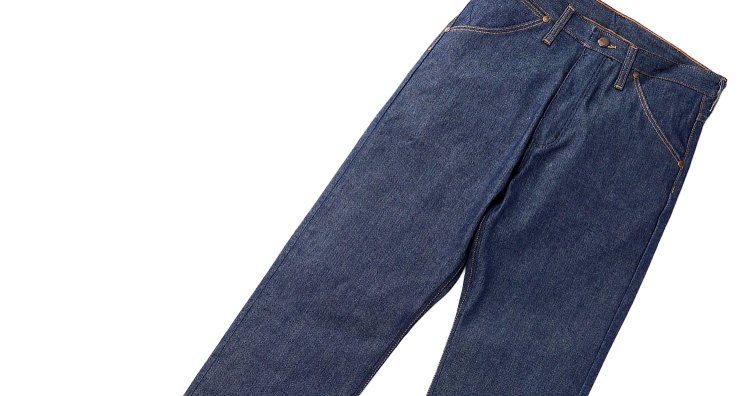
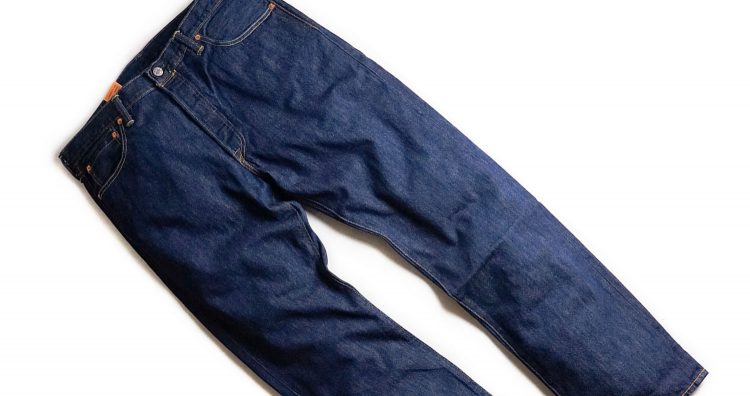
Rigid denim is denim that has not been washed or dried after weaving. As the word “rigid” means “hard” in English, the surface of the denim is characterized by the adhesive residue and a firm texture. The indigo color remains deep, giving it a tight look. Also, like so-called “used denim,” it does not have a finished look from the beginning. The real appeal of rigid denim is that it grows into an original piece according to the wearer’s lifestyle and care methods.
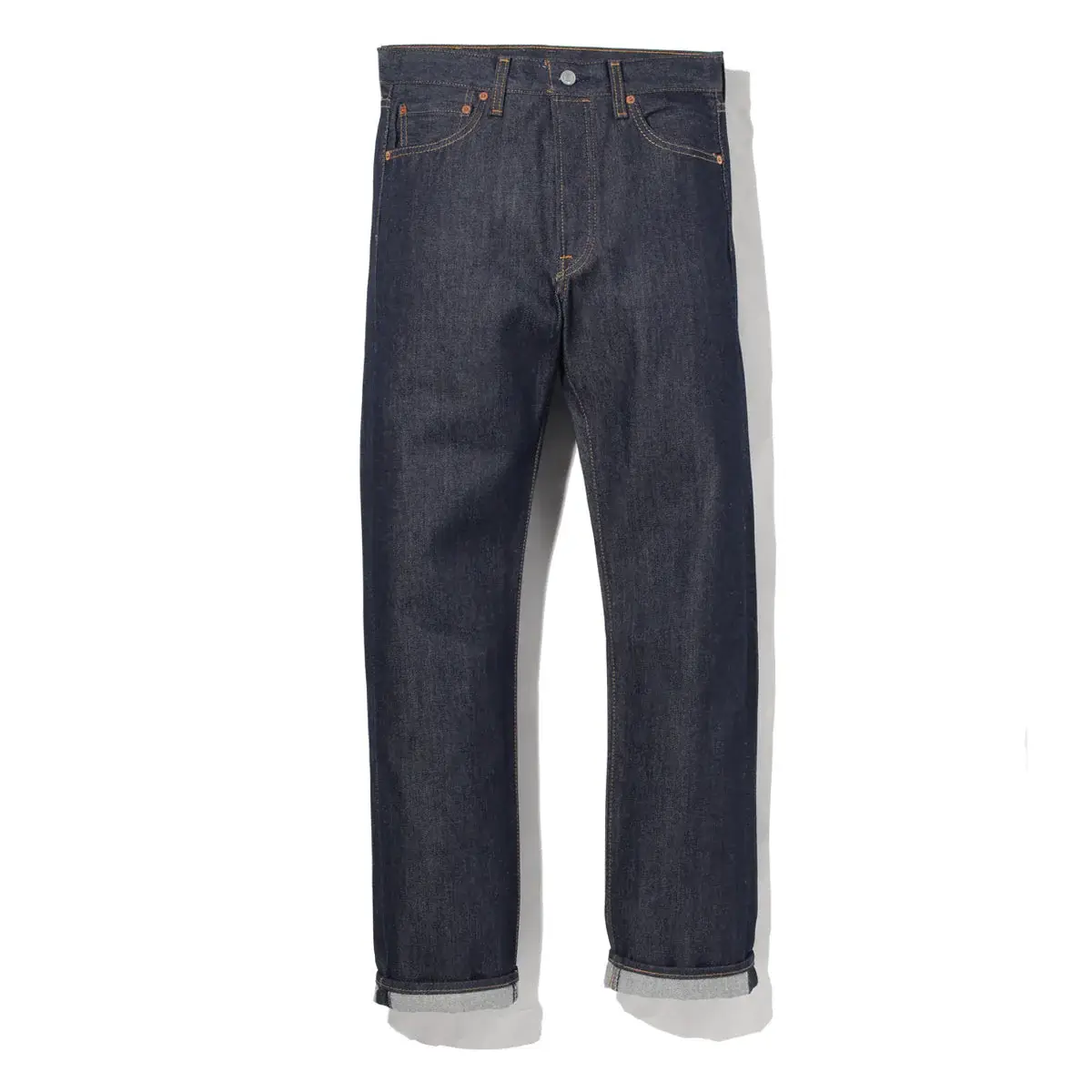
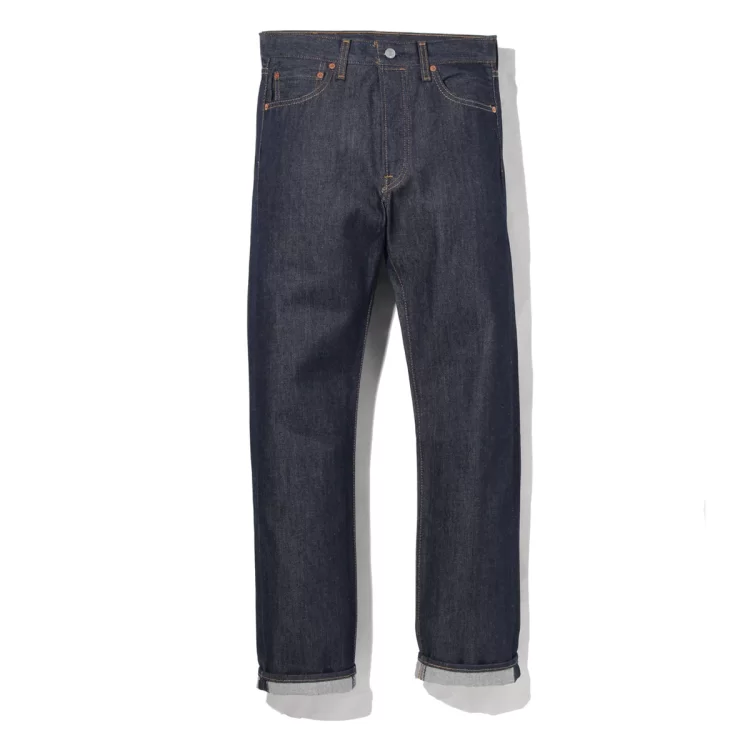

The superiority of rigid denim and its difference from one-wash jeans. What is the difference between one-wash and one-wash?The pleasure of growing a pair of jeans from scratch to your liking and the expression of the hard and resilient fabric
One-wash denim, as the name implies, is denim that is sold as rigid denim that has been washed once. It does not shrink significantly after purchase, and there is no need to be nervous about washing and drying in terms of size changes. In addition, as with rigid denim, the advantage is that you can grow your own unique denim with whiskers, bites, and so on. Many of you may be thinking, “Then why not choose one-wash denim instead of rigid denim?” Many of you must be thinking, “Then why not choose one-wash denim instead of rigid denim? This is correct, and it is reasonable to choose one-wash denim to reduce concerns about shrinkage and size selection.
Nevertheless, the reason why people still choose rigid denim is that you can grow a pair from scratch to your own liking. Another reason lies in the unprocessed look, which is clearly different from one-washed denim. The stiff and resilient texture with residual glue on the surface and the deep-set indigo color have a charm not found in one-wash denim. Rigid denim is also a strong choice for those who want to wear denim while enjoying such texture.
Check before buying rigid denim!Shrink-proofing affects how rigid denim is grown
At the point of purchasing rigid denim, you should always check to see if it is shrink-proofed or not. This will change the size selection, first wash, and drying process. Here we will sort out the differences between rigid denim with and without the sanforized finish, which is a typical shrink-proofing process applied to rigid denim.
Lee and Wrangler were the pioneers!Sanforized rigid denim, which is shrink-resistant and easy to handle
The Sanforized process, put to practical use by Sanford L. Cluett in 1930, is an anti-shrink process to reduce shrinkage after washing. It is a technology that greatly increased the ease of handling rigid denim because it makes size changes easier to read. The advantage of Sanforized rigid denim is that you do not have to continue to be wary of excessive shrinkage after the first wash and dry. Excessive twisting and unexpected dimensional changes are also easier to avoid, since there is essentially no need to repeatedly wash and dry the garment for the purpose of shrinking it.
For example, Wrangler’s official history notes that “[i]n 1936, Wrangler introduced Super Big Ben Overalls made of 100% Sanforized fabric, setting a new standard in the industry by reducing shrinkage to less than 1%.” It is also believed that the spread of such shrink-proofing technology was behind the introduction of jeans with a zip fly, exemplified by Lee’s “101Z,” at a time when button-fly jeans were the norm.
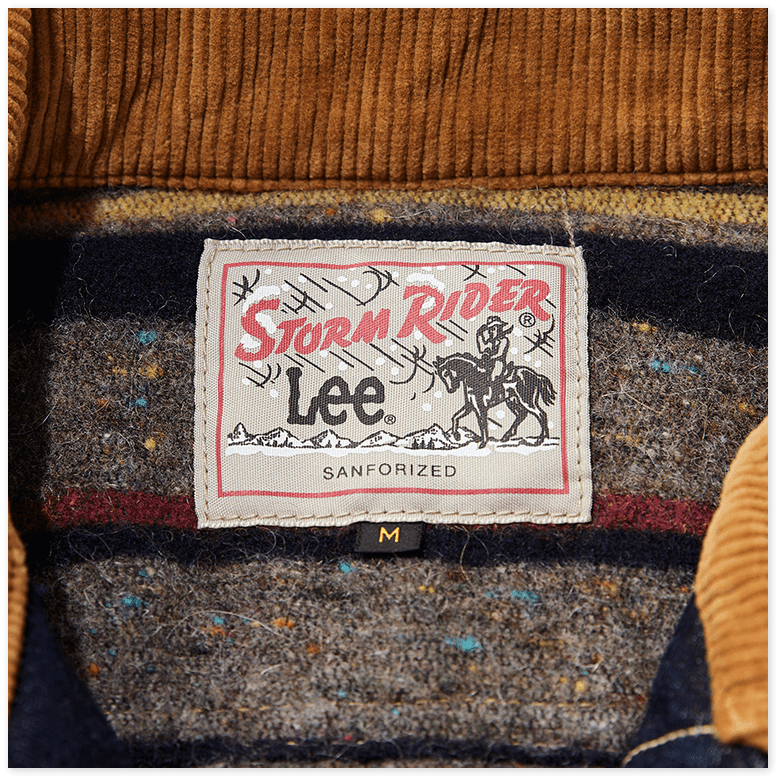
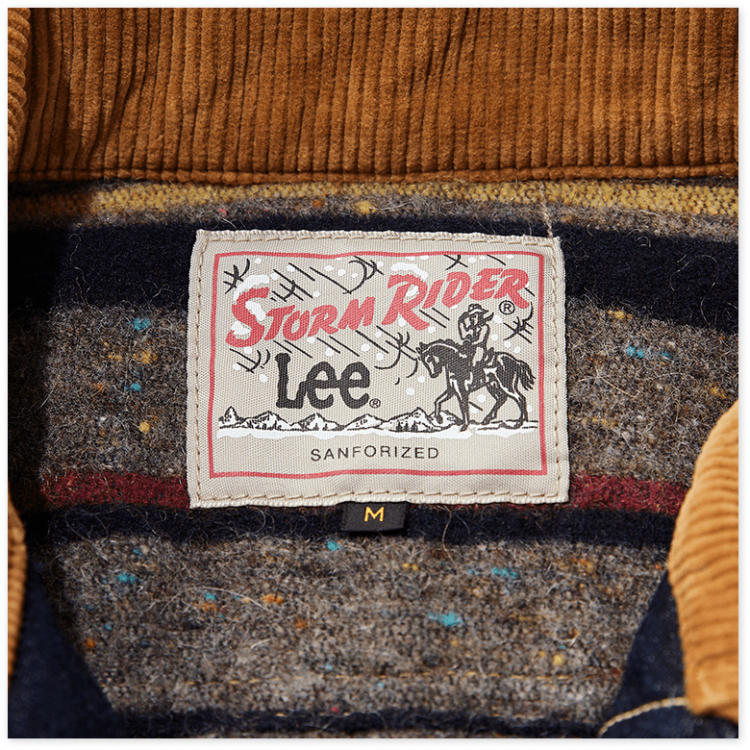

Synonymous with Levi's®!Unshrunken rigid denim that can be grown to fit your body because it shrinks easily
In contrast to a piece with a sanforized finish, unshrunken rigid denim shrinks significantly after the first wash and subsequent drying. If washed after the bite and whiskers are clearly visible, the faded position will shift, so unless you intend to wear the denim in rigid condition for a long time, you should basically first wash it at an early stage after purchase to shrink it to the utmost limit. In addition, since the shrinkage range is large, there are many cases where the fabric does not shrink completely after a single natural drying cycle, and many enthusiasts use the dryer multiple times. The fluffiness and waviness around the stitches that are created by running the garment through the dryer is a real pleasure of unshrunken rigid.
The symbol of such unshrunk rigid denim is Levi’s “Shrink-To-Fit. This is not a disadvantage of shrinkage, but rather a fun way to grow with your body. In the movie ‘ Saraba Seishun no Hikari (1979)’, the main character, Jimmy, gets into the bathtub with his Levi’s rigid jeans on and dries them to make them shrink to fit his body shape, as the brand officially explains.
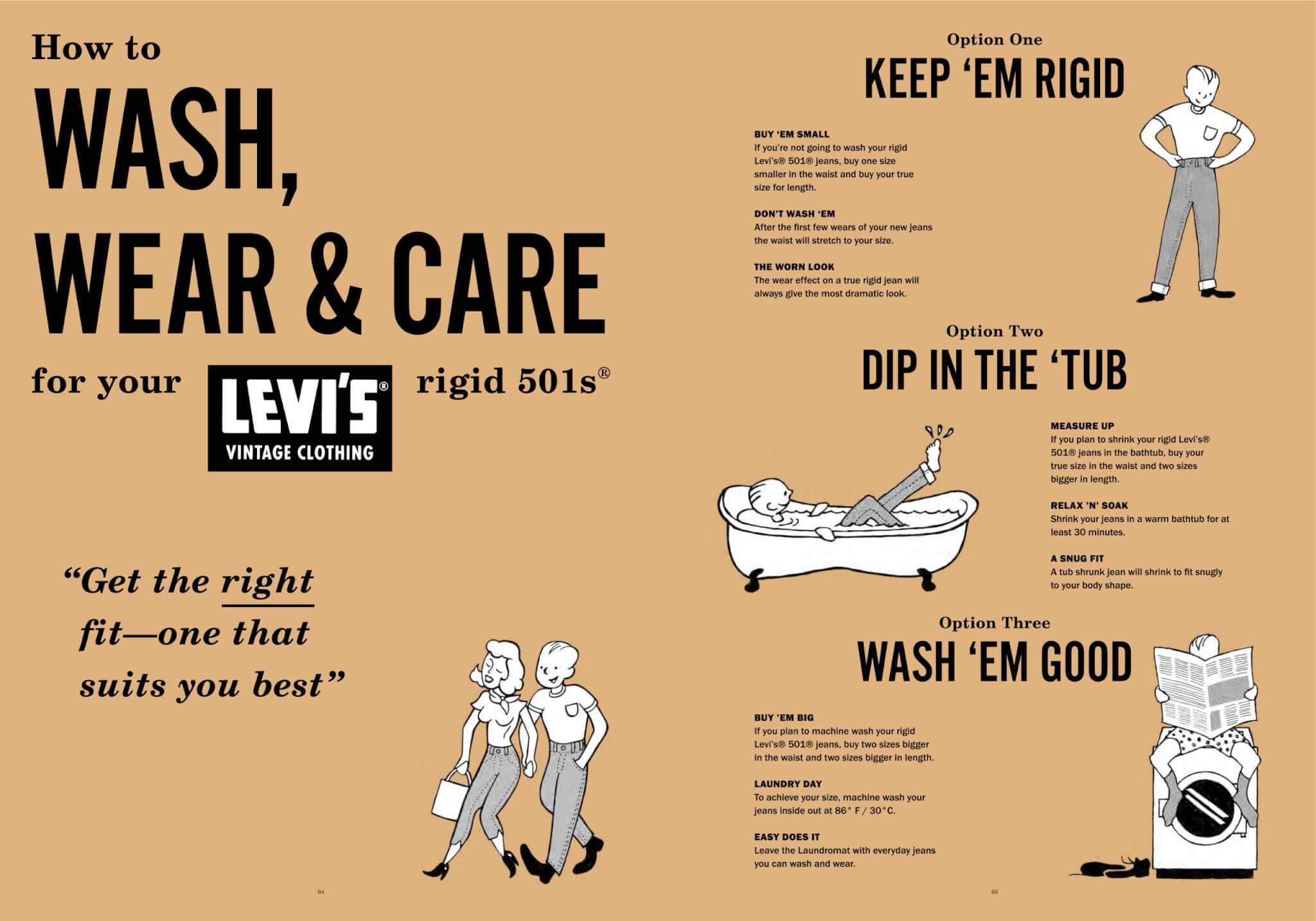
In addition to daily care in growing rigid denim, the first wash and subsequent drying method are the most important. Here are some first wash and drying methods that many people can easily practice.
First Wash for Rigid DenimHand wash or machine wash on two axes!
From here, we will explain the first wash method, which is important for growing rigid denim. Basically, there are two main methods: hand washing and machine washing. If you want to keep the rigid look by leaving as much of the groove as possible, hand wash, and if you value ease, machine wash.
”First”Minimize
”]Hand washing is recommended if you want to keep the look of rigid denim as much as possible, as it is less stressful on the fabric and reduces the risk of extreme glue and indigo runoff. The washing procedure is as follows:
1. Soak in water or lukewarm water
Fill a tub or bathtub large enough to thoroughly soak the denim with water and dissolve a small amount of mild detergent. The best water temperature is about 40°C (104°F) if you want to remove the glue thoroughly, or about 30°C (86°F) if you want to minimize color fading and keep the rigid texture.
2 . Wash by pressing without rubbing
Before washing, first turn the denim inside out to minimize unwanted color fading caused by friction during washing. Once the denim is submerged in water, gently push-wash the denim without rubbing or scrubbing. If you rub the fabrics against each other too hard, it will cause unnatural bites and wrinkles. Please finish the push-washing in a short time, about 5 minutes.
3 . Finish rinsing in a short time.
Rinsing should be done in the same way as the push-washing. Rinsing is an important process because detergent residue can damage the fabric. Rinse the fabric several times, changing the water until there are no more bubbles of detergent. However, as with the push-wash process, the key here is not to spend too much time.
”How”Easy
”]If you want to make it easy, you can use a washing machine. Compared to hand washing, the glue and indigo will run off, but if you wash it the right way, it will basically not affect future aging.
1. Turn the denim inside out and put it in a laundry net
Even when washing in a washing machine, I want you to first turn it inside out and put the folded denim in a laundry net. If the denim moves in the net, it can cause friction and twisting, so the key is to choose a size that fits as well as possible.
2 . Choose a low-flow water course
The key is to choose a washing machine mode that washes as gently as possible, such as a dry course, hand wash course or fashionable clothes course, rather than a strong water flow like the standard course. The key is to choose a mode that washes as gently as possible, such as a dry course, hand wash course, or fashionable clothes course. Strong water flow can remove more glue and indigo than necessary and cause wrinkling and twisting.
3 . Dehydrate within 1 minute
Even more important than washing is dehydration. Strong centrifugal force can easily lead to strain on the fabric and loss of shape, causing twisting and unwanted wrinkles. It is fine when water is just dripping, and should be limited to a maximum of one minute.
How to dry rigid denimNatural drying or using a dryer
There are two ways to dry rigid denim: natural drying and using a dryer. The method depends on how much shrinkage you want in a single pass and what look you want to preserve. Natural drying is easier to minimize the load on the fabric, while the dryer is easier to get a good shrinkage. It is important to understand the characteristics of each method and use them according to the desired result.
”How”This
”]The greatest benefit of natural drying is that it prevents wrinkling and threading and reduces indigo runoff. However, unshrunken rigid denim may not shrink after one natural drying, and the second and subsequent washing and drying may further change the overall dimensions or shift the position of the whiskers and bite.
1. Shape
Stretch out wrinkles at the back of the knees, crotch and hem areas, and straighten both side seams and inside Stretch out the wrinkles at the back of the knees, crotch, and hem, and straighten the seams and inside of the sides to eliminate kinks.
2 . We recommend ” tube drying ”
Spread the waistband out and dry it so that it forms a tube. By using pinch hangers and fastening the waistband in a circular shape, air can pass through to the inside for quick and even drying. If drying in a tube is difficult, “hanging upside down,” in which the garment is hung upside down between the hems, is also effective. The weight of the denim will stretch wrinkles and eliminate sagging.
3 . Dry in the shade in a well- ventilated place.
The best place to dry denim is in a well-ventilated place out of direct sunlight. Indigo is sensitive to ultraviolet rays, so exposing it to direct sunlight may cause fading or discoloration in a short time.
”How”The
”]The advantage of a dryer is that it can produce a good amount of shrinkage in a short time. This is a powerful option for those who want to stabilize the size early on after purchase and reduce the risk of unexpected shrinkage in subsequent washing. This is especially recommended for those who grow unshrunk rigid denim. On the other hand, the heat and rotation of the dryer may cause excessive twisting, unnatural biting and wrinkling, pilling on the fabric surface, and waviness around the stitches.
1. Place in the dryer with the garment turned inside out.
Place in the dryer with the garment turned inside out as when washing.
2. Place in the dryer for 40 to 60 minutes at 1 degree.
First, 40 to 60 minutes is the standard. First, put the garment in the dryer for 40 to 60 minutes. Measure the waist and length of the garment before putting it in the dryer. If the garment does not shrink as much as expected, put it in the dryer again.
Selected from the classic brands of jeans!5 recommended rigid denim
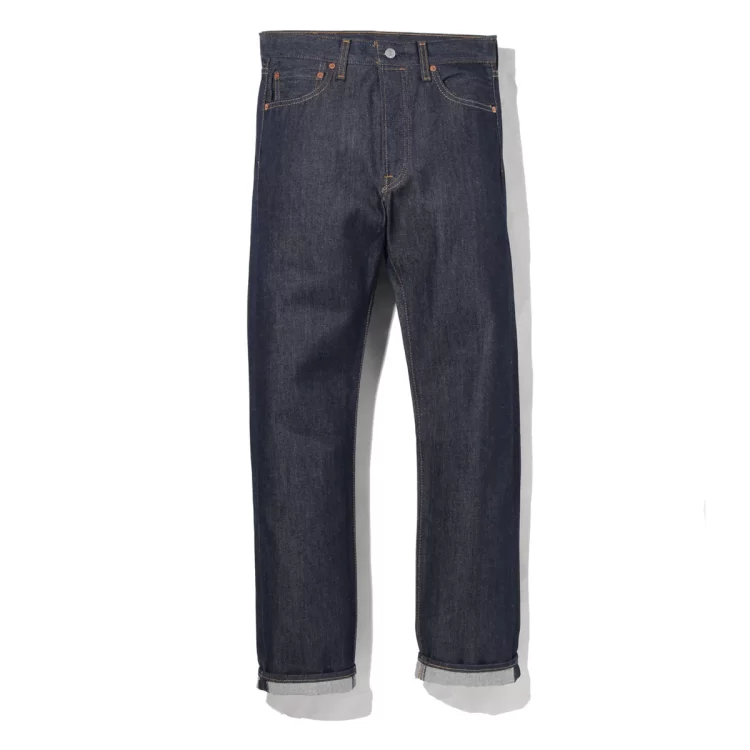
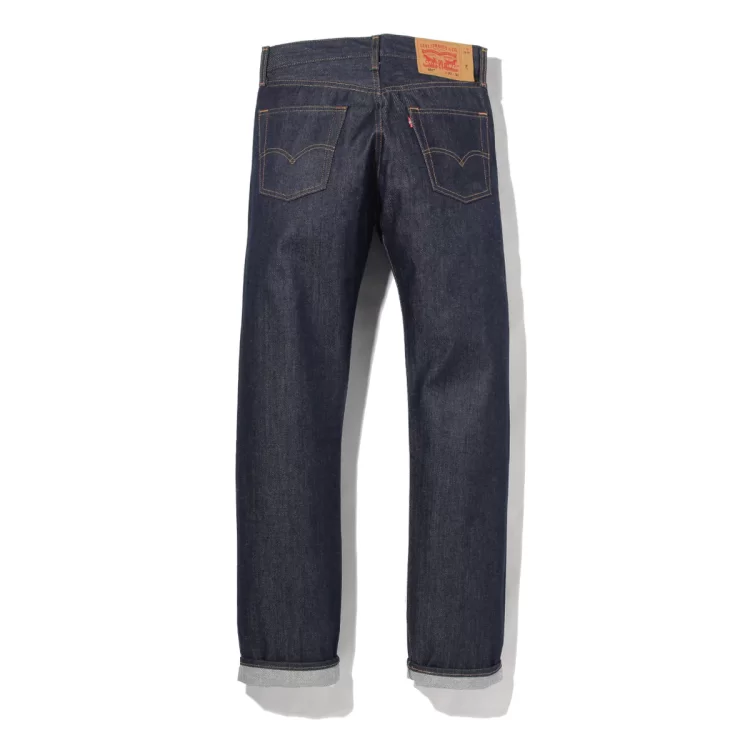
Recommended Rigid Denim 1
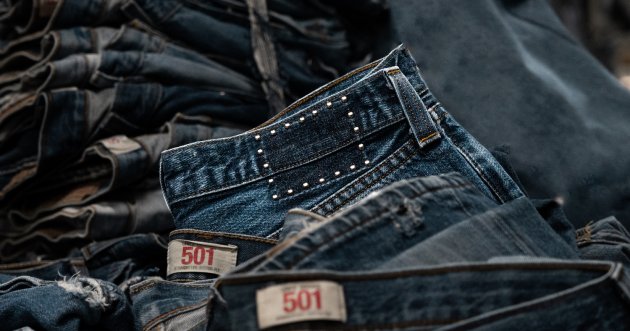
This is a rigid version of the classic model “501” that represents jeans. Since no shrink-proofing treatment is applied, washing will cause shrinkage of up to 10%. This is a piece of rigid denim with the real pleasure of growing up.
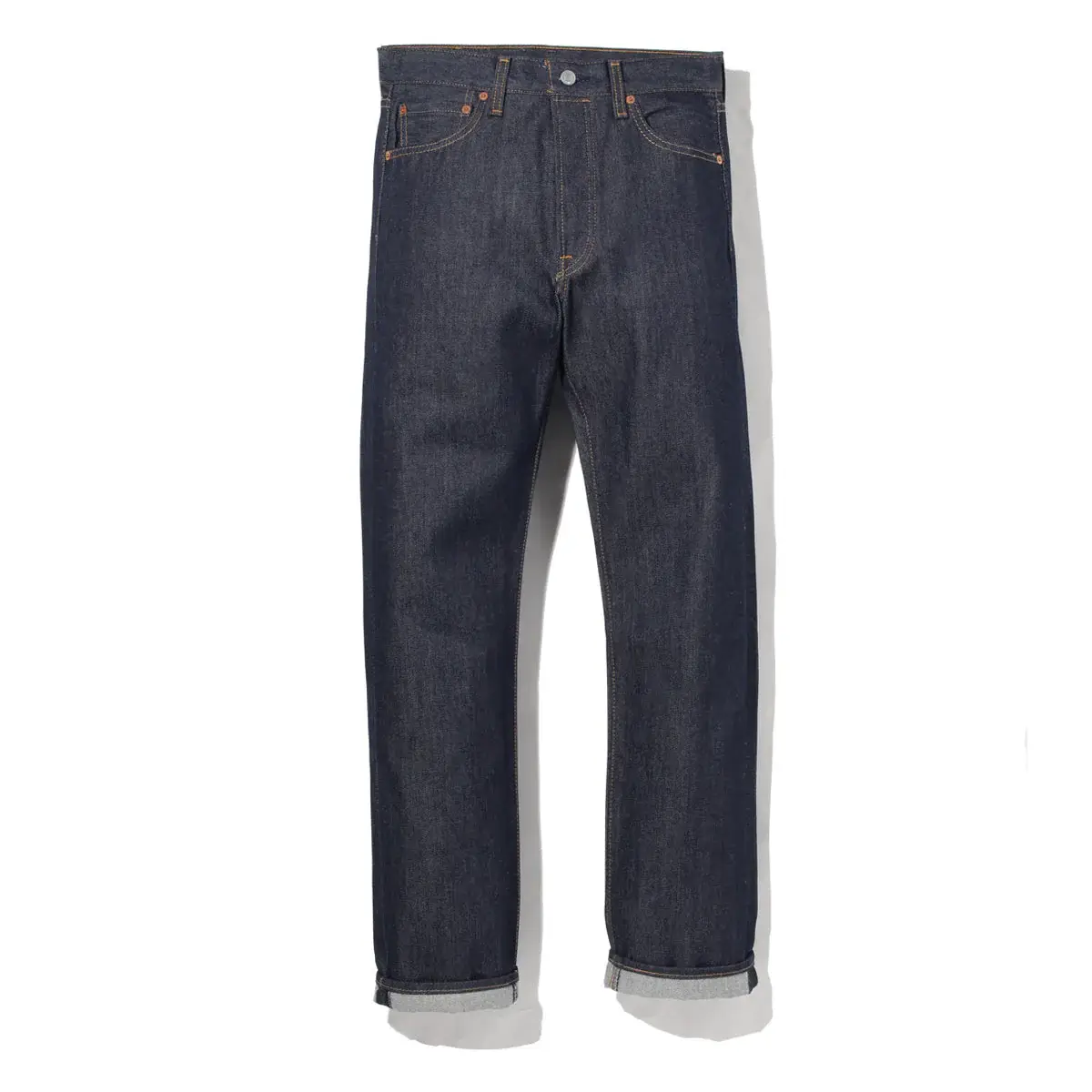
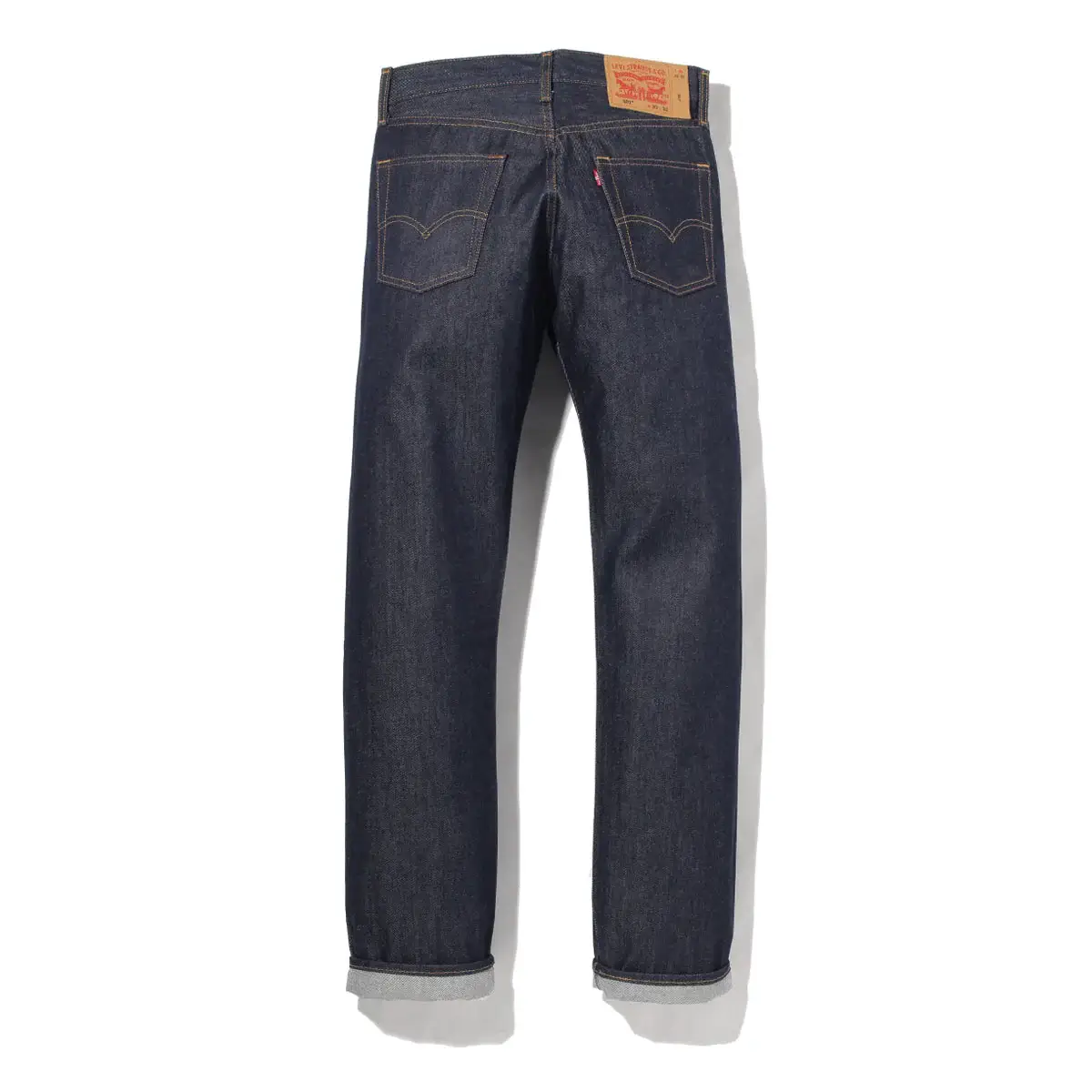
Click here for details and purchase.
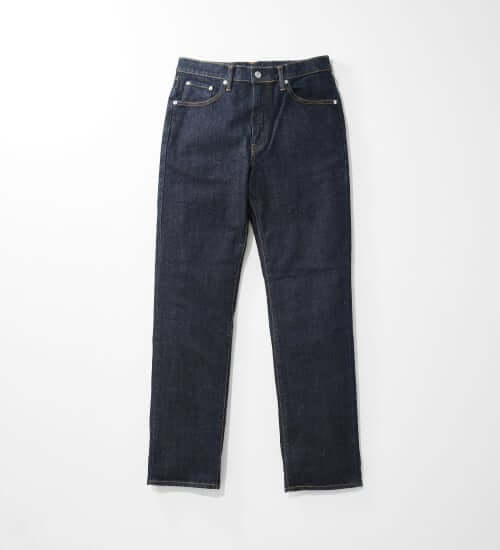
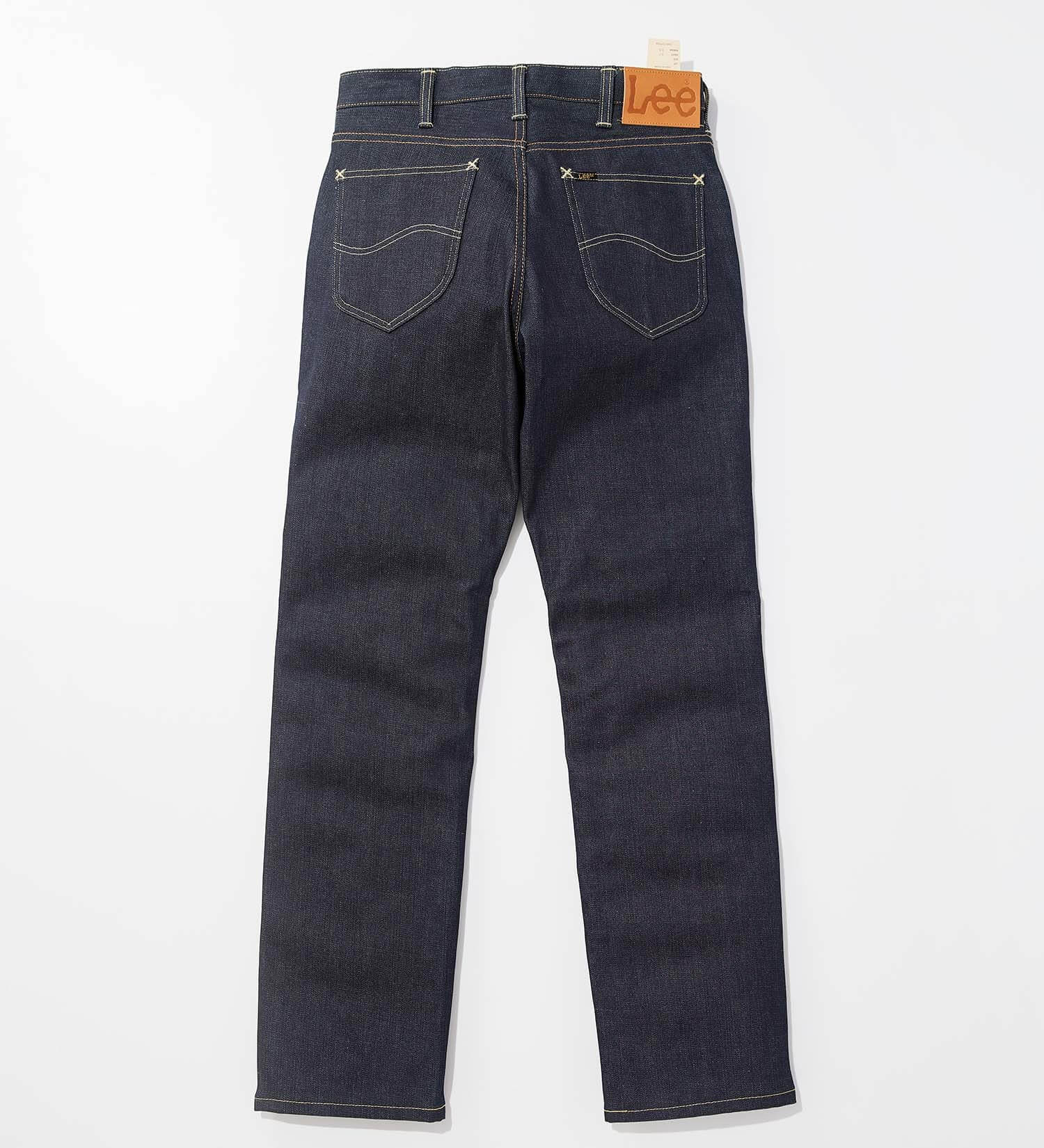
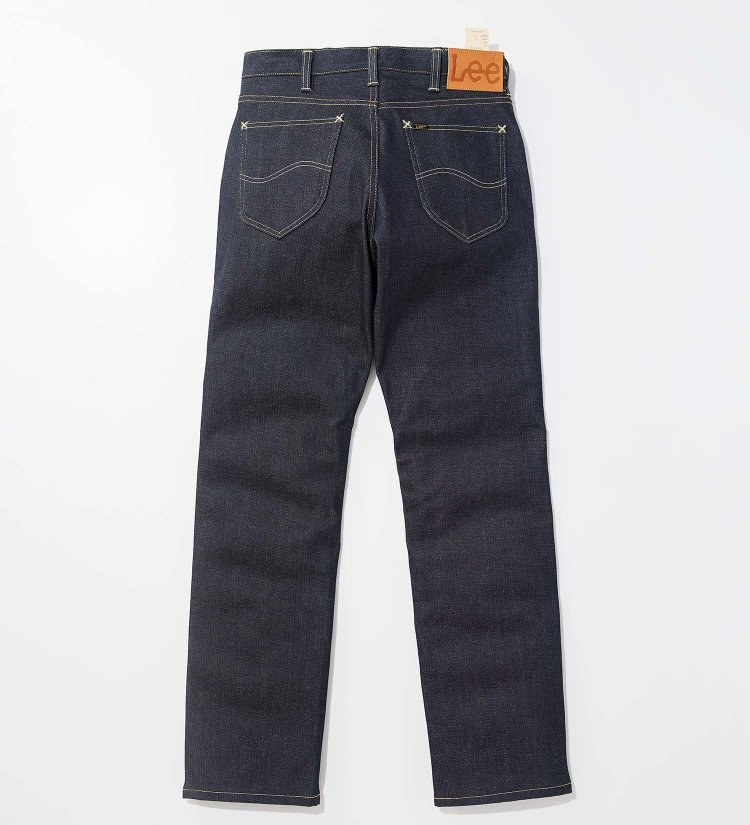
Recommended Rigid Denim 2Lee 'AMERICAN RIDERS 101Z Straight Jeans'
The brand’s signature “101Z” model became famous when James Dean wore it in the movie ‘ This is made in Japan. This is a modern take on the ” 101Z” and is made in Japan. The first wash shrinkage is approximately 1.0 cm at the waist and 0.5 to 2.0 cm in the inseam, due to the Sanforized finish.
Click here for details and purchase.
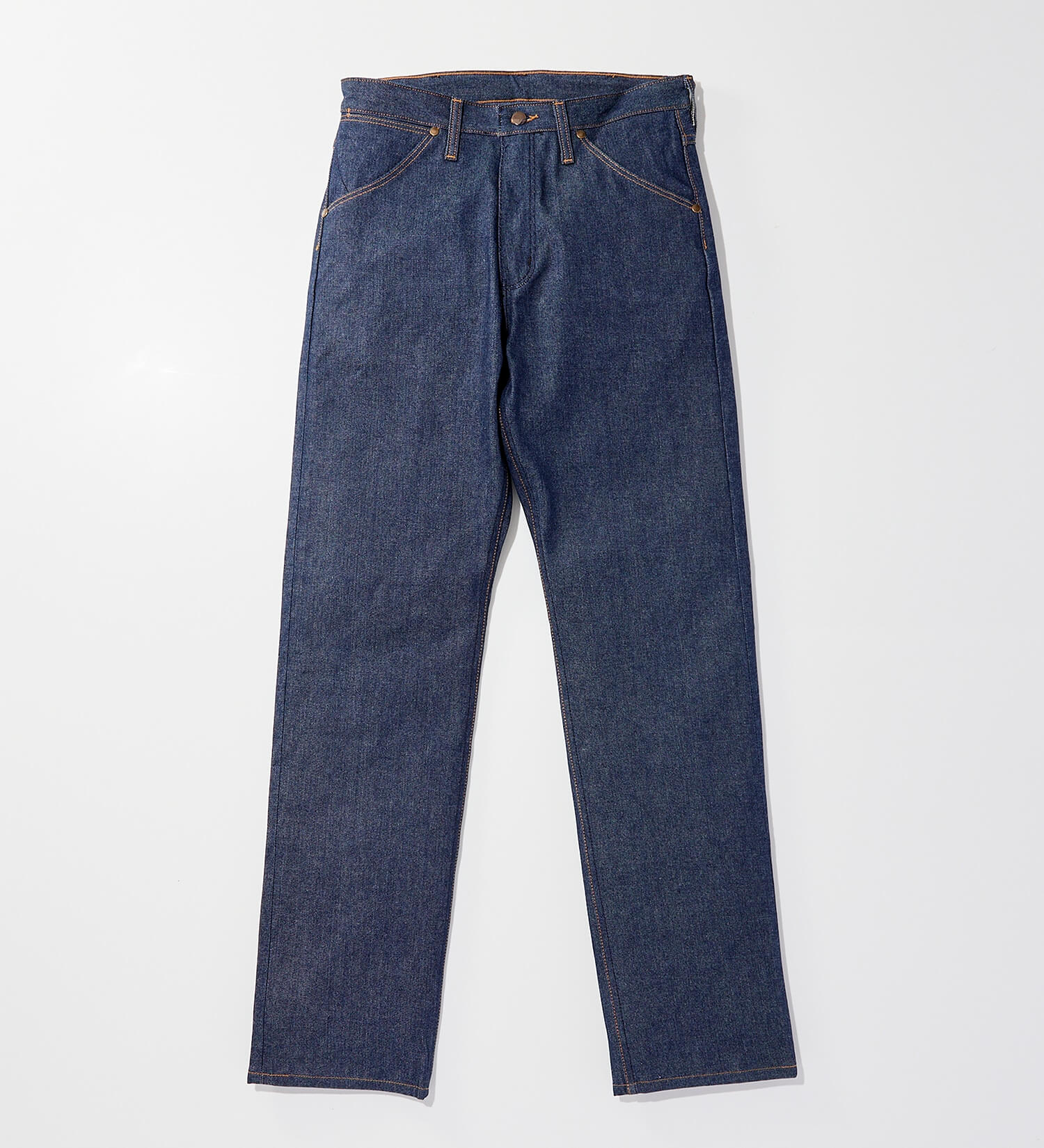
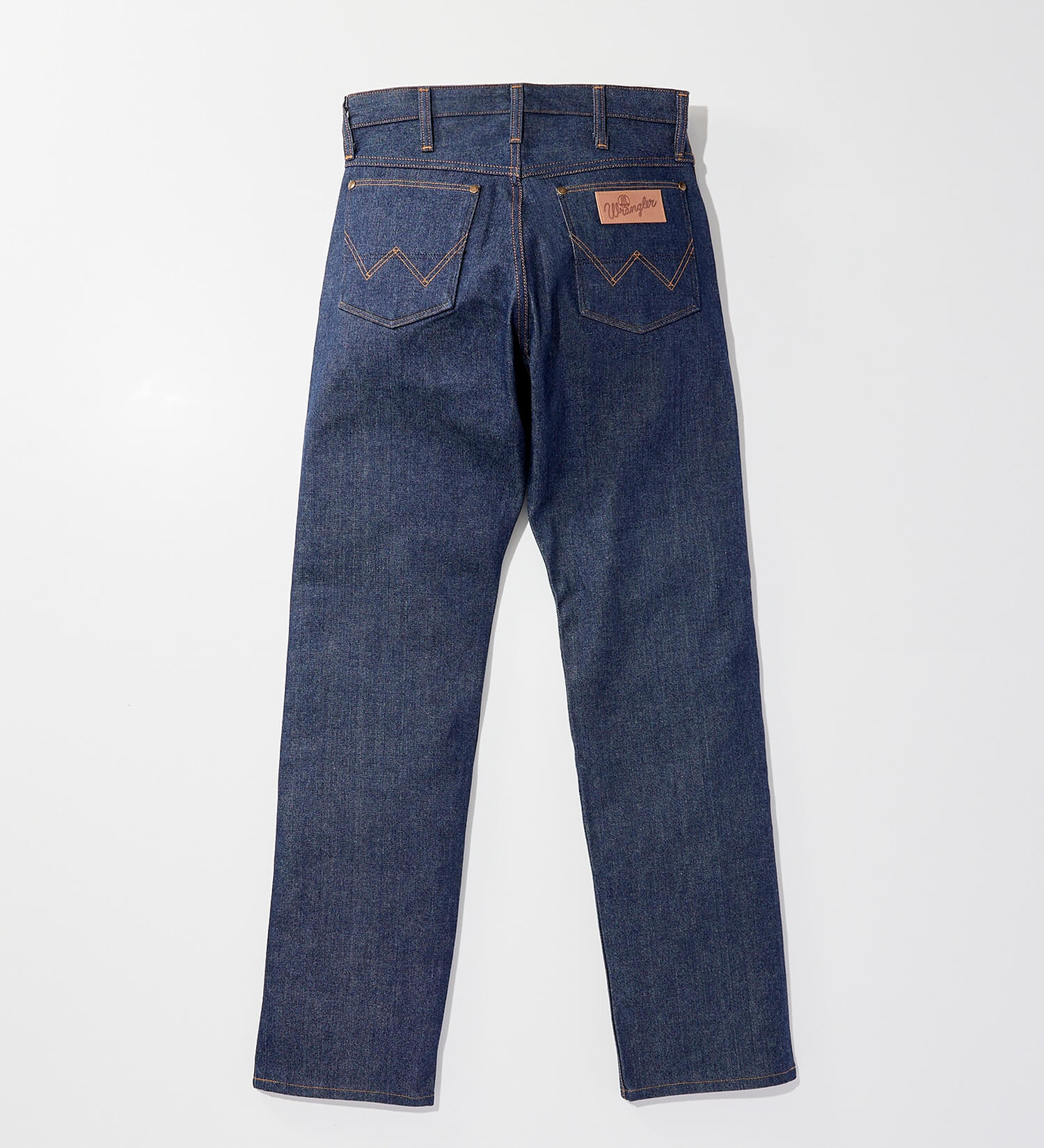
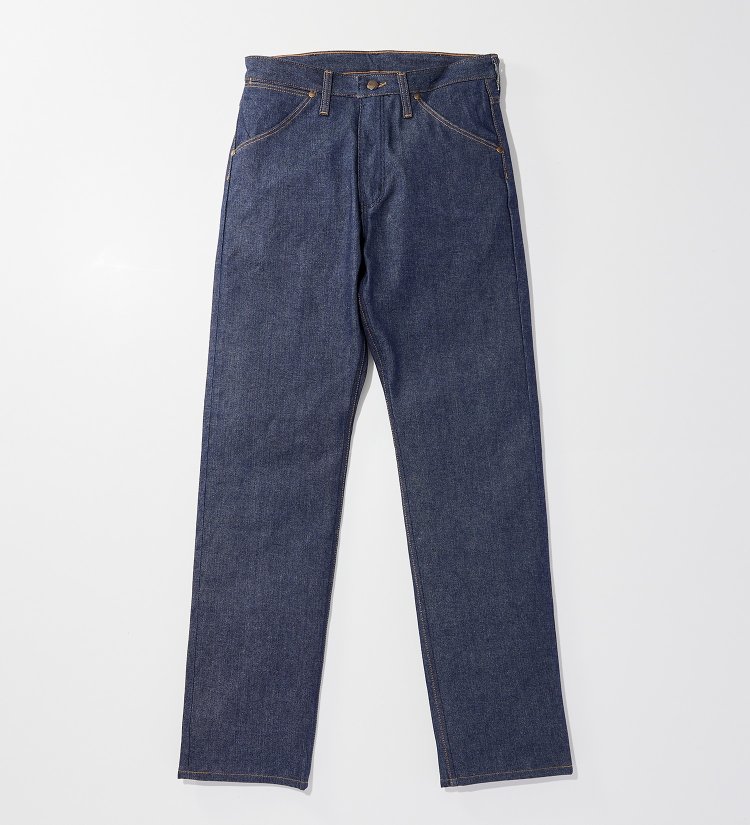
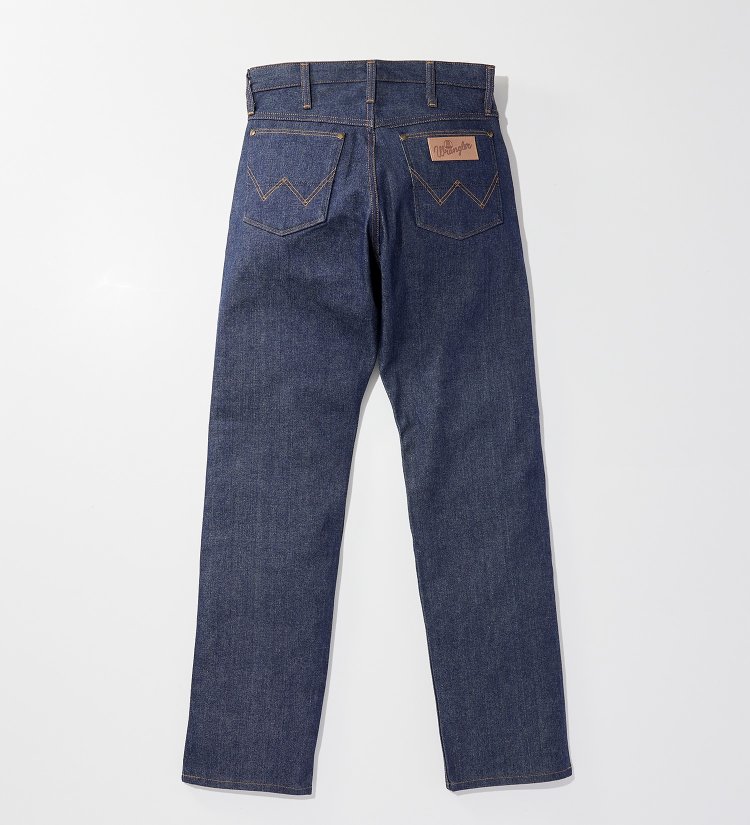
Recommended Rigid Denim 3
This model was created after the “10MW” and was only produced for about a year. It is a heretical existence in the brand. This model is also sanforized, but will shrink by about 3.0cm in the waist and 3.5cm in the inseam due to washing.
Click here for details and purchase.
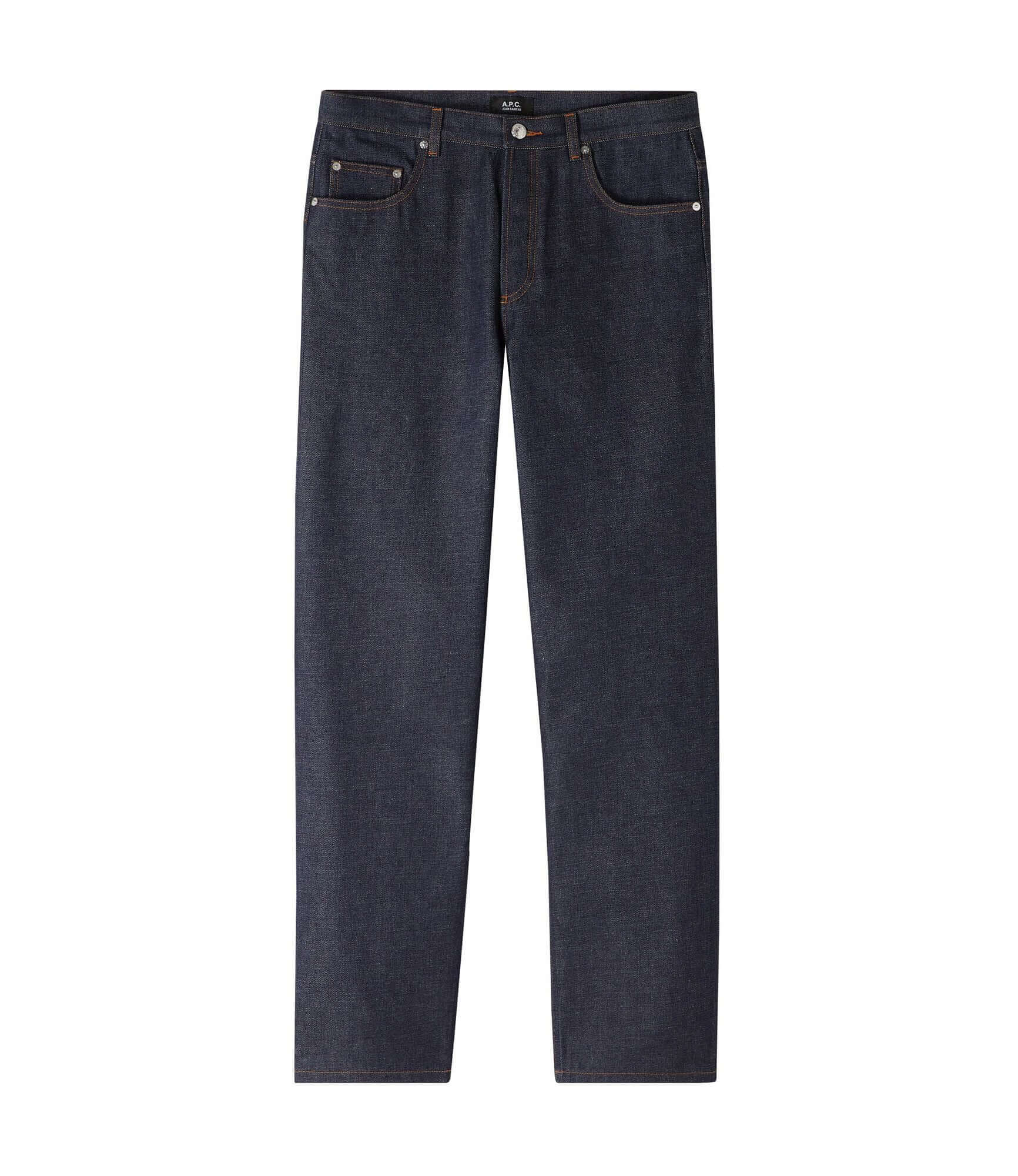
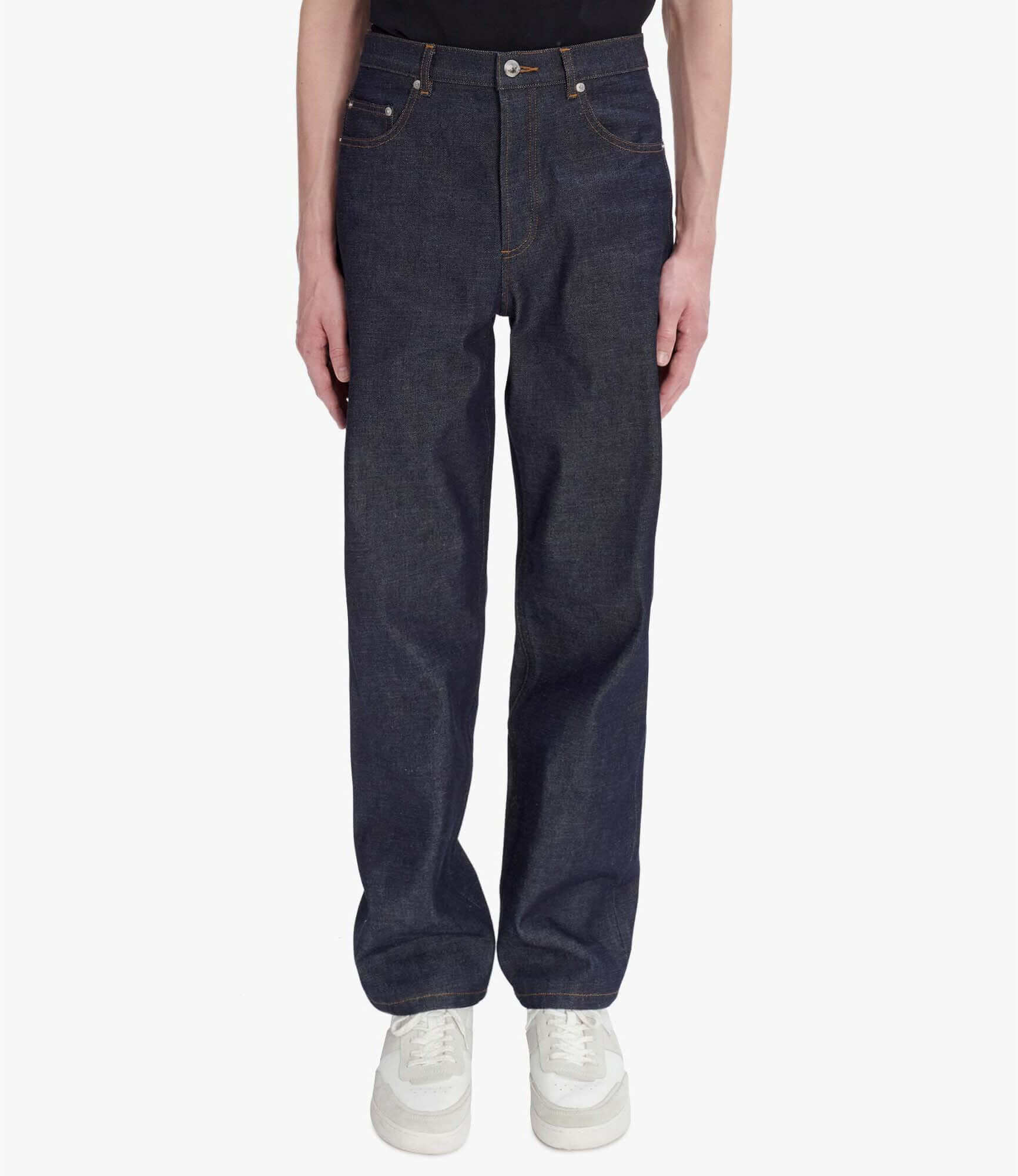
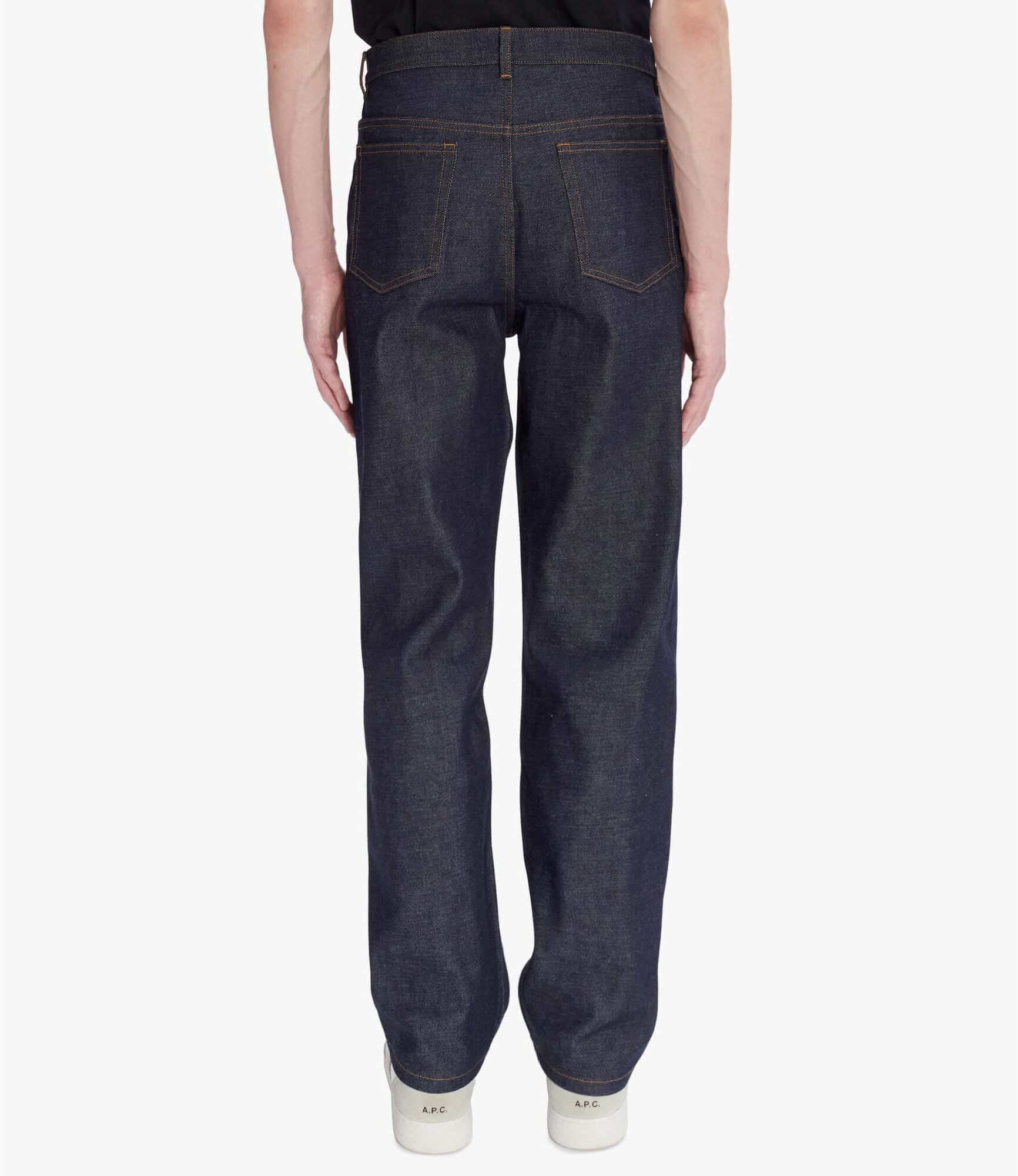
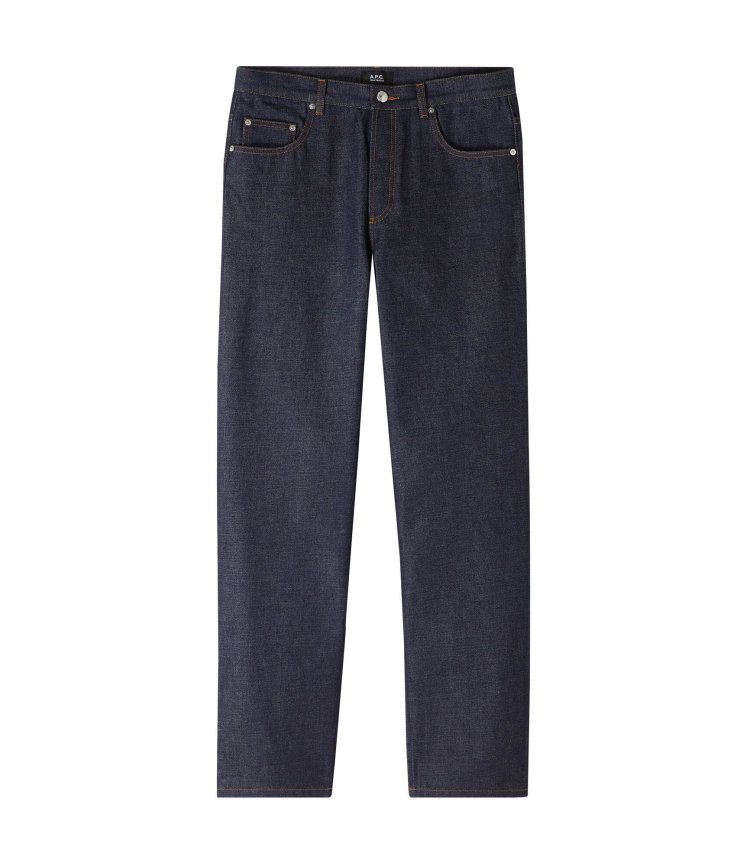
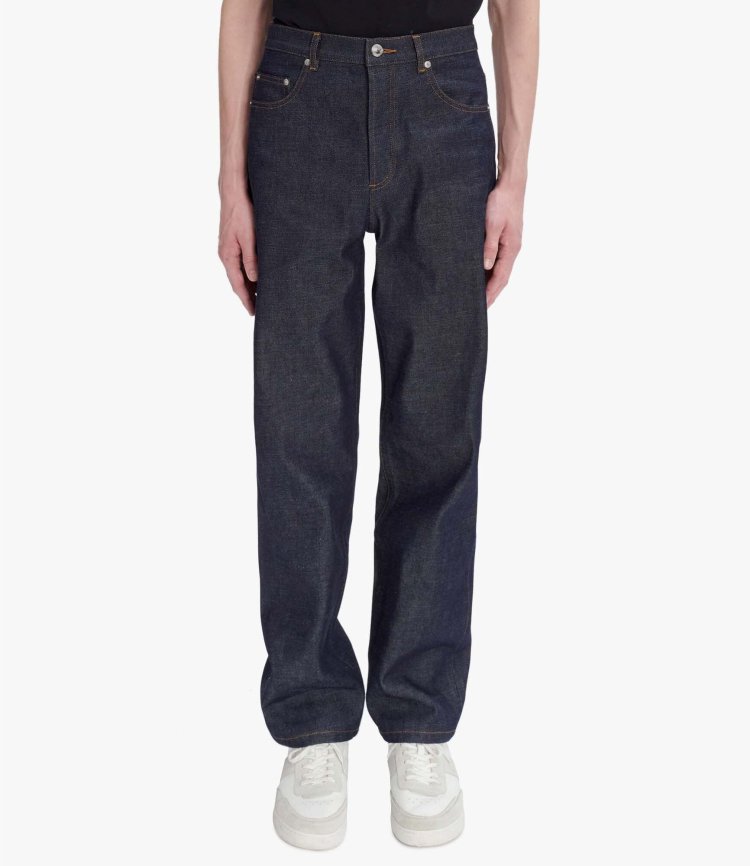
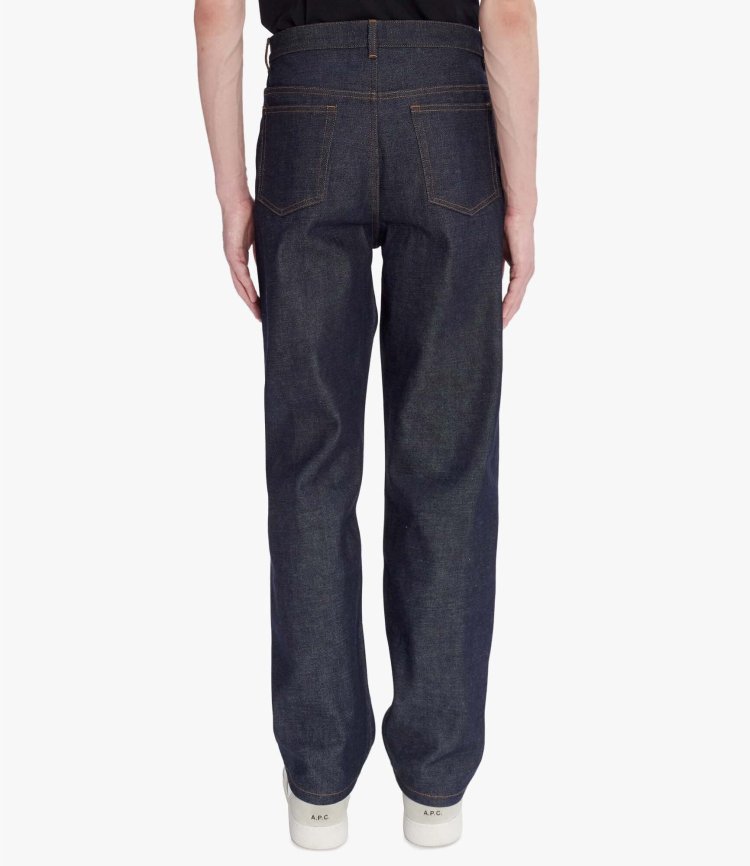
Recommended Rigid Denim 4A.P.C. 'Fairfax Jeans'
This model has joined the brand’s denim lineup as a standard since 2024. It is a non-washed indigo denim made in Japan with an extra wide silhouette, which is rare for a brand that offers many slim jeans.
Click here for details and purchase.
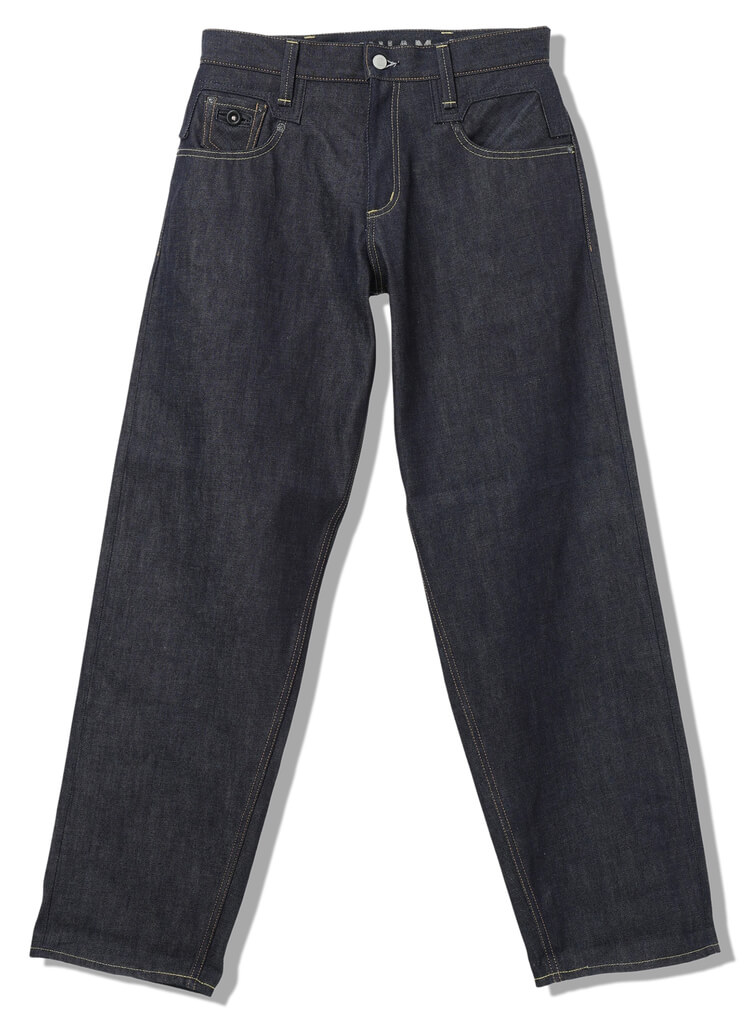
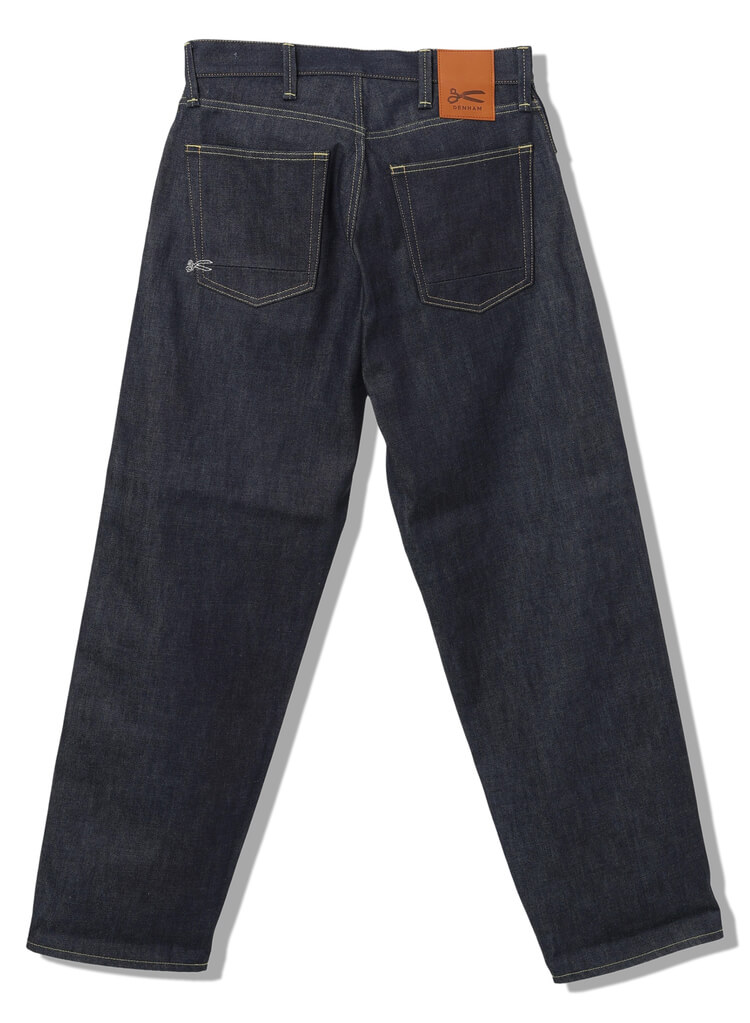
Recommended Rigid Denim 5
Denham’s Jumbo has a roomy, wide silhouette for rough styling. The iconic scissor logo pocket slacks and embroidery add a nice touch.












![20 luxury down jackets [ from high brands to outdoor brands ] 2025-26 Latest](https://otokomaeken.com/wp-content/uploads/2025/11/cc5d606272a09a29b0f0289a9fb08d6b-750x397.jpg)