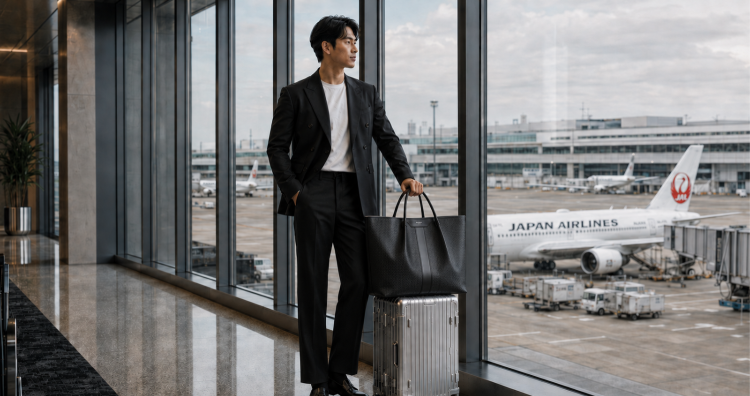
Late-night flights, early-morning arrivals, layovers, and business meetings immediately upon arrival. On overseas business trips, the fatigue from traveling often shows in your facial expressions and demeanor. My senior colleagues at a general trading company, who are well-versed in overseas business travel, viewed flights not merely as travel time, but as an opportunity to prepare themselves physically and mentally to perform well at their destination.From seat selection, sleep conditions, legroom, in-flight beauty routines, drinks, and in-flight meals to jet lag management—in this article, we’ll share tips on how to make the most of long-haul flights, learned from seasoned trading company executives.
Sponsored by
The Essence of Long-Haul FlightsHow You Spend a Long-Haul Flight Depends on Your Preparation Before Boarding
Whether you have a comfortable long-haul flight isn’t determined solely by what you do once you’re seated.Which seat you choose, what you wear, how you protect your neck, eyes, and ears, how you free up space for your legs, and what you eat and drink on board—how you spend your time on a long-haul flight is greatly influenced by your preparations before boarding. Even high-level business professionals can’t always fly business class every time.Due to company policies, coordinating with travel companions, last-minute arrangements, or the availability of miles and upgrade slots, it’s quite common to end up in Economy or Premium Economy. That’s precisely why it’s crucial to focus not on the seat class itself, but on preparing to maintain your well-being regardless of the circumstances.The goal isn’t simply to spend the flight in comfort. It’s to arrive at your destination with a fresh, alert expression, a strong, resonant voice, and a light step as you set out to tackle the day. Think of a long-haul flight as a prelude to doing your best work at your destination.

Choosing the Right Seat to Master Long-Haul FlightsWhether You Can Rest on a Long-Haul Flight Depends Largely on Your Seat Selection
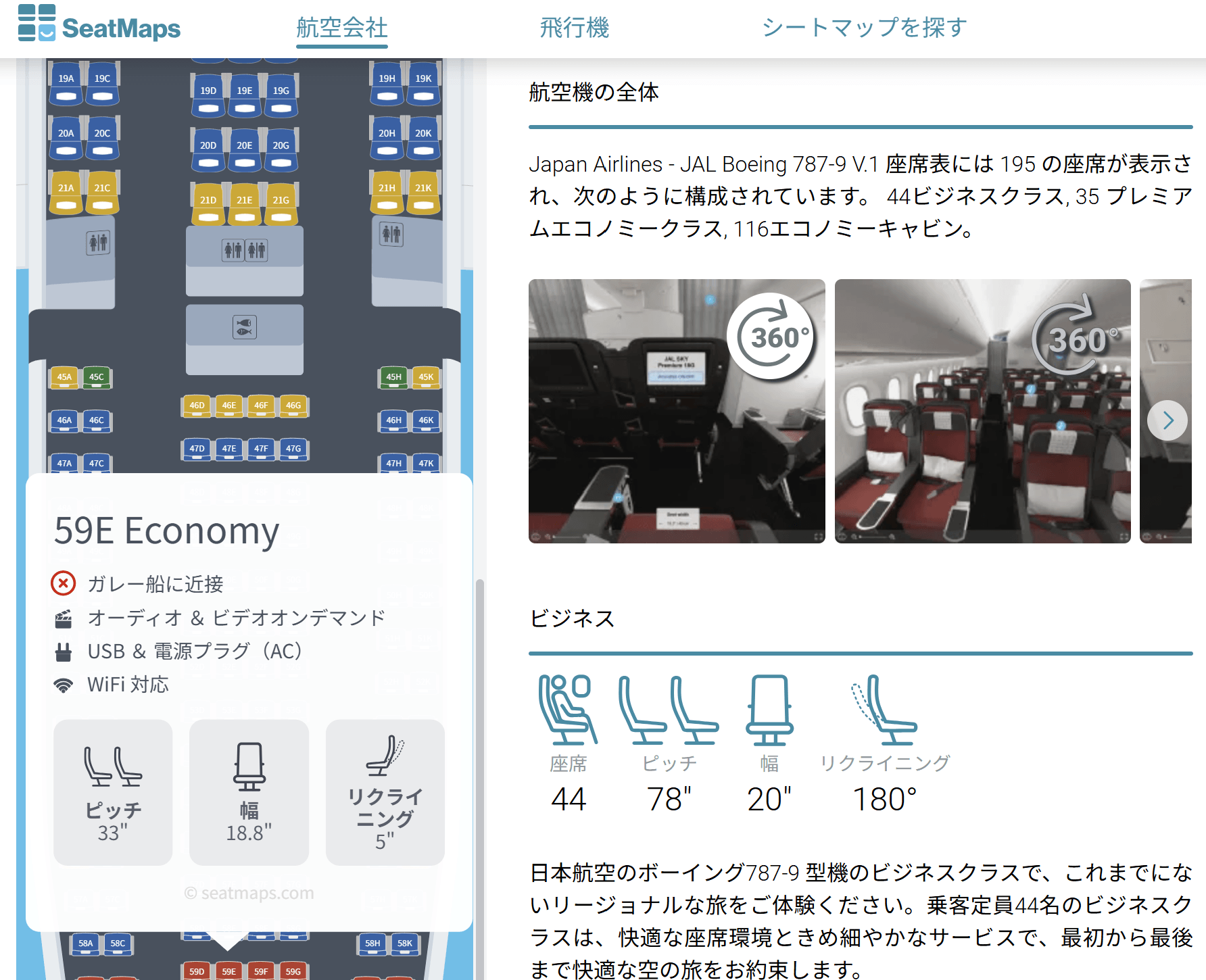
If you want to get a good night’s rest on a long-haul flight, the basic rule for seat selection is “window seat, away from the galley.”Window seats allow you to rest your body against the wall on one side, making it easier to stay still, and you’re less likely to be disturbed by flight attendants or passengers passing by compared to aisle seats. Seats near the restroom or galley are more prone to disturbances from foot traffic, conversations, light, and the noise of service carts, so they’re a lower priority for those who want to spend a long-haul flight in peace.Personally, I’m quite fond of bulkhead seats. They offer ample legroom, and you don’t have to worry about the seat in front reclining. However, there are some factors that might make them uncomfortable for some people, such as not being able to place carry-on luggage at your feet during takeoff and landing, fixed armrests, and the fact that the monitor and tray table can be a bit finicky to use.Emergency exit seats also offer attractive legroom, but since passengers must meet the requirements to assist in an emergency, they often cannot place luggage at their feet. That’s why, before booking, you’ll want to check SeatMaps (https://seatmaps.com/), which lets you view seat layouts by airline or flight number.By checking the aircraft type, seat row, distance from the restroom and galley, legroom, and even window placement beforehand, you can increase your chances of getting some rest—even in economy class.
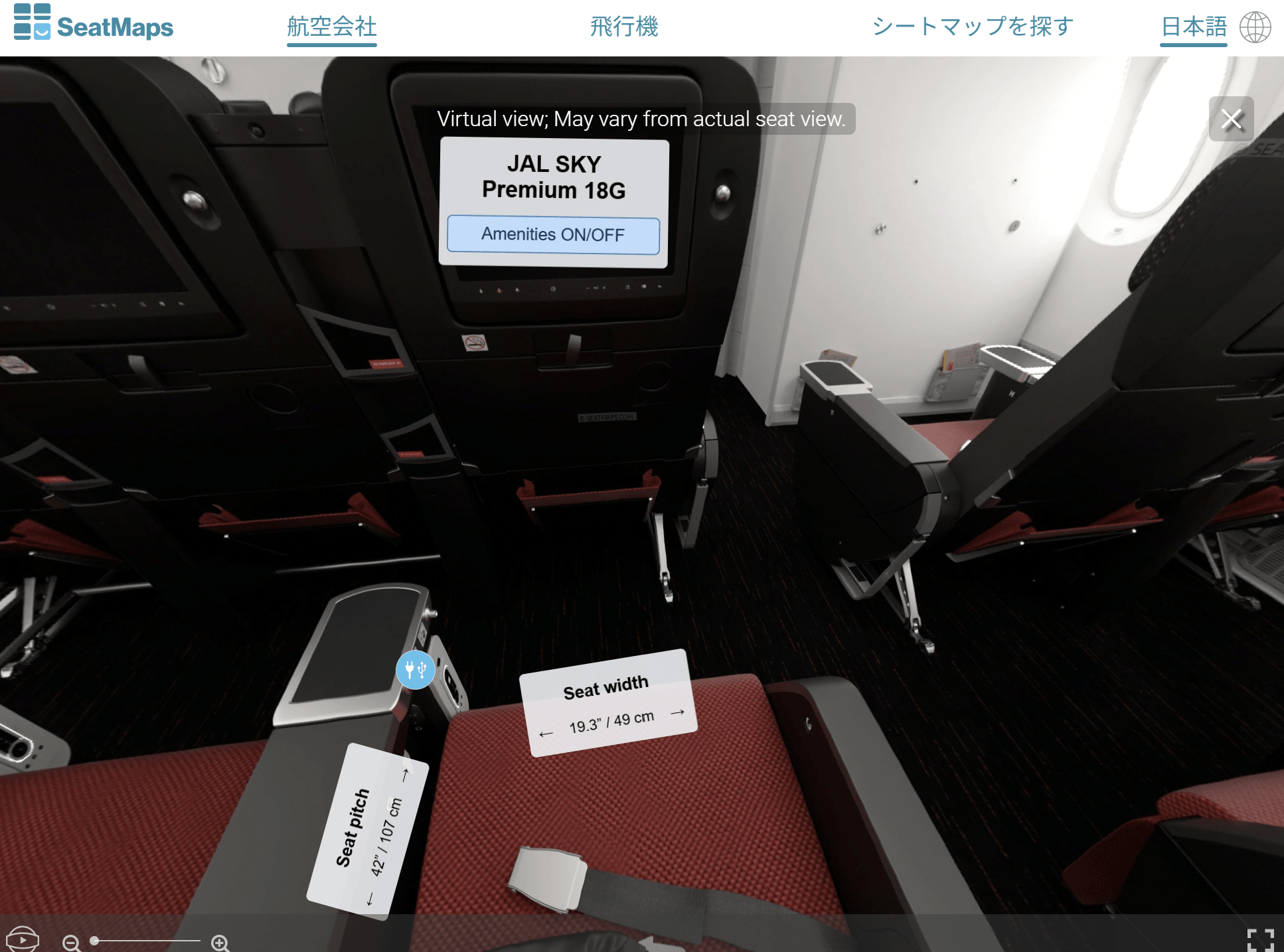
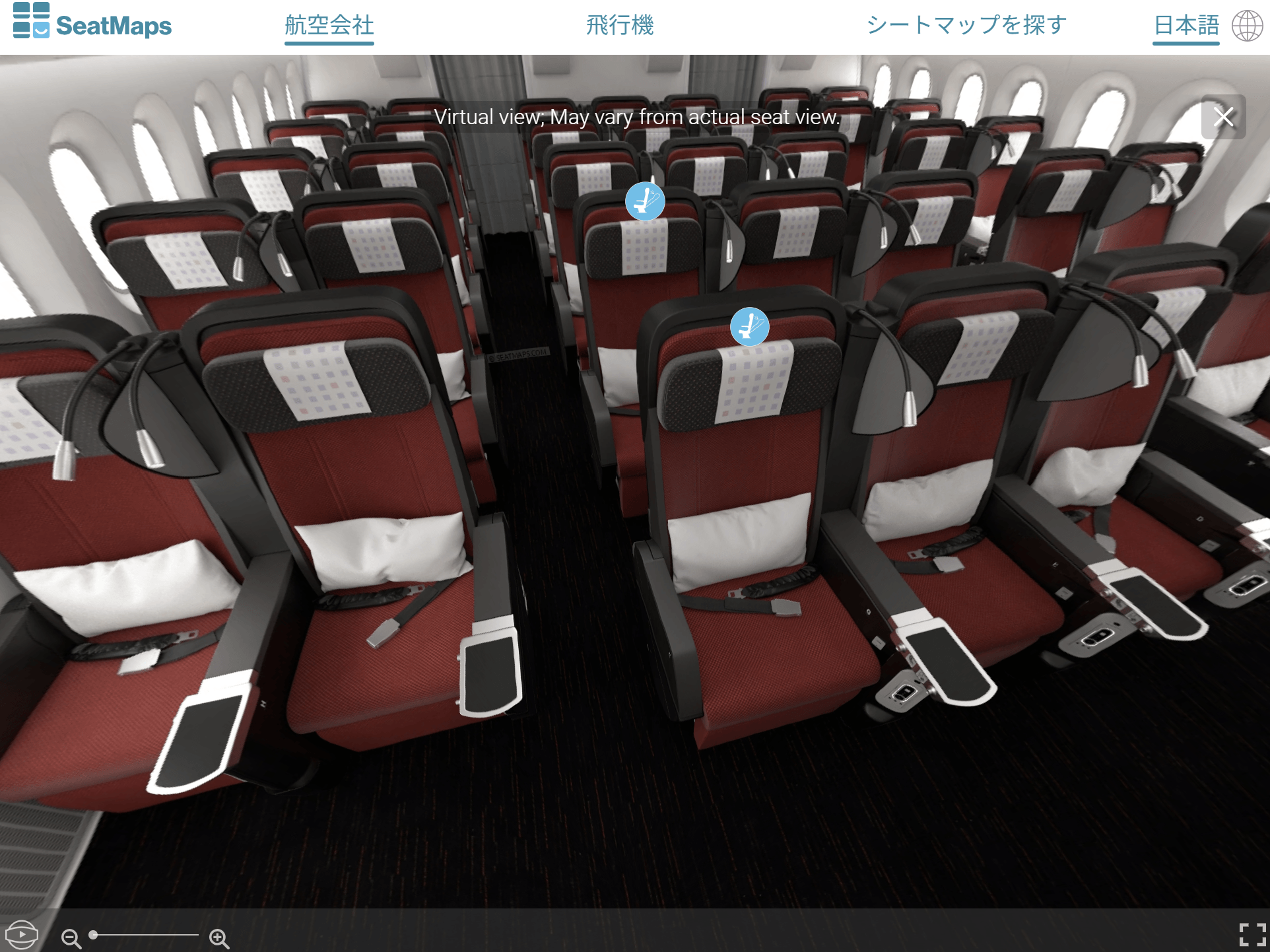
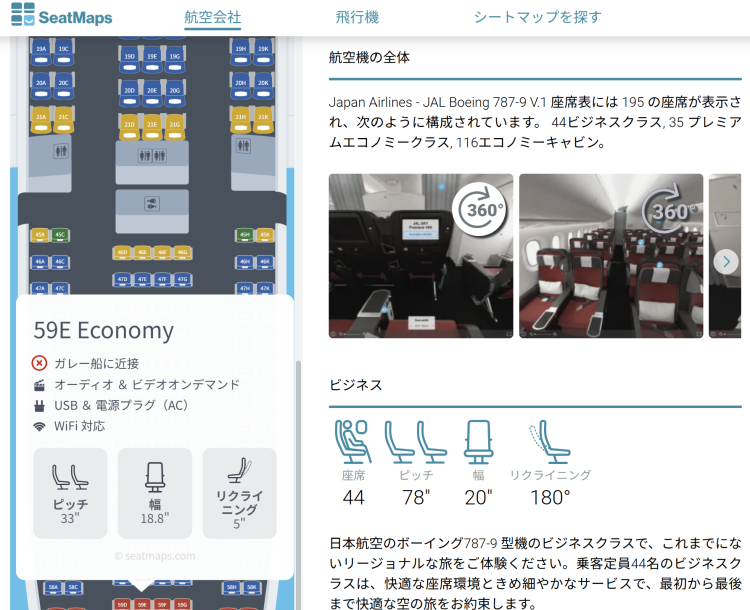

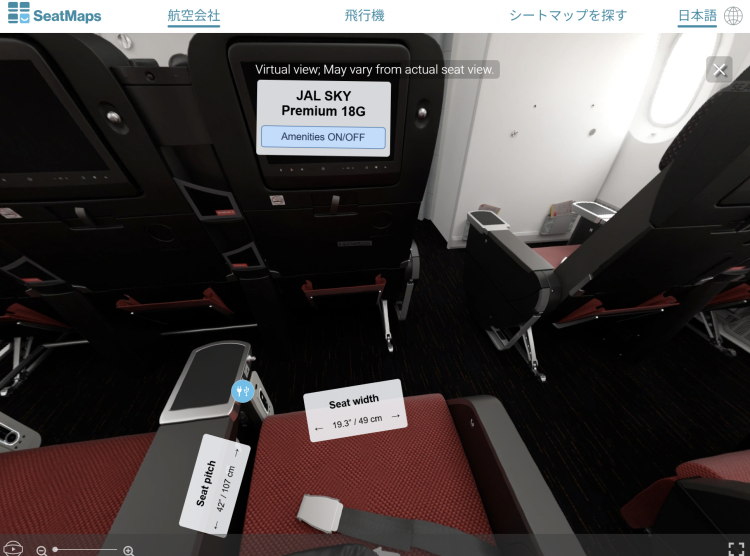
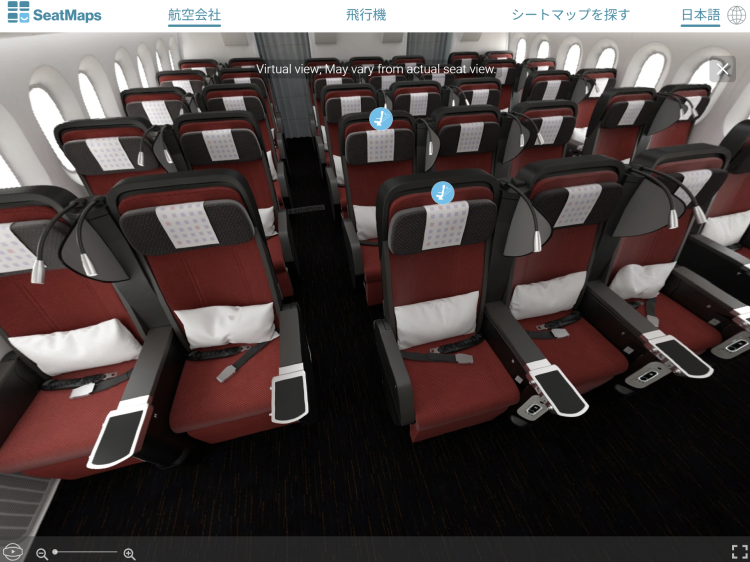
Furthermore, on flights that aren’t fully booked, you can check for empty seats near the rear center section after boarding and politely ask a flight attendant if it’s okay to move there. While you should avoid moving seats on your own, if you receive permission, you might be able to enjoy the space of three rows to yourself.

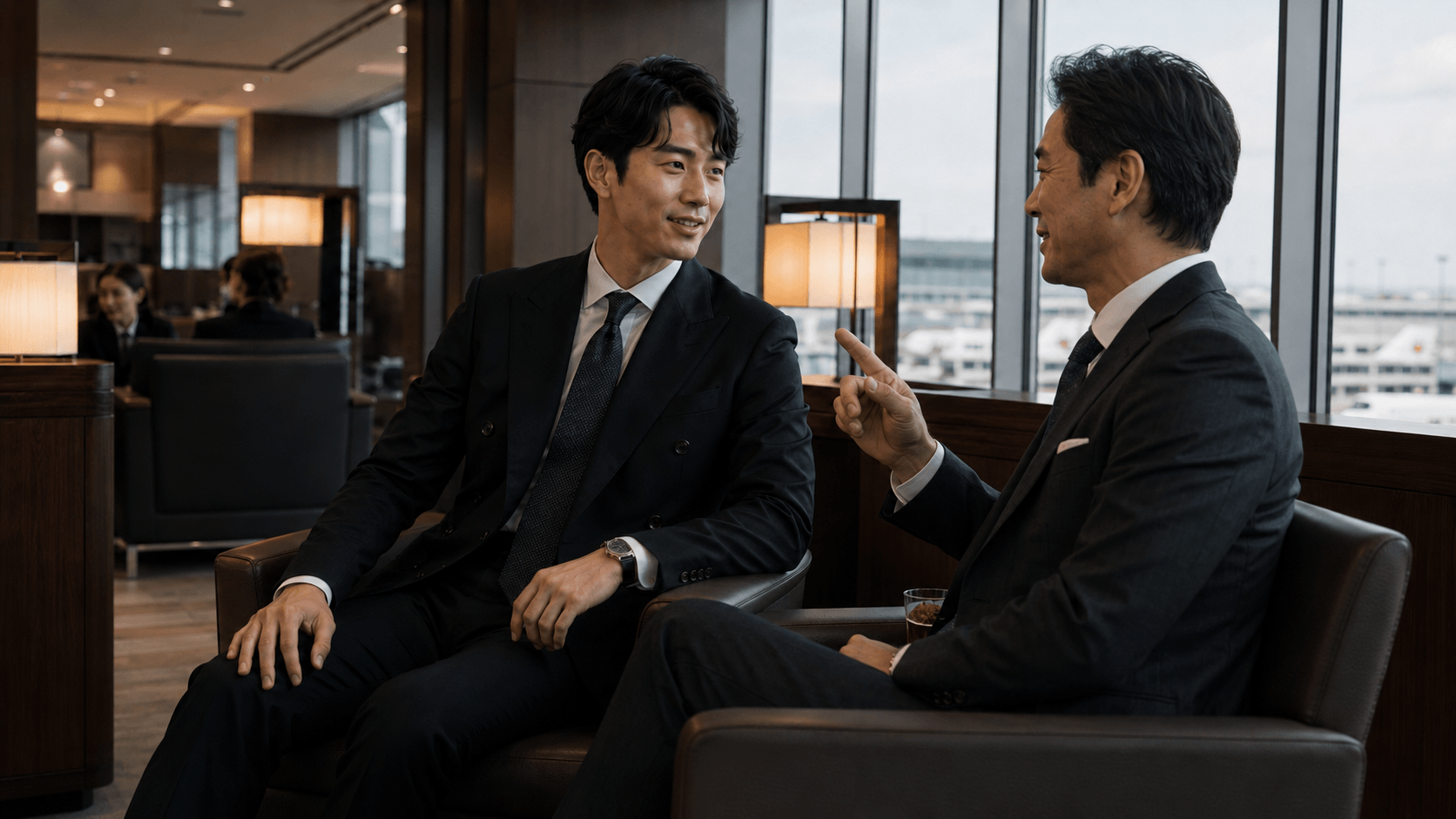
The Sleep Environment That Conquers Long-Haul FlightsThe Basics of Getting a Good Night’s Sleep on a Flight: Stabilize Your Posture and Block Out Light and Sound
If you want to get a good night’s sleep on a long-haul flight, the three things you should adjust after securing your seat are your posture, light, and sound.Your neck feels unstable, your lower back isn’t properly supported, you can’t close your eyes, or cabin noise is distracting. When these small discomforts pile up, it becomes difficult to fall asleep. Rather than simply adding every convenient-looking gadget you can find, you should first focus on finding the right support for your body and a way to block out light and sound without straining yourself.Some people find neck pillows helpful, while for others, simply adjusting the seat’s headrest slightly is enough.
![Neck Pillow [Industry-Exclusive Storage Hook] Neck Pillow for Air Travel, Comfort Accessories, Memory Foam, Ergonomic Design for 360° Support](https://otokomaeken.com/wp-content/uploads/2026/06/imgi_227_81tKMkO6fWL._AC_SL1500_-750x734.jpg)

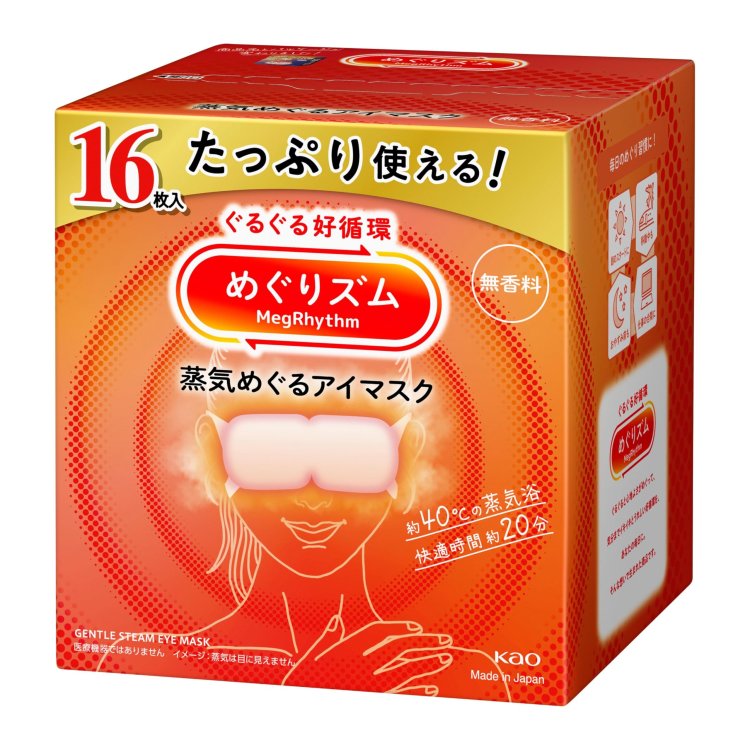
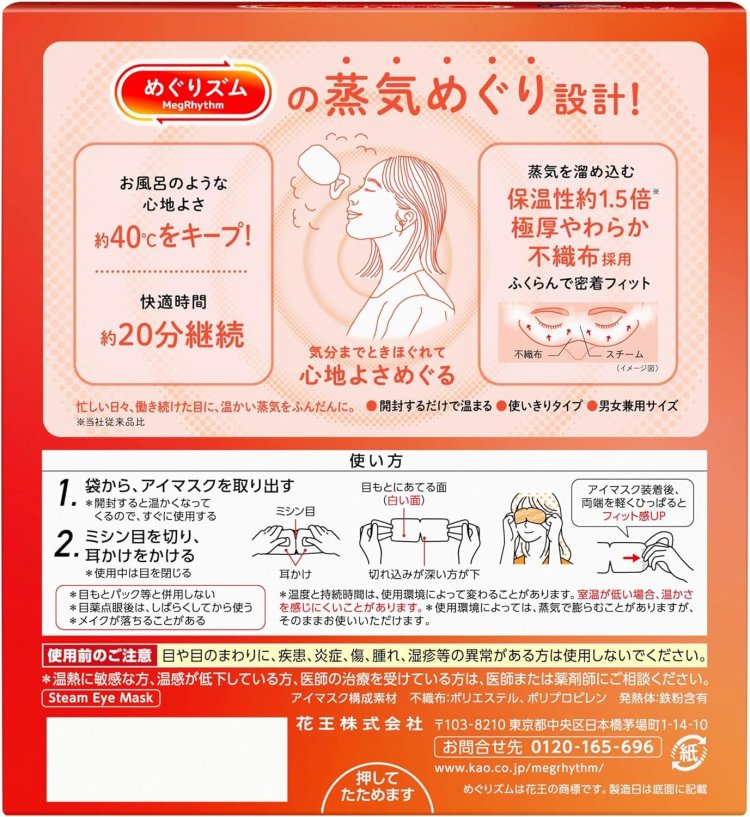
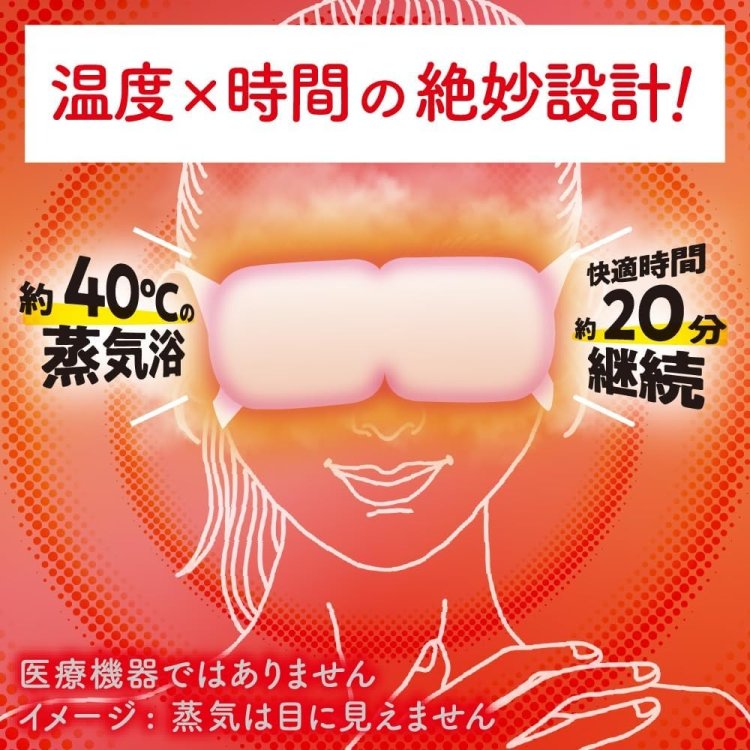
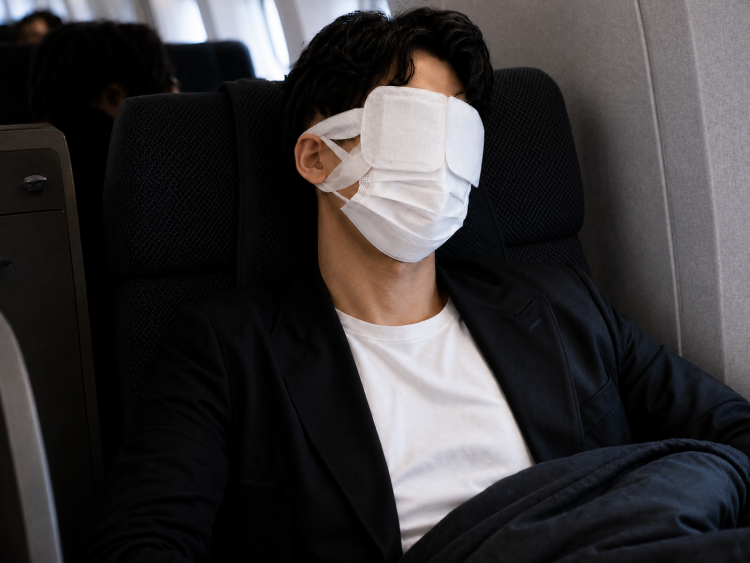
The same goes for your lower back: some people feel more comfortable without anything there, while others find it more comfortable to lightly place an in-flight pillow or blanket against it.For your ears, use noise-canceling earbuds or earplugs to block out cabin noise, and for your eyes, use an eye mask or a hot eye mask to reduce light and stimulation. While standard eye masks are excellent at blocking out light, some people find the elastic band too tight or feel discomfort at the back of their head.I’m one of those people, but products like Megurizumu that use steam to warm the eye area have soft ear loops and feel lightweight when worn. They’re as easy to use as a regular eye mask, and if you choose the unscented version, you can be considerate of those around you on the plane.The key to sleeping comfortably isn’t the number of gadgets you bring, but whether you can adjust your posture, lighting, and sound to suit your needs.
Foot Care for Mastering Long-Haul FlightsTaking Care of Your Feet After Removing Your Leather Shoes Makes It Easier to Rest on the Plane
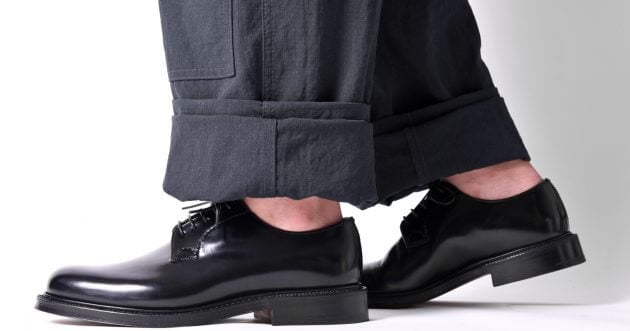
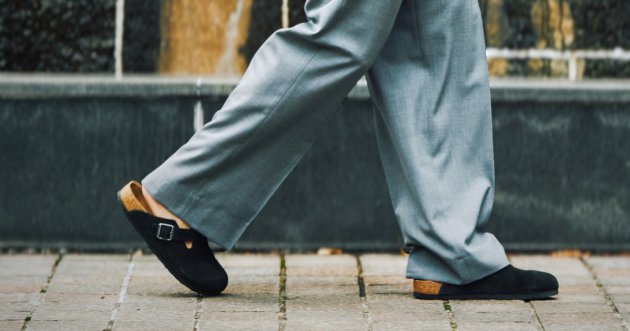
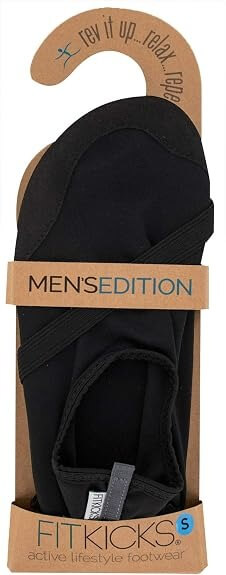
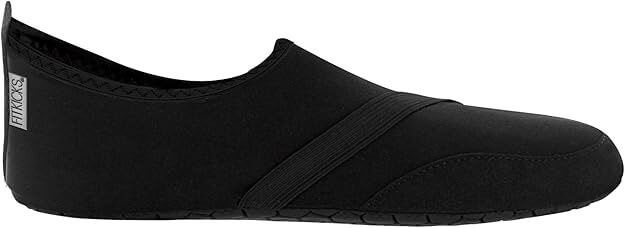
Spending a long-haul flight while wearing leather shoes puts more strain on your feet than you might imagine.The first thing you should do after boarding is take off your leather shoes, put them in a shoe bag or drawstring pouch, and stow them in the overhead compartment. Simply not leaving your leather shoes at your feet frees up space and makes it much easier to move around when you get up from your seat. If you’re just staying in your seat, slippers are perfectly sufficient.They’re so popular as in-flight relaxation shoes that they’re sometimes even provided in business class. However, styles like FITKICKS—which wrap around the entire foot and cover the heel—are less likely to slip off while walking and provide peace of mind when getting up to use the restroom.They’re also convenient as indoor shoes after arriving at a hotel, or—depending on the rules—as footwear for light weight training at the hotel gym.
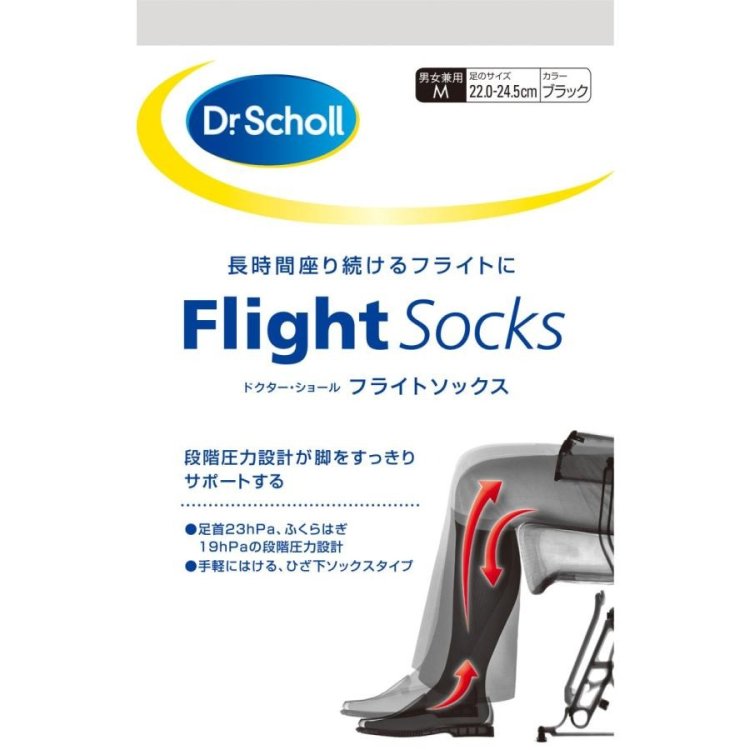
On long flights where you remain in the same position for extended periods, tightness and heaviness in your legs can make it hard to relax. Rather than viewing compression socks purely as a cosmetic solution for swelling, think of them as an item designed to make your time on the plane more comfortable—by providing even a little relief for your legs while sitting for long periods and helping to prevent economy class syndrome.

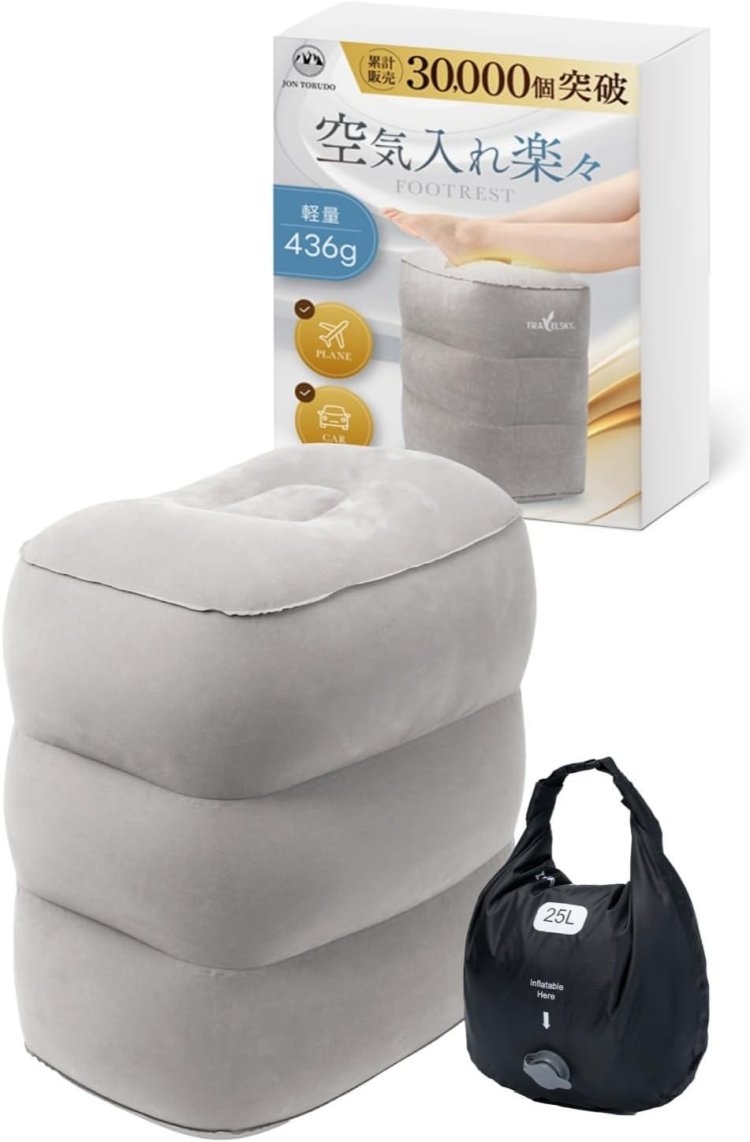
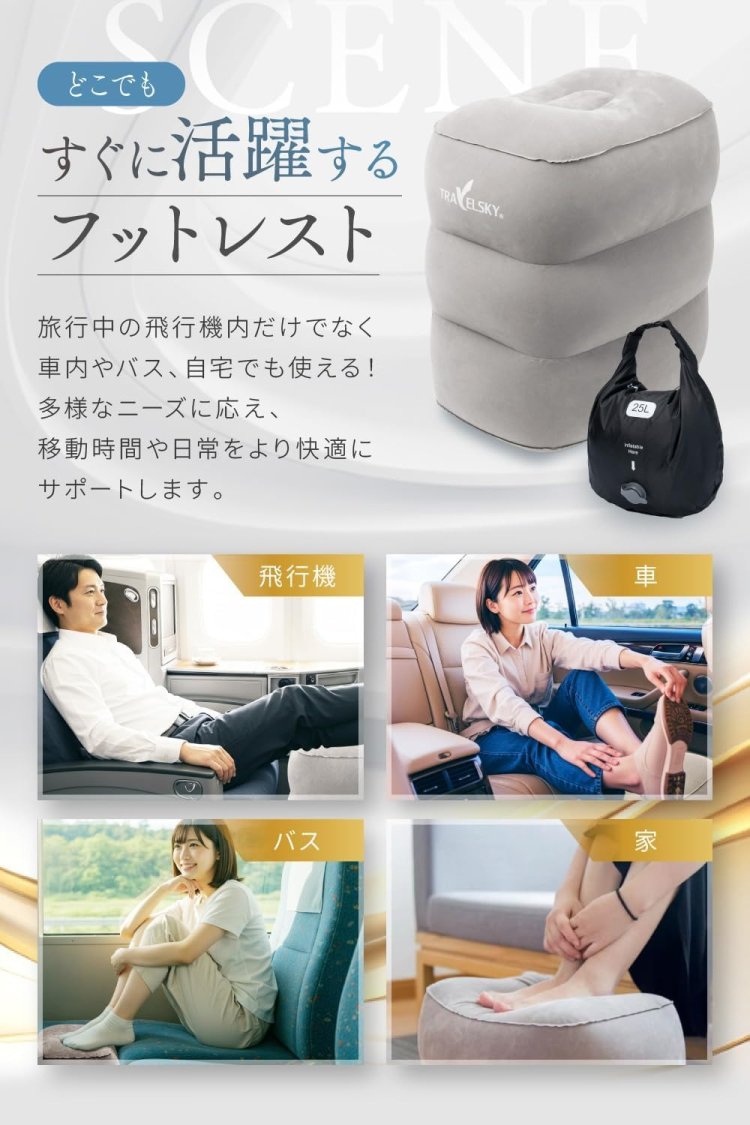
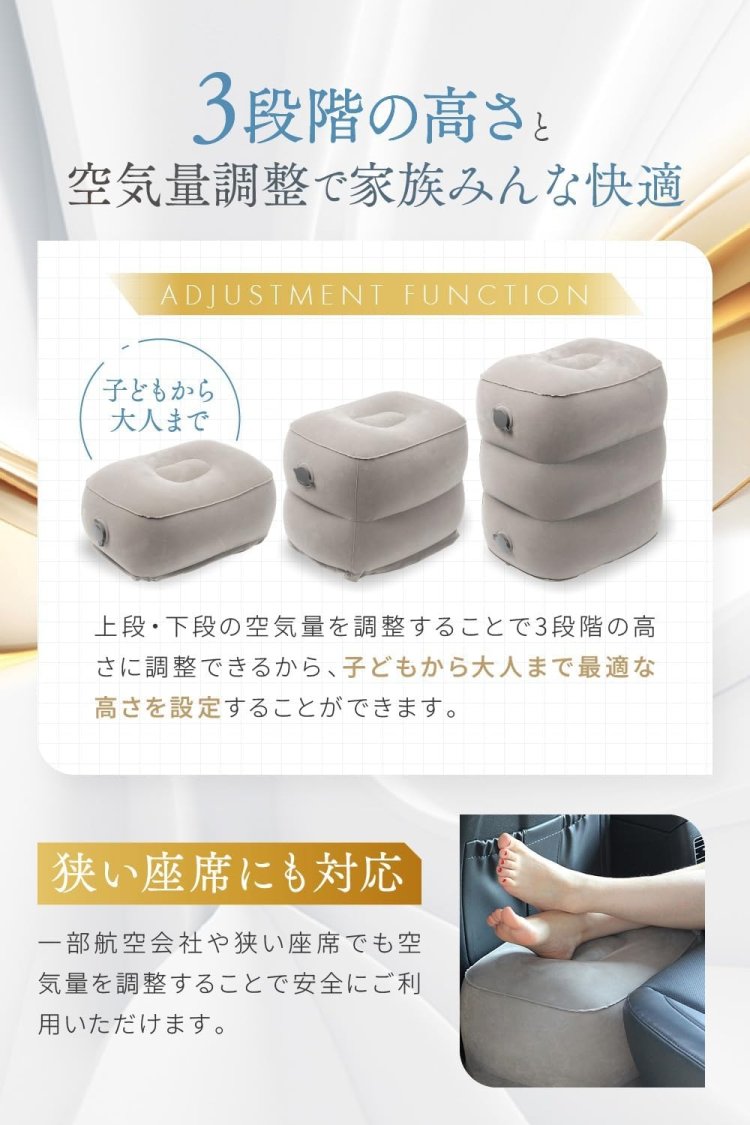
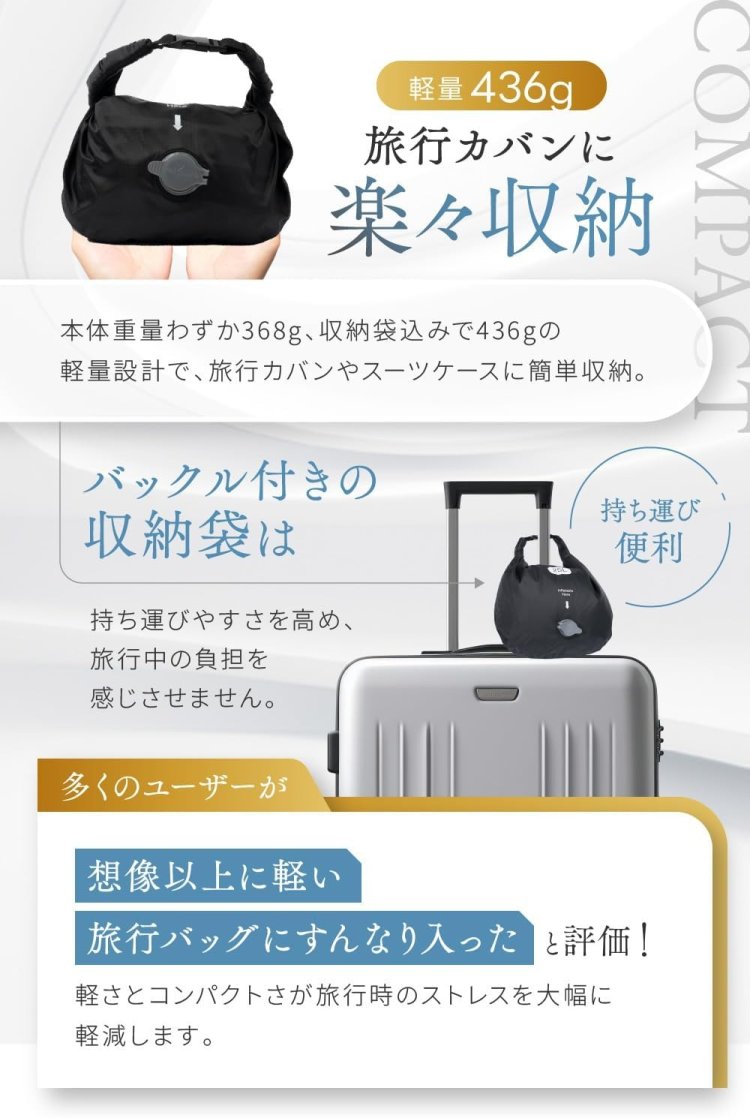
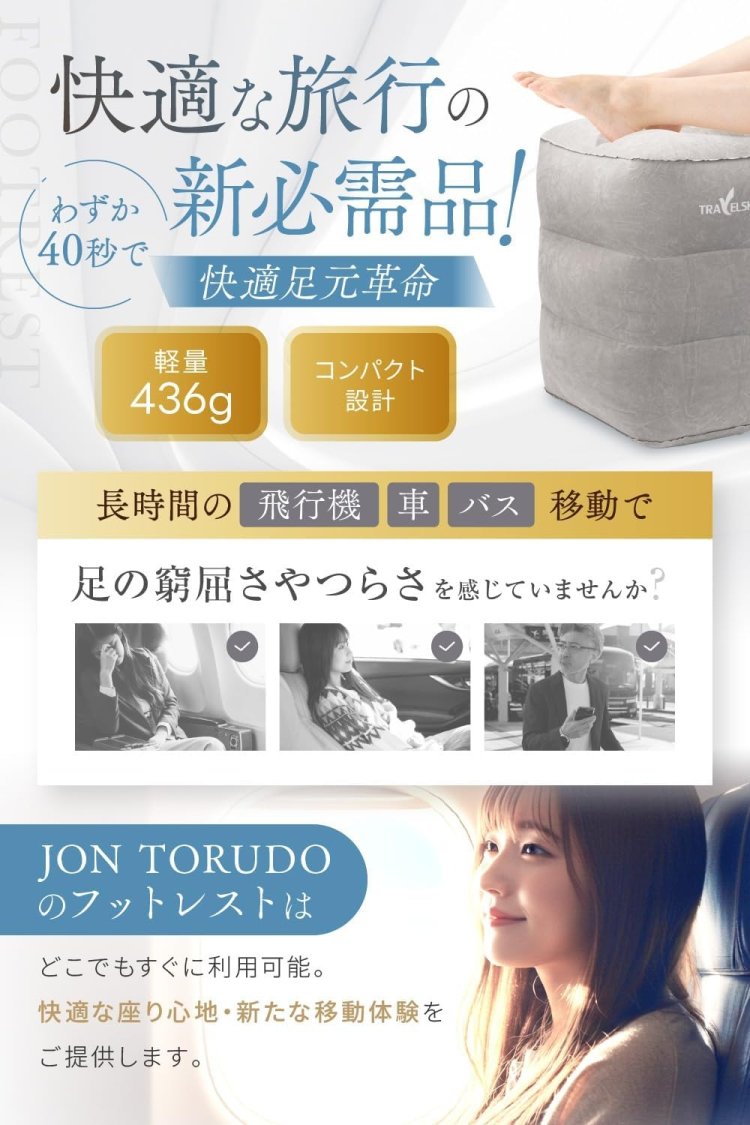
For those who have trouble finding a comfortable position for their feet, using a portable footrest can sometimes relieve pressure on the back of the thighs and around the knees. While you might want to think twice about buying one just for air travel, if you plan to use it on the Shinkansen, during car trips, or while waiting at the airport, it’s worth considering as an item that can reduce fatigue during travel in general.
In-Flight Beauty Tips to Conquer Long-Haul FlightsAdults Who Don’t Ignore Dryness Look Different Upon Arrival
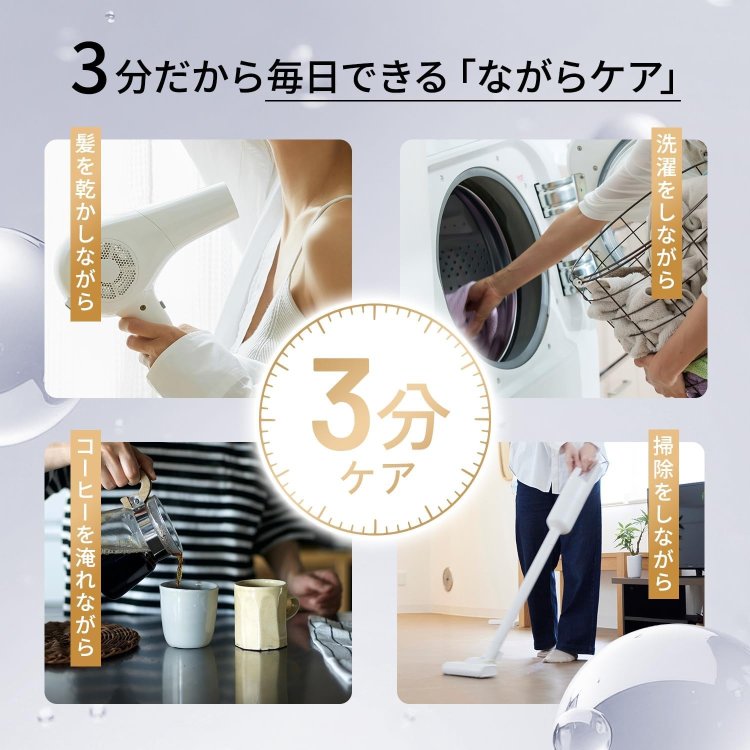
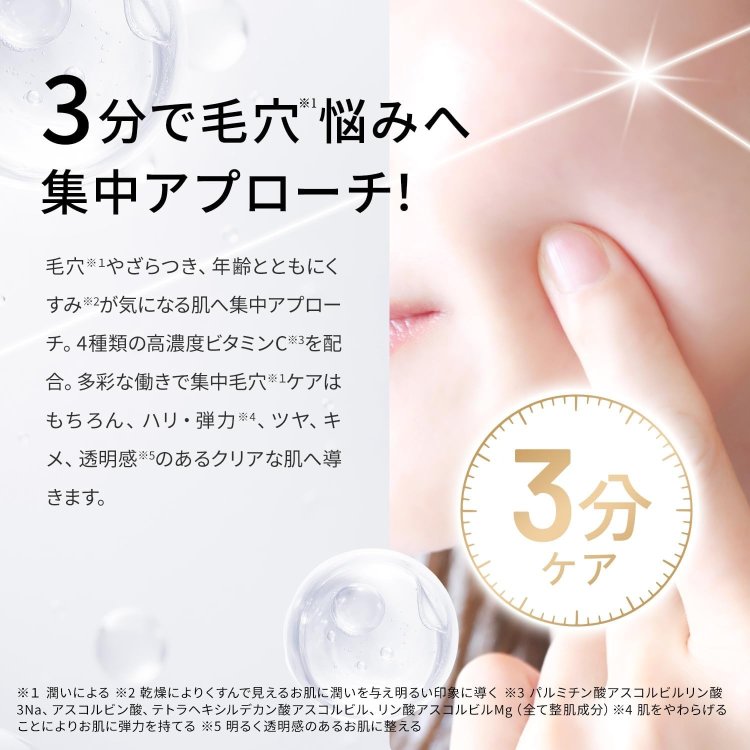
The condition of your skin and mouth area can make a surprisingly big difference on long-haul flights. The cabin tends to be dry, and combined with lack of sleep, this can easily make you look tired upon arrival.In particular, if the area around your eyes, cheeks, and lips is dry, you’ll look like you’ve been traveling for a long time—more so than you might realize. That’s why you’ll want to prevent dryness on the plane with lip balm and face masks, while also having a hydrating mist or face mask on hand as needed. Using a face mask after the lights are turned off on a long-haul flight is a particularly practical option.To avoid looking tired during business meetings, dinners, or meetings immediately after arrival, you should consider countering in-flight dryness as part of your personal grooming routine.




Choosing the Right Drinks to Conquer Long-Haul FlightsTo Get a Good Night’s Rest on a Flight, Stick to Water
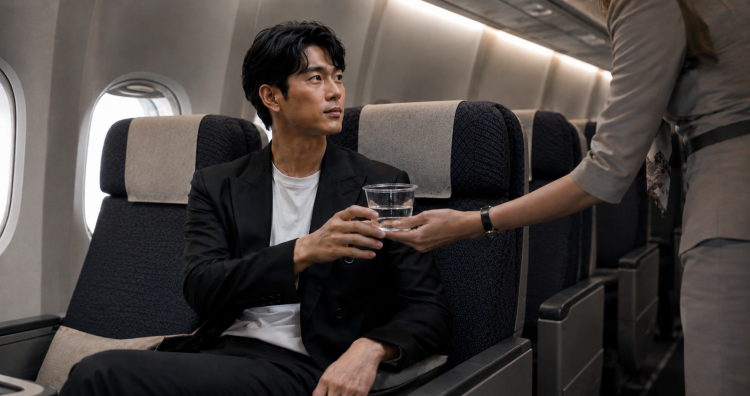
If you want to get a good night’s rest on a long-haul flight, make water your go-to drink on board. After finishing your meal, brush your teeth to freshen up your mouth, and then stick to water for the rest of the flight.This helps prevent a sweet or sticky aftertaste in your mouth and reduces discomfort before bedtime. For coffee and tea, consider the timing based on the local time at your destination. It’s best to avoid them during the hours when you want to sleep and save them for when you want to stay alert just before arrival.Alcohol can easily affect the quality of your sleep and lead to fatigue after arrival, so it’s best to consume it sparingly on long-haul flights. Sweet drinks can also cause discomfort in your mouth, so avoid sipping them continuously after brushing your teeth. By sticking to water as your main beverage and carefully timing your intake of caffeine, alcohol, and sugar, you can create the ideal conditions for resting on the flight.
Meal Management for Mastering Long-Haul FlightsDon’t Assume You’ll Finish Your In-Flight Meal—Plan Based on Your Condition Upon Arrival
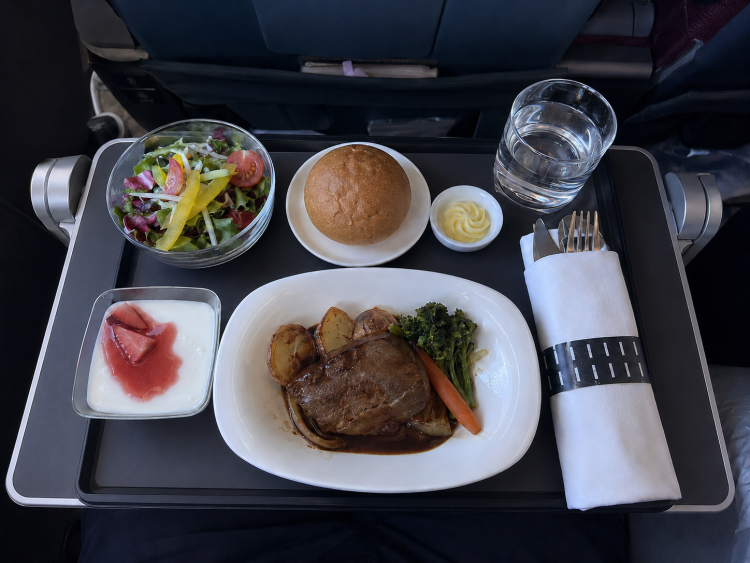
It’s best not to assume you’ll eat everything served on a long-haul flight.In-flight meals are designed to be reheated using limited onboard equipment and served to a large number of passengers in a short amount of time. Furthermore, at high altitudes, low air pressure, dry cabin air, and noise can dull your sense of taste and smell, making it harder to perceive flavors than on the ground.As a result, many menus feature dishes with pronounced saltiness and umami. Of course, this doesn’t mean in-flight meals are bad in and of themselves. However, if you have business meetings or dinners scheduled immediately after arrival, rather than automatically finishing everything served, you’ll want to adjust the portion size and contents yourself.Consuming too much salt or sugar can easily lead to bloating and an upset stomach after you arrive. Rather than eating everything on your plate, focus on the main dishes—such as meat or fish—along with vegetables and water, and aim to eat until you’re about 80% full.
Jet Lag Strategies for Mastering Long-Haul FlightsDecide When to Sleep and Wake Up on the Plane Based on Local Time
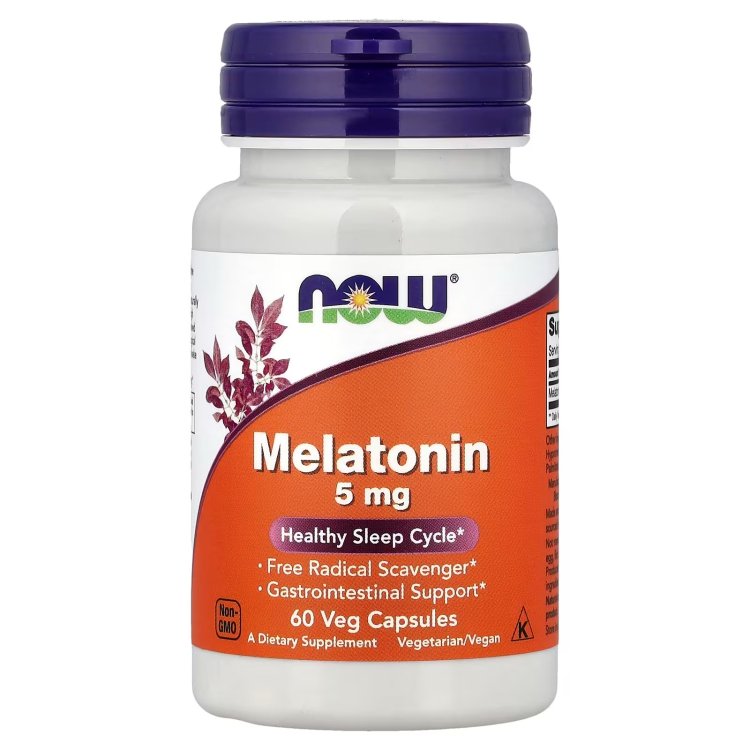
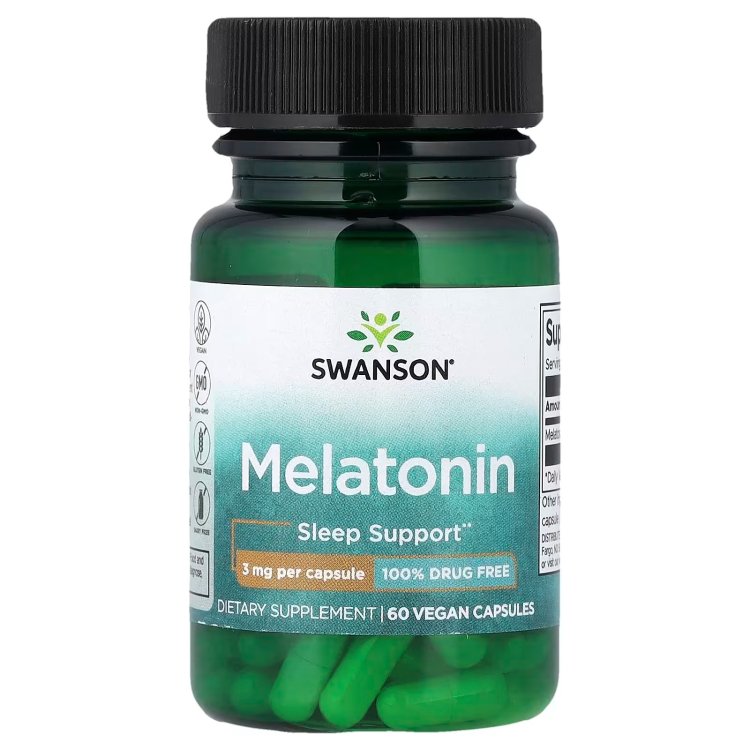
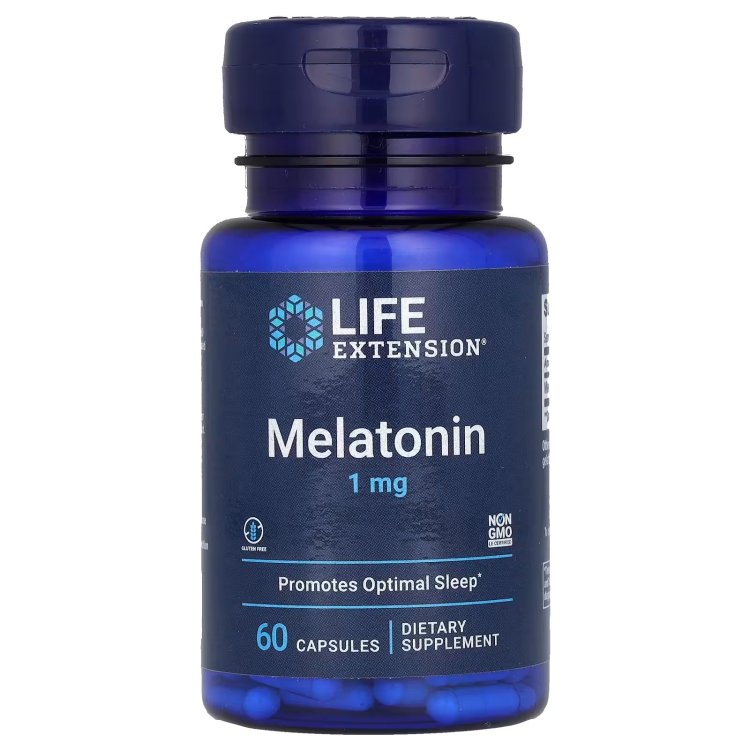
For long-haul flights or business trips abroad with a time difference, it’s best to decide in advance when to sleep and when to wake up on the plane.If you continue to follow the time zone of your departure location, you’re likely to feel sleepy and sluggish after arrival. Once you board the plane, focus on the destination’s time zone: sleep during the hours that correspond to nighttime there, and stay awake during the hours that correspond to morning or daytime by watching movies, reading, or doing light work. This alone will make it easier for your body to adjust after arrival. Some people take melatonin as a measure against jet lag.Melatonin isn’t meant to force you to sleep like a sleeping pill; rather, it should be viewed as a substance that influences your sleep-wake cycle.In fact, the NCCIH (National Center for Complementary and Integrative Health, part of the U.S. National Institutes of Health) has also noted that melatonin supplements may be helpful for jet lag. However, since there are some uncertainties regarding the safety of long-term use, it’s important to check the dosage, timing, and potential interactions with other medications.If you are currently taking medication, have an underlying medical condition, or have to drive or attend an important appointment immediately upon arrival, it is safer to consult a doctor or pharmacist rather than using it on your own.



![[“Nightlife Men’s Skincare”] Rescue routine that will change the future of your skin in 5 minutes before going to bed.](https://otokomaeken.com/wp-content/uploads/2025/02/c3b1a030d1fc5d6cd5ed2c095dea7923-630x331.png)


![Ernest Shackleton. He failed to cross Antarctica and lost his ship. Yet he brought 27 men home alive. [Men’s Biographies]](https://otokomaeken.com/wp-content/uploads/2026/08/7966bae78213db11914ad7af893f8431-2-630x331.png)