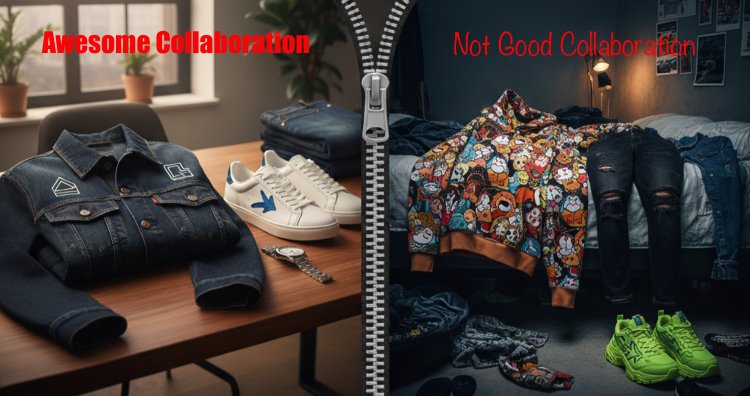
Many brands release collaborative items every season. While limited edition items tend to attract attention, not all of them are successes, and some of them end up as failures. How can we tell the difference between a good collaboration and a bad one? This article traces the history of collaborations in fashion items and introduces the author’s definition of the art of discernment as an unparalleled lover of collaborations who collects information on collaborations on a daily basis.
Sponsored by
What was the beginning of collaboration in fashion items?
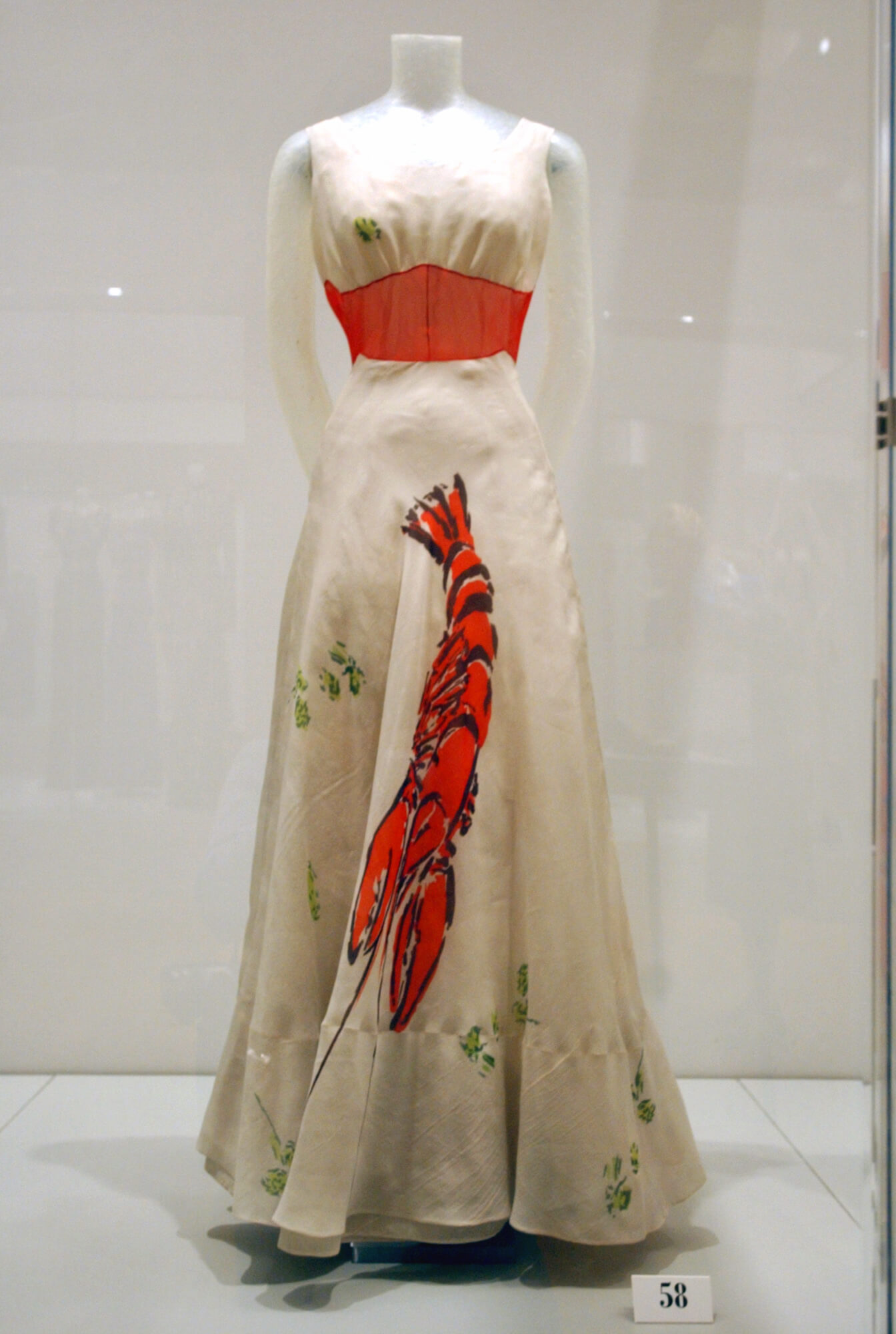
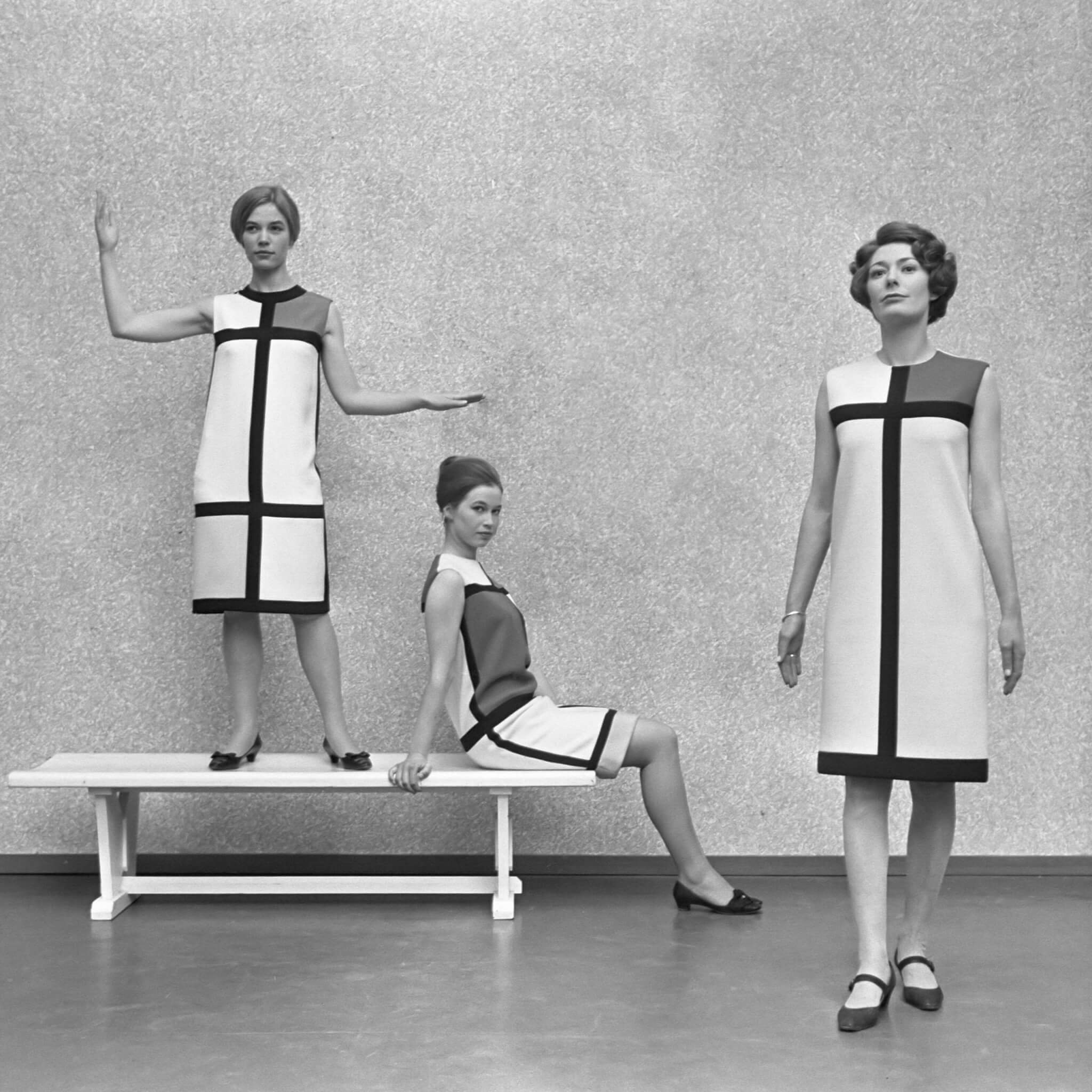
The “double name” and “triple name” collaborations that are popping up everywhere today are by no means a passing phenomenon. Their origins date back to the 1930s, about 100 years ago. In 1937, legendary fashion designer Elsa Schiaparelli teamed up with the Surrealist master Salvador Dali to create lobster dresses, hats modeled after high heels, and shoe hats. The method of incorporating artists’ ideas into clothing shocked the fashion industry of the time. Although not a collaboration between brands, it is considered to be the prototype of collaboration, a cross-fertilization of symbolic capital through the “collaboration of different genres. In the 1960s, Yves Saint Laurent transferred abstract painter Piet Mondrian’s compositions onto his dresses, again popularizing the collaboration of art and mode. It was here that the collaboration of “sublimating oneself through chemical reactions with the values of others” began to take root.


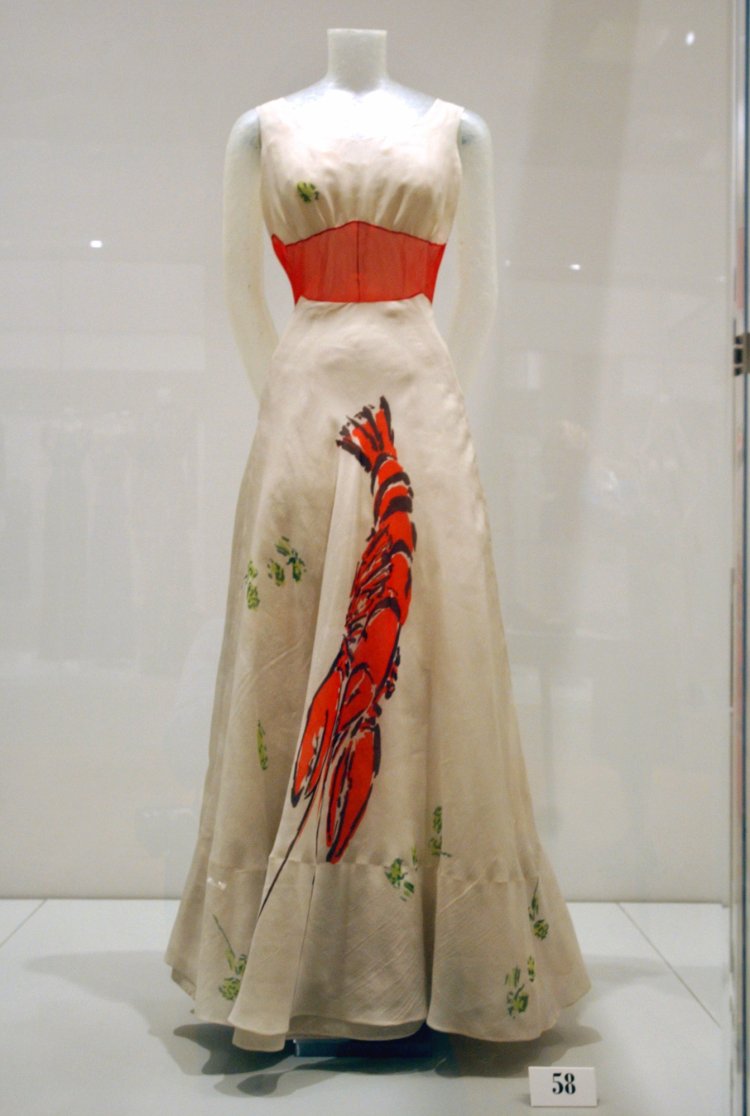
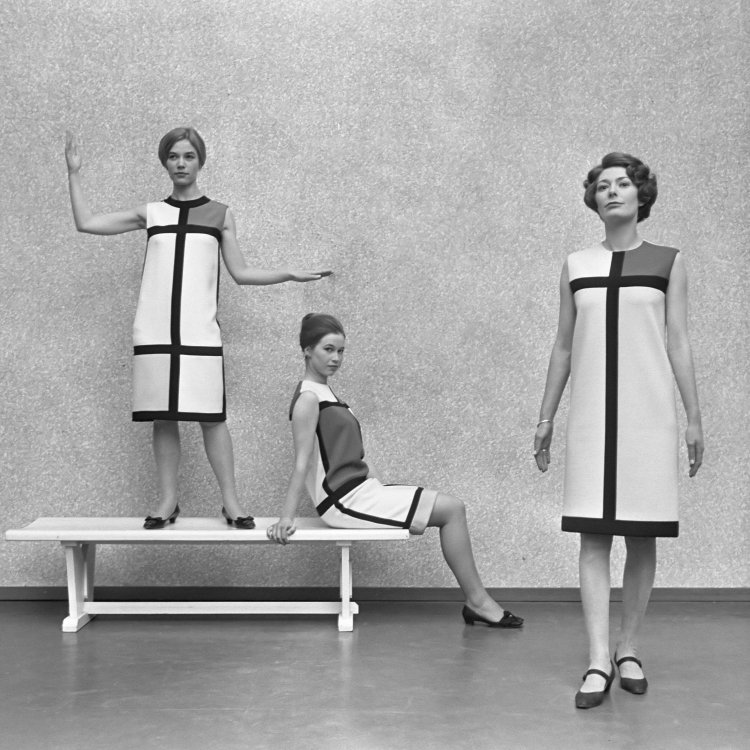
Since then, various forms of tag-teams have been explored, not only in connection with art culture, and a series of collaborations have been created that fascinate people with unique ideas. Here we pick up some of the most representative ones, following the times.
1980s: the intersection of subculture and sports
In 1986, the legendary hip-hop group Run-D.M.C. produced a song called “My adidas” and invited adidas executives to their concert, He became the first hip-hop artist in history to sign a major contract with a sports manufacturer. Originally, the members of Run-D.M.C. had been wearing Adidas Superstars, but the deal made them a major model in sneaker history, and they later released a pair of sneakers with a collaborative design.
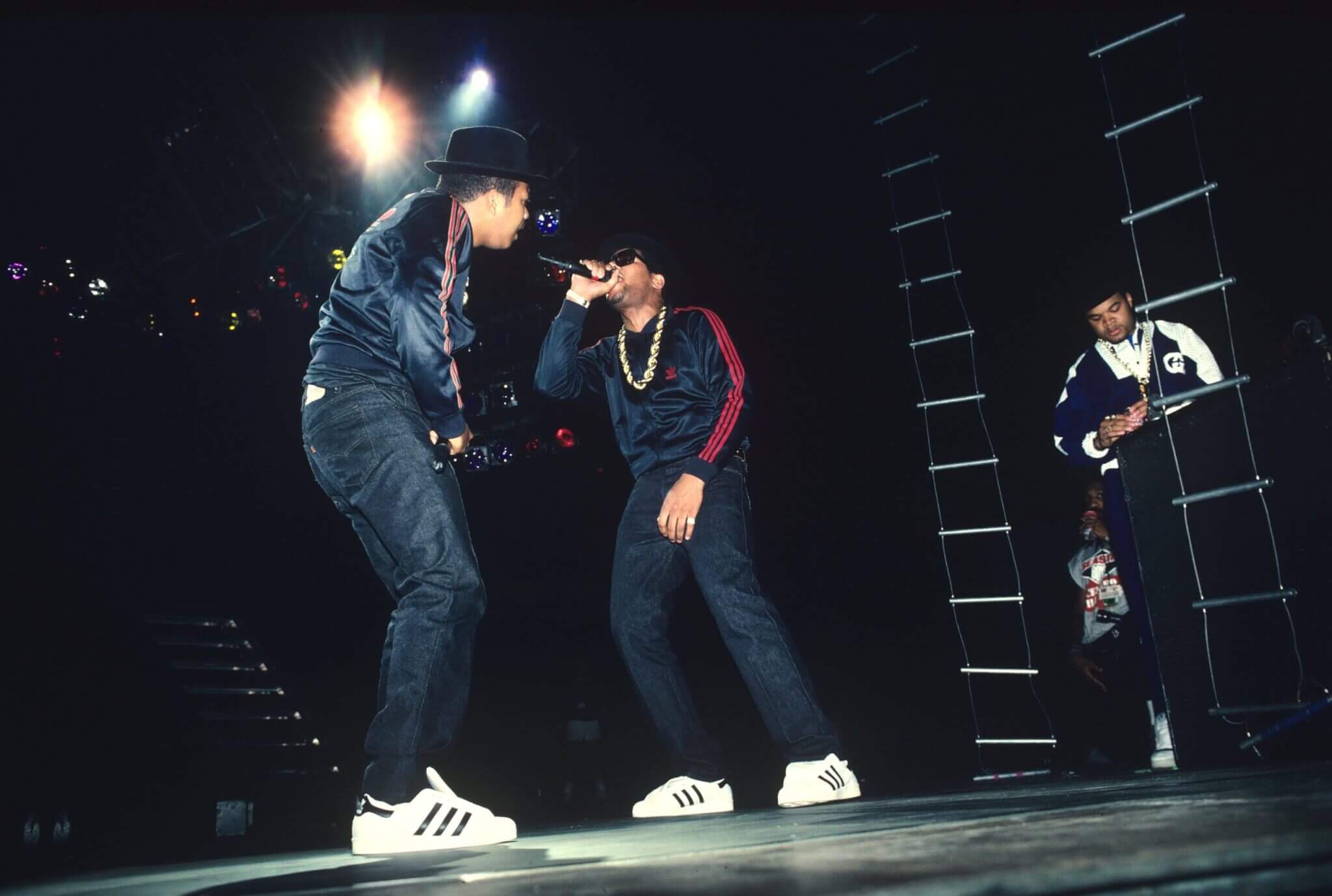
Photo: Iconicpix/Afro
1990s: The Uraharajuku Movement and Street Originated Limited Collaboration
In Japan, the ” Uraharajuku Movement ” emerged in the early 1990s, led by Hiroshi Fujiwara and others. Good Enough, led by Fujiwara, A Basing Ape led by NIGO, and C.E. of Skating Thing established a form of collaboration in Japan through T-shirts and sneakers that tickled consumers’ purchasing motives with “limited edition,” “lottery,” and “no resale. Representative examples include Levi’s x GOODENOUGH (1994), Stüssy x GOODENOUGH (1997), Nike x fragment design (early 2000s), and PORTER x fragment design (2005). Nike’s “HTM” (Hiroshi Fujiwara/Tinker Hatfield/Mark Parker), which began in 2002, launched a model of “collaboration as a development laboratory” by experimenting with materials and producing small quantities.
Early 2000s: The entry of luxury and the institutionalization of mass projects.
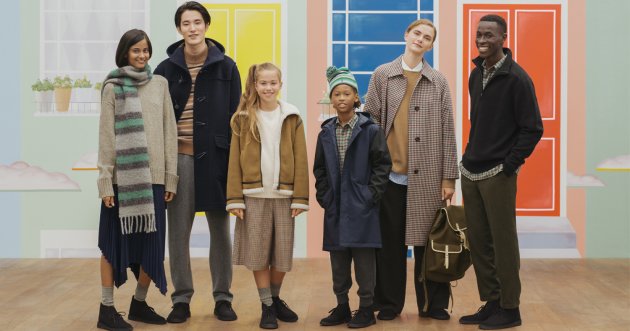
In 2003, the collaboration between Louis Vuitton and Takashi Murakami marked a turning point in the concept of collaboration among luxury brands. Also in 2004, a guest designer project by H&M and Karl Lagerfeld introduced a model of collaboration between fast fashion and high fashion. In the last few years, UNIQLO has developed collaborative collections with designers such as Jil Sander and JW Anderson, and this was the cornerstone of the form.
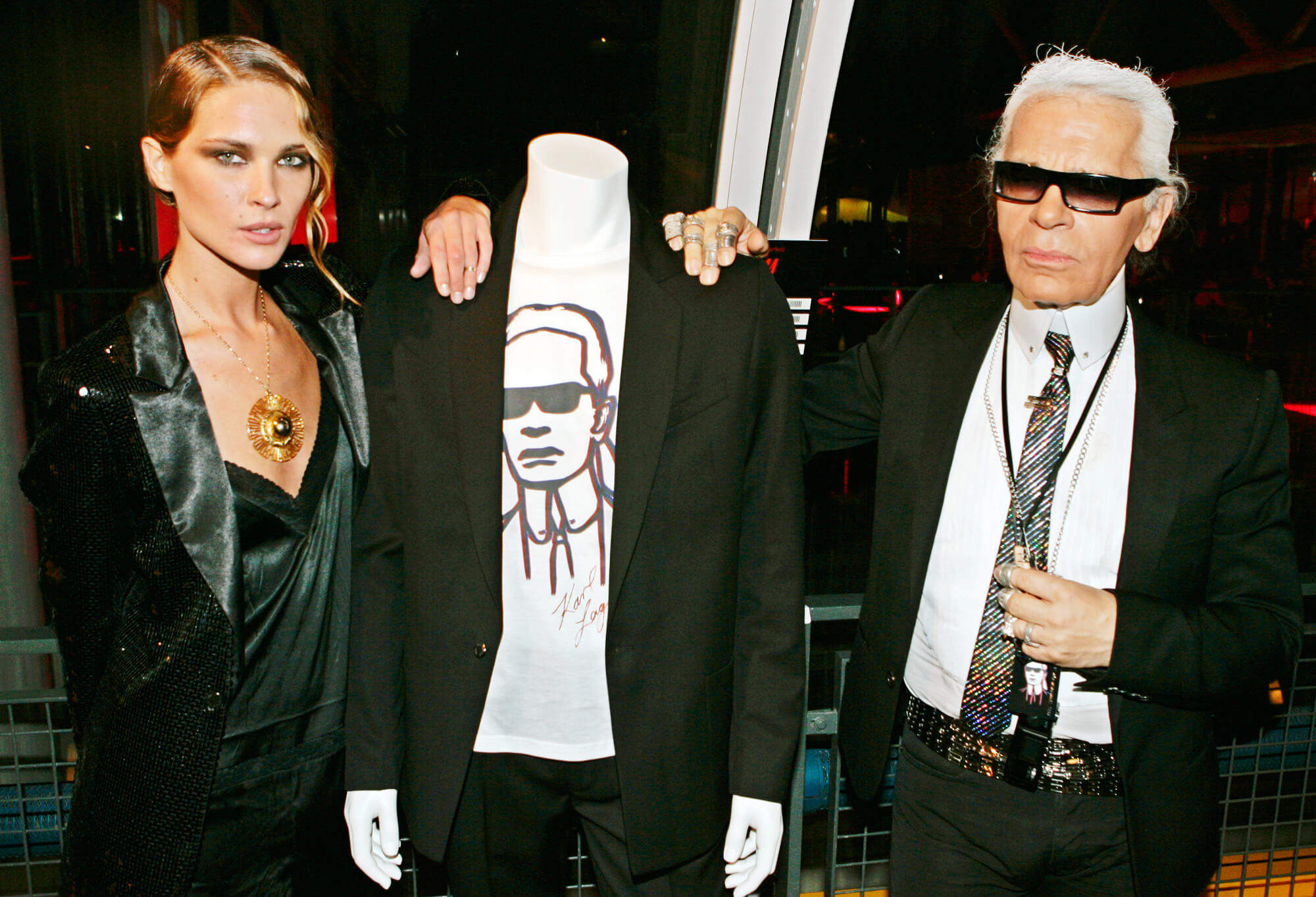
Photo: AP/Afro.
Late 2000s – 2010s: a model of long-term collaboration that established an independent brand rather than a short-term collaboration
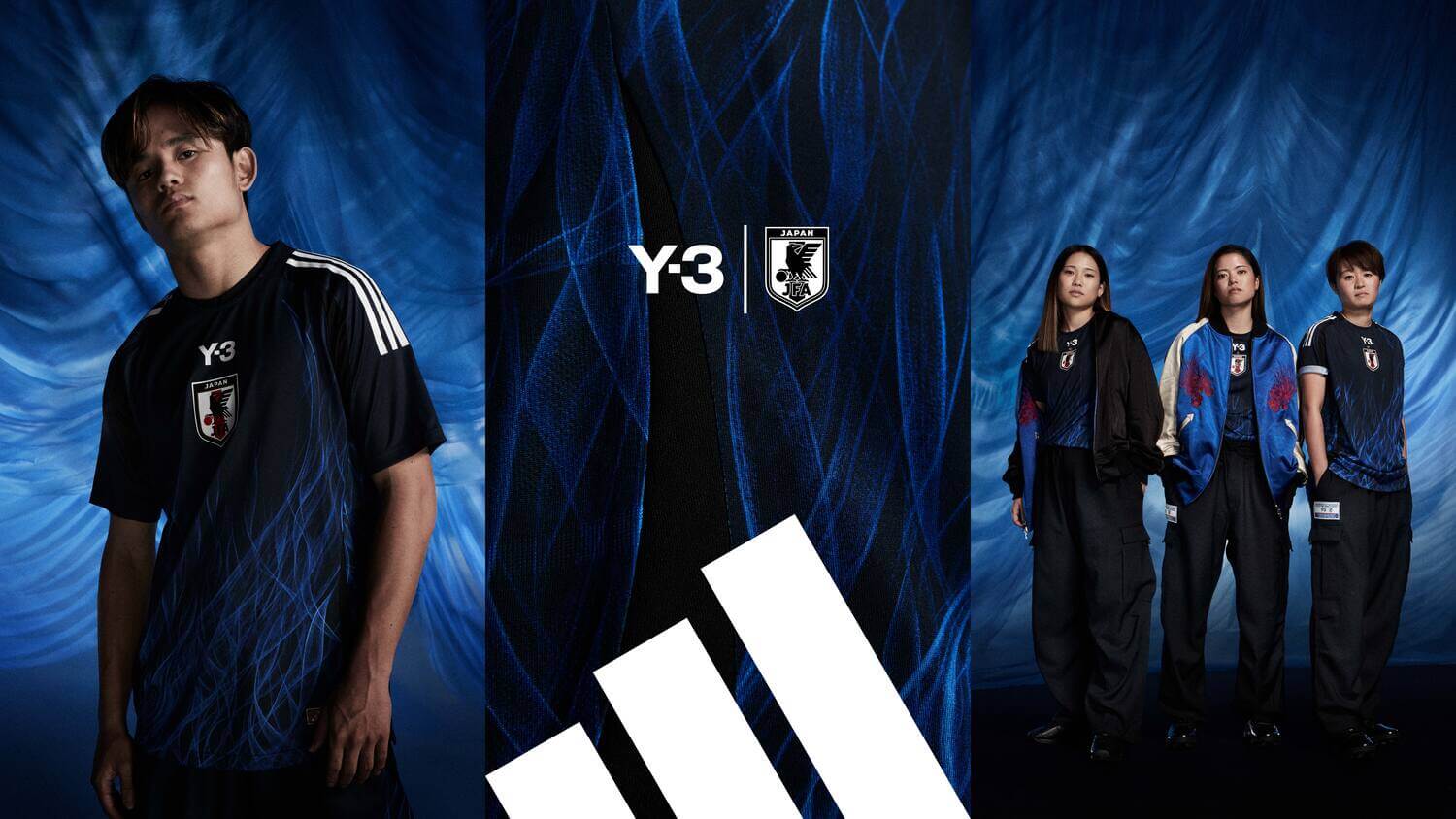
Y-3, a collaborative project by adidas and Yohji Yamamoto that began in 2002, functioned as an ongoing collaborative brand rather than a one-off, and was a long-term integration. Rather than being a hot topic, it has taken root as a single independent brand, and now has such a presence that it is producing uniforms for the Japanese national soccer team.
2010s -: explosion of one-off collaborations, the emergence of triple names, and the maturation of the collaboration culture
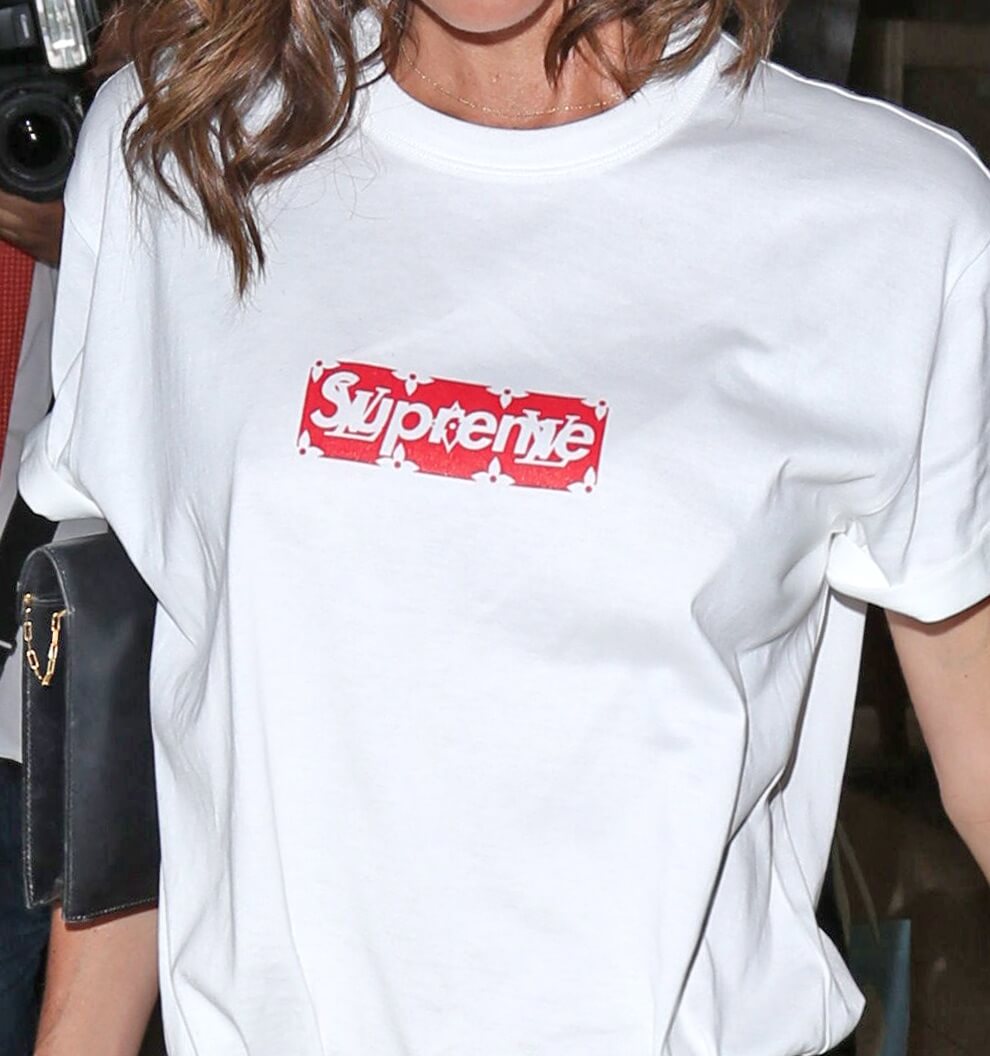
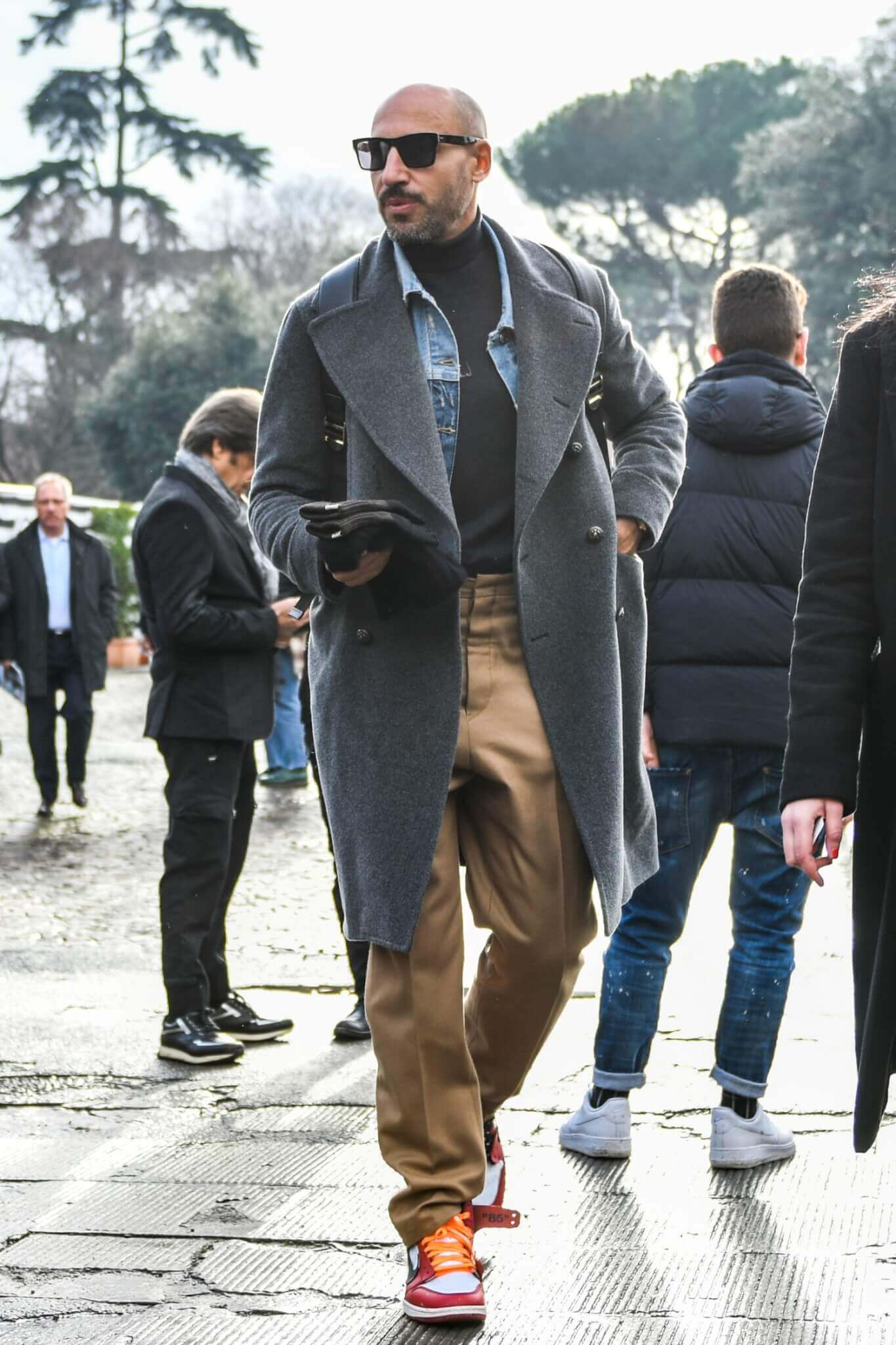
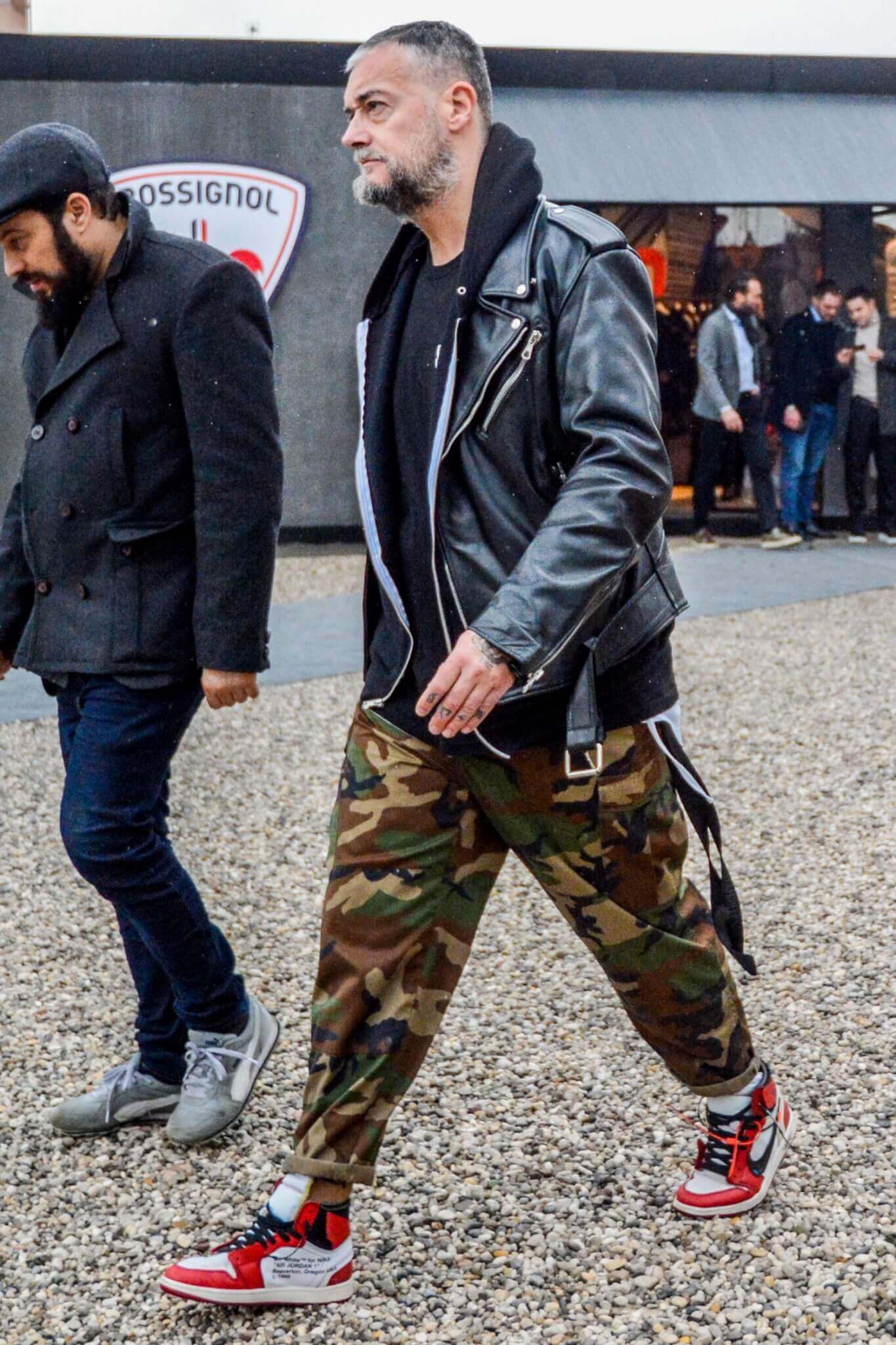
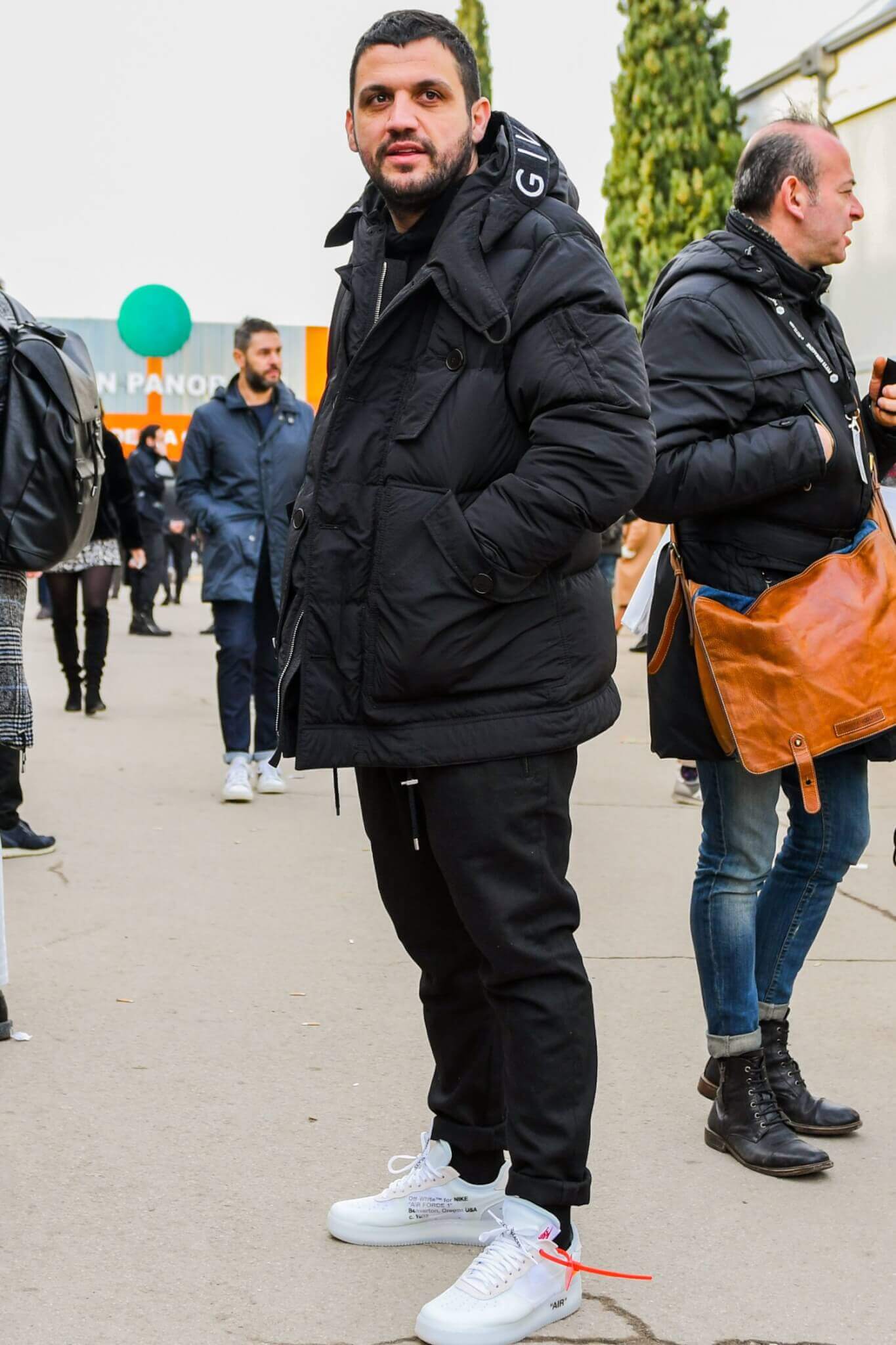
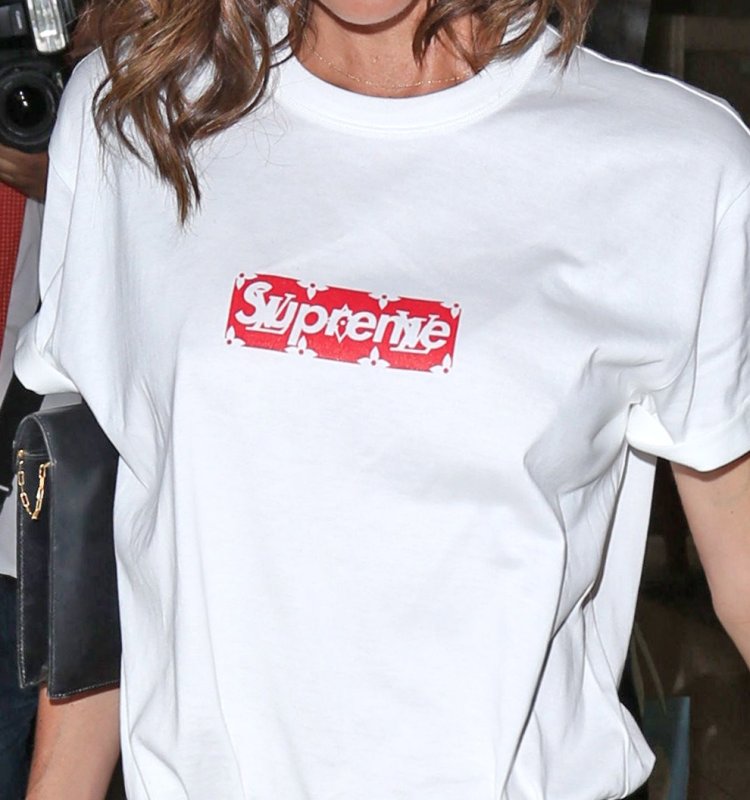
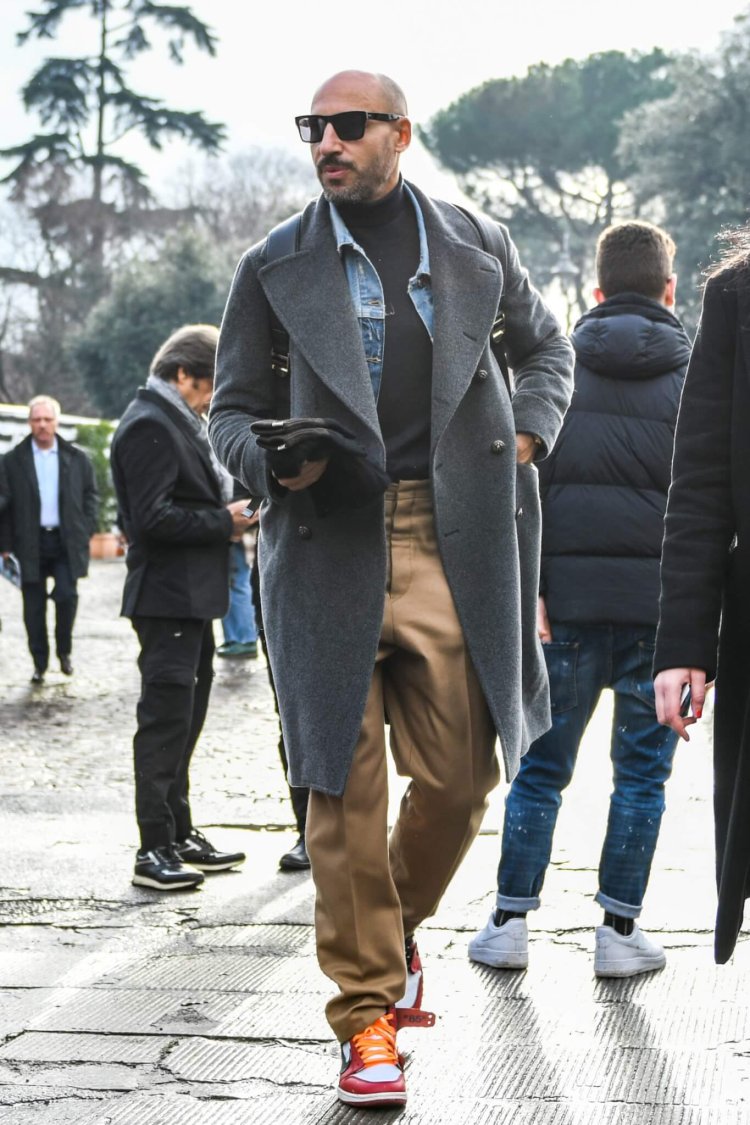
In 2017, two big collaborations, Louis Vuitton x Supreme / Nike x Off-White “The Ten,” made headlines. Both of these were difficult to obtain and were also preyed upon by resellers as they were sure to increase in value. The Ten, in particular, was an innovative collection by the late Virgil Abloh that reimagined Nike’s most popular sneakers and released a series of ten models in stages. It was also an excellent PR technique to raise the heat of consumer interest in what model would come out next.
[Related Articles]

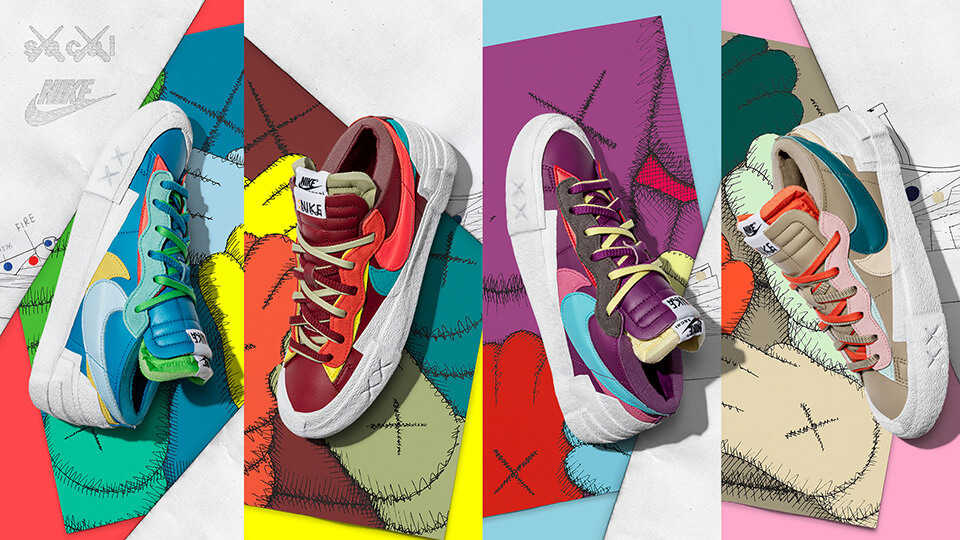
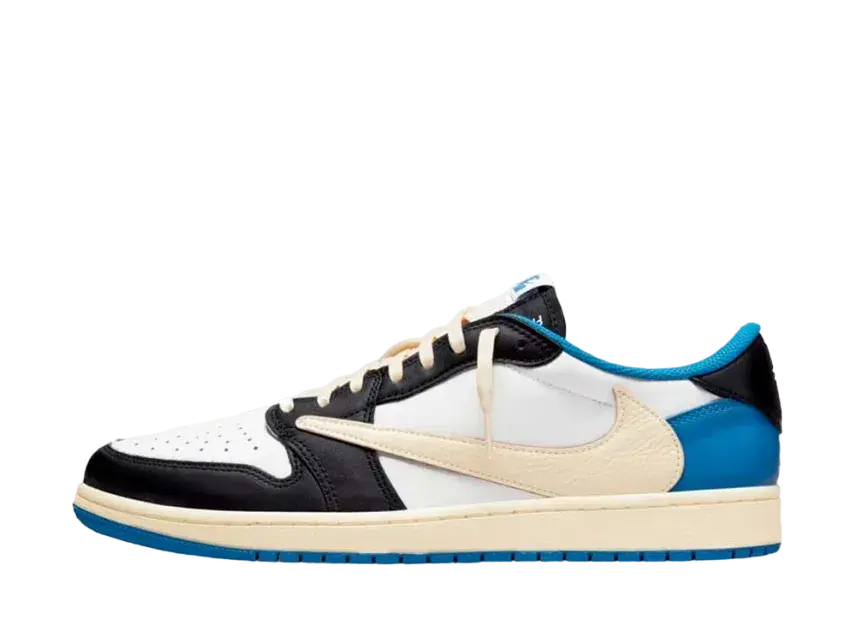
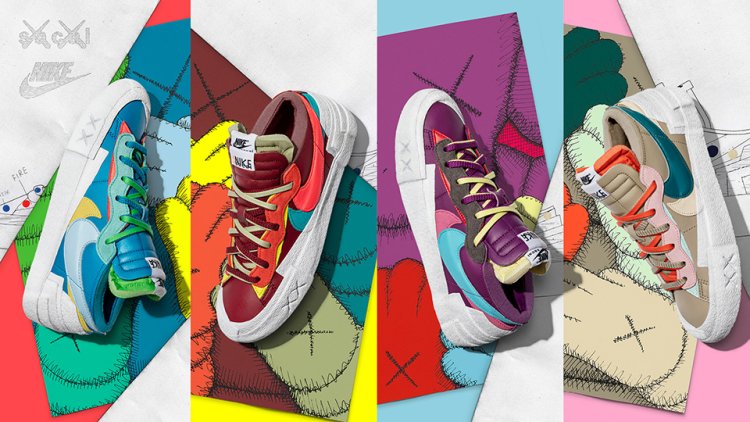
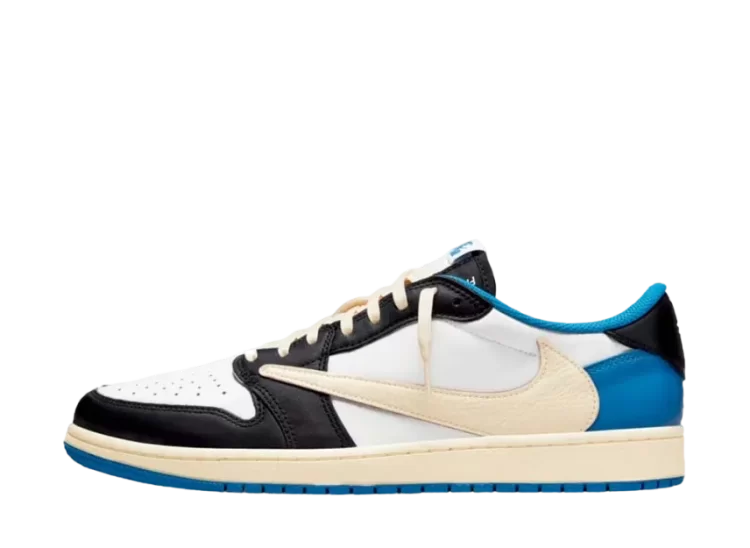
In addition, 2019 and beyond will see triple name collaborations such as Nike x Sakai x Cowes and Fragment Design x Travis Scott x Air Jordan. The different cultural attributes of the three parties established a form of collaboration with more three-dimensionality than double name collaborations. The triple name structure became more common after the late 2010s, and while there were localized attempts prior to that, it has yet to take root. In addition, Moncler has developed “Moncler Genius (2018-),” a “continuous one-off collaboration” that brings in different designers, artists, and other creators from various genres each season. The collaboration culture has matured.


Can we live without collaborations any longer?
Looking back at the history of collaboration, the commercial form of collaboration has expanded its market over time and become a standard marketing method for brands. It continues to occur in various places like a meteor shower. Consumers are always waiting for new and unusual collaborative items, and brands are always looking for collaboration methods that can guarantee sales and buzz. In other words, both consumers and brands are attracted to the “magic” of collaboration.
In the past, consumers were attracted to the brand itself. Nowadays, however, it is difficult to arouse enthusiasm for a brand’s new products alone, and the main triggers of buzz are “who is the brand working with” and “what kind of unexpectedness can be added. In other words, it has become difficult to be picked up as a major topic unless it is a collaboration, and the nature of collaboration has become such that consumers demand rarity and novelty as prerequisites.
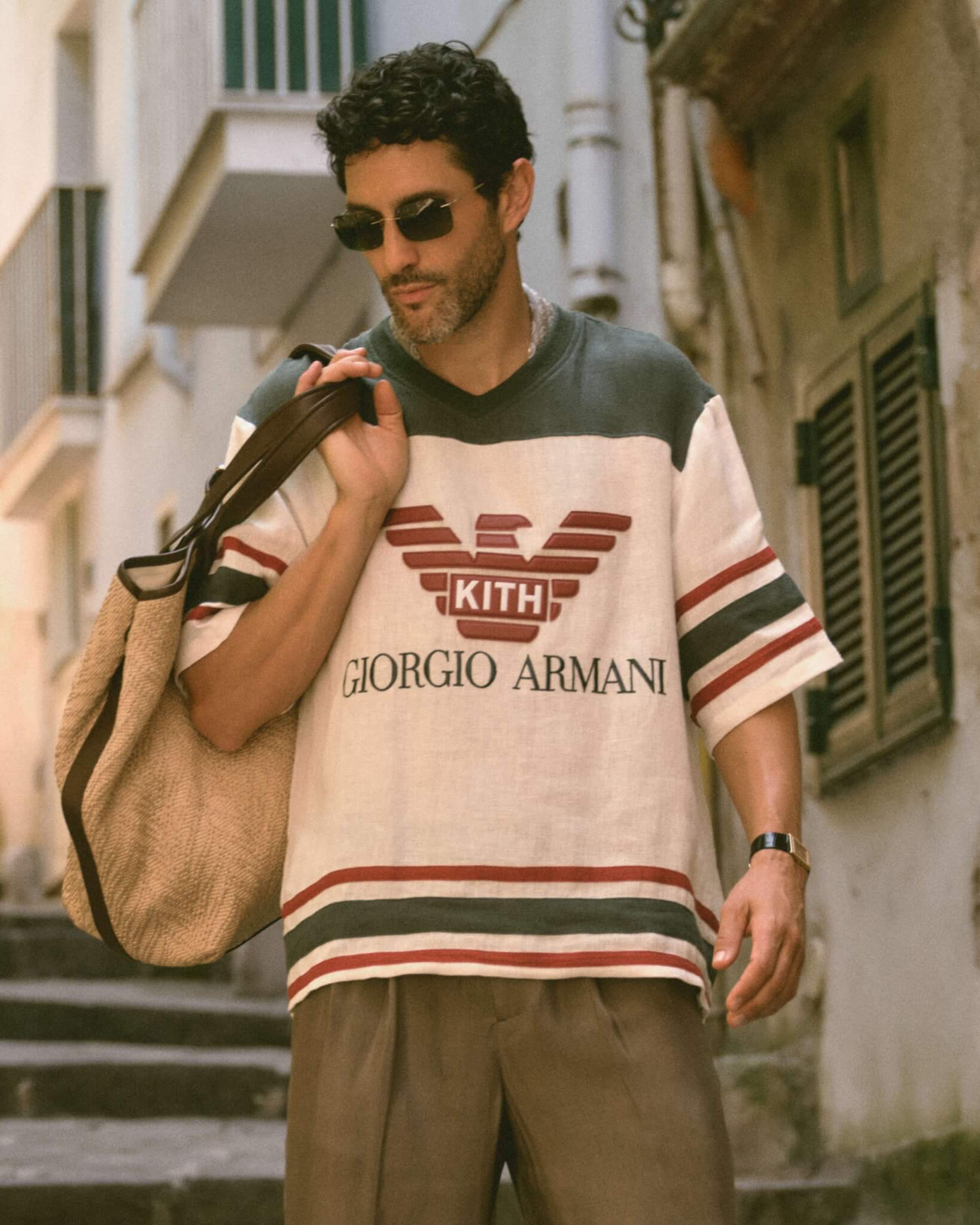
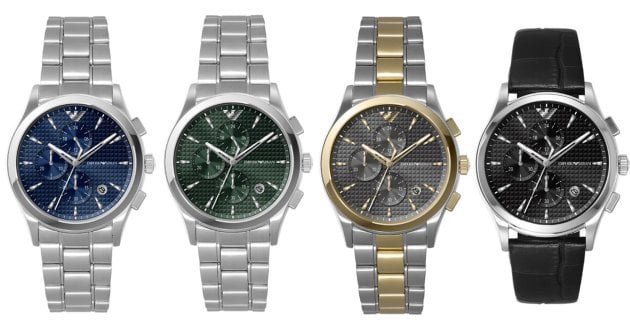
On the other hand, brands have also become dependent on collaboration. As mentioned above, it is difficult to create a hit with a single new product, so collaborations are used as a fuel for generating buzz that triggers media exposure and SNS coverage, and have become one of the survival strategies. Successful brands do not rely on collaboration, but position it as an experiment to expand their world view, which is clearly different from a short-term, fireworks-like business strategy. Giorgio Armani is a good example of this. The brand, which has maintained its own world view for many years without collaborating, suddenly announced its first collaboration in 2024. The collaboration with KITH, an unexpected and unexpected collaboration that no one had expected, created a huge buzz.


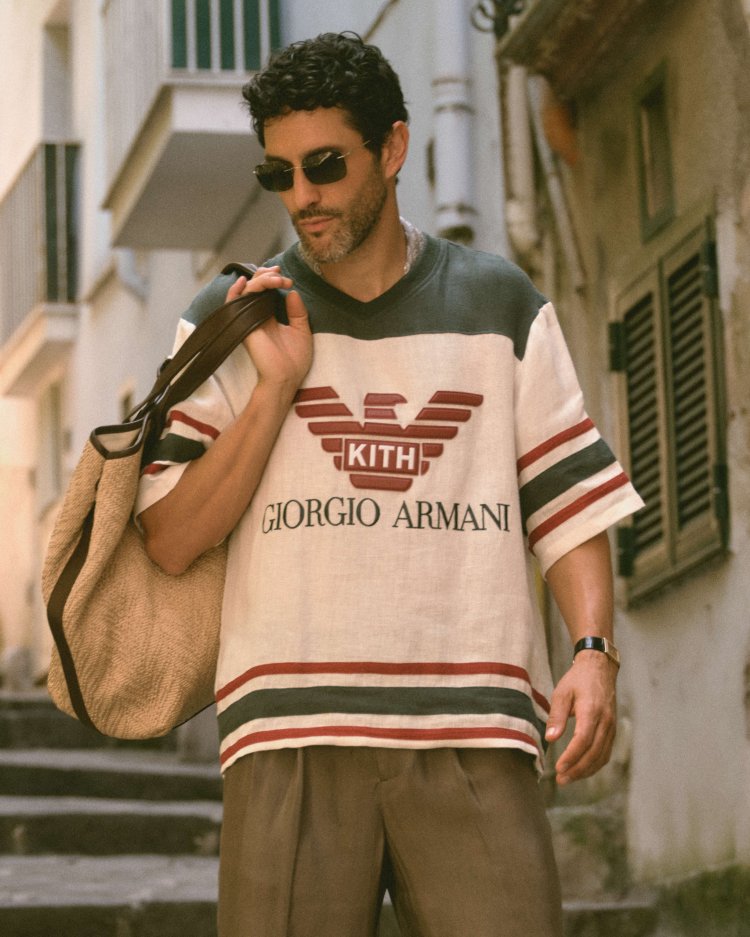



In today’s fashion market, both consumers and brands have developed what might be called a “collaboration addiction, With such a proliferation of collaborations, it is inevitable that there will be not only good collaborations but also disappointing ones. This is why it is necessary to be a connoisseur. In the next section, we will discuss how to recognize good and bad collaborations, which is the theme of this issue.
Inevitability and consistency are keyThree criteria for identifying good and bad collaborations
The author’s specific criteria for determining whether a collaboration is good or not are as follows. (With the understanding that, of course, individuals have different standards of value, so there should be disagreement with these criteria, and there should be many other criteria for judging)
1. ” The inevitability of the story “
Is it compelling as to why this combination is being made at this time? For example, the Louis Vuitton and Supreme collaboration was a major opportunity for luxury and the street to be closely linked. This innovative collaboration was made possible by the fact that Kim Jones, who was leading Louis Vuitton’s men’s line at the time, had a deep understanding of street culture. At the time, street fashion was a hot trend, and the timing was perfect to propose a new form of luxury x street. He was from the club scene in London in the 90s and was an old friend of Supreme founder James Jebbia, and there was also the business context that the LVMH group was in a hurry to attract the next generation of young people. In other words, the collaboration was the result of the intersection of “trust between individuals,” “business strategy,” and “current trends.
On the other hand, be wary of collaborations that seem to have been created by a well-known brand in order to create a buzz and generate a large number of sales, without any pretense of having a story to tell. Be wary of collaborations that seem to have no story to tell. Such products are usually of low perfection, or the design quality is such that there is no need for the collaboration.
2 . ” Balance between product quality and price design “
The viewpoint of whether the quality is guaranteed to be worth the price, or whether the price is set to match the quality, should also be taken into consideration. Is the quality of the product commensurate with the price, or is the price set to match the quality of the product? For example, sneakers made through collaboration between a high brand or designer brand and a sports brand are usually priced higher than the usual price range of the sports brand, due to the name value of the former. In this case, look at the “degree of collaboration” of the item. For example, Nike x Sacai sneakers are popular because Sacai reinterprets Nike’s existing models and updates them with a hybrid design. The price is high because of the special value that can only be created by the two brands, which is understandable. On the other hand, a collaboration that does not change the design but only adds a small logo of the collaborator’s brand at a higher price than usual is of low quality and significance as a collaboration, and the author believes it is a waste of money to invest in such a collaboration. The “+J” brand between UNIQLO and Jil Sander, for example, is a good collaboration with high quality, reasonable pricing, and enough buzz to draw lines at stores on the day of release.
3 . ” From the perspective of uniqueness that can only be created by collaboration”
Items that utilize the individuality that can only be created by the brands themselves have an extremely high possibility of becoming good collaborations. For example, in a collaboration between Babur and Baracuta, two leading British outerwear brands, a Harrington jacket made of Babur’s waxed cotton was released. The iconic tartan checks of each brand were also mixed in, creating an item that could only be realized through collaboration, allowing the wearer to enjoy the charms of both brands in a single piece. The aforementioned Nike x Sakai hybrid design sneakers are another example.
Collaborations do not always produce good resultsExamples of highly successful and disappointing collaborations
Finally, we will introduce examples of highly successful collaborations and those that ended in disappointing results.
[“Highly successful cases”]
Louis Vuitton x Supreme (2017): this collaboration reportedly led the conversation amidst the LVMH Group’s full-year sales of 4.26 billion euros in 2017. The success factor was based on the fact that the cultural revolution of “luxury and the street” was structured in an easy-to-understand way and thoroughly made a purchasing event of scarcity and lottery. Even now, when the street fashion trend has calmed down, items from this collaboration are still fetching quite high prices on the second-hand market.
UNIQLO x Jil Sander “+J” (2009-, 2020-): The first release sold out in droves, and UNIQLO’s stock price reportedly rose by about 20% in the weeks following the release. It is highly regarded as a model case of bringing designer philosophy to the mass market.
Dior x Nike (2020): A successful case in which more than 5 million people worldwide wanted to win the lottery, despite the record price of $2,000 (approximately 214,000 yen at that time), which was one of the highest ever for a pair of sneakers. Immediately after its release, it was reported that it was sold on the resale market for 20 times its original price (about 4.3 million yen…!). There are several reports that it was traded at 20 times the price (about 4.3 million yen…!) on the resale market immediately after its release.
Off-White x Nike “The Ten” (2017): This collaboration took the form of “a deconstruction and reconstruction of 10 iconic Nike sneakers,” all of which sold out immediately upon release. As a source, in the article “Nike x Off-White ‘The Ten ‘: The Iconic Sneaker Collaboration Explained” by Sotheby’s, “The Ten The Ten collection sold out instantly and established a grail status. The success of the collaboration was based on the trinity of limited edition, cultural context, and social networking proliferation, rewriting Nike’s classic model through design experimentation.
[Disappointing case study]
Adidas x Kanye West “YEEZY” (2022): This collaborative project gained great popularity with Yeezy Boost, but the partnership was abruptly terminated due to Kanye West’s (Ye) repeated problematic comments, including anti-Semitic remarks and Nazi praise. Adidas’ announcement that it would release the product at cost to dispose of excess inventory as a result, was met with criticism from existing customers who had previously purchased the product at the regular price.
Sacai x JM Weston (2024-): A collaborative project between Sacai and JM Weston, the first of which was released in Fall/Winter 2024. As a design, it was unique and unique to Sacai, and attracted attention as something that overturned the classic concept of JM Weston until then, but when it was launched, sales were slow, and it was noticeable that many sizes remained in stock several months later. The reasons for this were considered to be the high price, and while JM Weston loafers with a basic design would be accepted as an investment that can be worn for many years, the item of the said collaboration with its high design and strong trend color was likely to be unwearable in a few years, and the design was eccentric and not accepted by JM Weston’s The design was too eccentric to be accepted by JM Weston’s existing users.
Adidas x Ivy Park (2022): The partnership was dissolved due to a significant underachievement in sales, less than 20% of the initial launch expectations. A combination of ambiguity in target market, half-hearted pricing, and inconsistency in brand positioning were considered as possible causes.





!["Break Away from the Norm" Is the Keyword!? 3 Tips for Styling a Leather Jacket with a Modern Twist [Fall/Winter 2026 Edition]](https://otokomaeken.com/wp-content/uploads/2026/10/ef304036cec889dddaa64a607e22a781-5-750x396.png)
![What to Wear When the High Is 24 Degrees [3 Men's Outfit Ideas Based on the Temperature Difference Between the High and Low]](https://otokomaeken.com/wp-content/uploads/2026/10/123ac7d53dbc900bab7d6703661e0cd1b47414a0a1a16c6347e3d09bfa184b6c-750x396.jpg)