![8 Painter's Pants You Can Wear Now [ Along with Their Origins & History ].](https://otokomaeken.com/wp-content/uploads/2025/09/fc6927a4cd7fc6f068de9eb5d3ae4aff-4-750x396.jpg)
With the current trend toward loose-fitting pants, the presence of painted pants has increased. Various brands have released models that reinterpret the classic design with modern silhouettes and material designs. In this issue, we introduce eight models that should be selected now based on their origins and history!
Sponsored by
Background and Features of the Birth of Painter's PantsThe first pair of pants was created in the U.S. in the 19th century as work clothes for painters! The most distinctive feature is the design placed on the side.
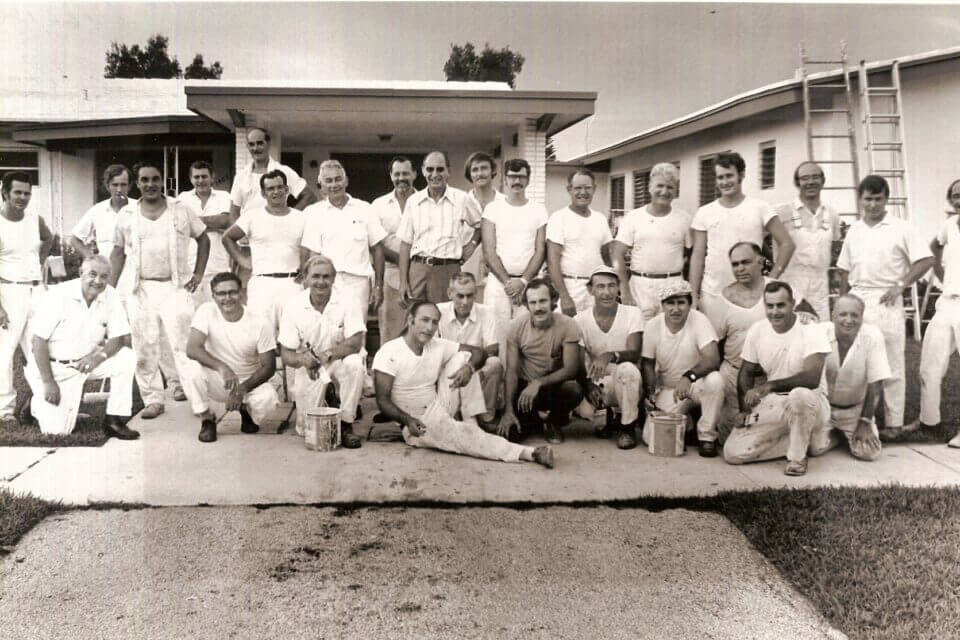
Painter’s pants were born in the United States in the late 19th century. As the name suggests, they were work clothes for painters and other workers. The standard color is white. The reason is that it is practical as work clothes. Paint used in painting is mainly white, and even if it adheres to the garment, it does not stand out easily. In 1887, the IUPAT (International Union of Paintworkers) was founded in the U.S., and white became the uniform color of the profession as a result of the uniformity of work clothes in addition to wage and safety benefits. The origin of painters’ pants can be further traced back to 17th century England, where sailors made work clothes from yacht sails, and local painters who saw them also adopted them, according to tradition.
The greatest feature common to modern painter’s pants is the tool pockets and loops placed on the sides. These pockets and loops were used to hang carpenters’ hammers and other tools, and have been handed down to the present day.
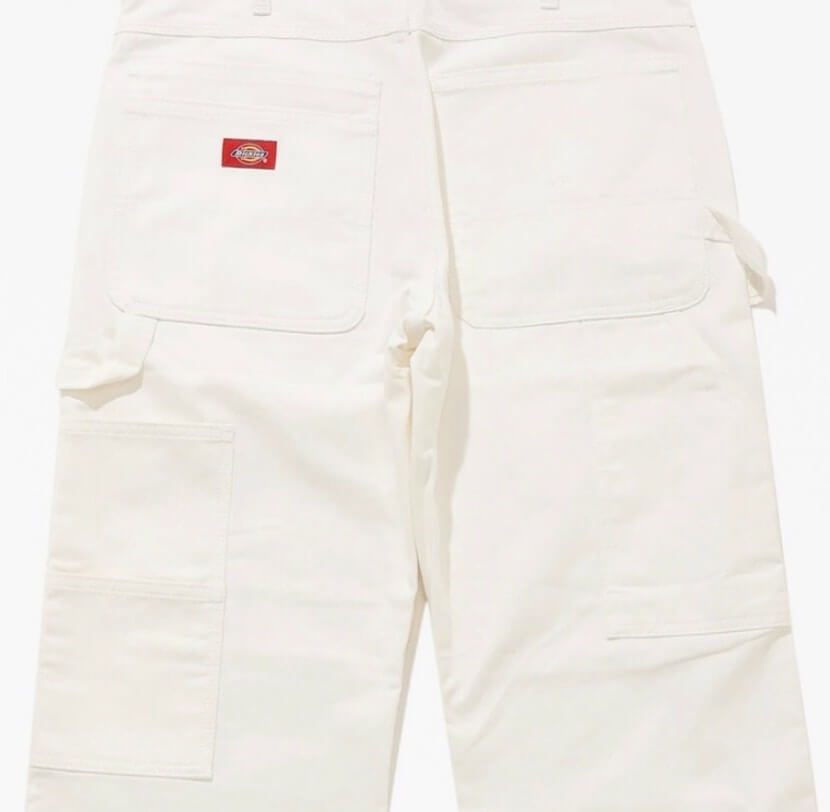
I would also like to clarify some terminology here. In English-speaking countries, white-colored pants for work are called “painter’s pants,” while those made mainly of denim and emphasizing loops are called “carpenter pants/jeans. In Japanese, however, the two are generally referred to as ” painter’s pants ” in general.
History of Painter's PantsIn the first half of the 20th century, workwear brands established a mass-production model that spread throughout the United States! Later, they became popular among the fashionable class via the streets.
In the first half of the 20th century, Carhartt and Dickies clarified the mold of unbreakable work pants with thick cotton and triple stitching at the core, paving the way for mass production with high repeatability. Big Mac, a private brand of major department store J.C. Penney, supplied the product throughout the U.S., leading to its penetration down to the household level.
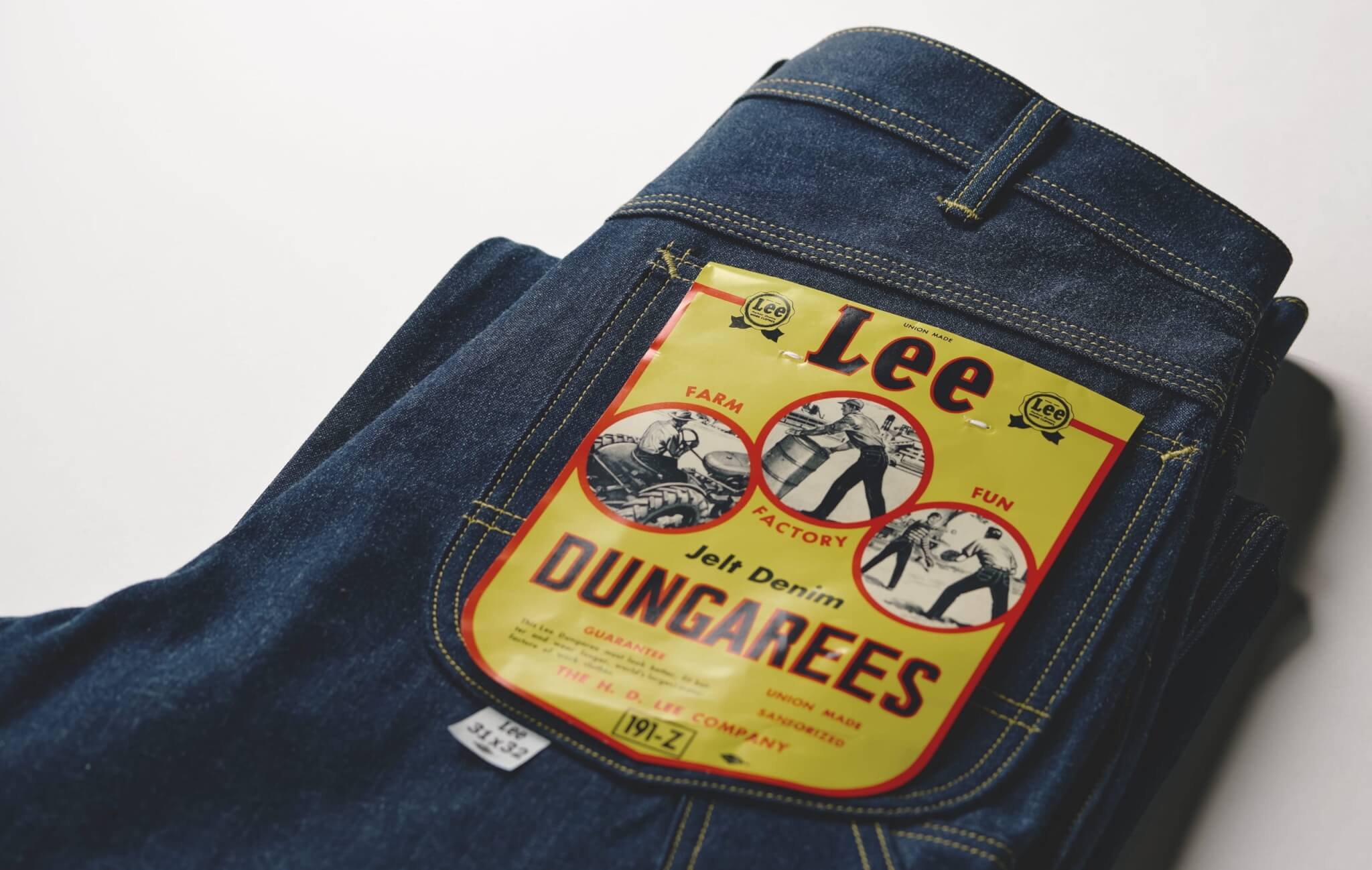
This is a reissue of the work pants sold by Lee in the 1950s. They come with a tag reminiscent of an advertisement from that era.
The street boom of the 1990s was the bridge to modern fashion. Rappers and skaters were wearing painted pants in droves, and the loose, straight silhouette and high durability and functionality matched the mood of the time, making them a staple.
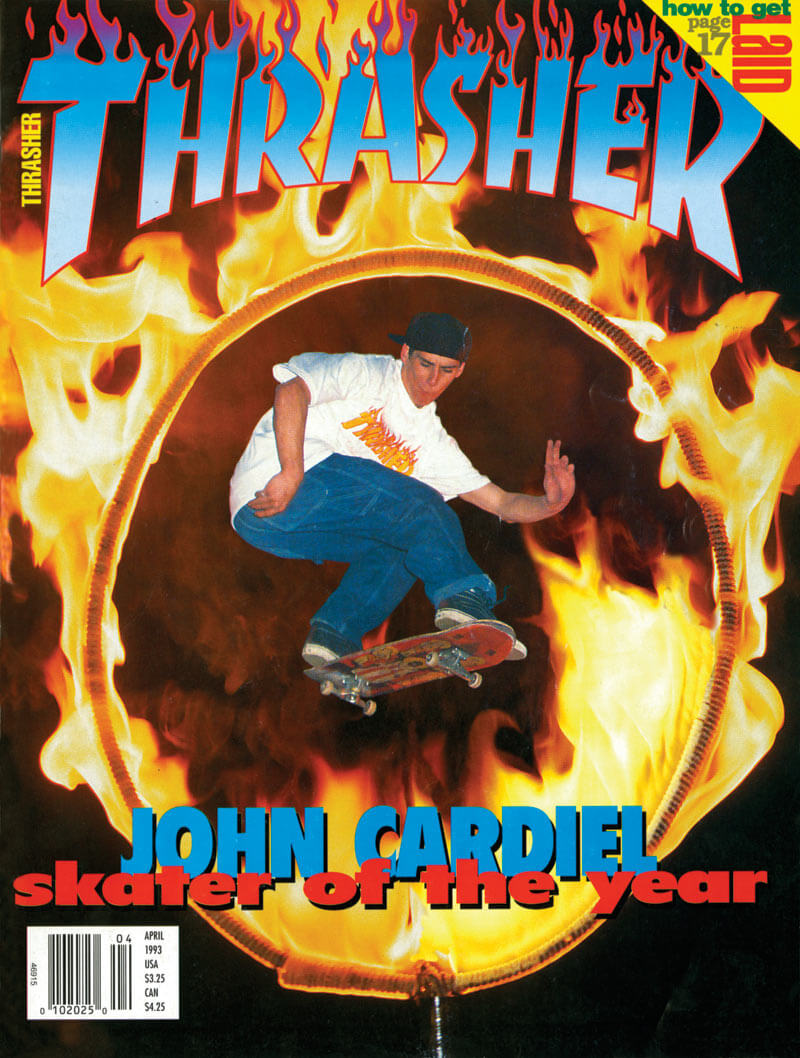
Cover of the April 1993 issue of the U.S. skate magazine “THRASHER.”
From here we see a variety of brands of painted pants, from authentic to luxurious!
2/2GO TO NEXT PAGE
![Black Cargo Pants Cordage [ How to Wear Them to Their Full Potential and Recommendations ].](https://otokomaeken.com/wp-content/uploads/2026/05/688f923e61b678f9ee5da330722ad3c7-630x331.jpg)






![20 luxury down jackets [ from high brands to outdoor brands ] 2025-26 Latest](https://otokomaeken.com/wp-content/uploads/2025/11/cc5d606272a09a29b0f0289a9fb08d6b-750x397.jpg)