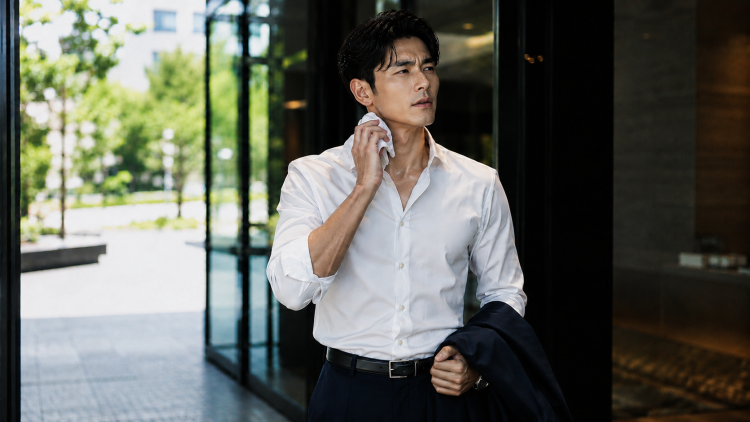
When you walk in the sweltering heat, you’ll sweat no matter how lightly you’re dressed. Sweating is a physiological function that helps regulate body temperature, so trying to stop it completely isn’t realistic. Therefore, the focus shouldn’t be on preventing sweat, but on what to do after you’ve sweated.In this era of extreme heat, a man’s sense of personal hygiene is determined by how he handles the sweat he produces. In this article, drawing on my own experiences and mistakes as someone who sweats profusely, I’ll share strategies for managing sweat during extreme heat.
Sponsored by
Basic Concepts to Keep in MindSummer Sweat Management Isn’t Just About Stopping Sweating
When people think of sweat management, many probably picture applying an antiperspirant (not just deodorant) to areas that sweat heavily, such as the underarms.However, excessive sweating isn’t the only factor that can ruin your summer appearance. Other issues include sweat-soaked clothing clinging to your skin, white salt stains left by sweat on black T-shirts, hairstyles getting messed up by sweat and sebum on the scalp, and sweat developing an odor over time.Even if you manage to control sweating to some extent, neglecting the aftermath will inevitably lead to a loss of freshness. The key is not just to look your best before heading out, but to prepare for recovery, assuming that various factors will be compromised by sweat. Summer sweat management should be approached in the following three stages.
Men’s Sweat Management Tip 1: Prepare Before You Start SweatingUse Antiperspirants and Choose Clothing Wisely to Minimize Visible Sweat
When thinking about sweat care, it’s easy to focus on what to do after you’ve already sweated, but taking preventive measures before you start sweating is also crucial.The basics are the following two points.
Preemptive Measures with AntiperspirantThe golden rule is to apply antiperspirant to dry skin before you start sweating!
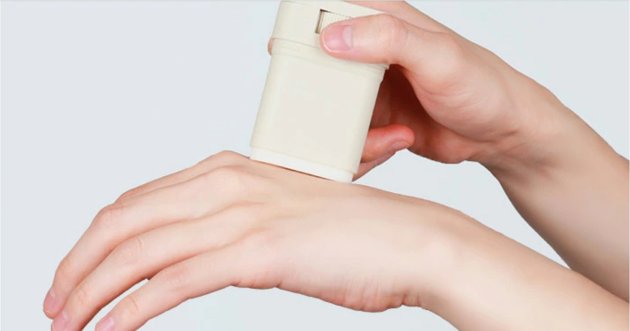
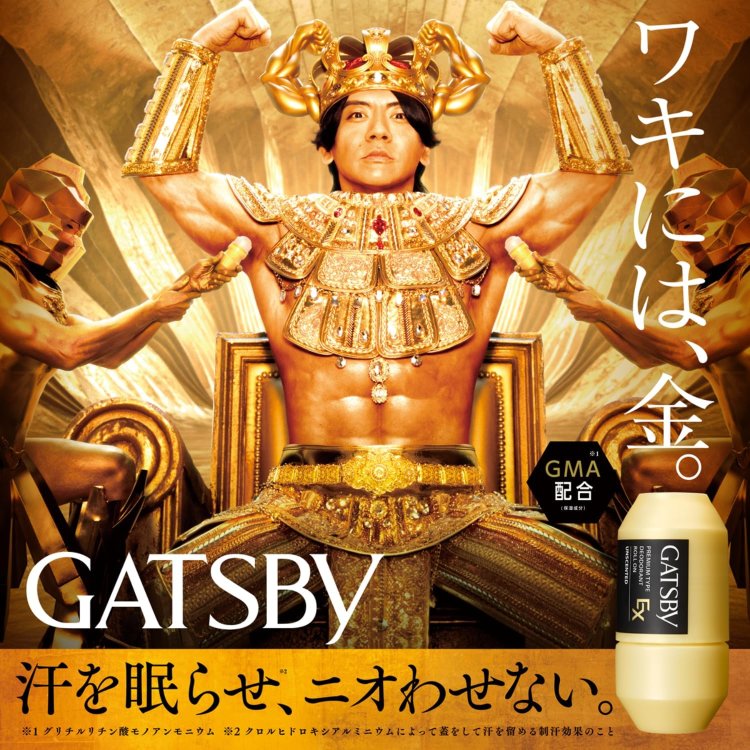
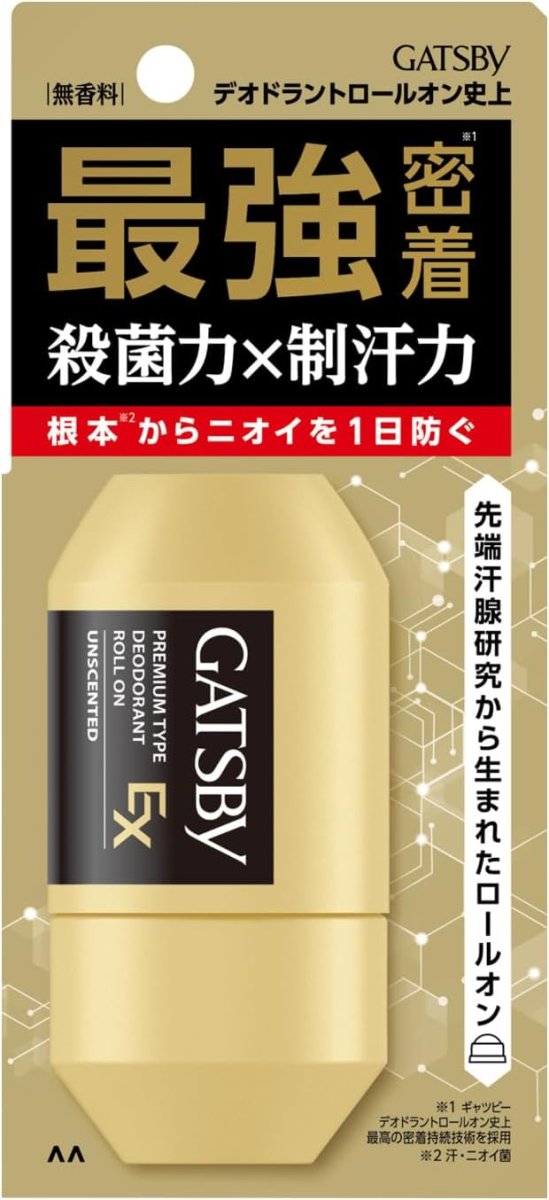
There are two types of antiperspirants: those that suppress sweating and those that prevent odor.Strictly speaking, the former are antiperspirants and the latter are deodorants. Many products sold in Japan combine both functions, but your choice will depend on the specific issue you want to address.If you’re concerned about the amount of underarm sweat or sweat stains, roll-ons, sticks, or creams containing antiperspirant ingredients are good options. If you want to control odor, spray or roll-on deodorants are easy to use.Some people may apply antiperspirant after they’ve already started sweating, but generally speaking, the correct way to use it is on dry skin before heading out, rather than reapplying it repeatedly to skin that’s already damp with sweat. For example, if you’re using it after your morning shower, pat your skin thoroughly dry with a towel and wait until it’s completely dry before applying the antiperspirant.If you need to reapply during the day after sweating, first wipe away the sweat with a body wipe or a damp towel to cleanse the area, and then reapply once your skin is dry. Applying antiperspirant while sweat or sebum remains on your skin reduces its effectiveness, so be sure to stick to the basic rule of applying it to clean, dry skin.


Click here for details and purchase
Take Preventative Measures When Choosing Your Outfit in the MorningIf You’re Concerned About Sweat Stains, Pay Attention to How You Choose Your Undergarments and Clothing
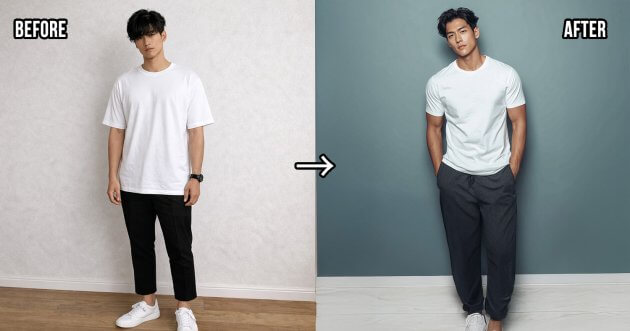
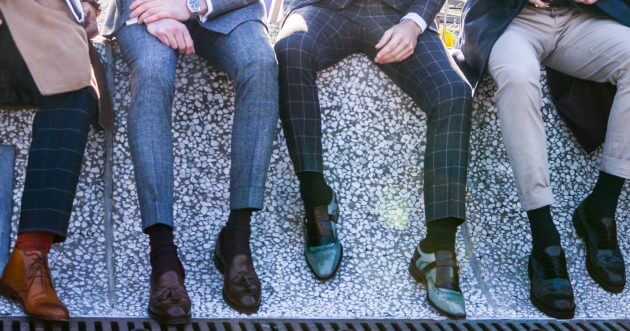
If you focus solely on appearance, in many situations it’s more practical to take measures to prevent sweat from reaching your outer clothing than to struggle to stop excessive sweating.The first thing to reconsider is your undershirt. If you tend to sweat heavily under your arms, choose an undershirt with sweat-absorbing pads, such as Gunze’s Asedron. If your back tends to get wet, prioritize moisture-wicking and quick-drying fabrics, such as Uniqlo’s AIRism. Since discomfort persists if your undershirt remains saturated with sweat, make sure it not only dries quickly but also glides easily against your skin.When choosing shirts or T-shirts, select a size that allows for a moderate amount of space between the garment and your skin. Thin fabrics that cling tightly to the body tend to change color the moment you start sweating, and wet fabric sticks to your skin—not only does this look unappealing, but it also causes immense discomfort.
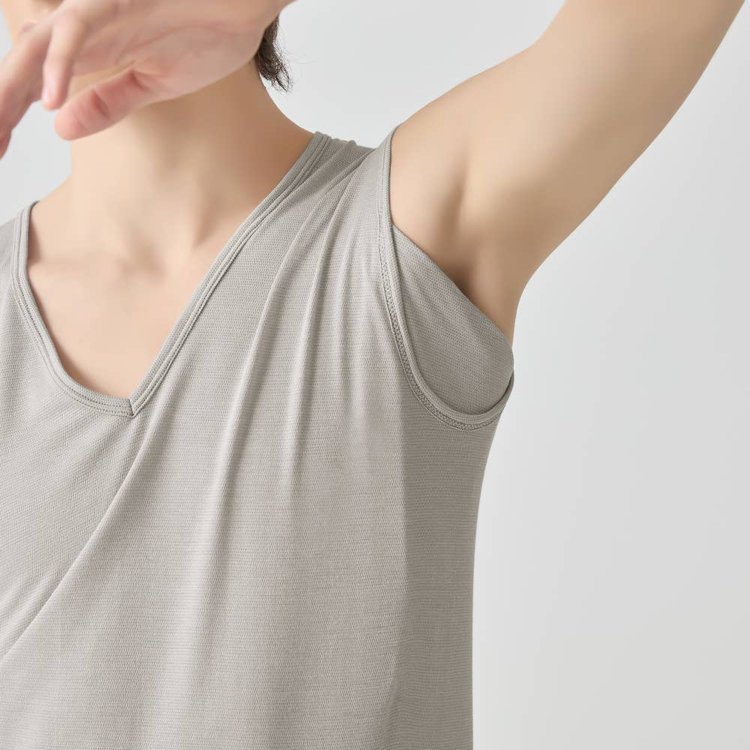
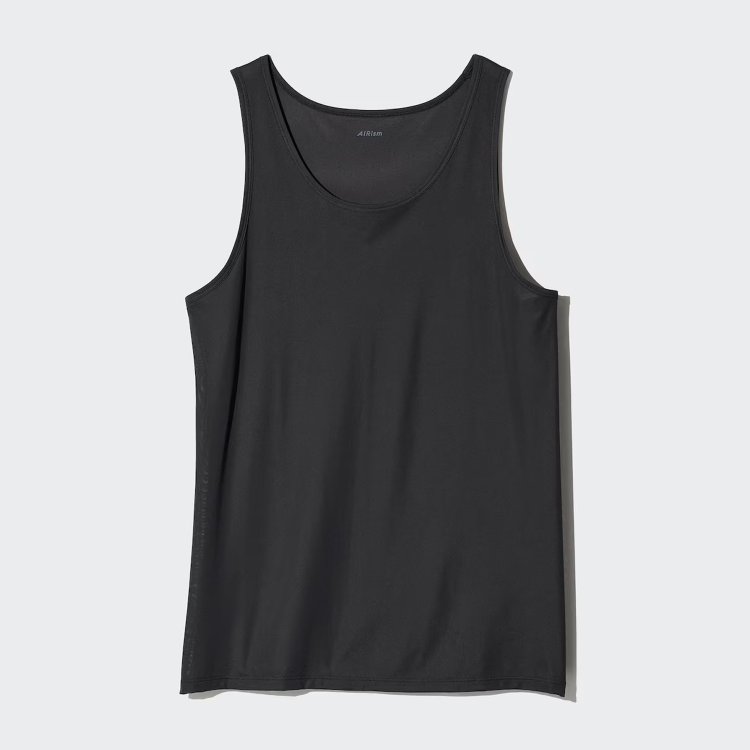
Also, sweat stains tend to stand out more on neutral colors like gray or light blue.White and black don’t show much of a color difference when wet. However, with dark-colored clothing, salt and sebum can leave white residue after sweat dries, so you shouldn’t just leave sweat on your clothes. On days when you have important plans, it’s a good idea to carry a spare undershirt with you.
Men’s Sweat Management 2: What to Do After SweatingWhen You Sweat: Wipe It Off, Dry It, and Control Odor
Post-Sweat Measures to Prevent Sweat OdorAbsorb Sweat Immediately While It’s Still Odorless, and Don’t Let Your Skin Stay Wet for Too Long
There’s a term used to describe odor: “sweaty smell,” but did you know that sweat itself is actually odorless?Sweat is odorless the moment it is secreted, but it turns into a foul odor when external factors—such as bacteria adhering to the skin’s surface—come into contact with it.For example, the underarms—an area often plagued by odor issues—contain sweat glands called apocrine glands. The components in the secretions from these glands are broken down by bacteria on the skin’s surface, leading to a distinctive odor (everyone has apocrine sweat glands, but their size and number vary from person to person; larger or more numerous glands can result in underarm odor).To prevent body odor—not just in the armpits—it’s important not to leave sweat on your skin. When you sweat, don’t just wait for it to dry; wipe it off thoroughly with a handkerchief or towel.If you plan to use an antiperspirant afterward, wipe your underarms, neck, chest, and back with a body wipe or similar product as needed to dry your skin before reapplying. When it comes to odor control, the most important thing is to wipe away sweat immediately without leaving any behind.
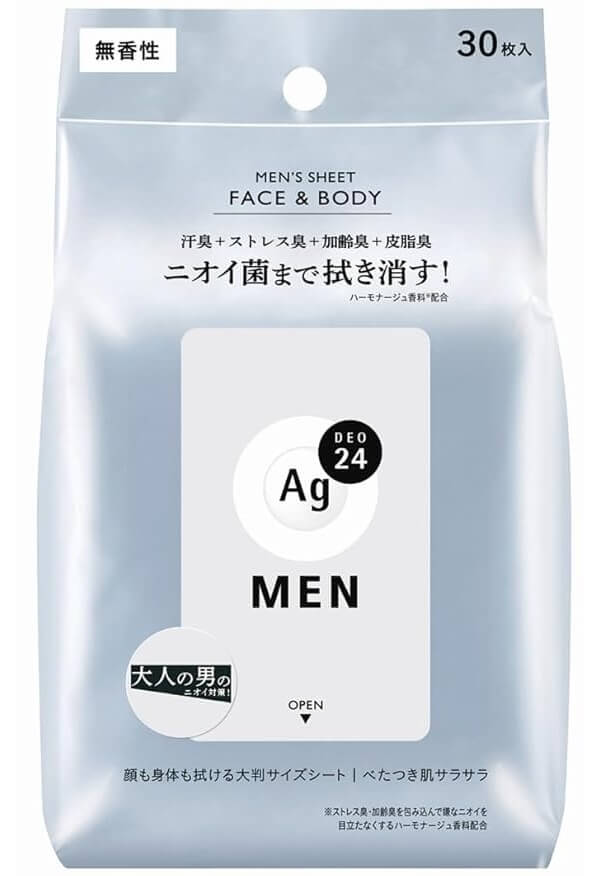
Click here for details and purchase
Layering Scents as a Post-Care MeasureApply Perfume Only After Removing Sweat and Sebum to Ensure Clean Skin
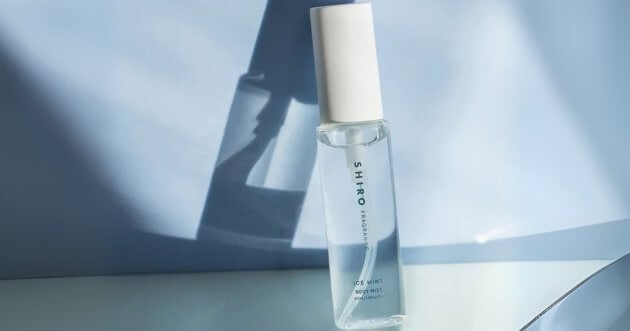
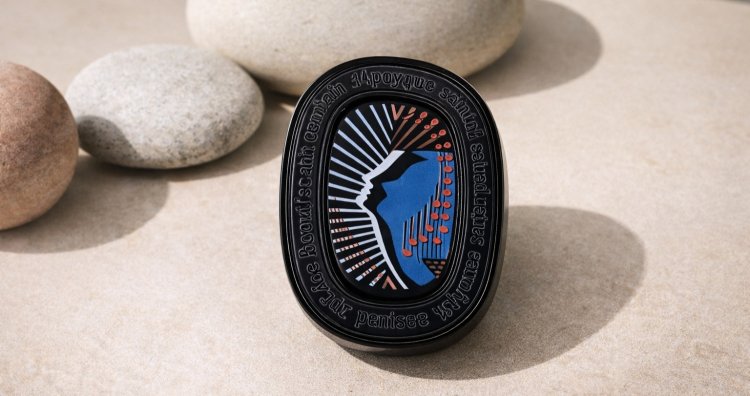
When using perfume, make sure to thoroughly remove sweat and sebum first. If you apply perfume while sweat is still present, the two may mix and actually create an unpleasant odor.Rather than trying to mask the smell of sweat with a strong perfume, it’s safer to remove the sweat and restore your skin to a nearly odorless state before applying a small amount of perfume.
Post-Event Measures to Lower Perceived Temperature and Reduce SweatingUse Cooling Products Wisely to Regulate Body Temperature and Reduce Sweating
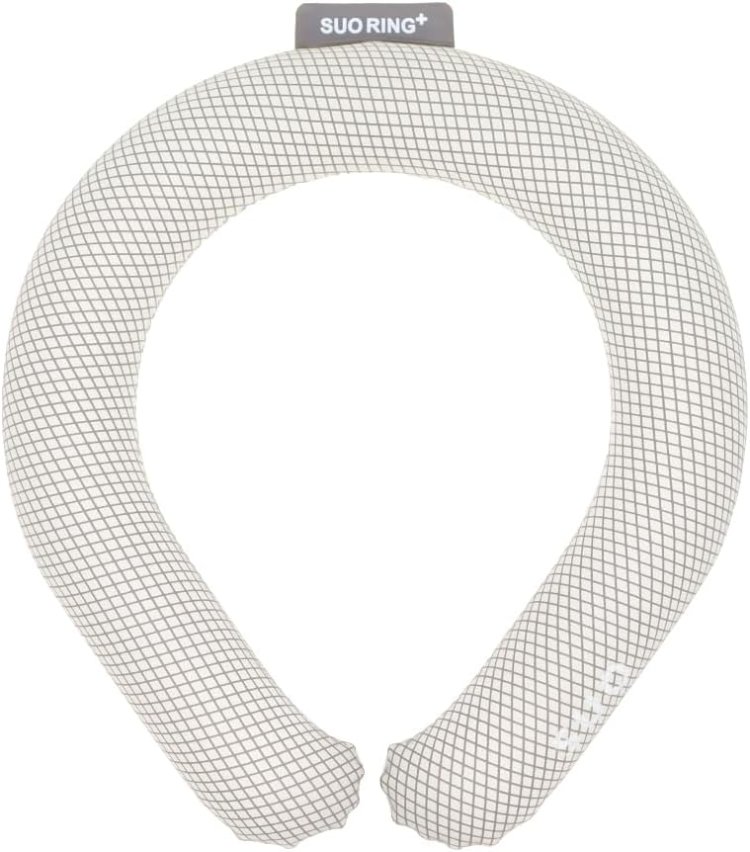
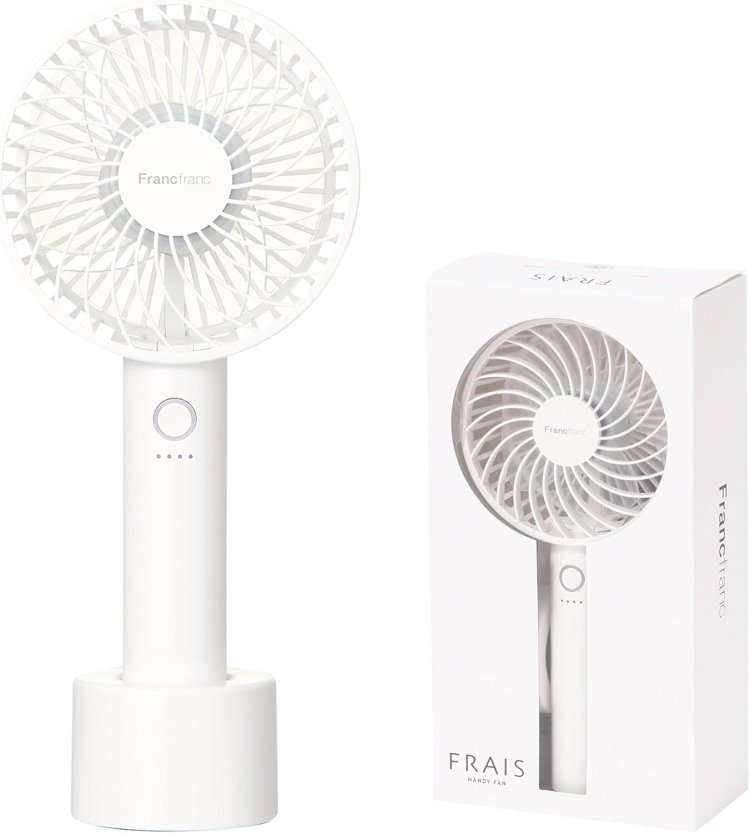
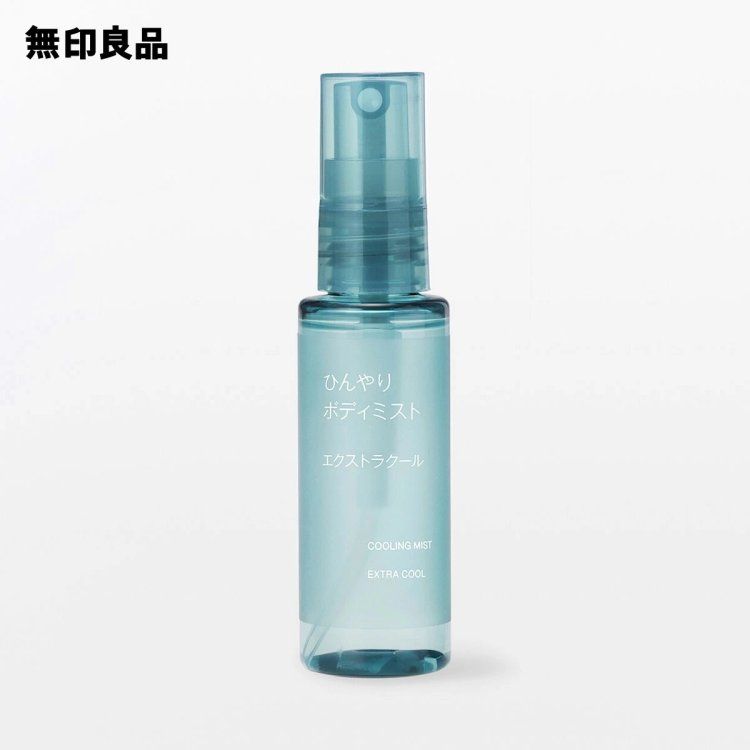
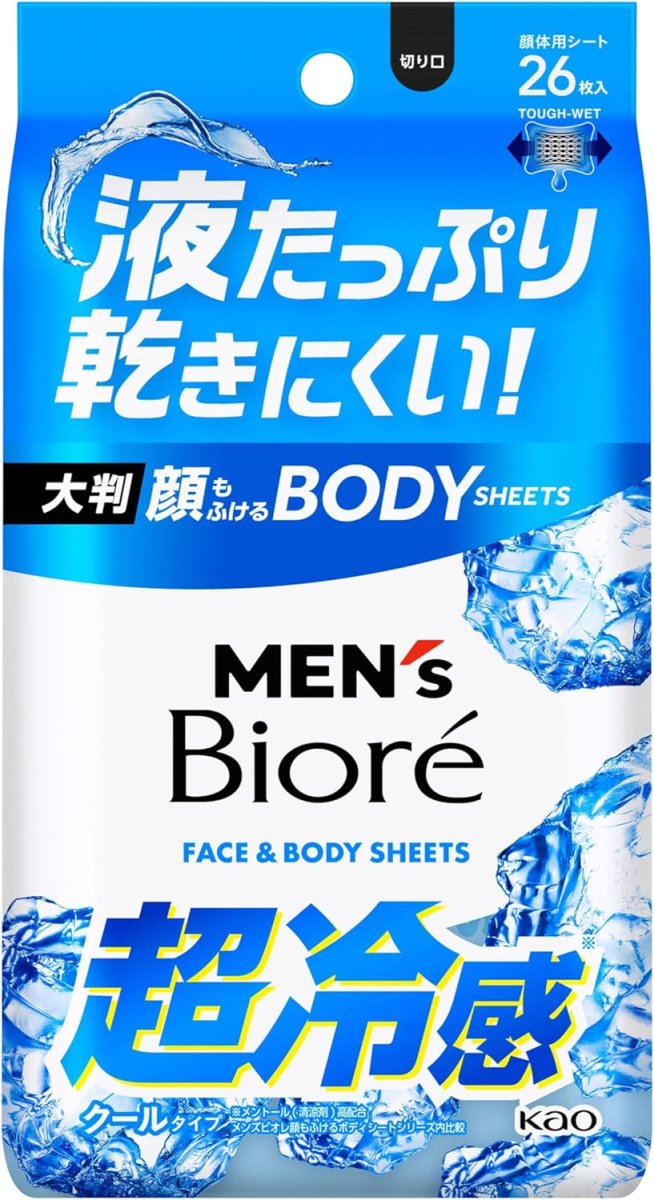
Cooling body wipes, menthol sprays, neck coolers, handheld fans—thanks to the extreme heat waves of recent years, there are more and more items available to make going out in the summer more comfortable, but each serves a different purpose. Cooling body wipes and menthol sprays don’t actually cool you down; rather, they create an illusion of coolness through cooling ingredients.Handheld fans aim to lower surface body temperature through evaporative cooling by directing air onto sweaty skin. Neck coolers lower brain temperature by cooling the arteries in the neck, thereby affecting the brain centers that regulate sweating.Since the neck is close to the brain, the effects are noticeable quickly, but cooling the armpits with ice packs or cold plastic bottles is also effective.

Frequently Asked Questions About Men’s Sweat Management
Q1. What should I carry to manage sweat in the summer?Carry a Complete Set of Tools to Wipe Away, Dry, and Freshen Up Sweat
Your summer grooming pouch should include an absorbent handkerchief, body wipes, travel-size deodorant, a comb, and sunscreen.On days when you have plans after being out for a long time—such as a dinner party or a date—add a change of undergarments and a small styling product. Rather than simply adding more items, it’s important to have a combination that allows you to complete the steps of wiping away sweat, drying off, and freshening up.
Q2. What’s the difference between antiperspirants and deodorants?Antiperspirants control sweat volume; deodorants control odor
The primary purpose of antiperspirants is to reduce sweat production, while deodorants are designed to prevent odor.Many commercially available products actually combine both functions. If sweat stains are your biggest concern, look for an antiperspirant; if you’re worried about odor after sweating, check for antibacterial or deodorizing properties. A strong cooling sensation does not necessarily mean high sweat-inhibiting power, so it’s best not to choose a product based solely on how it feels.
Q3. What should I do if over-sweating cannot be controlled with over-the-counter antiperspirants?If you sweat so much that it interferes with your daily life, consult a dermatologist
If you experience excessive sweating on your head, face, underarms, palms, or soles of your feet to the point where it affects your work or daily life, don’t try to manage it through self-care alone—consult a dermatologist. This condition may be a case of primary focal hyperhidrosis.Currently, there are topical medications covered by health insurance that are designed for use on the underarms and palms. You shouldn’t assume that over-the-counter antiperspirants not being effective means you’re not taking proper care of your personal appearance. You should consider all options, including the possibility of medical treatment.