
The future we once only saw in movies is now right before our eyes. Taking photos, listening to music, talking to AI, and checking translations and navigation right in your field of vision—all while wearing glasses. We’ve finally entered an era where such smart glasses are available as everyday eyewear. In this article, we’ll take a closer look at the current state of the industry and some notable models.
Sponsored by
What Are Smart Glasses?Next-Generation Devices Integrating AI, Cameras, and Displays into Eyewear
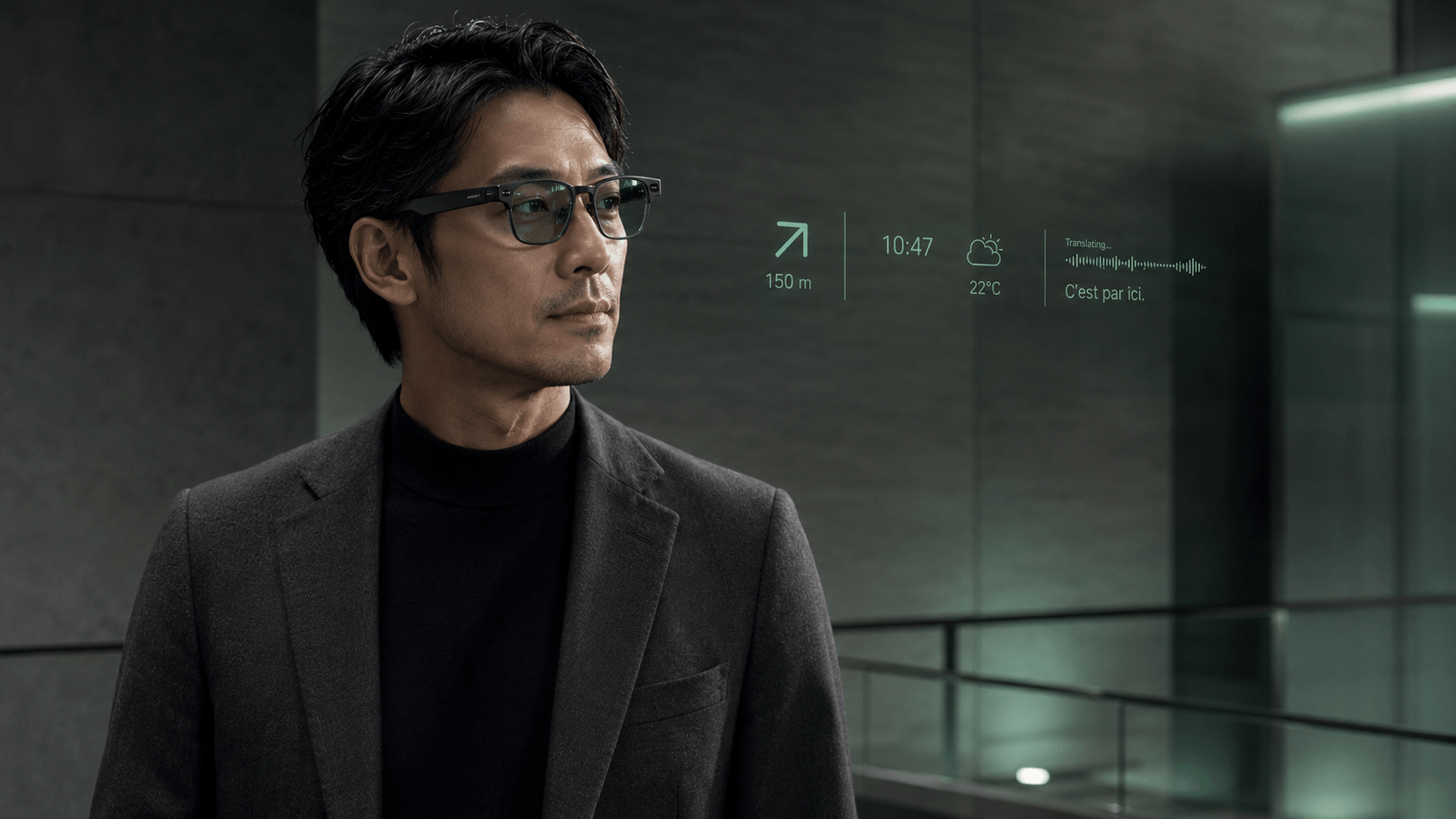
Smart glasses is a general term for wearable devices that integrate functions such as cameras, microphones, speakers, AI, and displays into eyewear.While wearing them, users can take photos and videos, listen to music, make calls, and ask AI questions via voice commands. Depending on the model, information such as translations, navigation, and notifications can be displayed through the lenses.
Smart glasses come in various types—some focused on photography and AI voice control, others that display text or directions in the user’s field of view, and still others tailored for music listening or phone calls—and their capabilities vary significantly depending on the product. At this stage, it can be said that each brand is exploring from different angles what can be done while wearing glasses.
Design Evolution Driven by Eyewear BrandsSmart Glasses: From Gadgets to Fashion Accessories
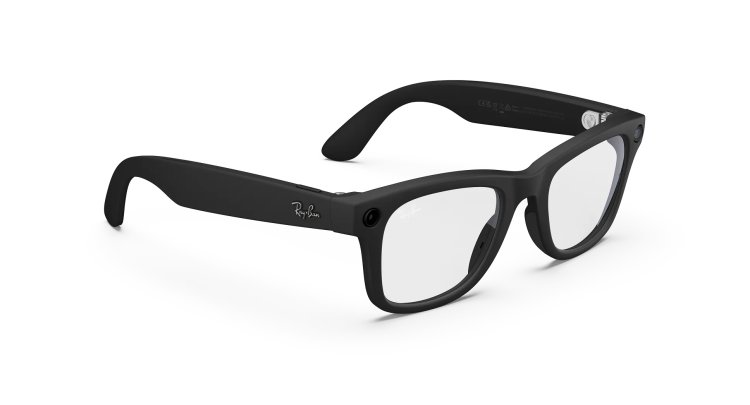
Until now, many smart glasses featured designs that strongly resembled gadgets, making it immediately obvious that they incorporated electronic components.Recently, however, eyewear brands have taken charge of the design, leading to an increase in models that are easier to incorporate into everyday fashion. A prime example of this trend is the “Ray-Ban Meta,” jointly developed by Ray-Ban and Meta. Based on Ray-Ban’s iconic Wayfarer model, it incorporates a camera, speakers, and AI into the frame.It can be said that these smart glasses are positioned not as specialized gadgets, but as an extension of everyday eyewear.
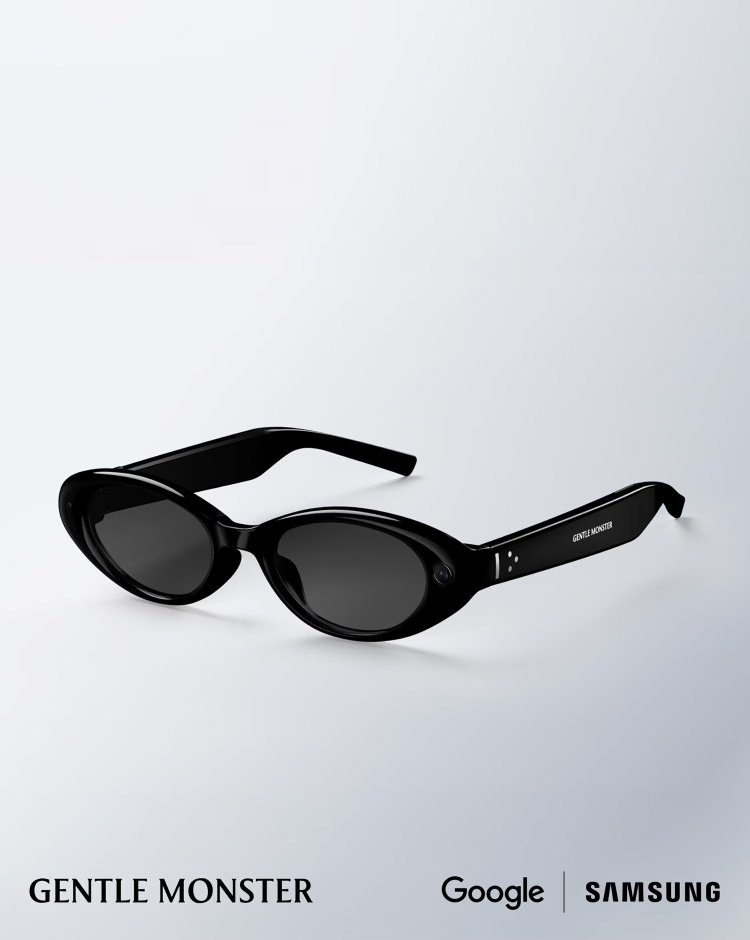
Furthermore, in the fall of 2026, voice-activated intelligent eyewear powered by Gemini—which Google is developing in collaboration with Samsung and others—is scheduled to launch first.Collections from Gentle Monster and Warby Parker are also set to launch within 2026. Smart glasses are evolving from gadgets that prioritize functionality to eyewear that can be chosen as part of one’s personal style.



Here, we’ll introduce five models from the evolving world of smart glasses that strike a balance between style and functionality.
Recommended Smart Glasses #1Ray-Ban® “Wayfarer (Gen 2)””
✅ Type: Camera, AI, and Audio Model
✅ Key Features: 3K video and photo capture, phone calls, music playback, Meta AI
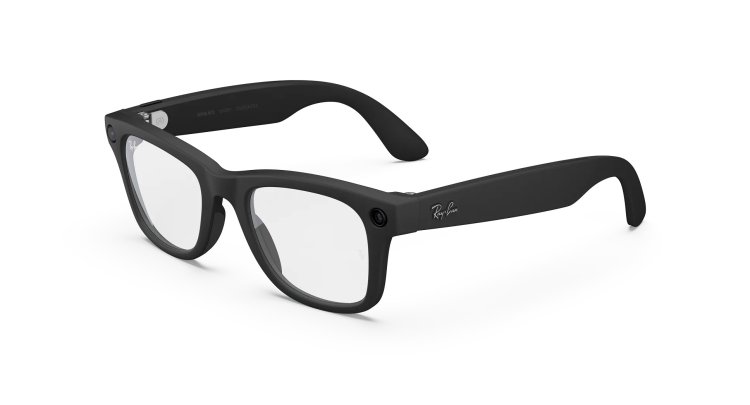
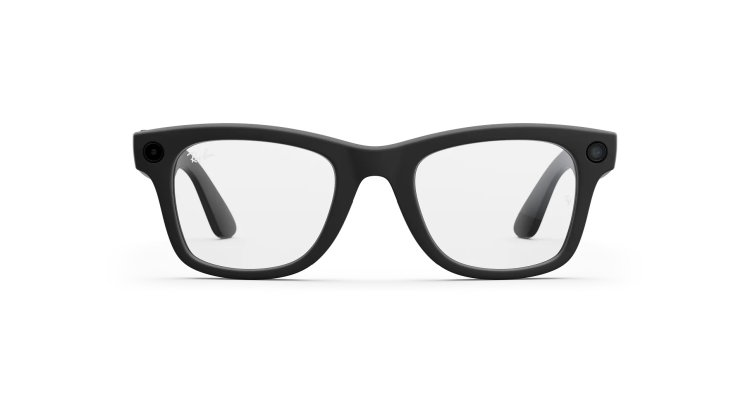
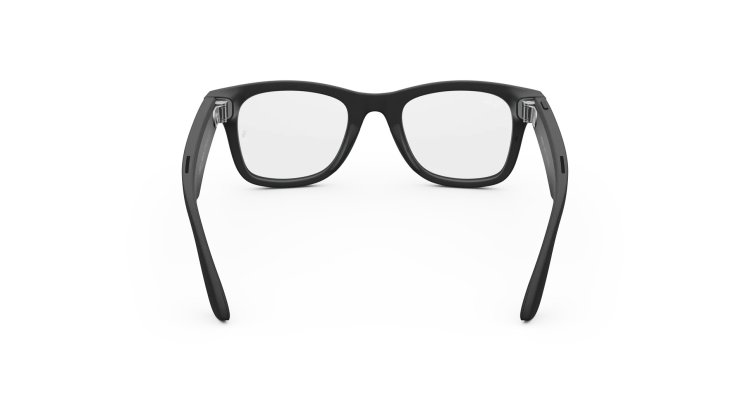
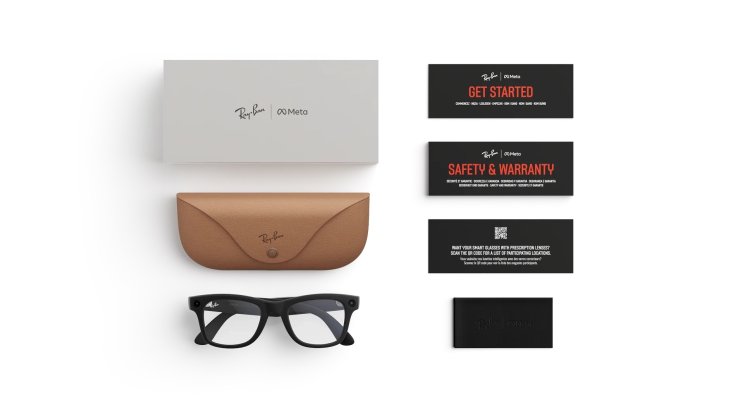
This model is the result of a collaboration between Ray-Ban and Meta.Based on the timeless classic “Wayfarer” model, it features a 12-megapixel ultra-wide-angle camera, five microphones, and open-ear speakers built into the frame. With voice commands, you can take photos and record 3K video without taking out your smartphone, as well as make calls, send and receive messages, and play music.You can also ask Meta AI questions about buildings or objects in front of you and receive voice responses. Since it doesn’t feature a display that projects information onto the lenses, it’s ideal for people who want to take photos and use voice commands without obstructing their field of view.The second-generation model featured here offers improved camera performance and can now record video at up to 3K Ultra HD. Battery life on a single charge has also been extended to up to 8 hours. There is a wide range of lens options available, including clear lenses, sun lenses, polarized lenses, and Transitions® lenses that darken automatically in response to light levels.

Click here for details and purchase
”Recommended Smart Glasses 2”
✅ Type: Camera, AI, and Audio Model
✅ Key Features: 3K video and photo capture, phone calls, music playback, Meta AI
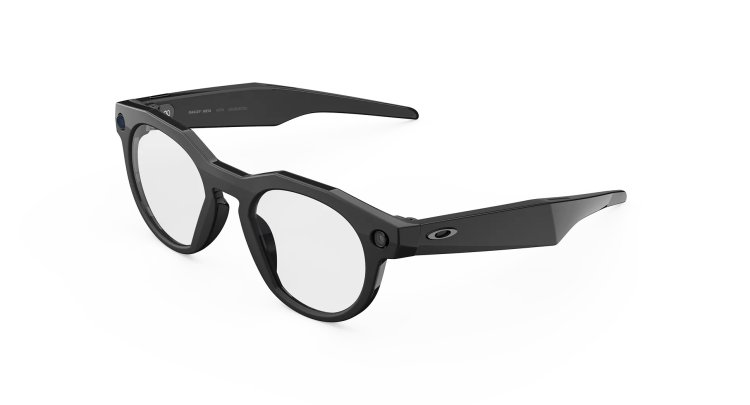
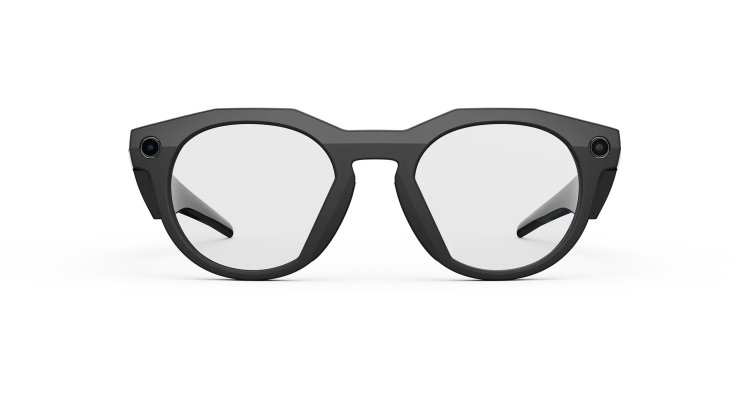
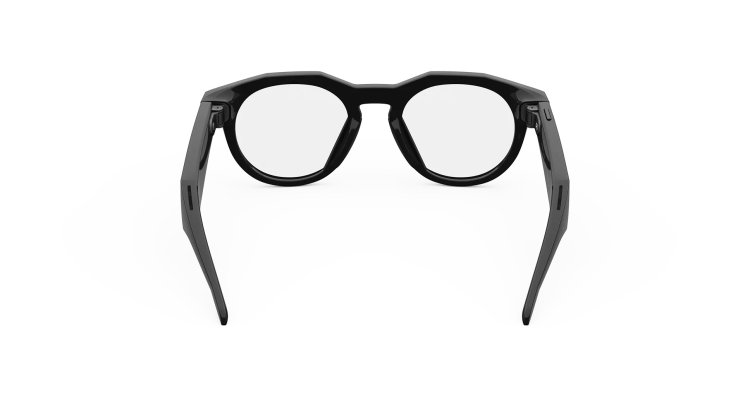
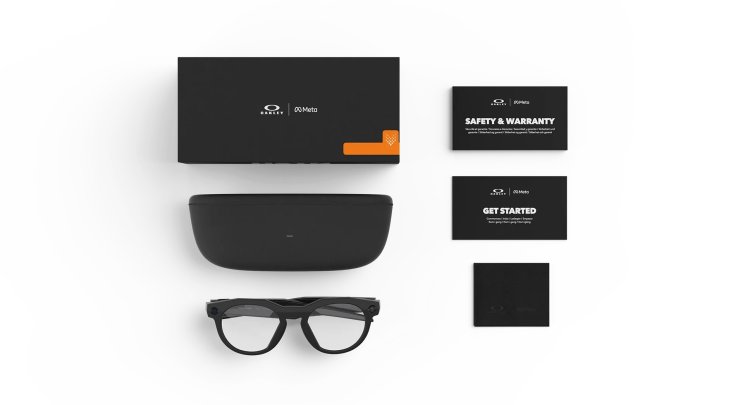
The “Oakley Meta HSTN (Houston)” was jointly developed by Oakley and Meta.It is based on lifestyle eyewear featuring a modern round shape and trigger stems inspired by the iconic “Razor Blades.” While retaining that distinctive design, the frame incorporates a 12-megapixel camera, five microphones, and open-ear speakers.Using voice or touch controls, users can take photos and videos without taking out their smartphone, and the glasses also support phone calls, music playback, and Meta AI.While its core functions are similar to those of the “Ray-Ban Meta,” it boasts OAKLEY’s signature features, such as IPX4 water resistance, a highly durable O Matter™ frame, and Prizm™ lenses that enhance contrast.With options including clear lenses and Transitions® lenses that adjust their tint based on light levels, they’re easy to incorporate not only into sports and outdoor activities but also into everyday styling. They offer up to 8 hours of use on a single charge, and when used with the charging case, they can provide up to an additional 48 hours of battery life.
Click here for details and purchase
Top 3 Recommended Smart GlassesEven Realities ‘Even G2’”
✅ Type: Display/AI-powered
✅ Key Features: Real-time translation, navigation, teleprompter, notifications, Even AI
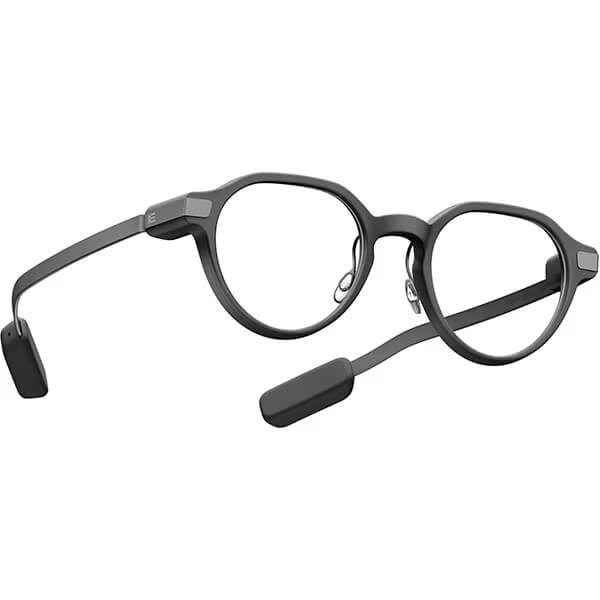
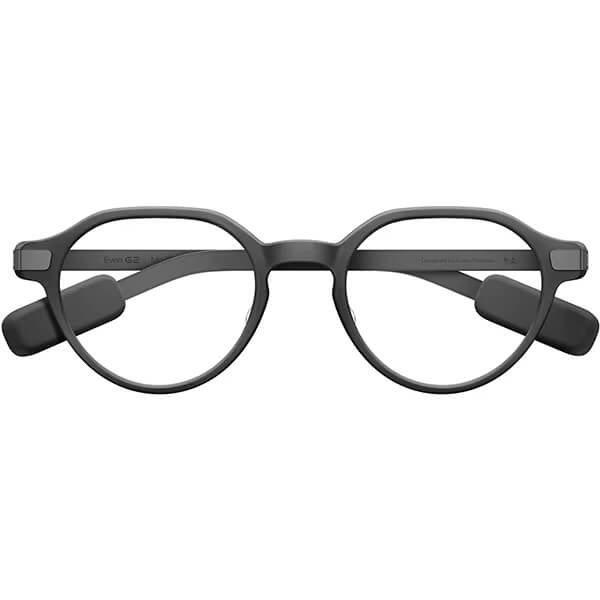
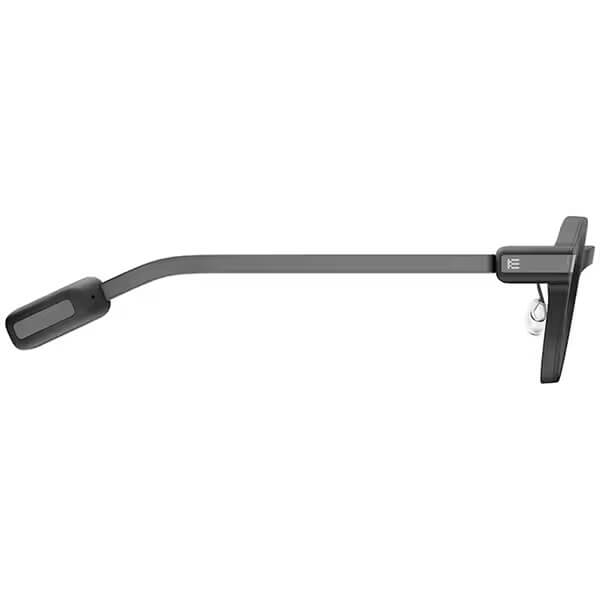
The “Even G2” from Even Realities is a pair of smart glasses that displays necessary information directly in the user’s field of view through the lenses.Equipped with binocular Micro-LED displays, they support real-time translation in 35 languages, as well as navigation that indicates the direction of travel, a teleprompter that projects text into the user’s field of view, and the ability to check calendars and notifications. By saying “Hey, Even,” users can perform searches, ask questions, and control various functions.It also features functions to support conversations, such as AI cues that display relevant information during a conversation and AI summarization that transcribes the conversation and summarizes key points afterward.It does not include a camera or speakers. Made from magnesium and titanium, it weighs just 36g despite having a built-in display. Another key feature is its design, which combines a sleek frame similar to standard eyewear with a battery that lasts up to two days.




Click here for details and purchase
”Recommended Smart Glasses #4”Rokid “Smart AI Glasses””
✅ Type: Display, Camera, AI, Audio
✅ Main Features: Real-time translation, photo and video capture, music playback, AI search, speech-to-text, navigation
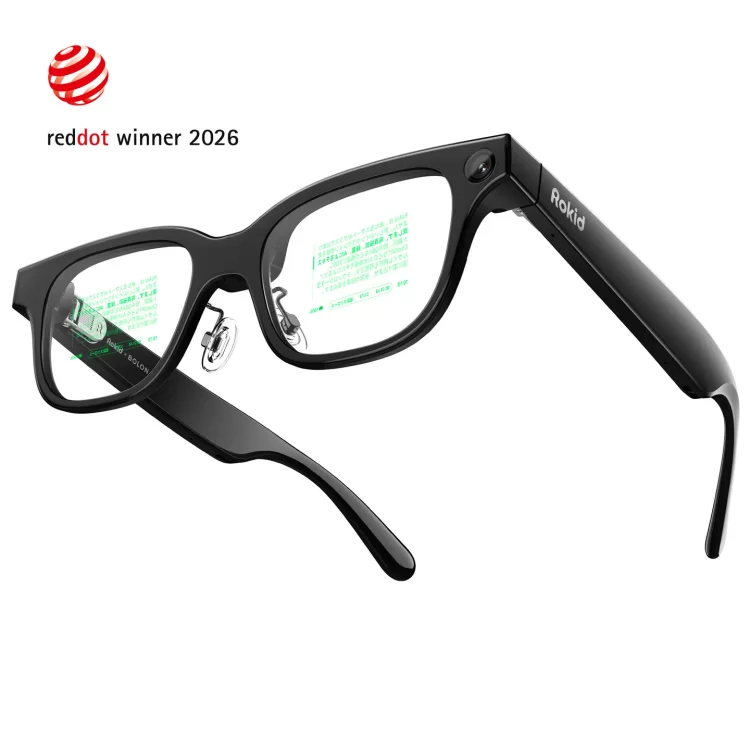
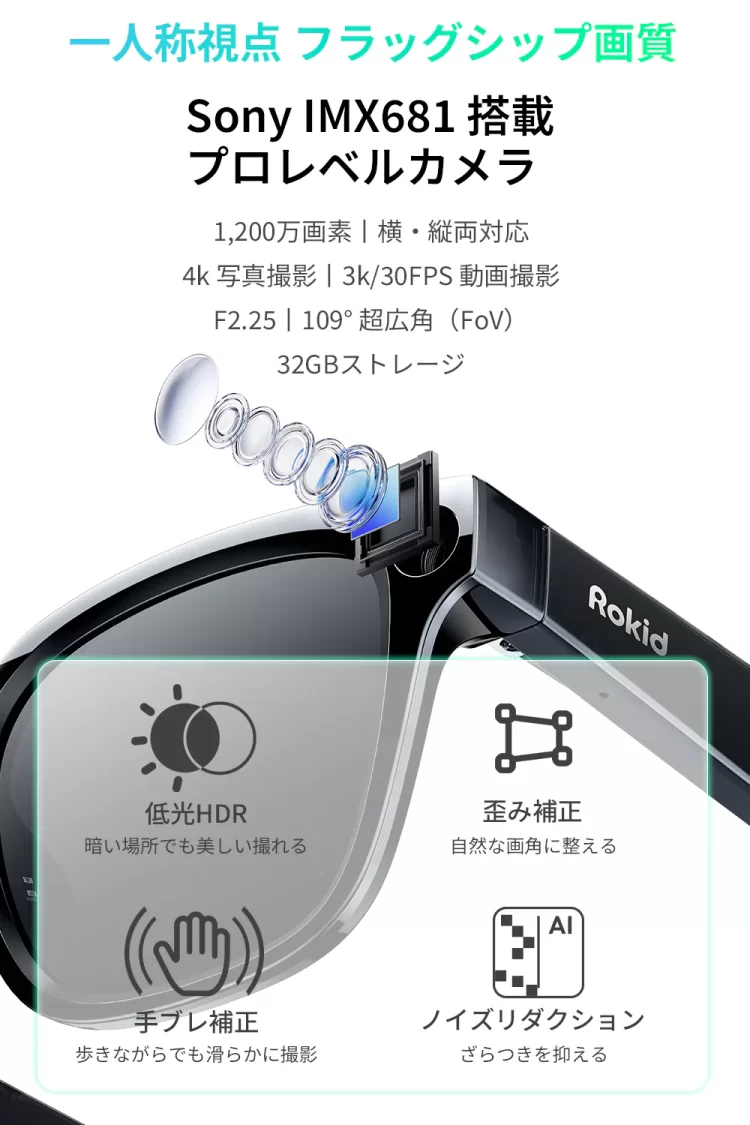
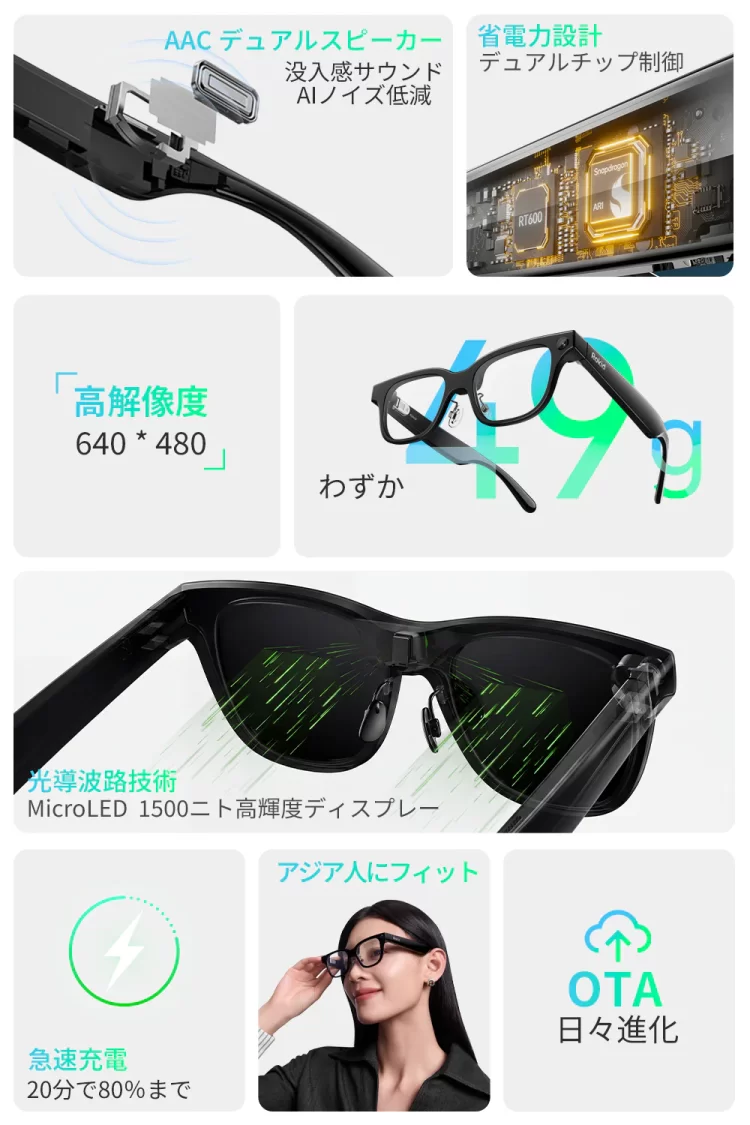
Rokid’s “Smart AI Glasses” are a multifunctional model featuring a binocular Micro LED display, a 12-megapixel wide-angle camera, four microphones, and two directional speakers.In addition to real-time translation in 89 languages—which displays the other person’s words or signs within your field of view—it supports photo and video capture, music playback, AI search, voice-to-text transcription, navigation, and a teleprompter. It can also recognize objects in front of you via the camera and provide AI-generated explanations through both voice and on-screen displays.The device weighs 49g; while the temple housing the electronic components is somewhat thick, the front features a square frame with a black rim.It also supports fast charging, reaching 80% capacity in 20 minutes. Note that certain features—such as online translation in 89 languages, AI speech-to-text transcription, and Google Maps navigation—require the use of allocated points to access.


Click here for details and purchase
”Top 5 Recommended Smart Glasses”OWNDAYS × HUAWEI Eyewear 2 “HW2006-3A””
✅ Type: Smart Audio
✅ Main Features: Music playback, phone calls, voice assistant, touch controls, multipoint connection
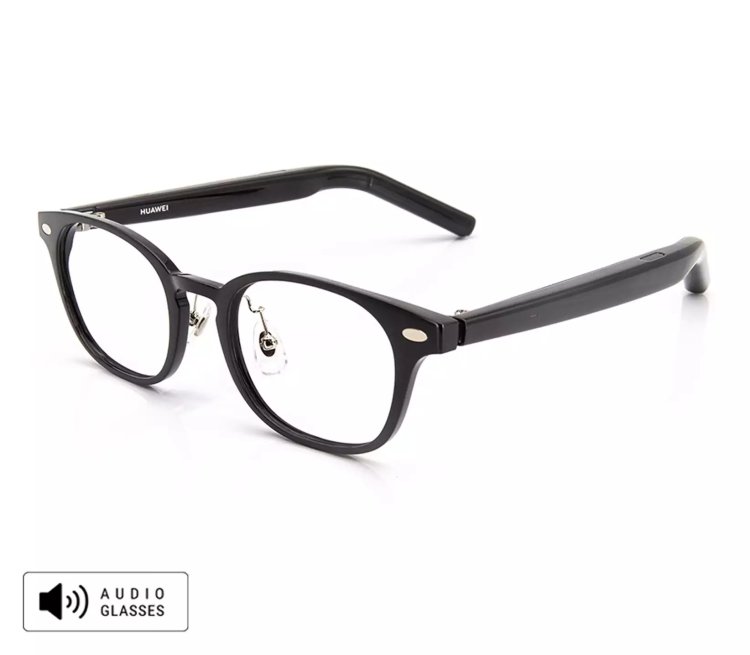
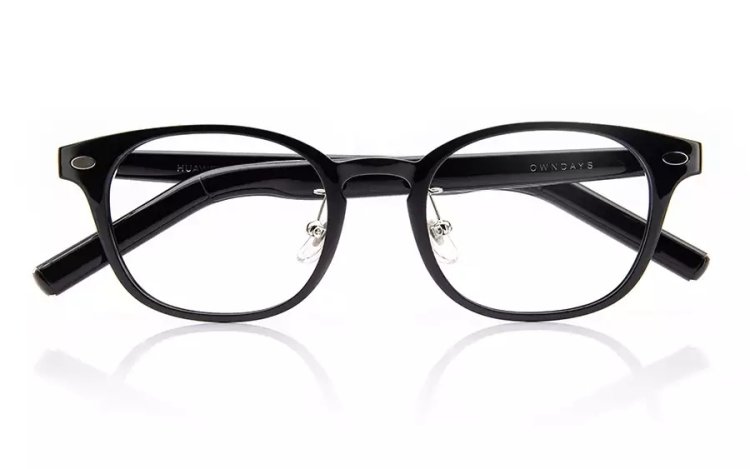
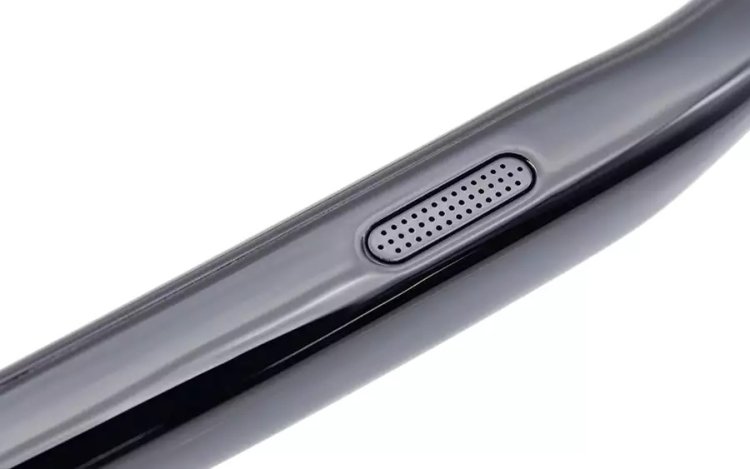
The “HUAWEI Eyewear 2,” jointly developed by OWNDAYS and HUAWEI, are smart glasses with built-in speakers and microphones in the temples.Users can listen to music, make calls, and use voice assistants while still hearing ambient sounds without blocking their ears. Double-tapping the temples answers calls or plays music, while sliding them allows users to skip tracks or adjust the volume.They also support multipoint connectivity, allowing simultaneous connection to two devices. Another key feature is the symmetrical speaker design, which delivers sound directly to the ears while minimizing sound leakage to the surroundings. The glasses do not include a camera or display, and on a full charge, they offer up to 11 hours of music playback and up to 9 hours of talk time.The “HW2006-3A” featured here features a frame that falls between the rounded Boston style and the sleek Wellington style. It features slimmer temples than the previous generation and is compatible with prescription lenses, photochromic lenses, and colored lenses.


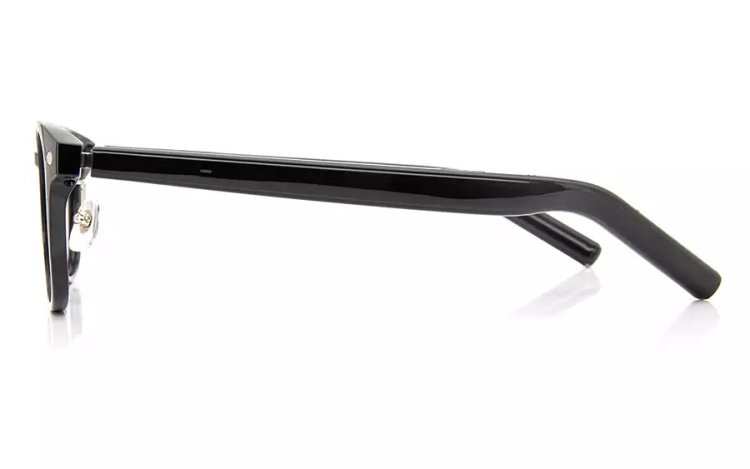
Click here for details and purchase
Answers to Questions You Should Know Before BuyingTop 10 Q&A on Smart Glasses
Q1. What is the difference between smart glasses and AR glasses?A: AR glasses are a type of smart glasses. The difference lies in their ability to display information in the user’s field of view
Smart glasses is a general term for eyewear-style devices equipped with cameras, speakers, AI, displays, and other features.AR glasses refer to devices that overlay text, images, 3D content, and other elements onto the real-world view. While there is no strict distinction, it is easiest to understand AR glasses as a type of smart glasses.
Q2. Can all smart glasses display images or text on the lenses?A: Not all of them. There are also many models that do not have a display.
In addition to models that can display translations, navigation, and notifications through the lenses, there are also smart glasses that only feature cameras, speakers, and AI capabilities. If you want to view information in your field of vision, you’ll need to check whether the model includes a display.
Q3. Can smart glasses be used without a smartphone?A: Required for most models. The functions available on the smart glasses alone are limited.
Most smart glasses require pairing with a smartphone for initial setup and to use dedicated apps.While some models offer features that can be used on their own—such as taking photos and videos—connecting to a smartphone is usually required for viewing and sharing captured content, as well as for AI, translation, navigation, and music playback. Before purchasing, be sure to check the supported operating systems and the range of features available when used on their own.
Q4. Can smart glasses be fitted with prescription lenses?A: There are many compatible models, but it’s essential to check the retailer and the available prescription ranges.
The number of smart glasses compatible with prescription lenses is growing, including models like Ray-Ban Meta, Even G2, and OWNDAYS × HUAWEI Eyewear 2. However, the supported prescription ranges, available lens options, and stores where lenses can be replaced vary by model. Since some standard eyewear stores may not be able to accommodate these requests, be sure to check the official website or authorized retailers before purchasing.
Q5. What are the benefits of using smart glasses?A: You can use convenient features hands-free without taking your eyes off the road.
The biggest benefit is being able to use various features without holding a smartphone.You can perform actions hands-free, such as taking photos and videos from the wearer’s perspective, asking AI questions via voice commands, controlling phone calls and music playback, and checking translations or navigation within your field of view. A key advantage is that it’s difficult to stop what you’re doing—whether you’re on the go or working—and it reduces the number of times you have to look down at your smartphone screen.
Q6. What points should I check when choosing smart glasses?A: Check the necessary features, supported OS, prescription lens compatibility, weight, and battery life.
First, you’ll want to determine which features—camera, display, or audio—are most important to you.Next, check the smartphone’s compatible operating system, whether prescription lenses are available, the device’s weight, battery life, and water resistance. Since some models charge extra for features like AI, translation, and navigation, it’s important to review the terms of use after purchase.
Q7. When taking photos or videos with smart glasses equipped with a camera, can people around you tell?A: It depends on the model, but with products that have a recording indicator light, people around you can tell.
The way recording is indicated varies by model.With Ray-Ban Meta and OAKLEY Meta HSTN, a capture LED on the front of the frame lights up when taking photos or videos, alerting those around you. Rokid’s “Smart AI Glasses” are also equipped with a camera indicator light.Since the position and visibility of the indicator vary by product, be sure to check the specifications before recording and be mindful of the consent of those around you and any facility rules.
Q8. Does music leak to those around me when I listen to it on smart glasses?A: Sound leaks more easily than with standard earbuds, but the extent varies depending on volume and usage environment.
Since smart glasses deliver sound through speakers located outside the ears, sound is more likely to leak compared to standard earbuds.However, this does not mean that others can always hear the music clearly; the extent of sound leakage varies depending on the product design, volume, and usage environment. While some models are designed to direct sound toward the ears and minimize leakage, turning up the volume in a quiet place may still allow people nearby to hear it.
Q9. Are smart glasses heavy? Do they cause fatigue when worn for long periods?A: They tend to be heavier than regular glasses. How tiring they are depends on their weight and fit.
Since smart glasses incorporate cameras, speakers, batteries, and other components, they tend to be heavier than regular glasses.Even among the models introduced here, there is a difference in weight: the Even G2 weighs 36g, while the Rokid “Smart AI Glasses” weigh 49g. Furthermore, weight isn’t the only factor affecting comfort. You should also check the balance of the center of gravity, as well as the shape of the temples and nose pads, and try them on before purchasing if possible.
Q10. Do smart glasses with displays cause eye strain?A: You may experience eye strain with prolonged use. Be sure to take moderate breaks.
Staring at a display within your field of vision for long periods may cause eye strain, pain, or headaches.The degree of strain depends on factors such as the brightness of the display, the legibility of the text, the duration of use, and whether you are using lenses suited to your vision. It is important to stop using them if you feel any discomfort and to avoid using them continuously for long periods of time.





















![13 classic recommendations for coin loafers [ History and celebrities' styles reveal their charms ].](https://otokomaeken.com/wp-content/uploads/2025/09/fc6927a4cd7fc6f068de9eb5d3ae4aff-2-750x396.jpg)